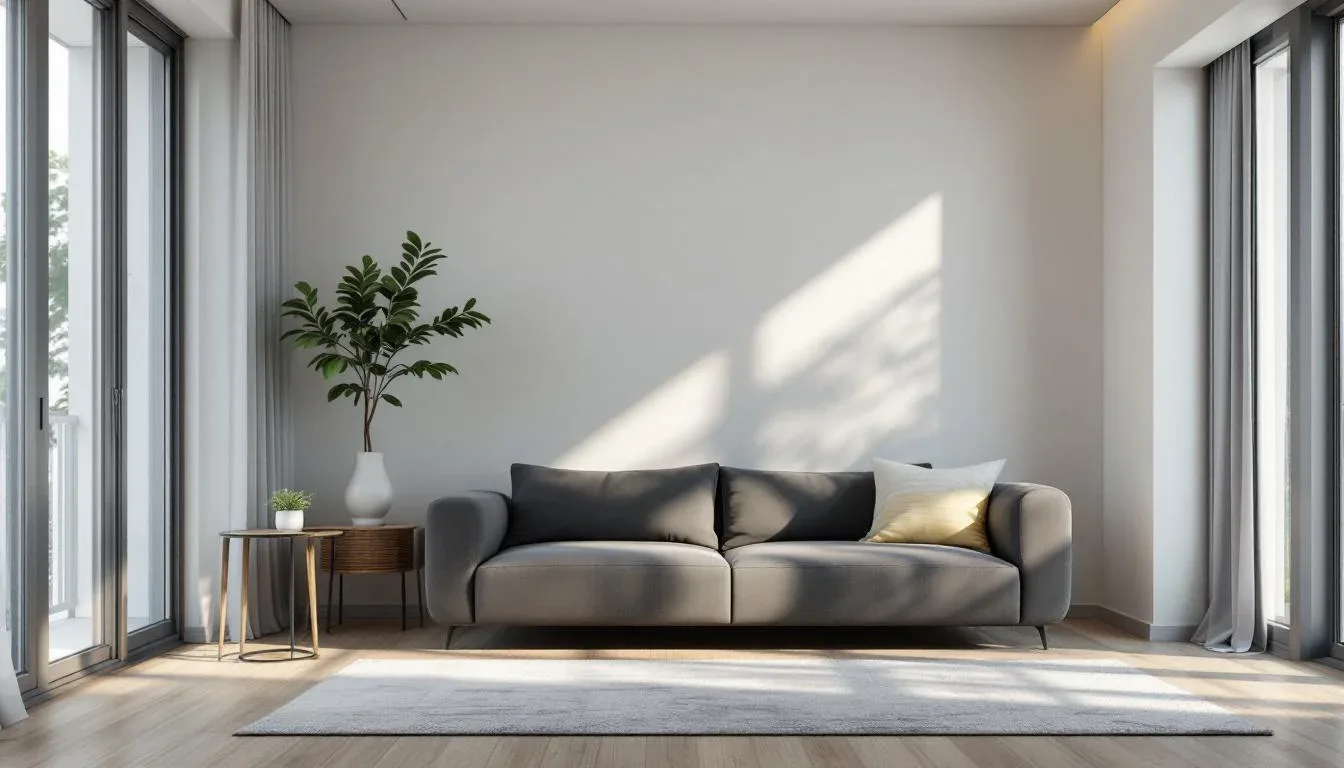
Most people redecorate on a budget and still hate the result — not because they spent too little, but because they skipped the one step that makes everything else work. That step isn’t finding cheaper furniture. It isn’t thrifting more aggressively. It’s thinking before buying — and most budget decorating advice skips straight past it.
Here’s interior-design-trends/” title=”Interior Design Trends Shaping Homes Right Now (And What They Actually Mean for Your Space)”>what the articles that rank above this one won’t tell you: Americans spend an average of $9,000 on home furnishings annually, and over 60% are still unhappy with at least one room in their home. The money isn’t the problem. The process is.
This is how you do interior design cheaply — and end up with something that actually looks good.
Why Cheap Interior Design Goes Wrong (And What Actually Works)
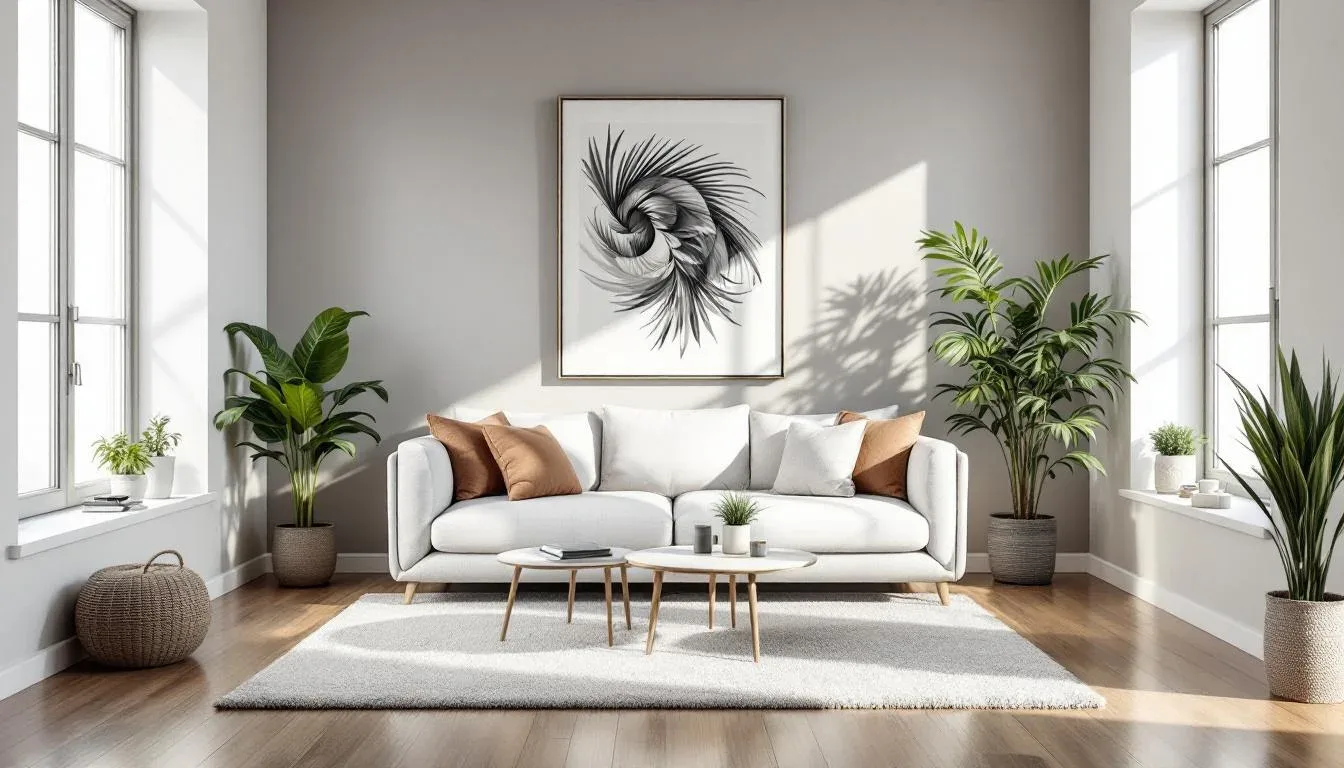
The most common budget decorating mistake isn’t overspending. It’s random buying — picking up a throw pillow here, a wall print there, a rug because it was on clearance, until the room is full of stuff that doesn’t speak to each other. The space looks busy, nothing feels cohesive, and there’s no obvious fix that doesn’t require starting over.
The second mistake is leading with aesthetics before function. You spot a velvet accent chair that fits the vibe you’re going for, you buy it, and then you realize there’s nowhere logical for it to go that doesn’t block the natural traffic flow. Regret purchases almost always start with a beautiful object and zero context for where it actually lives.
There’s also an important distinction between cheap-looking and budget-friendly. A room furnished almost entirely from thrift stores and IKEA can look genuinely expensive. A room furnished with mid-range retail pieces in mismatched styles can look like a waiting room. The difference isn’t money — it’s intention.
A few patterns separate failed budget rooms from successful ones:
- No visual anchor — the room has no single dominant piece around which everything else organizes
- Too many trends, too fast — chasing micro-trends from TikTok or Instagram creates rooms that feel dated within a year
- Scale blindness — buying pieces that are the wrong proportion for the room’s actual dimensions
- Ignoring light — furnishing a room without addressing how light moves through it during the day
The fix isn’t more money. It’s a plan that comes before any purchase. Every dollar you spend without a plan is a dollar working against you.
Actionable takeaway: Before you open a single browser tab to shop, write down the one sentence that describes what you want the room to feel like — not look like, feel like. That sentence is your filter for every purchase decision going forward.
Start With a Room Audit Before You Buy Anything
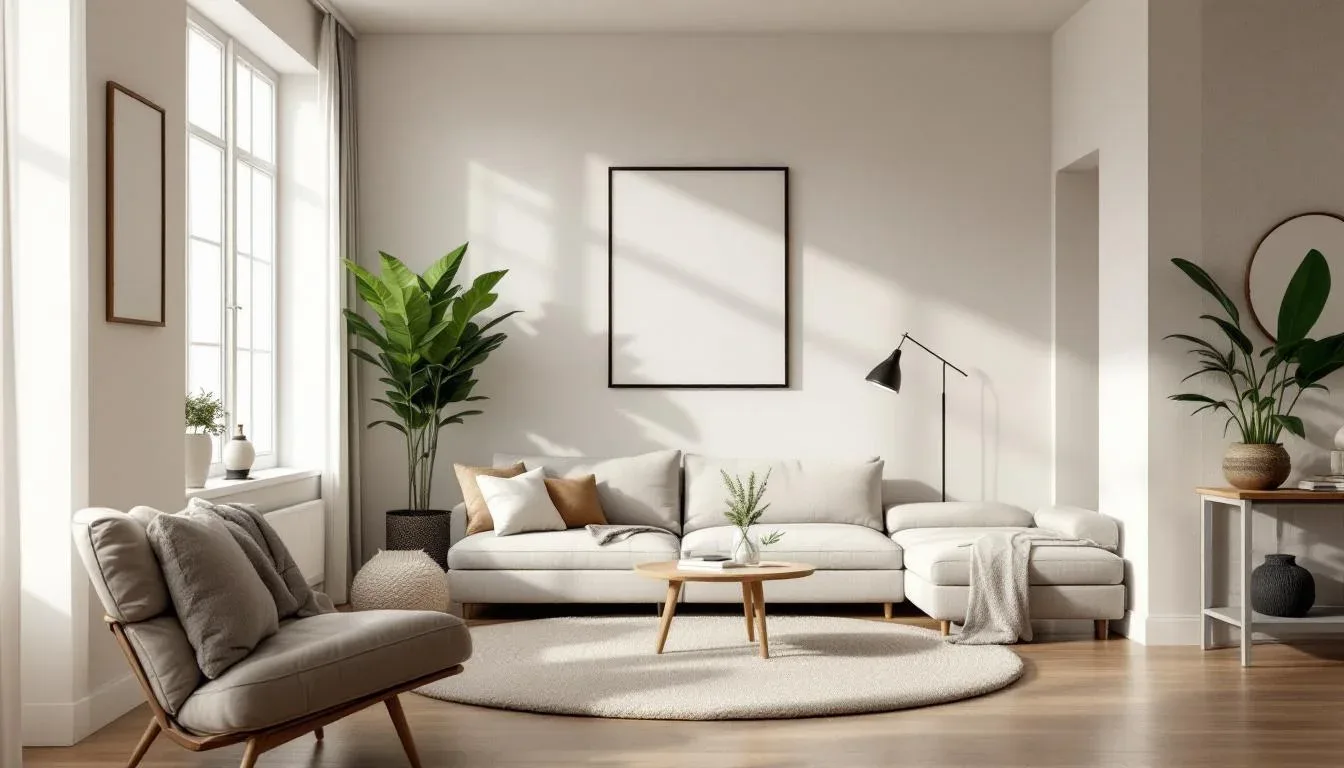
Interior designers report that up to 70% of a room’s transformation can come from rearranging and editing existing furniture before introducing a single new item. Most homeowners don’t believe that until they try it. Then they can’t unsee it.
The room audit starts with a photograph — specifically, a natural light photograph taken from each corner of the room, plus one from the doorway. Your phone camera is more objective than your eyes. You’ve been looking at this room too long to see it clearly. The photo shows you the actual proportions, the awkward furniture clusters, the dead zones, and the pieces that are clearly pulling the space in the wrong direction.
Once you have those photos, do two things:
Step 1 — The edit. Walk through the room and physically pull out anything that doesn’t belong. Furniture that’s only there because it has nowhere else to go. Decor that doesn’t fit the feeling you’re after. Objects sitting on surfaces out of habit, not intention. Put them in another room or a corner temporarily. You’re not throwing them away — you’re seeing the room without them.
Step 2 — The inventory. Make a simple list with three columns:
- Keep as-is — pieces you genuinely like and that work with your direction
- Keep but modify — pieces with good bones that need paint, reupholstering, or styling changes
- Remove — pieces that aren’t earning their place, regardless of what they cost
This inventory becomes your actual shopping list. Most people discover they need far fewer new pieces than they assumed. A sofa that’s been pushed against the wall for years can look like a completely different piece when floated in the center of the room with a rug underneath it.
The room audit also exposes functional problems that aesthetics can’t fix. If the seating arrangement forces everyone to turn their neck to see the television, no amount of throw pillows will make that room feel comfortable.
Actionable takeaway: Take the corner photos today, right now, before reading further. Print them or keep them open on your phone. Every decision you make from this point forward should reference those images — not the idealized version of the room in your head.
How to Build a Cheap Interior Design Plan That Actually Guides Your Spending
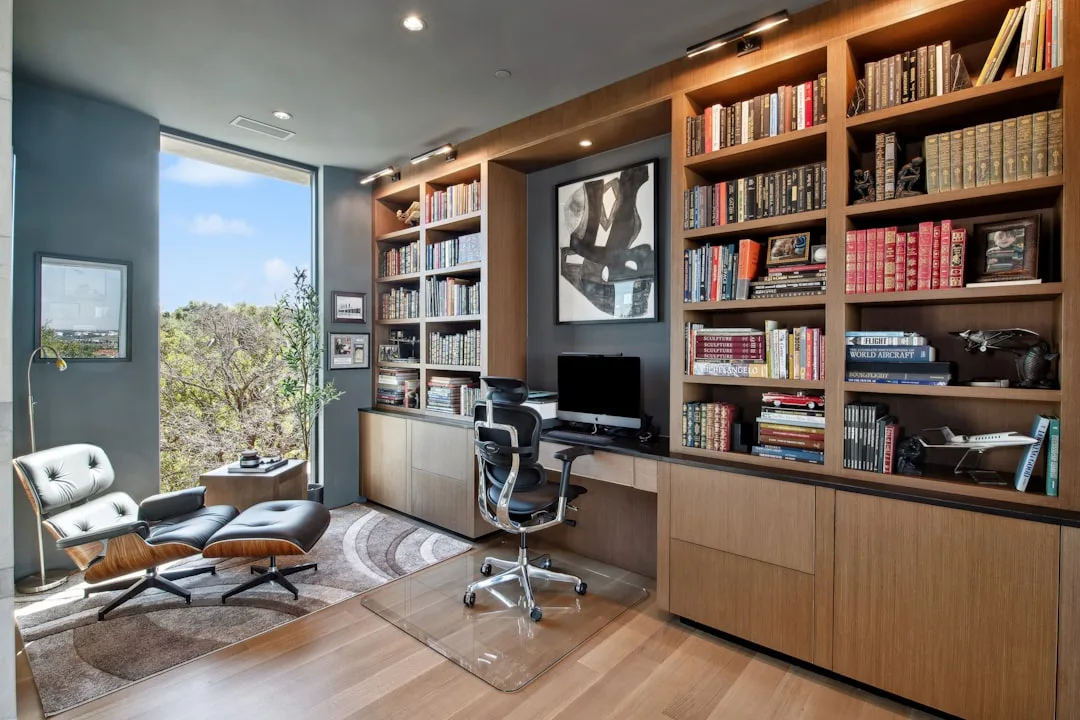
A mood board sounds optional. It isn’t. Without one, you’ll walk into HomeGoods and walk out with four things that individually looked great but collectively make no sense. The mood board is your spending filter — if something doesn’t fit the board, it doesn’t come home.
You don’t need design software. Canva and Pinterest are both free and both work. On Pinterest, create a private board for the specific room you’re working on and pin aggressively for 20 minutes without editing yourself. Then step away. Come back in an hour and look at what you’ve pinned. A pattern will appear — a palette, a texture preference, a furniture style. That pattern is your design direction.
Once you have a visual direction, build the spending plan around the three-tier budget method:
Tier 1 — Anchor pieces (50% of budget)
One or two dominant pieces that define the room’s scale and style. Usually the sofa in a living room, the bed frame in a bedroom, or the dining table. These are worth spending more on, either by buying quality secondhand or investing in a single new piece that will last.
Tier 2 — Supporting furniture (30% of budget)
The pieces that fill out the room’s function — side tables, accent chairs, storage. These can absolutely come from IKEA, secondhand sources, or budget retailers without compromising the overall look.
Tier 3 — Decor and accessories (20% of budget)
Pillows, throws, artwork, plants, candles, small objects. These should be where you take risks, follow trends, and express personality — because they’re also the easiest and cheapest to swap out when you want a refresh.
Designers recommend this 50/30/20 split specifically because it prevents the common mistake of blowing budget on accessories while skimping on the anchor piece that actually structures the room.
Also critical: work room by room, not house by house. Spreading a $1,500 budget across five rooms gives you $300 per room, which buys almost nothing meaningful anywhere. Concentrating that same budget on one or two rooms and finishing them properly creates momentum — and a room you’re actually proud of makes you more motivated to do the next one well.
Actionable takeaway: Before you spend anything, set a hard number for the room, then divide it by the 50/30/20 split. Write those three dollar amounts down. That’s your budget architecture.
The Highest-ROI Cheap Design Moves (Ranked by Visual Impact Per Dollar)
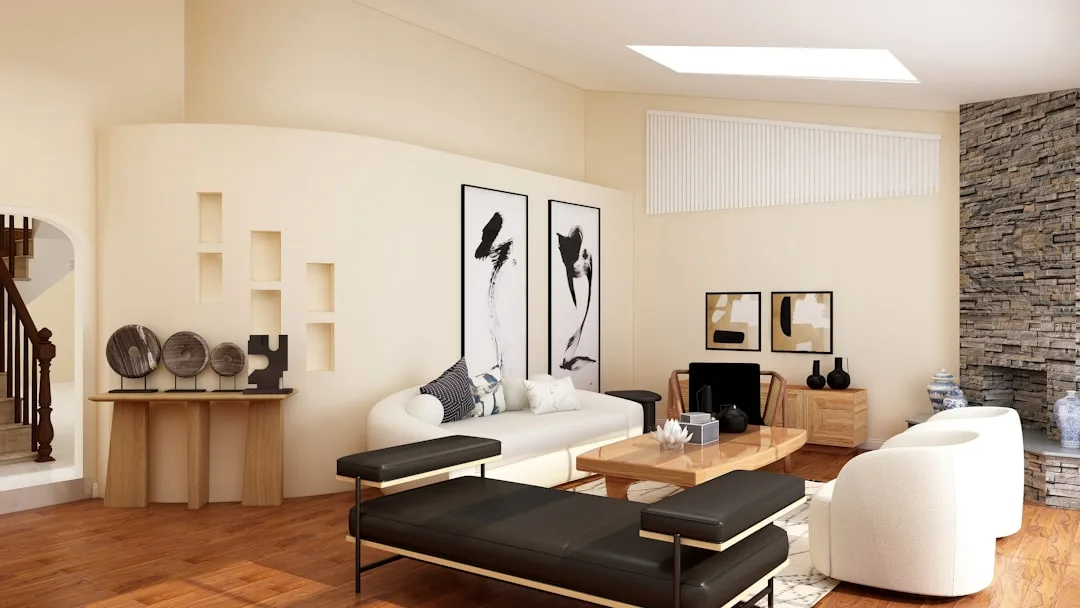
Not all cheap design changes are equal. Some cost almost nothing and transform a room. Others cost almost nothing and look like they cost almost nothing. Here’s the honest ranking.
1. Lighting — highest impact, most ignored
Replacing a single overhead ceiling light with layered lighting — a floor lamp plus a table lamp — can increase a room’s perceived warmth and livability by over 40% in design perception studies. Builder-grade flush-mount fixtures are the single biggest tell that a room hasn’t been designed. A $60 arc floor lamp from Amazon or a secondhand torchiere does more for a room’s atmosphere than almost any furniture purchase. Layer light at multiple heights: ambient (overhead), task (table lamps), and accent (candles, LED strips behind furniture). The room changes completely at night.
2. Strategic paint — beyond the accent wall
Painting the interior back of a bookcase or built-in shelf in a contrasting color makes a $200 IKEA Billy unit look like a custom built-in. Painting a ceiling — even just slightly off-white or a muted color — adds architectural depth that flat white simply doesn’t have. A single gallon of paint costs $25-$40 and covers more visual ground than most furniture pieces.
3. Textiles
Curtain panels, throw pillow covers, and a woven blanket can shift a room’s entire season and palette in an afternoon. Pillow covers — not pillow inserts, just the covers — run $8-$20 each on Amazon and H&M Home. Swap them twice a year and the room feels like it’s been redecorated.
4. Float your furniture
Pushing every piece of furniture against a wall is the most common layout mistake in residential design. Pulling a sofa even 12-18 inches off the wall and anchoring it with a rug underneath immediately makes the room feel like it was arranged by someone who knew what they were doing. It creates breathing room, defines zones, and makes the space feel larger despite using the same square footage.
5. Vignette styling
Three small objects scattered across a shelf look like clutter. Those same three objects grouped on a small tray with a candle and a plant look styled. Grouping creates intention. Collect small items from around the house before buying anything new — the issue is rarely having too little, it’s having things placed without purpose.
Actionable takeaway: If you can only do one thing this weekend, swap your overhead lighting for a layered setup. Buy one floor lamp and one table lamp — they don’t have to match — and unplug the overhead. The difference will stop you in your tracks.
Where to Actually Source Cheap Interior Design Pieces Without It Looking Cheap
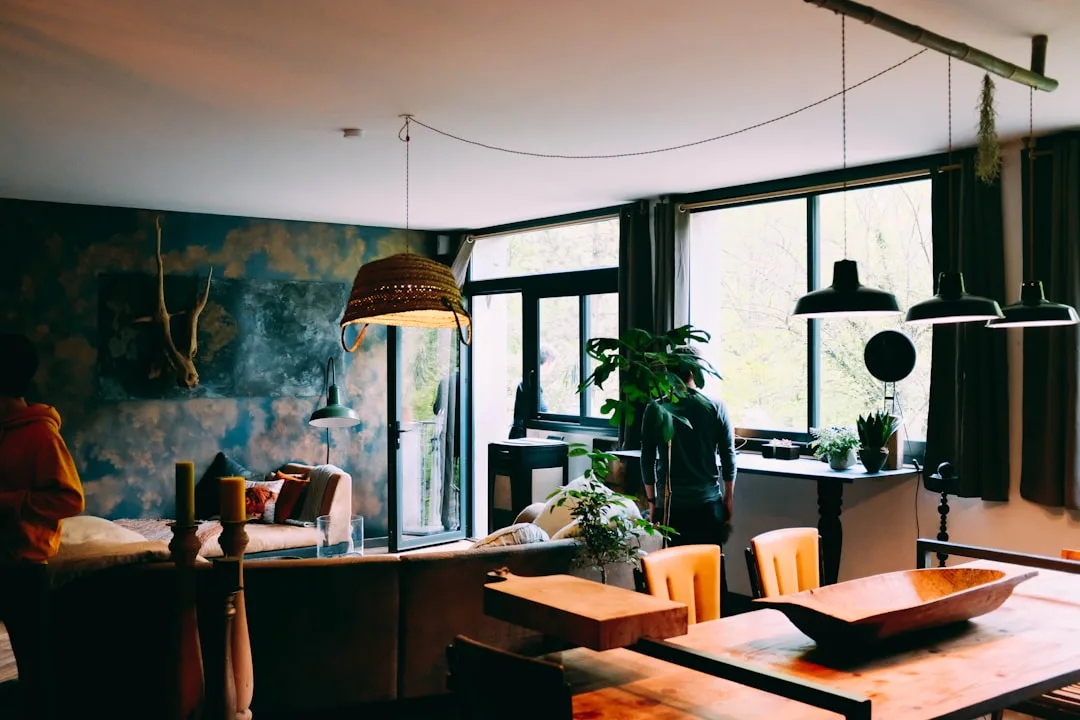
The standard advice is “thrift stores are great.” That’s true and completely useless without knowing what to buy where, when, and how to filter for quality. Facebook Marketplace and Craigslist furniture listings are priced on average 60-80% below retail, and solid wood furniture sourced secondhand frequently outlasts new flat-pack furniture by decades. But not everything belongs in the secondhand category.
The sourcing hierarchy:
- Always buy secondhand: sofas (steam-clean them), wood dining tables, wooden chairs, bookshelves, mirrors, lamps, artwork, decorative objects, metal accents
- Always buy new: mattresses, upholstered bed frames without washable covers, bath linens, pillows and pillow inserts, anything with foam padding you can’t verify
- Either works: rugs (inspect closely for damage and odor), curtains (wash immediately), coffee tables, side tables, storage
Platform strategies:
Facebook Marketplace is the single best source for furniture. Search by zip code, set a 15-mile radius, and check daily — good pieces move fast. Search for terms like “solid wood,” “moving sale,” and “must go” to find motivated sellers who’ll negotiate.
IKEA is best used for structural, neutral pieces — the frames and foundations you build around. The KALLAX shelving unit ($69-$139), the HEMNES bed frame, and the LISABO dining table are all strong, neutral pieces that read well in a styled room. IKEA’s weakness is anything upholstered and anything with a veneer that sees hard use.
HomeGoods and TJ Maxx are best for decor — ceramics, glassware, candles, small art pieces, and textiles. Their furniture is inconsistent in quality, but their accessories genuinely deliver. Go on weekday mornings when new stock has just been set out.
Estate sales (search EstateSales.net) are where you find genuine character pieces — solid wood antiques, quality ceramics, heavy brass fixtures — at prices that are still well below what antique dealers charge. Show up in the first two hours of day one for selection, or the last hour of day two for negotiation.
On timing: major furniture retailers (Crate & Barrel, Pottery Barn, West Elm) discount floor models by 30-50% at end of quarter, typically in late March, late June, late September, and December. Sign up for email lists and use Google Shopping’s price history feature (built into Google search results) to track whether a “sale” price is actually a discount.
Actionable takeaway: Open Facebook Marketplace right now, search your city for “dining table solid wood,” and see what’s listed. Set a price alert on the app. This costs nothing and takes four minutes.
Cheap DIY Interior Design Projects Worth Your Time (And Ones to Skip)
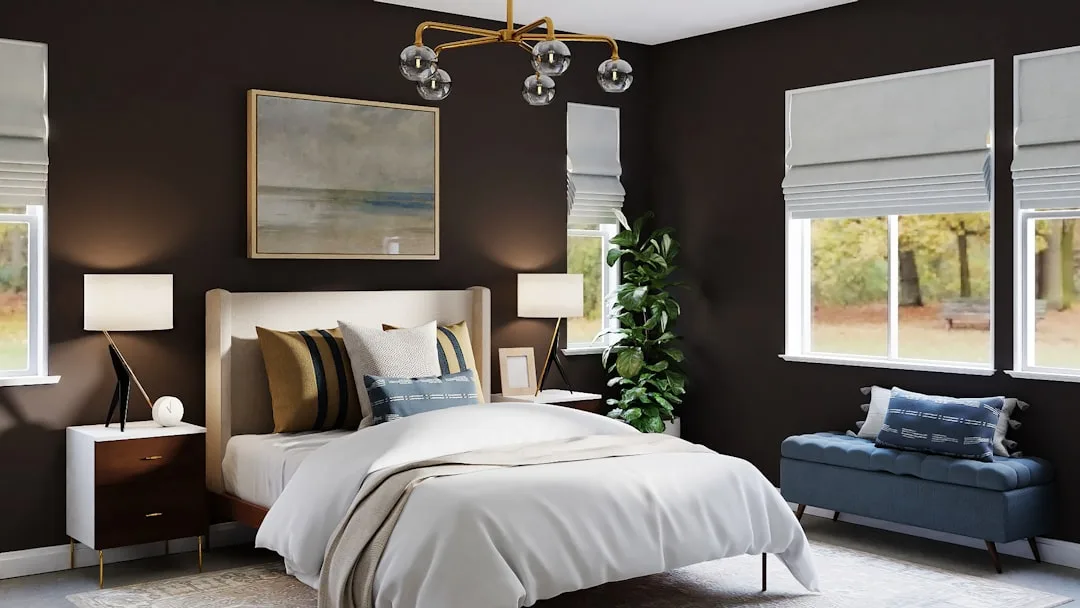
DIY advice is usually presented without the honesty it requires: some projects genuinely deliver, and some eat a weekend and still look like a DIY. Here’s the real breakdown.
High-value DIY projects — do these:
- Painting furniture. A coat of chalk paint (Rust-Oleum Chalked runs about $14/quart) and a furniture wax finish transforms a dated wood dresser completely. The result genuinely reads as intentional rather than budget.
- Removable wallpaper. Brands like Chasing Paper and Tempaper offer peel-and-stick panels that go up in an afternoon and come off without damage. A single wall behind a bed or bookcase costs $80-$150 and adds more visual personality than most furniture pieces.
- Peel-and-stick backsplash tile. Smart Tiles and similar brands offer panels ($8-$12 each) that transform a kitchen or bathroom backsplash without mortar, grout, or professional installation. From a normal viewing distance, they read convincingly.
- Reupholstering dining chair seats. This is the single best DIY value in home design. Reupholstering four dining chair seats costs approximately $40-$80 in fabric and foam versus $600-$1,200 to replace the chairs entirely — the same visual result for a fraction of the cost. The process requires a staple gun, a screwdriver, and about 20 minutes per chair.
Medium-value DIY — worth attempting if you’re patient:
- Floating shelves. Simple pine shelves with concealed brackets cost $15-$30 per shelf in materials and add real functionality and style. They require a stud finder, a level, and patience — but the failure rate is low.
- Gallery walls. A well-executed gallery wall is genuinely high-impact. The key is mapping the layout on the floor first, using paper templates to mark nail positions before committing. Skip the matching frame sets — mix frame sizes and finishes for a collected look.
Low-value or risky DIY — skip these:
- Painting tile grout. Grout paint works initially and fails within a year. It’s a time-consuming project with a short lifespan and a messy correction process.
- DIY crown molding without experience. The miter cuts at corners are technically demanding. Poorly fitted crown molding actually makes a room look worse than no crown molding. This is a project for someone who’s done it before.
- Mixing mismatched stained wood furniture that requires precise color matching. Matching existing stains is harder than it looks. Unless you’re going fully eclectic (which requires confidence and experience to pull off), color-mismatched wood finishes read as accidental rather than intentional.
Actionable takeaway: If you have dining chairs with drop-in seats, pull one chair out, flip it over, and see if the seat is held in by screws. If it is, you have a same-weekend project that costs under $30 in materials and completely changes how the dining area reads.
How to Make a Cheap Room Look Expensive: The Designer Tricks That Cost Almost Nothing
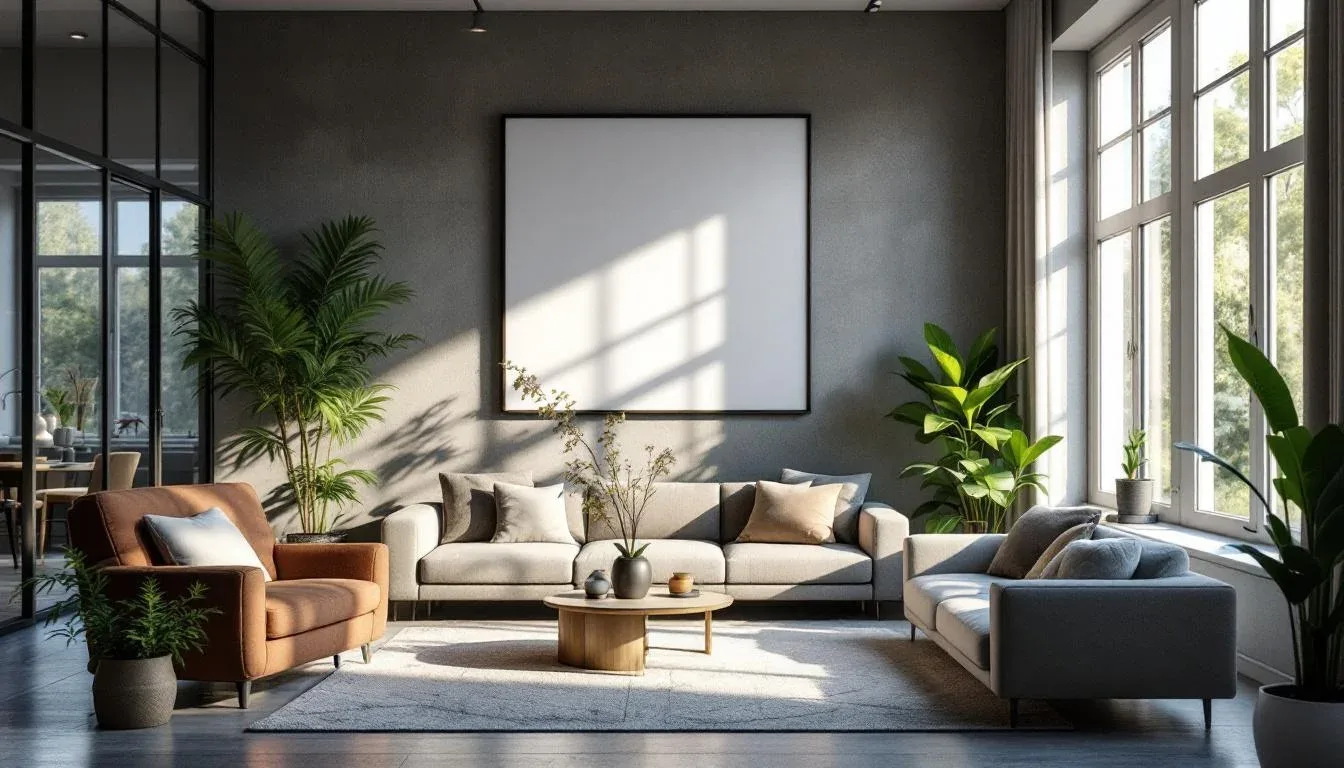
The gap between a furnished room and a designed room usually comes down to five or six finishing details that cost very little but require knowing what they are. These are the specifics.
Curtains hung at the ceiling, not the window
Interior designers consistently cite curtain height as the single most commonly mishandled detail in budget rooms. Hanging curtains just 2-4 inches above a window frame instead of near the ceiling makes an 8-foot ceiling feel like 7 feet. Mount your curtain rod 4-6 inches below the ceiling line — ideally higher — and extend the rod 8-12 inches past each side of the window frame. Use curtain panels that puddle slightly on the floor. This combination adds dramatic height and makes windows appear nearly twice as large. The extra fabric costs $20-$40 in curtain panels from IKEA’s RITVA or HILJA range.
One metal finish, everywhere
Pick one metal tone — warm brass, matte black, or brushed nickel — and run it through every touch point in the room: curtain rod, lamp base, picture frames, cabinet hardware, and decorative objects. You don’t need matching sets. You just need consistent metal tones. A room where hardware is half chrome, half brass, and half bronze reads as unresolved. A room where everything touches the same metal tone reads as deliberate, regardless of price point.
The rule of odd numbers
Objects grouped in odd numbers — threes and fives — create natural visual rhythm because the eye has to move between items rather than immediately pairing them up. Three objects at varying heights on a shelf read as styled. Two objects of equal height read as accidental. This is free and works immediately.
One large piece instead of many small ones
A single 24×36 inch print at the right scale does more for a wall than six small prints scattered around it. One oversized mirror (an 48-inch round or a large leaner) reads as confident and architectural. A collection of small mirrors and small art creates visual noise that signals a lack of commitment. Source large-format art from Society6, Desenio, or — best of all — print your own high-resolution images at a local print shop for $15-$30 in poster format and frame them in IKEA’s RIBBA or RÖDALM frames.
Consistent greenery, not collections of tiny plants
One large-scale plant — a Monstera deliciosa, a fiddle-leaf fig, or a tall snake plant — makes more visual impact than ten small succulents on a windowsill. Large plants add scale, movement, and organic texture that no manufactured object can replicate. A 3-4 foot Monstera from a local nursery runs $25-$45 and immediately adds the sense of life that distinguishes styled rooms in design magazines.
Actionable takeaway: Today, move your curtain rod. If you don’t have a drill, a tension rod mounted near the ceiling with floor-length panels still creates the height effect. This one change, in a room with 8-foot ceilings, is visually equivalent to adding 12-18 inches of ceiling height. It costs nothing if the panels are long enough, or $25-$40 for new ones.
Frequently Asked Questions
What is the cheapest way to redesign a room without buying new furniture?
Start by rearranging what you have — specifically, pull furniture away from walls and anchor it with a rug if you own one, or reposition pieces to face the room’s natural focal point. After that, edit ruthlessly: remove anything that doesn’t belong and let the room breathe. Swap textiles — pillow covers, throws, and curtains can all be changed for under $100 total and have an outsized effect on the room’s color and mood. Add a floor lamp or table lamp in a dim corner. Paint the inside back wall of any open bookshelves. These five moves alone, done in sequence, can transform a room without a single piece of new furniture.
How do I make my home look professionally designed on a small budget?
Three habits separate professionally designed rooms from DIY ones: consistency, scale, and restraint. Consistency means repeating a metal finish, a color, or a material through multiple points in the room so the eye reads it as intentional. Scale means buying pieces that are proportionally correct for the room — a rug that’s too small is the most common scale mistake, and a sofa that’s too large for the wall it sits on is the second. Restraint means having less on display than you think you need. Styled rooms almost always have fewer objects than you’d expect. If you follow those three principles before spending a dollar, the result will read as designed.
What should I prioritize when decorating a room on a tight budget?
Prioritize in this order: lighting, anchor piece, and textiles. Lighting transforms atmosphere more than any furniture change and costs the least relative to impact. The anchor piece — usually the sofa in a living room or the bed in a bedroom — defines the room’s scale and style, so it deserves the largest portion of your budget. Textiles (curtains, pillows, a throw, and a rug) then layer warmth, color, and texture over that foundation. If you spend your budget in this sequence, the room will look complete. If you spend it in reverse order — accessories first, structure last — it will always feel unfinished.
How do I avoid cheap-looking results when decorating on a budget?
The most common cheap tells are: curtains hung too low, furniture pushed against every wall, a rug that’s too small, mismatched metal finishes, and walls covered in small-scale artwork. Address those five things and the room’s budget level becomes genuinely hard to read. Beyond that: avoid buying multiple trend pieces at once — they’ll all date simultaneously. Buy neutral anchor pieces and express personality through lower-cost accessories. Invest in a few items that have obvious material quality — a solid wood table, a heavy ceramic lamp base, a brass fixture — and let them elevate everything around them. One quality piece reads as intention. Everything being mid-grade reads as nothing.
Here’s where to start, right now: take your phone into the room you most want to change, photograph it from all four corners, and look at the images like you’ve never seen the room before. Identify the one thing in each photo that’s clearly wrong — the furniture pushed against walls, the curtains hanging too low, the mismatched lamp situation. Fix that one thing before you spend anything. That’s the real first move. Everything else follows from it.