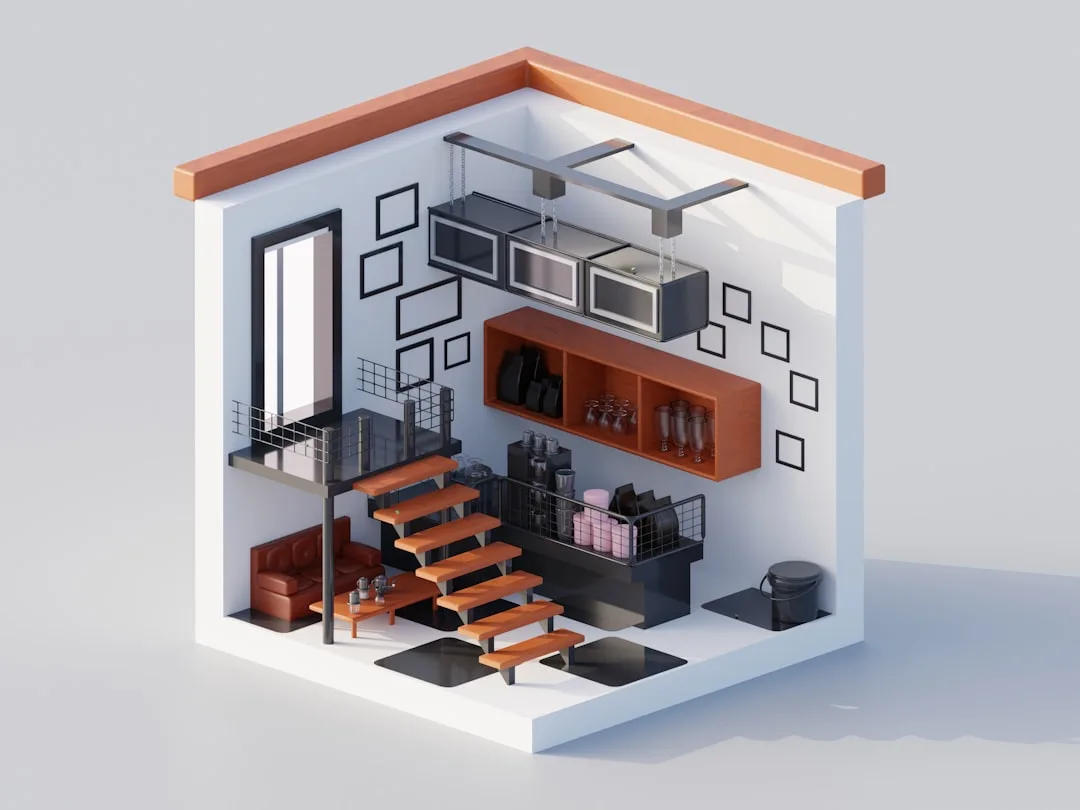
The average new urban apartment is now smaller than a two-car garage — and the generic advice to “add mirrors and declutter” has never once solved the real problem of a dark, low-ceilinged, single-room space where you sleep, work, cook, and live. If you’ve read six articles and still feel stuck, it’s not because you missed a tip. It’s because those articles diagnosed the wrong problem.
This one doesn’t.
Why Most Small Space Interior Design Ideas Fail You (And What to Do Instead)
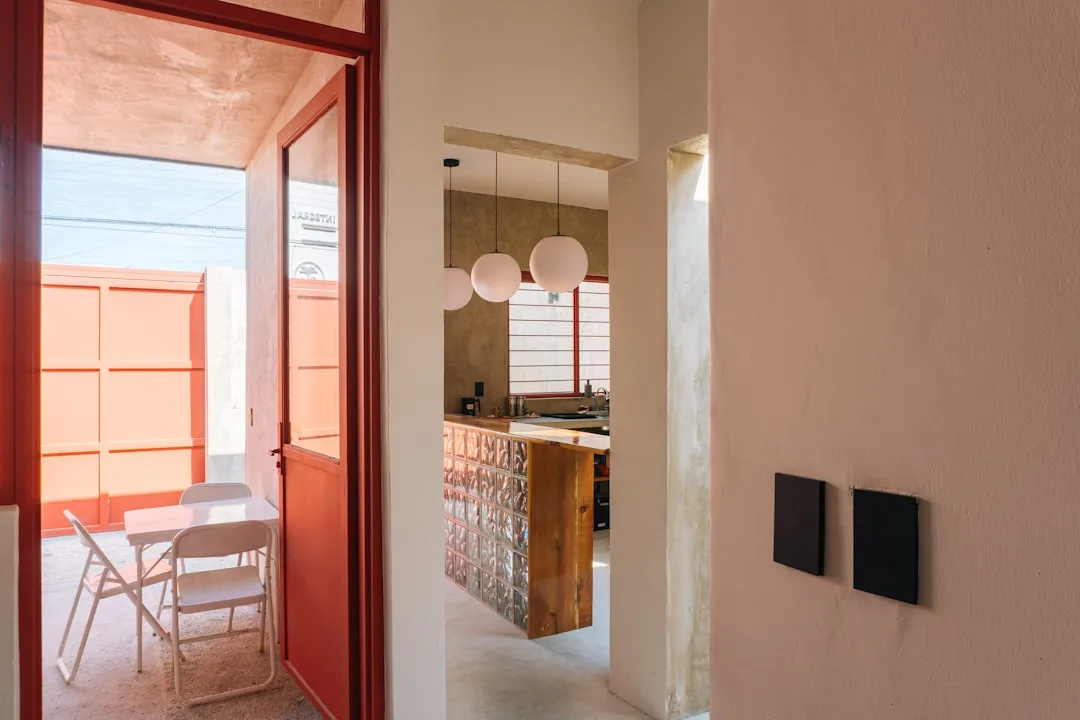
Here’s the thing about mirrors and white paint: they’re not wrong, they’re just incomplete. They assume your apartment has one generic problem called “feeling small.” Most spaces have a specific problem — and those problems require completely different solutions.
According to the U.S. Census Bureau, the average new apartment size shrank from 941 square feet in 2015 to under 900 square feet by 2022. That’s a meaningful compression happening to millions of households simultaneously. But a 900-square-foot apartment with good natural light and 9-foot ceilings is a completely different design puzzle than a 600-square-foot studio with one north-facing window and a drop ceiling.
Treating different problems with the same solution is why most small-space advice fails.
There are four core problem types that small spaces fall into:
- No natural light — the space feels dim, cave-like, and emotionally draining regardless of size
- Low ceilings — the room feels compressed horizontally even when square footage is adequate
- Open-plan blur — kitchen, living, and sleeping zones bleed into each other with no visual hierarchy
- Studio layout chaos — everything shares one undivided room with no obvious starting point
Throughout this article, every solution is organized by budget tier so you know exactly what you’re committing to:
- Under $50 — changes you can make this weekend
- $50–$300 — mid-range upgrades worth saving for
- $300+ — investments that structurally solve the problem
The approach here is diagnostic first, decorative second. Figure out which problem type matches your space, then apply the targeted solutions. You’ll accomplish more with one well-aimed fix than with twenty generic tips.
Your actionable takeaway: Before spending a dollar, walk to the center of your room and identify which of the four problem types dominates. Everything flows from that answer.
Problem 1: No Natural Light — Small Space Design Ideas That Brighten Without Windows
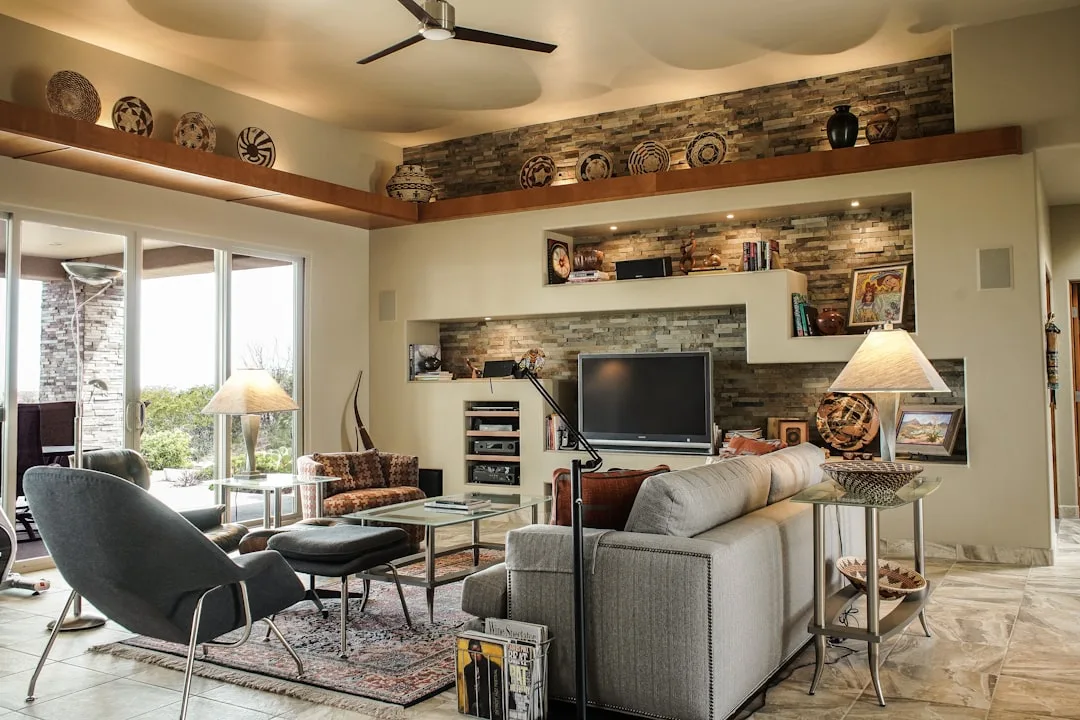
Natural light isn’t just an aesthetic preference. Research from Cornell University’s Human Factors and Ergonomics Lab found that access to natural light in a living space correlates with an 84% improvement in reported wellbeing. That makes this the most emotionally urgent small-space problem to solve — and it’s also the one most people address incorrectly.
Flat white paint is not the answer. Warm-toned plaster or limewash finishes — from brands like Portola Paints or Farrow & Ball’s newer textured lines — scatter existing light in multiple directions, whereas flat white paint simply absorbs it. A wall finished in Portola’s Roman Clay in a warm sand tone will visually glow under artificial light in ways that Benjamin Moore Chantilly Lace never will.
The real fix for no natural light is layered artificial lighting at three distinct heights, which mimics the omnidirectional quality of daylight:
- Ambient level (ceiling): A flush-mount fixture with a warm-tinted diffuser — not a bare bulb
- Task level (table/counter height): Lamps with opaque shades that direct light upward and outward simultaneously
- Accent level (floor): An uplight or LED strip behind furniture bounces light off the ceiling and creates the illusion of a secondary light source
Reflective surfaces matter — but the placement is what most people get wrong. A mirror facing a wall does nothing. Position reflective surfaces directly opposite your brightest light source, whether that’s a lamp or a window. Lacquered furniture, glazed subway tile, and polished concrete flooring all multiply light passively once positioned correctly.
Budget solutions by tier:
- Under $50: Swap every bulb in the room to 2700K–3000K color temperature LEDs (GE Reveal or Philips Warm Glow are solid picks). Add warm-tinted lampshades — amber or linen, not white — to two existing lamps. Total cost: under $35.
- $50–$300: Install plug-in wall sconces (no electrician required) to eliminate dark corners. CB2’s Arched Plug-In Sconce runs around $129 and requires only a hook and an outlet.
- $300+: Solar tube skylights (starting around $350 installed) channel actual daylight through a reflective tube into interior rooms. For renters, full-spectrum LED panels designed for plant growing — like the ones from Soltech Solutions — produce light quality that’s genuinely indistinguishable from daylight to the human eye.
Your actionable takeaway: Tonight, replace your overhead bulb with a 2700K LED and add one upward-facing floor lamp. That single shift will change how the room feels before you spend another dollar.
Problem 2: Low Ceilings — Interior Design Tricks That Make Rooms Feel Taller
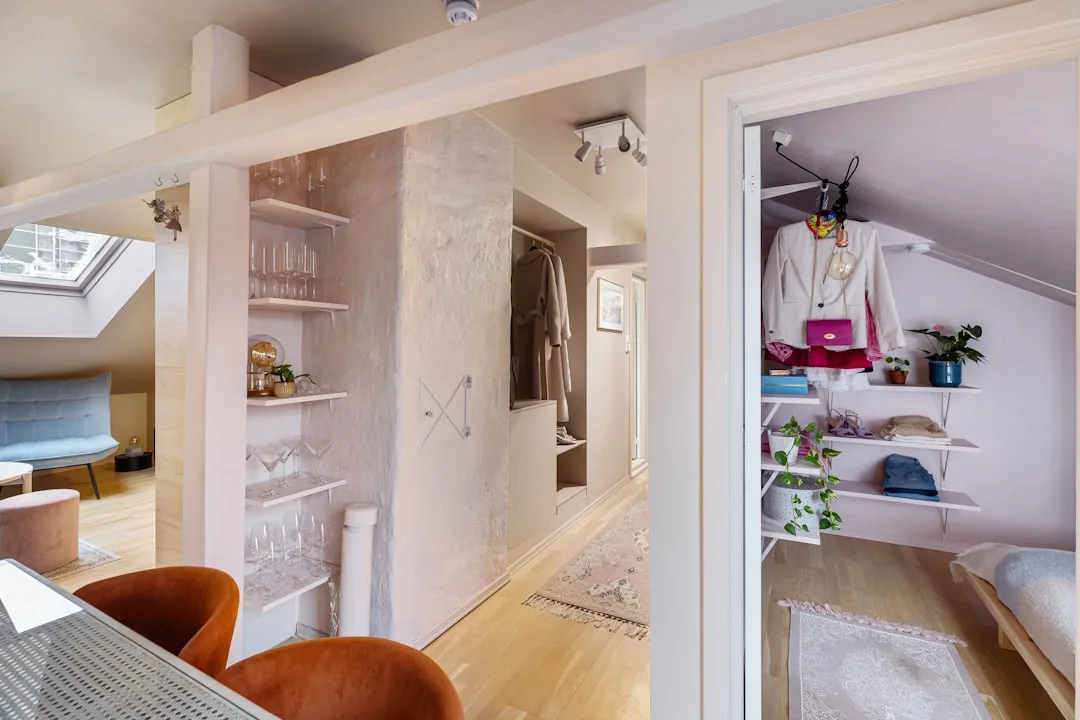
The standard U.S. ceiling height in pre-war apartments is 8 feet, but tens of millions of urban renters live in buildings constructed between the 1950s and 1970s with 7.5-foot ceilings — a half-foot difference that registers as psychologically significant. These rooms don’t just feel short. They feel pressurized.
The most impactful vertical trick isn’t wallpaper or paint. It’s curtain placement. Hanging curtains 4 to 6 inches above the window frame — rather than at the frame itself — stretches the perceived wall height dramatically. This works because the eye follows the curtain rod upward and registers it as the ceiling boundary. Use floor-length panels even on small windows. A 36-inch wide window with 96-inch curtain panels reads as an architectural feature, not a design afterthought.
The second most effective move is ceiling color. Painting the ceiling the same color as the walls — or one shade lighter in the same hue family — erases the visual “lid” that makes low ceilings oppressive. Designer Sarah Sherman Samuel uses this technique consistently in renovation projects, often selecting a single warm greige tone for both surfaces. The room doesn’t look shorter. It looks continuous.
What accelerates the “low ceiling” feeling most? These three mistakes:
- Pendant lights that hang below 7 feet — they interrupt sightlines and emphasize the ceiling’s proximity
- Bulky, high-backed sofas that stack visual mass toward the ceiling line
- Stark ceiling-to-wall color contrast that frames the ceiling as a separate, low plane
Furniture with visible legs — a sofa raised 6 inches off the floor, a dining table on tapered legs, a bed frame with clearance — keeps the floor visible and tricks the eye into perceiving more vertical breathing room.
Budget solutions by tier:
- Under $50: Move your curtain rods up. Seriously, this is a $0–$15 fix (new brackets) with a dramatic visual result. Swap any heavy valances for simple rod-pocket sheers in white or warm linen.
- $50–$300: Apply peel-and-stick vertical wallpaper panels on a single accent wall. Tempaper and Chasing Paper both offer vertical stripe options under $150 for one wall. Keep color contrast subtle — tone-on-tone, not bold stripe.
- $300+: Install ceiling-height open shelving units that run wall-to-wall and floor to ceiling. The visual line extending all the way up reads as architectural height, even when the actual ceiling height hasn’t changed.
Your actionable takeaway: Measure where your curtain rods currently sit. If they’re within 3 inches of the window frame, relocate them this weekend. It’s the highest-impact, lowest-cost vertical fix available.
Problem 3: Open-Plan Blur — How to Zone a Small Space Without Walls
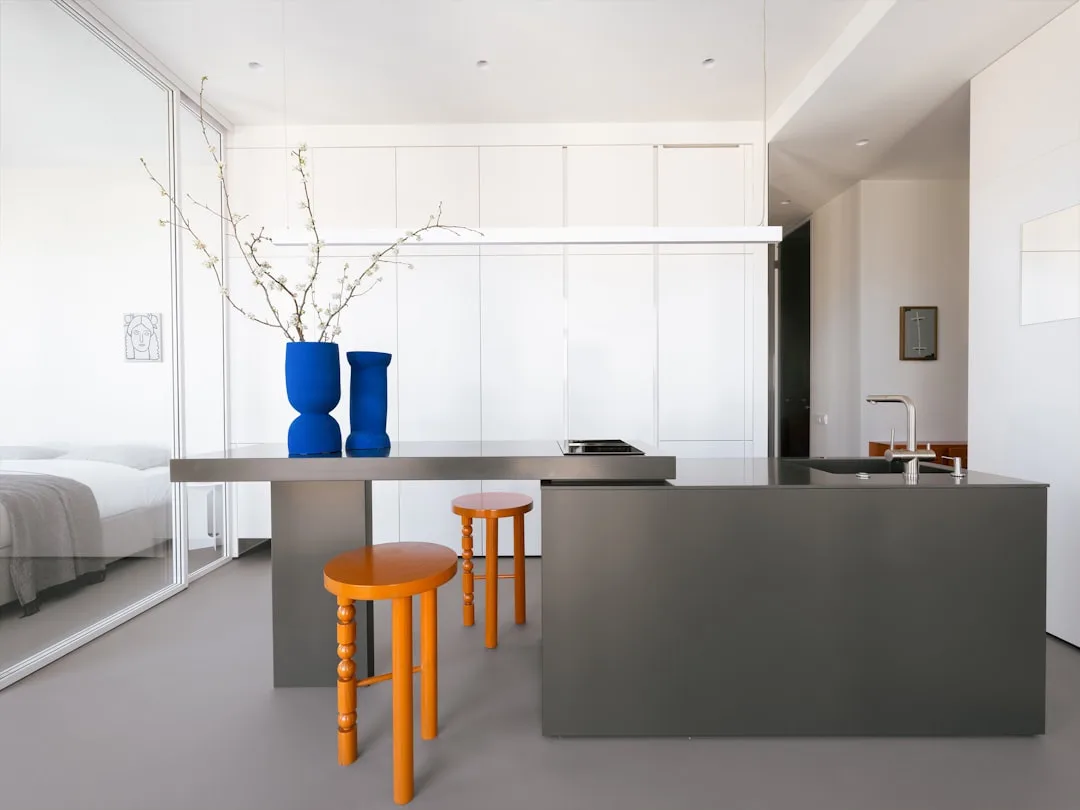
A 2023 survey by Architectural Digest found that 67% of urban renters in studio or one-bedroom apartments cited “lack of defined spaces” as their top daily frustration — outranking storage as the primary pain point. That’s a significant finding. People aren’t overwhelmed by their stuff as much as they’re overwhelmed by the visual and psychological chaos of undifferentiated space.
Open-plan apartments feel disorienting because the brain needs spatial cues to shift between modes — cooking mode, resting mode, working mode. Without those cues, everything bleeds together and nothing feels like it belongs anywhere.
The most reliable zoning tool isn’t a piece of furniture — it’s an area rug. Each functional zone gets its own rug, even in 400 square feet. A 5×8 jute rug under the dining table, a 6×9 wool rug anchoring the sofa grouping, and a 4×6 runner beside the bed create three distinct “rooms” with no walls required. The rugs don’t need to match — they need to be pulled from the same color family so the zones feel related but distinct.
For separating the sleeping zone specifically, ceiling-mounted curtain tracks offer something area rugs can’t: visual and acoustic privacy. KVARTAL from IKEA (around $100–$180 for a basic setup) mounts directly to the ceiling and allows full-length curtain panels to slide open during the day and close at night. For renters who can’t drill into ceilings, tension-rod systems from Room & Board work in openings up to 120 inches wide.
Other effective zoning strategies:
- Half-height bookcase dividers at 36–42 inches separate the kitchen from the living area without blocking light or airflow. An IKEA KALLAX unit turned lengthwise functions perfectly as a room divider and storage piece simultaneously.
- Lighting as invisible walls: A pendant over the dining table, a floor lamp in the reading corner, and under-cabinet lighting in the kitchen create three distinct atmospheres in the same room — no partition needed.
- Consistent material palettes within zones: Warm wood tones and terracotta textiles in the dining zone; cooler linen, slate blue, and chrome in the sleeping zone. The contrast signals zone transition without any physical barrier.
Budget solutions by tier:
- Under $50: Source two contrasting area rugs from the same color family — IKEA, Ruggable, and Amazon Basics all have options under $40 in smaller sizes. Pull them from the same warm or cool palette.
- $50–$300: A slatted wood folding screen (Threshold at Target has solid options around $120) creates a visual divider that also functions as a display surface for plants or artwork.
- $300+: A ceiling track curtain system with blackout panels for the sleeping zone — genuinely transforms a studio into a functional one-bedroom equivalent after 10 PM.
Your actionable takeaway: Place a rug under your dining table today if you don’t have one. That single act will make your kitchen and living area feel like separate rooms almost immediately.
Problem 4: Studio Layout Chaos — Small Space Interior Design for When Everything Is One Room
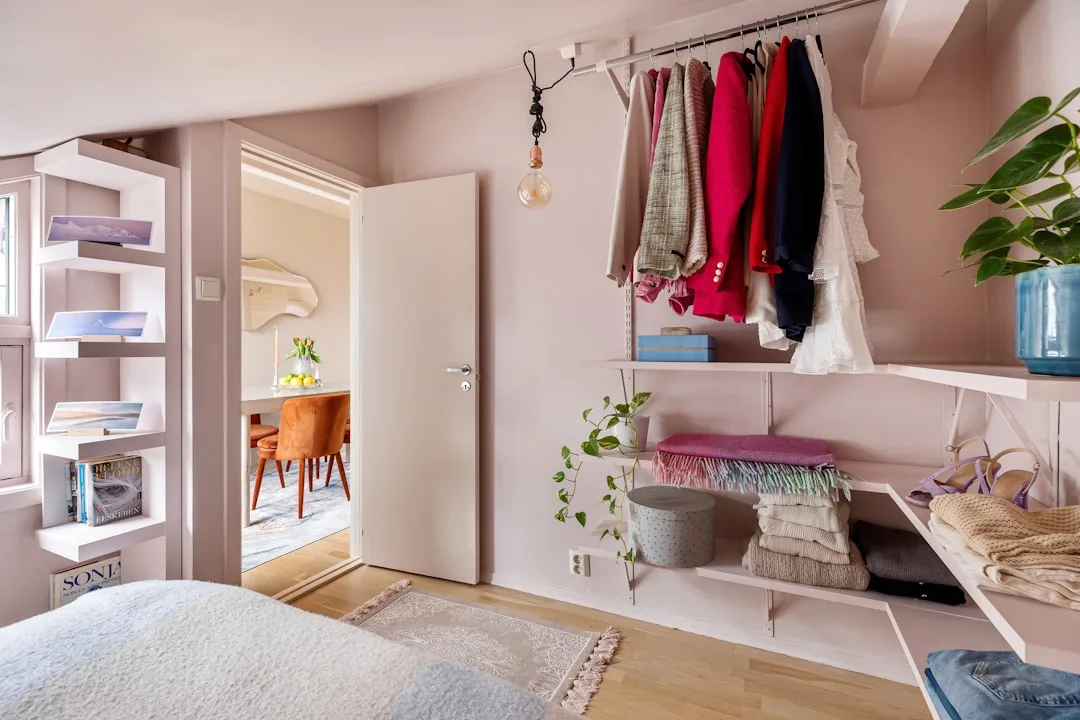
Studio apartments now represent over 26% of all new rental units built in major U.S. cities, according to RentCafe’s 2023 rental market report — the highest proportion recorded since tracking began. A lot of people are navigating this. And most of them started furnishing from the wrong direction.
The most common mistake in studio layout: placing furniture against the walls and leaving a dead zone in the center. This is intuitive but counterproductive. It makes the room feel like a waiting room, not a home.
The correct starting point is the bed — always. Anchor the bed against the longest wall, or in the corner if you have a true corner wall, and orient every other zone outward from that decision. The bed is the largest piece, the most immovable, and the one that determines all other adjacencies. Work backward from it, not forward from the door.
Once the bed is placed, the layout decisions cascade:
Murphy bed vs. loft bed vs. daybed — an honest comparison:
- Murphy bed: Works in ceilings 8 feet and above. Recovers the most square footage during the day (15–30 sq ft depending on the model). Requires wall mounting, so it’s ideal for homeowners or long-term renters with landlord approval. Expect $1,500–$6,000+ for integrated shelving systems.
- Loft bed: Needs at least 9 feet of ceiling height to be comfortable. Best for true studios under 350 sq ft where the space beneath the bed becomes a full desk or sofa zone. Works in 7.5-foot ceilings only if you’re comfortable with minimal headroom while sitting in bed.
- Daybed: The most flexible option for renters. Doubles as a sofa during the day. Limitation: full bedding setup each evening if guests visit regularly. IKEA’s FYRESDAL and CB2’s Savile Daybed both handle this transition well.
For dining in a studio, a wall-mounted fold-down table like the IKEA NORBO ($35) or the Pottery Barn fold-down version ($299) frees 15–20 square feet when not in use. That’s not a small number in a 450-square-foot studio — it’s the difference between a tight path to the kitchen and an actual open floor.
The work-from-home problem in studios is real. A shallow secretary desk (12–14 inches deep when closed) or a floating wall shelf at 28–30 inches height creates a legitimate workstation that disappears when you close it. The key is keeping monitor arms and cable management in mind from day one — a floating shelf becomes unusable fast if cables take over.
Budget solutions by tier:
- Under $50: Use a narrow console table (12–14 inches deep) positioned behind the sofa as a room divider. It reads as a piece of furniture, functions as a bar or desk, and breaks the room into two zones without reducing floor space.
- $50–$300: A platform storage bed with built-in drawers (IKEA MANDAL or the Zinus SmartBase Deluxe, both under $300) replaces an entire four-drawer dresser. That dresser can then leave the apartment entirely.
- $300+: A custom Murphy bed with integrated shelving and a fold-out sofa — companies like Resource Furniture and Expand Furniture both build North American-compatible systems starting around $3,500 — is the structural solution to studio chaos.
Your actionable takeaway: Spend 20 minutes repositioning your bed against the longest wall if it isn’t there already. Then stand in the doorway and assess what you see. The layout conversation starts there.
Bonus Problem: Too Much Stuff — Storage-First Small Space Design Ideas at Every Budget
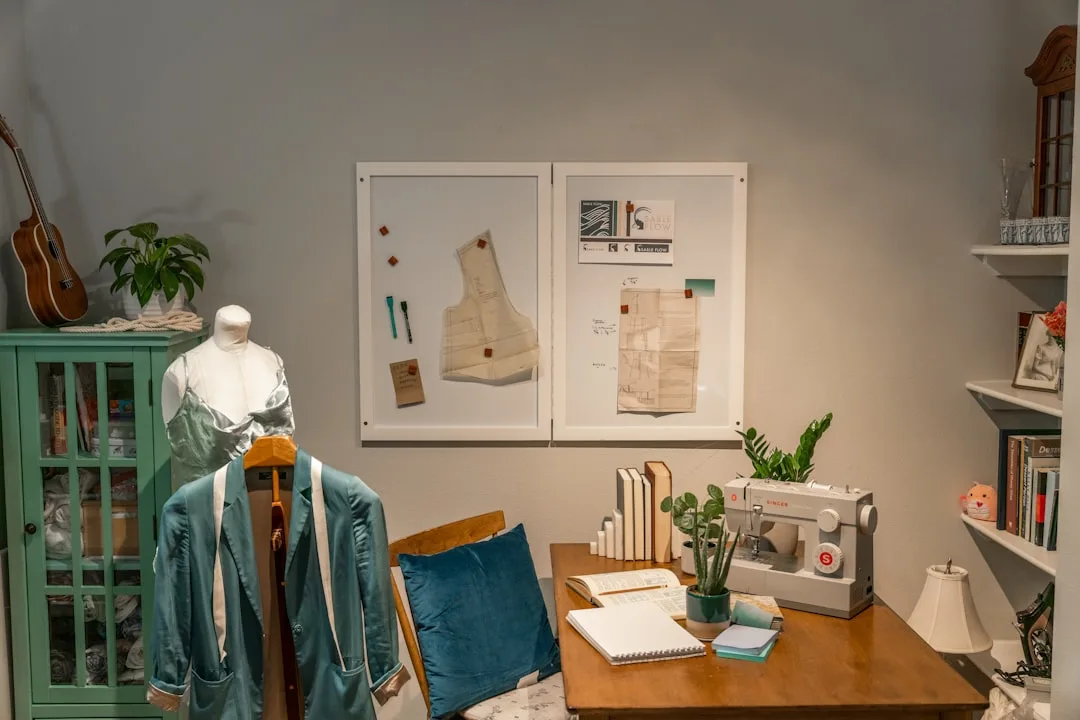
The National Association of Professional Organizers estimates that 80% of household clutter is the result of disorganization, not too many possessions. That reframe matters. You probably don’t have too much stuff — you have a storage system problem. And that’s a design problem, not a character flaw.
The first principle of small-space storage is vertical hierarchy. Daily-use items live at eye level (roughly 42–60 inches from the floor). Weekly items go above that. Seasonal items go below — under the bed, in high shelves, in the back of closets. When you violate this hierarchy, you end up rooting through ski gear to find the coffee filters.
The hidden furniture checklist — pieces that store without looking like storage:
- Ottoman with a hinged lid (IKEA TOFTERYD, $49)
- Platform bed with built-in drawers
- Entry bench with a hollow base
- Nesting coffee tables (the lower table stores under the upper when not needed)
- Hollow pouf (doubles as extra seating and concealed storage)
Dead spaces that most people never activate:
- Above kitchen cabinets: Often 12–18 inches of clearance. Uniform wicker baskets store everything from extra linens to rarely used appliances without cluttering the visual field.
- Inside closet doors: Over-door organizers from The Container Store (the elfa door rack system, specifically) double the usable surface of any closet without touching floor space.
- The 6-inch gap beside the refrigerator: Narrow pull-out pantry organizers designed for this exact space are available from Rev-A-Shelf for under $80 and recover space most people don’t realize they own.
The visual calm of built-ins without the cost: Float open shelves on a single wall and use consistent bin storage — same-size wicker baskets, same-color linen cubes, same-height boxes. The uniform containers do what built-in cabinetry does: they give visual coherence to stored items and make the wall read as intentional rather than accumulated.
Budget solutions by tier:
- Under $50: Uniform wicker or linen bins from IKEA’s DRAGAN or KNIPSA lines on open shelving. Six bins, consistent size and color, create the visual calm of a custom closet for $30.
- $50–$300: A modular pegboard system — IKEA SKÅDIS ($30 for the board, $60–$120 for accessories) or Ferm Living’s more design-forward version — for the kitchen or home office wall. Keeps frequently used items accessible and off every horizontal surface.
- $300+: A professionally designed closet system from California Closets, The Container Store’s Elfa line, or IKEA’s PAX system (which you can design yourself online and install independently for around $400–$800) is the permanent solution to chronic storage failure.
Your actionable takeaway: Identify one dead space in your apartment — the gap beside the fridge, the top of the kitchen cabinets, the back of a door. Activate it with one product purchase this week. Don’t try to solve everything at once.
How to Shop for Small Spaces: A Room-by-Room Buying Framework
Before buying any sofa, table, or bed, measure the diagonal clearance of the room — the longest diagonal line from corner to corner — not just the room’s length and width. Furniture gets moved in on diagonals, and a 92-inch sofa that technically fits a 10-foot wall won’t fit through an 8-foot doorway on the way in. Check diagonal measurements first. Always.
Living room:
- Sofa: 84 inches maximum for rooms under 200 sq ft. Look at the Burrow Nomad (modular, configurable), Article Sven (73 inches, low profile), or IKEA SÖDERHAMN for budget-conscious options.
- Coffee table: Leggy, transparent, or nesting options only. CB2’s Peekaboo Acrylic Table ($149) visually disappears. IKEA’s VITTSJÖ nesting tables ($50) stack away when you need floor space.
- Verify that your sofa arm height clears the windowsill height — a sofa that blocks your only window eliminates the light problem and the ceiling problem simultaneously.
Bedroom:
- Platform storage bed: Zinus (under $300), IKEA BRIMNES ($449 with drawers and headboard), or the Thuma Platform Bed ($895, the premium pick) for those prioritizing aesthetics.
- Floating nightstand: Wall-mounted versions from IKEA LACK ($20) or Umbra’s Trigg shelf keep the floor visible and make the room feel larger at no real cost.
- Full-length mirror: Mount it on the back of the bedroom door. It serves its function, doesn’t occupy floor space, and doubles the perceived depth of the room every time the door is open.
Kitchen and dining:
- Drop-leaf table: The IKEA GAMLEBY ($249) seats two closed and four open. The West Elm Penelope ($699) is the premium equivalent.
- Stackable chairs: HAY’s About a Chair AAC22 ($295 each) stacks four high. For budget: IKEA JANINGE ($30 each).
- Magnetic knife strip instead of a knife block frees roughly 6 inches of counter depth — a meaningful number in a galley kitchen.
Home office in a small space:
- Wall-mounted fold-down desk: IKEA NORBO ($35) or the Pottery Barn Ludlow ($399) for a more refined version.
- A monitor arm ($25–$80 on Amazon) eliminates the monitor stand and recovers 8–12 inches of desk surface depth — genuinely transformative in a tight workspace.
- Vertical filing: Fellowes’ Bankers Box vertical sorters clip to a wall or fit on a shelf and keep paper off horizontal surfaces entirely.
Your actionable takeaway: Before your next furniture purchase, measure the diagonal of the room, the doorway width, and the window sill height. Three measurements most people never take — and the reason most small-space furniture purchases get returned.
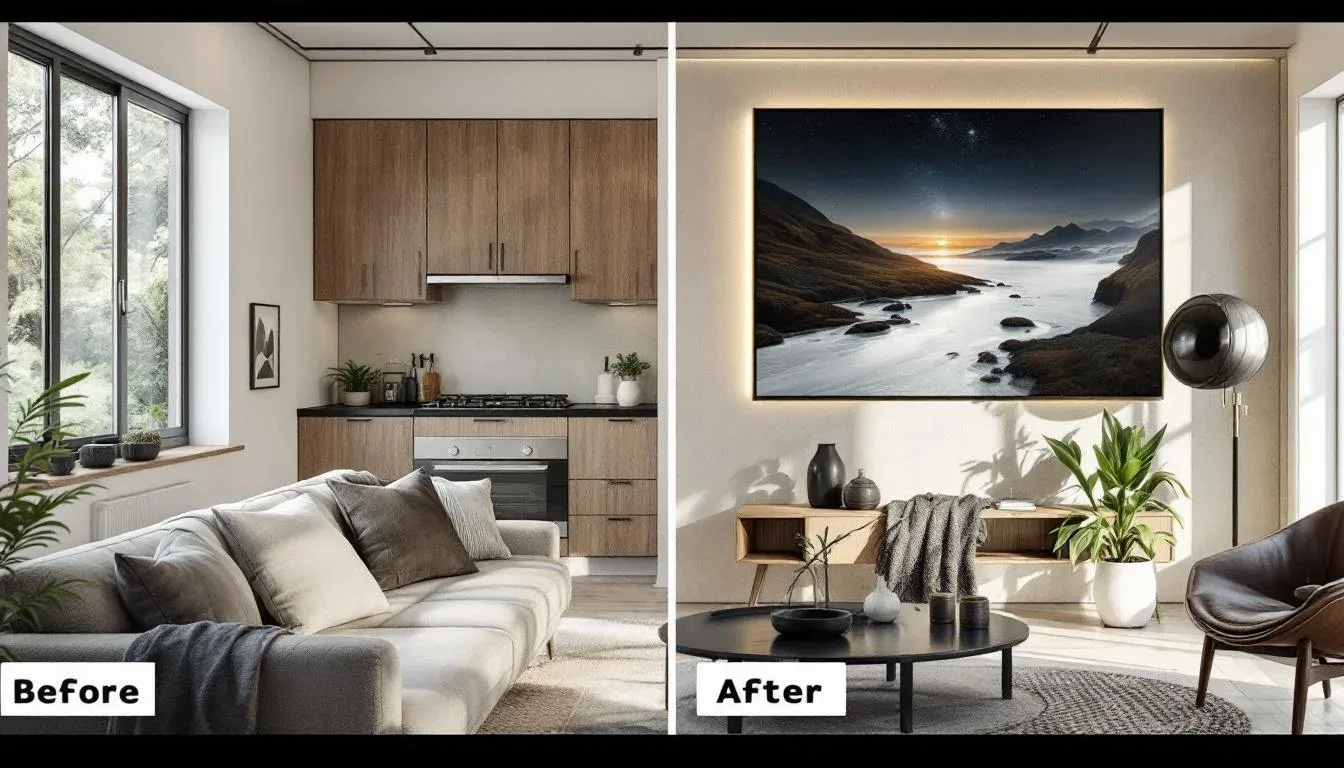
Real Small-Space Transformations: Before-and-After Examples by Square Footage
Never Too Small’s YouTube channel — which documents sub-500 sq ft homes globally — has accumulated over 800 million views. That number confirms something important: people don’t watch small-space content because they have to. They watch because the before-and-after transformation, done well, is one of the most satisfying things to witness. Here’s what those transformations actually look like when they work.
270 sq ft studio — the Paris formula:
The layout anchor: a full loft bed positioned against the back wall at roughly 6 feet high, creating a desk-and-living zone underneath. A ceiling-mounted curtain track runs parallel to the kitchen wall, allowing the sleeping zone to disappear completely during the day. A wall-mounted fold-down dining table drops from the wall adjacent to the kitchen — it seats two and folds flat in 30 seconds. The single highest-impact change? The curtain track. Cost: around $180. Visual result: two separate rooms from one undivided space.
380 sq ft one-bedroom — the work-from-home configuration:
The second bedroom is 8 × 10 feet — too small for a permanent bed but perfectly sized for a Murphy bed with integrated shelving. By day, a full desk surface folds out from the Murphy unit. By night, a queen bed pulls down. The cost for a Resource Furniture integrated system: approximately $4,200. The result: a true two-room apartment that functions as both a one-bedroom and a dedicated office without compromise. Highest-impact single change? Removing the daybed that previously occupied the room and replaced it with the Murphy unit — it recovered 40 square feet of usable floor.
480 sq ft open-plan apartment — the three-zone strategy:
This is the textbook open-plan blur scenario. The solution used three tools simultaneously: a 6×9 wool rug under the sofa grouping, a 5×8 jute rug under the dining table, and a 4×6 cotton flat weave beside the bed. A 42-inch KALLAX bookcase positioned between the kitchen and living area created a visual break without blocking light. A pendant over the dining table provided the third zone anchor. Highest-impact single change: the rugs. Total cost for all three: $340. Visual result: a studio that reads as three distinct rooms in photographs.
The common thread across every successful transformation: a layout anchor is defined first — the bed position, the sofa direction, the dining orientation — and everything else is chosen to support that anchor. Decor follows structure. It’s never the other way around.
Your actionable takeaway: Identify your layout anchor — the single piece of furniture that everything else in the room orbits. If you can’t identify one, that’s the problem. Establish it before you buy anything else.
Frequently Asked Questions
What is the single most impactful small space interior design change you can make for under $100?
Lighting temperature. Swap every bulb in your apartment to 2700K LEDs (warm white, not cool daylight) and add one floor lamp with an upward-facing head to eliminate the darkest corner of your main room. The total cost runs $25–$60 depending on how many bulbs you need. The effect is immediate and significant — warm-toned lighting makes a space feel larger, warmer, and more intentional regardless of its actual dimensions. Most small apartments are lit with whatever the previous tenant left behind, which is almost always a cool, harsh overhead bulb that makes the space feel clinical. This single fix is faster, cheaper, and more transformative than repainting.
How do you make a studio apartment feel like it has separate rooms without building walls?
Three tools used together: area rugs, lighting, and ceiling-height curtains. Each functional zone gets its own rug to establish physical territory. Each zone gets its own dedicated light source — a pendant, a floor lamp, an under-cabinet strip — so that turning on “the bedroom light” versus “the living room light” creates distinct atmospheres in the same physical space. And for the sleeping zone specifically, a ceiling-mounted curtain track with floor-length panels creates genuine visual separation that you can open or close as needed. None of these changes require permits, landlord approval, or tools beyond a drill. Combined, they make a 450-square-foot studio photograph and live like a one-bedroom apartment.
What furniture should you avoid buying for apartments under 500 square feet?
Sectional sofas longer than 100 inches — they consume corner clearance and make rooms feel smaller, not cozier. Matching bedroom sets that include both a dresser and a chest of drawers — you almost never need both, and a platform storage bed eliminates the dresser entirely. Barrel chairs and club chairs with skirted bases — the visual weight is disproportionate to their seating utility in small spaces. Glass-front China cabinets and tall armoires — their visual bulk reads as wall, not furniture. And any dining table larger than 36×60 inches in a studio or small open-plan kitchen — even if it technically fits, the surrounding clearance (you need at least 36 inches from the edge of the table to any wall or obstruction) disappears and the room becomes impassable.
How do professional interior designers approach layouts in spaces under 400 square feet?
They start with traffic flow, not aesthetics. Experienced designers draw the path from the entry door to the bathroom, the bathroom to the kitchen, and the kitchen to the sleeping area before placing a single piece of furniture. Those paths need to be at least 30–36 inches wide to feel comfortable — narrower than that and the space reads as a maze regardless of how well it’s decorated. From there, they scale furniture to the room’s diagonal, not just its length and width. They also limit the primary furniture pieces to one per function: one sofa, one dining table, one bed. Every additional piece has to earn its place by serving at least two functions. The design philosophy in sub-400-square-foot spaces is curation, not accumulation — every visible object is either beautiful, functional, or ideally both.
Start here, right now: Go stand in the doorway of your most frustrating room. Ask yourself one question — which of the four problem types does this space actually have? Not natural light, not color, not style. Is it dark? Low? Undefined? Chaotic? Answer that question honestly, pick the problem that matches, and spend your next hour — or your next $50 — on the targeted fix for that specific issue. One real problem solved is worth more than twenty generic tips applied to the wrong room.