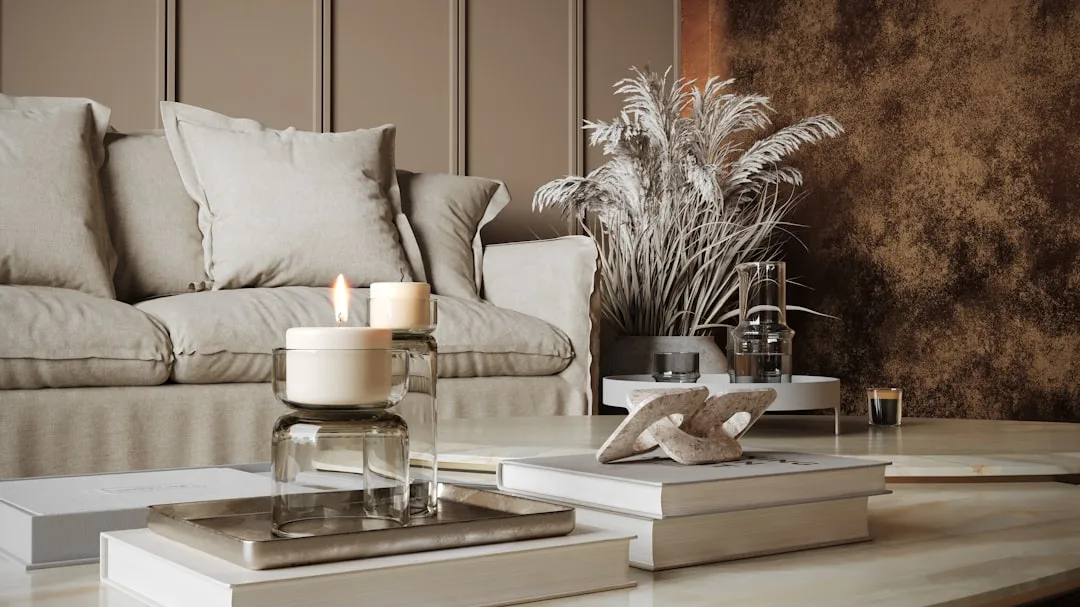
The average American spends $9,000 decorating a new home — and most of them end up with a space that still doesn’t look intentional, curated, or expensive. Because budget was never the real problem.
The real problem is strategy. Expensive-looking homes aren’t built by spending more. They’re built by understanding what the eye actually responds to — contrast, restraint, and a handful of details that signal design literacy. Get those right on $1,500 and you’ll outperform someone who spent $12,000 buying the wrong things in the wrong order.
If you’ve been searching for how to make your home look expensive on a budget, the answer isn’t a product list. It’s a framework. Here’s how to do it correctly.
Why Most Budget Decorating Advice Fails To Make Your Home Look Expensive
You’ve read the list. Declutter. Add throw pillows. Swap your cabinet hardware. Hang large art. Use neutral colors. Buy a statement mirror.
These tips aren’t wrong. They’re just incomplete — and when incomplete advice gets recycled across hundreds of articles without context, it produces hundreds of homes that all look the same kind of almost-there. Tidy, but not elegant. Updated, but not designed.
The fundamental error in most budget decorating advice is treating each tip as a standalone fix rather than part of a coherent visual language. You can swap every cabinet pull in your kitchen, but if your light fixtures are mismatched, your paint finish is flat, and your countertops are crowded, those new pulls don’t move the needle. Expensive-looking spaces work because everything in them is speaking the same design dialect. Change one word without understanding the grammar and the sentence still doesn’t make sense.
There’s also a deeper problem: most advice is additive. Buy this. Add that. Layer these. But the homes that genuinely read as high-end almost always get there through removal first. Luxury retail brands have understood this for decades. That satisfaction gap isn’t about money. It’s about having a framework before you start spending.
What makes a space look expensive comes down to three things that most budget guides never address:
- Visual contrast — the deliberate interplay of light and dark, rough and smooth, full and empty
- Intentionality — every element looks chosen, not accumulated
- Restraint — the confidence to leave things out
The real enemy of an expensive-looking home isn’t a small budget. It’s visual noise. And visual noise is free to create and surprisingly cheap to fix.
Actionable takeaway: Before buying a single new item, walk through your home and identify every place where visual noise exists — mismatched frames, crowded surfaces, competing patterns, and inconsistent metals. That list is your actual starting point.
Start With Subtraction: How Editing Your Space Creates the Illusion of Luxury
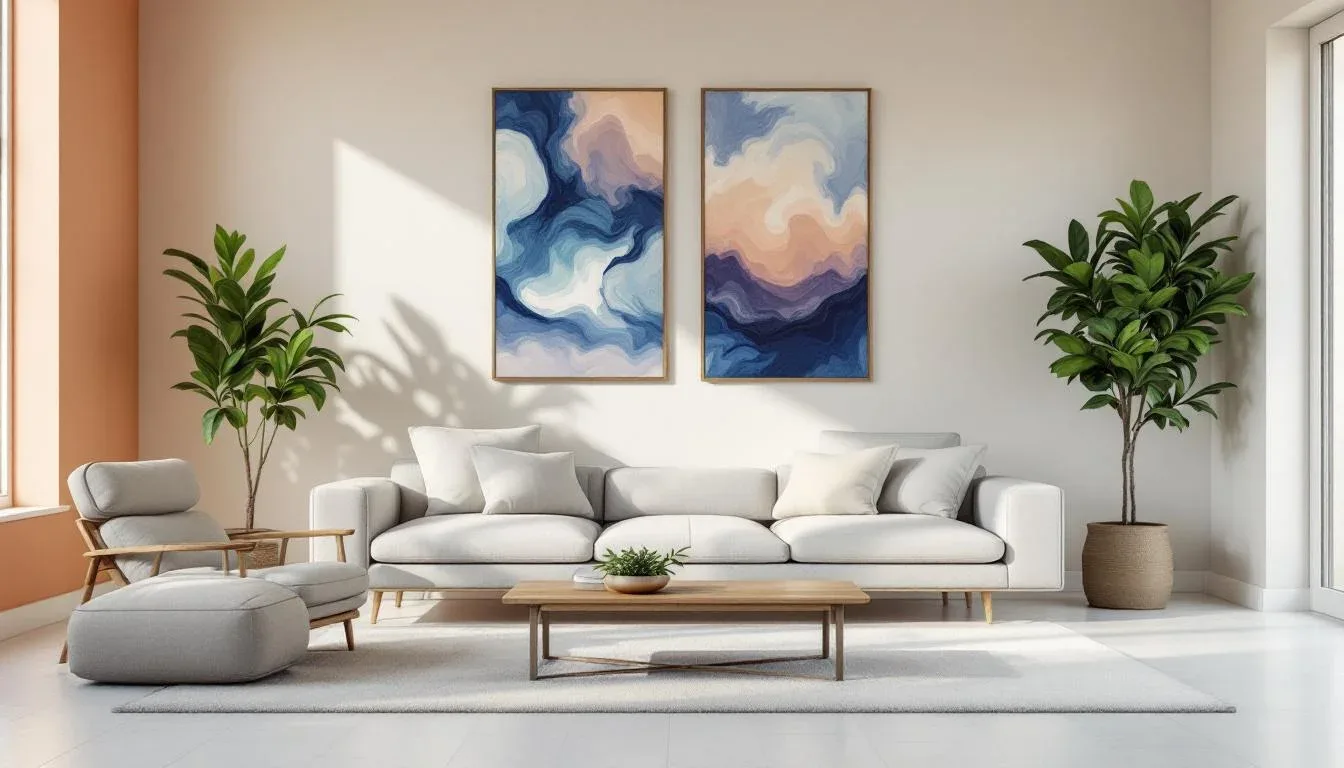
Professional interior designers — the ones charging $250 an hour to transform spaces for clients who could buy anything — almost always start by taking things away. High-end designers routinely remove 30–40% of what a client already owns before a single new purchase is made. Not because the existing pieces are bad, but because the room can’t breathe under the weight of too much.
This isn’t decluttering in the organizational sense. It’s intentional subtraction — a design principle based on the understanding that empty space communicates wealth, confidence, and intention in a way that filled space simply cannot.
Research published in the Journal of Consumer Psychology found that sparse, minimalist retail environments cause shoppers to perceive products as higher quality and more expensive than identical products displayed in crowded environments. The same psychological mechanism operates in your living room. When a side table holds one sculptural object and a single candle, that object looks considered. When it holds seven things, none of them register.
Apply what designers call the museum rule: every object on a surface should be able to justify its presence as if it were on display. Ask yourself — if this were in a gallery, would it earn its spot? If the honest answer is no, it doesn’t belong on your coffee table.
Here’s a practical method for applying intentional subtraction:
- Clear every surface completely — start from zero rather than editing from the current state
- Reintroduce only what you actively love or what serves a genuine purpose — nothing returns by default
- Group objects in odd numbers (typically three) and vary their heights — this is the designer trick behind every well-styled shelf you’ve ever admired
- Leave at least 40% of every surface visually empty — this is the threshold where negative space starts reading as intentional rather than unfinished
The result of this process almost always looks more expensive than any purchase you could make — because suddenly, the things you do have are actually visible.
Actionable takeaway: Choose one surface in your home today — a coffee table, a console, a kitchen counter — and strip it to zero. Reintroduce no more than three objects. Live with it for 48 hours before deciding if anything else belongs there.
The Budget Decorator’s Hierarchy: Spend Where It Shows, Save Where It Doesn’t
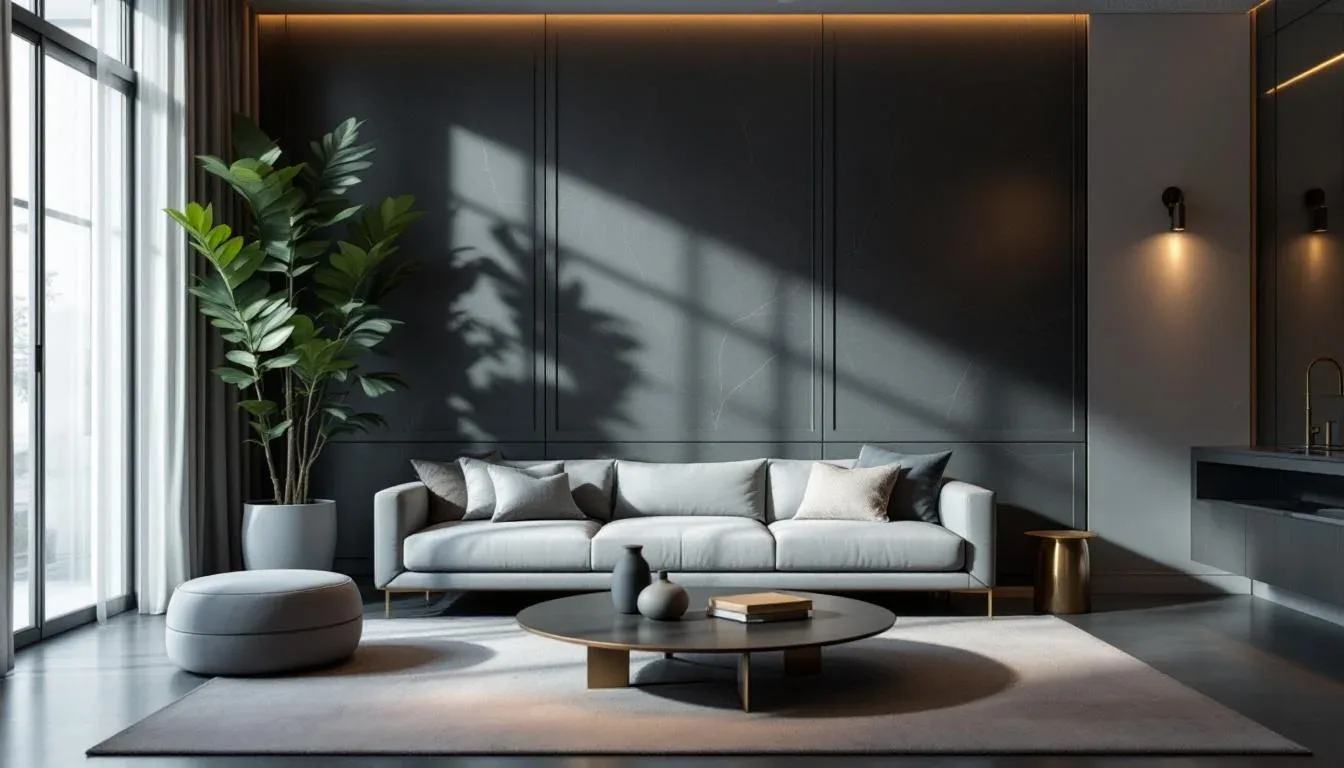
Most people blow their decorating budget on furniture — large, visible pieces that feel like significant purchases — while ignoring the smaller details that guests actually register. That’s backwards. The things you touch every day and see at eye level are the things that signal quality. Everything else is secondary.
The core principle here is simple: your budget should be proportional to how visible and tactile something is.
Here’s the hierarchy in practice:
Spend more on:
- Door and cabinet hardware (handled dozens of times daily)
- Faucets (touched constantly, seen at close range)
- Light switch and outlet covers (at eye level in every room)
- Window treatments (span an entire wall, define a room’s architecture)
- One hero anchor piece per room (more on this below)
Save aggressively on:
- Storage containers and bins (inside cabinets, inside closets)
- Utility furniture (laundry room shelving, garage organization)
- Items positioned overhead or below knee level
- Anything behind a closed door
A National Association of Realtors study found that interior door and hardware upgrades rank among the highest perceived-value returns of any low-cost home update — often increasing perceived home value by more than their actual installation cost. That’s not an accident. Hardware is the jewelry of a home. People reach for it, look at it up close, and form impressions about the overall quality of the space from it.
The hero piece principle is equally important. One genuinely high-quality anchor piece per room — a well-made sofa, a real marble tray, a substantial light fixture — does more for the perceived value of the whole room than ten mediocre purchases spread across the same budget. The eye uses the best thing in a room to calibrate expectations for everything else. Give it something worth calibrating against.
This is one of the most practical answers to how to make your home look expensive on a budget: stop spreading money thin across every surface and instead concentrate it on the two or three things people will actually notice and remember.
Actionable takeaway: Before your next purchase, ask whether the item falls in the “spend” or “save” category based on how visible and tactile it is. If it’s not seen at eye level or touched regularly, find the budget version and redirect the savings toward something that is.
The Details That Actually Signal Luxury (And How To Get Them Cheap)
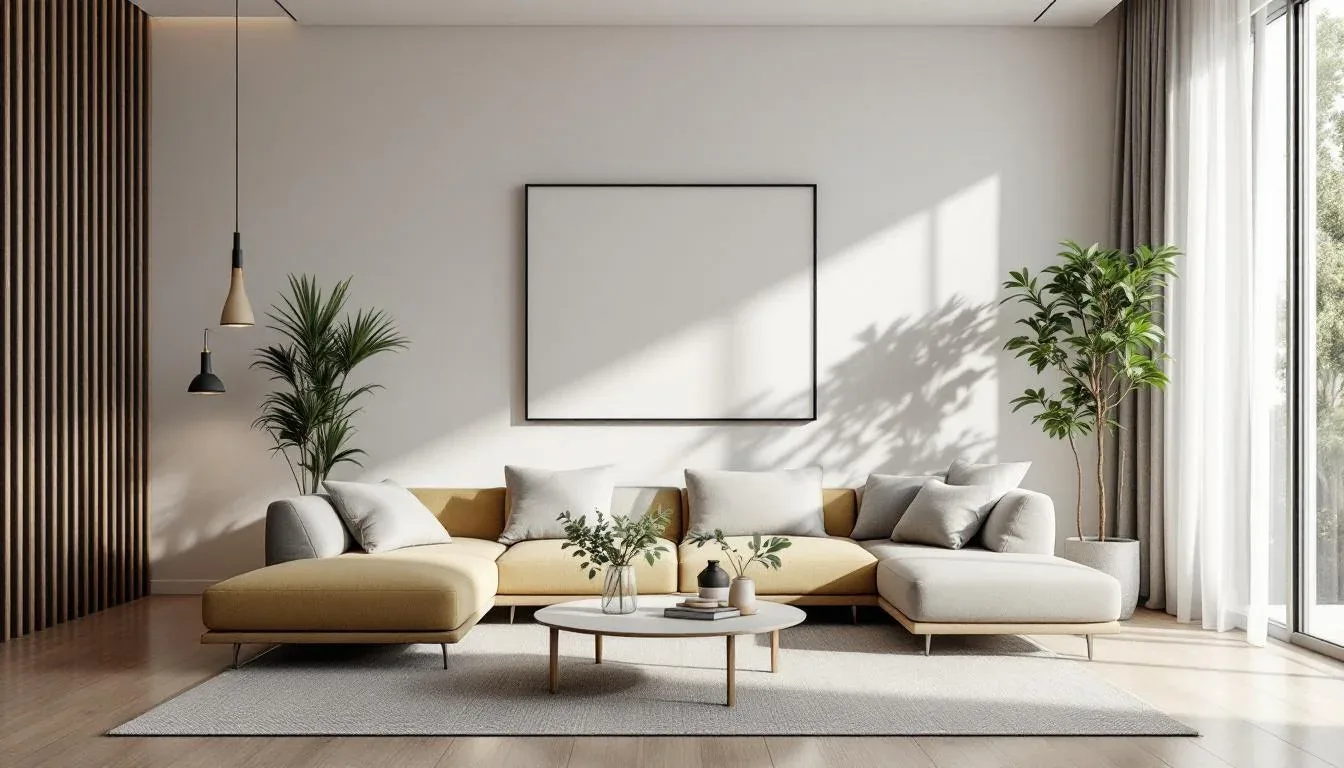
Understanding which details communicate quality — and which ones don’t — is the core skill behind how to make your home look expensive on a budget. Most of these details cost far less than people assume. What they require is attention, not money.
Paint Finish Matters More Than Paint Color
The color conversation dominates most decorating advice, but finish is what separates a wall that looks considered from one that looks like a rental. Flat paint absorbs light and hides imperfections, but it also makes walls look chalky and cheap in most lighting conditions. Eggshell and satin finishes reflect light slightly, giving walls a quiet depth that reads as quality. In higher-traffic areas — kitchens, hallways, bathrooms — a semi-gloss finish on trim combined with an eggshell on walls creates a subtle contrast that professional painters use deliberately to make architecture feel more defined and intentional.
The cost difference between a flat and an eggshell finish from the same paint brand is negligible. The visual difference is not.
Consistent Metal Finishes Create Visual Cohesion
One of the fastest ways a room signals “decorated by accident” rather than “designed with intention” is competing metal finishes. Brass faucet, chrome towel bar, nickel cabinet pulls, bronze light fixture — each individual piece might be perfectly fine, but together they read as accumulated rather than chosen.
Pick one primary metal finish and apply it consistently to the items in your spend hierarchy: hardware, faucets, light fixtures, switch plates. A second accent metal is acceptable — designers often pair a warm metal like brass with a cool one like gunmetal — but it should appear intentionally in at least two or three places rather than by accident.
Replacing mismatched hardware across a bathroom or kitchen with a unified finish costs $40–$150 depending on the number of pieces, and the result looks like a professional made a decision.
Curtains: Height and Width Are Everything
Most people hang curtains too low and too narrow. This is one of the single most common reasons a room looks budget rather than designed, and it costs nothing extra to fix — you’re buying the same curtain either way.
The rule: hang curtain rods as close to the ceiling as possible, and let panels extend at least 6 inches beyond the window frame on each side. This elongates the wall, makes windows appear larger, and creates the proportions you see in high-end interiors. Curtains that puddle slightly on the floor add another layer of considered elegance.
A $30 set of linen-look curtains hung at ceiling height will consistently outperform a $200 set hung at window height. The installation is the design decision, not the product.
Lighting: The Multiplier Effect
Overhead lighting is the enemy of a room that looks expensive. A single overhead fixture flattens a space, eliminates shadow, and removes the depth that makes a room feel layered and intentional. High-end interiors almost universally rely on multiple light sources at varying heights: floor lamps, table lamps, sconces, and under-cabinet lighting working together to create zones of warmth rather than uniform illumination.
You don’t need to rewire anything. Add a floor lamp to a dark corner. Put a table lamp on a console that previously had none. Use warm bulbs (2700K–3000K) consistently across all fixtures. The cost is low; the impact on how the room reads at night — when most people actually experience their homes — is significant.
Actionable takeaway: Audit your home for the four detail categories above — paint finish, metal consistency, curtain placement, and light sources. These are the places where the gap between expensive-looking and budget-looking is widest, and where targeted, inexpensive fixes produce the most visible results.
A Practical Room-By-Room Budget Allocation
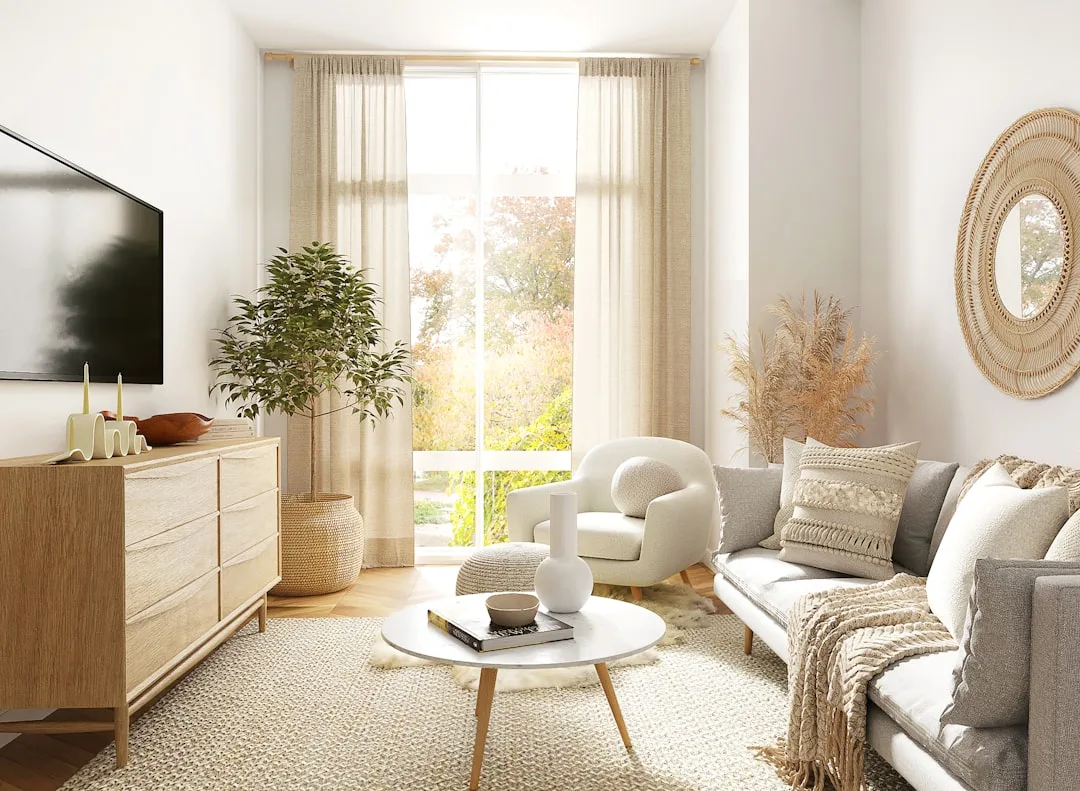
Knowing the principles is one thing. Knowing how to distribute a real budget across a real home is another. Here’s a framework based on a $2,000 total budget for a living room, kitchen, and bathroom — three spaces that guests see and that have the highest impact on perceived home value.
Living Room — $900 total:
- Hero anchor piece (e.g., quality throw or real linen pillow covers for existing sofa): $80–$150
- Curtains, hung correctly at ceiling height: $60–$120
- Floor lamp for a dark corner: $80–$180
- Unified picture frames (replace mismatched frames with one consistent finish): $40–$80
- Large area rug if needed (shop secondhand or discount): $200–$400
- Surface editing and styling (cost: zero)
Kitchen — $600 total:
- Cabinet hardware replacement with unified finish: $60–$150
- Under-cabinet lighting (plug-in LED strips): $30–$60
- Quality dish soap dispenser and hand towel (seen at close range constantly): $30–$60
- Declutter countertops to three intentional objects maximum: zero
- Paint, if cabinets are being refreshed: $80–$150
Bathroom — $500 total:
- Unified towel bars, toilet paper holder, robe hook: $80–$180
- New faucet (brushed nickel or matte black, depending on chosen finish): $80–$150
- Two matching towels in a neutral tone (displayed, not stored): $30–$60
- Framed mirror replacement or frame added to existing mirror: $40–$120
- Candle or small plant as single decorative object: $15–$30
These ranges are realistic for someone shopping a mix of Target, Amazon, secondhand stores, and the occasional splurge. The allocations reflect the hierarchy: more toward what’s touched and seen at close range, less toward what’s functional but hidden.
FAQ: How To Make Your Home Look Expensive On A Budget
What’s the single highest-impact change I can make for under $50?
Replace every mismatched hardware piece in one room — cabinet pulls, drawer handles — with a single unified finish. Brushed nickel and matte black are the most versatile and widely available. The visual coherence this creates for $30–$80 worth of hardware is disproportionate to the cost.
Do I need to spend money on art to make my home look designed?
Not necessarily. Large-scale art does help a room feel finished, but it doesn’t have to be purchased art. A single oversized framed mirror, a large piece of textured fabric mounted in a simple frame, or even a gallery wall built from black-and-white photographs printed at a print shop can achieve the same effect for a fraction of what original art costs. The key is scale — small art hung on a large wall reads as an afterthought regardless of its quality.
What paint colors make a home look more expensive?
The color matters less than the finish and the commitment. Rooms that look expensive tend to use a single color consistently — including on trim and ceiling in slightly varied shades — rather than contrasting white trim against a colored wall, which reads as a standard builder approach. Warm whites, soft greiges, deep charcoal, and earthy terracotta are all common in high-end interiors, but what they share is confidence. One color, applied thoroughly, with the right finish.
Is it worth buying secondhand furniture when trying to make a home look expensive?
Absolutely — with one caveat. Secondhand furniture works when the piece has good bones and genuine quality, even if it needs refinishing or reupholstering. A solid wood console table from an estate sale, refinished in a dark walnut stain, will look more expensive than a new particleboard version at three times the secondhand price. The caveat: avoid secondhand upholstered pieces unless you’re prepared to reupholster them. Worn fabric on a sofa or chair is one of the clearest visual signals of a budget space.
How long does it realistically take to transform a home on a budget?
The editing and subtraction phase — which costs nothing and produces some of the most visible results — can be done in a weekend. The hardware, curtain, and lighting upgrades can follow within a month as budget allows. A complete transformation of three main rooms using the hierarchy approach typically takes two to four months when working with a $1,500–$2,500 budget. The timeline matters less than the order: subtract first, then spend according to the visibility hierarchy, then add the hero pieces last once you can see clearly what the room actually needs.