If you’ve been searching for what’s on trend for home decor, you’ve probably noticed the same problem: every list looks identical. Curved furniture. Earthy tones. Sustainable materials. Meanwhile, the designers actually buying pieces for their own homes are doing something completely different — and most of it hasn’t made it onto a trend list yet.
Here’s the problem with most home decor trend content: it’s written to get clicks in January, sourced from whatever went viral on Pinterest the previous fall, and recycled with a new year in the headline. You’ve read the same list. Bold colors. Sustainable materials. Multifunctional furniture. Biophilic design. It shows up everywhere, almost word for word, because everyone is pulling from the same surface-level sources.
This isn’t that. What follows is a genuine breakdown of what’s actually moving in residential design right now — what has staying power, what’s already quietly aging out, and what the early adopters are doing before it hits the mainstream. Whether you’re decorating a first apartment or renovating a forever home, you’ll leave with something you can actually use today.
Why Most ‘Home Decor Trends’ Lists Are Already Outdated
The home decor trend industry has a recycling problem. Open ten different “2025 trends” articles and you’ll find the same half-dozen aesthetics described in slightly different order, usually anchored to the same earthy-tones-and-curved-furniture framework that dominated design discourse in 2022 and 2023. The photos change. The substance doesn’t.
Part of this is structural. Most content is produced months before it publishes, sourced from mood boards and social media aggregators rather than trade floors or working designers. By the time a trend makes it into a polished listicle, it’s already been executing in real homes for 12 to 18 months. You’re getting yesterday’s news dressed up as prediction.
There’s also a critical distinction almost no trend content makes: the difference between micro-trends and macro-shifts. A micro-trend has a six-month shelf life — it’s an aesthetic that emerges fast, saturates social feeds, and burns out. Think the all-white, open-shelf kitchen circa 2018. A macro-shift is a 3-to-5 year cultural reorientation in how people want to live — the slow pivot away from cold, Instagram-optimized interiors toward spaces that feel genuinely comfortable is a macro-shift. One is worth chasing. The other will date your home faster than avocado appliances dated your parents’.
Google Trends data shows consistent quarterly spikes in searches for what’s on trend for home decor, and what’s telling is where those searches lead. The PAA (People Also Ask) boxes now regularly surface adjacent DIY queries — “how do I update my living room on a budget,” “what colors are trending for bedrooms.” Real people aren’t just looking for a mood board. They’re looking for actionable, current answers, and the existing content isn’t delivering them.
The other problem is geographic and demographic flattening. Trend lists treat a 900-square-foot apartment in Chicago and a 3,400-square-foot suburban home in Atlanta as though they have identical needs and aesthetics. They don’t. A trend that reads beautifully in an airy, high-ceiling loft can feel oppressive in a low-ceilinged ranch house.
Actionable takeaway: Before you act on any trend you’ve read about, check the publish date and source. If the article is more than eight months old and traces back to social media aggregators rather than trade shows or working designers, you’re reading old news.
How to Tell If a Home Decor Trend Is Worth Following in 2025
Not every trend deserves your money. Here’s a practical filter that takes about five minutes to run before you buy anything.
The shelf-life test is the most important one. Ask yourself: is this trend driven by a genuine cultural shift in how people live, or is it a social media aesthetic that looks great in a staged photo? Cultural shifts — like the move toward homes that support both focused work and genuine rest — produce durable design solutions. Social media aesthetics produce statement pieces that look dated the moment the next aesthetic takes over.
The most reliable signal of longevity is trade show adoption. When a design direction shows up consistently at Salone del Mobile in Milan and Maison & Objet in Paris, it means manufacturers, material suppliers, and professional specifiers are betting real money on it. That’s a fundamentally different signal than a trend appearing in Instagram Reels. According to the American Society of Interior Designers (ASID), trends originating from global design trade shows have a 60% higher adoption rate among professional designers than social-media-first trends — which is a significant gap when you’re deciding what to invest in.
Here’s a quick framework for running your own filter:
- Cultural driver or aesthetic driver? If you can’t explain why people would want this in five years, it’s probably aesthetic-driven.
- Is it at the trade shows? Salone del Mobile, Maison & Objet, High Point Market — if it’s appearing there consistently, manufacturers believe in it.
- Can you source it affordably? Trends that exist only at luxury price points rarely achieve mainstream adoption. If a material or piece is hard to find under $500, it’ll stay niche.
- Does it solve a real problem in your actual space? Not a staged photo — your space. A built-in window seat solves a storage and seating problem. A sculptural vase doesn’t solve anything; it just sits there looking like it needs dusting.
The personal relevance filter is underrated. Designers who work in real homes (not just editorial shoots) consistently point out that the happiest clients are the ones who adopted trends that solved genuine friction points in their daily lives — not the ones who chased aesthetics.
Actionable takeaway: Before buying any trending piece, run it through these four filters. If it passes at least three, it’s worth the investment. If it only passes one — usually “it looks good on Instagram” — wait six months and see if you still want it.
The Home Decor Trends That Are Actually Dominating in 2025
These aren’t guesses. They’re patterns showing up consistently across trade floors, renovation data, and what working designers are actually specifying.
Warm minimalism is the most durable macro-shift happening right now. This isn’t the cold, austere minimalism of the mid-2010s — the all-white walls, bare surfaces, and “nothing in your home unless it’s perfectly useful” philosophy that made rooms feel more like product photography sets than lived-in spaces. Warm minimalism keeps the clean lines and visual breathing room, but layers in tactile, organic materials: boucle upholstery, travertine surfaces, oiled white oak, linen, and terracotta. The result is a room that reads as calm without feeling sterile.
What makes this a macro-shift rather than a micro-trend is the cultural driver behind it. After years of designing homes primarily for how they’d photograph, people are actively designing for how a space feels to be inside. That’s a values-level change, not a palette swap. Designers at High Point Market 2024 reported that requests for “warm but edited” interiors were up significantly compared to two years prior, with clients specifically asking to avoid anything that felt cold or overly curated.
The practical implications are specific. If you’re updating a living room under this direction, you’re looking at natural fiber rugs (jute, sisal, wool bouclé), furniture with visible grain or texture rather than high-gloss finishes, and lighting that skews warm — think filament bulbs and linen shades rather than recessed LEDs. Paint colors shift toward warm whites, soft ochres, and muted clay rather than the cool greys that dominated the previous decade.
Biophilic layering has moved well past “add a fiddle-leaf fig.” The current version is more architectural and material-driven. We’re talking about integrating natural elements directly into the bones of a space: stone slab feature walls, live-edge wood built-ins, moss panels used as art, and woven natural fiber ceiling treatments. The distinction from the earlier, plant-heavy interpretation is intentional permanence — these are design decisions, not accessories you can move when the trend shifts.
Research published in the Journal of Environmental Psychology consistently supports the cognitive and stress-reduction benefits of biophilic design, which is part of why this one has genuine staying power. It’s not just aesthetically driven; there’s a functional argument for why people feel better in spaces that incorporate natural materials and references to the outdoors.
Maximalism with intention is the countertrend that’s gaining serious ground. This is not the chaotic, pile-everything-in approach that “more is more” sometimes suggests. The current version is curated density — rooms that have a lot happening visually, but where every element is deliberate. Think a gallery wall that includes vintage paintings, ceramics on open shelves, and layered textiles, where the overall effect feels rich rather than cluttered. The operative word working designers keep using is “collected” — as in, the room looks like someone actually lived a life and brought things home from it, rather than ordered everything from the same retailer in the same aesthetic family.
This trend is partly a reaction to the years of algorithm-optimized interiors that all started to look like the same Airbnb. People are actively seeking differentiation, and that’s pushing them toward spaces that reflect specific personal history rather than broadly appealing visual cleanliness.
Japandi continues to mature rather than fade. The Japan-Scandinavia hybrid aesthetic — clean lines, natural materials, functional beauty, muted palette — has been around long enough now that it’s less of a trend and more of a design language. What’s changing is how it’s being applied. Earlier iterations were quite strict: no ornamentation, no color, maximum restraint. The current version allows for more warmth and personality within the framework, with designers adding aged brass hardware, handmade ceramics, and slightly more saturated accent colors (deep forest green, warm rust) while maintaining the underlying structural simplicity.
Statement ceilings have crossed from editorial into mainstream renovation. For years, the fifth wall was an afterthought — white, always white, usually flat. That’s shifting. Designers are now routinely specifying limewash treatments on ceilings, installing wood slat ceiling panels, and using bold paint colors overhead that would feel overwhelming on four walls but read as dramatic and intentional above. If you’re looking for a single renovation move that changes the way a room feels without touching the furniture, this is currently one of the highest-impact options available at a reasonable cost.
What’s Already Fading Out in Home Decor
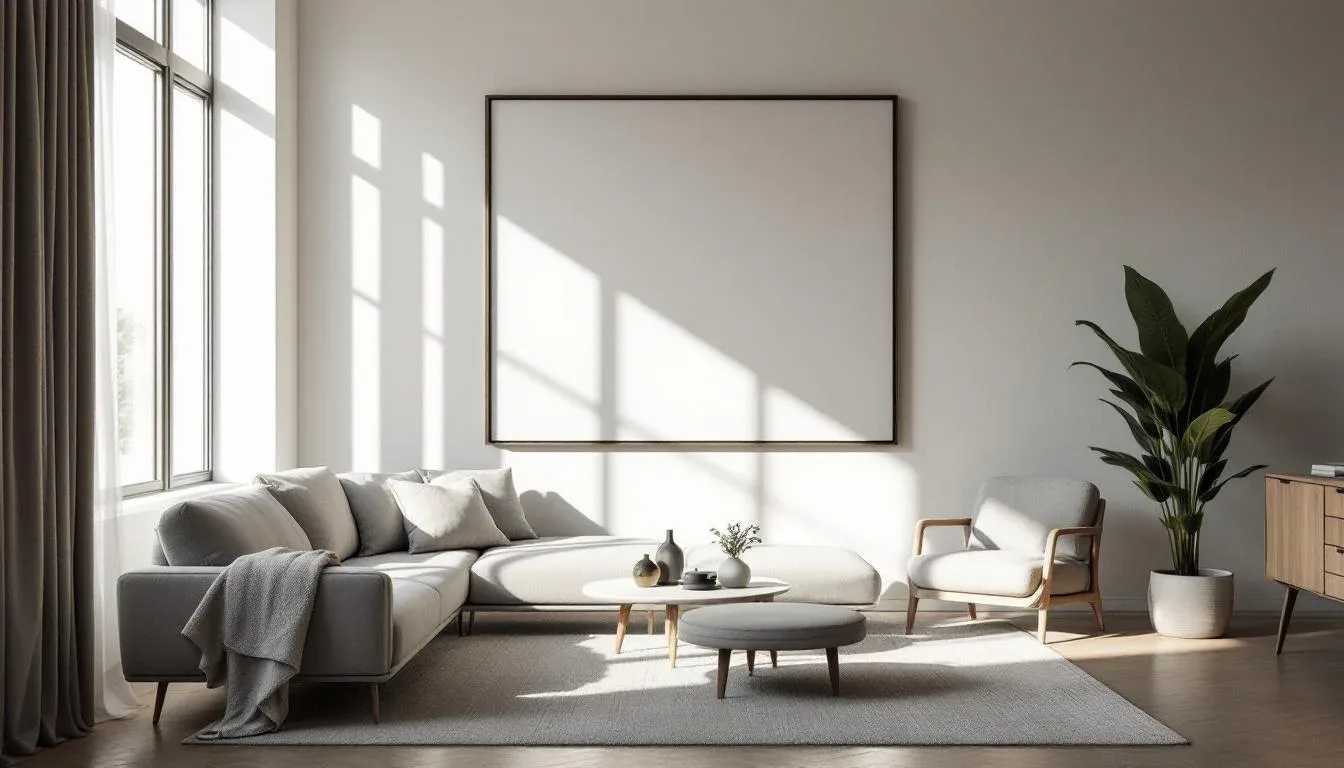
Knowing what’s over matters as much as knowing what’s current — especially if you’re about to invest money in something.
The all-open floor plan is losing ground fast. This was the dominant residential layout preference for roughly two decades, and it’s reversing. The primary driver is remote work: people discovered that living, working, cooking, and video-calling from one undivided space creates cognitive noise that wears on you over time. Designers are now fielding consistent requests for partial separation — not full walls, but screens, arched doorways, built-in shelving units, and level changes that create defined zones within open spaces. If you’re renovating, adding some form of zone definition is likely to feel more relevant in three years than removing it.
All-white everything is definitively over. The all-white kitchen, the white-on-white bedroom, the bleached oak floors with white walls — this aesthetic peaked around 2019 and has been aging visibly since. The replacement isn’t necessarily bold color (though that’s one direction), it’s warmth. Cream, linen, warm beige, and soft greige are the transition moves for people who want to update without overcommitting to color.
Open shelving in kitchens is in retreat. This one had a long run. The idea was that displaying your dishes and pantry items would feel artisanal and intentional. The reality, in most kitchens, is that open shelving requires a level of curation and maintenance that most people don’t sustain, and it tends to read as cluttered within months. Cabinet fronts — especially in warm wood tones, soft sage, and navy — are coming back strongly, often mixed with a single run of open shelving rather than the all-or-nothing approach.
Farmhouse style has moved from trend to regional aesthetic. It’s not wrong in the places where it genuinely fits — rural properties, certain regional markets — but it’s no longer a broadly relevant design direction. Shiplap, barn doors, and mason jar light fixtures are now read as dated rather than charming in most urban and suburban contexts.
Gray floors are aging out. The cool gray hardwood that dominated the mid-2010s is being replaced in renovations at a notable rate. The direction is warmer: honey oak is back in a cleaned-up, contemporary version, as are medium walnut tones and wide-plank formats in natural finishes. If you’re installing new floors, gray-toned wood is a choice you’re likely to reconsider in five years.
What the Early Adopters Are Already Doing
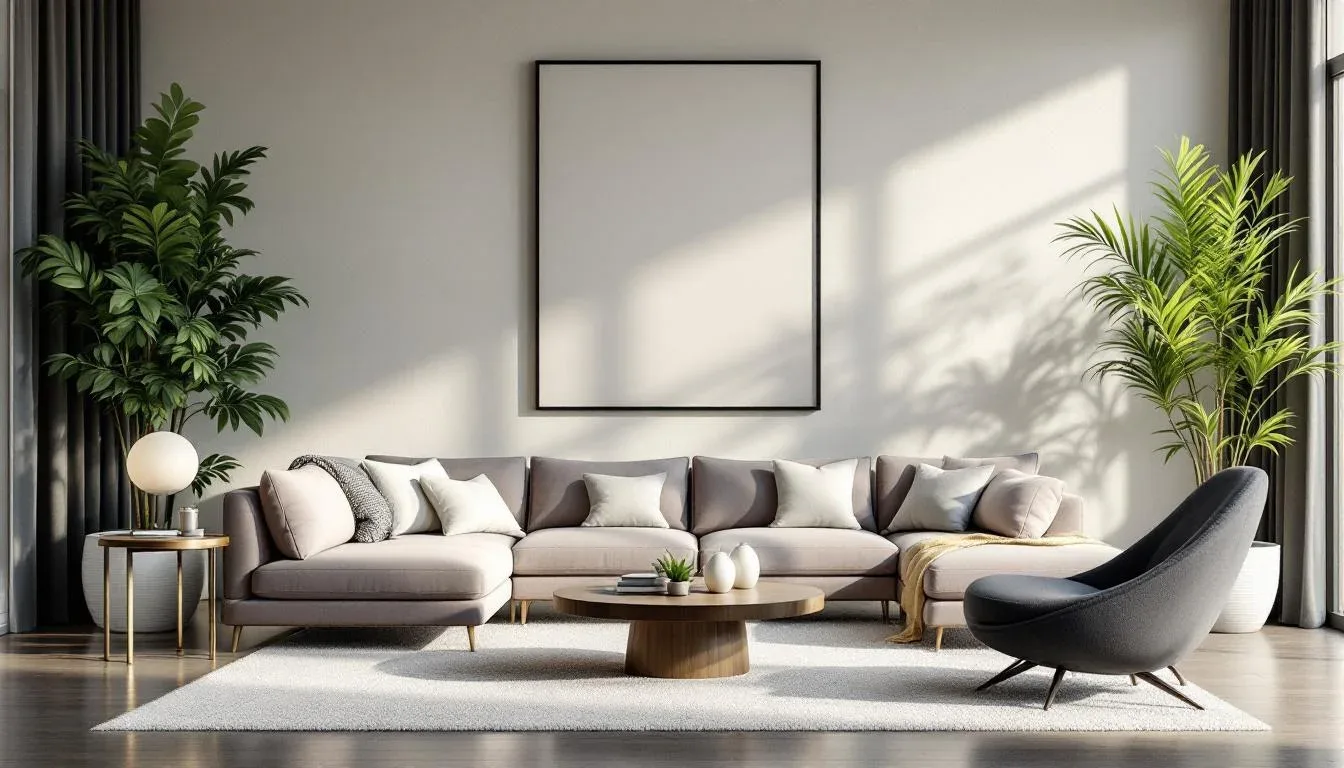
These are the directions that haven’t saturated trend lists yet but are showing up consistently in what forward-looking designers and educated consumers are specifying today.
Plaster walls done properly. Not the faux-finish version from the early 2000s — actual tadelakt and Venetian plaster applied by skilled craftspeople, creating walls with genuine depth and variation that paint simply cannot replicate. The cost is real (expect to pay $10–$25 per square foot for quality application), but the result ages beautifully and can’t be easily duplicated by mass-market alternatives. Early adopters are using it in entry halls, bathrooms, and as single feature walls in living rooms.
Vintage and antique anchors with modern surrounds. Rather than decorating entirely in a single contemporary aesthetic, the direction is to anchor a room with one genuinely old piece — an 18th-century commode, a vintage Persian rug, a mid-century credenza — and build a clean, contemporary room around it. The contrast does something that same-aesthetic rooms can’t: it makes the space feel like it has history, which is increasingly what people are responding to in a design landscape saturated with newness.
Handmade and artisan objects as primary decor. Not as accent pieces, but as the main event. Ceramics made by specific makers (not mass-produced “artisanal-style” pieces from big-box retailers), woven textiles from specific regions, sculptural objects with provenance. This direction is partly about aesthetics and partly about meaning — the increasing desire to have things in your home that have a story and a maker rather than a SKU.
Dedicated functional zones for specific daily rituals. A proper reading corner with good light, a dedicated tea or coffee station that’s actually designed rather than improvised, a morning routine area in the bedroom with everything organized for a specific daily sequence. This is the residential design version of what productivity culture has been doing with time — blocking and protecting specific activities by giving them physical infrastructure.
How to Apply Trends Without Overcommitting
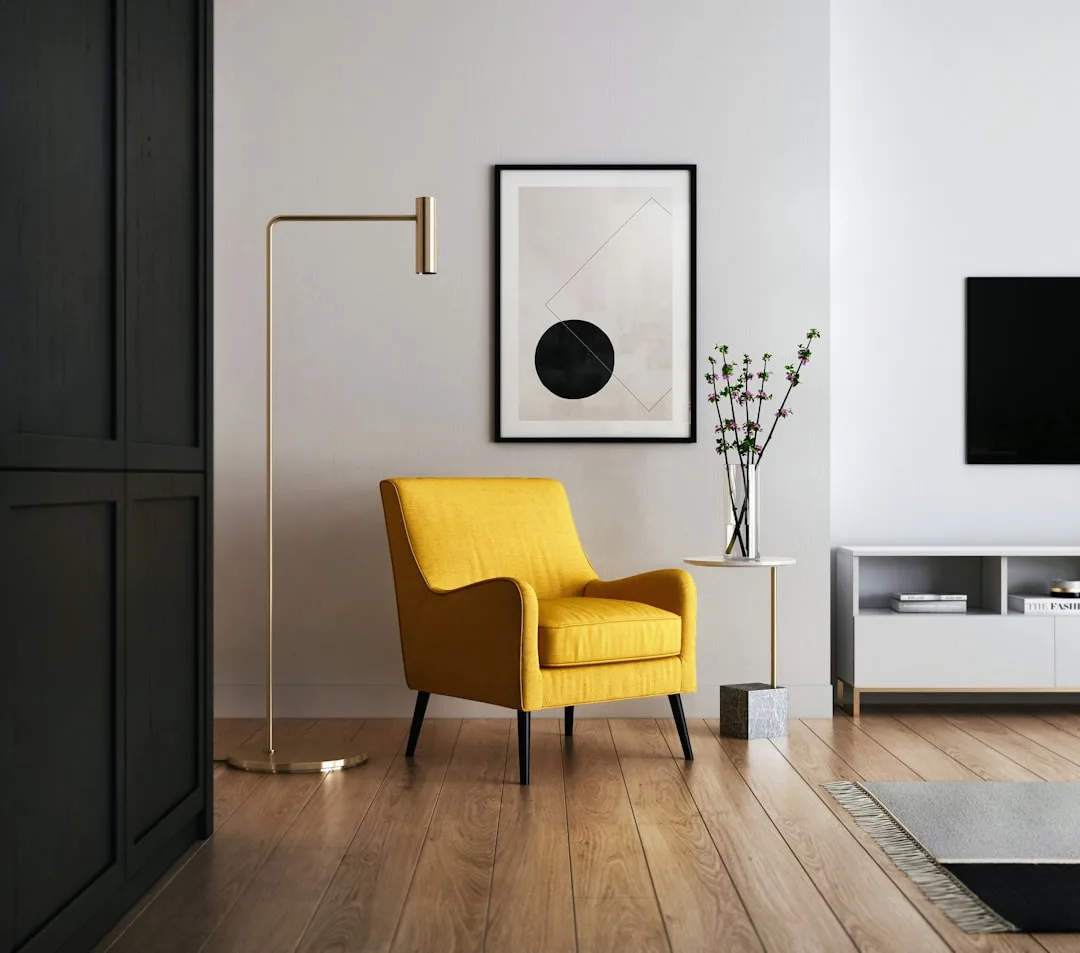
The biggest mistake people make with home decor trends is acting on them at the wrong scale. They paint every wall in a trending color instead of one wall. They replace all their furniture when updating a few textiles would have done the job.
Here’s a practical hierarchy for how to engage with trends based on commitment level:
Low commitment (update annually if you want): Throw pillows, table accessories, candles, small decorative objects, fresh flowers and plants, artwork that’s easily swapped. These are the places to experiment with micro-trends freely because the cost of being wrong is low.
Medium commitment (update every 3–5 years): Rugs, curtains, bedding, pendant lighting, paint colors. These require more investment but are reversible. This is where you can engage with macro-shifts once they’ve shown enough staying power — warm minimalism, for example, is safe to invest in here.
High commitment (buy for the long term): Sofas, dining tables, built-ins, flooring, major architectural changes. These should be chosen for longevity above trend relevance. The question to ask isn’t “is this on trend?” but “will I still want to live with this in ten years?” Classic forms in quality materials almost always win over trend-forward pieces at this commitment level.
The practical implication is that you can stay current and engaged with trends without ever making a trend-driven decision at the high-commitment level. Your sofa doesn’t need to be on trend. Your throw pillows can handle that job.
FAQ
What’s on trend for home decor in 2025 that’s actually worth buying?
Warm minimalism is the macro-shift with the most staying power — natural fiber rugs, boucle upholstery, travertine accents, and warm white paint are all investments that are unlikely to feel dated in five years. At a lower price point, handmade ceramics and quality linen textiles are the best bang-for-buck trend moves right now.
How do I know if a home decor trend will last or fade quickly?
Check whether it’s driven by a cultural shift in how people live or purely by an aesthetic moment on social media. Trends with functional drivers — like the return to defined zones in response to remote work — tend to stick. Trends that exist mainly because they photograph well tend to burn out within 12 to 18 months. Trade show adoption is also a strong signal: if it’s at Salone del Mobile or High Point Market, manufacturers are betting real money on it lasting.
What home decor trends are already over that I should avoid investing in?
All-white interiors, cool gray hardwood floors, open kitchen shelving as the primary storage solution, and farmhouse-style elements like shiplap and barn doors are all aging visibly in most contexts. If you’re about to spend significant money on any of these, it’s worth pausing to consider whether you’re buying into something that’s going to feel dated within a few years.
Is maximalism actually coming back, or is it just a reaction trend that will fade?
The current iteration — curated density rather than chaotic accumulation — has real staying power because it’s driven by a genuine cultural reaction to algorithm-optimized, same-looking interiors. People want spaces that feel personal and specific. That desire isn’t going anywhere. The version that will fade is the overcorrected, truly chaotic interpretation. The collected, intentional version is likely to stick.
How do I follow home decor trends on a tight budget without making expensive mistakes?
Work at the low-commitment level — pillows, throws, small objects, plants — for anything that feels uncertain. Reserve real budget for pieces that solve a genuine functional problem in your space and that you’d want regardless of trend status. The most expensive trend mistake is buying a large furniture piece because it’s on trend and then needing to replace it when the trend shifts. A $40 throw pillow in a trending color costs nothing to retire. A $1,200 sofa does not.