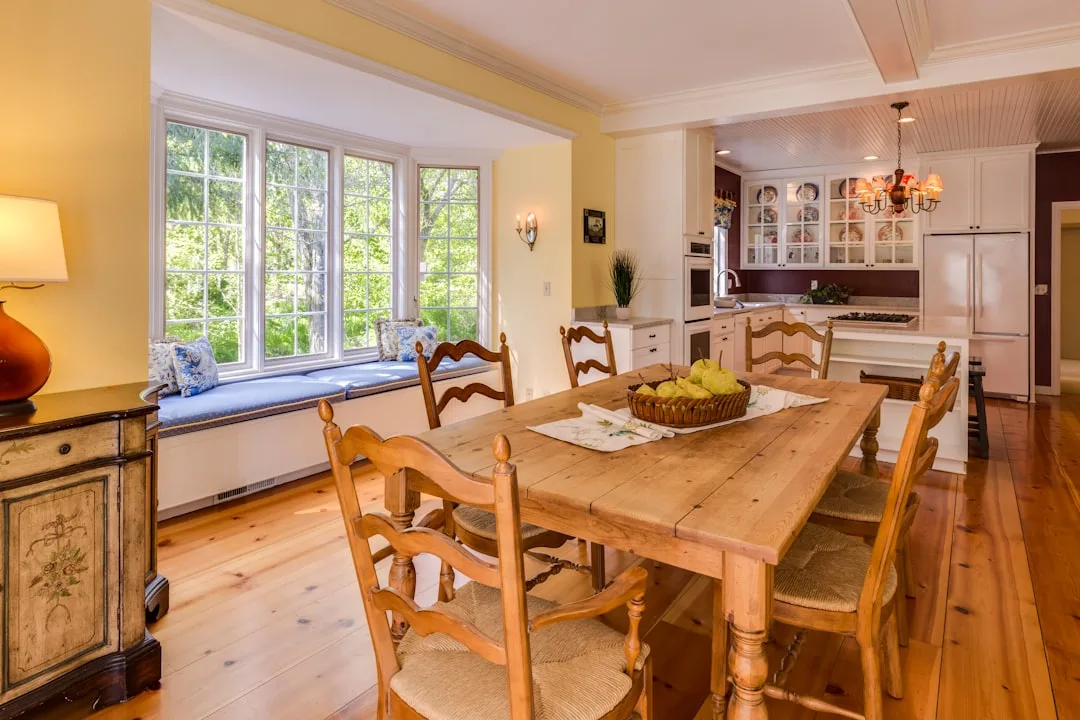
Deciding whether to open your kitchen to your dining room is one of the most requested home renovations in America — and one of the most frequently regretted. Not because the idea is wrong, but because most people make the decision based on how the result will look in photos, not how it will feel to live in on a Tuesday evening when someone’s doing homework, the dishwasher is running, and dinner is a stir-fry. Whether you’re planning a full open kitchen to dining room conversion or something more modest like a pass-through, the decision deserves more careful thought than most design content gives it.
Quick Answer
Removing the wall between your kitchen and dining room is one of the most requested home renovations in America — and one of the most frequently regretted.
I spent eleven years helping people make exactly this call — in Chicago two-flats, Manhattan pre-wars, suburban ranch homes — and the pattern I kept seeing was homeowners who pulled a wall down, lived with it for eight months, and quietly wished they hadn’t. Not all of them. But enough that I approach this question differently than most design content does.
This article is going to walk you through what the options are actually called, what the trend data says right now, the downsides nobody puts in the headline, and a real framework for making the decision. Then we’ll get into execution — because if you do open it up, doing it poorly is almost worse than not doing it at all.
What the Opening Between a Kitchen and Dining Room Is Actually Called
In This Article
- What the Opening Between a Kitchen and Dining Room Is Actually Called
- Are Open Kitchens Still in Style — or Is the Trend Reversing?
- The Real Downsides of an Open Kitchen Nobody Warns You About
- How to Actually Make This Decision
- If You’re Going to Do It: Execution Details That Actually Matter
- A Note on Costs and What They Actually Cover
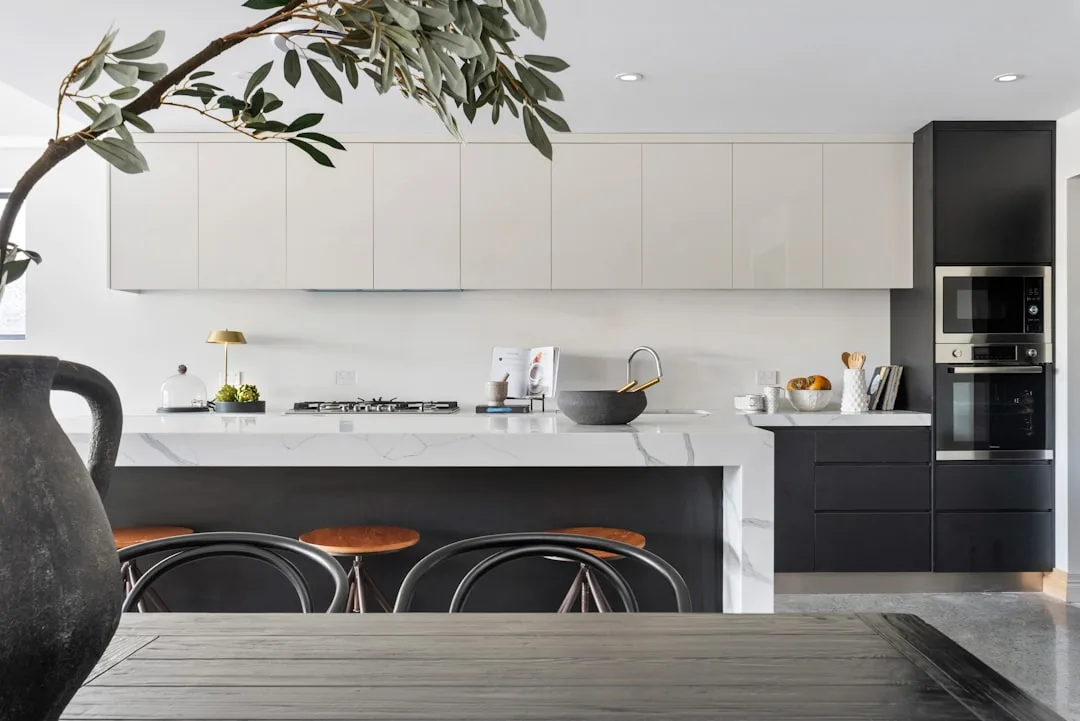
Before you call a single contractor, get your terminology straight. This matters more than people realize — I’ve watched homeowners spend three confusing, expensive weeks going back and forth with a contractor because they kept saying “open it up” when they meant a pass-through and the contractor was quoting full wall removal.
The term hierarchy works like this:
- Pass-through (or serving window): A cut-out opening in an existing wall, typically counter-height, that preserves the wall structure while allowing items and sightlines to pass between rooms. Low disruption. Reversible.
- Cased opening: A framed, finished opening without a door — the wall is partially or fully removed between two studs, and the opening is trimmed out cleanly. Architects and builders use this term precisely; it signals a finished edge without implying a doorframe.
- Half-wall (or pony wall): The lower portion of a wall is kept as a knee-wall divider, roughly 36–42 inches high, while the upper portion is removed. Creates separation without enclosure.
- Open-plan or open-concept layout: Full wall removal with no dividing element remaining. The kitchen and dining room — and often a living room — become one continuous space.
Knowing which of these you want before the first estimate means you’re comparing apples to apples across bids. It also prevents the very expensive discovery mid-project that “opening the wall” meant different things to you and the person holding the sledgehammer.
On the trend data: The National Association of Home Builders tracked open-concept floor plans as the most-requested feature in new home construction for over a decade, peaking around 2017–2019. That peak matters — because what comes after a peak is not usually a plateau.
Takeaway: Decide which type of opening you actually want before soliciting a single bid. “I want a cased opening, roughly 48 inches wide, on a non-load-bearing wall” is a sentence a contractor can price accurately.
Are Open Kitchens Still in Style — or Is the Trend Reversing?
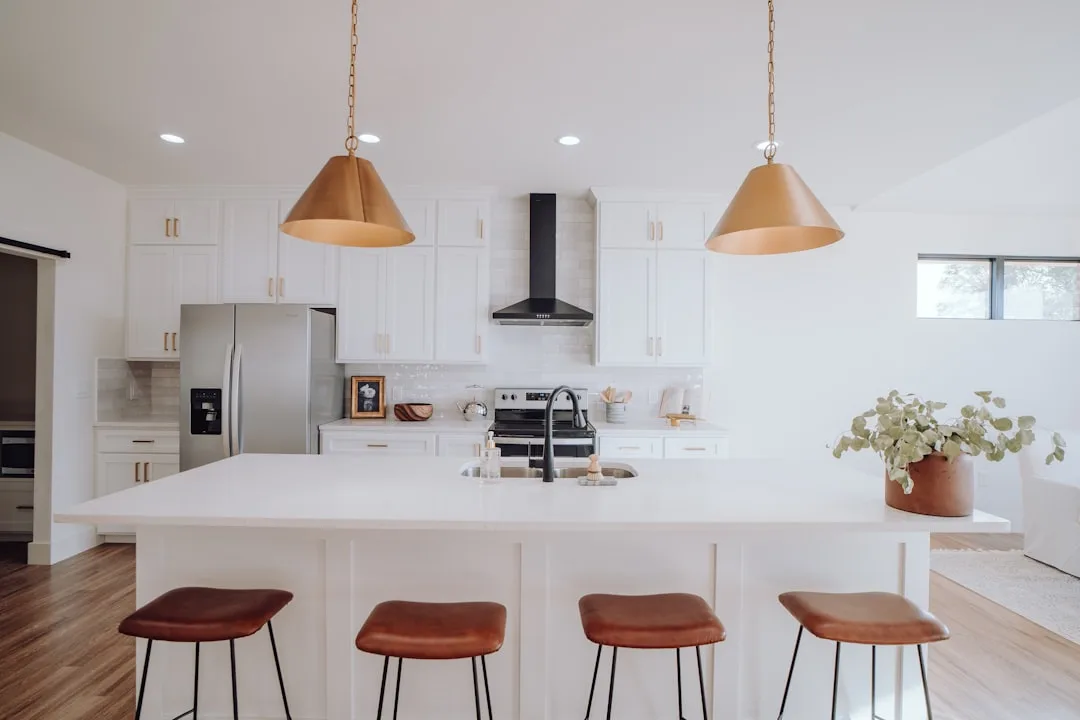
Here’s what the honest answer looks like: open-concept isn’t dead, but the zero-barrier, everything-visible, one-giant-room version has quietly peaked. What’s replacing it isn’t a return to closed kitchens — it’s something more deliberate and, frankly, more livable.
The term you’ll hear from designers working in 2023–2024 is “broken-plan.” It means a layout that implies connection between spaces without eliminating separation entirely. Pocket doors. Partial walls with open shelving built into them. A peninsula that faces the dining room as a visual anchor without physically joining the two zones. That is not a small shift for a five-year span.
The pandemic had something to do with this. When people started working from home and children were doing school from the kitchen table, the idea that one open space serves everyone’s needs simultaneously — simultaneously — collapsed pretty fast. The dining room that was supposed to feel casually connected to the kitchen became the room where you couldn’t take a Zoom call without your lunch being audible to twelve coworkers.
Personal lifestyle factors matter more than trend cycles here. Noise sensitivity, how often you actually cook, whether you have children or a large dog, whether someone in the household works from home — these aren’t decorating preferences. They’re functional requirements. And they should drive the decision far more than what Architectural Digest ran as a cover story in 2022.
The broken-plan approach — a movable partition, a half-wall with a few pendant lights over it, a pocket door that stays open 90% of the time but exists — delivers most of what people love about open kitchen to dining room layouts while preserving options. That is not a compromise. That is actually the smarter design.
Takeaway: If a designer or contractor tells you that full wall removal is “the modern standard,” push back. Ask them what broken-plan means and whether it applies to your space.
The Real Downsides of an Open Kitchen Nobody Warns You About
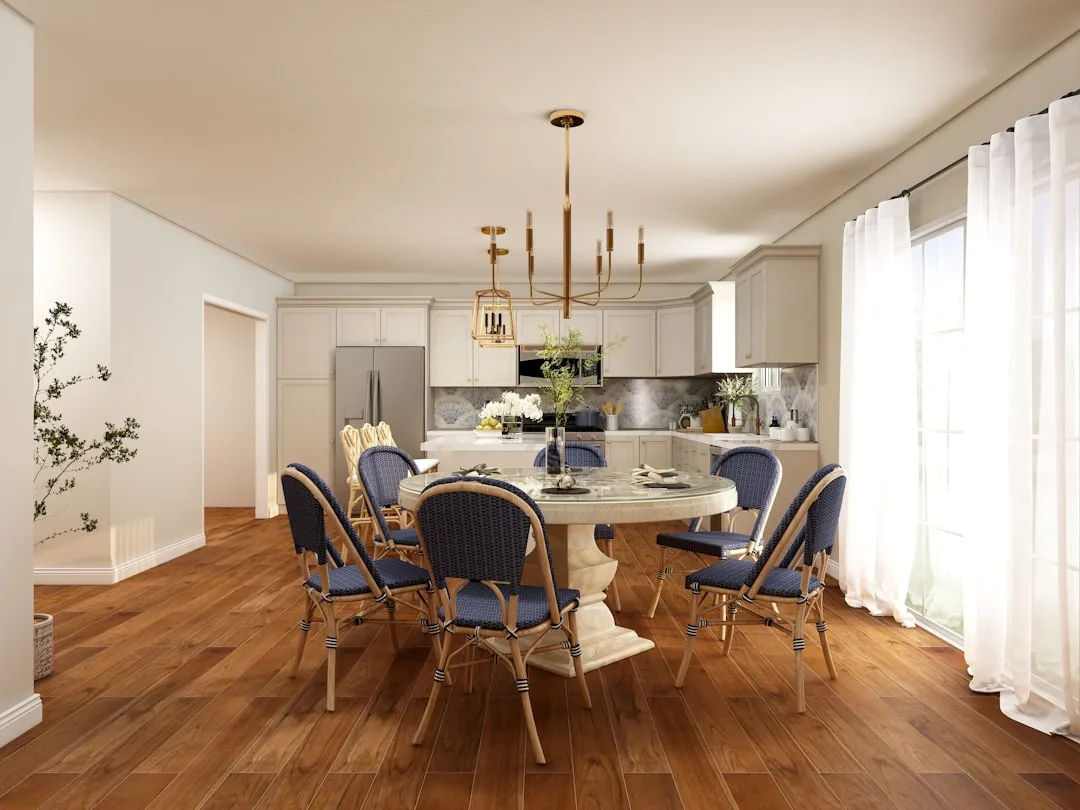
Every article on this topic will tell you that open kitchens get noisy and smelly. Fine. True. But there are four things that almost never make the list, and they’re the ones that tend to produce regret.
Start with air quality. A 2022 study published in the journal Indoor Air found that airborne particulate levels from cooking in open-plan homes were measurably higher in adjacent living areas compared to closed-kitchen layouts, with particles persisting up to two hours after cooking. Two hours. That means the aerosols from a 7pm dinner are still present when you’re watching television at 9pm. Grease vapor doesn’t just smell — it coats fabric, artwork, and soft furnishings over time. I once helped a client figure out why her dining room curtains felt tacky after two years. She had no range hood worth mentioning and an open kitchen. The curtains weren’t dirty. They were coated.
Then there’s the wall space problem. This one genuinely surprises people. Removing a shared wall between a kitchen and dining room eliminates storage potential on both sides simultaneously — kitchen cabinet runs that could have terminated on that wall, shelving in the dining room, the ability to hang a large piece of artwork above the dining table. The dining room side especially tends to feel unmoored without a backing wall. A floating table in the center of a combined space, with no visual anchor behind it, is a design problem that takes real effort to solve — and most people don’t anticipate it until the wall is already gone.
The third issue is acoustic bleed in both directions. You already know that kitchen noise travels into the dining room. What people forget is that it travels the other way too. If your dining room is where guests gather, where children do homework, or where a television lives, every sound from that space flows freely into the kitchen. There is no such thing as a contained conversation in an open-plan layout. That dining room argument, that phone call you’d rather have privately, that loud movie your teenager is watching — all of it is ambient noise in the kitchen. And ambient noise in a kitchen, where you’re already managing heat and timing and multiple tasks, is more fatiguing than people expect.
Fourth: the resale calculation is not as simple as you’ve been told. Yes, open-plan layouts have historically tested well with buyers. But that data is aging. In markets with older housing stock — pre-1970s construction, where rooms were built smaller and walls more frequent — buyers increasingly fall into two camps: those who want everything opened up, and those who want the original character preserved. In some markets, particularly historic districts and urban neighborhoods with strong architectural character, an intact wall with original trim and plaster has started to command a premium over a removed one. The blanket assumption that “opening it up adds value” deserves scrutiny before you act on it.
Takeaway: Before committing to full wall removal, audit your range hood capacity, measure your remaining wall space on both sides, and call a local real estate agent — not a national one — about how open-plan layouts are actually performing in your specific neighborhood right now.
How to Actually Make This Decision
The framework I used with clients came down to five questions, asked in order. Skipping any of them tends to produce regret.
1. Is the wall load-bearing?
This is not a question you answer by knocking on the wall or reading a blog post. You answer it by having a structural engineer or experienced contractor look at your specific house. Load-bearing walls can be removed, but the cost changes significantly — a beam, new footings potentially, engineering drawings. Budget accordingly before you fall in love with the outcome.
2. What’s on and in the wall?
Electrical panels, plumbing runs, HVAC ducts, and gas lines all hide inside walls. The kitchen-dining wall in particular is a likely location for electrical circuits that serve both rooms. A preliminary assessment — opening one or two inspection points before committing — is far cheaper than discovering mid-demo that the wall contains a main circuit run.
3. What problem are you actually trying to solve?
This sounds obvious. It isn’t. Most people who say they want an open kitchen to dining room connection are really trying to solve one of three things: they want more light in a dark kitchen, they want to feel less isolated while cooking, or they want the space to feel larger. Each of those problems has multiple solutions. More light can be addressed with a pass-through, a skylight, or lighter finishes. Isolation while cooking is solved by a cased opening just as effectively as full wall removal. The feeling of more space is as much about sight lines and color as about actual square footage. Make sure the wall removal is the right solution to your specific problem, not just the most dramatic one.
4. What are your real noise and smell tolerances?
Not your aspirational tolerances — your actual ones. If you find the sound of a running dishwasher distracting when you’re trying to read, open-plan will test you. If you cook high-heat, high-fat meals regularly and your exhaust system is modest, you will smell it in the dining room. Be honest here, because dishonesty in this step produces regret in year two.
5. Can you achieve the connection you want with something less permanent?
A cased opening with a pocket door that you leave open most of the time gives you 90% of the open-plan experience and 100% of the option to close it. A half-wall with a counter overhang gives you a visual connection and a casual eating surface without eliminating the acoustic barrier. A pass-through gives you the ability to hand dishes between rooms without full exposure. Try to imagine living with the less-permanent solution before committing to the irreversible one.
Takeaway: If you can’t clearly articulate which problem you’re solving and why full removal is the right solution, the answer is probably a cased opening or broken-plan modification, not a full open kitchen to dining room conversion.
If You’re Going to Do It: Execution Details That Actually Matter
Assuming you’ve worked through the framework and full or partial wall removal is the right call, the execution decisions matter as much as the structural ones. This is where projects that look good on paper turn mediocre in practice.
Range hood capacity first, everything else second.
The single most common execution failure in open kitchen to dining room projects is inadequate ventilation. A range hood that was sufficient for a closed kitchen becomes completely insufficient when the cooking space opens into a dining area. The general rule of thumb — 100 CFM per 10,000 BTU of range output — doesn’t account for the fact that airborne particles now have a much larger space to occupy. If you’re removing a wall, upgrading your ventilation at the same time is not optional. It’s part of the project.
Flooring transitions need a decision before demolition.
If your kitchen currently has tile and your dining room has hardwood, removing the wall creates a transition line in the middle of what is now one space. You have three options: extend one material throughout, use a deliberate transition strip that reads as intentional, or install new continuous flooring across both areas. The worst outcome — and it’s common — is the existing materials meeting awkwardly in the middle of the new open space with no design intent. Decide before the wall comes down, because your options afterward are more limited and more expensive.
Lighting zones become critical.
A kitchen requires task lighting. A dining room requires ambient and accent lighting. When you combine the spaces, you need both — and they need to be on separate circuits with separate dimmers. The mistake is treating the combined space as one lighting zone. It isn’t. A dining table needs a pendant or chandelier that dims low for dinner. The cooking surface needs bright, shadow-free task light regardless of what’s happening at the table. Plan the lighting before the drywall goes back up, because adding circuits after the fact costs significantly more.
Define the zones visually even when the wall is gone.
Full wall removal without any zoning strategy produces a space that feels large but purposeless. The tools for defining zones without walls are: a change in ceiling treatment (a coffered ceiling over the dining area, exposed beams over the kitchen), a change in flooring material or direction, pendant lighting that marks the dining table as its own territory, and furniture arrangement that creates implied boundaries. The best open kitchen to dining room layouts don’t look like one undifferentiated room — they look like two rooms that happen to share air. That distinction requires intentional design decisions, not just wall removal.
Takeaway: Treat ventilation, flooring, lighting, and visual zoning as non-negotiable line items in your project budget, not afterthoughts. The structural work is the beginning, not the end.
A Note on Costs and What They Actually Cover
Ballpark figures shift constantly with material costs and regional labor markets, so treat these as relative rather than absolute. What doesn’t change is the cost hierarchy:
- Pass-through: Lowest cost. Framing, drywall patching, finishing. Often a weekend project for an experienced contractor.
- Cased opening, non-load-bearing wall: Moderate. Framing, drywall, trim work, possible electrical rerouting.
- Cased opening or full removal, load-bearing wall: Significantly higher. Engineering assessment, beam installation, temporary shoring, potential foundation work depending on the span.
- Full removal with associated upgrades (flooring, lighting, ventilation): The number that most people don’t plan for, because they budget the structural work and discover the associated work mid-project.
The associated work — the flooring transition, the new range hood and ductwork, the lighting circuits, the trim and paint — often costs as much as the structural removal itself. Budget for both from the start.
Frequently Asked Questions
How do I know if the wall between my kitchen and dining room is load-bearing?
The most reliable method is having a structural engineer or experienced contractor assess it in person. General indicators — the wall runs perpendicular to floor joists, sits above a beam in the basement, or appears in the center of the house — suggest load-bearing, but none of these are definitive without a proper assessment. In older homes especially, load paths don’t always follow obvious patterns. Spend the $200–$400 on a professional evaluation before assuming anything.
What’s the cheapest way to open a kitchen to a dining room?
A pass-through window is typically the least expensive option. It requires removing a section of wall between studs, framing the opening, and finishing the edges — no beam, no major structural work if the wall is non-load-bearing, and far less disruption to adjacent surfaces. It won’t give you a fully open plan, but it creates sightlines and the ability to pass dishes between rooms at a fraction of the cost of full removal.
Will opening my kitchen to the dining room add value to my home?
It depends heavily on your market, your home’s age and style, and what buyers in your area currently expect. In suburban markets with newer construction, open-plan layouts remain popular and may add value. In urban markets with older housing stock, or in neighborhoods where original architectural character is valued, the calculation is less clear. Talk to a local real estate agent — not a national website’s estimate tool — before assuming that wall removal automatically translates to resale value.
What is a broken-plan layout and is it better than fully open?
Broken-plan refers to a layout that connects spaces visually and socially without eliminating all physical separation. Examples include a half-wall with a counter overhang, a pocket door that stays open most of the time, or a wide cased opening that implies connection without full exposure. For most households with children, noise sensitivity, or work-from-home members, broken-plan delivers the benefits of openness while preserving the ability to contain sound, smells, and visual clutter. For many people, it’s the more livable option.
How do I make an open kitchen and dining room feel like intentional design rather than just a missing wall?
The key is defining zones visually. Use pendant or chandelier lighting over the dining table to anchor that area as its own space. Consider a change in flooring material or direction at the transition point. Use ceiling treatments — a coffered ceiling, a change in height, exposed beams — to differentiate the two zones overhead. Furniture arrangement matters too: a dining table positioned and scaled to its zone, rather than floating arbitrarily in the combined space, does more for the room than almost any finish decision. The goal is two rooms that share air, not one undifferentiated room.