Blog

  • 5 Design trends that can increase the value of your home

    5 Design trends that can increase the value of your home

    Whether you are a property owner who anticipates selling your home or a real estate investor dedicated to finding houses to flip, increasing the property’s value is mandatory.

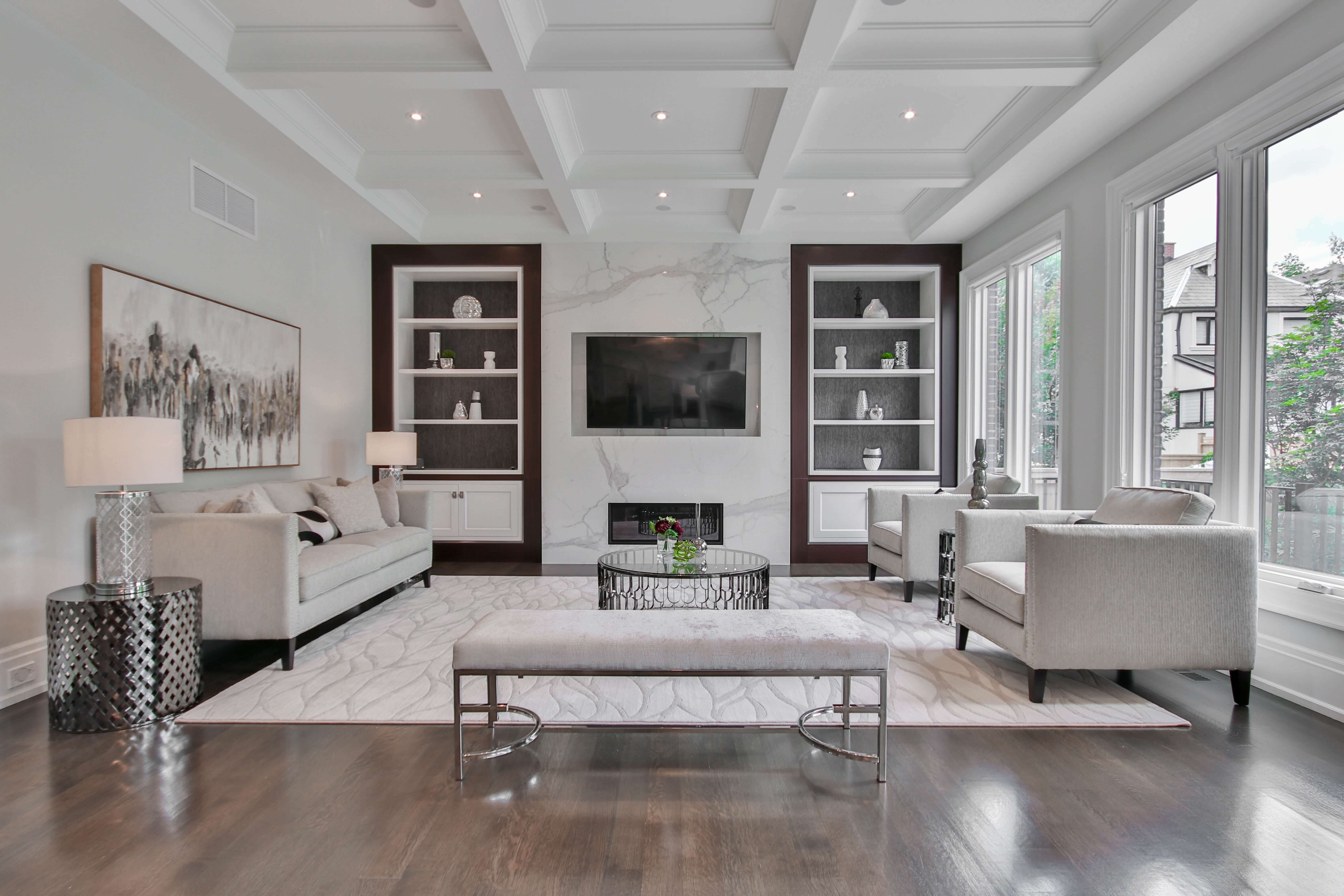
    Photo by Binyamin Mellish from Pexels

    To increase the value of your home, you must make some significant changes for the home to look and feel different. The changes could include incorporating modern design trends into your home so that an appraiser would not have second thoughts about increasing the property’s value when doing an assessment. Prospective buyers will always look for interesting aspects of a particular property before deciding on whether to buy or not. They would not consider a property with old designs, poor lighting, and an unorganized living space. They will always flow with unique ideas and trends. For this case, we will discuss five essential design trends that would help increase the value of your home both on the interior and the exterior.

    Upgrade The Property’s Landscape
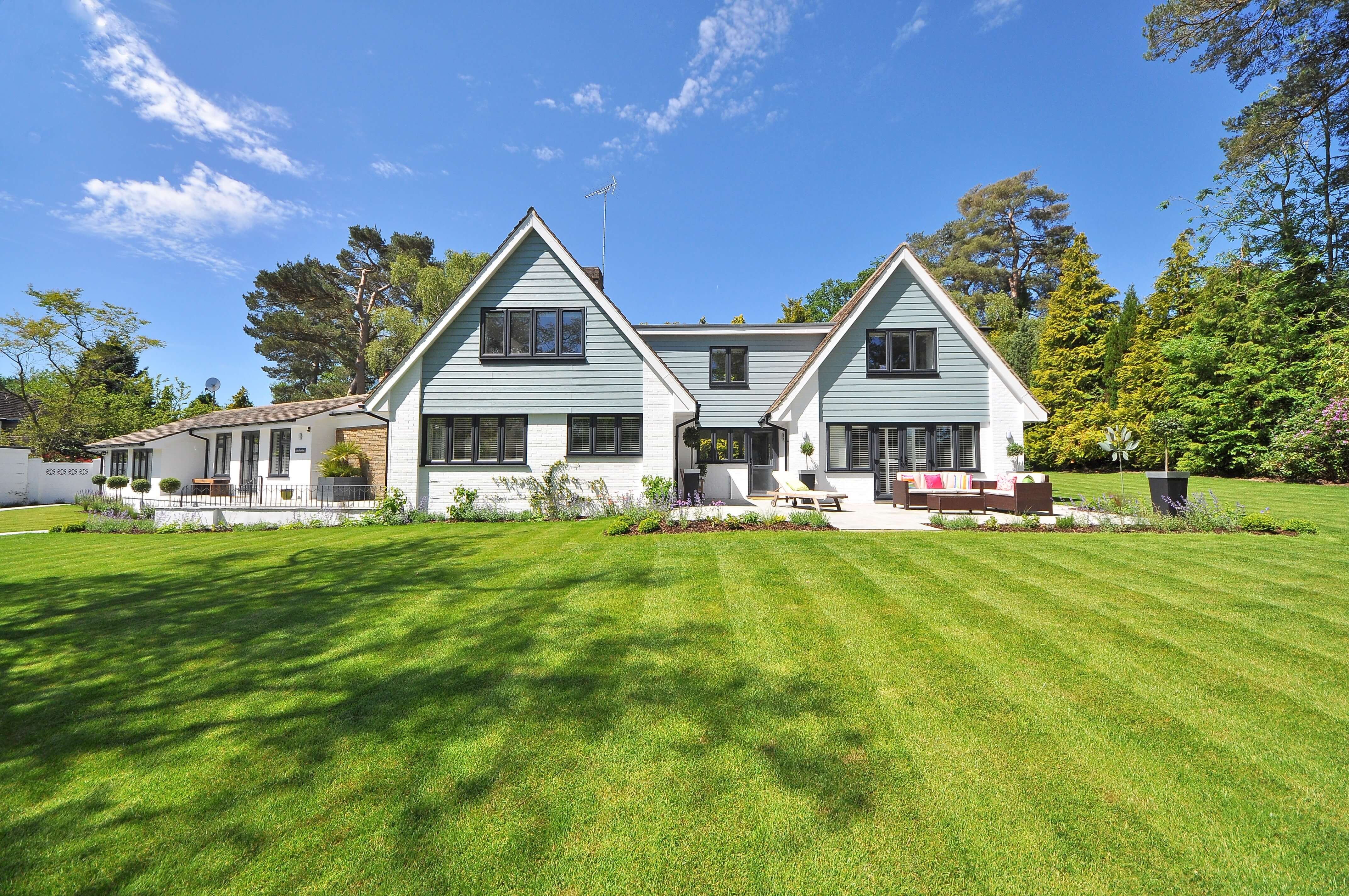
    Photo by Pixabay from Pexels

    The outward appearance of your home is vital when it comes to increasing the property’s value. If you are in the process of selling your home, you should consider this aspect seriously and professionally. There are several modern trends for improving the appearance of the landscape that homeowners can adapt to. For instance, they may opt to tidy the landscape to improve the property’s curb appeal. It is vital to understand that what potential buyers see the first time they make eye contact with your property can be a major factor when buying a house. In this case, be sure to plant those seasonal plants, trim your bushes and do something in your backyard to ensure the landscape looks appealing.

    Moreover, you may opt to select a theme for your landscape to make it more interesting. You can do this by selecting a design that matches your interior space, such as rustic designs. Landscaping is not costly, and you can do it based on your budget allocation. Therefore, be sure to incorporate it when you want to increase your home’s value.

    Complement the Feel of Your Home with Dark Colors
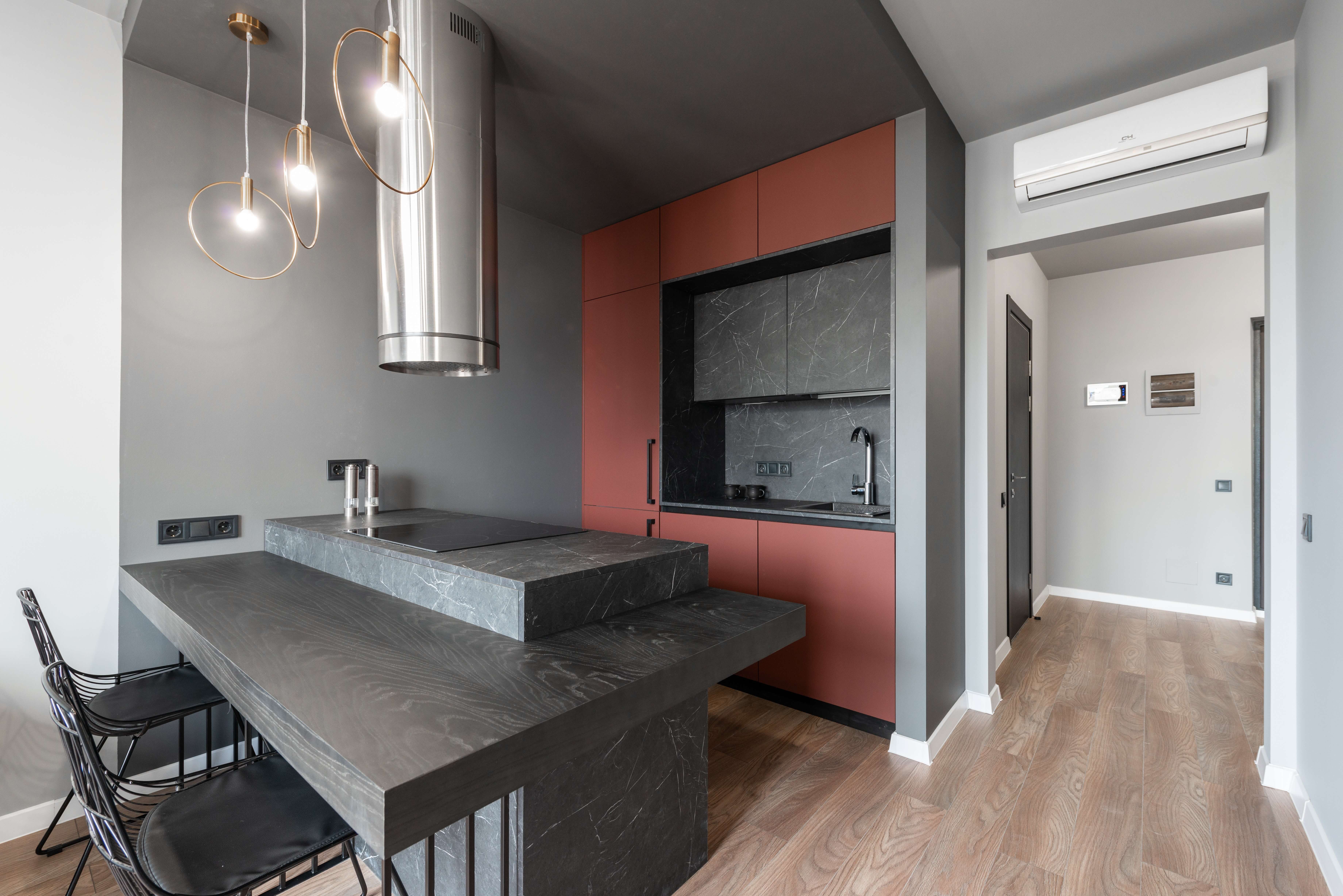
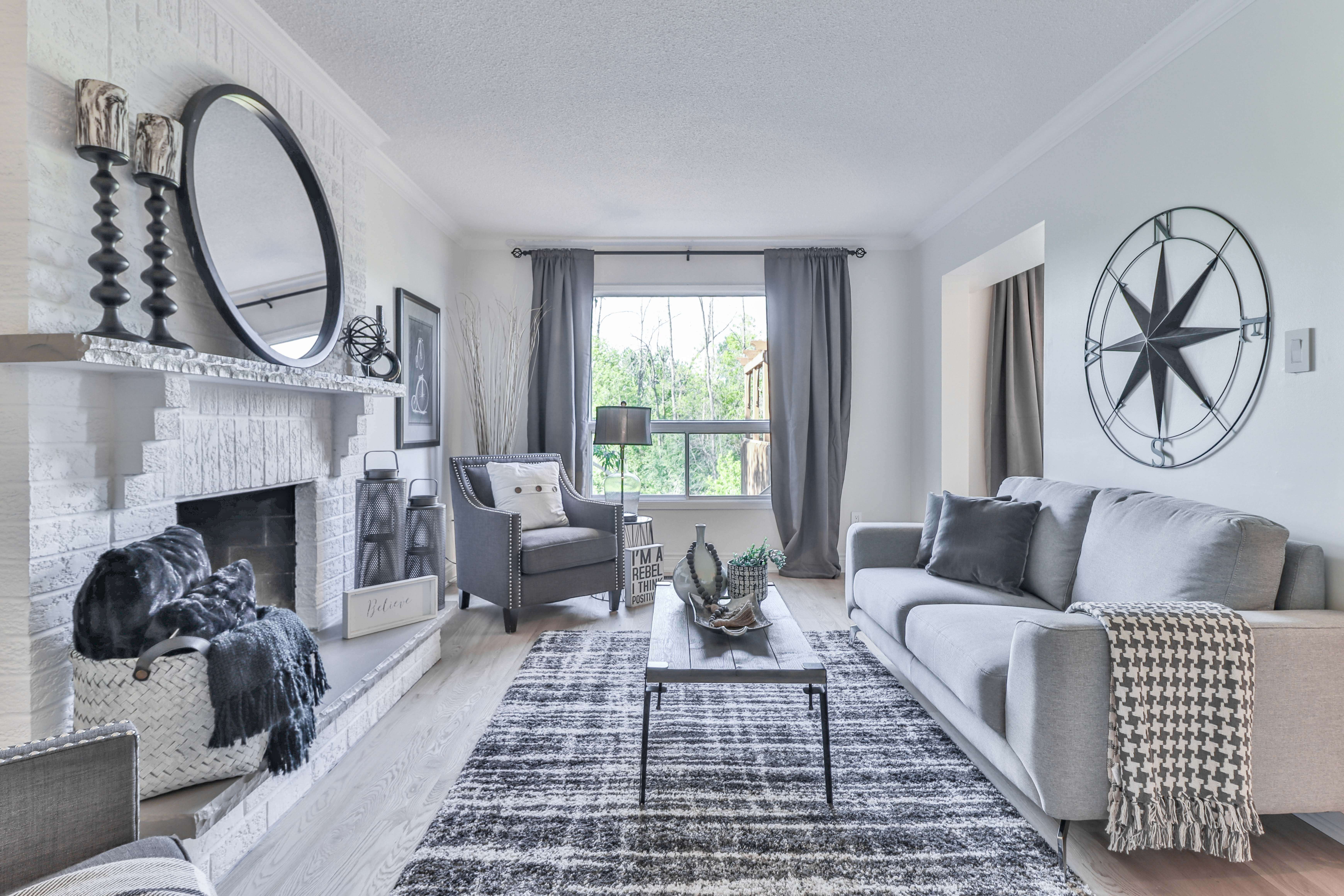
    Photo by Max Vakhtbovych from Pexels

    The use of dark colors is another essential design trend adopted by homeowners currently. In the past, people opted to paint their homes with light colors to give their living space a brighter look and feel. That aspect has changed with the introduction of dark colors. When you walk around in your neighborhood, you will notice that people have switched to painting their interiors with grey colors or can even go for navy blue colors. However, when choosing to switch the color of the interior, you must be careful to avoid overdoing it. In this case, be sure to consult an interior designer to advise you on the dark colors that will accurately complement your home. This way, you will be able to achieve a final look that is appealing to the eyes of prospective buyers. Dark colors are a great design trend when it comes to increasing the value of your property.

    Improve the Appearance of Your Garage
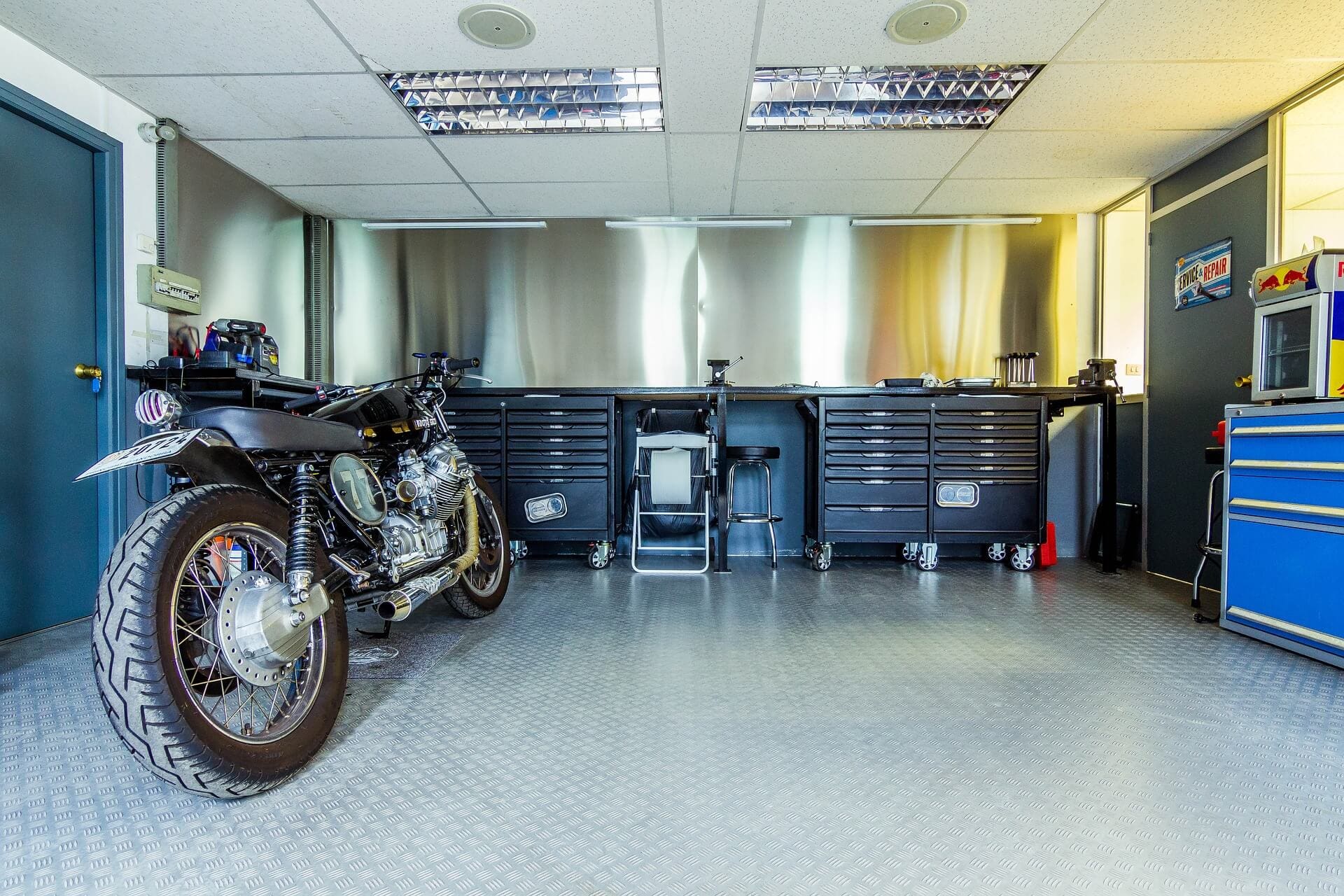
    Image by StockSnap from Pixabay

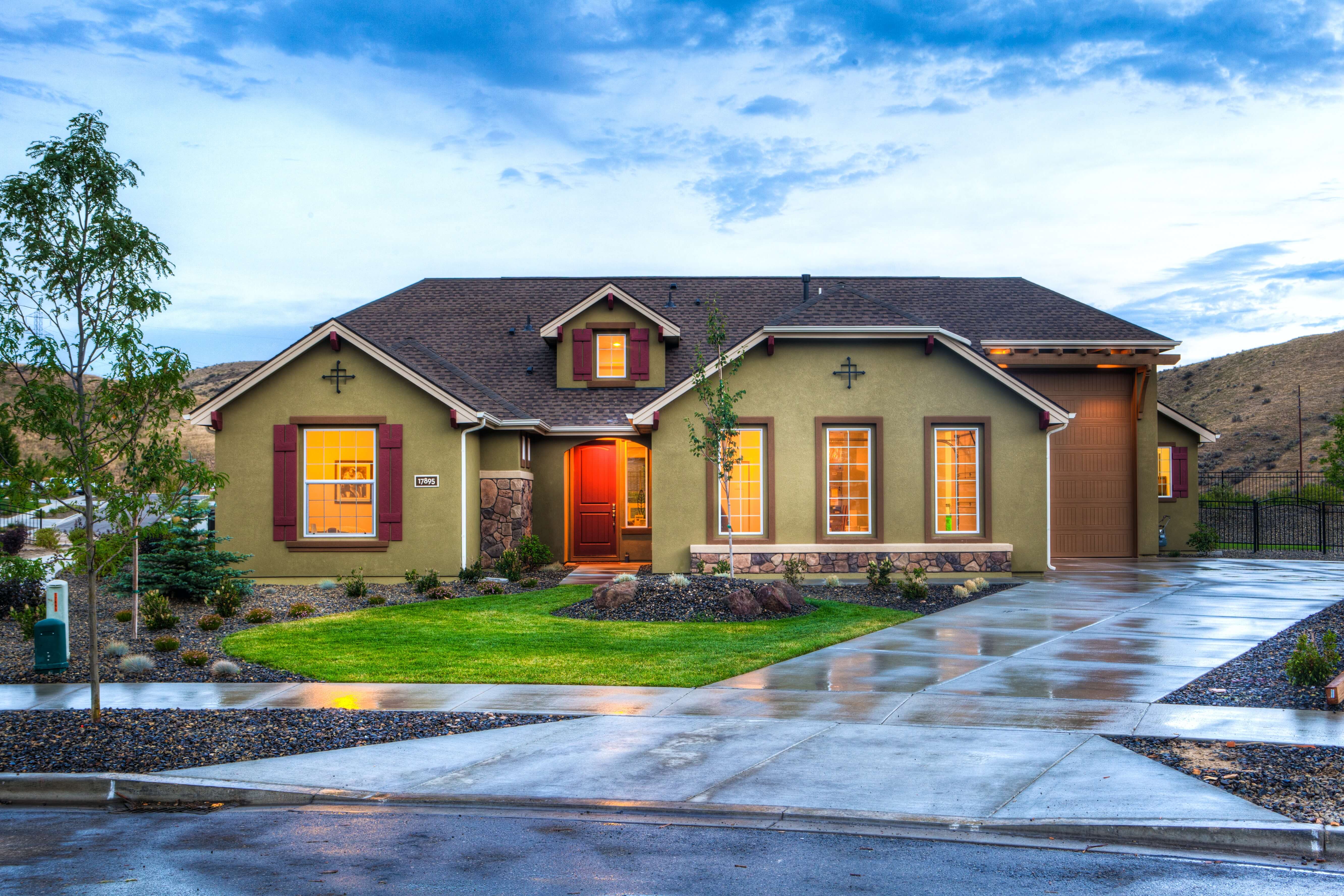
    It is one of the simplest ways to improve the appearance of a home that will impact the value of a property. It is simple to change the appearance of your garage when undertaking this bold step. There are several ways you can do it by putting in mind the type of style you have incorporated into your interior. Firstly, you can begin by installing a new door for your garage. It does not have to be an ordinary door. You can factor in several things, including windows on the door and incorporating different accents, such as wood. Such design trends are on the rise when it comes to changing the appearance of the garage doors to increase a home’s value. In addition, there is another option of changing how the interior looks to bring out a different feel—for instance, changing the colors of the interior to give the garage a new look. Such simple acts are very important to increase your property’s worth.

    Upgrade Your Porch
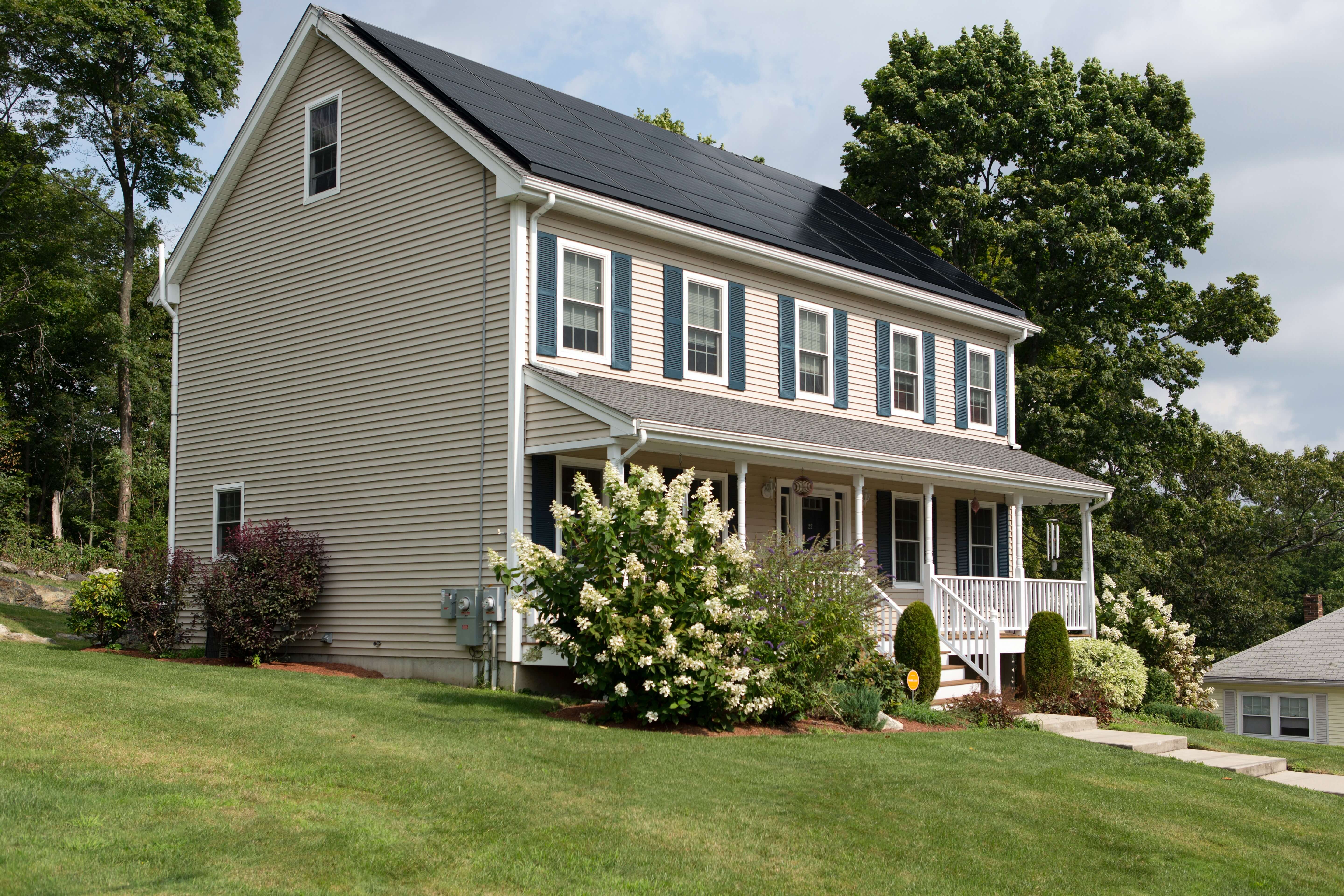
    Photo by Vivint Solar from Pexels

    A well designed porch can increase the liveable space of your home, and act as an invitation for both guests and potential buyers. Apart from adding an instant lift to the curb appeal of a house, a well designed porch can also make the house more enjoyable to live in. It’s a bit like having an outside room that can be a great location for meals, drinks and relaxing. Perhaps more importantly, a well designed front porch can also increase the value of your home, without having to drastically change the structural elements of the house. 

    Give Your Bathrooms A Facelift
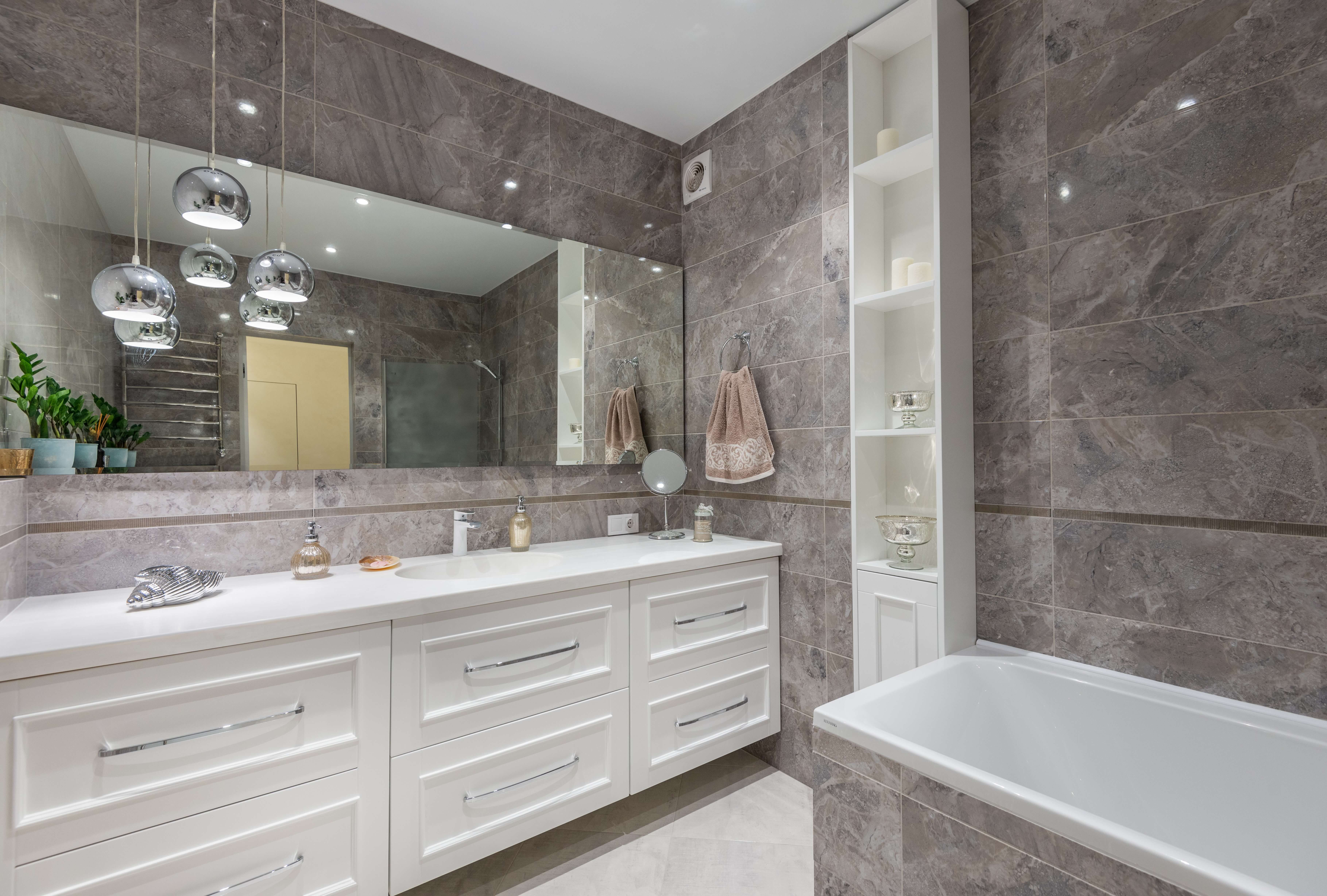
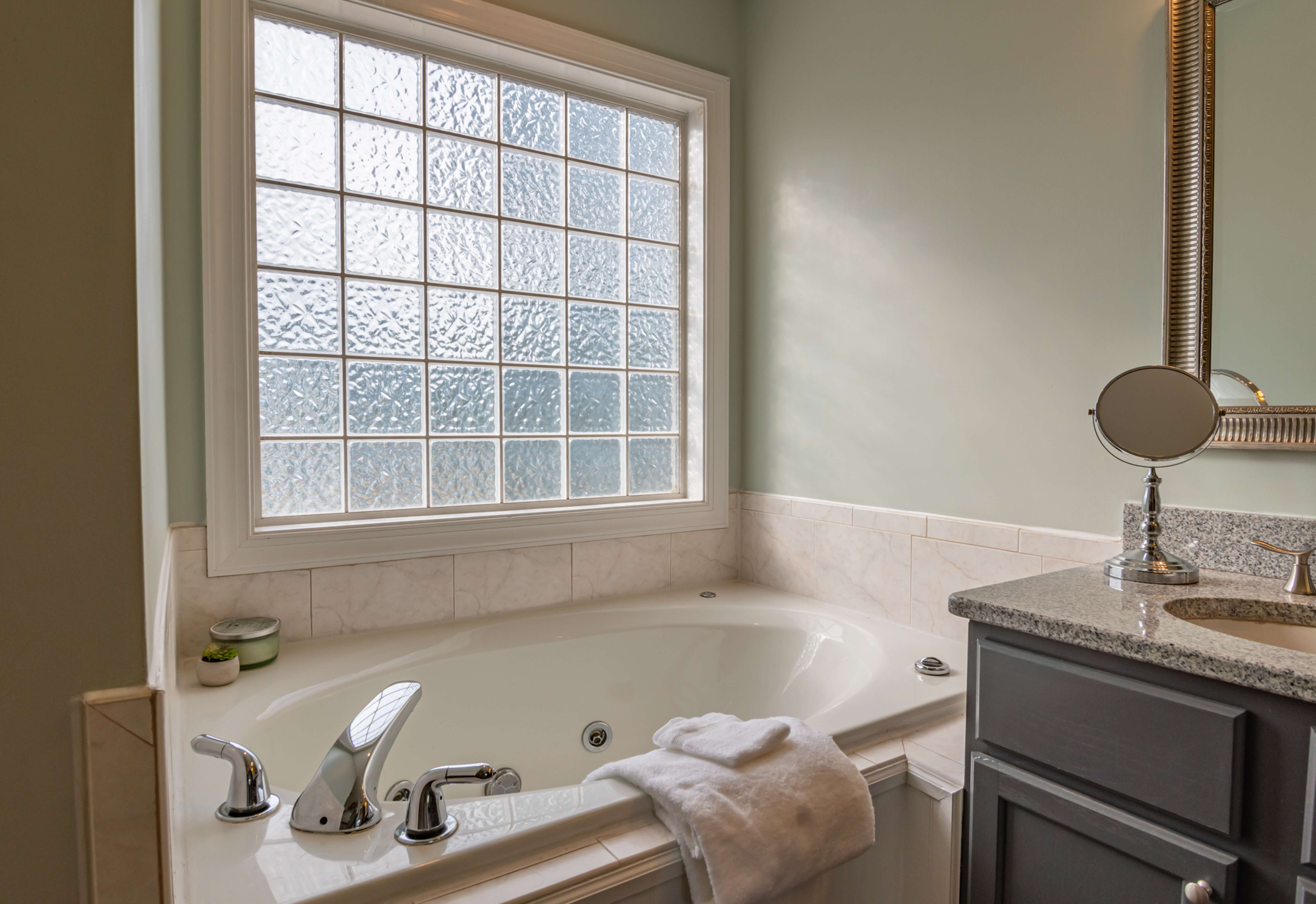
    Photo by Max Vakhtbovych from Pexels

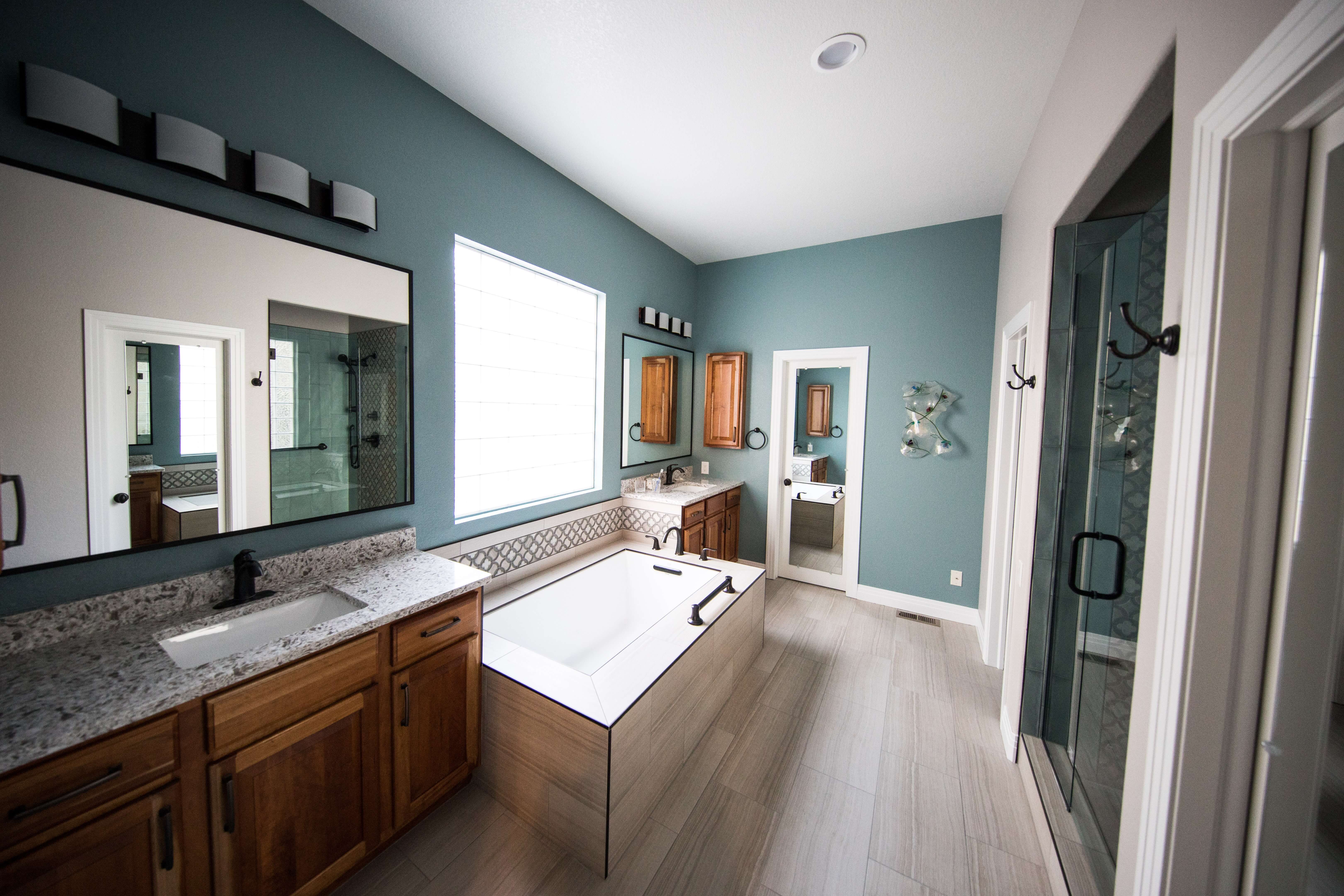
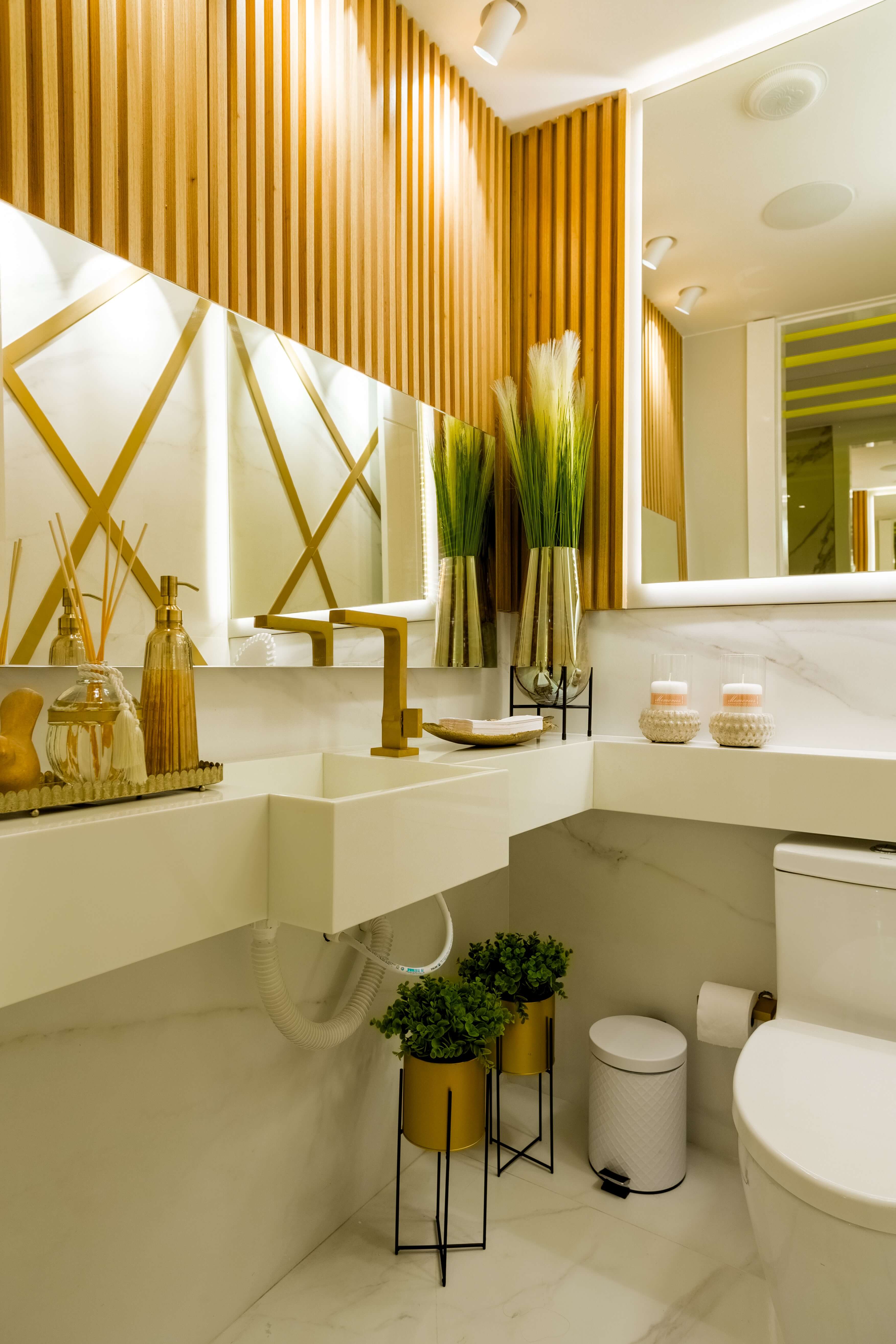
    Bathroom improvements are a great step towards increasing your home’s worth and will pay well when the work is done to perfection. The renovation can accommodate those with a limited budget by concentrating on modern trends. The trends include vital aspects such as lighting and increasing the surface of the bathroom. The aspect of lighting is highly considered nowadays since there are many décor pieces to incorporate. Such improvements will have an impact on increasing the value of a property.

    Having looked at the various trends for increasing your property’s worth, you can now easily focus on important areas that will impact your property. Careful consideration and implementation of the aforementioned design trends will do the magic for you when selling your property.

  • Can You Clean Your Living Room Set?

    Can You Clean Your Living Room Set?

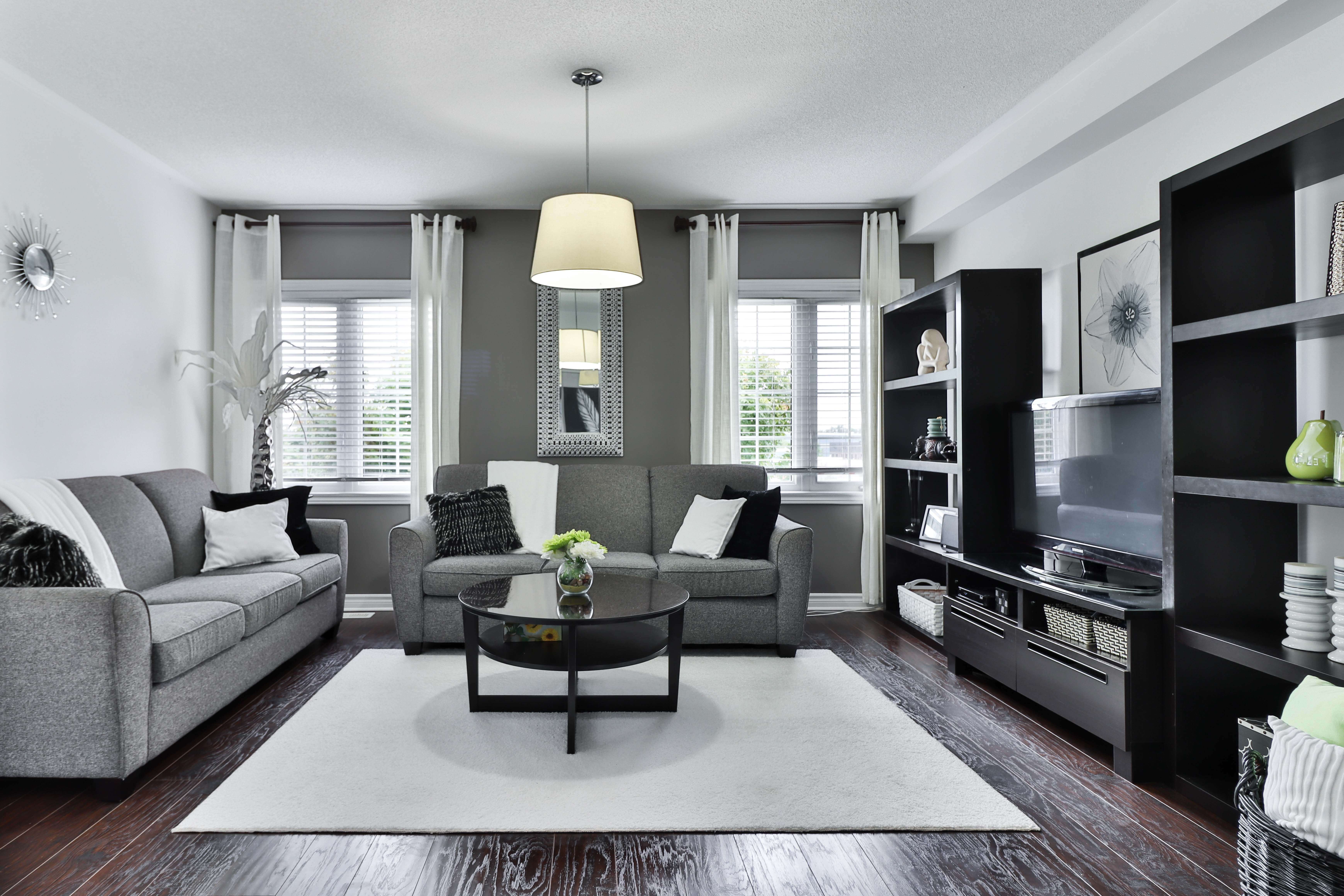
    Yes, you absolutely can clean your living room set. In fact, routine cleaning and maintenance are great ways to extend the life of your furniture. 

    Photo by Ashley Byrd on Unsplash

    For fabric furniture, even when it isn’t stained, vacuuming out dust will keep your furniture looking its best and lasting longer. Dust and grit are ground down into the fabric and creates friction that wears away at the cloth fibres whenever you use your furniture. Simply vacuuming out the dirt is the best way to prevent this from happening. You can use a small hand vacuum or regular vacuum with a hose attachment. To loosen the dirt first, brush the cushions with a bristle brush or use the brush attachment for your vacuum. 

    Photo by Sidekix Media on Unsplash

    Some couch cushions have removable covers that can be washed. Read the labels to determine what kinds of cleaning solutions are safe for your furniture, however, because certain materials can’t be cleaned with specific chemicals, and others require certain solvents to be cleaned effectively. The older your furniture gets, the less likely it is to get fully clean with anything less than actual dry cleaning. However, it’s crucial your sofa is completely dried out after any cleaning. 

    Photo by Sidekix Media on Unsplash

    For stains, liquid, and set, there are a few different approaches you can take. Depending on what is safe for the fabric, you can use a cloth dipped in warm water mixed with a little soap. Rather than scrubbing at a stain, you may need to blot to avoid damaging the fabric further. This is especially true of loosely woven fabrics or strong dyes. Another approach is to add some vinegar to this soapy water solution. For new, wet stains, spreading baking soda over them and letting the baking soda absorb the liquid for about an hour before cleaning often works.

    Photo by Sidekix Media on Unsplash

    For other materials, like leather and faux leather, you must be even more careful about what cleaning solutions you apply. See these living room furniture sets on 1stopbedrooms. Leather can be cleaned with a little soap and warm water, but it should be treated afterward to avoid the leather drying out and cracking. Furniture leather treatments are generally oil-based and left to sit and soak after being applied. Later, any remaining traces can be wiped away. For fake leathers and other plastic-based materials, it’s crucial to avoid corrosive chemical cleaners. These solvents can eat directly through plastics and leave you with exposed cushions.

    Photo by Sidekix Media on Unsplash

    Don’t forget the feet! Your couch or sofa set is more than just cushions. Caring for wooden feet and other non-fabric areas will keep them from cracking or, in the case of metal frames, corroding over time. For wooden furniture, you can use simple wood treatments and polishes to buff out scuff marks and keep the wood glossy. In the case of metal elements, the most important thing is to keep them dry. While rust can be scraped off, it creates lasting damage to the entire piece of furniture. Do your research before you begin cleaning. Check for tags or look online to determine which methods make the most sense for your living room set.

  • Bathroom Remodeling Tips

    Bathroom Remodeling Tips

    It is critical to look beyond the confines of the bathroom. Consider the overall appearance of your home. What type of arrangement would be most appropriate for the design?

    Photo by Curtis Adams from Pexels

    Is your chosen bathroom plan complementary to the rest of your home? Keep in mind that not everything needs to be exactly matched in order for it to look well in your house. For example, not every door handle needs to be bronze. However, contrasting designs, such as silver with bronze, might be too distracting. It is important to combine the decor of your bathroom and master bedroom if they are connected. Planning an efficient space is entirely dependent on your lifestyle and how you want to use the area.

    Here are 7 helpful bathroom remodeling tips to improve your space.

    Determine Your Type of Bathroom

    Bathrooms are available in a variety of forms, sizes, and layouts. When you renovate, chances are you won’t change the sort of bathroom. However, before you put your thoughts in stone (or grout! ), it’s a good idea to consider all of your alternatives. An expert interior designer can assist you in seeing options that you may have overlooked. A tiny half bath, for example, might be converted into a magnificent master suite simply by borrowing some space from a walk-in closet or bedroom.

    Photo by Jean van der Meulen from Pexels

    Enhance Your Lighting

    Builder-grade lighting is one of the first things many people want to replace in a bathroom remodel, and for good reason: the fixtures are seldom visually appealing. Increasing the amount of light in a bathroom is one of the most important adjustments a homeowner can make, and it doesn’t have to be expensive.

    Take Old Furniture to Salvage

    Salvage might seem scary, but she adds that if you start by looking through antique stores, flea markets, resellers, and auctions, you’ll have a good notion. You just have to go do it to truly understand… That’s how you get the truly good stuff. You may even recover and rebuild cast iron tubs, light fixtures, and even sinks… essentially anything that matches your taste and you want to save and make your own!

    Photo by Christa Grover from Pexels

    Improve Your Countertops

    Marble is one of those countertop materials that everyone wishes they had. However, marble is costly since it is difficult to acquire in big slabs large enough to carve out an entire countertop. If you’re willing to experiment, you might use multiple mid-size marble tiles laid flush together. This will provide you with a tiled marble countertop that is properly suited to your bathroom vanity for a fraction of the cost of a solid marble slab. You may also use “cultured” marble. Cultured marble is a type of processed stone that is fused into a single slab utilizing a bonding component, giving your countertop that coveted smooth, unbroken, one-piece look.

    Pick an Enduring Bathroom Floor

    While solid wood floors add character to bathrooms, they are not the greatest sort of flooring material for bathrooms from a functional viewpoint. Instead, choose the flooring that is tough enough to withstand the demands of regular bathroom use. Ceramic and porcelain tile, luxury vinyl plank, vinyl tiles, and sheet vinyl flooring are all popular bathroom flooring options.

    Photo by Jonathan Borba from Pexels

    Additional Mirrors for Design Purposes

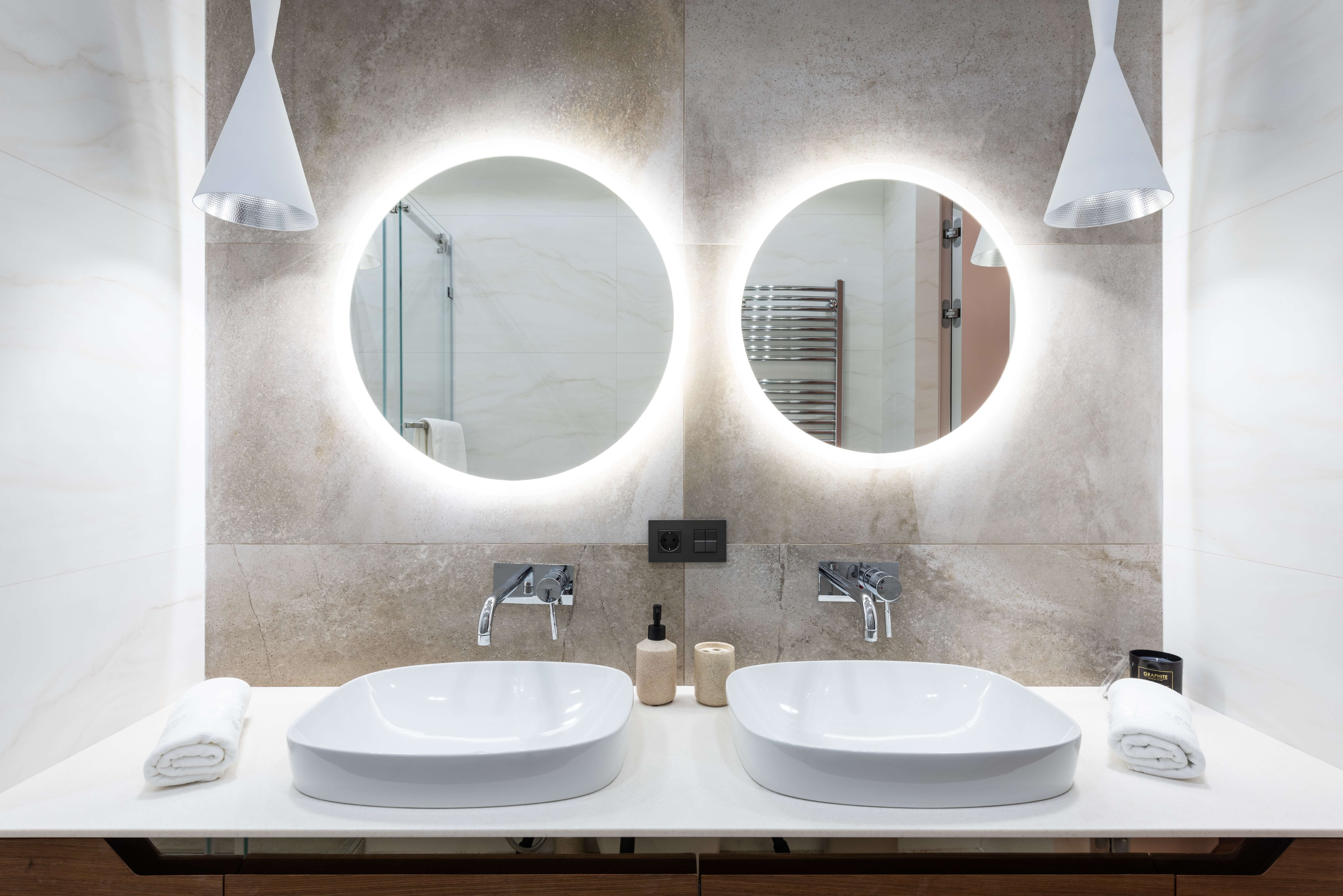
    Most people associate mirrors in restrooms with checking cosmetics or primping hair. However, it is also vital to consider mirrors in bathrooms as design components that visually extend the area and provide light. In addition to the major mirror over the bathroom sink, many homeowners choose to install a second mirror.

    Photo by Max Vakhtbovych from Pexels

    Improve Your Ventilation

    Bathrooms are inherently prone to moisture, which is exacerbated in humid Seattle. Building codes demand proper ventilation if your bathroom contains a shower or tub.

    To keep inhabitants healthy and mildew from developing, all bathrooms require sufficient ventilation. Mold causes major issues in bathrooms and, if left unchecked, may discolor and cause costly damage, particularly in concealed locations.

  • 5 things to consider when picking a kitchen style

    5 things to consider when picking a kitchen style

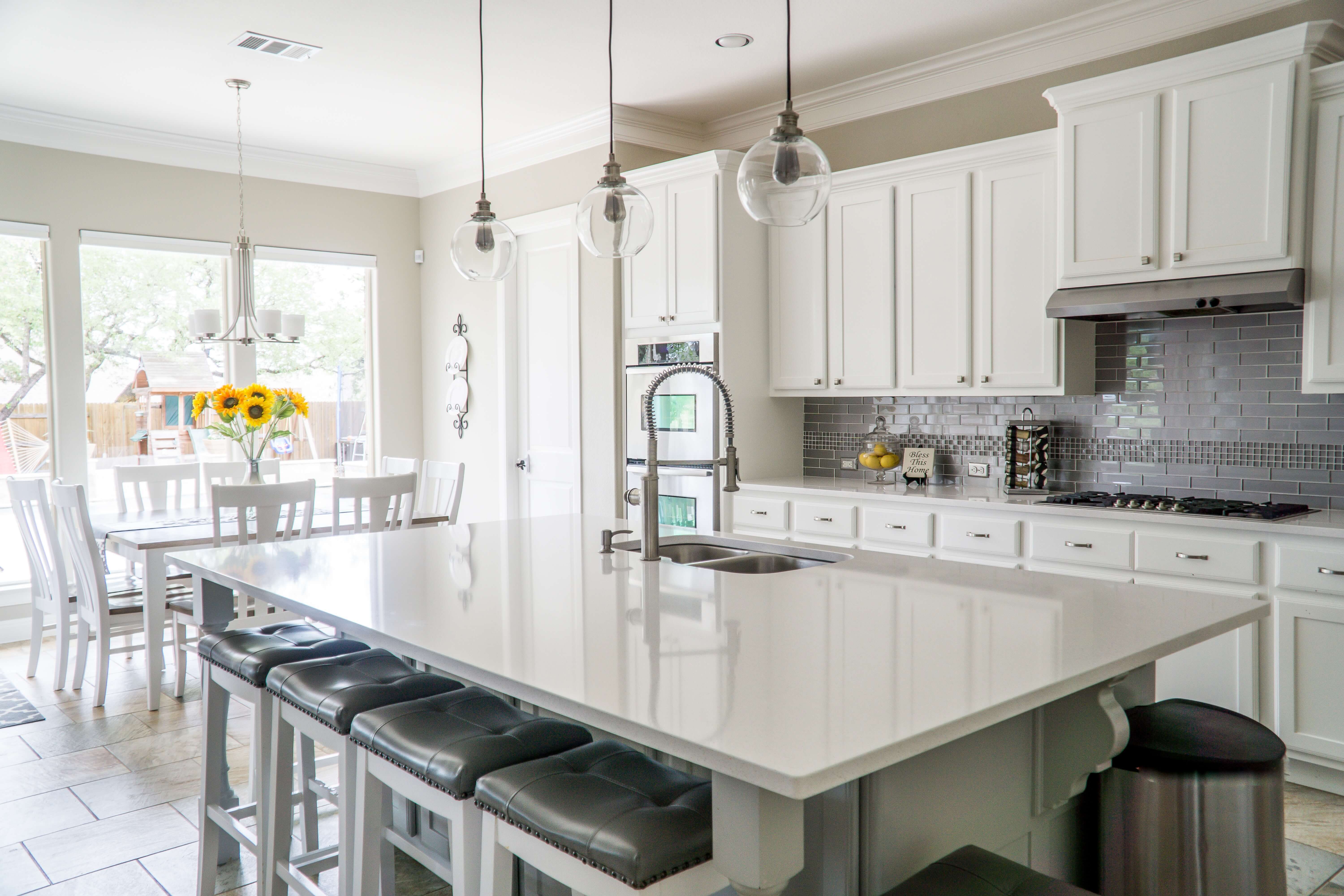
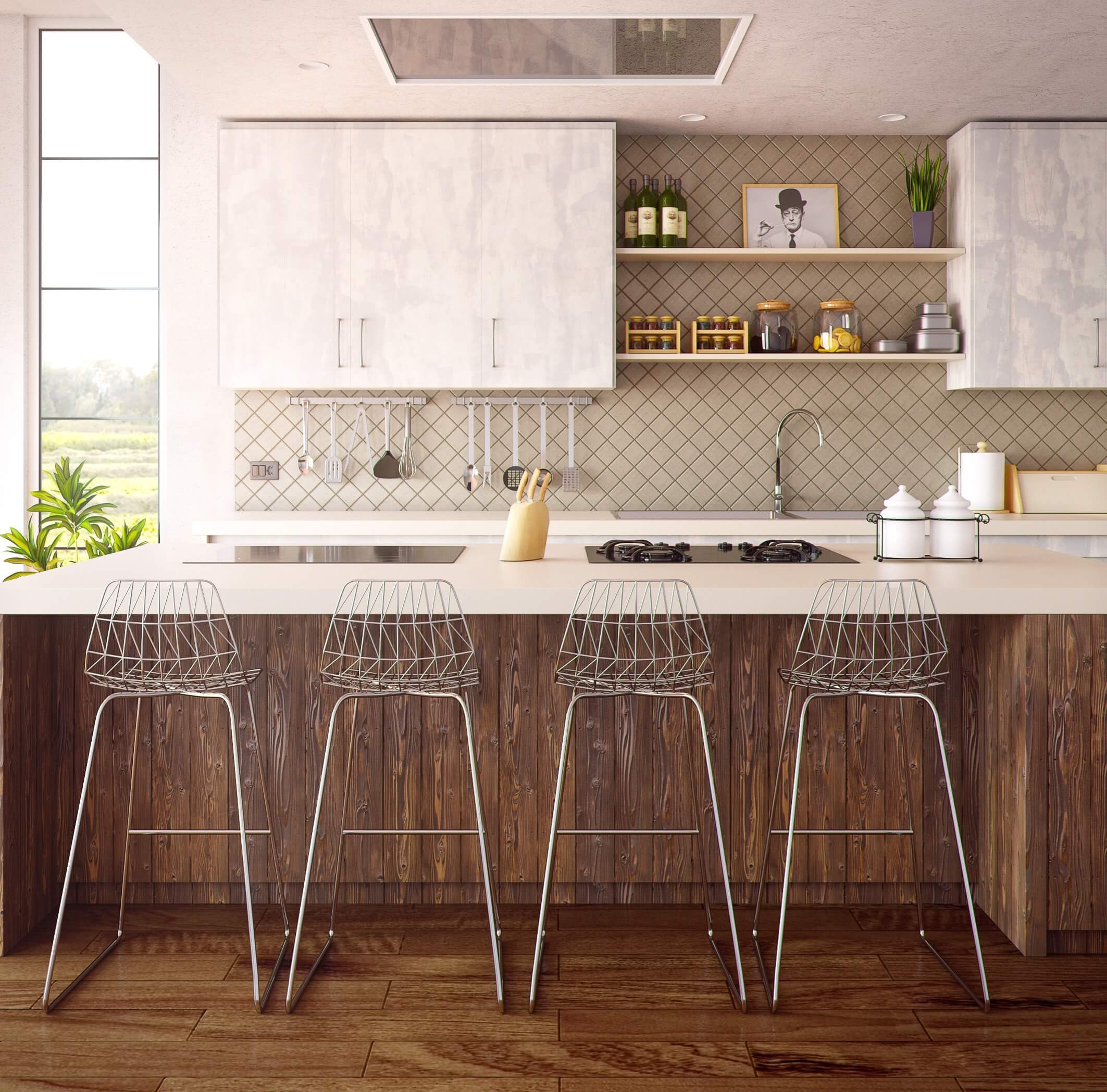
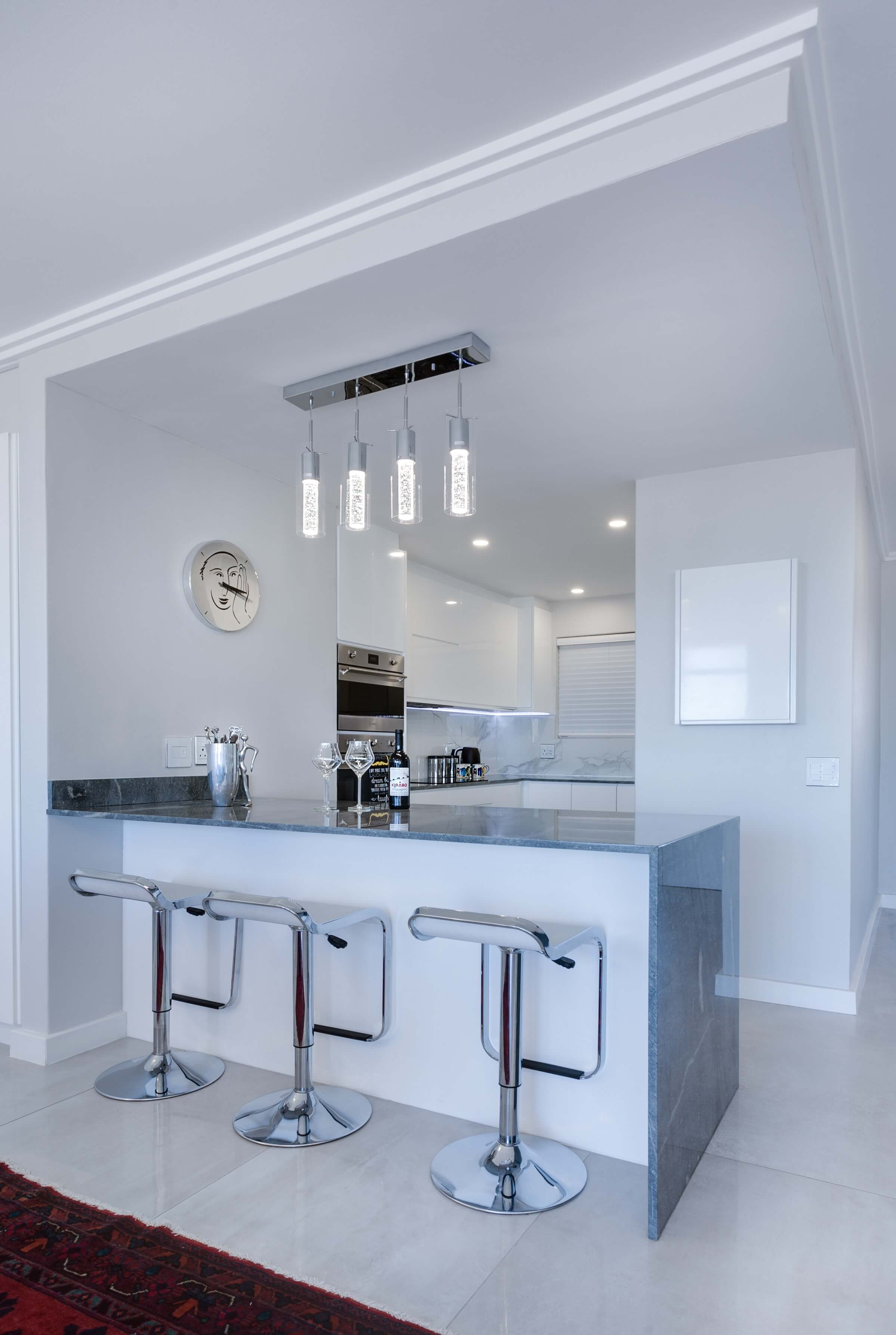
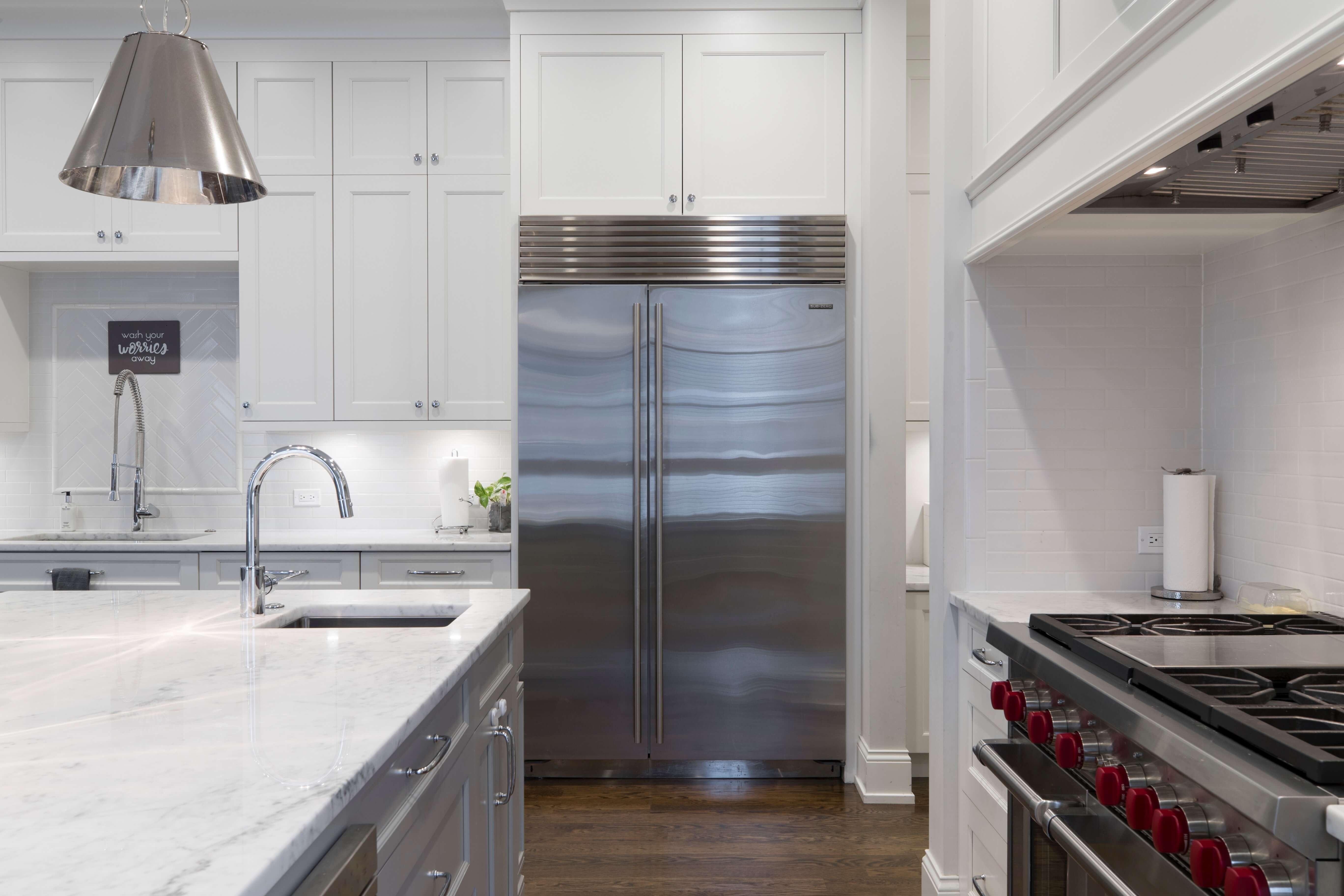
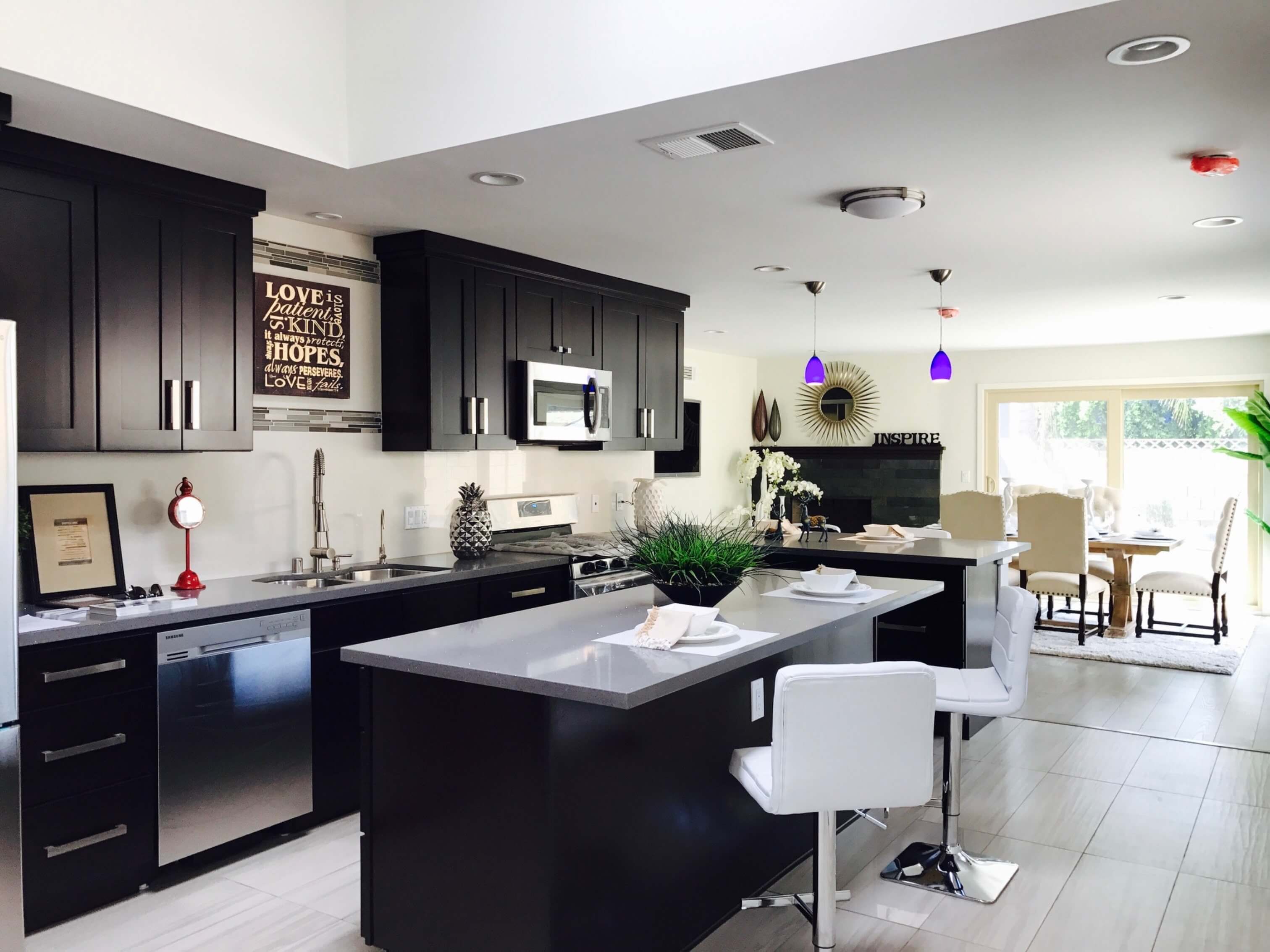
    Your kitchen is, without a doubt, one of the most important rooms in your house.

    Photo by Mark McCammon from Pexels

    A place where your family will spend plenty of time cooking, chatting, eating and bonding. It’s a unique part of the home because not only does it need to be aesthetically pleasing but also practical on a much larger scale than any other room. Finding this balance is crucial, but how do you make the right choices? Here are some elements that are worth considering before you settle on a kitchen style. 

    Photo by Mark McCammon from Pexels

    1. Your personal taste 

    It should go without saying, but if you love an understated, pristine finish, it makes sense to stay within these remits. A kitsch Cinderella’s castle-esque kitchen, with plenty of cupboards for storage and open shelving for showcasing personal items and crockery, will be perfect for some people. However, this design isn’t for you if you prefer a contemporary, minimalist and clutter free scheme — no matter how functional it is. Your personal taste has to come before anything else. It’s your kitchen after all, and it should feel as such. In order to figure out what you like, create a Pinterest board or scour through interior design hashtags on Instagram, saving the most appealing ones to your favourites. Very quickly a theme will emerge, so let that guide you in your style choices. 

    Photo by Pixabay from Pexels

    You can also find inspiration in the rest of your house, to ensure your kitchen looks consistent with the overall style. Think about the best design elements in your favourite room, and try to replicate them. If you’re a big fan of the reading nook in your living room, consider creating a breakfast alcove or a cosy space for family members to sit while others are cooking or eating. And if your bedroom makes you feel comfortable due to its muted hues with a few pops of colour, a similar sensation in your kitchen would do the trick. 

    When it comes to creating a space that suits your taste, many kitchen design companies will work with you step by step to incorporate personalised features. For instance, Harvey Jones is renowned for its stunning Shaker kitchens — a classic design that looks wonderful in every kind of home. However, your kitchen will be truly unique to you as the company customises every element in line with your tastes and preferences. “Your kitchen can be tailored specifically to meet your needs according to your choice of colour, materials and other features to create bespoke kitchens of outstanding quality,” the Harvey Jones designers explain. 

    2. Its purpose 

    Once you know your tastes to a tee, it’s time to consider the other side of the tipping scales — the practicality. To do that, you need to identify the purpose of the room. If you’re a bachelor whose top homemade dish is scrambled eggs on toast, you’re probably not going to require as much worktop space as a stay-at-home parent who cooks every meal from scratch for the entire family. Little children or pets may mean avoiding styles with intricate detailing that take more time to clean. In these cases, a handleless design might be the perfect solution as this will be easy to wipe down and it means sticky fingers won’t be leaving marks on silver or brass handles. 

    Photo by Jean van der Meulen from Pexels

    Some kitchens simultaneously work as dining rooms, but if you have a separate space for that purpose, you could have more storage instead of a breakfast bar, for example. What’s more, some materials demand more TLC than others. Marble countertops are beautiful and sturdy but can be tricky to clean, so realistically they aren’t a good choice for someone who plans to cook a lot with little time for upkeep. Instead, opt for quartz or Corian that achieve a similar look with less maintenance. These are the kind of things you should think about to suss out what functionality means in your particular case. 

    3. The storage you require 

    A kitchen is not just a place for constant activity — it’s also home to the ingredients, appliances and tools you use, keeping them safe and secure. Some people can live with one dinky pan while others won’t even consider cooking without a whole set of Le Creuset cast irons. Do you need a fully stocked pantry at any given moment? How many people live in your house (and how many will live there in 5, 10 or 15 years time)? Are you a doomsday prepper who needs dozens of tins of food to feel safe? Your household’s needs will determine not only the amount of storage you require, but also what kind. 

    Photo by Alex Qian from Pexels

    For example, delicate china will look beautiful in a glass-door cabinet, but it’s probably not the greatest spot for cluttered food supplies. Fresh ingredients should be positioned in a cooler area of the room, while preserved foods can go pretty much anywhere. If you cook regularly, you might want to forego some storage real-estate for a larger fridge. Take note of everything that you need to keep nearby, divide all the items into categories, and design your storage around them. 

    4. Your budget 

    Everyone hates this part, but unfortunately, budget can be the barrier between a perfect kitchen and an okay one. That being said, you can still build a great room at a low cost. It’s all about knowing what you can afford as early on as possible. Sometimes it may be worthwhile to wait a couple of months longer if it means you can save up a bit more, but other times you might be able to cut down on luxuries you don’t necessarily need. Whatever you do, remember to allocate more money than you expect to spend so you have some wiggle room in case things don’t go as planned. 

    Photo by Level 23 Media from Pexels

    Regardless, there are many ways to enhance your kitchen without spending thousands. You can make a space really pop with a chic yet affordable backsplash wallpaper, or replace basic handles and hardware with more sophisticated designs, for example. Some kitchen companies also sell ex-display implements for far lower prices, so enquire with your chosen provider for great deals. The best way to keep costs down, though, is to decide in advance what areas you want to invest in and what you’re happy to buy for a cheaper price (and perhaps updating later). Mixing and matching budget options with luxury ones can be a fantastic way to get the design you want without splurging. 

    5. The current layout of your space 

    Unless you’re planning a full-blown renovation, or you’re lucky enough to build a kitchen from scratch, you’ll be bound by a predetermined layout and architectural features such as pillars, windows or islands. If you have a small and cosy kitchen, opting for an industrial style simply might not work, as these are known for the boundless atmosphere they evoke. It may be worthwhile considering a rustic homely feel that would suit the space more. 

    The direction of your kitchen and the windows will also largely influence the design. If the room tends to be dark due to where the windows are facing, you’ll need to put some thought into how to maximise the lighting. You should probably steer clear of delicate pendant lamps or low-impact spotlights. Try to consider the way you use the space in conjunction with its physical reality to truly make the most of it. 

  • 3 Colors That Improve Concentration & Productivity

    3 Colors That Improve Concentration & Productivity

    Designing your workspace with bright and vibrant shades smartly improves your employees’ concentration and productivity.

    Photo by Photo Boards on Unsplash

    To work comfortably in any organization, surroundings matter a lot. Everything around must contain a specific color shade. The specific color of different assortments set up our mood to work desperately or frantically. Color is efficient in affecting physically, emotionally, mentally, or intellectually. We may get angry, tired, sad, happy, confident, or excited with the selection of colors around us. 

    Photo by Daniele Levis Pelusi on Unsplash

    If you are a businessman or an employee and looking to find the most suitable shades to put around you for improving your concentration and productivity then

    Stay here. In this article, we’ll discuss the 3 most appealing colors that are genuinely made to add an energetic and optimistic effect to any place. You can check for more options on Muse Interior Design dubai and also look at the perfect interior theme for your official space. 

    When it comes to creating an inspiring and motivating workspace, the choice of colors plays a crucial role. In addition to the primary psychological colors like red, blue, orange, and green, it’s important to consider how these colors interact with your office furniture Sydney.Add above lines before 

    Three Colors That Inspire & Motivate

    According to Color known professional Psychologists, the primary psychological colors are red, blue, orange, and green. These colors have an effect on the mind, soul, body & your work routine. All other colors around us are the basic combination of these colors making a new shade. 

    Using the perfect combination of colors around you can efficiently improve your living. These colors create illusions, inspire emotions & set up the real atmosphere in any place. The best interior designer Dubai is right at your service to aid you in choosing the right color shade to put around you, and this way, you can definitely expect much better & remarkable results. Whereas, a wrong selection may affect you in a negative way. The colors scheme for different places like the bedroom, living room, or your office must be different. 

    Photo by David Pisnoy on Unsplash

    Let’s show how the three basic colors help you in improving concentration and productivity. 

    Improve Concentration & Productivity With Right Color Selection

    Blue: Best For Increasing Calmness and Boost Productivity

    Blue is known for perfectly soothing in nature. It looks fresh and appealing to the eyes. This color is perfect for stimulating your mind & also refreshes your thoughts. This color generates a lively environment and brings a much-needed calmness to your mind which plays an essential role in increasing productivity. 

    Photo by davisuko on Unsplash

    The general observation of interior designers states that a room with a blue-green decorating theme helps employees in producing more resourceful tasks than other bright colors. 

    The blue color is known to depict the feelings of dependability and trustworthiness. Painting your workplace doors with this blue shade will have a professional and inviting impact on clients who visit you.

    Orange: Raise Your Activity and Productivity Levels

    Orange being the brightest color shade, known to spruce up the energy level of employees. It is considered an energy booster in workspaces. This color appears to be the best combination of fresh red & yellow. This color is perfect for imparting an idea of performing tasks better, endurance & enthusiasm among employees. These are three factors that actually improve productivity. 

    Photo by Sharon McCutcheon on Unsplash

    The orange color acts as a dual-functionality. It spreads negative or positive vibes simultaneously & it depends on how you see the things around you in an orange shade. Your entire mood, mental health, workload, or working stamina will determine whether you absorb negative or positive vibes. 

    Green: To Make People More Relaxed at Work

    Green is always loved. The most refreshing & appealing color with a natural feel makes green the best choice. Green colors make people calm and cool. As a natural color, the green shades freshen up the worker mentally and allows them to work in a more comfortable environment. 

    Photo by David Pisnoy on Unsplash

    You can get a double dose of calming benefits by adding green plants around your workplace. The more interesting fact about green is that it has more varieties of shades than other colors, and the top-notch interior fitout company in Dubai can help you pick up the most appropriate orientations. We’re so used to seeing shades of green, it’s considered to be a good background color that will be noticeable without distracting people and won’t cause eye fatigue.

    Final Words!

    Considering the cultural values, trends & experiences in the past determines how a person reacts to a certain shade of color. Not everyone reacts the same with all colors. It totally depends on the psychological situation of a person. These three colors are generally known best for improving concentration and productivity & Sure to perform well in maxim situations or you may develop your workplace color theme comparative to your business needs!

  • How to Build an Eco-friendly Home from Scratch

    How to Build an Eco-friendly Home from Scratch

    Green living is no longer a trend, it is now a lifestyle that most people have embraced.

    Photo by Daniil Silantev on Unsplash

    From small changes such as avoiding the use of plastics and using natural cleaning products, it has now extended to building eco-friendly homes. Green living comes with numerous benefits and building eco-friendly homes isn’t an exception. Besides being kind to the environment, green homes come with low maintenance costs in terms of utility bills. They also have added comfort and coziness that features such as insulation and air sealing bring.  In addition, the wide selection of sustainable building materials results in homes that are aesthetically appealing.

    Photo by Patrick Perkins on Unsplash

    When building a home, there are various ways that you can incorporate green elements in your building process. Here are 5 suggestions for you.

    1.  Consider building a smaller house

    Everyone loves the luxury of spacious homes. However, in most cases, lots of space in our homes remains unused and therefore not realistic. If you are serious about building an eco-friendly home, honestly assessing your needs in terms of space needed and the size of the rooms is paramount. The smaller the home is, the better for green living. This is because smaller homes require fewer building materials as compared to larger homes. In addition, they take less energy to warm or cool down the entire home, thus saving energy significantly. Besides, tiny homes are the trend these days. You can access great ideas from the media or the internet on how to go about it. 

    Photo by Alexandra Gorn on Unsplash

    Another thing to consider is owning a car or not. If you substitute your car with a bike you won’t need a garage at all thus reducing the need for a big house. Moreover, bikes help in keeping a healthy lifestyle. E-bikes and tricycles are also becoming popular for adults as they provide a sustainable path towards gaining health benefits while riding. E-bikes allow you to travel long distances, mitigating the negative side effects of routine sedentary lifestyles. You can easily transform your bike with a cheap bicycle engine kit. These bikes also help you develop endurance by allowing your muscles enough time to build up over multiple uses or rides which encourages healthy habits in general.

    2.  Use eco-friendly materials

    Building an eco-friendly home starts with selecting eco-friendly building materials for the construction. Luckily, there is a wide variety of sustainable materials that can have less impact on the environment and the lives of the dwellers. Most building materials emit volatile organic compounds among other air pollutants into the air. By using sustainable materials you are ensuring the best indoor air quality for your family.

    Photo by Timothy Buck on Unsplash

    You can choose from materials such as salvaged wood, recycled glass, recycled plastic, or natural products such as cork, linoleum, and bamboo. Use recycled materials for the insulation, hard-wax oil for the flooring as well as organic paints for the walls, cabinets, and counters. Choose roofing materials that cool faster at night and reflect the heat from the sun during the day. Materials such as terra cotta, slate, and white tiles help make the home cooler, therefore, reducing energy use.

    3.  Use energy-saving technologies

    Too many fossils are burnt in making electricity, which has a big impact on the environment. If you consider the amount of energy used in running a home, using electricity adds to your carbon print significantly. Switching to renewable energy is a kinder option. It is easy to integrate renewable energy systems when you are building. Whether you opt for solar panels, micro-hydroelectric generation, or wind turbines, planning for them will save you money in the long run.

     In addition, include other measures that can reduce energy use in your home. This includes insulating your home properly, buying energy-efficient appliances, installing LED or CFL bulbs, ensuring the HVAC system is properly installed, and investing in a programmable thermostat among others.

    Photo by tu tu on Unsplash

    4.  Harvest rainwater and use water-saving techniques

    Saving natural resources such as water goes a long way in saving the environment from the effects of global warming such as droughts and food shortages. You can help save this precious resource by harvesting rainwater and storing it in tanks. You can then use it for watering crops/lawn and in the toilets.

    In addition, incorporate water-saving techniques to help you use less water in your daily living. For instance, you can opt for low flow, dual flush toilets, and low flow showerheads and faucets. You can also go for dishwashers and washing machines that use less water.

    5.  Have an expert actualize your ideas

    There are many resources available for building eco-friendly homes. If you have come across a number of them, you are likely to have so many ideas on how to build a green home. It can be overwhelming trying to design all those ideas yourself. Save yourself the trouble by giving yourself a chance to get professional help. The experts will help you design your ideas and actualize them into your dream home.

    Photo by Naomi Hébert on Unsplash

    Conclusion

    With green homes becoming more popular, building one has never been easier. To get you started with building your sustainable home, consider building a smaller house as well as selecting sustainable materials for the construction. In addition, use water and energy-saving technologies and appliances. However, it is wise to hire experts to help you put your ideas together into your dream house.

  • Different Uses for A Garden Room

    Different Uses for A Garden Room

    All the rage in recent years, garden rooms make for a fabulous additional space in your home. Designed and built to meet your specifications, these rooms can be used in a number of exciting and cool ways.

    Photo by Faris Ariffin on Unsplash

    Often people use the space to spend more time in the garden, entertaining for family and friends or relaxing with a book and a coffee with views of the garden. If you’ve recently decided a garden room would make a great addition to your garden, here are some of Snuggeries’ favourite uses for a garden room. 

    Photo by Huy Phan on Unsplash

    A place to unwind or practice a hobby

    Adding a garden room to your garden will give you the additional space to freely indulge in your favourite hobby or relax and unwind. This additional space will provide a quiet space away from your busy home to escape for a few hours. Placed within the tranquil setting of your garden, a hobby room or quiet space is a great use of a garden room. 

    A home gym 

    If you love fitness and working out but don’t want to pay for a gym membership or travel miles to get to one, a garden room can be transformed into your very own home gym. With the installation of gym equipment, mirrors, lighting and even plumbing for a toilet and shower, you wont ever need to leave your house again to get your workout in. Garden rooms can be purchased in a variety of sizes too depending upon how much floor space you require for your equipment and home workout accessories. With a garden home gym, you will have no more excuses to skip working out. 

    Photo by Olesia Bahrii on Unsplash

    Your very own home office 

    Being able to have space away from your busy family life to get on with work is a luxury. To do this, many people immediately assume they need a spare room or an extension but why not consider a garden room instead? Garden rooms can be designed to suit the style and requirements of any busy working professional. With a home office in the garden, you will no longer have to spend time and money commuting to the office. Whilst also avoiding having to contend with distractions from kids, pets, or the postman when working from the kitchen table. Using a garden room as a home office truly offers the best of both worlds! 

    Photo by Matt Seymour on Unsplash

    Guestroom 

    Provide a home away from home for your visitors. If you don’t have the spare bedrooms to welcome friends and families to stay the night, a garden room may be the answer. The additional space in your garden can be transformed into a cosy bedroom for guests. Typically, most garden rooms can also be upgraded with the installation of plumbing and a bathroom, to make your guests feel completely comfortable. Alternatively, an extra bedroom away from the house may be appreciated by older children who are saving to move out but still want their privacy. 

    Entertainment space 

    For party loving people who love to host their friends and family, entertainment and space can be at the forefront of your design when it comes to installing a garden room. A garden room offers the perfect combination of indoor/outdoor living to suit family events, social gatherings, and small get togethers. With the addition of electricity and WI-FI you can truly get the party started by plugging in your speakers, games consoles and projectors. So, come rain or shine, the garden room will make a great space for entertaining guests. With some garden rooms coming with additional patio space, a hot tub could even be incorporated into your plans. Your friends and family will never want to leave! 

  • A 5-Step Guide to Writing a Compelling Vision Statement

    A 5-Step Guide to Writing a Compelling Vision Statement

    A successful strategy of any organization starts with a clear vision statement.

    Photo by Gabrielle Henderson on Unsplash

    It shapes the present and future of a company and serves as an anchor point for its growth. If writing a vision statement seems like a daunting task, let our article guide you through the process step by step. 

    What Is a Vision Statement?

    A vision statement is a one-sentence-long reflection of the meaning and purpose of your business. It shows what the organization stands for and what it wants to achieve in the long term. A compelling vision statement is:

    • inspiring
    • meaningful
    • intentional
    • ambitious
    • strategic 
    • specific

    Why Does Your Business Need a Vision Statement?

    Photo by MARK ADRIANE on Unsplash

    Every organization needs a vision statement because it allows communicating its core ideals to all stakeholders. It helps them to understand the shared end goal to focus their efforts on. A vision statement brings clarity and direction to your strategy. 

    Writing a vision statement is also an excellent exercise to capture what an organization is working towards. Business students often have to write vision statements along with business plans and proposals for their academic projects. Whenever you need help with these assignments or any other papers, contact DoMyEssay. Their professional writers will complete the tasks for you and deliver original papers. 

    How to Write a Vision Statement

    When writing a vision statement, you need to put everything your organization is working towards in a single sentence and choose the right words to convey its true value. This task might seem challenging. Yet, if you use our tips to guide your work, you’ll create a vision statement that will empower your business.

    1. Identify What Makes Your Business Special

    A vision statement is a reflection of what your organization does. You should stick to the specifics when crafting it. It’s hardly possible to find a product that is one of a kind. Yet, businesses that actually become successful have a unique twist to them that makes them special. Your goal is to identify what makes your company stand out and use it to empower the vision statement.

    Making a statement too generic is a common mistake that many organizations overlook. To check whether you managed to articulate the vision of your company successfully, try to apply it to any other organization. If it works, it’s a sign that your vision statement is too general and needs to be revised. 

    Photo by Firmbee.com on Unsplash
    1. Ask Big Questions

    With a vision statement, you give your business a direction and streamline its work. To get it right, think about its scale and long-term impact. It might be helpful to hold a brainstorming session with business stakeholders and discuss foundational questions, like:

    • What impact does the organization make on the community or the world?
    • Why does the impact of the organization matter?
    • What is the main purpose of the organization?
    • What are the most ambitious goals of the organization?
    • Which strong points does the organization have?
    • What does the organization stand for?

    Answers to these questions will serve as a roadmap for the vision statement.

    1. Think About Core Organizational Values

    To formulate the vision of a company, you need to consider its values. Key concepts and beliefs a business is built around differentiate it from other companies in the industry. To identify what makes your organization unique, look through the vision statements of your competitors to analyze similar and contrasting features. 

    Values like courage, integrity, loyalty, justice, freedom, and respect may provide a foundation for the vision of your business. Choose carefully as it must be meaningful to the leaders and employees of the company. 

    Photo by Angel Origgi on Unsplash
    1. Keep It Simple and Concise

    A vision statement should be concise. It’s rarely longer than a sentence. When writing a vision statement, your goal is to make it short and memorable so that everyone keeps it in mind. If you find it difficult to come up with a concise statement right away, you can write an expanded version. It might help you to identify the most important point and turn it into a catchy vision statement. 

    A vision statement also needs to be easy to understand for people inside and outside the organization. Therefore, refrain from using complicated language, technical jargon, and complex metaphors. In the end, you are not working on a research paper nor using a custom dissertation writing help service.

    1. Project What Success Looks Like

    It’s crucial to dream big when establishing a vision for your business. Imagine that your company dominates the market. What does success look like? What does it entail? 

    Even if your organization is still new to the industry, don’t be afraid to envision success and use this image for the statement. Your business might not be there yet, but a successful vision statement will give you a better understanding of how your company can grow. This will help you to progress towards your aspirations and definition of success.

    Photo by Carlos Muza on Unsplash

    Examples of Successful Vision Statements

    If you’re looking for inspiration, check out the vision statements of some of the world’s largest companies. 

    1. Google: “To provide access to the world’s information in one click.”
    2. Prezi: “To reinvent how people share knowledge, tell stories, and inspire their audiences to act.”
    3. Oxfam: “A world without poverty.”
    4. Nike: “To bring inspiration and innovation to every athlete in the world.”
    5. TED: “Spread ideas.”
    6. Sony: “To be a company that inspires and fulfills your curiosity.”
    7. Ford: “People working together as a lean, global enterprise to make people’s lives better through automotive and mobility leadership.” 
    8. Starbucks: “To establish Starbucks as the premier purveyor of the finest coffee in the world while maintaining our uncompromising principles while we grow.” 
    9. Samsung: “Inspire the world, create the future.”
    10. Tesla: “To accelerate the world’s transition to sustainable energy.”

    Conclusion

    A vision statement is not something you write and forget. It’s an inspiration. It serves to communicate the goals and purpose of your business. Make sure your vision statement is a concise reflection of the unique goals and values of your company. It will motivate your team and lead the business forward to its success.