For that reason, you may need to get something that will ensure relief, and the best way to achieve this may be through swimming. Swimming can be exciting and more fun, especially when you are doing it with your close confidants. You can always do it at your favorite resorts, but there comes a time when you will want to own yours. Building a new swimming pool is a vast investment that requires more time, resources, and a proficient pool design consultant that you can trust to design the pool beautifully. You are required to do enough homework before diving into that deep end. Following are thetips for helping you, make decisions to be clear on before you hire a pool company.
Different motivations are behind your want to build a swimming pool. It can either be; you want to take swim laps, entertaining guests and hosting pool parties, maybe taking a dip in after you are done lounging in the sun, or kids taking a splash round in. Any of the motivation above is clear only that you need to be clear with your purpose; this pool will serve to pick the proper type to correspond with your intended lifestyle. It could mean the difference between a plunge pool, a diver pool, a lap pool, and a play pool which are entirely different projects.
When you have identified the clear intention of building your pool, you need to think through its features and design. Maybe your view of a swimming pool will not be complete without a diving board or a slide. Instead, you might be looking for something more romantic, like one hidden behind a waterfall. A spa with fire and fountain features is a good idea for evening entertainment. Take care not to be easily carried away with your wish list of personalized features before coming up with a budget. Be clear on your nice-to-haves and your must-haves before you meet with a pool company. You can also visit here to learn about the pool maintenance that you can follow for clear water.
Funding And Budgeting
It is crucial to have a good sense of what you have put aside as a budget you will work with. But it does not necessarily mean that you require to have that amount available in cash. There are various ways you can fund a pool, including a second mortgage, home equity line, credit card, or secure a loan. Ask out from your pool company what their financing options are to see what option is fit for your situation. A professional pool builder will have a lending source available for you.
You should call your home insurance company and inquire about how a swimming pool installation might affect your policy rate. Swimming pools can be a safety risk; you must do some things for coverage, like installing door alarms and fences to protect children from drowning. It is essential to know about this cost before you move ahead to build your pool. Once you have made a final decision, you can ask friends, colleagues, and family for pool companies’ recommendations for the above items. Or you can check online resources that can guide you well when considering a pool builder.
The factors mentioned above are the ones you should consider before deciding on building a pool. Having a pool is more exciting and fun when with friends and family.
Summer is just around the corner, and it’s time to start prepping up your home for the season. Your home will require special maintenance when the temperature rises.
An excellent way to prepare your home and make it look beautiful for the summer is to start from the outside. There are many different things you can do, such as pruning trees and mowing the lawn. Clean your patio and grill, and remove trash from your gutters. It’s also the best time to make sure your garden hoses are working, plant new flowers, apply mulch, or clean your front door. Some of these projects may take a little longer than others, so start early.
By starting to prepare early, you can reduce energy costs, increase your efficiency, cleanliness, and improve overall safety. The situation you most want to avoid is working hard in and around the house on hot, sunny days. Here are some things you can do beforehand to get your home ready for summer.
Driveways, walkways, and patios need maintenance from time to time. Repairing and sealing any damage or holes in your deck can help prevent big problems. You can also paint or seal your deck and wooden railings to protect them from insect damage, rot, and peeling.
Store away things you don’t need
Are you living in a state as hot as Texas with a house full of clutter? Wood decay, degradation, rotting, and stain go hand in hand in such climatic conditions. It would be best to pack all your wintery stuff, and excess clutter and keep them in a storage facility close to your home, Rentals such as storage units prosper tx will help you safely store all the things you don’t need immediately. You must also empty and spray clean the garage and put everything where it belongs while you are at it. While you’re at it, take a good look at all your tools and separate those needing replacement or cleaning.
Check the insulation
According to the Energy Saving Industries, good insulation can save you a lot of money on your energy bills each year. About a quarter of your home’s heat and cooling escapes through the roof. That’s why it is recommended to install insulation in your attic. Cavity wall insulation can also help reduce your energy bills.
Cleaning gutters and downspouts are usually the last things most people do, but it’s an essential task before summer starts. Leaves, mud, and other debris can clog gutters after fall and winter. When they build up, they can cause leaks in walls and roofs. By removing debris from pipes, you can significantly reduce the risk of water damage.
Check the central heating system
A faulty central heating system can harm your entire house. Considering that yours might already require maintenance post-winter, ensure you get it fixed before summer hits hard. Before the cold weather arrives again, ensure you have your central heating system serviced by an authorized technician.
Your windows and screens are probably still dirty from the winter grime. So get your home ready for summer by washing your windows and screens. Put some window cleaner in a spray bottle and then brush them to keep them streak-free. When cleaning your windows during the winter months, lookout for signs of dry rot and water damage, and consider these replacement windows for a modern look.
Have your chimney checked
If you haven’t had your chimney cleaned in a while, why not have it professionally cleaned? Ducts tend to fill up during the winter months, so summer is the best time to get a chimney cleaning. Chimney cleaning by a professional can significantly reduce the risk of a chimney fire and damage to your interior.
Who says preparing your home for summer can’t be fun? All it takes is a few decorative elements to transform the look of your space. Think about adding flowers and plants, and if you want them to bloom early, pay attention to them.
Protect your pipes
Pipes can become damaged during the winter. To repair it, apply a layer of foam called a top coat to its surface. This layer of foam will prevent the pipe from cracking. Another way to protect your pipes is to remove the vegetation around them.
Sealing
Fill holes and cracks around doors and windows with a caulking mixture. Sealing will make your home more comfortable and help you eliminate all the creepy-crawly insects that are a summer regular. Replace or clean dirty door handles as well.
Another essential way to prepare your home for the summer is to make sure it is well ventilated. If you don’t have a way to cool down when the temperature rises, your home gets hotter. One way is to turn the fans on and let cool air into the house. Air conditioning maintenance is also going to be essential for you. You don’t want it to break down in the summer when air conditioning companies are busier and charge more for services. Hire an air conditioning repair technician while you still can so that you can start the summer all buckled-up.
Conclusion
Preparing your home for summer may seem like an unnecessary and challenging task. Still, it’s needless to say how important it is for your house’s efficiency and safety. The financial benefits can make the unpleasant feeling disappear.
Though most home warranty agreements do not cover mold or mildew damage, they do cover plumbing and appliance such as washers and dryers that may cause the problem.
Keeping the plumbing repaired and appliances that use water in good condition will reduce the chances of mold or mildew developing in the home. The best way to avoid the costs of mold or mildew mitigation is to take preventative measures, such as having good ventilation in areas where water is present, including bathrooms and laundry rooms. Fix basement leaks and eliminate dampness to avoid the damp atmosphere that encourages mold and mildew.
Most home warranties will not cover mold or mildew removal, so it is important to read those warranties for coverage limits. The home warranty costs are determined by the amount of coverage offered. If the homeowner asks for additional coverage for home systems like roofs and foundations, the home warranty cost will go up. If a customer requests coverage of mold and mildew damage, the warranty company might add it with additional home warranty costs.
A home warranty is meant to cover major home systems such as electrical, plumbing, and HVAC. Some home warranty companies will add in roofs and foundations for extra fees. The warranty covers major appliances such as refrigerators, ranges, ovens, dishwashers, washers, and dryers.
Mold is a fungus that grows in the form of multicellular filaments known as hypha. Mold is heterotrophic, absorbing food or nourishment from its environment. It needs moisture and oxygen to survive. The danger from the mold is its airborne spores that can be inhaled and cause serious health problems. Mold needs a moist environment with adequate food to thrive. Areas that are clean, dry, and well-lit will not play host to mold.
Mildew is also a fungus and it can grow on many surfaces including paper, wood, leather, walls, ceilings, and fabrics. Mildew grows in grey or white patches in moist, dark places. Mildew can spread quickly, so if any is spotted, it should be treated and removed as soon as possible. It has a powdery appearance rather than the filaments mold has. Mildew will grow in damp bathrooms, laundry rooms, kitchens, and basements, on shelves, and in drawers.
The differences in mold and mildew are in appearance, removal methods, and health risks. Both mold and mildew present health risks with their spores, but mold is the more dangerous. Mildew is powdery looking and mold is fuzzier or slimy-looking because of its filaments. Mildew is white, gray, or pale yellow but can turn darker with age. Mold is darker and includes shades of black and deep green.
Removing mildew with a mildew cleaner, water, and a scrub brush is not that hard. But, mold is more difficult to remove. It may also represent more serious problems like moisture in the walls. Some types of mold can be removed with an antimicrobial spray treatment or bleach. But, black mold can be very dangerous and needs to be removed by professional mold remediation professionals.
Preventing Mold and Mildew
Preventing mold and mildew is a lot less expensive than getting rid of them and repairing the damages they cause. Mold and mildew stain surfaces, smell bad, and cause health issues. Some prevention strategies include the following.
1. Keep all the surfaces in the home as clean and dry as possible.
2. Dampness breeds mold and mildew, so take steps to alleviate dampness in the home with good air circulation.
3. Dry and circulate the air with dehumidifiers, fans, and open windows.
4. Closets and drawers can be dried out with the use of special chemicals like silica gel, rock salt, activated alumina, or anhydrous calcium sulfate that absorb moisture but do not harm fabrics.
5. Consider using mildew-resistant paint or paint with mildewcide in damp places.
6. Make sure there are no roof leaks or plumbing leaks causing moisture build-up in walls and ceilings. Take steps to dry out damp basements by fixing foundation leaks and waterproofing the walls and floor.
Preventing Mold or Mildew Damage After a Flooding Event
Homes can suffer flooding events from severe weather, roof leaks, broken pipes, or overrunning toilets, sinks, or bathtubs. The most important thing is to get rid of any standing water and dry the home out as soon as possible. Hiring a water damage control company is well worth the investment. They have the pumps, fans, and other equipment and chemicals to provide very effective water damage remediation.
The water damage may cause the worst mold infestations in crawl spaces, attics, walls, closets, and basements. The water must be removed and the cause of the water leaks must be found and fixed. Fans may be needed to dry the damp areas out.
The faster water damage is cleaned up the less damage will be done. But, in the case of flooded areas, act safely and do not go in water that is in contact with electricity. Have an electrician or local utility turn off the power to the flooded house. Floodwater can contain dangerous chemicals and other health threats. Get the water out of the house safely and immediately start the clean-up.
In serious flooding instances, all the furniture, flooring, wallboard, insulation, and wood elements that have been soaked with dirty water need to be removed from the area, cleaned, and dried or disposed of. This can be a very time-consuming and expensive process. Hopefully, the homeowner’s insurance will cover the cost.
How To Remove Mold And Mildew
When mildew or mold becomes noticeable, it means that it’s beginning to spread. So, it pays off to know how to remove mildew from outdoor cushions, upholstery, walls, and other parts of your home.
Bleach is a common home remedy for removing mold in pillows, cushions, and linens. However, it’s important to be careful with the bleaching method as it causes discolouration. Add two teaspoons of bleach product to ¼ cup water, and then apply a drop of the solution to a less visible area of the cushion. Wait for the blot to dry (about a minute). If the cushion or upholstery hasn’t changed color, it’s safe to bleach it.
Another home remedy to remove mold is spraying the surface with undiluted vinegar. Let the vinegar sit for an hour, and then use a soft-bristled brush to scrub the moldy surface until the mildew or mold comes off.
If you have a moldy corner in the house, you can remove the mold by cleaning the surface with water and detergent or a commercial mold remover. Use a brush or sponge, and let the surface dry thoroughly. Next, apply a water and bleach solution. Let it sit for five minutes, and then scrub, rinse, and dry the area.
Will Insurance Cover Flooding and Mold Damage?
Though a home warranty does not cover flooding events and mold damage caused by them, there will still be help. Homeowner’s insurance covers many flooding events such as broken pipes and storm damage to roofs. Other flood damage will be covered by a flood damage policy or rider to the main homeowner’s insurance. When a person is in the process of purchasing a home, they should check out what type of insurance they need. Homes located in flood plains need special flood insurance. The home loan company will require this insurance.
It is important for the homeowner to carefully read both the homeowner’s insurance policy and the home warranty agreement to make sure they’re getting as much coverage as possible for water damage and for mold and mildew. Look in the fine print for an exclusion of mold coverage.
The mold and mildew coverage should cover the costs of testing indoor air and surfaces, developing a mold remediation treatment plan, and acting on the plan to remove, contain, and dispose of the mold.
Making an Insurance Claim for Mold
If you discover a mold problem, act quickly to claim coverage. First, read your policy to make sure there is mold remediation coverage listed. If the coverage is there, understand what it involves. Make a claim that falls within your insurance coverage. Start by making a call to the insurance agent describing your problem and the probable cause. Broken pipes, roof leaks, storm damage, an overrunning toilet or other appliance, and more may be covered.
Keep a detailed log of all calls with the insurance company and be prepared to advocate for yourself. Insurance companies might try to deny your claim at first. Be prepared to read them the section of the policy that describes mold coverage. Ask for an investigation to pinpoint the cause of mold. In the meantime, try to prevent additional damage. This might include covering holes in the roof.
Ask the insurance company what you can do before their adjuster comes to your home to assess the damage. This might include getting the water shut off and burst pipes replaced. Draining a flooded basement safely will limit the damage. Before any steps are taken, take lots of photographs or videos of the rooms involved and the extent of the damage that is immediately visible. Then, take a complete inventory of all the damaged property and belongings to back up the insurance claim.
Not all Mold and Mildew Damage Will be Covered
One thing to keep in mind is that neither the homeowner’s insurance nor a home warranty will cover mold or mildew damage that is caused by homeowner neglect or failure to take preventative measures in damp areas. This might include failure to provide ventilation with bathroom fans or dehumidifiers. It might be determined that the homeowner has failed to properly maintain the area suffering the damage. This can be true with mold infestations that are not caused by flooding instances, broken pipes, or appliances overrunning.
The best way to avoid mold and mildew damage and the need to make insurance claims is to take the aforementioned prevention tips. Keep the home surfaces clean and provide adequate ventilation for damp areas. Use dehumidifiers in damp areas and wipe down showers after use. If you spot small areas of mold or mildew, treat them immediately before they spread. Get any water leaks, damp basements, roof leaks, or other moisture problems prepared quickly.
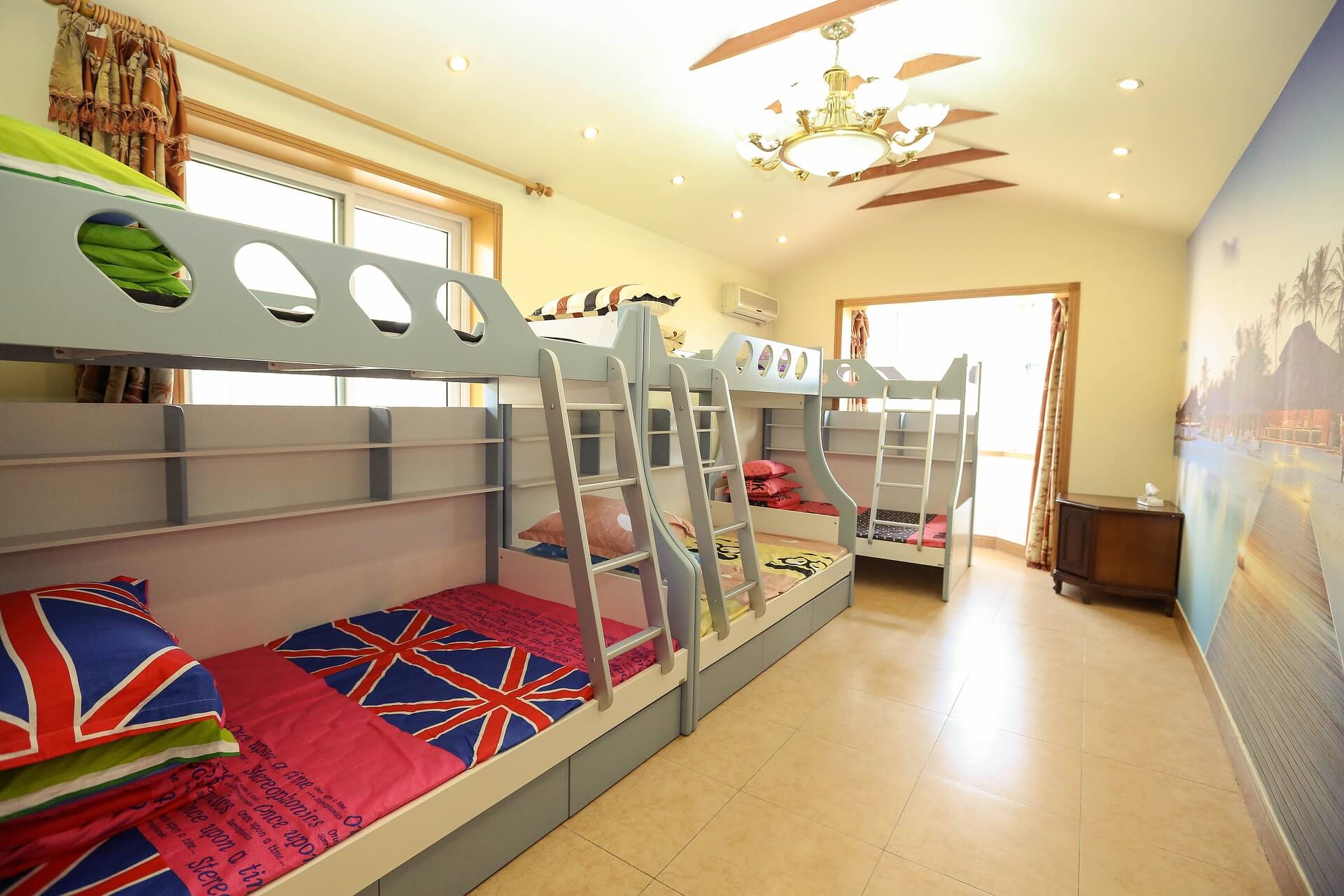
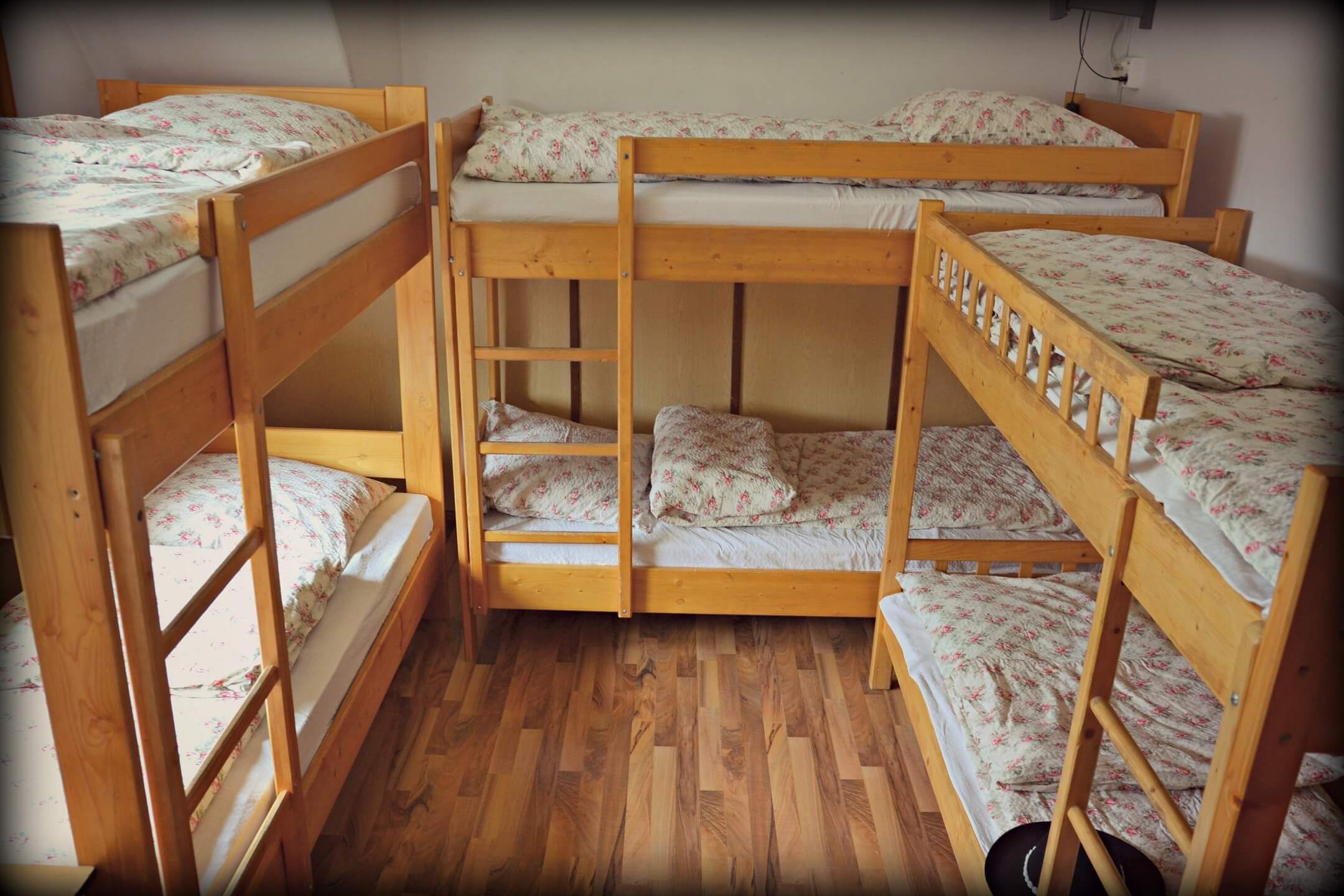
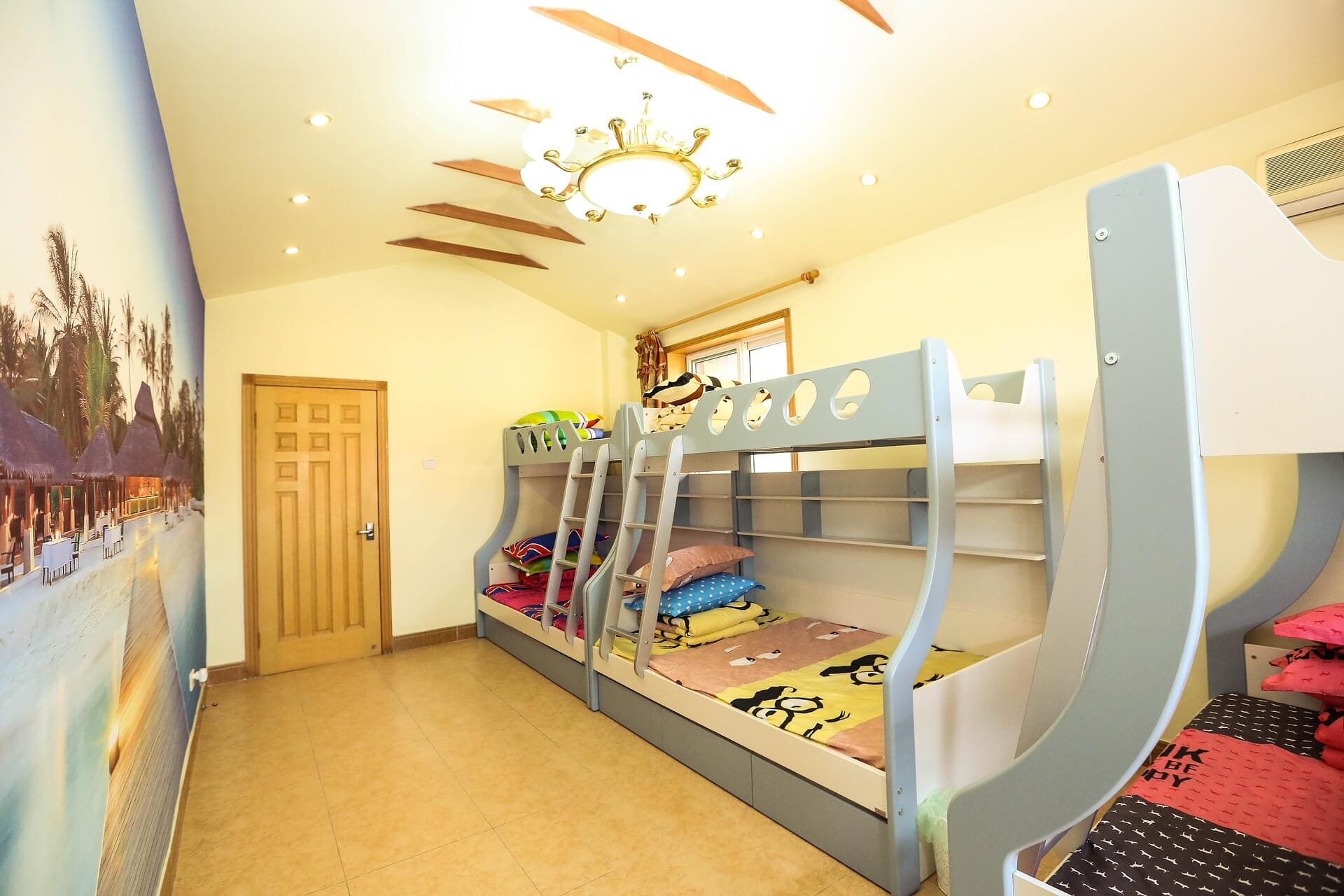
Everyone loves bunk beds because not only do they save space, but they are also fun. If your apartment or house is getting crowded and you are running out of space, then investing in bunk beds is an excellent choice.
Adding bunk beds in your kid’s rooms will create more playing space for them, and you won’t have to worry about separating their rooms. A new bunk bed will be like a toy for your children, and they will have fun playing and relaxing on them.
If you are not sure about adding bunk beds in your apartment, then you have stumbled on the right blog. In this article, I have mentioned a few reasons that will help you understand why bunk beds are an excellent choice.
One of the main reasons people buy bunk beds is that it helps them save space. If your kids are growing and you feel like that they don’t have enough space in their room, then a bunk bed will solve that problem.
Instead of having two or three beds aligned in a row, you can simply get a bunk bed and can make the room look wider instantly. It will allow you to add a study table or any other items that your children’s room is missing.
Another great reason to invest in bunk beds is that they are great for sleepovers. From telling fairy tales to building pillow dens, bunk beds can enhance the sleepover experience for your kids.
Sleepovers are an important part of every child’s life, and you want to make them as fun as possible. Having bunk beds will ensure that when the other kid’s come for a sleepover, they will have a comfortable space to spend the night in. Bunk beds also make for a great play space for children if you have bought the right design.
Offers Privacy in a Shared Room
If you are living in a small apartment or house and don’t have much space, then offering privacy to all your children can become challenging. When your children are of an early age, privacy is not really an issue, but they want a private space of their own as they grow.
You can create separate spaces for your children in the same room by getting creative with the bunk beds. Use curtains or give the beds a den-like shape, and everyone will have some space of their own.
Offers Storage Space
As mentioned above, one of the main reasons people invest in bunk beds is that it allows them to save space. Bunk beds not only help you save floor space, but they can also offer you more storage space if you get the right designs.
There are plenty of bunk beds out there that comes with storage and have drawers where your kids can keep their items or clothing. That way you won’t need any bed tables either.
Packing up your life in boxes and moving it to a different corner of the world is a significant change. The most important part of this transition is finding a place you can call home. The moment you get the keys to your new house, a huge burden will disappear.
However, the process of choosing a house comes with so many questions, fears, and dilemmas. It is a lasting decision, so no wonder you want to get it right.
Here are some tips you should consider when buying a house abroad.
Don’t base your idea of the real estate market on what your friend told you 5 years ago. The market for buying properties fluctuates constantly. Many economic and social factors influence the prices, which can relentlessly change.
Research the situation on the real estate market in the country you are moving to. Get a better perspective of what you can expect to buy within your budget. Dig deep to find out what your possibilities are.
Having a clear idea of what you want from this new house can give you a good start for your pursuit. Think about what matters to you. Do you want to live near your new job? Is having a school close by a must? Specify what you need to have a comfortable life in that country.
Focus both on what you expect from the area and what you expect from the house. Writing a list of your wants can help you quickly segment the places into a “yes” and “no” pile.
When making this checklist, you can consider these questions:
What kind of house amenities do you need?
Does the proximity to the airport matter?
What kind of entertainment would you like to have in your neighborhood? (e.g., theater, clubs, bars, cafés, etc.)
How close should the school, doctor, and sports facilities be?
Can your new neighborhood support your hobbies? (e.g., does it need to have a swimming pool, a yoga studio, or a gym nearby)
Set Your Priorities
You need to be realistic and accept that you might not find a house that has it all. Tightly clinging to every bullet point on your list can make you dismiss some great options. The solution is to define your priorities.
Priorities will help you clarify what you need and what you want. This is an important distinction.
Choose a few things that you absolutely must have. That can be 3 bedrooms, a backyard, and a specific neighborhood. Look at the rest of the requirements as a wonderful addition but not a necessity.
To make informed decisions, you’ll need the help of a professional. Get in touch with a real estate agent. They can be of immense value, especially if you don’t speak the language. Their assistance can speed up the process and ensure that homeowners don’t sell you a fairy tale.
Discuss with your realtor your expectations and the possibility of fulfilling them. Be open and don’t shy away from expressing your needs. Most importantly, be explicit about your budget and whether it is flexible or not.
Translate Relevant Documents
Make sure that you thoroughly read the documents. To do that, you first need to translate the documents. Don’t wait until the last minute while the house owner impatiently taps their foot on the ground. The sooner you translate and check the documents, the faster you’ll be able to make a decision.
You can take a look at this list of the best translation service providers to find a certified translator. Working with professional translation services is a safer choice. Also, consider hiring a lawyer (if you haven’t already) to go through the papers. Legal advice is always welcome when making such important decisions.
Wrapping Up
Relocating to a different country is a challenge. But once you find your dream home and welcome new adventures to your life, it will be worth it. Hopefully, these tips will give you some guidance and lead you to your new nest.
Elizabeth Baldridge is a writer, editor, and proofreader. Her work has focused on design, traveling, and business. Elizabeth has worked for many publications and guest blogged for top online publishing platforms. Besides writing, she is passionate about painting and traveling.
What’s the essence of a living room without adding life to it? What makes a room ‘living’ is not only its structure or by the name it bears. The nature art designs you add to its walls and add “living” to your room.
Do you know how to explore nature and integrate it to your wall designs? Probably yes. But if you are on the other side of the answer, you do not have to worry much as we will provide you with some creative nature wall designs. With these ideas, you will make your family living room a “living” indeed with a creative touch of nature.
Using a large-scale painting in your family living room is a good way to call every visitor’s attention. It is always more effective when the living room is of small space, and the art is of oversized scale. This large-scale art should be of nature like oceans, forests, etc., to give your living room an excellent appearance.
Large-scale art designs will also set the tone of your living room, regardless of the design concept. You can use simple colors with vibrant abstract pieces to give your living room a good look.
Let your living room walls give you a unique feeling with mural paintings. The mural is a piece of designed artwork applied to your living room walls. You can either hand-paint the mural design or use a wall covering the design.
The mural painting motif will make a large impact on your living room. It can also give you the feeling of historical activities or locations, depending on your art choice. Mural painting has been in popular use since the late 19th century and hasn’t lost its pace in its trends.
Use Nature Print on Canvas
One of the common art designs used for the family living room is nature print on canvas. It is quite easy to use for your living room designs. It will also allow you to harness your preferred nature design.
Using a nature print on canvasfor your living room wall designs will make your room livelier. You might only need to pick the nature design that suits that taste and the structure of your room. You can get similar frames and sizes to make the prints pass the message and stand out.
Use Removal Wall Art
There are collections of art you can use for the family room. These removable wall arts can also portray nature in a far more beautiful way than you expect. You can use these arts to boost your living room and give it a top-notch appearance.
These arts have a luxurious matte finish and adhesive murals that come in various designs and styles. It is also a perfect choice if you do not want to damage the walls, especially when renting the place. Give your living room a taste of nature with removable wall arts.
Conclusion
Your living room is undoubtedly the place you spend most of your time. You need to place a sight to see using top-notch wall art designs. You can use several wall art designs; you only have to pick the best of the best for yourself.
A roof is the top covering of a building that protects the inside of the house. Most people use a roof to protect themselves from rain, hot sun, wind, snow, and other adverse temperatures. A roof can get made of different materials such as aluminum sheets, copper, concrete, glass, and grass.
One can construct a roof in a house to protect human beings, animals, machines, or even plants. The primary purposes of a roof are to protect what is inside the house, add value to construction, and conserve energy. Some contractors have well-established structures and experience in the construction industry. You can also hire Naperville’s roofing contractors that can provide the ultimate solution for all your construction needs.
The best way to get a good roofer is by asking for referrals from friends and family. You could still get a roofer by yourself. However, it is essential to get information before signing the contract. Here are several questions to help you ascertain you are working with the best contractor.
What is your level of experience?
Roofing work is simple as anyone can do it. It is a matter of finding the right equipment and fixing the roof. However, one needs to consider working with professional roofers. It may be simple, but results may be fatal and even costlier to correct if not done by a professional. To avoid this, ask for their papers and evidence of work they have done before. Ask for their references and reviews. It is also essential to ask for a license and verify it. With Cincinnati roofers, you are guaranteed quality service.
Does the contractor company offer any written contract?
Before transacting any business as for a written contract so as to be sure you are working with a legit company that in case of anything, you can have a point of reference. Some contractors may fail to do the job well or complete the job. A contract stipulates the rules of work on when and how the job should get finished. It also outlines the cost to be incurred. That way, the roofer sticks to the budget. You reduce the chances of client harassment because you can sue the company in case of misconduct with a contract.
Does the roofing company offer insurance services?
It is essential to ask if the company offers insurance for its employees because accidents may occur when working at your house. More than check if the company has outsourced any worker. Ask for proof to show that the company has ensured the employees and offers compensation. What is more, ask if the contractor provides compensation for any damages that may occur to the roofing within a period of like one year. Also, ask if the company pays for damages caused by a roof they constructed, for example, if the roof falls and damages property. By so doing, in case of any damages, you can get repairs for free. It also ensures that the contractor does a good job to avoid the cost of repairing.
Is the contractor experienced in working in your area?
Different tactics get required while roofing in other places. The differences may be due to the difference in climate or the various rules set by homeowners. Some areas may be windy in terms of environment, have heavy rains, snow, and be salty, requiring a different technique to choose the best type of roofing. On the other hand, some homeowners are very particular about the materials used for roofing, and therefore the contractor must know the requirements.
Before you start replacing the whole roof, you need to have a working budget to help you choose the most appropriate contractor that fits within your budget. Different contractors offer different ranges of prices. It is essential to consider that the price may depend on your house’s size, materials needed, manpower needed, type of house, and insurance for the workers. For instance, quality roofing material is more expensive than low quality. Also, a historic house would require more experience when choosing the roofing material so as not to change its appearance.
One of the things to ask a contractor is to offer roof repairs and the cost. With time roofing materials wear out, you will find that it’s cheaper to have it repaired instead of having a whole replacement. A roof may get destroyed to be leaking, sagging, rusting, or has a hole caused by natural occurrences or weather problems. Ask for experience when repairing roof damage caused by a specific issue. For instance, if the damage got caused by ice storms, the repairman should have the expertise to avoid reoccurrence.
Does the company offer clean-up services?
It is essential to inquire even before the construction has begun if the company takes charge of cleaning up after the process. During roofing, there are many roofing materials used, such as wood and nails, which make the place look untidy when left behind. Ask if the company offers the clean-up service for free or if there are extra charges.
Since there will be workers on your property, it is the contractor’s responsibility to ensure that your property is protected. You can inquire about having identification documents of the workers to be sure they have a good record and reach out to them in case of an incident. Ask if the contractor will be responsible for any damages to property on your premises. Consequently, does the contractor provide insurance to cover damages that might get incurred to your building when construction is taking place? Understand the extent of the insurance coverage and the amount it covers.
Does the contractor have a communication system or follow-up?
It is essential to ask for reliable contacts that you can use when in need of communication. Also, ask if the company has follow-up services. For instance, when a repair has been done, does the company check with the client on the roof’s functionality? Also, follow-up systems help guide a client on caring for the new roof or the repaired part. It also helps the company know if there is any challenge concerning their work.
Most people don’t realize the subjectivity of a website’s design and form when asking questions like: “how much does it cost to create a website?” This is because of a dated concept that website development is a straightforward and linear process.
Websites not only exist in several forms based on your objectives but also reflect on what you wish to accomplish with them. Portfolio sites, for instance, draw on heavily from the type of services you offer.
Similarly, the design and layout of eCommerce sites are influenced by your brand and products.
Ensuring an unlimited stream of digital content for your site.
Building a website prototype.
Designing every aspect of the site to suit perfectly your message/goal.
Writing the code and testing it repeatedly.
Ensuring that the site works perfectly.
Publishing the site.
All of these steps have to be customized according to your preference and objectives, meaning that a generalized price for websites can be misleading, to say the least.
The Cost of Website Creation Is Not Fixed
As for the cost, there are several aspects of the process which may not cost you a single penny, while others will drain your wallet substantially. Here are some examples:
Your website’s custom design will cost you anywhere between $2,000 and $15,000.
Setting up your content management system means spending around $2,000 – $25,000.
Adding an eCommerce store to the mixture will cost an additional $2,000 – $25,000.
Setting up your site pages (depending on the quantity) will cost around $1,000 and $10,000.
On to the main question, “how much does it cost to build a website?” Well, depending on who you ask to do the work for you (or if you do it yourself), the value may lie somewhere between these ranges: