Blog

  • How Ridge Tiles Are Used on Roofs

    How Ridge Tiles Are Used on Roofs

    Ridge tiles were originally made from clay and slate. Some say they have been used since time immemorial to build a shelter from unfavourable weather conditions.

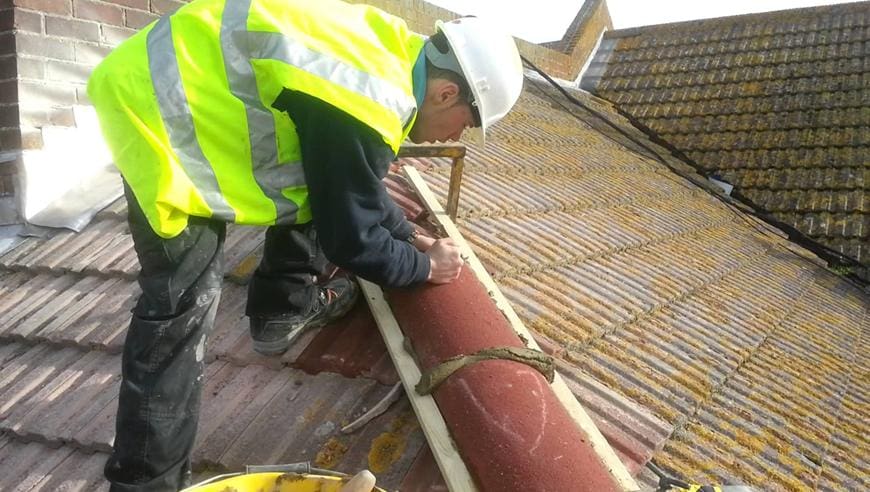
    Ridge tiles are the final part of roofing any structure. There are two types of ridge tiles and both types are used very often in the slate-style of roofing. They are angular ridge tiles and half-round ridge tiles. 

    In installing ridge tiles, you could employ the use of mortar tile installation or the more modern nail or ‘tap in’ installation methods.

    In this article, we will be outlining how you can re-cement ridge tiles and what laying hip ridge tiles entail.

    Vented Ridge Tile System

    When roofing with ridge tiles, a building owner must determine what type of vented ridge tile to use to achieve passive or mechanical stack ventilation. Vented ridge tiles come in various colours and designs to make them fit right in with the rest of the tiles. 
    Types of vents include gas vent ridge and standard ridge vents. They are often fit on the 4th or 5th tile. While standard ridge vent terminals supply natural air to the ceiling and can be used to connect mechanical ventilation systems, gas vent ridge terminals are used to fit gas appliances. Gas appliances fixed to a gas vent ridge terminal must not exceed 60 kilowatts.

    Installation of Ridge Vents

    For a neat cement joint where two different ridges meet each other, the installation of ridge vent necessitates a cutting of the tiles. This is to create a uniform space of ten millimetres between them.

    Wet Ridge System

    This is a system where tiles are fixed together using mortar (a mixture of sharp sand and cement). When laying ridge tiles, a mixture of cement and sharp sand is put between the overhanging tile and the lapped one. 
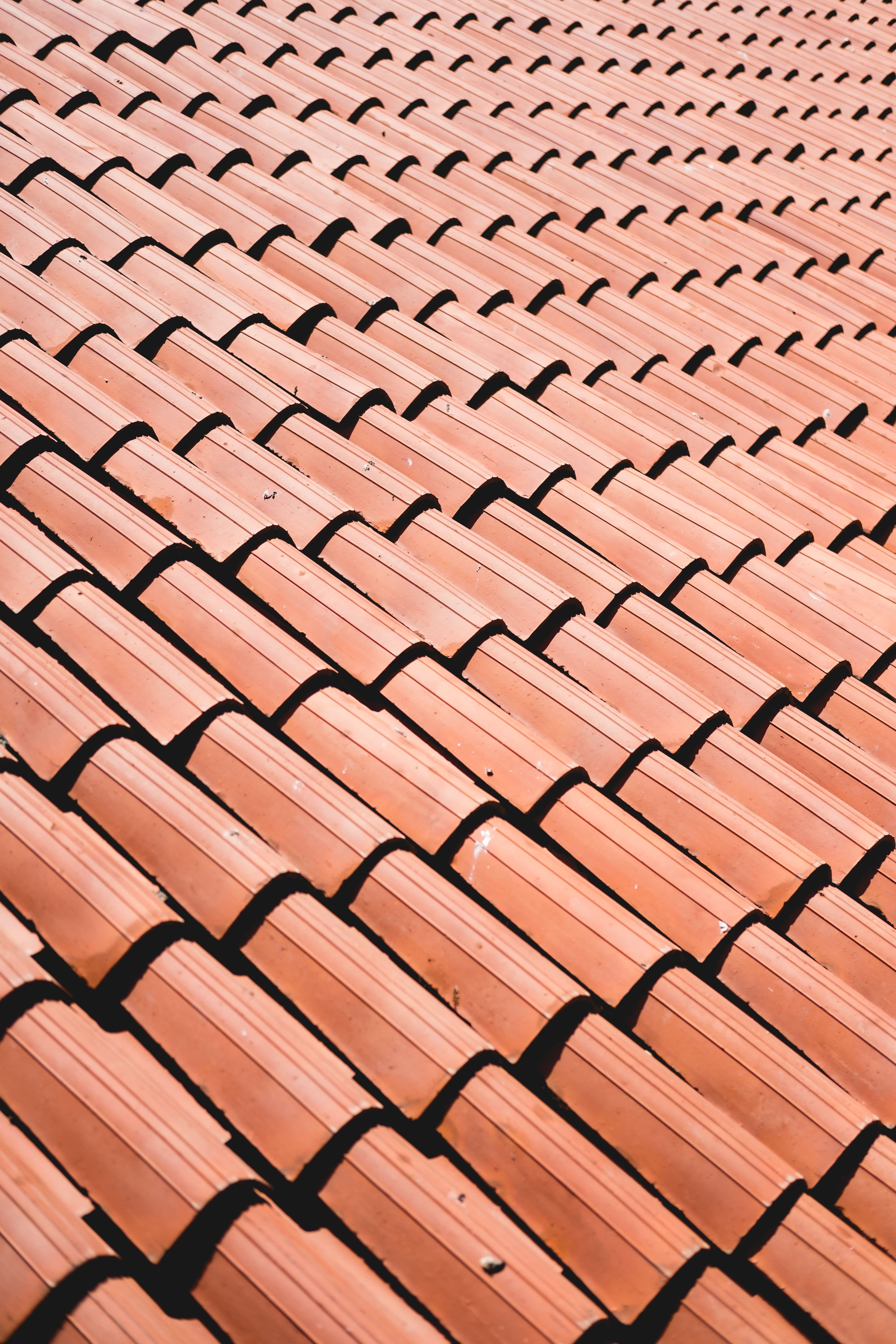
    Slate/flat shaped tiles are arranged to hang over other tiles in this way by about seventy-five millimeters from the ridge board down to the fascia board. The mixing ratio is one measure of cement to three measures of sharp sand. Even if some tiles have deep ridges, tiny strips of tiles can be dipped in a mortar before placing them in.

    Dry Ridge System

    Dry ridge system is a mode of fixing ridge tiles that do not rely on the use of mortar to set the tiles in place. The most common of the various dry ridge systems is the ridge roll ventilation. This involves the use of a “ridge and hip roll” to cover the ridge board and fastening it to the tiles on top.

    Each roll is fixed strip by strip overlapping one another facing the direction of the wind to prevent strong winds blowing them open. You can use unions, nails, clamps, washers, and screws to fasten the strips but care must be taken for them not to damage the wooden frame or strips during installation.

    The tiles are fastened by the unions, leaving a small expansion gap while the ridge board holds the strips by the use of screws. This method holds the tiles in place while the expansion gap accommodates expansion and contraction due to high temperatures, reducing the chances of them loosening over time.

    Dry ridge fitted tiles are hard to differentiate from mortar-bonded ridge tiles when viewed from the ground and require less inspection and maintenance unlike them.

    Although dry ridge tile fixing is more expensive than using mortar-bonded ridge tiling system, the fact that they can be fixed irrespective of the weather unlike when using the wet mortar system where you cannot fix before heavy rains and they eliminate the worry of mixing ratios/integrity makes using it a cheaper option in the long run.
  • Made Goods Furniture

    Made Goods Furniture

    Interior design is a lot of work. Especially for perfectionists like me, wanting everything to be perfect sometimes puts way too much pressure on making sure that I do not regret any decision that I make. But, the truth of the matter is we only really want to make it as cozy as possible. Fretting over the smallest detail like whether I should use a dirty white or a grey finish on a lamp probably cost me a lot more stress than it actually is worth. Knowing what you want is actually the difficult part of the equation, the easier one is knowing where to find it.

    Looking For Made Goods 

    Made goods will help you find exactly the kinds of products that you are looking for. You can focus on understanding what you want and let Made goods do the rest. Made goods and their partners are happy to help you have whatever it is you need. Whether you are building a home, finding the perfect gift, or simply want a quick decor upgrade, they have it all in stock for you.

    If you feel as though your imagination is hindered or you feel like you are lacking vision, Made Goods, can light up the spark you need. All it takes is a quick browse of the listing they offer and you will be flipping pages while filling up your wishlist in no time at all. It is the goal of Made Goods to help you understand what you want and get you into a place where all your imaginations come to life.

    Made Goods makes a point in ensuring that their clientele’s craving for sophistication and luxury is sated. The decor they make are far from bland or generic. They create to inspire and inspire to create. Their products’ goal is to cater to the most specific of tastes from their clienteles.

    If there is anything that you cannot fault Made Goods of, it is that they do not lack innovative ideas. The uniqueness in their designs resonates and shines through each product that they create. Their partners have no qualms about how expressive they are in their craft. If anything, they drive their clientele’s designs the way they want it.

    The ultimate goal of Made Goods is to pick up as far as our own limitations can take us. To no fault of our own, one that does not devote himself or herself completely to art cannot reach the pinnacle of artistry. And this is the specialty of Made Goods which is to understand us better than we understand ourselves. Decor is simply another expression of art and Made Goods are a master of it.

    Made Goods Selections

    As each and everyone of us is unique, such is our tastes. And if Made Goods ever hopes to satisfy all of our specific wants and needs, then they need to have a diverse selection. And to their credit, indeed they have quite the range. Made Goods sells an assortment of products so vast that I can confidently say that whatever you may need or want, then they are sure to have them. And if they don’t, you can always ask to have one custom made. Such is their adherence to their vision to ensure that every clientele’s want becomes a reality.

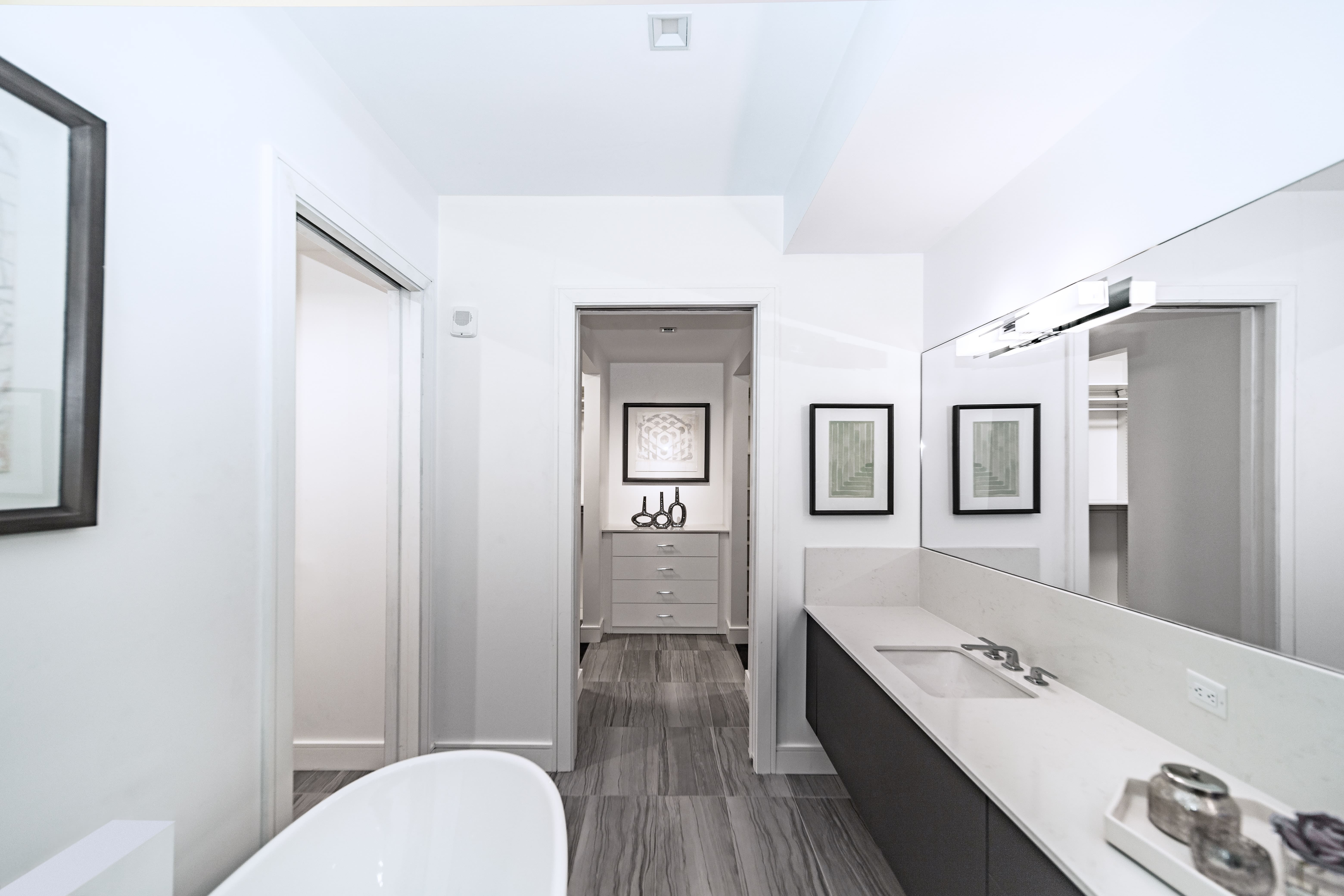
    The range of products they sell are so wide that they have coffee tables, mirrors, ceramic stools, and even chandeliers. Made Goods makes sure that they will satisfy your needs. Because everyone is unique and special in their own way, you can never have enough variety to ensure that no one is left out. What makes Made Goods so special is the way they procure the material they use in their items. It may not come as a surprise to you but they source these materials from all over the globe. The resulting products radiate the complex cultural heritages of the regions where the materials are brought from.

    Furniture normally serves very specific purposes, but that is hardly all they do. The chair is used for sitting. The dining table is used for dining. And the lamp is used for lighting. But, we all know that is not all they are for. The chairs, with their designs are there to make sure that they match well with the carpets. It is customary for dining tables to be large enough to fit a family so they can all say grace and eat together. And the lamp has different kinds of exquisite lights that do not only illuminate the room, but also make you feel things. If those are not expressions of art and love, then I do not know what is.

    Made Goods takes it to an even higher level by finding out other ways to use products. The materials are not the only things that are imported from abroad. Made Goods makes sure that they gain inspiration from them as well. Such is the time and effort that is imbued to every product that they put on their listings.

    The artisans of Made Goods take pride in continuing to invent and reinvent the classic home. They leave no stone unturned to make sure that they become a bridge into expressing one’s true self by way of art.

    Is Made Goods Right For You

    If you still are not convinced that your next home project should start with a quick browse of the Made Goods store, then let us put in the last word. One of the reasons why individuality is celebrated is to feel that we are alive. This is the reason why we act the way we do, feel the way we feel and see the way we see. Made Goods is an expression of all these bottled up emotions that you may not so easily convey through words. It is not always easy to be beautiful yet functional. But that is what Made Goods is striving for which is to bring life into your furniture.

  • Why Choose Bathroom Wall Panels Over Bathroom Tiles?

    Why Choose Bathroom Wall Panels Over Bathroom Tiles?

    When it comes to renovating washrooms, bathroom wall panels are emerging to be popular among customers. However, owing to the shortage of awareness regarding wall panels, most people still choose to go for bathroom tiles. Albeit bathroom tiles are available in a variety of designs, their maintenance is difficult.

    What are bathroom wall panels?

    Bathroom wall panels or shower wall panels or wet wall panels are a durable and waterproof alternative to tiles for your shower space or washroom. They are usually made up of acrylic, Polyvinylchloride, or laminated pressure Vinyl on an MDF core. The cheapest of these is the PVC variety of panels. PVC is also lighter than its counterparts.

    Bathroom tiles have been around for a long time; it is a product with which most of us are incredibly familiar. Therefore, the decision to move on to a new option needs to be a well-informed one.

    Benefits of bathroom wall panels

    1. Ease of installation: Shower wall panels are extremely easy to install, unlike bathroom tiles whose installation is a cumbersome job. Besides, the cost of labor incurred is way higher with tiles. Alignment and cutting of tiles again require a level of expertise. In addition to this, we need to wait for several days for the adhesive to dry.

    On the other hand, installing Wall Panels can be done on your own. The installation process does not result in a mess because shower wall panels are dry.

    • Low maintenance: Cleaning bathroom tiles is a tedious task. We have to worry about a lot of things- discolored grout, which makes tiles look dirty and toilet wall molds that could develop between tiles. Proper cleaning of tiles requires a variety of products. Therefore cleaning bathroom tiles need both extra effort and money.

    With bathroom wall panels, there is no question of discolored grout or wall molds. The wall panels could be easily cleaned with any standard domestic cleansing agent. Even cleaning them with a piece of cloth works. Hence, shower wall panels save us both the effort and the money.

    • Bathroom wall panel materials are both scalable and versatile. The time required to install shower wall panels for a bathroom wall is significantly less compared to the time needed to install tiles for the same wall.
    1. Long-lasting: Shower wall panels last much longer than wallpaper, paint, and tiles. They do not develop any wear or tear even after years of usage.
    2. Installation over existing tiles, wallpapers, or imperfect wall surfaces is possible.
    3. Environmental friendly: Bathroom wall panels are recyclable, and their disposal can also be done in an eco-friendly manner.
    4. Versatile: A wide variety of designs are available. Marble, minimalistic, imitating tiles, sparkle, elemental, wood effect, or rustic- you can take your pick.
    5. Changing existing bathroom wall panels is easy and hassle-free.

    The different wall panels

    1. Solid Core Boards

    Advantages– Can be installed directly over existing tiles or walls. There are also more durable than uPVC panels.

    Disadvantages– They are more expensive than uPVC panels. Choosing cleaning products should be done wisely because some products tend to erode solid core boards’ surface.

    • uPVC boards

    Advantages- They aredurable and require minimum cleaning.

    Disadvantages- Some uPVC boards are thin and, therefore, more prone to damage.

    • Acrylic boards

    Advantages- Offer a glass splashback appearance at a much cheaper cost.

    Disadvantages- They aremore expensive than solid core boards and uPVC boards.

    Now that we have listed the benefits of shower wall panels, it is only fair that we consider the benefits of tiles to make a sound decision.

    Benefits of tiled washroom walls

    1. Availability of a plethora of choices.
    2. It offers great flexibility when it comes to design.
    3. Wall tiles can be repaired in case they suffer some sort of damage.
    4. Most tradespeople have more sound knowledge about tiles as compared to bathroom wall panels. This is primarily because tiles have been around for much longer.

    The benefits of bathroom wall panels outweigh those of bathroom tiles. There are many shower wall panels suppliers, both online and offline, offering a wide variety of designs to suit your taste. You can take your pick depending on your style and your budget.

  • Top Tips on How You Can Give Your Bathroom a Quick and Easy Upgrade

    Top Tips on How You Can Give Your Bathroom a Quick and Easy Upgrade

    Many people assume that they have to spend a fortune if they want to give their bathroom an upgrade, but if you simply want to give your bathroom a new look and feel with a few quick changes, you can easily do this as well – and not have to spend too much of your hard-earned cash. There are a few changes you can take advantage of, allowing your bathroom space to feel more stylish, luxurious, and cosy without you having to go through drastic refurbishments. Do you want to change the way your bathroom looks and feels and make it a more welcoming space for everyone? Here, then, are some top tips on how you can give your bathroom a quick and easy upgrade.

    Make your vanity shine

    Your bathroom vanity has probably gone through some wear and tear over the years, and this is the perfect time to make it shine and stand out. If your bathroom vanity is made of plain oak wood or cherry wood, give it a paint job with a rustic country shade such as blue or green or aqua. Of course, you can always choose to replace your old vanity with a new one, and there are plenty of affordable choices out there when it comes to quality bathroom furniture. Here’s another tip: you can go even further by replacing your entire sink or basin and vanity with a completely new and more compact one in a vintage shade, and you’ll love how it adds value to your bathroom space as well.

    Put frames on the mirror

    If you have a standard mirror in your bathroom, you can add more oomph to its overall look with a frame. You can even make the frame yourself out of small mosaic tiles; if you want a blast of colour, choose tiles in bright shades or luminescent, pearly hues. To do it yourself, all you require is some wood trim, grout, tiles, and an MDF backing.

    Build a cabinet or cupboard above the toilet

    Many bathrooms often feature a small shelf right above the toilet, where you can keep toiletries and other bathroom essentials. But this space is often quite cramped, and it doesn’t look as attractive as a real cabinet or cupboard with doors. You can easily install a cabinet or cupboard above the toilet yourself and make the space even more functional and appealing. What’s more, this is a perfect storage solution for those who lack storage areas in their bathroom, as it doesn’t take any space on the floor.

    Install dimmers

    If you want to give the bathroom a nice ambience, especially if you’re relaxing with a long, luxurious soak at night, why not install dimmer switches? Granted, installing such a switch isn’t for the faint-hearted or those who have no idea about electrical wiring, but all you need to do is educate yourself regarding grounding and find out more about box sizes to perform a safe and successful job.

    Installing the dimmer switch itself is easy once you have the technical requirements, and once it’s finished, you can enjoy the full benefits of a more relaxing, tranquil space that soothes your soul, especially if you have great music to set the mood.

  • How to Detect a Hidden Water Damage in Your House

    How to Detect a Hidden Water Damage in Your House

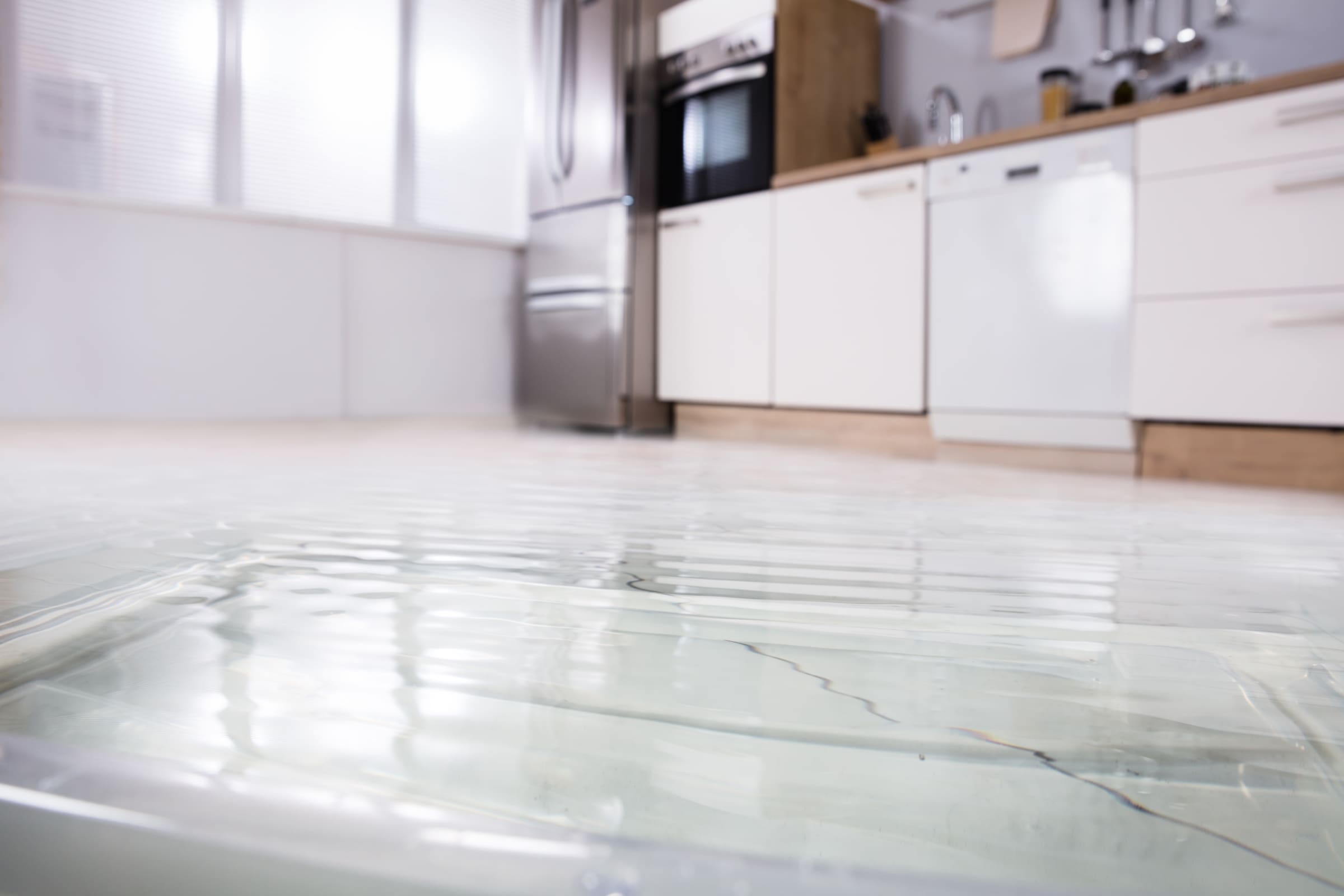
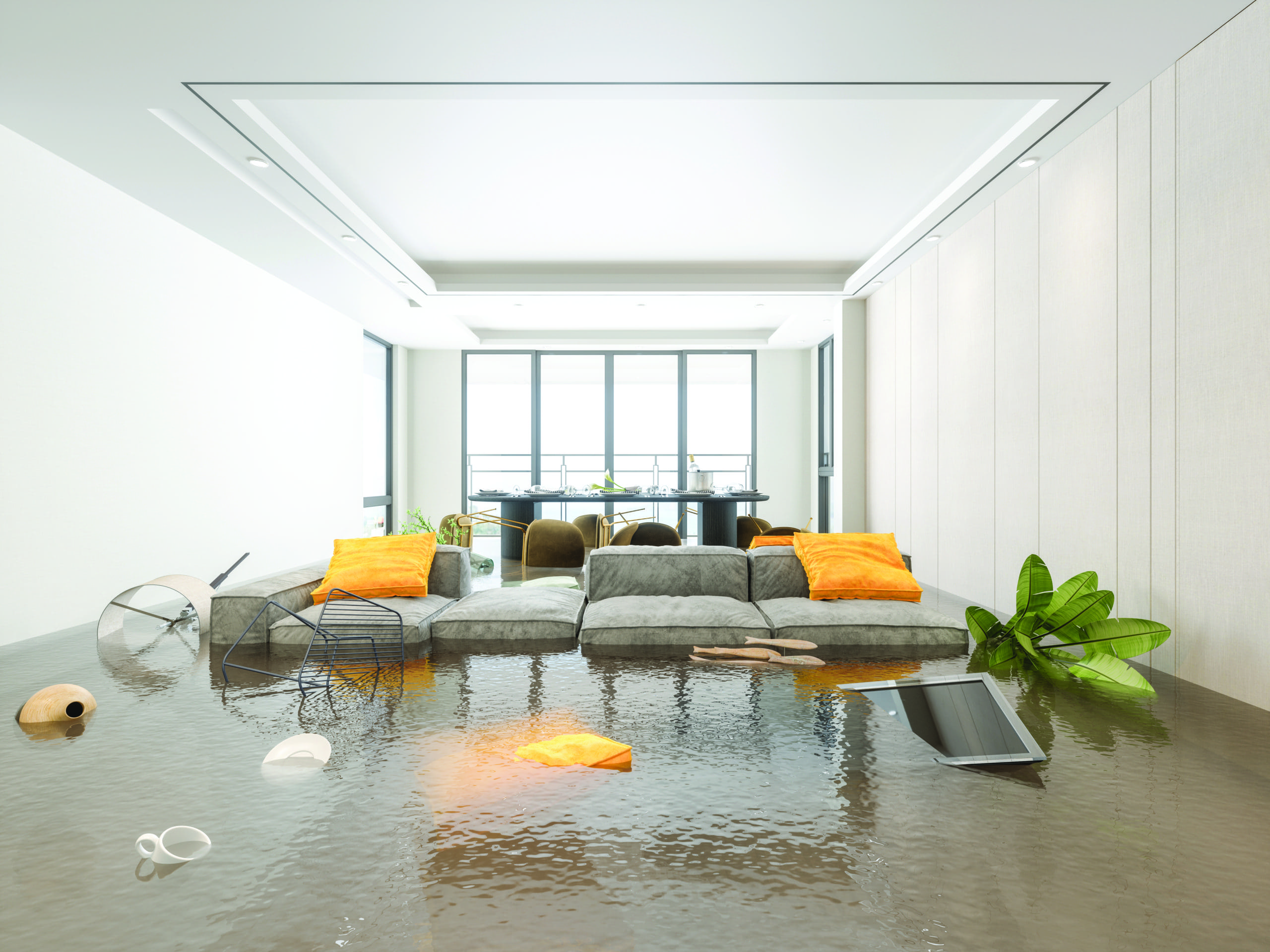
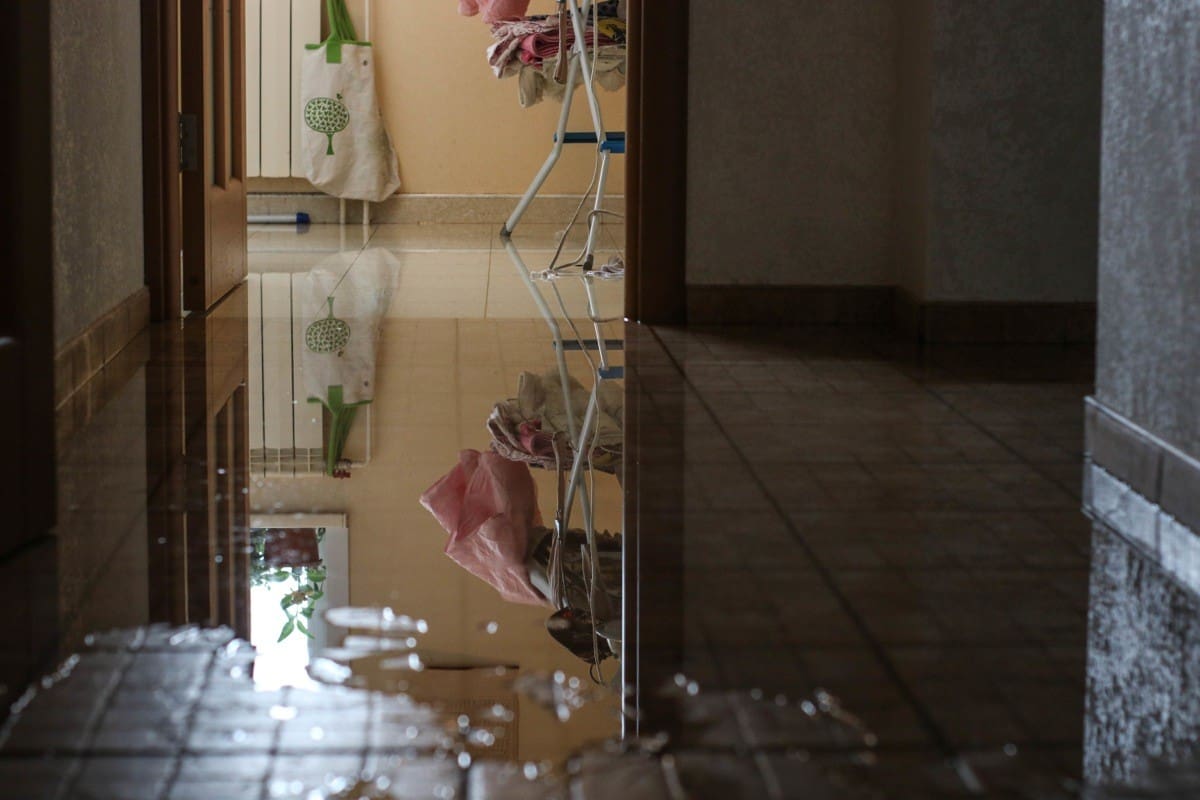
    Water damage can cause severe harm to the structures in your house, and the worst part of it is that most people don’t even realize it’s happening until it’s too late and the damage has become too extensive.

    This is why the early detection of a leaky pipe is very important. Therefore, here are some of the signs you should look for when trying to identify water damage.

    Signs of Hidden Water Damage

    • Musty Smells

    These odors are produced when the leaking water gets absorbed into materials that contain pores – drywall, wood, sheetrock, and insulation. When this happens, mold will likely grow and spread; therefore, you may notice a moldy smell in your house. As soon as you perceive it, you should think about water damage.

    • Dark Stains and Discoloration

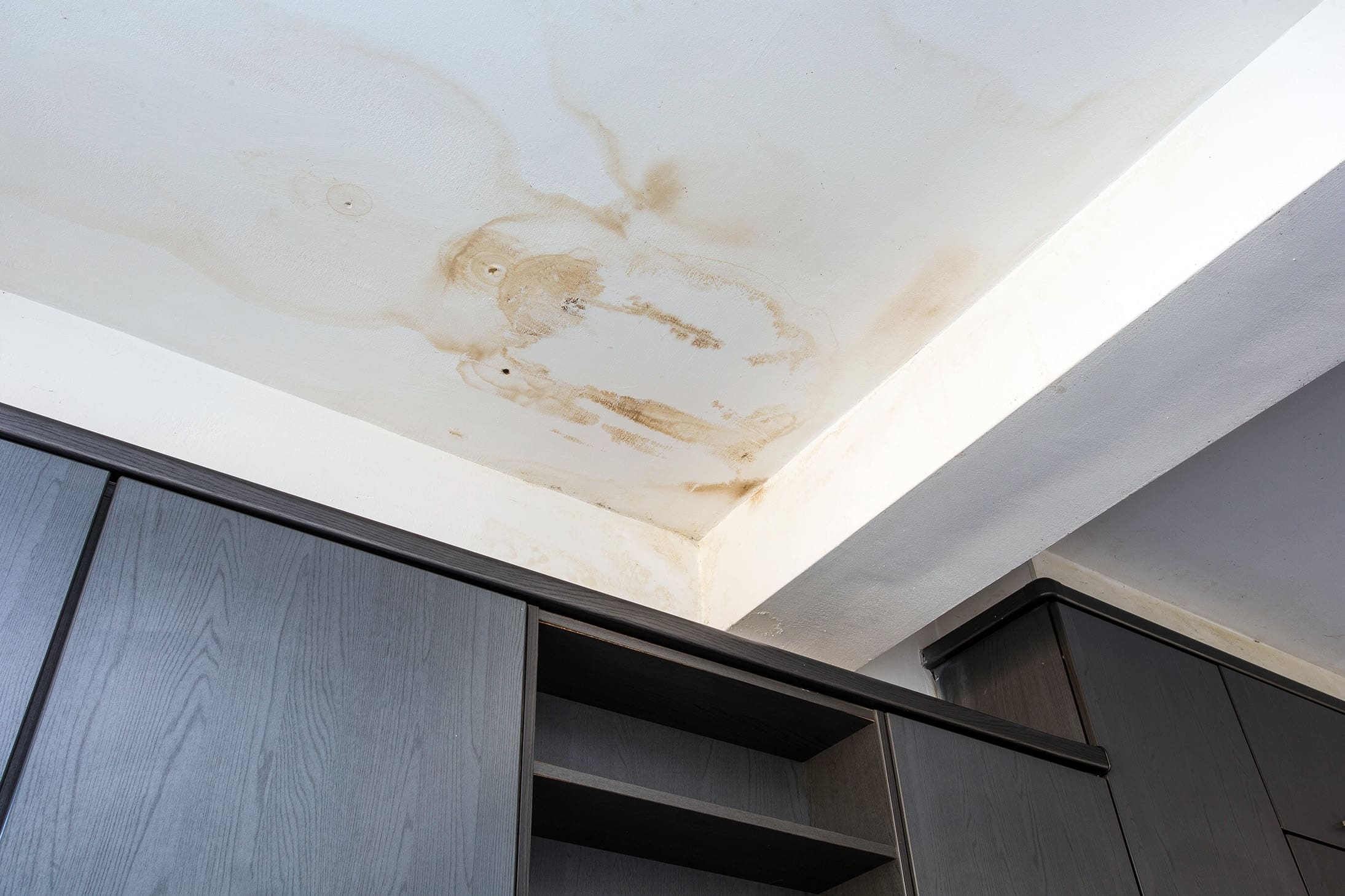
    As stated before, water from a leak behind the walls will absorb into drywall and sheetrock. After this happens, not only you might notice the musty odors, but also dark stains on walls and ceilings. You will see them as brown or wet spots which get bigger in time. Ideally, you should have them checked before they grow in size.

    • Peeling Paint or Wallpaper

    Humidity behind walls can eventually peel the wallpaper and bubble up the painting. If you notice flaking on walls, there could be a hidden water damage.

    • Changes in Structures

    The saturation of water behind walls causes the warping of floorboards and even the buckling of ceilings. Check it as soon as possible before these structural changes cause serious home damage.

    • Visible Mold Growth

    Mold starts to grow in surfaces that have been in moist conditions for over 48 hours; hence, if there is water unnoticed behind walls after this time, mold growth will begin and will also spread in any sort of place – not necessarily close to a pipe. It can also occur in kitchen cabinets, so you will have to opt for cabinet repair. If you notice green, black, white, or brown tiny spots, call in professionals immediately rather than trying to clean it on your own.

    Professionals will remove the mold but they will also find the cause of its growth.

    Water Damage Causes

    • Bursting Pipes

    An unnoticed leaking pipe is one of the most common causes of water damage. When a drain or a toilet gets blocked; the water starts pooling and eventually causes a lot of pressure in the pipe, which then starts leaking. Keep in mind that if pipes in your house are already rusty, they are more likely to burst.

    • Plumbing Issues

    It is impossible to detect a plumbing problem unless you get it checked once in a while; therefore, you should periodically take a look under your sink or call in a professional to do it for you. 

    • Deteriorated Appliances

    It is normal for pipes of old household appliances to get cracked, causing water damage. This is why you should keep an eye on your older machines, such as refrigerators, hot water tanks, and washing machines.

    • HVAC-s

    Heating, ventilating, and air conditioning units require regular maintenance to avoid wetness and moisture buildup. Heating and air conditioning systems generally operate with the help of water pipes, so if the problem occurs you will need to contact your local ac repair company to fix the issues.

    • Neighbor

    We have stated some of the most common causes that result in water damage; however, you are not necessarily the one who will suffer them. This can also happen to your upstairs neighbor without their noticing; and in time, it can affect the structures of your home. If you happen to notice any of the water damage signs mentioned before and it is not coming from your place, your neighbor could be responsible.

    How to Prevent Water Damage

    The repair of water damage can be very expensive; which is why it is important to know some ways to prevent them from happening.

    • Clean Your Gutters

    Poor drainage weakens your foundation, which can result in water entering your home through cracks. If you want to avoid this, you should clean your gutters routinely or hire a professional to do it for you. 

    • Check for Water Leaks

    If you made it this far, you already know that persistent leaks will lead to mold growth, which then will spread and cause damage to the structures of your house. You should check for dark stains and discolorations on surfaces such as under pipes, inside sink cabinets, ceilings, or walls. You have to maintain a leak detection procedure from time to time. If you prefer, you can set up a regular check with a plumber. 

    • Take a Look at the Roof

    Roof systems can often leak; therefore, set a ladder against your house and check on the roof – especially before bad weather – to see if there is any damaged shingle that can result in water flowing into the house.

    • Check Your Appliances Regularly

    You should be especially vigilant on those old household appliances for loosening valves and pipes, which can lead to a leak.

    Water damage repairs can be thousands of dollars; and in pretty bad cases, it can take lots of time to be fixed. Early maintenance is key to detect hidden issues. As we all know, it is better to be safe than sorry!

  • 5 Things to Consider When Choosing an Interior Designer

    5 Things to Consider When Choosing an Interior Designer

    When you’re thinking about making a big change to your home space, it’s the attention to detail that counts. A lot of us have a few fairly abstract ideas floating around about what we want our home interiors to look like, and it’s a wonderful feeling when you’re finally in a position to make those changes. Whether it’s a new home or just revamping your current space, the beauty always lies in the small, banal-seeming touches.

    Working with an interior designer is often the best way to realize your vision. Seasoned professionals with an eye for detail and an ability to translate your thoughts into a beautiful aesthetic are there to help you – the challenge is finding the right one for you.

    Here are five tips to help you make that choice.

    1) Keep it Local

    Working with a local professional is a good idea for a number of reasons. Someone based nearby is likely to be more familiar with the design of homes in your area. This goes for everything from local common building structures to using materials that work best in your local climate. For example, if you live in New Jersey, a good local interior designer will be sensitive to the local aesthetic and will work with you to build a home that fits in as much as it stands out.

    An interior designer based nearby also has strong incentive to really care about making you happy, as your recommendation will go a long way for them. They can actually step inside the home and get a feel for the space.

    2) Communication is Key

    The best interior designers understand the importance of listening as much as suggesting. A successful interior designer gives a client exactly what they wanted, only better. Your vision for your home is the most important thing, and good designers will listen to everything you say and build on that.

    You’re hiring a professional because of their expertise, of course. Your designer will point out difficulties if they occur, and make suggestions to work around the problem.

    Pick an interior designer who is inspiring but isn’t pushy, who understands your vision and is honest with you every step of the way.

    3) Pedigree

    With any artistic project such as interior design, a good portfolio speaks just as clearly as time in the business. Have a good look over any prospective designer’s work, and ask to talk through the process with them if possible. This will help you get a better idea of how they work, as well as what they can achieve.

    4) Find a Good Match

    Some designers specialize in certain themes, while others make almost everything their specialization. If you’ve got a very certain theme in mind for your home, it’s worth shopping around to find someone who works with a mostly similar aesthetic. This will just make the process faster and dialogue much easier.

    Likewise, if you’re looking for a more general approach, take a good look at a designer’s portfolio and find out if their work is often very different from what you’re after. Everyone wants to do what they’re best at, so find the best person to bring your visions to life.

    5) Honesty is the Best Policy

    As with any major home project, redesigning an interior is a costly enterprise. When you’re putting a lot of money on the line, you need to be counting every penny, and that means working with someone who is transparent about costs from the word go.

    Make sure that your interior designer has a track record of delivering good value for money and being open with clients. Any designer worth their salt will be open with you about potential costs from the get-go, and will try to save you from unnecessary expenses where possible.

    Conclusion

    Knowing what you’re looking for is the first step. Next comes the research. Find a great interior designer close to you and start planning your dream home interior!

  • Learning From the Best:3 Dos and Don’ts of a Successful Bathroom Remodeling Project

    Learning From the Best:3 Dos and Don’ts of a Successful Bathroom Remodeling Project

    Family bathrooms get little consideration during the building process, but when the family starts using that bathroom, defects get plenty of attention. Families don’t often pay a lot of attention to the bathrooms when purchasing a home. But, as they live in their new home, shortcomings in the bathroom become a major source of irritation. Bathroom renovations are one of the most common remodeling projects homeowners take on. Remodeling the bathroom or adding an additional bathroom are projects that pay off when it is time to sell a home.

    Three Dos and Don’ts For Bathroom Renovations

    Experts have a lot of good advice for homeowners planning bathroom renovation projects. Doing a good renovation will add functionality and value to a home. Making mistakes on the same project can lead to wasted money, poor results, and family frustration. Three categories of advice will help homeowners avoid costly mistakes.

    1. Planning and Research

    Do some research and planning before starting a bathroom remodeling project. Look for Master Bathroom Remodeling Trends that will work for this project. This can be done by visiting websites featuring bathroom renovations and products, visiting home improvement stores with model bathroom displays and free design help, or looking through bathroom remodeling magazines for photographs that appeal to family members. Choose the design style first, then plan how to follow that style for the entire renovation. A very good resorce for the bathroom remodelation is :https://www.bathroomremodelportland.com/

    Since the bathroom renovation project represents a large amount of money, make it well-designed and classic so it stays in style for a longer time. Some top bathroom colors are white, light grey, pale wood, and other light neutral colors. Natural stone and ceramic tiles are timeless and durable finishes for floors, vanity tops and bath surrounds.

    Look at the family finances and decide how much money is available for the project. Then, find out how much the bathroom renovation the family wants may cost. When the figures do not match, it is time to pare down the renovation project or look for a home improvement loan to cover the costs. Decide how much of a loan the family can afford to make payments on.

    Figure out ways to make the most of the available remodeling budget. Save money by getting several quotes from contractors, do some work yourself, and look for big bargains on quality materials for the renovation. There are wholesale outlets, seasonal sales, and other bargains to look for. Hiring a designer or a bathroom renovation contractor can actually save the homeowner money. Plan for all contingencies to avoid unexpected expenses during the project. Plan the whole project before hiring a contractor or starting work to avoid changes during the renovation process because they are expensive.

    2. Making the Renovation count

    Make this renovation count and make it improve functionality, design, and comfort. Some of the most important improvements to consider are:

    * Storage needs are often forgotten but they should be considered during any renovation. Adequate storage helps the bathroom look less cluttered.

    * Vanities and sinks are important functional and design elements of any bathroom. Get good-quality sinks, faucets, countertops, mirrors, and vanities so they last longer.

    * Bathtubs and showers are the places to splurge since they help family members relax and get clean. When it is time to sell, buyers want these features.

    * Improved toilets are important for efficient use of water, functionality, and comfort.

    * Improved lighting makes a bathroom more attractive, welcoming, and comfortable to use. Lighting should be designed for certain tasks such as applying makeup, shaving, and other personal grooming tasks.

    * Improved ventilation systems will help prevent condensation, moisture build-up, mildew and mold growth, and bad odors.

    * Adding safety features such as grab bars can prevent falls in the bathroom. Consider safety in the placement of outlets near water sources.

    * Improving energy efficiency can save money on water, heating, and cooling bills.

    * Using bathroom tough surfaces will pay off as the flooring, wall surfaces, and other finishes last longer and stay more attractive over time.

    3. Avoiding Common Mistakes

    Avoid common mistakes in bathroom remodeling projects. Some of the remodeling mistakes that add time and expense to a remodeling project include insufficient planning and budgeting, not hiring the right licensed professionals such as plumbers and electricians, failing to get the required building permits, and skimping on the quality of materials and fixtures.

    The bathroom layout is important and if it is not planned properly, there may not be enough room to fit everything in or the traffic pattern might be inconvenient. Not planning for enough storage is a mistake that can haunt the homeowner. Putting an exterior window in the wrong place or not having any exterior light in the bathroom can affect user privacy or make the bathroom seem dark and closed in.

    Not planning for the time the project will take is another mistake. The bigger the renovation project, the more time it will take. Is there a second bathroom the family can use during the remodeling process? Not planning for the time and mess of the demolition process is another big mistake. When a bathroom will be gutted and then rebuilt, there will be a lot of mess and material to haul away. Planning for and ordering a dumpster is essential.

    The ideal bathroom renovation is started with good budgeting and planning, proper experts are hired, a good timeline is followed, and all of the materials are ordered before the demolition is started so they will be there as needed. The bathroom renovation contractor works with the homeowner to get the functionality and design that is wanted on budget and on time. The homeowner has chosen a good design and has chosen the best fixtures and surfaces for the job in neutral colors that will stay in style.

    When everything is done correctly, the homeowner ends up with a beautiful and functional bathroom at a reasonable cost. For those who would like some bright color in their bathroom, towels, art on the walls, and a few accessories provide dashes of color and can easily be changed as tastes evolve.

  • Small Bathroom Storage Ideas

    Small Bathroom Storage Ideas

    One of the most challenging aspects when designing a home is a small bathroom. It is like working on a puzzle to make all the things fit into the space available.  In the following, let’s discuss some tips to make a more functional interior design for a smaller bathroom, such as choosing bathroom cabinets.

    Small Doesn’t Mean Bad

    What are the essentials to have in your bathroom?  Regardless you have a large or a small one, you should have a bath math, green cleaning supplies, nice-smelling soap, toothbrush holder and trash can.

    Other things you need to include a good lighting, shower liner and curtain, hooks, bath towels and a mirror. 

    Also,   you need hand towels, cleaning wipes, toilet bowl cleaner and plunger.

    And of course, you need innovative storage solutions that matter especially if you are living in an apartment where space is at a premium.  

    Look for additional spaces for storage, such as behind the toilet where you can install small bathroom cabinets.

    How Many Towels, Cosmetics, and Hotel Toiletries Do You Really Need?

    There is no definite answer to this one.   For example, while every bathroom will need toilet paper, a larger one like public bathrooms may need a larger commercial roll for multiple people versus a personal or hotel bathroom where an individual roll will do.

    Make It More Functional

    • What is a functional design? A functional design for a small bathroom will help because it can maximize the use of the available space and turn it into a more functional one.  According to this source, this design makes use of a method in which a system is seen from its functional viewpoint.  While this definition is related to computing, it can also be applied to bathroom design because it makes sense to use this method to make a space more functional even if it is limited.  In the bathroom, function is top priority especially among small ones. For instance, the fixtures in it should work efficiently while they’re arrangement allows for quick access and easy use. There should not be obstructions so that the space will allow for better use.  So it is understood that a functional design aims at freshening up the design while making it a more functional space. It can go from a sink upgrade to sleek storage solutions like small bathroom cabinets. Also consider good a air filtration system in your bathroom to avoid mold.
    • Design Ideas To Make Your Bathroom Functional

    While it’s exciting to think about and have a new design for the bathroom, it should be taken seriously because it is a serious spending requiring careful planning.

    For example, you must consider ergonomics, which is the process of arranging and designing spaces in order that they can fit all the people using them.

    In bathroom upgrades, you have to think about how you’re going to use the space daily because what might seem functional for others might not work for you. It is because no two persons have the same needs.

    So with ergonomics and function in mind, you shouldn’t perceive that storage solutions are one-size-fits-all.

    For this reason,   you might want to avoid a vanity with deep cabinets, or you might be forced to use small containers when you have to organize your items but then have to spend too much time rummaging through all belongings before finding what they’re looking for.

    Without even saying, you should consider things you need most frequently to avoid it from happening.  It also means that the functional design should keep those items accessible. 

    For example, you might want a medicine cabinet, which can accommodate smaller products to store smaller items. 

    And then a top drawer in the vanity for keeping everyday items like toothpaste or a hairbrush and make them more accessible.

    Keep them up and higher than your storage cabinet so that you don’t need to bend down when getting what you need.

    For all storage solutions in a small bathroom, choosing the correct cabinets is paramount.

    For help, seek help from cabinet designers and installers for the best solutions and customized designs for your bathroom.

    The Mirror Can Change The View

    • Why mirror is common in design:  The main reason behind it is that it can make your small bathroom appear larger.  For this reason, some people think about angling their mirrors towards a focal point in order to give depth illusion. 

    A mirror can also reflect natural and artificial light, making any room brighter anytime of the day and bouncing light to make the room appear larger.

    • Pluses And Minuses Of Mirror Using

    Mirrors can do wonders if they’re properly placed.  Again, they can make a room appear larger.

    They also reflect the light outdoors if placed near a window.   Those placed of glass tabletops and walls also give the room an open feel, while mirrors on cabinet doors can make the space feel larger.

    Mirrors can also make a statement in the bathroom, such as non-rectangular shaped mirror can draw attention from guests than regularly shaped mirrors could.

    On the minus side, mirrors, especially large decorative ones, can leave you with fewer lighting options because they can take up a large space that will eventually affect your choices for bathroom lighting. As a result, you might not be able to put lighting above the vanity.

    So who says you cannot make a small bathroom functional and look spacious?   Consider these tips, such as choosing the right bathroom cabinets and placing mirrors in the right places, when designing and trying to maximize its space.