Blog

  • Flexible Pendant Light Showcasing Industrial Appeal

    Flexible Pendant Light Showcasing Industrial Appeal

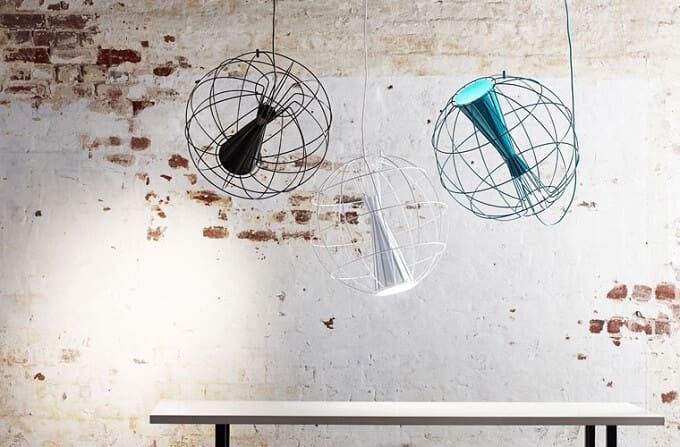
    Latitude is the latest project of Perth-based lighting designer Flynn Talbot, who creates intimate art pieces that enable viewers to feel transported while experiencing a sense of connectedness. A unique lighting piece that fuses industrial aesthetics with eye-catching detailing, flexible enough to activate room’s ambient, can become your favourite if you give it a chance. The lamp’s design speaks about interaction and the light impact on the surrounding space.

    Latitude-lamp-design

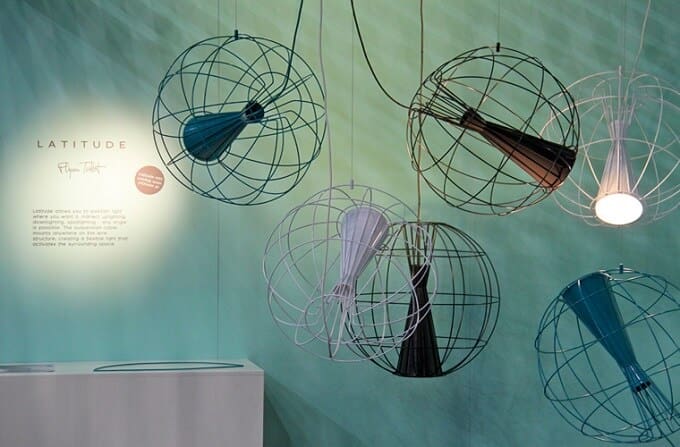
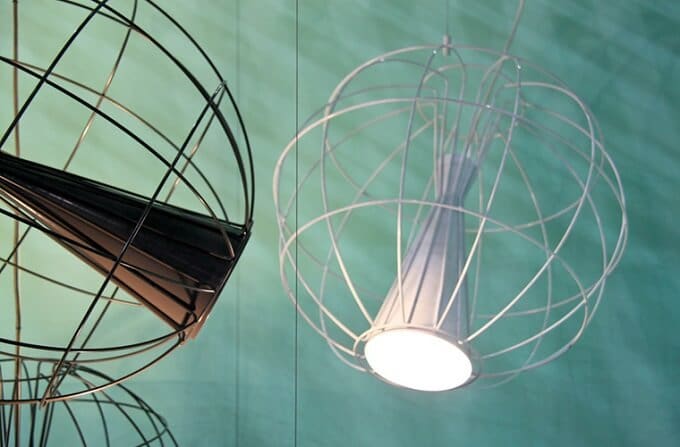
    This new pendant is a brilliant idea, allowing users to interact with it and change the light position according to their needs. Looking like a cage lamp, Latitude features an aluminium cone with a compact fluorescent and LED light source, surrounded by a circular cage of powder-coated steel.

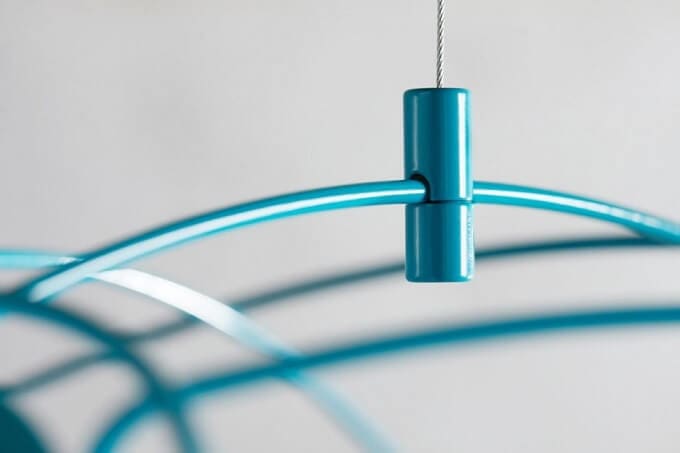
    The flexibility of the attractive design comes from the fact that the suspension cable can be mounted anywhere on the  steel structure, so users can obtain indirect uplighting, downlighting, spotlighting – any angle being possible. Practical and also pretty stylish, this interactive lamp is designed and manufactured in Western Australia by Talbot, being available in white, grey or teal. Latitude Mini will be soon available, so stay tuned!

    Hanging-pendant-light-detail

    Hanging-pendant-lights

    Flynn-Talbot-new-lighting-project

    Photos © Flynn Talbot

  • Zaha Hadid – World Architecture Exhibition Opens Today in Denmark

    Zaha Hadid – World Architecture Exhibition Opens Today in Denmark

    An exhibition experience beyond the ordinary is expecting you this summer at the Danish Architecture Centre, Denmark, between 29 June and 29 September 2013. The international star architect Zaha Hadid is having her first solo show in Scandinavia, which opens today at 6 pm. Celebrating her work, the exhibition “Zaha Hadid-World Architecture” is an invitation to discover the architecture’s universe through the eyes of one of the most sought after, admired and discussed architects in the world.

    Zaha-Hadid-architect

    Photo © Steve Double

    “Everything needs to be perfected, everything!” are the words of the first female architect who has received the prestigious Pritzker Architecture Prize – ‘architecture’s Nobel Prize’ in 2004. Zaha Hadid name is synonym with revolutionary experimentation and research, design innovation and implementation of stat-of-the-art technologies into a sensual and expressive form language, which today have become iconic for the vision of the future global architecture.

    Challenging the boundaries of architecture for more than 30 years, the Iraqi-British architect Zaha Hadid is one of the most sought after, admired and discussed architects in the world. Projects like the MAXXI: National Museum of 21st Century Art in Rome (2010), Guangzhou Opera House (2010), the BMW Central Building in Leipzig (2005), the Aquatics Centre for the London 2012 Olympic Games (2012), The Changsha Meixihu International Culture & Arts Centre  are excellent examples of her vision for fluid, dynamic and complex architectural structures.

    Supported by Realdania and Kvadrat, Zaha Hadid Architects teamed up with the Danish Architecture Centre and developed this extraordinary exhibition where visitors have the opportunity to experiment a world of amazing towers, floating shells, selected projects and design objects, which take shape in a bordless advanced digital and geometric universe. Moreover, an interactive installation that changes in form and expression according to visitors’ movements in space will certainly be something worth seen.

    There will be a pre-opening talk followed by the opening reception between 6-8 pm. For more other details, check out the Danish Architecture Centre’s website. 


  • Modern Take on a Traditional Japanese Style Restaurant

    Modern Take on a Traditional Japanese Style Restaurant

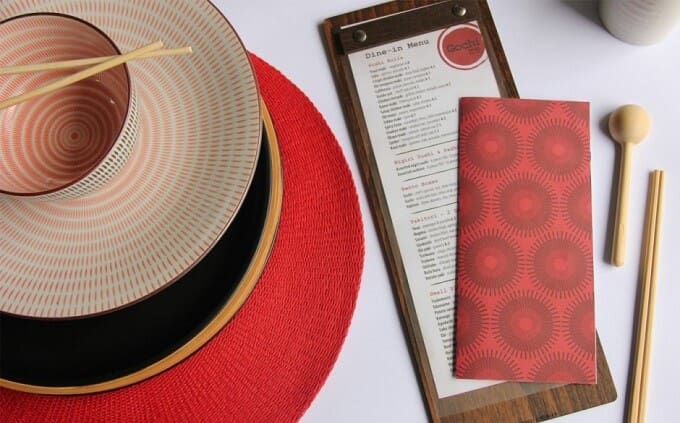
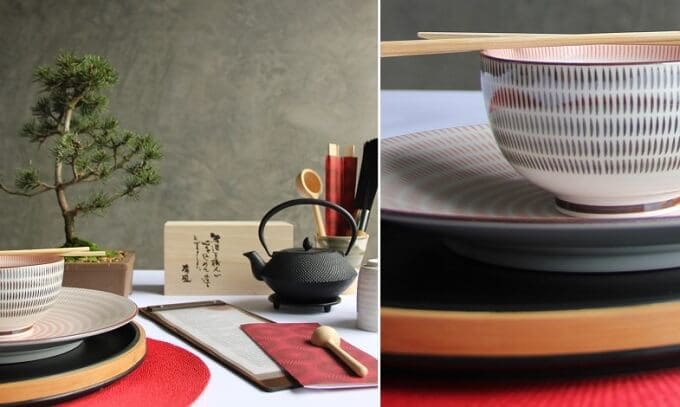
    Meet Gochi, an inspiring Japanese bistro that captures and surprises the senses with a variaty of exciting smaller dishes, sushi and delicious yakitori in a casual, relaxed setting. Located in Melbourne, Australia, Gochi Restaurant’s unique design approach was envisioned by creative practice Mim Design, specialised in the design of interior environments. Their considerable experience with many projects from retail, hospitality, residential and corporate, allow them to create original looking spaces like this one, that are refined both in form and detail.

    Japanese-menu

    Opened this year, Gochi Restaurant is part of Crown Entertainment Complex and although it’s seems to be tucked away in a corner in a middle of a passageway, it will pleasantly surprise you with the food, service, and peaceful atmosphere. The space is well planned and the combination between textured materials and simple yet bold color scheme, distinctive for traditional Japanese interiors, exudes warmth and coziness. Red floor to ceiling sliding doors provides transparency, a sense of mystery and intrigue to passers-by, but also an intimate kind of feeling while separate the restaurant from passageway.

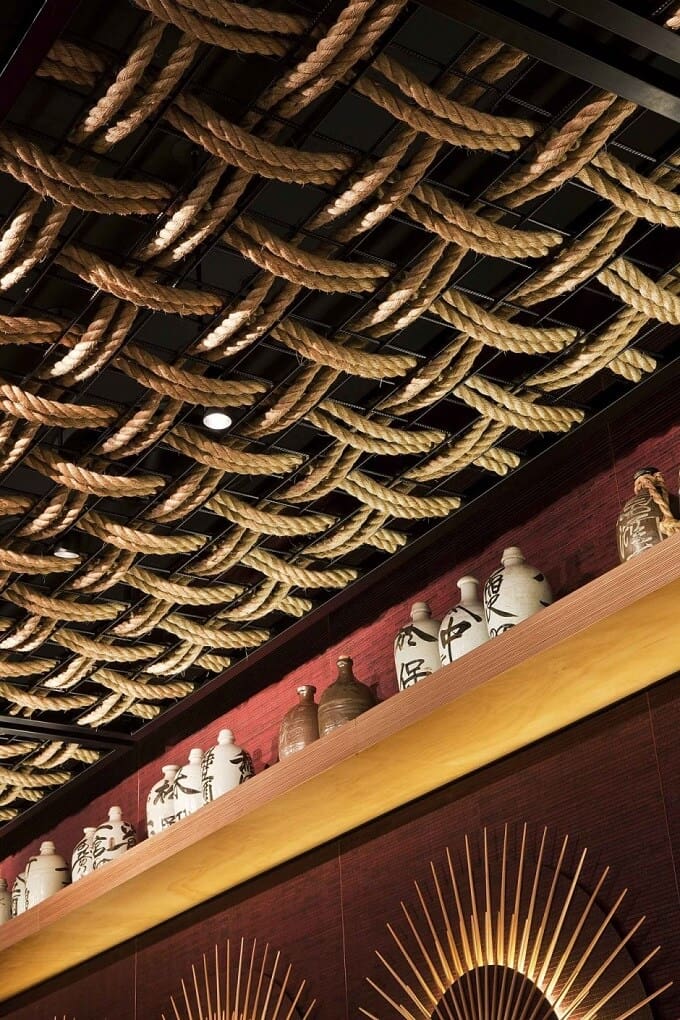
    Proof that you are experiencing a modern take on a traditional Japanese style restaurant are the creative and eye-catching design details such as some parts of the ceiling structure which are made up of interwoven ropes or well-known chopsticks were transformed into custom-designed lighting which scale the walls. Edgy, comfortable, personalized. The mix of warm timbers and black and red color palette makes the restaurant interior exhales a certain sophistication that resonate with its Asian style.

    Gochi-Restaurant-brand

    Black-and-white-interior

    Ceiling-design-detail
    Gochi-Restaurant-by-Mim-Design

    Gochi-Restaurant-detail

    Gochi-Restaurant-Melbourne

    Japanese-interior-for-restaurant

    Photos © Shannon McGrath & Mim Design


  • Zaha Hadid Architects to Build a New Public Transport System in Riyadh, Saudi Arabia

    Zaha Hadid Architects to Build a New Public Transport System in Riyadh, Saudi Arabia

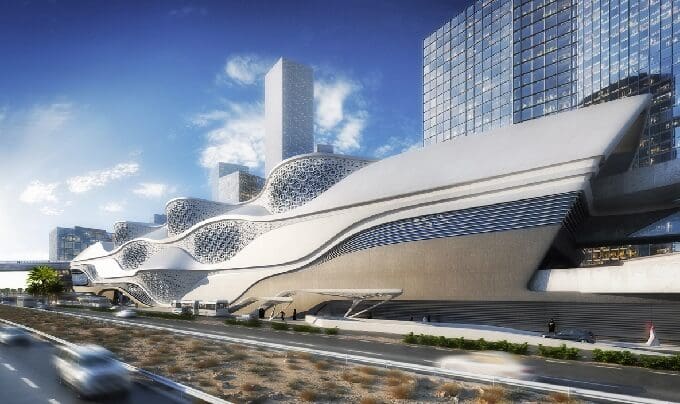
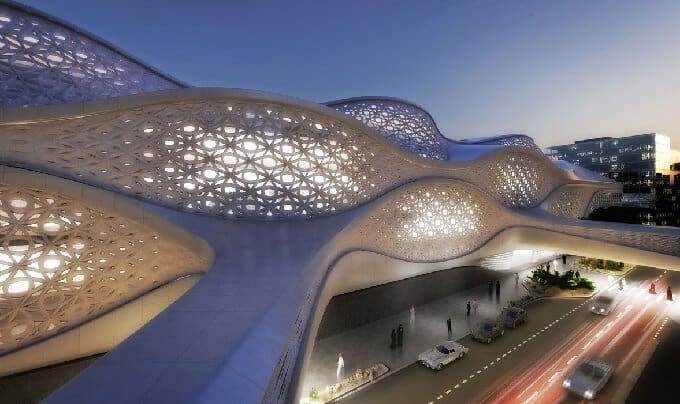
    Saudi Arabia’s biggest city, the capital Riyadh, has experienced a rapid growth since 1990, its population is now more than 5  million residents, two times higher than before, so current transport system maybe faces this situation with difficulty because at the end of 2012 the government announced to build a metro system in Riyadh and constituted a new Public Transport Commission in order to set out public transport services and private investment in the sector.  The project is progressing and ArRiyadh Development Authority revealed already details of the city’s public transport plans and said that the new King Abdullah Financial District (KAFD) Metro Station in Riyadh will be designed by the renowned and awarded Zaha Hadid Architects studio.

    Futuristic-architecture-in-Riyadh

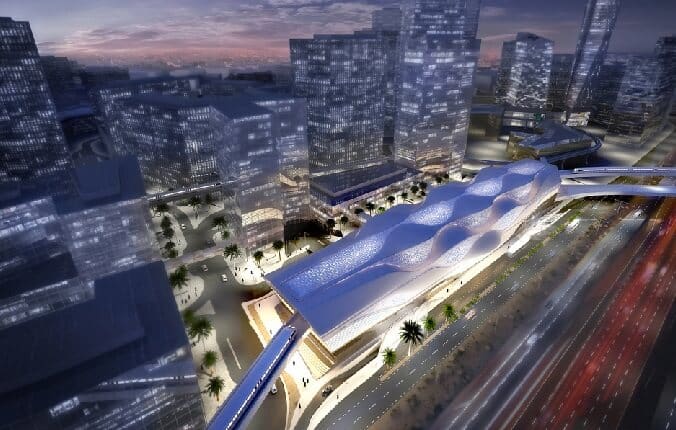
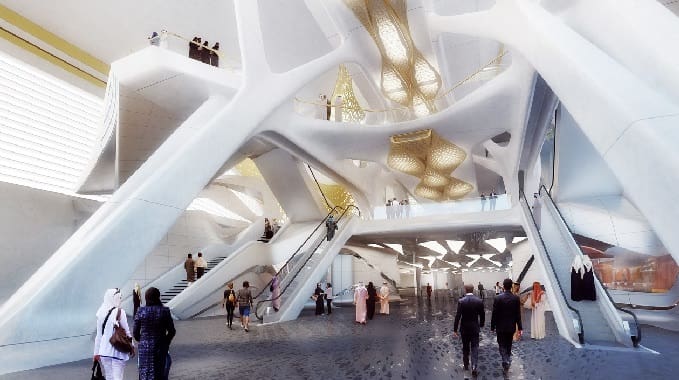
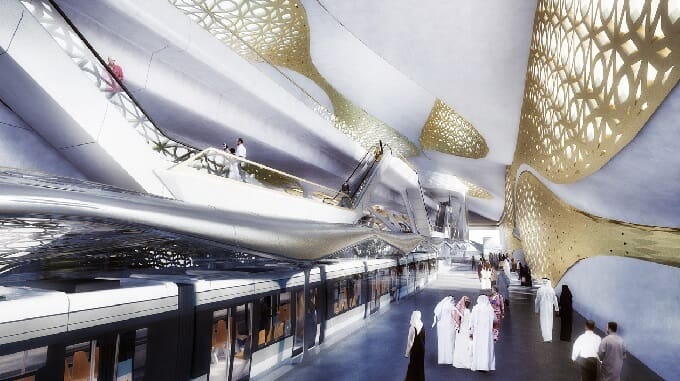
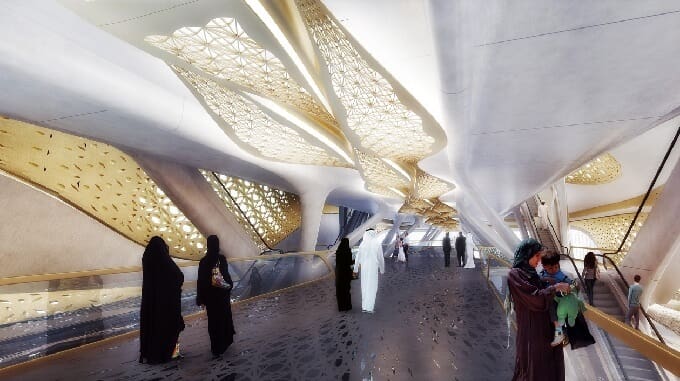
    Planned to be completed in four years, the ambitious project will be not only an intermediate place perceived through quick transitions which serves to city’s fast-growing population, but a powerful landmark, a dynamic and multi-functional public space highly anchored in the urban context of the financial district and responding to the Riyadh’s future vision. Six metro platforms featuring over four public floors and two levels of underground car parking will be of vital importance for the future public transport there.

    The new KAFD Metro Station seems that will act as a key interchange for three lines ( Line 1, Line 4 -for passengers to the airport) and Line 6). The station will also allow passengers to access the local monorail through a skybridge.  The KAFD master plan and the astounding design shows the metro station will be at the meeting point of a network of pathways, sky bridges and metro lines. To improve internal circulation and prevent congestion, they mapped its internal structure with all pedestrian and metro routes very clearly delimited.

    Metro-station-in-Saudi-Arabia

    Metro-station-architecture

    Its futuristic architectural concept is impressive and high-aimed seeing these images. The exterior building design resembling sand dunes generated by desert winds places the new KAFD Metro Station within its cultural environment. To generate the patterned façade with interesting geometric perforations, Zaha Hadid Architects will apply distinct subset of elements through symmetry, repetition and scaling. The outstanding design will be optimized by simplifying technical challenges but preserving its spatial quality. Take a look!

    New-Riyadh-metro

    Metro-station-interior

    New-Riyadh-metro-01

    Photos © Zaha Hadid Architects


    Project details:

    Project: King Abdullah Financial District Metro Station
    Location: Riyadh, Kingdom of Saudi Arabia
    Date: 2012 – 2017
    Client: ArRiyadh Development Authority
    Design: Zaha Hadid Architects
    Project Director: Gianluca Racana, Filippo Innocenti
    Project Architect: Fulvio Wirz, Gian Luca Barone
    Design Team: Alexandre Kuroda, Fei Wang, Lisa Kinnerud, Jorge Mendez-Caceres
    Structural Engineer: Buro Happold
    Services: Buro Happold
    Transport and Civil Engineering: Buro Happold
    Fire Engineering: Buro Happold
    Façade Consultant: NewTecnic
    Cost Consultant: Davis Langdon
    Size: 20,434 m2
    Levels: 4 above ground, 2 below ground (car parking)
    Metro Lines served: Line 1, Line 4, Line 6
    Skybridge access to monorail: (6 train plattforms)


  • The World’s Biggest and Unique Natural Flower Garden- Dubai’s Miracle Garden

    The World’s Biggest and Unique Natural Flower Garden- Dubai’s Miracle Garden

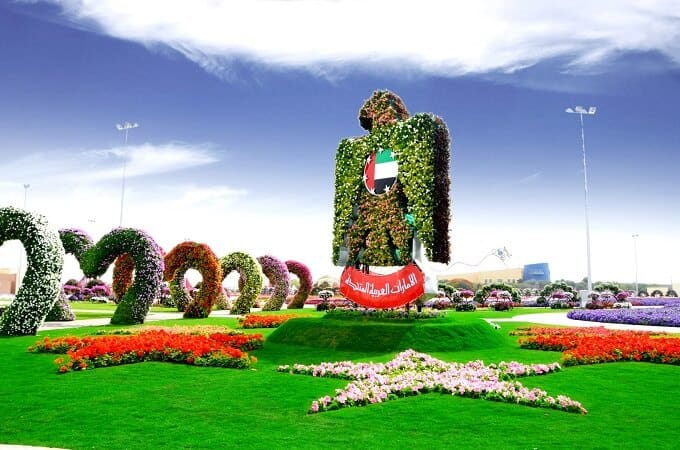
    Known for extremes in concrete and steel, specialized in superlatives and the unexpected, the leader in diverse and cultural tourist attraction, arid Dubai, fascinates visitors with its latest over-the-top attraction, the newly opened Dubai Miracle Garden. Part of DubaiLand Development Project, this absolutely stunning garden can be found in the North West Quadrant of Arabian Ranches interchange along Shiekh Mohammad Bin Zayed Road,  being opened between 9 a.m and 9 p.m.

    Blooming-flowers-wall

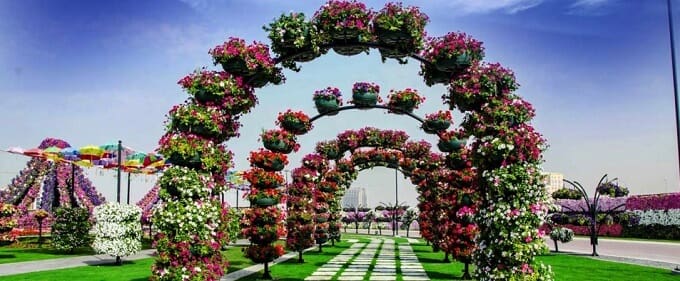
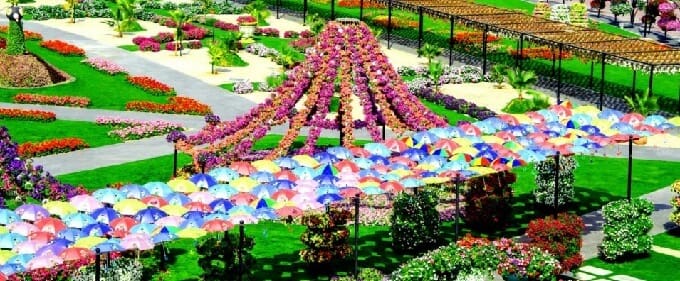
    Just imagine how it would be to walk through 45 million blooming flowers  in amazing designs, splendid patterns, shapes and mosaics, and alluring color combinations achieved through more than 30 different varieties of blooms, including petunias, geraniums and marigolds. It’s unbelievable! The unique 721,000 square foot garden with state of art landscaping features, hardscape features and related facilities (first aid room, prayer rooms, toilet blocks, restaurant, shops, sitting areas, rest areas etc.) was created in 60 days by 400 people and opened this year, on Valentine’s Day.

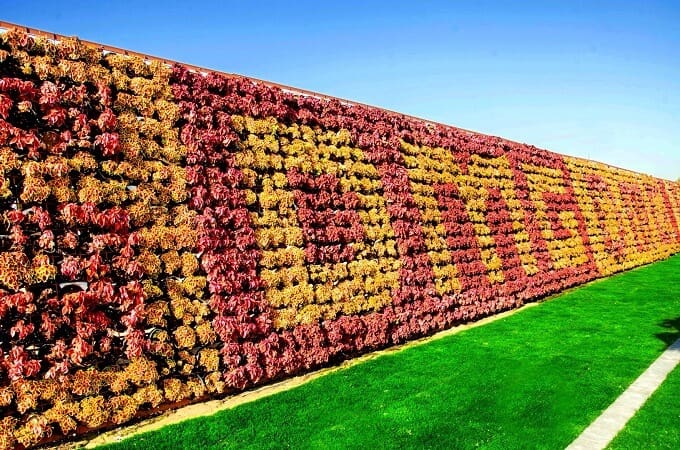
    The authors of this awesome concept are Akar Landscaping Services and Agriculture, who estimated the costs at around $11 million. Their goal was to develop the biggest flower garden in the world, a tourist attraction that actively participates in reducing carbon print globally for a more sustainable environment, and starting with 28 March 2013, this botanical masterpiece called  “piece of Eden” actually achieved the recognition as the “Largest Vertical Garden” in the World in Guinness Book of Records for having the logest flower wall.

    Flower-covered-arches

    The Miracle Garden is indeed one of a kind outdoor recreational destination not only in the region, but also in the world thanks to its size and unique display of natural blooming flowers, which will be changed each season so that repeat visitors will have a new experience each time. A right of colors as far as the eyes can see, this oasis could be a favourite place to visit for those yearning to spend time outside, flowers lovers, even couples and families on a day out. Blooms fashioned into the shapes of hearts, stars, igloos, pyramids and so on will offer sensory delights season after season, making us wonder how it was possible to develop something like this breathtaking garden in a region known for its dry, hot weather.

    The answer is that the blooming season in Dubai lasts from mid-October to mid-May, so winter in Dubai is the optimum growth period for flowers. In this way, the Miracle Garden is closed during the hottest period (summer) , thing that will allow organizers to redesign for the next season with other extravagant floral displays. Besides, the park features what it calls an eco-friendly irrigation system and uses water retention materials, like capillary mats and polymers, in order to supply moisture most efficiently.

    Whimsical-floral-designs

    During its 1st Phase, the Miracle Garden provides visitors state of the art services and facilities like VIP parking, sitting areas, prayer room, toilet blocks, ablution facility, security room, first aid room, carts for handicapped visitors, retails and commercial kiosk, following the 2nd phase in October this year with the addition of the Butterfly Garden and Aromatic Garden. By March 2014, Dubai’s Miracle Garden will be expanded with golf course, entertainment and recreational facilities too. Akar Landscaping Services and Agriculture have future plans to cover most of the Miracle Garden by a glass dome, so it will become a year-long destination with more than 1 million visitors per year. Check out some beautiful images and the video on the end of this post.

    Flower-covered-sculpture

    Dubai Miracle Garden

    Miracle-Garden-in-Dubai

     Photos © Dubai Miracle Garden


     Dubai’s Miracle Garden


  • The Ultimate Vehicle for Total Escapism -Vessel by Splinter Works

    The Ultimate Vehicle for Total Escapism -Vessel by Splinter Works

    We don’t know what is your definition for ultimate stylish relaxation, but we can show you how it looks like according to Splinter Works‘s vision. It’s called “Vessel”,  a name that might not stir your interest or your imagination, but if you take a look to the following pictures, they will definitely do. Reinterpreting the bathroom as a contemplative sanctuary for artful leisure, these talented designers created a stunning bathtub that will literally elevate the experience of bathing, whilst enhance your bathroom environment.

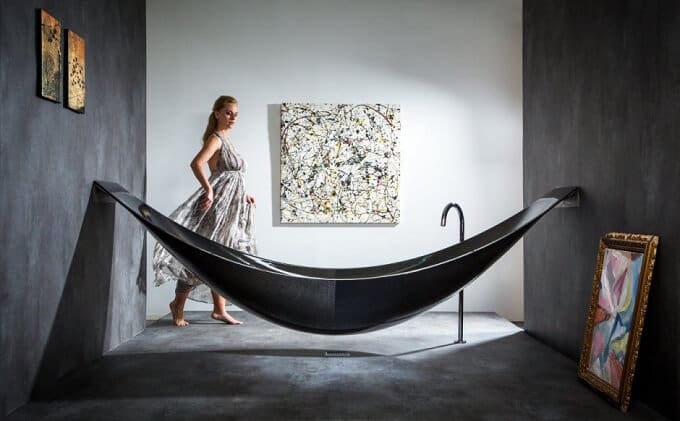
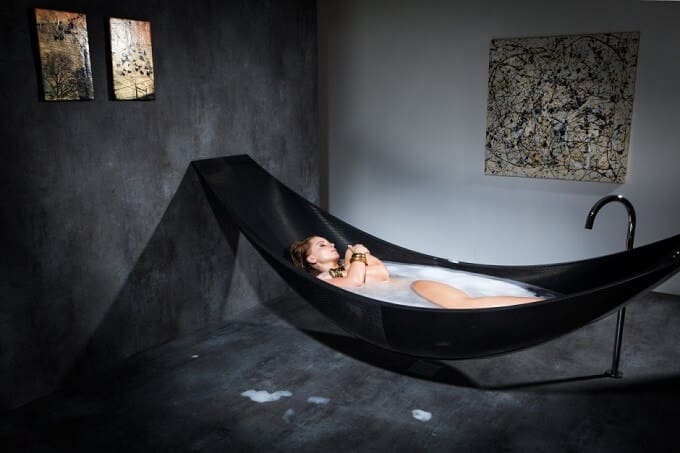
    Unlike anything we’ve seen before in a bathroom, this design is truly something unique and special. A suspended sculptural piece that promises both the cool experience of kicking-back in a hammock and the comfort of soaking in a hot bath.

    Limited-edition-bath-tub

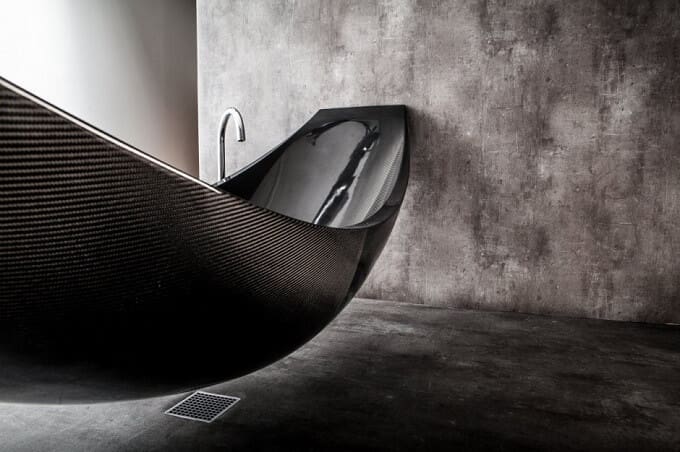
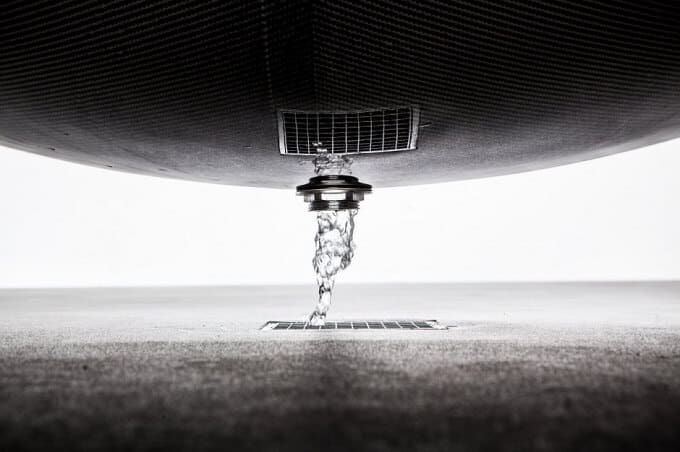
    Like other ambitious project signed by Splinter Works, Vessel is provoking, aesthetically beguiling, intelligently designed and a delight to use. The shapes of two compelling symbols of relaxation, a hammock and a bathtub, were ingeniously combined to achieve a functional bathtub for everyday use. Designed for use in a wet room, it’s 2.7m long and is made from carbon fibre due to its properties of turning into complex curves. The tub is insulated with a foam beneath the layers of carbon fibre, which means you can enjoy the hot bath longer than usually.

    Vessel’s hammock-like shape doesn’t touch the floor, being  fixed to walls with stainless steel brackets that can be covered over, or left revealed.  The bath is filled using a floor standing tap and the waste water released through the base into a floor drain. A downpipe drain can also be installed if a wet room setting is not possible. Its minimalist and artistic design with clean lines and curvaceous shape is really engaging and inspiring giving you the possibility to customised it by choosing other sizes, and personalized it through a variaty of bold colors: red, blue, yellow, pink, bronze and pure silver.

    Enjoy the pictures and check out also other extravagant bathtub designs we wrote on Designlike!

    Black-bath-tub-design
    Stilish-bath-tub-design

    Unique-bath-tub-design

    Bath-tub-detail

    Photos © Stéphane Rocher


  • New Contemporary Look for Agora Swiss Night Hotel

    New Contemporary Look for Agora Swiss Night Hotel

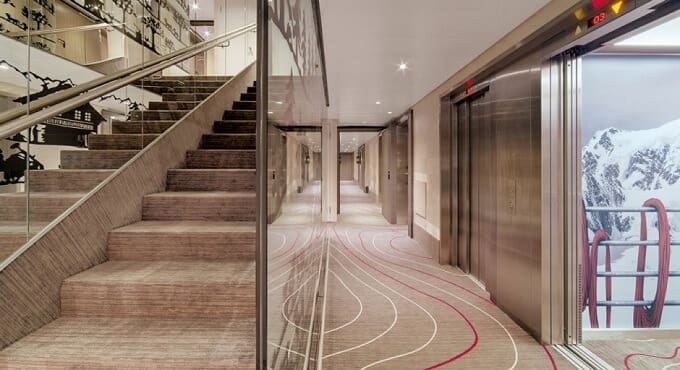
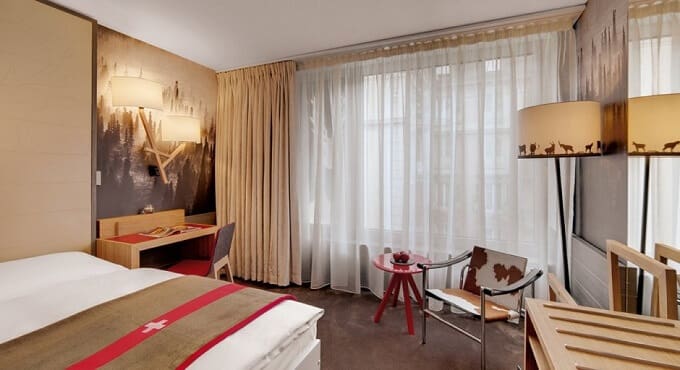
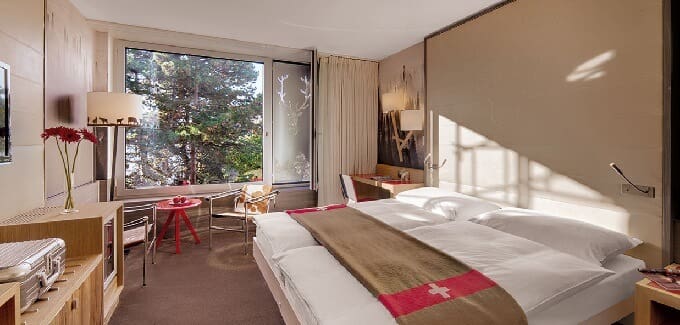
    Ideal location in the city center of Lausanne, panoramic views of the lake, the Alps, and the Jura Mountains, excellent facilities and service at an international 4 stars standard, topped with a bold, new contemporary look are prerequisites of a perfect trip or holiday- these are a few highlights of the newly renovated Agora Swiss Night Hotel, the legendary hotel of the ’70s created by by renowned Swiss hoteliers, the Fassbind family. Located in a quiet and green area, just minutes away from Lausanne main rail station, a nice park and botanical gardens, and 1 km from Lake Geneva, the Agora Swiss Night Hotel promises a  great Swiss night experience at best prices.

    Reception-design

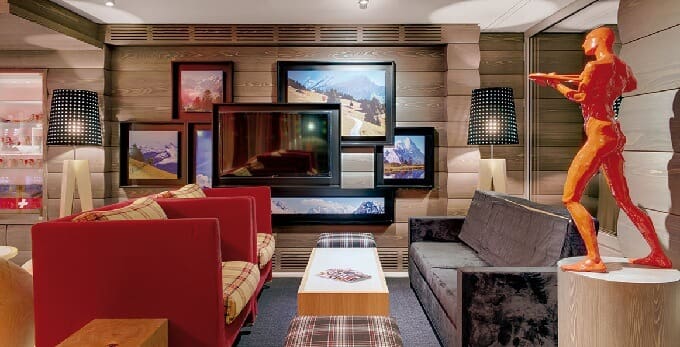
    The hotel’s short stay guests are now enjoying a completely new offer, where the fitting-out and design of the atypical and mythical Agora Hotel belongs to the Paris Studio Hertrich & Adnet, who came up with an interesting approach pleasing to the eye, embracing a warm, modern and yet unconventional atmosphere.

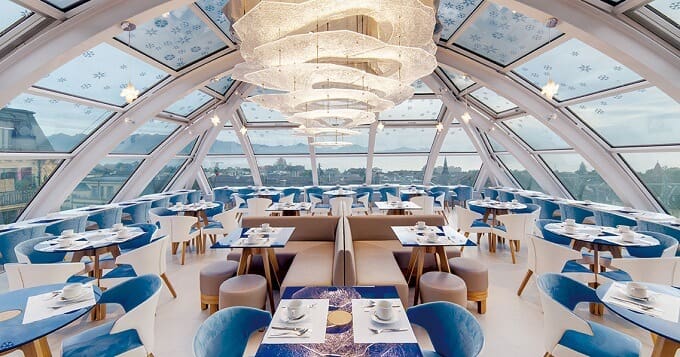
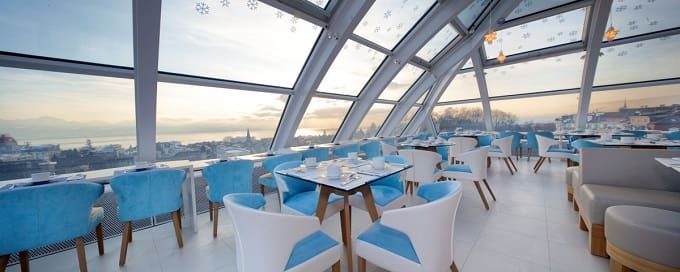
    Their goal was to achieve a contemporary look  at a certain kind of today’s Switzerland with a strong identity, inviting and funny. A blend of natural colors and light colored woods, accentuated with vibrant red, decorates the public areas and guestrooms creating that cocoons-like feel, while the top floor, where is situated the breakfast restaurant, is quite different being more bright, white and breezy.

    Agora-Hotel

    The entire layout is in fact an invitation to take a long mountains walk, the climbing to the heights  starting from the basement right to the top of the hotel. On the “road”, you’re pleasantly surprised with nice combination of traditional materials, plenty of Swiss motifs, winks of acknowledgement and anecdotes that elevate you from the basement where you find the modern spa and fitness zone through the village square which is a lovely lobby to the heights to find “refuge” in the neat and comfortable rooms with large windows overlooking the garden, air-conditioned, free Wi-Fi, flat-screen TV with 200 international channels and other optional facilities. Finally, at the top floor, you reach the “roof of the world” with the breakfast room with glasses all around, offering a stunning view over Lake Geneva. Take a look!

    Swiss-dining-experience

    Swiss-dining-experience-01

    Hotel's-hall

    Agora-Hotel-rooms
    Rooms-contemporary-design

    Photos © Fassbind Hotels


  • How to Get the New Minimalist Look in Your Home

    How to Get the New Minimalist Look in Your Home

    Minimalism has been tempting us with its clutter-free, pared-down sensibilities for decades, but for many of us, it’s long been a dream unrealised. Now, times are going to change! We bring you some simple steps to help you turn your home into a minimalist’s dream:

    Step one: identify how far you are from your goal

    1. You can do this by asking yourself a few questions:
    2. Do I get the feeling of being overwhelmed when I enter my house?
    3. Are my favourite belongings overshadowed by everyday items?
    4. Do I struggle to have a home that looks tidy?

    Minimalist-interior-design

    Photo © Christopher Simmonds Architect

    If you’ve answered yes to these questions, you need to get working on that minimalist dream. If not, why not read on for some tips to help you update the stylish simplicity you already have?

    Step two: picture your goal

    Use interior design magazines, other people’s homes and architecture you admire to inspire you towards an end result, then either make notes or create a mood board to help you keep that image in mind.

    Step three: the purge!

    This is where you get rid of everything you don’t need. It’ll be hard and you may need a friend to encourage you to part with some of your belongings, but keep your goal in mind. You don’t have to feel guilty about throwing things away, either – give any unwanted items to charity. You don’t even have to do it all in one go, take the time to see which items you use and enjoy seeing, and which you wouldn’t miss. On the other hand, you could try giving yourself a strict two minutes in each room to grab your most treasured possessions, then see what’s left on the shelf.

    Minimalist-bedroom-aesthetic

    Photo © Trend Design + Build

    Step four: the renaissance!

    Once you’ve got rid of your home’s superfluous bits and bobs, you’ll naturally want to be careful about what you bring into it. It’s a good idea to only let things in if they fit the following categories:

    Things that hide the essentials you had to keep:

    There are some things you simply have to have in your home, but they may not fit the minimalistic way of life. We’re talking about anything from books to clothes to household bills, and you’re going to need somewhere to put them. There are some great storage solutions around these days that’ll fit seamlessly into your home, giving you both storage and style.  For example, you can get sleek ottoman beds from Time4Sleep that lift up to reveal hidden storage space, while many modern homes have used the hidden spaces that are often overlooked during interior design, such as under the staircase, to provide them with somewhere to store the essentials while making a great style statement.

    Things that meet your image of your dream home:

     Light is one of the most important things in a minimalist home as it gives a sense of space and clarity, so be sure to choose window dressings that don’t shroud your rooms in shade. Semi-sheer voile curtains are ideal for providing some privacy, but if you can, leave windows bare.

    Simple or multifunctional furniture is a must. The aim is to have as little furniture in your home as possible, so stick with the essentials in simple, modern designs, choosing multi-purpose pieces wherever possible. A great example is a kitchen island that can serve as a workspace, breakfast bar and under-surface cupboard space, all in one.

    Step five: enjoy your clutter-free home!

    Minimalist-home-office

    Photo © Clifton Leung Design Workshop