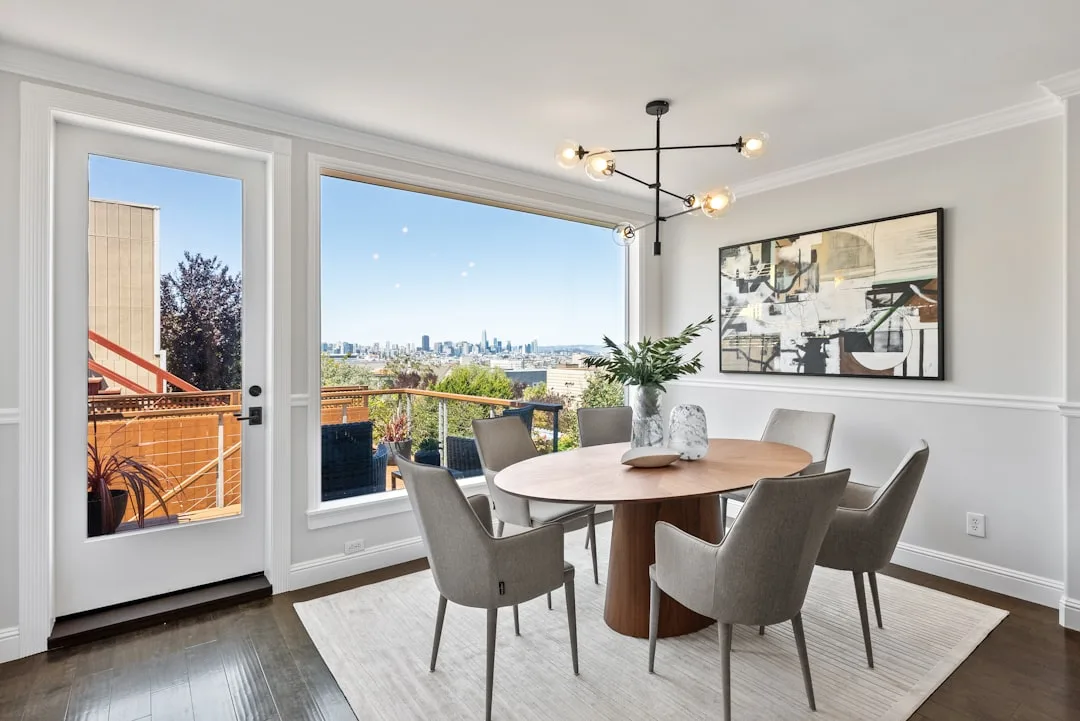
The table you’ve been avoiding — the round one — is almost certainly the only shape that will make your small dining room stop looking like a problem someone is trying to hide. A round table in a small dining room isn’t a consolation prize for people who couldn’t fit what they really wanted. It’s the geometrically correct answer to a specific spatial problem, and once you understand why, you’ll stop walking past them in showrooms. Choosing the right round table for a small dining room is one of the highest-impact decisions you can make in a compact home — and it’s almost always the one people delay the longest.
Quick Answer
The table you’ve been avoiding — the round one — is almost certainly the only shape that will make your small dining room stop looking like a problem someone is trying to hide.
I spent eleven years walking into dining rooms that didn’t work. Not because the homeowners had bad taste, but because they’d bought the wrong shape for the geometry they were living in. A rectangular table in a square room is one of the most common, most quietly miserable furniture mistakes I watched people make — and the fix was almost always sitting right there in the showroom, round and slightly unassuming, getting passed over for something that “looked more like a real dining table.”
Here’s what I know from watching rooms transform and collapse: shape is not aesthetic preference. Shape is spatial logic. And if your dining room is square or nearly square, the round table isn’t a compromise. It’s the answer the room was already asking for.
Why Square and Awkward Dining Rooms Actually Favor a Round Table
In This Article
- Why Square and Awkward Dining Rooms Actually Favor a Round Table
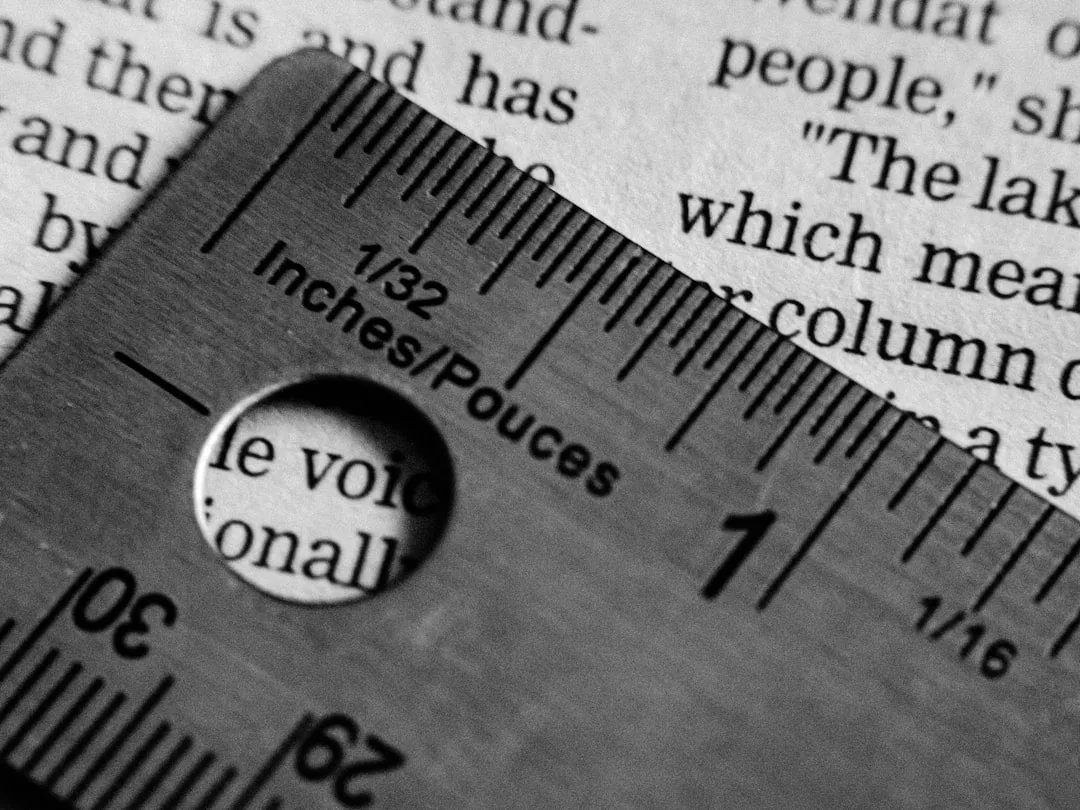
- The Diameter Decision: Picking a Size That Actually Fits Without Measuring Twice
- Pedestal vs. Four-Leg Bases: The Structural Choice That Changes How a Small Room Feels
- The Styling Decisions That Make a Round Table Feel Intentional, Not Improvised
Most people who come to me frustrated with their dining room think the problem is size. Not enough of it. They want more square footage, better light, a different layout — anything but the table sitting in the middle, which they’ve already mentally committed to.
But the table is always the problem.
A rectangular table placed in a square room creates dead geometry — corners of the room that become physically inaccessible without awkward sideways shuffling. The table runs parallel to two walls and too close to the other two, and everyone in the house learns to walk around the same four pinch points every single day. Nobody notices this consciously. They just describe the room as feeling cramped.
Here’s the spatial reality underneath that feeling: a square room under 10×10 feet loses roughly 4–6 square feet of usable floor space to unusable corner zones when you center a standard rectangular four-person table in it. That’s not a design opinion — that’s geometry. A round table in a small dining room, by contrast, reclaims most of that wasted area because its footprint expands outward equally in all directions, never driving hard into any single corner.
The traffic flow shift alone is worth the switch. Round tables have no sharp corners interrupting walking paths — a detail that sounds minor until you’ve lived with a bruised hip from a rectangular table edge for three years. Which two of my clients had done, separately, before calling me.
Visual logic plays into this as well. The human eye reads a round shape in a compact room as resolved. Finished. The room looks like someone made a decision rather than shoved furniture into a space and hoped. A rectangular table in the same room reads as slightly too large no matter its actual dimensions, because its parallel lines echo the wall lines and compress the space optically.
The room isn’t difficult. It was waiting for the right shape.
Why round works where rectangular fails — at a glance:
- No parallel lines competing with the walls, so the room reads as larger than it is
- Equal clearance on all sides means no single traffic path becomes a pinch point
- Corners of the room stay usable for storage, a buffet, or a drinks trolley
- Every seat has equal visual access to the room — nobody is facing a wall two feet away
- Children and older adults can move around a round table without catching edges or corners
- The shape naturally encourages conversation because no single seat is isolated at a “head”
Takeaway: Before measuring for a new table, identify your room’s shortest wall dimension. If it’s under 11 feet and the room is roughly square, start your search with round tables only.
The Diameter Decision: Picking a Size That Actually Fits Without Measuring Twice

The sizing mistake I see most often isn’t buying too large. It’s buying too small and then overcrowding the chairs to compensate, which produces a table that seats four people so tightly that nobody wants to eat there.
Start from the room’s shortest wall dimension, not the longest. That is your real constraint. The longest wall gives you hope; the shortest wall tells you the truth. A room that measures 10 feet by 12 feet is, for dining purposes, a 10-foot room — because the table must leave comfortable clearance on all sides, and the short dimension is always the one that runs out first.
Work backward from where the chairs actually land. A 42-inch diameter table with standard armless dining chairs needs at least 9 feet of total room width to feel comfortable rather than confined. Why? The chair itself takes roughly 20 inches of depth when seated in, you need 18–24 inches behind the chair for someone to slide out, and that math applies on both sides of the table simultaneously.
Interior designers commonly recommend that the table occupy no more than 40% of a room’s total floor area — not the tabletop alone, but the full footprint including chair pull-out zones. In a 10×12 foot dining room (120 square feet), that ceiling is 48 square feet total for the table-and-chair zone. Run those numbers against a few diameters before you go shopping.
One test I’ve used with clients that actually translates: the newspaper test. Fold a full broadsheet newspaper to roughly 14×11 inches and place one per seat on the table surface. If they overlap, the table is undersized for comfortable dining — people’s elbows will compete all meal.
The size hierarchy worth knowing:
- 36-inch diameter: Seats 2 comfortably, 3 in a pinch. Best for breakfast nooks and studio apartments, not primary dining rooms.
- 42-inch diameter: Seats 4 comfortably, 5 possible. The workhorse size for small dining rooms.
- 48-inch diameter: Seats 4 easily, 6 for occasions. The sweet spot for most small-to-medium dining rooms without overwhelming the space.
- 54–60-inch diameter: Seats 6 comfortably. Requires a room of at least 12×12 feet to breathe properly.
One thing competitors rarely tell you: pedestal bases change the effective seating capacity of any diameter. A pedestal 42-inch table seats the same number of people as a four-leg 48-inch because the legs on a four-leg base physically intrude on the legroom of the closest seat. If you’re working with a truly tight space, factor base style into your diameter decision before you finalize a number.
Before you buy, run through this checklist:
- Measure your room’s shortest wall dimension — that is your true ceiling
- Subtract 36 inches on each side for minimum chair clearance (48 inches is more comfortable)
- Calculate 40% of total floor area to set your maximum table-and-chair footprint
- Add 6 inches to the table diameter to account for chair overhang when seated
- Tape the final diameter on the floor with painter’s tape and live with it for a day before ordering
- Check the base style — four legs or pedestal — and adjust diameter accordingly
Takeaway: Tape the diameter of your prospective table onto the floor using painter’s tape, then pull chairs up to it. Walk around it. Sit at it. That five-minute test has saved more clients from expensive mistakes than any measurement formula I’ve given them.
Pedestal vs. Four-Leg Bases: The Structural Choice That Changes How a Small Room Feels
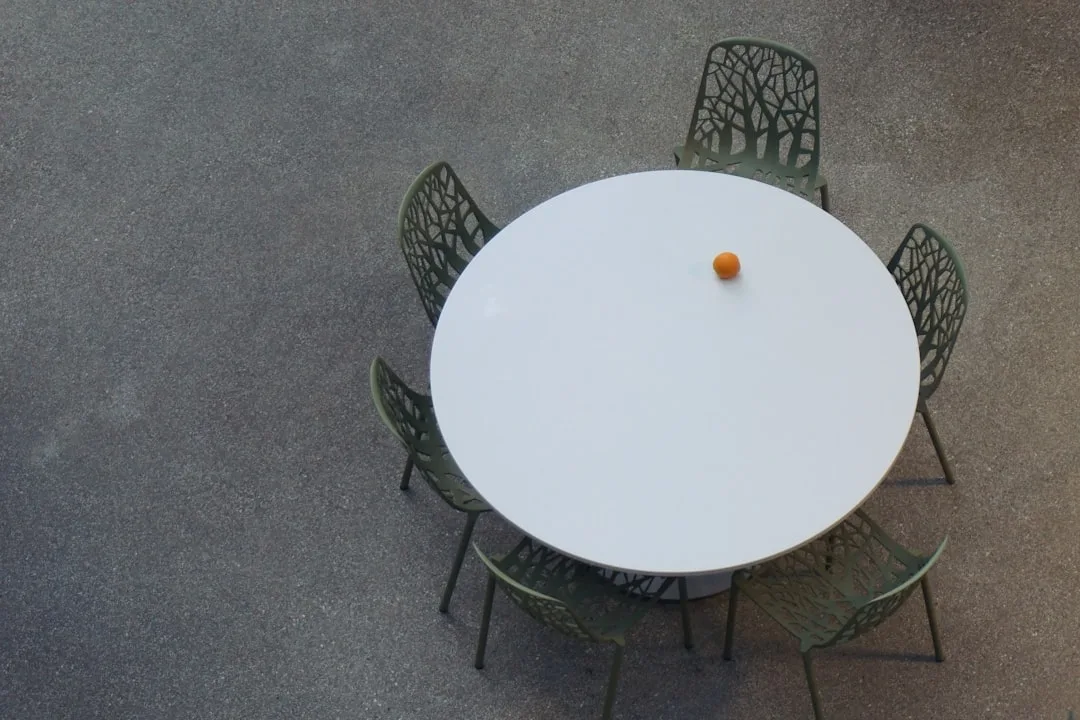
Nobody talks about this enough. The diameter gets all the attention, the base gets an afterthought, and then people wonder why their perfectly-sized table still makes the room feel heavy.
The base is doing spatial work the tabletop can’t do on its own. Furniture with visible floor clearance — legs, pedestal columns, anything that lets you see floor beneath the piece — can make a room appear up to 20% more spacious compared to furniture that sits flush to the ground. This principle applies directly to dining table bases, and the difference between a pedestal and a four-leg base in a small dining room is significant enough to affect how the entire room reads.
A pedestal base concentrates all the structural support at the center of the table. This does three things simultaneously:
- It frees every seat from leg interference. No one is straddling a table leg or angling their knees awkwardly because they drew the corner chair position.
- It maximizes visible floor area. The eye can travel all the way from the baseboard on one wall to the baseboard on the opposite wall without interruption, which reads as spaciousness even when the room is genuinely compact.
- It allows chairs to be tucked fully under the tabletop. When the table isn’t in use, the entire chair footprint disappears beneath the surface — a meaningful gain in a room where every square foot matters.
A four-leg base offers its own advantages: more stability for very large diameters, a more traditional visual reference point for certain room styles, and generally lower price points. But in a small dining room with a diameter under 48 inches, the pedestal is almost always the better spatial choice. The leg intrusion into the seating zone is a real constraint, not a stylistic concern.
What to look for when comparing bases:
- Single column pedestal: Maximum floor visibility, best for tight spaces, suits diameters up to 48 inches well
- Double or X-pedestal: More stability, handles larger diameters, still offers better legroom than four-leg designs
- Hairpin legs: Visually very light, works well with glass tops, but provides less stability for everyday family use
- Turned four-leg: Traditional, stable, best suited to rooms where the table is not the only large piece competing for floor space
- Trestle base: Works better for oval or rectangular tables; rarely the right call on a round table in a tight room
Material choices within those base styles also carry spatial weight. A matte black metal pedestal disappears against a dark floor. A natural wood pedestal in a light room holds visual weight without feeling heavy. A mirrored or polished chrome base can reflect floor space back into the room, which is a useful trick in particularly confined areas — though it reads as dated in some interiors, so pair it deliberately.
Takeaway: In a room under 120 square feet, choose a pedestal base before you settle on a diameter. The seating flexibility it buys you is often worth the equivalent of 4 additional inches of tabletop diameter.
The Styling Decisions That Make a Round Table Feel Intentional, Not Improvised
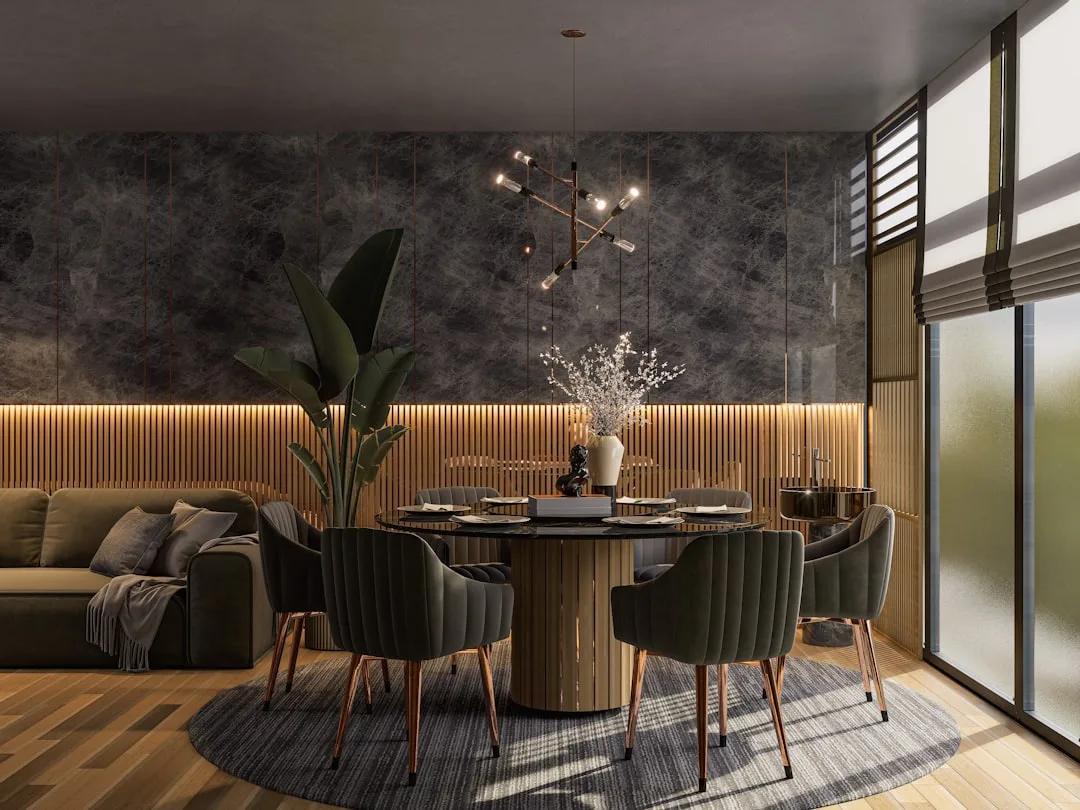
Getting the size and base right is structural. Getting the room to look like you meant it — that’s where most people stall, because they treat the round table as a solved problem the moment it’s in position.
It isn’t. A round table in a small dining room needs the rest of the room to confirm the choice. Here’s what that means in practice.
Lighting placement matters more with round tables than with rectangular ones. A rectangular table tolerates a light fixture that’s slightly off-center because the asymmetry is hard to detect. A round table is unforgiving — a pendant hung even two inches off the table’s center reads as a mistake. Before installation, mark the true center of the table’s position on the ceiling, not the room’s center and not the estimated position. Mark where the table actually sits.
Rug sizing for round tables in small rooms follows a different logic than for rectangular tables. The common advice — rug should extend 24 inches beyond the table on all sides — often produces a rug that dominates a small room entirely. In a compact dining room, 18 inches of extension is sufficient if the rug is round; 24 inches works if you choose a square or rectangular rug that anchors the room geometry deliberately. A round rug under a round table in a small room can feel self-referential in a way that reads as considered or as monotonous, depending on everything else in the room. Use that combination only if the other textures and shapes in the room are varied enough to offset it.
Chair selection carries more visual weight than people expect. Four identical upholstered chairs around a round table in a small room can read as heavy and static. Consider:
- Two upholstered chairs and two open-back chairs to vary visual density
- All matching chairs in a material that reads as light — cane, metal, or acrylic
- A bench on one side if the table is positioned near a wall, which reduces the number of pull-out chair zones you need to plan for
- Chairs with exposed legs rather than skirted bases — the visible floor beneath them extends the spaciousness effect
Color and material of the tabletop interact with room size in specific ways:
- Light wood tops in small rooms reflect ambient light and read as less imposing than dark finishes
- Glass tops create the least visual mass of any option but require more maintenance and show every mark
- Marble and stone tops add visual weight but also visual sophistication — use them when the room has enough height to absorb the heaviness
- Dark painted or stained wood works well in rooms with significant natural light; in low-light rooms, it can make the table feel like it’s absorbing the space
None of these are rules you must follow. They’re the patterns I’ve seen produce consistent results across rooms of similar dimensions. Break them deliberately when you have a reason. Follow them by default when you don’t.
Frequently Asked Questions
What size round table is best for a small dining room?
For most small dining rooms in the 9×10 to 10×12 foot range, a 42-inch to 48-inch diameter round table is the practical sweet spot. A 42-inch table seats four adults comfortably with appropriate clearance on all sides in a 9-foot-wide room. A 48-inch table adds occasional seating for a fifth or sixth person and works well in rooms that are at least 10 feet across. The most important measurement is not the diameter itself but the total footprint including pulled-out chairs — allow at least 36 inches of clearance between the chair back and the nearest wall, and 48 inches if people will be walking behind seated guests regularly.
Can a round table make a small dining room look bigger?
Yes, and the mechanism is specific rather than vague. A round table in a small dining room eliminates the parallel-line conflict that makes rectangular tables visually compress square rooms. When a table’s long edges run parallel to two walls simultaneously, the eye registers the room as a series of narrowing corridors. A round table breaks that pattern — no edges echo the walls, so the room reads as more open. A pedestal base compounds this effect by maximizing visible floor area. Lighter finishes, glass tops, and open-back chairs amplify it further. The combination of the right shape, base, and material can make a room read noticeably larger without changing a single structural dimension.
How much space do you need around a round dining table?
The minimum clearance between a round table’s edge and the nearest wall is 36 inches. This allows a seated adult to push back and stand without the chair hitting the wall, but it doesn’t leave room for someone to walk behind them comfortably. For a room that functions as a thoroughfare — where people pass through during meals — 48 inches of clearance is more realistic. In practice: take your room’s shortest dimension, subtract the table diameter, and divide the remainder by two. If that number is under 36 inches, the table is too large for the room regardless of shape.
Is a round table or rectangular table better for a small dining room?
For square and nearly-square rooms, a round table is almost always the better choice — not because of style preference but because of geometry. Rectangular tables create dead corner zones in square rooms that reduce usable floor space by 4–6 square feet, produce two pairs of tight wall clearances instead of even clearance on all sides, and optically compress the room through parallel-line repetition. A round table solves all three problems simultaneously. The exception is a dining room that is significantly longer than it is wide — a 8×14 foot galley-style space, for example — where a rectangular or oval table aligns with the room’s natural geometry rather than fighting it.
What style of chairs work best with a round table in a small dining room?
Open-back chairs — those with visible negative space in the back panel — reduce visual mass significantly compared to solid upholstered chairs. In a small dining room, this matters: four solid upholstered chairs around a 42-inch table can make the seating cluster feel like a single heavy object in the center of the room. Cane-back chairs, metal frame chairs with open backs, and acrylic ghost-style chairs all work well because they allow the eye to travel through the chair rather than stopping at it. If you prefer upholstered seating, choose a fabric that closely matches the wall color — the chair visually recedes rather than advancing, and the room reads as less crowded. Armless chairs are also preferable in tight rooms because arms add 2–4 inches of width per chair, which adds up when you’re placing four or six of them around a table with limited clearance.
What size round table is best for a small dining room?
For most small dining rooms in the 9×10 to 10×12 foot range, a 42-inch to 48-inch diameter round table is the practical sweet spot. A 42-inch table seats four adults comfortably with appropriate clearance on all sides in a 9-foot-wide room. A 48-inch table adds occasional seating for a fifth or sixth person and works well in rooms that are at least 10 feet across. The most important measurement is not the diameter itself but the total footprint including pulled-out chairs — allow at least 36 inches of clearance between the chair back and the nearest wall, and 48 inches if people will be walking behind seated guests regularly.
Can a round table make a small dining room look bigger?
Yes, and the mechanism is specific rather than vague. A round table in a small dining room eliminates the parallel-line conflict that makes rectangular tables visually compress square rooms. When a table’s long edges run parallel to two walls simultaneously, the eye registers the room as a series of narrowing corridors. A round table breaks that pattern — no edges echo the walls, so the room reads as more open. A pedestal base compounds this effect by maximizing visible floor area. Lighter finishes, glass tops, and open-back chairs amplify it further. The combination of the right shape, base, and material can make a room read noticeably larger without changing a single structural dimension.
How much space do you need around a round dining table?
The minimum clearance between a round table’s edge and the nearest wall is 36 inches. This allows a seated adult to push back and stand without the chair hitting the wall, but it doesn’t leave room for someone to walk behind them comfortably. For a room that functions as a thoroughfare — where people pass through during meals — 48 inches of clearance is more realistic. In practice: take your room’s shortest dimension, subtract the table diameter, and divide the remainder by two. If that number is under 36 inches, the table is too large for the room regardless of shape.
Is a round table or rectangular table better for a small dining room?
For square and nearly-square rooms, a round table is almost always the better choice — not because of style preference but because of geometry. Rectangular tables create dead corner zones in square rooms that reduce usable floor space by 4–6 square feet, produce two pairs of tight wall clearances instead of even clearance on all sides, and optically compress the room through parallel-line repetition. A round table solves all three problems simultaneously. The exception is a dining room that is significantly longer than it is wide — a 8×14 foot galley-style space, for example — where a rectangular or oval table aligns with the room’s natural geometry rather than fighting it.
What style of chairs work best with a round table in a small dining room?
Open-back chairs — those with visible negative space in the back panel — reduce visual mass significantly compared to solid upholstered chairs. In a small dining room, this matters: four solid upholstered chairs around a 42-inch table can make the seating cluster feel like a single heavy object in the center of the room. Cane-back chairs, metal frame chairs with open backs, and acrylic ghost-style chairs all work well because they allow the eye to travel through the chair rather than stopping at it. If you prefer upholstered seating, choose a fabric that closely matches the wall color — the chair visually recedes rather than advancing, and the room reads as less crowded. Armless chairs are also preferable in tight rooms because arms add 2–4 inches of width per chair, which adds up when you’re placing four or six of them around a table with limited clearance.