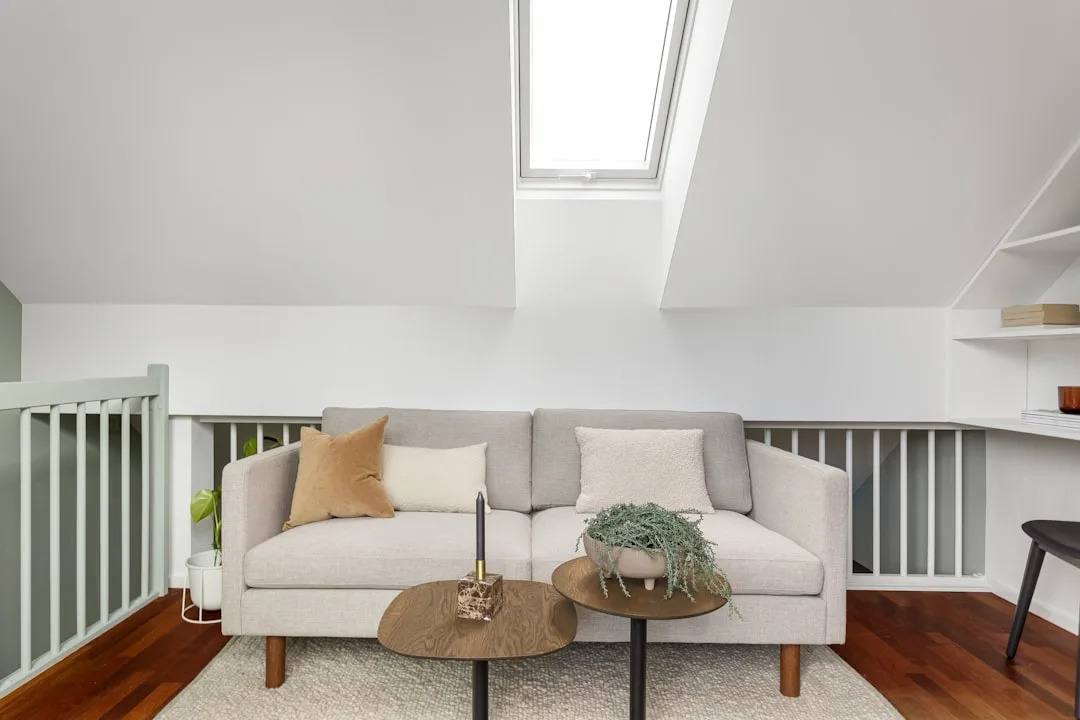
Most homeowners price their attic conversion twice — once before they open the ceiling, and once after, when the real costs introduce themselves. If you’re researching the turn attic into room cost before committing to anything, that instinct is exactly right. Understanding what drives the number — before a contractor ever walks through your door — is the difference between a budget that holds and one that detonates.
Quick Answer
Most homeowners price their attic conversion twice — once before they open the ceiling, and once after, when the real costs introduce themselves.
The second price is almost always higher. Not because contractors are dishonest — most aren’t — but because an attic conceals its problems until you’re committed enough that walking away feels worse than writing the check. I’ve watched this happen in client projects, and I’ve watched it happen to people who hired someone else first and called me when things went sideways. The pattern repeats with enough consistency that it has stopped surprising me.
What follows isn’t a list of national averages formatted into a table. It’s a diagnostic framework for understanding what your specific attic will actually cost, why that number will almost certainly shift once work begins, and how to build a budget that doesn’t detonate on contact with reality.
What Actually Drives the Turn Attic Into Room Cost
In This Article
- What Actually Drives the Turn Attic Into Room Cost
- How Much Would It Cost to Convert an Attic Into a Room? A Tier-by-Tier Breakdown
- A Quick-Reference Cost Summary
- Is It Worth Turning an Attic Into a Room? Run This 3-Part Test First
- Where Budgets Actually Break: The Hidden Cost Pattern
- Is It Worth Turning an Attic Into a Room? Run This 3-Part Test First
- How to Get a Quote That Actually Means Something
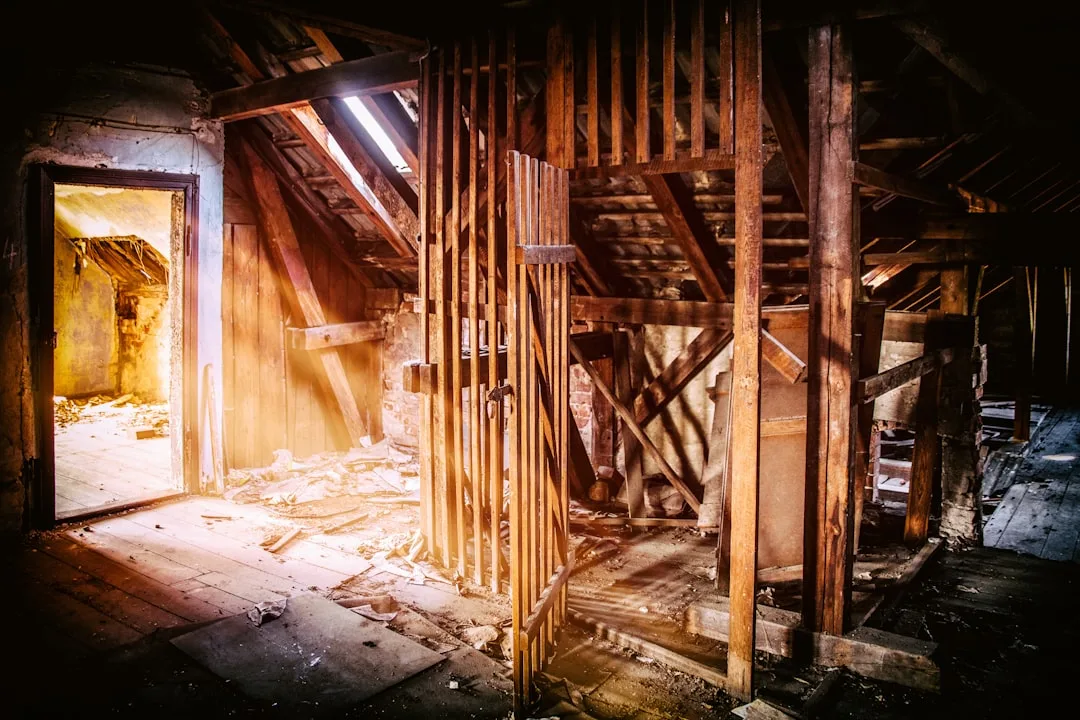
Before any contractor quotes you a number, four variables determine whether your project will land at $18,000 or $85,000. Most homeowners don’t know these levers exist, which is exactly why the second price always surprises them.
Structural condition is the single largest wildcard in any attic conversion. Attic floors are typically framed with ceiling joists — members designed to hold up drywall below, not human beings and furniture above. When those joists are undersized, you’re not looking at a minor fix. Sistering floor joists across a full attic footprint, or addressing a sagging ridge beam, runs $5,000–$15,000 before a single square foot of finish work begins. And you won’t know the true condition until a structural engineer walks through — which most early contractor bids don’t include.
Roof pitch is the variable that separates an exciting project from a disappointing one. Raw square footage tells you very little. A 4:12 pitch — meaning the roof rises four inches for every horizontal foot — can leave you with 40% less livable floor area than a 7:12 pitch in the exact same footprint. I had a client in Lincoln Park who assumed her 900-square-foot attic footprint would yield 900 square feet of usable space. It gave her 520. The room worked, but the expectation gap was painful.
Access is consistently underestimated. A pull-down attic stair is a storage solution, not a room access point — and replacing it with a code-compliant staircase, including the structural opening cut into the floor below, runs $3,000–$10,000 on its own.
Geography moves the needle more than most people expect. The identical scope of work priced at $28,000 in central Ohio can come in at $42,000 in coastal markets — a 30–50% swing driven entirely by local labor rates, permit requirements, and subcontractor availability.
The national average for a full habitable attic conversion sits between $40,000 and $60,000. But that number obscures a realistic range that spans from $10,000 (basic insulated storage room with drywall) to $95,000 or more for a dormered suite with an ensuite bathroom. The average is only useful if your project is average — which, once structural conditions enter the picture, very few are.
Actionable takeaway: Before calling a single contractor, measure your ridge height and photograph your floor joists. That 10-minute exercise will tell you whether your project opens with a foundation or a complication.
How Much Would It Cost to Convert an Attic Into a Room? A Tier-by-Tier Breakdown
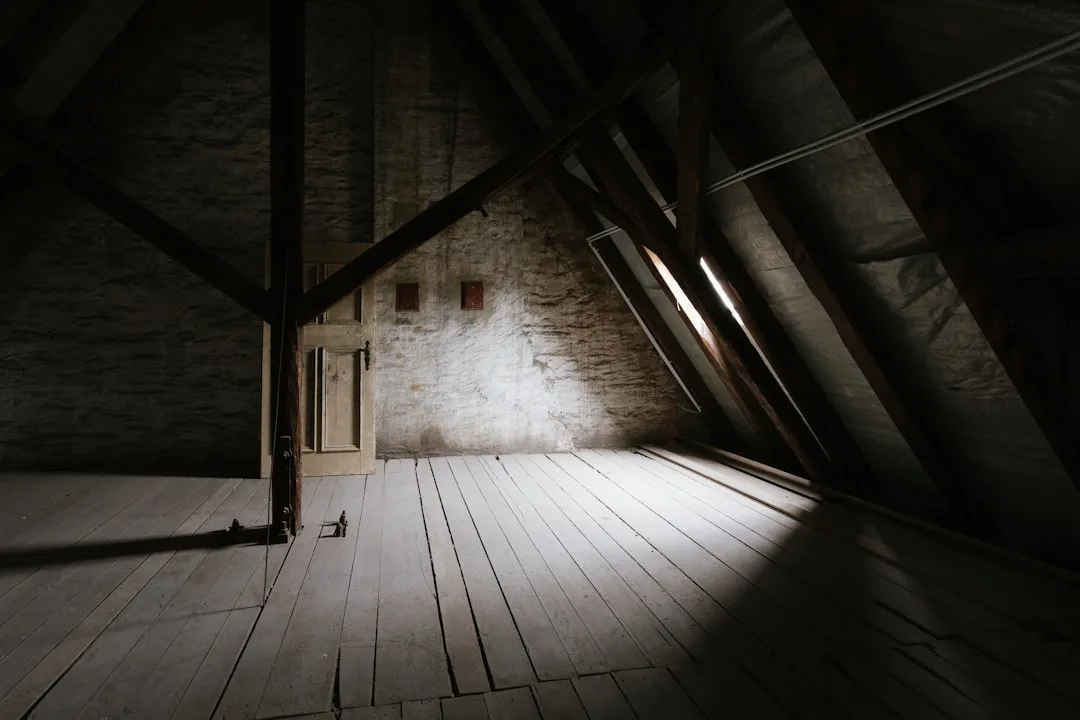
The question searchers type into Google is usually “how much does it cost to turn an attic into a room” — and most articles answer with a range so wide it could cover a bathroom renovation and a small addition simultaneously. The more useful question is: what are you actually trying to achieve, and what does that specific outcome cost?
Cost organizes itself around purpose, not square footage. Here’s how the tiers break down in practice:
Tier 1 — Finished bonus room: No HVAC extension, no plumbing, basic batt insulation, drywall, and flooring. This is the category for a hobby room, seasonal storage upgrade, or play space that won’t be climate-controlled independently. Budget: $10,000–$25,000. This works in mild climates or for spaces used intermittently. In Chicago or Minneapolis winters, it fails completely.
Tier 2 — Habitable bedroom or home office: Full HVAC extension or dedicated mini-split, egress window, closet rough-in, lighting circuit. This is where most residential projects land, and where most budgets get stress-tested. Budget: $25,000–$55,000. The electrical and mechanical work alone accounts for $8,000–$18,000 of that range.
Tier 3 — Dormered bedroom suite with ensuite bath: Structural modification, dormer framing, plumbing rough-in, tile work, fixtures. This is a significant construction project wearing a renovation’s clothing. Budget: $55,000–$95,000+. A single bathroom rough-in — just the plumbing, no tile, no fixtures — runs $3,000–$8,000 in most markets.
Three line items that almost never appear in early quotes:
- Electrical panel upgrade: If your home’s panel is already near capacity, adding a dedicated 20-amp circuit for HVAC and lighting in the attic may require a panel upgrade — $1,500–$4,000 that has nothing to do with the attic itself.
- Spray foam vs. batt insulation premium: Spray foam seals air gaps that batt cannot, which matters enormously in a space surrounded by roofline. The premium over standard batt installation runs $2,000–$6,000 — and in my experience, skipping it creates comfort problems within two winters.
- Soundproofing the attic floor: The ceiling below your new room is someone else’s bedroom or living room. Acoustic insulation between floor joists adds $1,500–$3,500 and is almost universally omitted from first-draft bids.
Cost per square foot runs $30 at the basic end and reaches $200 for a full dormer conversion — but the per-square-foot metric is genuinely misleading because usable attic area is rarely the same as the total footprint. Calculate your actual livable square footage first, then apply cost per foot. Otherwise you’re dividing by the wrong number.
Actionable takeaway: Identify your tier before contacting anyone. A contractor can’t give you a meaningful quote if you haven’t decided whether you need plumbing — and that single decision swings the budget by $20,000 or more.
A Quick-Reference Cost Summary
For homeowners who want to see the turn attic into room cost landscape at a glance before reading further, here’s how the numbers organize:
By project tier:
- Basic finished bonus room (no HVAC, no plumbing): $10,000–$25,000
- Habitable bedroom or office (HVAC, egress window, electrical): $25,000–$55,000
- Dormered suite with ensuite bathroom: $55,000–$95,000+
By common line item:
- Structural floor joist sistering: $5,000–$15,000
- Code-compliant staircase installation: $3,000–$10,000
- Egress window (cut and install): $2,500–$7,000
- Mini-split HVAC system (supply and install): $3,500–$8,000
- Spray foam insulation upgrade: $2,000–$6,000
- Bathroom plumbing rough-in: $3,000–$8,000
- Electrical panel upgrade (if required): $1,500–$4,000
- Acoustic floor insulation: $1,500–$3,500
- Dormer addition (structural): $15,000–$30,000
By geography (same scope, different markets):
- Central/Midwest markets: base price
- Mid-Atlantic and Southeast: +15–25%
- Coastal California, NYC metro, Pacific Northwest: +30–50%
These ranges assume a competent general contractor, permitted work, and no major hidden structural surprises — which is, admittedly, an optimistic baseline. The section below explains what pushes you toward the top of each range.
Is It Worth Turning an Attic Into a Room? Run This 3-Part Test First
Vague ROI language frustrates me more than almost anything in design writing — “it depends on your market” is technically true and completely useless. Here is a concrete three-part test I’d walk any client through before they authorized a dollar of design work.
Part 1: The headroom test. Grab a tape measure and go to your attic right now. Measure the clear height at the ridge — the tallest point. Building code requires a minimum of 7 feet 6 inches of ceiling height over at least 50% of the floor area for a space to be classified as habitable. If your ridge clears 8 feet or more, you’re working with a realistic project. If it measures 6 feet 8 inches at the peak, you’re either looking at a dormer addition to gain height, or a storage upgrade — not a bedroom.
Part 2: The permit and zoning test. Call your local building department before spending money on design drawings. Ask three specific questions:
- Does my zoning district permit additional habitable square footage via attic conversion?
- What egress requirements apply to a new sleeping room in my jurisdiction?
- Are there any deed restrictions, HOA rules, or historic district overlays that affect exterior modifications like dormers or new windows?
This call takes 15 minutes and can save you from designing a project that cannot legally be built. I’ve seen homeowners get three weeks into design drawings before discovering their historic district prohibited the egress window their bedroom legally required. That’s an expensive discovery.
Part 3: The comparable value test. Pull three recent sales of homes in your immediate neighborhood — within six blocks if you’re in a city, within half a mile in suburban areas. Find homes that have the finished square footage your attic conversion would add. Calculate the price-per-square-foot premium those homes commanded. Then compare that premium against your projected turn attic into room cost.
Here’s what that math typically looks like:
- Your home’s current value: $450,000
- Projected attic conversion cost: $45,000
- Added finished square footage: 350 sq ft
- Comparable homes with that square footage sell for: $510,000–$525,000
- Value added: $60,000–$75,000
- Net return: $15,000–$30,000 on a $45,000 investment
That’s a reasonable return — roughly 33–67% net gain on the investment. Not every market produces that math. In some overheated markets, the premium is higher. In stagnant markets, the conversion cost may exceed the value it adds. The only way to know is to run the actual numbers for your specific zip code, not a national average.
What kills the ROI calculation:
- Projects that require dormers to achieve usable headroom (cost jumps $15,000–$30,000 with limited additional value recovery)
- Adding a bathroom when comps don’t support a premium for that bathroom
- Over-finishing a space in a neighborhood where buyers won’t pay for premium finishes
- Structural surprises that push the project 30–40% over initial budget
Where Budgets Actually Break: The Hidden Cost Pattern
Most budget overruns in attic conversions follow a recognizable sequence. Understanding it in advance is more useful than any contingency percentage.
Week one of demo typically surfaces three categories of surprise:
- Joist undersizing discovered after demo: The structural engineer’s report said “monitor” — but once the subfloor is up, it’s clearly “sister everything.” Add $6,000–$12,000.
- Knob-and-tube wiring in the ceiling space: Common in homes built before 1950. Insurance companies often require full replacement before adding new circuits. Add $3,500–$8,000.
- Inadequate ventilation baffles: The existing roof ventilation was designed for unconditioned attic space. Converting to conditioned space requires a complete re-engineering of the ventilation strategy. Add $1,500–$4,000.
The three most common reasons projects run over budget:
- Scope creep driven by “while you’re in there” decisions (adding a bathroom after seeing the rough plumbing is right there costs significantly more mid-project than planned from the start)
- Permit revisions required after initial inspection (egress window placement, stair rise/run code compliance, smoke detector placement)
- Material lead times pushing project duration, increasing carrying costs and contractor availability conflicts
How to protect your budget before work begins:
- Get a structural engineer’s report ($400–$800) before finalizing your contractor bid, not after
- Ask every contractor to specify their allowances explicitly — “flooring allowance: $4/sq ft” tells you whether their number reflects your actual material selections
- Build a 20% contingency into your working budget, not your contractor quote — the contingency is yours, not theirs
- Require a fixed-price contract for all work within the current scope, with a documented change order process for anything discovered during construction
Is It Worth Turning an Attic Into a Room? Run This 3-Part Test First
(This section was previewed above — the full test appears there. The section below covers what to do once you’ve decided to proceed.)
How to Get a Quote That Actually Means Something
The average contractor bid for an attic conversion is an educated guess dressed up as a number. Here’s how to get something closer to a real price.
Before the first contractor visit, prepare the following:
- Photographs of your attic floor joists with a tape measure in frame showing joist depth and spacing
- Ridge height measurement (floor to ridge, taken at center span)
- Photos of your electrical panel with breaker labels visible
- A one-paragraph description of the room’s intended use (bedroom, office, playroom, bathroom included or not)
- Your timeline and any flexibility in it
Questions that separate contractors who know attic work from those who are guessing:
- How do you handle joist sistering if the existing members are undersized — is that included in your base bid or a change order?
- What HVAC solution are you recommending, and why?
- Who handles the egress window cut — your crew or a subcontractor, and is that in the number?
- What’s your process if knob-and-tube wiring is discovered after demo?
- Can you provide two references from attic conversion projects specifically (not general remodels)?
A contractor who hesitates on any of those questions is not the contractor for this project. Attic conversions are technically specific in ways that general remodelers routinely underestimate — and you pay for that underestimation in change orders.
Get three bids minimum. Not to find the cheapest, but to find the outlier. If two bids come in at $42,000–$46,000 and one comes in at $27,000, the low bidder has either missed something or is planning to find it later in change orders. Either way, that bid is not a deal.
Frequently Asked Questions About Attic Conversion Costs
What is the average turn attic into room cost for a standard bedroom?
A standard attic bedroom conversion — HVAC extension or mini-split, egress window, closet, electrical, insulation, drywall, and flooring — runs $25,000–$55,000 in most U.S. markets. The spread is driven primarily by structural condition, local labor rates, and whether the existing staircase is code-compliant. In high-cost coastal markets, the same scope routinely exceeds $60,000.
Does converting an attic into a room add value to a home?
Generally yes, but not dollar-for-dollar. A well-executed attic bedroom or office typically returns 50–75% of its cost in resale value, depending on the market and how the added square footage compares to neighborhood comps. The return improves when the conversion adds a bedroom that brings the home to a higher bedroom count tier (e.g., two-bedroom to three-bedroom), since buyers price that jump explicitly. Bathrooms added in attic conversions have more variable returns — they help in markets where bathroom count is scrutinized, and matter less where it isn’t.
Do I need a permit to turn my attic into a room?
In almost every jurisdiction, yes. Any work that creates habitable space — meaning it must meet code for ceiling height, egress, electrical, and HVAC — requires a building permit. Working without one creates liability when you sell, can void homeowner’s insurance claims related to the conversion, and may require you to remove unpermitted work if discovered during a future sale inspection. The permit cost itself is typically $500–$2,000 depending on the municipality and project scope, and it’s not optional.
How long does an attic conversion take?
A straightforward Tier 2 conversion — habitable bedroom, no dormer, no bathroom — typically runs 6–10 weeks from permit approval to final inspection. Dormer additions add 3–6 weeks. Structural surprises discovered during demo can add 2–4 weeks regardless of tier. Permit timelines vary significantly by municipality — some issue permits in 2 weeks, others take 8–12 weeks. Build that variability into your project schedule before assuming a move-in date.
What’s the minimum ceiling height required for an attic bedroom?
Building code in most U.S. jurisdictions (following IRC standards) requires a minimum ceiling height of 7 feet 6 inches over at least 50% of the floor area, with no point of the ceiling dropping below 5 feet in the occupied area. Some local codes vary slightly. The critical measurement to take before any planning begins is your ridge height at the center of the attic span — if it doesn’t clear 8 feet, you’ll either need a dormer to gain height or accept that the space will function as a bonus room rather than a code-compliant bedroom.
Can I convert an attic into a room myself to save money?
Partially. Finish work — painting, flooring installation, trim — is within reach for a capable DIYer and can save $3,000–$8,000. Structural modifications, electrical work, plumbing, and HVAC must be permitted and typically inspected, which in most jurisdictions means licensed contractors. Attempting structural or mechanical work without permits doesn’t just risk a fine — it creates a disclosure liability that can complicate or kill a future home sale. The most effective DIY strategy is to handle finish work after licensed trades have completed and passed inspection.