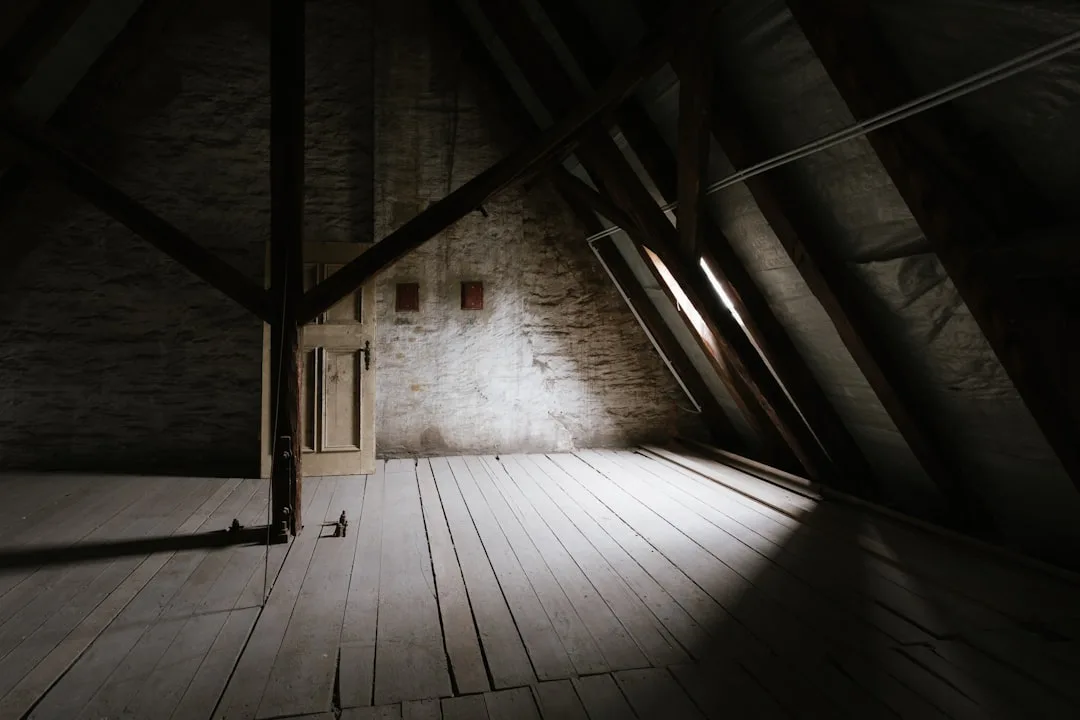
Most attic conversions fail inspection not because of bad design choices — but because of a single floor joist calculation the homeowner never thought to check before spending $30,000. And that’s precisely why turning an attic into a room deserves a clear-eyed structural review before anything else.
Quick Answer
Most attic conversions fail inspection not because of bad design choices — but because of a single floor joist calculation the homeowner never thought to check before spending $30,000.
That’s not a scare tactic. That’s the pattern I kept seeing across eleven years of working with clients who came to me after the fact, standing in a half-finished attic that couldn’t pass a rough-in inspection because the ceiling joists rated for 10 pounds per square foot simply weren’t built to hold a bed, a dresser, and two adults arguing about throw pillows. The space looked beautiful. The structure was a liability.
This guide exists to prevent that. Not to sell you on the romance of an attic room — though done right, they are genuinely among the most characterful spaces in any house — but to walk you through every layer of this project before you’ve committed a dollar to it.
Is It Worth Turning an Attic into a Room? (Honest Answer)
In This Article
- Is It Worth Turning an Attic into a Room? (Honest Answer)
- The 7 and 7 Rule for Attics Explained (and Why It Kills Most Plans)
- How Much Does It Cost to Convert an Attic into a Room?
- Room-by-Room Reality Check: What Works in an Attic
- What Most Attic Conversion Guides Don’t Tell You
- How Much Does It Cost to Convert an Attic into a Room?
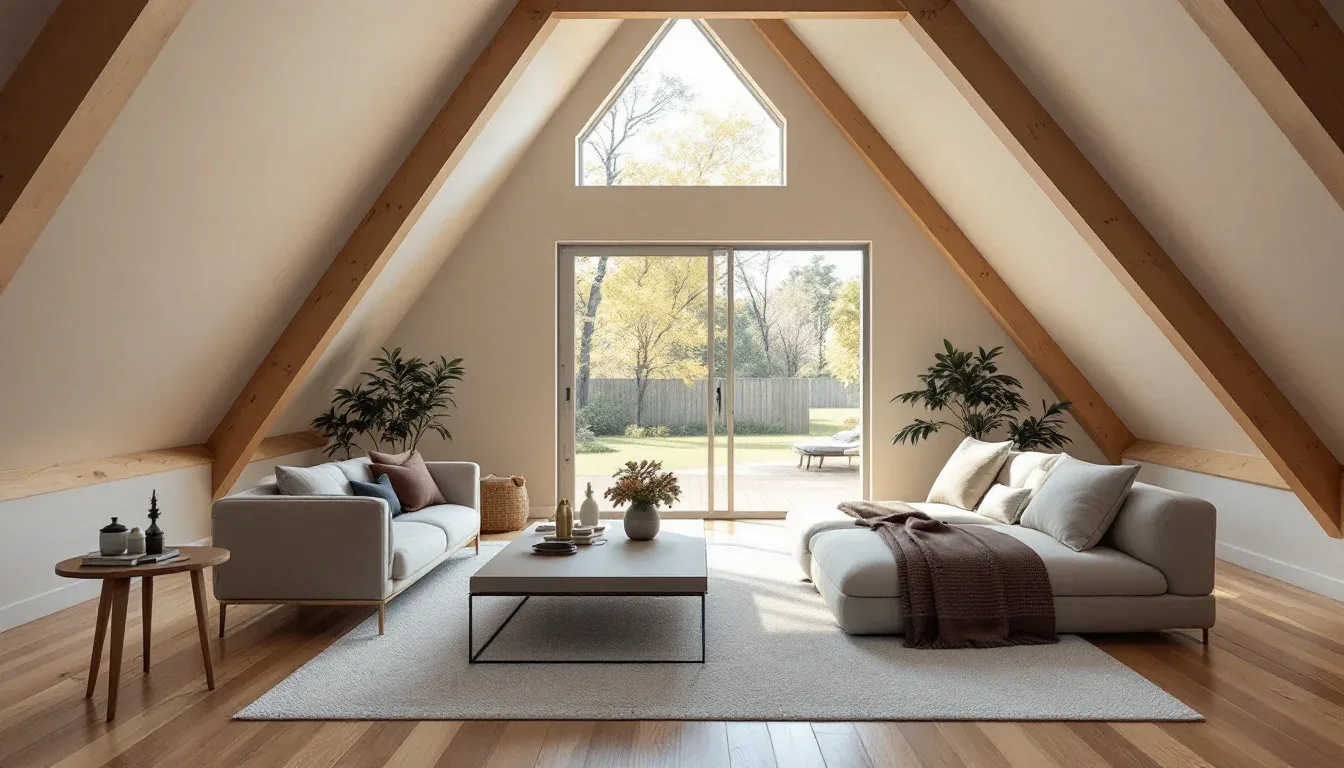
Financially, the answer is nuanced in a way most renovation content refuses to be. According to Remodeling Magazine’s Cost vs. Value Report, an attic bedroom conversion returns roughly 56% of project cost at resale on average nationally — which means if you spend $50,000, expect to recover around $28,000 when you sell. That number shifts meaningfully based on your region, the quality of the finish, and whether the converted space actually adds a legal bedroom versus an unclassified bonus room.
So when does it make sense? When your family has genuinely outgrown your square footage and moving would cost you more than converting. When you have no basement, no viable addition footprint, and no tolerance for the disruption of a full rear extension. When the local housing market rewards extra bedrooms aggressively — which in dense urban markets, it often does.
When it doesn’t make sense is equally important to say out loud. If you have a finished basement already, that’s almost always a cheaper path to extra square footage. If your attic has minimal headroom and no viable dormer solution, you’ll spend a significant portion of your budget just making the space legally habitable. And if you’re converting for resale value alone, the math rarely works in your favor unless you’re in a high-demand market.
The distinction I’d push you to make before anything else is emotional value versus financial value. A home office in an attic with skylights and built-in shelving might be worth every dollar to someone who works from home daily — even if it never returns its cost at resale. An extra bedroom in a neighborhood where four-bedrooms sell for 20% more than three-bedrooms is a different calculation entirely.
Structural feasibility, though, is the real first filter — not what you want the room to be, not what it will look like on Zillow, but whether your existing roof structure can support the conversion at all. Everything else is downstream of that. Turning an attic into a room that actually passes inspection means understanding that filter before you spend anything on design or finishes.
Actionable takeaway: Before you price anything, get a structural engineer to assess your attic. The $300–$700 assessment tells you whether this project is viable at all — and that answer shapes every budget conversation that follows.
The 7 and 7 Rule for Attics Explained (and Why It Kills Most Plans)
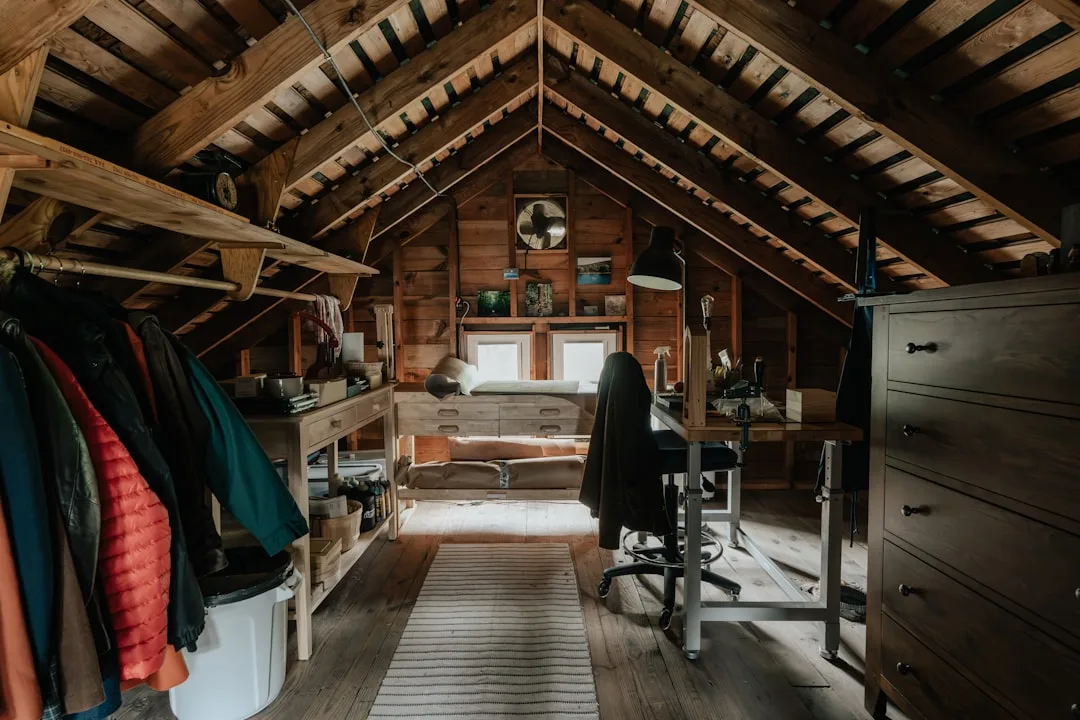
Here’s the blunt reality of attic conversion: most residential attics in America were never designed with human habitation in mind. They were designed to house ductwork, insulation batts, and the occasional holiday box. The 7-and-7 rule — at least 7 feet of vertical clearance over at least 7 feet of floor width — is the threshold most building codes use to define habitable space, and a majority of standard attics don’t clear it without structural modification.
IRC Section R305.1 requires a minimum ceiling height of 7 feet for habitable rooms, and most municipalities adopt this directly. The rule extends into what’s sometimes called the 7-7-70 requirement: 70% of the finished floor area must meet that 7-foot clearance. That last piece is what catches people — your ridge beam might clear 8 feet at the peak, but if the sloped ceilings drop below 7 feet quickly and your attic footprint is modest, you may only have 40% of the floor area that actually qualifies.
How to measure correctly:
- Measure from the finished floor surface (after any subfloor build-up), not from the existing raw joists
- Measure ridge beam height to determine your maximum, then walk outward toward the eaves to map where clearance drops below 7 feet
- Mark the 7-foot perimeter on the floor with tape — what’s left inside that tape is your usable habitable floor area
- Apply the 70% calculation: if your total floor area is 400 square feet, 280 square feet must sit within that 7-foot zone
When you fall short, there are three real options. Adding shed dormers — a single horizontal dormer that replaces a section of sloping roof with a nearly-vertical wall — recovers the most floor space per dollar spent and is the most common fix for genuine square footage deficits. Gabled dormers are smaller, more architecturally detailed, and add light and charm without dramatically increasing floor area; they’re appropriate for adding a window to a defined nook rather than solving a headroom problem. Raising the roofline entirely is structurally intensive, expensive, and almost always requires full planning review — it’s a last resort, not a standard solution.
Some attics are genuinely better served by a hybrid approach: habitable floor area in the usable zone, built-in storage and knee-wall cabinetry in the eave zones where clearance is too low to stand. That’s not a consolation prize. Done well, it produces rooms that feel more intentional than a standard rectangular box.
Actionable takeaway: Measure your attic with a tape measure and chalk line before you call a contractor. If 70% of your floor area doesn’t clear 7 feet, price a shed dormer alongside your conversion quote — without that number, you’re estimating blind.
How Much Does It Cost to Convert an Attic into a Room?
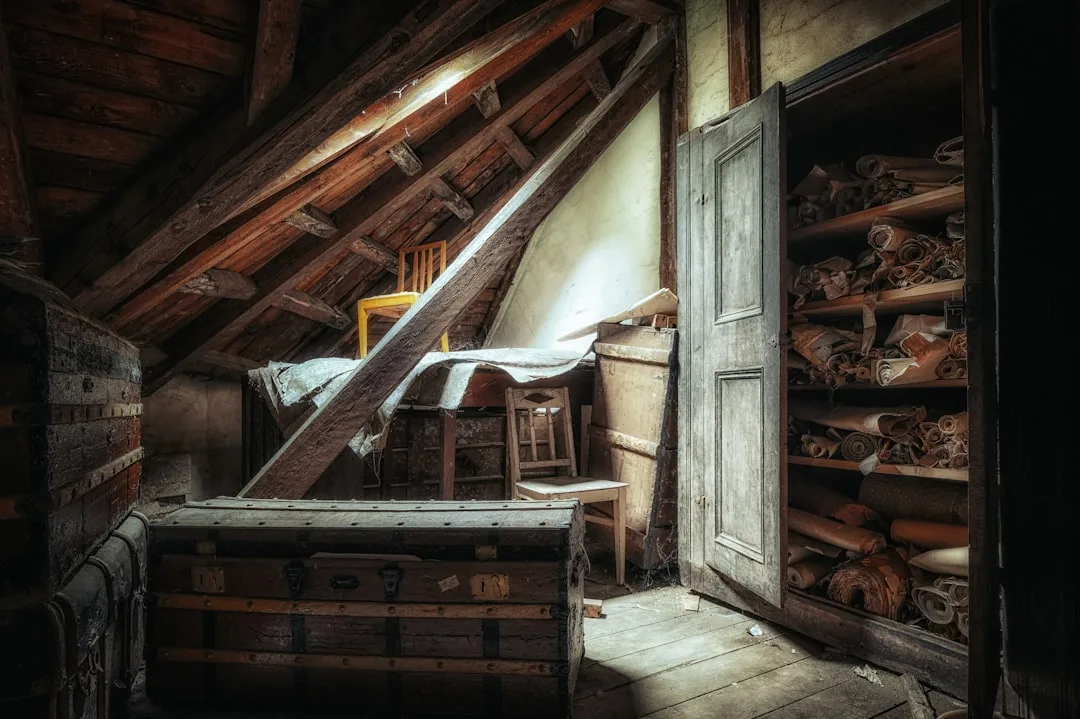
The recycled “$20,000 average” figure you’ll find in most conversion guides is nearly useless. It blends projects so different in scope that the number tells you nothing about what your project will cost. A rough-framed attic with existing subfloor being finished cosmetically is a completely different undertaking from a structural conversion with a dormer addition, a new staircase, and a dedicated mini-split system. The honest baseline range is $15,000 to $85,000+, and the spread exists because the variables are enormous.
Here’s where the money actually goes, broken down by category:
- Structural reinforcement (sistering joists, adding collar ties, point loads): $3,000–$15,000 depending on existing conditions
- Staircase installation: $3,000–$10,000 depending on configuration — pull-down ladders do not meet code for habitable rooms in most jurisdictions, so budget for a proper fixed stair with adequate rise-and-run dimensions
- Dormer addition (if required): $15,000–$35,000 for a shed dormer; $10,000–$20,000 for a single gabled dormer
- Insulation and air sealing: $2,000–$6,000 — attic thermal performance is one of the most under-budgeted line items on these projects
- Electrical: $2,500–$6,000 for a new circuit, outlets, lighting, and egress requirements
- HVAC: $3,000–$8,000 for a ductless mini-split system, which is the most common and practical solution for attic spaces that sit outside the home’s existing duct network
- Egress window or skylight (required for bedrooms): $1,500–$4,500 installed
- Drywall, flooring, trim, and finish work: $5,000–$15,000 depending on materials and ceiling complexity
The variables that shift these numbers most dramatically: whether your joists need full sistering (expensive) or minor reinforcement (manageable); whether a staircase can be carved from existing floor area below or requires reconfiguring a hallway; and whether your climate demands spray foam insulation at the roofline versus less expensive batt solutions.
Actionable takeaway: Build your budget in layers — structural and mechanical costs first, finish costs second. Contractors who quote finish costs without having assessed structural needs are giving you a number that will change.
Room-by-Room Reality Check: What Works in an Attic
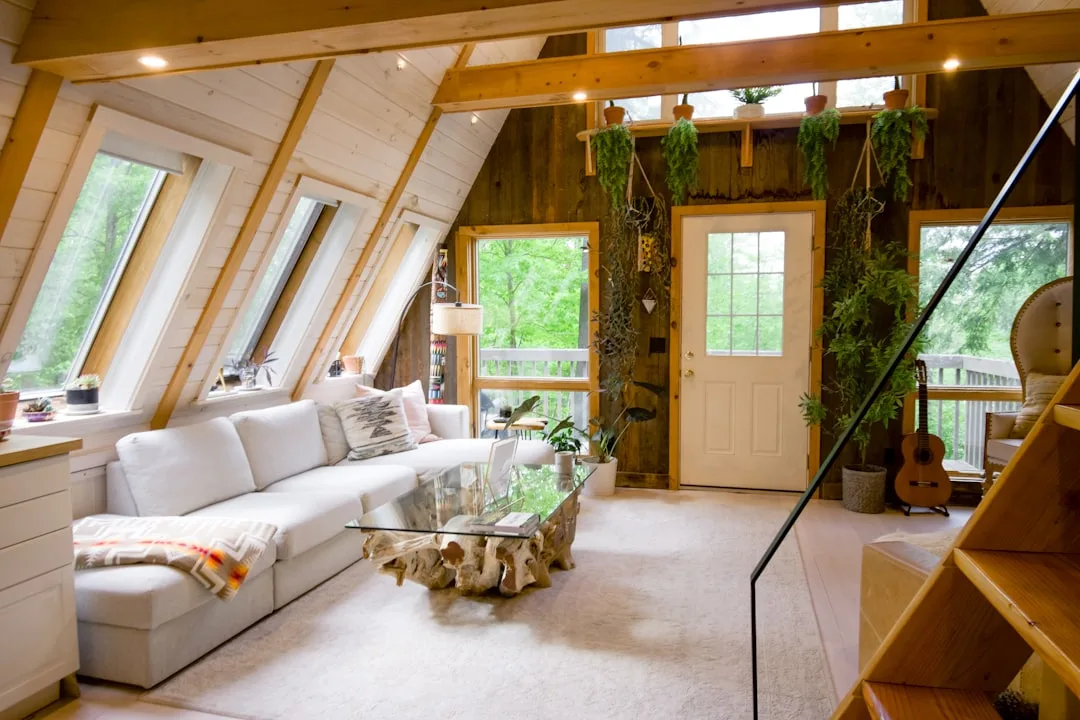
Not every room type is equally suited to attic conditions. The space has a specific set of constraints — varied ceiling heights, limited HVAC access, single-point egress in many cases — and some uses work with those constraints while others fight them constantly.
Home office: One of the strongest matches for an attic conversion. Egress requirements are less demanding than for sleeping rooms in many codes, which simplifies permitting. Natural light from skylights creates excellent working conditions without direct glare. The separation from the rest of the house is a genuine functional benefit for anyone doing focused work. Budget carefully for summer thermal performance — skylights without proper glazing specifications will make a west-facing attic office unusable from June through September.
Guest bedroom: Viable with proper egress window installation and a true fixed staircase. The permitting path is more demanding than a home office, and you’ll need to meet all habitable room requirements fully — no shortcuts on ceiling height, no pull-down ladder access, no borrowed egress from another room. Done correctly, a guest bedroom in an attic is one of the more appealing room types precisely because the architecture gives it character that a standard rectangular room below doesn’t have.
Children’s bedroom: Works well for older children and teenagers; less practical as a primary bedroom for young children who need nighttime access to parents. The staircase access issue is real — steep stairs are a code concern and a practical one. Built-in beds that use the knee wall areas can be genuinely appealing to children and solve the low-clearance problem creatively rather than working around it.
Primary bedroom: The most demanding conversion for regulatory and practical reasons. Egress, ceiling height, closet requirements, and HVAC needs are all higher than for secondary or guest rooms. It’s achievable, but budget 20–30% more than you would for an equivalent guest room conversion, and plan for a bathroom addition if you want the room to function as a genuine primary suite — which means either converting adjacent attic space or running plumbing up through the structure below.
Playroom or hobby room: The most flexible category. If you’re not classifying it as a habitable room — just a finished bonus space — permitting requirements are typically less intensive, egress window requirements may not apply, and ceiling height variances are sometimes permitted. Confirm with your local building department before assuming this path is available; definitions of habitable versus non-habitable space vary meaningfully by municipality.
What Most Attic Conversion Guides Don’t Tell You
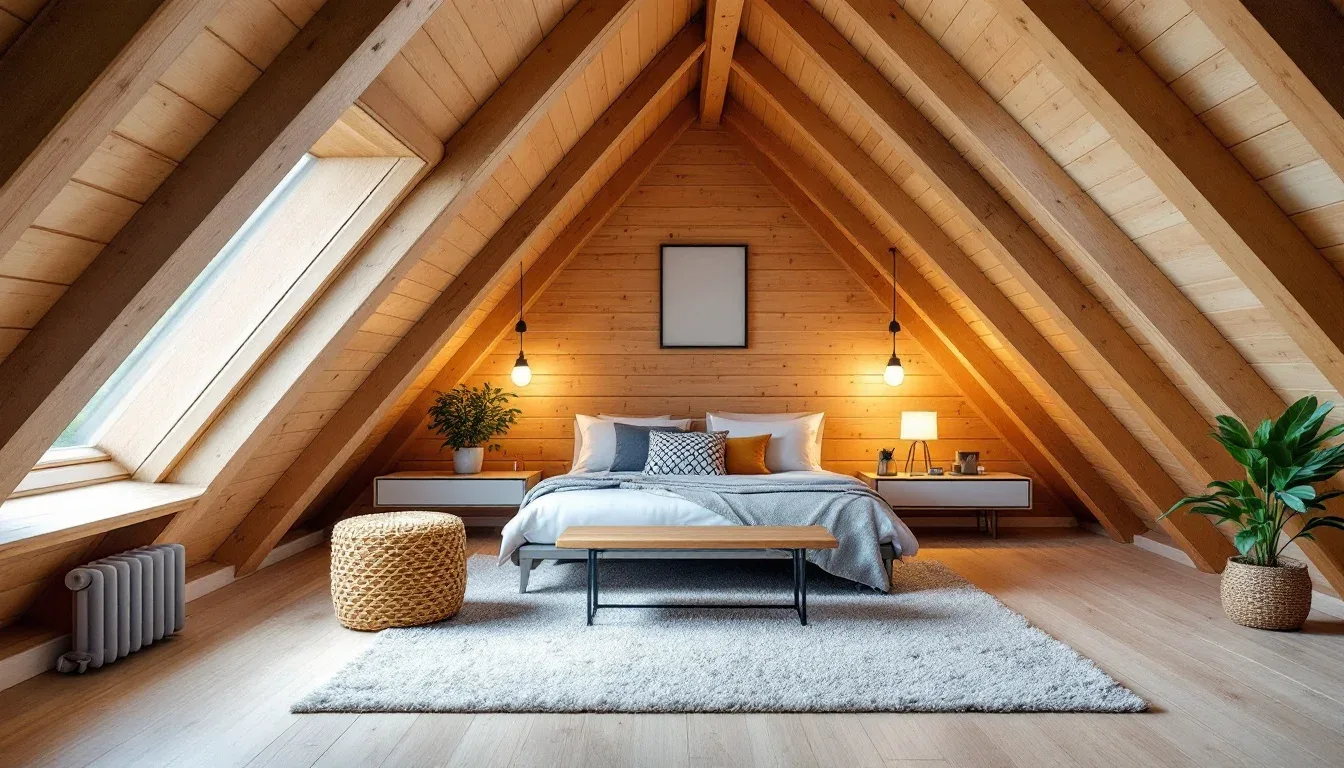
Several factors consistently catch homeowners off guard on these projects. Not because they’re obscure, but because most content on this topic is written to encourage conversion rather than to honestly assess it.
The staircase problem is bigger than you think. A proper code-compliant staircase requires a horizontal run of roughly 10–12 feet on the floor below, assuming standard rise-and-run dimensions. In a home where that space doesn’t exist — where the second floor is already fully committed — creating stair access means reconfiguring something below. That might mean losing a closet, shortening a hallway, or taking square footage from an adjacent room. The staircase footprint is often the design constraint that determines whether a conversion is practical, not the attic itself.
Thermal bridging in attic conversions is underestimated. Attics are thermally exposed on all sides — floor, walls, and ceiling all interface with unconditioned space or exterior. Standard batt insulation between rafters creates thermal bridges at every rafter bay. Spray foam or continuous rigid insulation at the roofline dramatically outperforms batt solutions but costs more. In climates with significant temperature extremes, under-insulating an attic conversion produces rooms that are uncomfortable for months of the year regardless of how well your HVAC is sized.
Party wall and boundary rules apply to conversions, not just new construction. If you’re in a semi-detached or terraced property, attic work near the party wall typically triggers Party Wall Act obligations (in the UK) or similar boundary notification requirements in US municipalities. This isn’t a reason not to proceed — it’s a reason to find out early rather than discovering a stop-work issue mid-project.
The permit matters more here than almost anywhere else in your house. An unpermitted basement finish is common and often difficult for buyers to detect. An unpermitted attic conversion — particularly one that adds a bedroom — is visible in appraisal records, flagged in home inspections, and can complicate sale, refinancing, and insurance. Pull the permit. It’s not optional.
How Much Does It Cost to Convert an Attic into a Room?
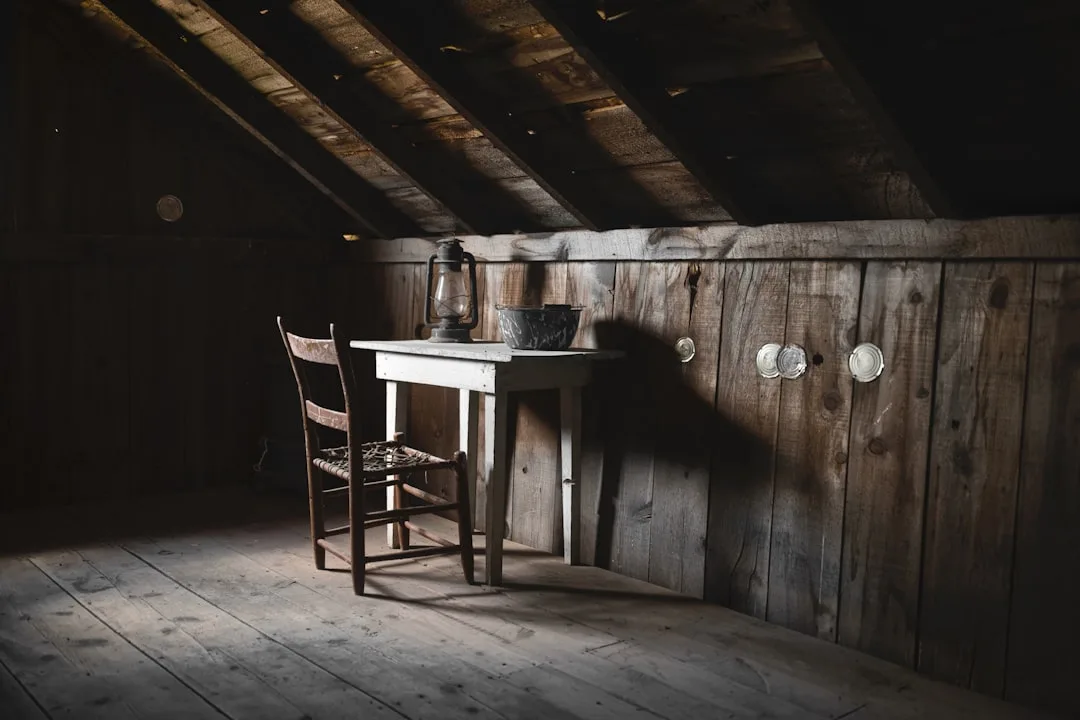
The recycled “$20,000 average” figure you’ll find in most conversion guides is nearly useless. It blends projects so different in scope that the number tells you nothing about what your project will cost. A rough-framed attic with existing subfloor being finished cosmetically is a completely different undertaking from a structural conversion with a dormer addition, a new staircase, and a dedicated mini-split system. The honest baseline range is $15,000 to $85,000+, and the spread exists because the variables are enormous.
FAQ: Turning an Attic into a Room
Do I always need a permit for an attic conversion?
Yes, in virtually every jurisdiction. Any project that creates habitable space — or that involves structural work, electrical, or plumbing — requires a permit. The specific permits vary: you may need a building permit, an electrical sub-permit, a plumbing sub-permit, and in some cases a zoning review if you’re adding a dormer that changes the roofline. Call your local building department before you start design work. Doing so is free and prevents considerably more expensive problems later.
Can I use my attic as a bedroom without adding a dormer?
Possibly, but only if the existing structure clears the 7-7-70 rule described above. If 70% of your floor area meets the 7-foot ceiling height requirement, you may have enough habitable floor space to create a legal bedroom without structural modification. You’ll still need a code-compliant egress window, a fixed staircase, and all electrical and HVAC requirements met. The dormer question is a function of your specific measurements, not a universal requirement.
What’s the difference between a habitable room and a bonus room in an attic?
A habitable room meets all code requirements for occupancy — minimum ceiling height, egress, HVAC, and electrical. A bonus room or unclassified space does not meet one or more of those standards and cannot legally be listed as a bedroom. The practical difference matters for resale: a legal bedroom adds to your bedroom count and appraised value; a bonus room does not. The permitting path and cost differ significantly between the two classifications.
How long does a typical attic conversion take?
A straightforward cosmetic conversion of a structurally sound attic — insulation, drywall, flooring, and electrical — can be completed in four to eight weeks. A full conversion involving structural reinforcement, a new staircase, a dormer addition, and HVAC installation typically runs three to six months, including permit review time. Projects in municipalities with slower permit processing can extend longer. Build a realistic timeline before committing, particularly if the space needs to be functional by a specific date.
Is turning an attic into a room worth it if I’m planning to sell in the next two years?
Rarely, based on the numbers alone. With an average return of around 56 cents on the dollar nationally, a $50,000 conversion recovers roughly $28,000 at resale. The exception is markets where bedroom count has an outsized effect on sale price — some urban and suburban markets see disproportionate premiums for four-bedroom homes over three-bedroom homes, and in those cases the math can shift meaningfully. Get a local realtor’s honest assessment of bedroom-count premium in your specific market before using resale value as the primary justification for the project.
Do I always need a permit for an attic conversion?
Yes, in virtually every jurisdiction. Any project that creates habitable space — or that involves structural work, electrical, or plumbing — requires a permit. The specific permits vary: you may need a building permit, an electrical sub-permit, a plumbing sub-permit, and in some cases a zoning review if you’re adding a dormer that changes the roofline. Call your local building department before you start design work. Doing so is free and prevents considerably more expensive problems later.
Can I use my attic as a bedroom without adding a dormer?
Possibly, but only if the existing structure clears the 7-7-70 rule described above. If 70% of your floor area meets the 7-foot ceiling height requirement, you may have enough habitable floor space to create a legal bedroom without structural modification. You’ll still need a code-compliant egress window, a fixed staircase, and all electrical and HVAC requirements met. The dormer question is a function of your specific measurements, not a universal requirement.
What’s the difference between a habitable room and a bonus room in an attic?
A habitable room meets all code requirements for occupancy — minimum ceiling height, egress, HVAC, and electrical. A bonus room or unclassified space does not meet one or more of those standards and cannot legally be listed as a bedroom. The practical difference matters for resale: a legal bedroom adds to your bedroom count and appraised value; a bonus room does not. The permitting path and cost differ significantly between the two classifications.
How long does a typical attic conversion take?
A straightforward cosmetic conversion of a structurally sound attic — insulation, drywall, flooring, and electrical — can be completed in four to eight weeks. A full conversion involving structural reinforcement, a new staircase, a dormer addition, and HVAC installation typically runs three to six months, including permit review time. Projects in municipalities with slower permit processing can extend longer. Build a realistic timeline before committing, particularly if the space needs to be functional by a specific date.
Is turning an attic into a room worth it if I’m planning to sell in the next two years?
Rarely, based on the numbers alone. With an average return of around 56 cents on the dollar nationally, a $50,000 conversion recovers roughly $28,000 at resale. The exception is markets where bedroom count has an outsized effect on sale price — some urban and suburban markets see disproportionate premiums for four-bedroom homes over three-bedroom homes, and in those cases the math can shift meaningfully. Get a local realtor’s honest assessment of bedroom-count premium in your specific market before using resale value as the primary justification for the project.