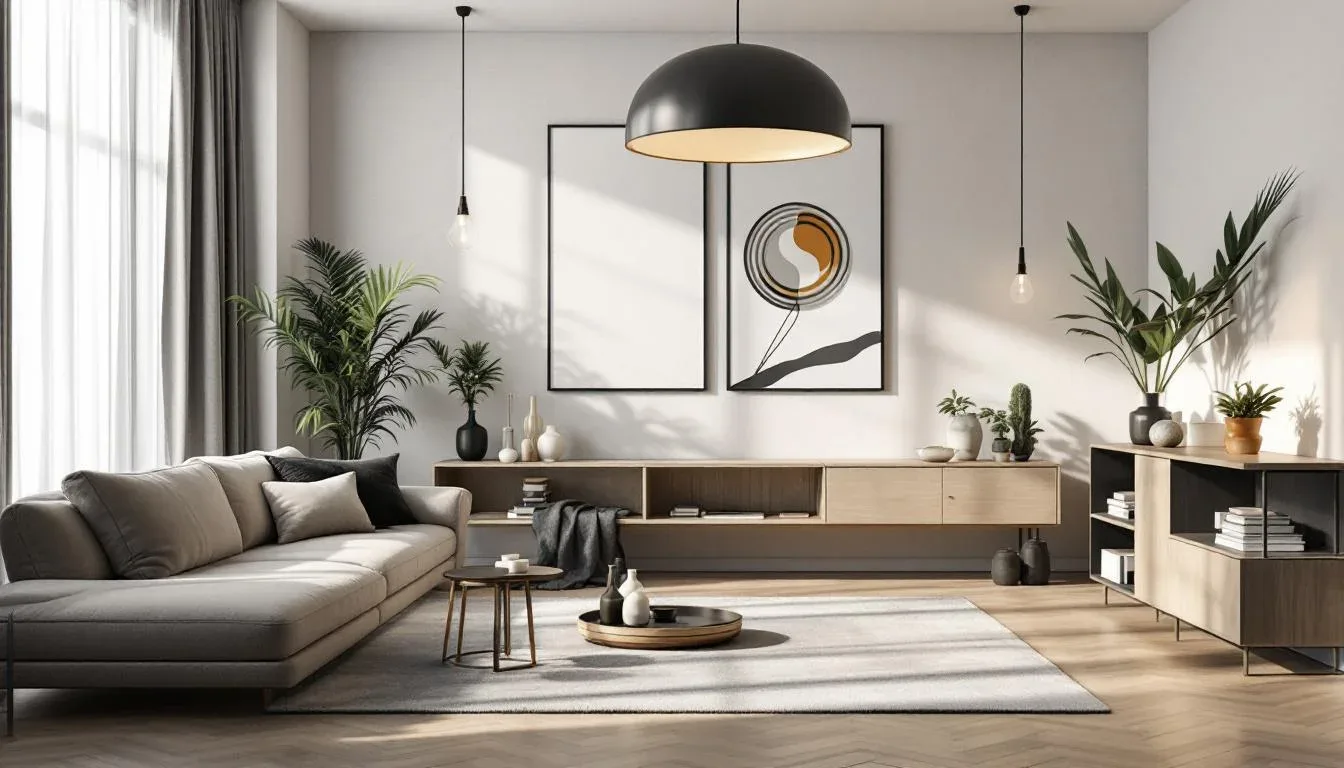
In 2020, millions of people looked around their homes for the first time and didn’t like what they saw — and the design style that answered that moment most completely wasn’t launched by a brand, a designer, or a magazine, but by a quietly unstoppable search trend called Japandi.
That’s not a small observation. Design movements usually need a tastemaker, a magazine spread, or a celebrity kitchen renovation to ignite. Japandi needed none of it. It rose because something shifted in how people experienced their homes — and the shift was psychological before it was visual.
This article isn’t going to explain what wabi-sabi means or summarize hygge for the hundredth time. You’ve read that article. What you probably haven’t read is a serious attempt to explain why Japandi specifically — not Scandi minimalism, not biophilic design, not any of the other wellness-adjacent aesthetics that were equally available — became the answer 30 million people went looking for.
What Actually Makes Japandi Different From Every Other Design Trend
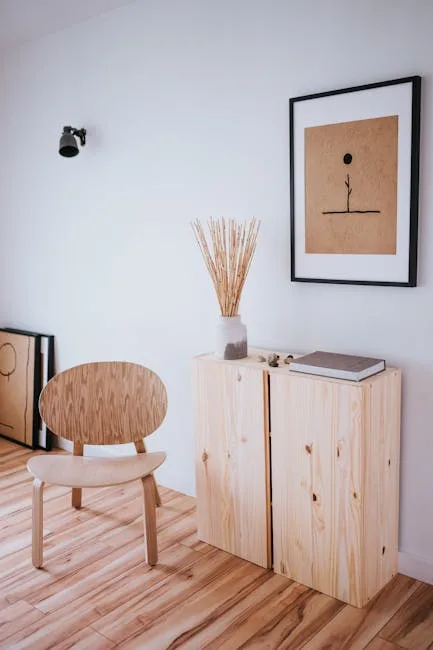
Most design trends tell you what to buy. A new sofa profile. A specific tile pattern. A color that Pantone has decided represents the cultural mood of a calendar year. Japandi is one of the few design approaches that tells you what to remove — and that distinction separates it from nearly everything else in interior design history.
Think about how you interact with maximalism, cottagecore, or coastal grandmother. Each of those styles is organized around acquisition. You need the right accessories, the right layering, the right collection of objects to communicate the aesthetic. The style lives in what’s present.
Japandi lives in what’s absent.
This makes it a fundamentally different kind of decision-making framework — not just a visual preference, but a filter for how you inhabit a room. A Japandi home doesn’t ask “what should I add to make this space feel right?” It asks “what needs to leave before this space can breathe?” That’s an unusual question in a consumer culture built entirely around addition.
Google Trends data shows the search term “Japandi” increased over 4,000% between 2019 and 2023, outpacing searches for both “Scandi decor” and “minimalist interior” in the same period. That’s not a niche audience discovering a boutique style. That’s a mass cultural shift.
What’s driving it isn’t the aesthetic itself — it’s the framework beneath the aesthetic. Unlike maximalism or cottagecore, Japandi has no statement pieces. The absence of visual noise is the statement. And unlike strict minimalism, it doesn’t ask you to live in a space that feels deliberately cold or performatively spartan. It allows warmth, texture, and imperfection — it just requires intention.
Most design trends are aspirational. Japandi is the rare trend that’s also subtractive. It doesn’t just offer a vision of how your home could look. It offers a method for getting there by deciding what doesn’t belong.
Takeaway: Before you buy a single new piece, walk through your home and identify every horizontal surface with more than three visible objects. That audit is Japandi, in practice, before the furniture changes or the walls get repainted.
The Real Reason Japandi Got Popular — And It Has Nothing to Do With Aesthetics
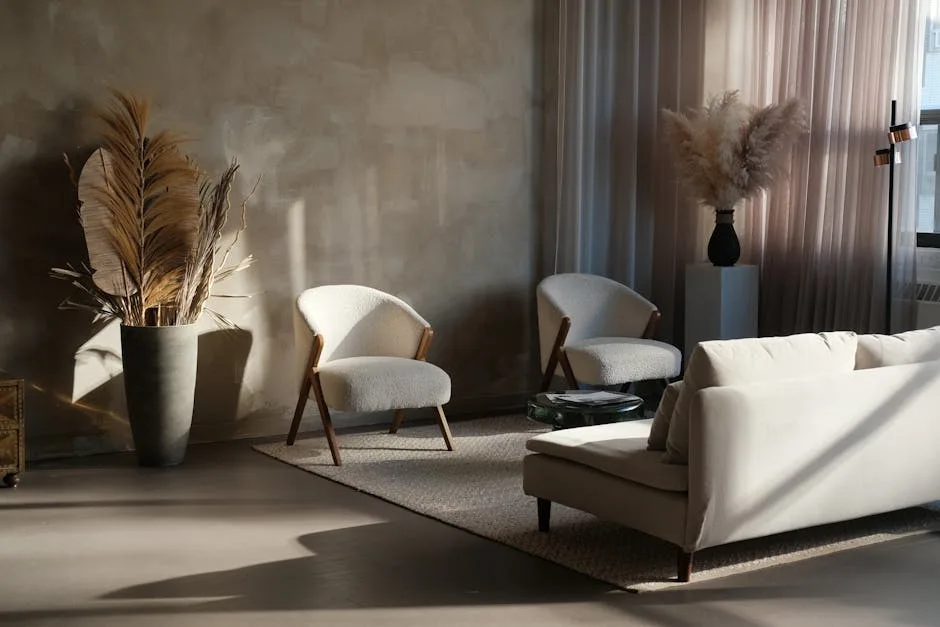
Here’s what almost every article on Japandi popularity misses entirely: the timing wasn’t coincidental, and the cause wasn’t visual.
Japandi’s search spike didn’t happen gradually across 2020. It spiked specifically in Q2 2020 — the precise window when lockdowns moved into their second month and people first processed the reality that they weren’t temporarily inconvenienced guests in their own homes. They were living there. Fully. For the first time, the home had to function simultaneously as office, school, gym, and sanctuary — and most homes failed all four jobs at once.
The problem wasn’t that people’s homes were ugly. The problem was that they were cognitively exhausting.
A 2020 Princeton Neuroscience Institute study found that visual clutter directly competes for neural resources and measurably reduces both focus and working memory. The research showed that multiple stimuli present in the visual field simultaneously — objects, patterns, competing colors, surfaces — occupy the visual cortex in ways that drain cognitive capacity even when you’re not consciously looking at them. You don’t have to be staring at the pile of mail on your kitchen counter for it to be taxing your brain.
Disordered environments also measurably elevate cortisol. This isn’t metaphorical — it’s biochemical. Researchers at UCLA’s Center on Everyday Lives of Families found that women in particular showed elevated cortisol profiles when describing their homes as cluttered. The stress response that a chaotic environment produces is real and physiological.
Japandi interiors structurally eliminate most of the triggers those studies identify:
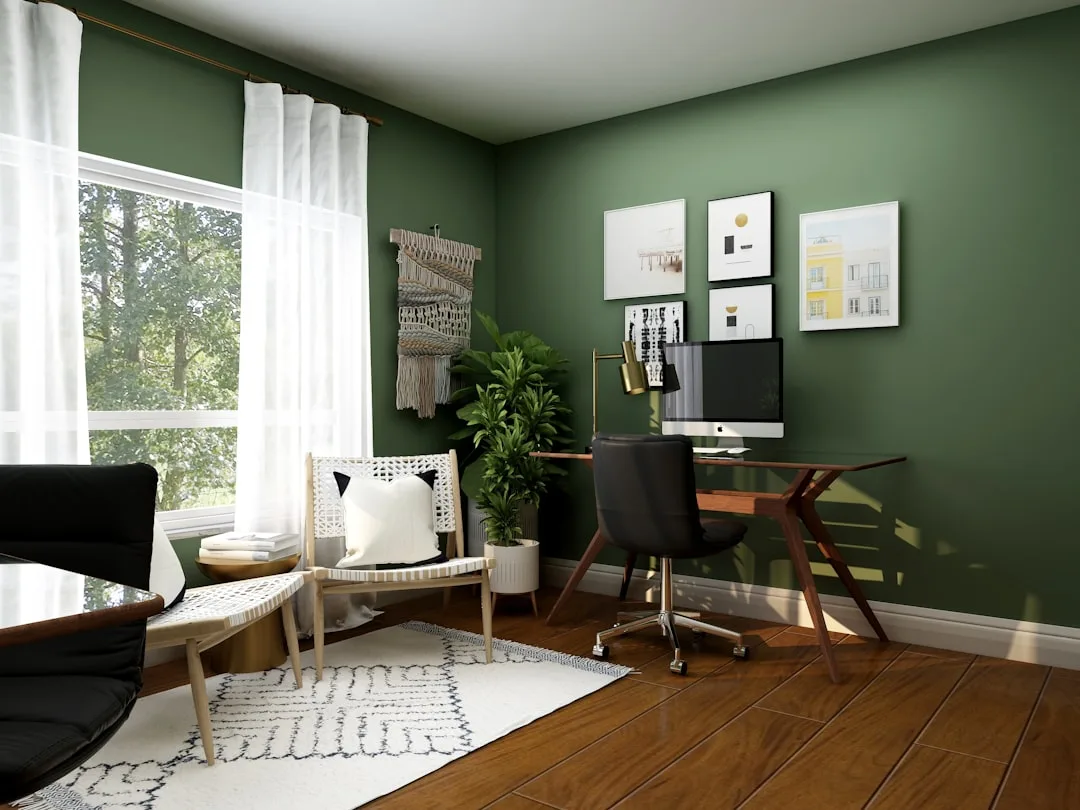
- Restricted color palette: Japandi’s warm neutrals — stone beige, muted sage, charcoal, warm white — reduce the competing visual stimuli that pull attention involuntarily
- Negative space as design element: Empty walls and clear surfaces aren’t failed decorating; they’re the point
- Low-contrast material transitions: Natural wood against linen against ceramic creates visual harmony that requires zero cognitive processing to interpret
- Hidden or curated storage: Visual clutter is eliminated at the source — objects are either beautifully displayed or completely concealed
The pandemic didn’t create a preference for calm interiors. It revealed that millions of people were already living in environments their nervous systems were quietly fighting against — and they just hadn’t spent enough waking hours at home to notice.
Takeaway: If your home feels tiring rather than restorative, the issue is almost certainly visual density rather than layout or size. Count the distinct colors visible from your sofa. If it’s more than six, your nervous system is working overtime.
How Japandi Became the First Design Trend That Social Media Couldn’t Ruin
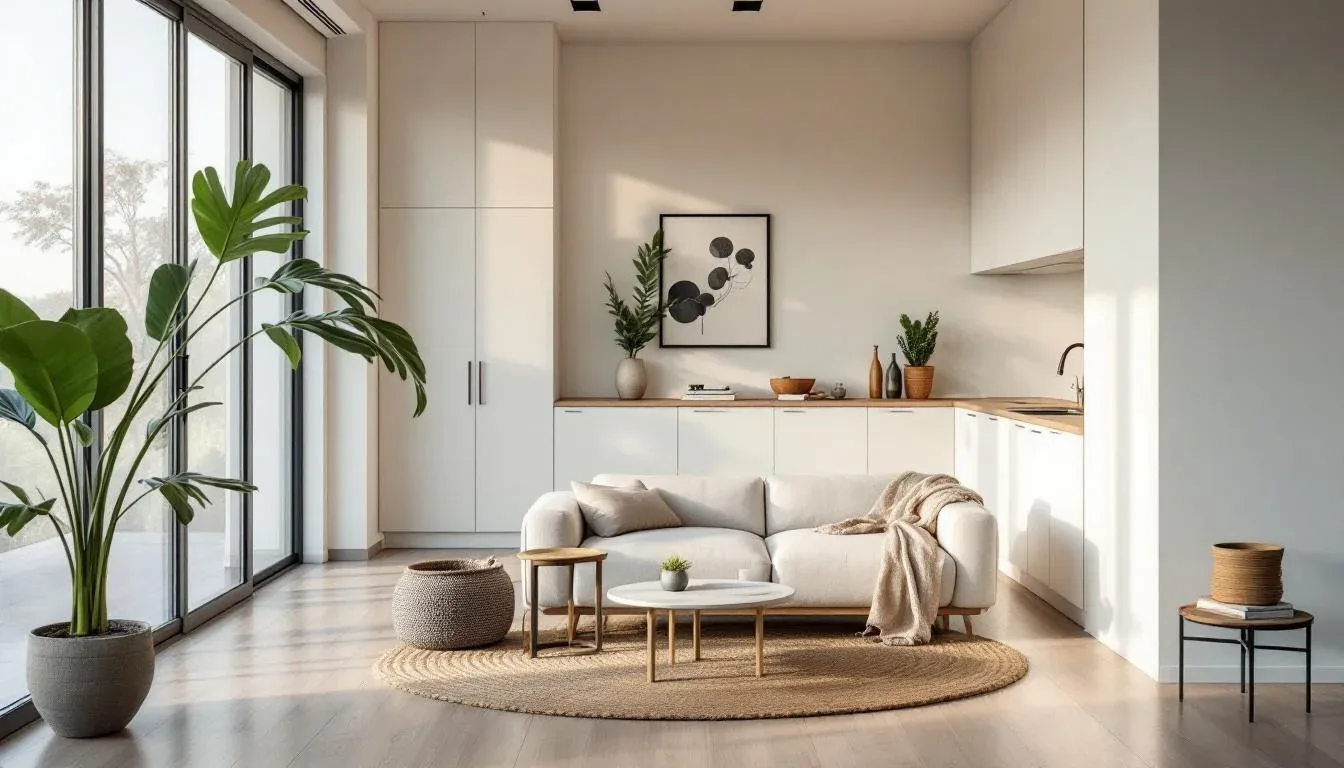
Most design trends get distorted by social media. Industrial chic became a parody of exposed pipe and Edison bulbs. All-white minimalism became so relentlessly sterile it spawned its own backlash genre. The problem isn’t virality — it’s that once a trend becomes performative, it stops being livable.
Japandi didn’t just survive social media amplification. It thrived because of a structural quality that almost no other design trend shares: it looks exactly as good to live in as it does in a photograph.
That duality is rarer than it sounds. Most Instagram-famous rooms are engineered for the camera — high-contrast, feature-wall-forward, accessory-dense. They’re exhausting to inhabit daily. Japandi’s low-contrast palette and natural material textures do the opposite. They photograph beautifully precisely because they’re not performing for the camera. The earthy neutrals — warm beiges, muted greens, charcoal, dusty terracotta — create natural visual depth without requiring filters, editing, or artificial light enhancement. Algorithm-friendly without being algorithmically engineered.
Pinterest reported “Japandi” as one of its top 10 fastest-growing home decor search terms in 2022, with saves increasing 107% year-over-year — higher retention than any other named interior style that year. Retention matters here. People weren’t just saving Japandi images impulsively and moving on. They were returning to the same images repeatedly, building boards, returning across sessions. That’s the behavior of someone developing a genuine intention, not chasing a momentary aesthetic hit.
There’s also a longevity quality built into Japandi’s visual language that protects it from trend expiration:
- No pop-culture references embedded in the style
- No statement hardware that dates (brushed gold, matte black — both have expiry dates)
- No seasonal color story that requires refreshing
- No silhouette-specific furniture shapes that read as decade-specific
A Japandi room photographed in 2021 is visually indistinguishable in relevance from one photographed today. That’s extraordinary in an era where a particular shade of green kitchen cabinet can feel dated within 18 months of peak saturation.
The restraint that makes Japandi rooms feel calm to live in is the same quality that makes them timeless to look at. That’s not a coincidence — it’s the philosophy made visible.
Takeaway: When building your Japandi room, choose materials over finishes. A solid oak credenza will photograph beautifully in any year; a lacquered cabinet in a trending color will not.
Why Homeowners Specifically — Not Renters or Designers — Are Driving Japandi’s Popularity
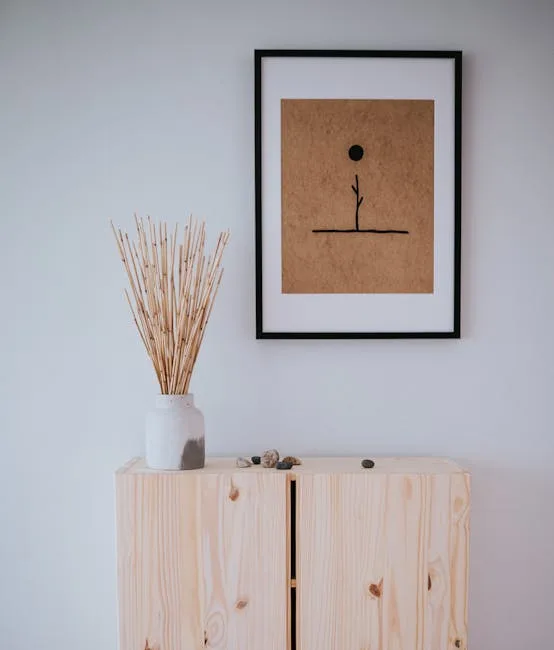
Renters optimize for reversibility. Designers optimize for impact. But first-time homeowners optimize for permanence — and that’s the specific psychological state that Japandi speaks to most directly.
The National Association of Realtors reported that 34% of all 2022 home buyers were first-time buyers — the largest cohort in a decade. These were primarily buyers aged 28 to 40: design-literate from years of apartment browsing, HGTV watching, and Pinterest building, but making their first actual permanent decorating decisions. The stakes felt different. A gallery wall of Ikea frames is fine in a rental. When you own the walls, you want something that won’t embarrass you in eight years.
Japandi provides exactly the right psychological shelter for that moment. Its rules are clear enough to execute independently — which matters enormously because most people in this cohort aren’t hiring interior designers. Japandi democratizes sophisticated interior outcomes:
- Palette clarity: One warm neutral anchor, one dark grounding tone. Every purchase decision flows from those two choices.
- Material hierarchy: Solid wood, natural stone, linen, ceramic. Quality reads immediately; the aesthetic works at every price point from IKEA’s Sinnerlig collection to Ethnicraft’s solid teak sideboards.
- Quantity discipline: The three-object surface rule eliminates the anxiety of “is this too much?”
The investment logic reinforces the emotional logic. Japandi-aligned furniture — solid wood joinery, neutral upholstery, simple hardware — holds resale value because it doesn’t read as dated. A solid oak dining table in the Japandi idiom sells easily on Facebook Marketplace five years from now. A resin-cast terrazzo-pattern console in a trending colorway does not.
Real estate staging professionals have caught on. Japandi-style staging reduces average days-on-market by up to 15%, according to staging consultants who’ve tracked results across multiple markets. Buyers respond to calm, uncluttered spaces because they can imagine their own lives in them rather than trying to mentally subtract someone else’s personality first.
Takeaway: If you’re a first-time homeowner making your initial significant furniture purchases, apply the Japandi material hierarchy as a filter before applying any aesthetic criteria. Solid construction in natural materials will serve you through multiple style evolutions.
The Sustainability Factor: Why Japandi Popularity Keeps Growing Even as Other ‘Eco’ Trends Fade
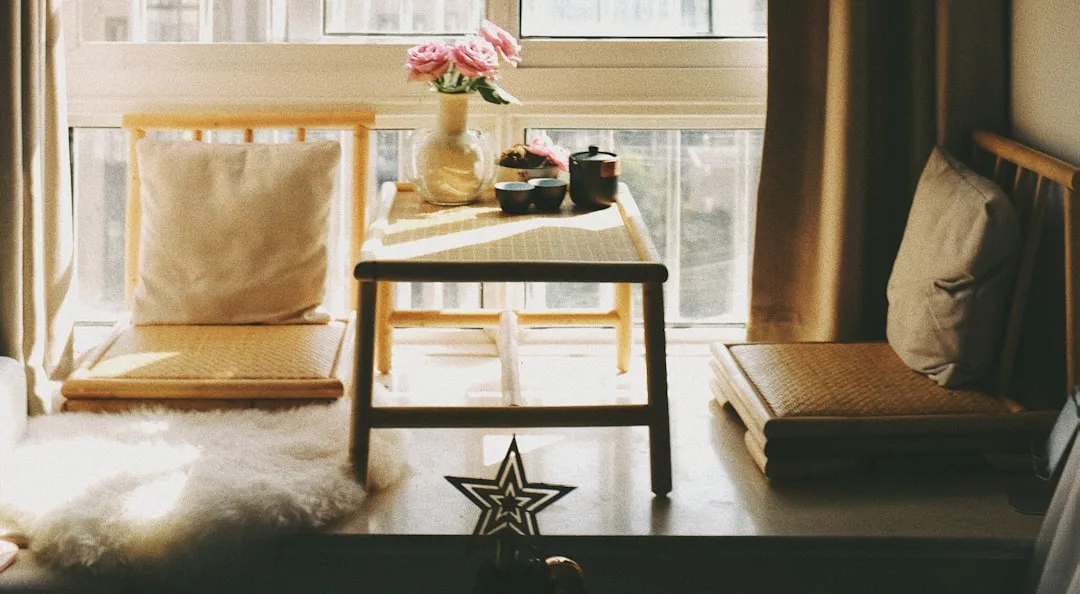
Sustainability messaging has a fatigue problem. Explicitly ethical products — those marketed primarily on their environmental credentials — require consumers to lead with guilt before arriving at desire. That’s a difficult emotional sequence to sustain at the point of purchase. Most “eco” design trends stall because they ask too much of the buyer’s conscience before delivering anything to their senses.
Japandi arrives at sustainability through aesthetics rather than ethics — and that makes it structurally stickier than any explicitly green design movement.
McKinsey’s 2023 ConsumerWise survey found that 66% of consumers and 73% of millennials say they consider sustainability when making a purchase. But “consider” is doing significant work in that sentence. What people actually do is find the option where their aesthetic preference and their ethical preference happen to point in the same direction — and then commit to it readily. Japandi manufactures that alignment deliberately.
When you choose a ceramic vase over a plastic one, you’re primarily choosing the sensory experience — the weight, the texture, the specific quality of matte glaze. The environmental benefit is secondary. When you choose a linen throw over a synthetic one, you’re primarily choosing warmth and drape. Japandi’s material-first philosophy intercepts the sustainability decision at the desire level, before the ethical calculation even begins.
The wabi-sabi dimension adds a second layer that no other design trend has successfully replicated: the philosophical acceptance of wear and aging. A Japandi home is intentionally designed to look better as it accumulates years. Solid wood develops patina. Linen softens. Ceramic glazes weather. This directly counters fast furniture culture — and extends product lifecycle in ways that explicit sustainability campaigns have never managed to achieve at scale, because the incentive is aesthetic enjoyment rather than moral obligation.
The practical result:
- Fewer replacement cycles, because imperfection is the intended outcome
- Higher investment per piece, because quality is the guiding principle
- No seasonal refresh culture, because the palette and material language don’t expire
Takeaway: Frame your Japandi purchases as a long buying cycle, not a room reveal. Budgeting $800 for a solid oak coffee table you’ll use for 20 years is a more sustainable — and financially rational — decision than $200 tables twice per decade.
How to Actually Apply Japandi Principles Without Gutting Your Entire Home
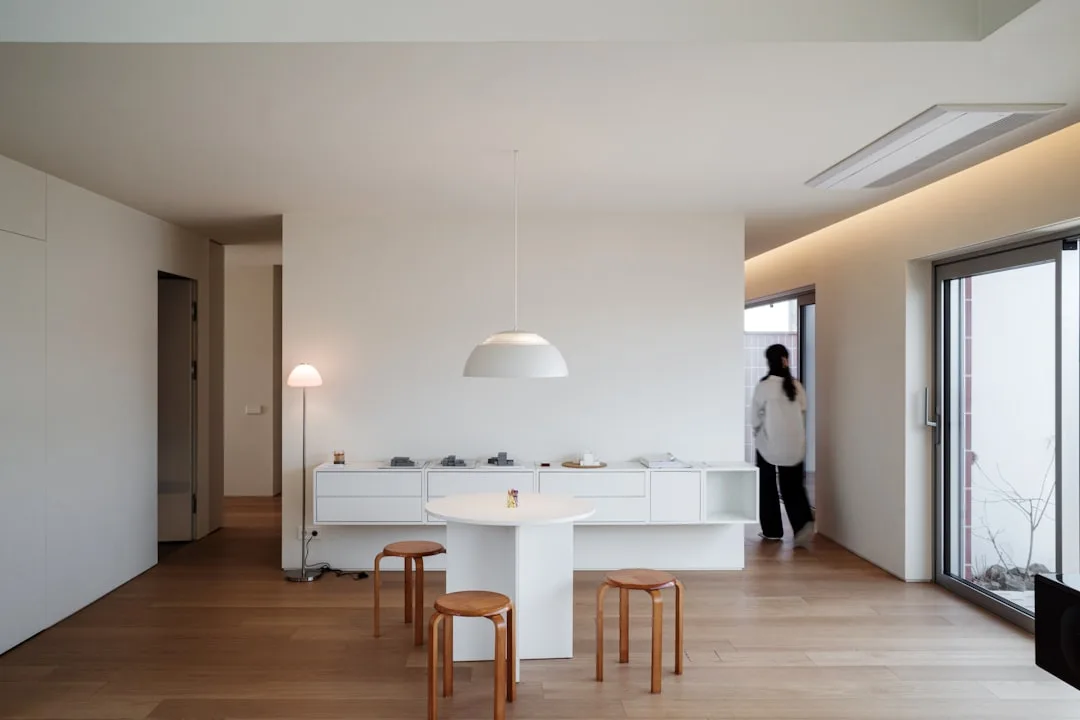
The single most common Japandi mistake is treating it as an all-or-nothing renovation. It isn’t. It’s a philosophy that can be introduced in layers — and the first layer costs nothing.
Start there.
The Japandi implementation sequence:
1. Subtract first, always.
Walk every room with a box. Every horizontal surface — shelves, counters, side tables, the top of the toilet cistern — should have a maximum of three visible objects. Not three categories. Three objects. Anything beyond that goes in the box. Live with the cleared surfaces for two weeks before deciding what comes back.
2. Anchor the palette before buying furniture.
Choose one warm neutral (your wall color or largest textile — think Benjamin Moore’s “White Dove” OC-17, or a warm linen sofa in undyed natural) and one dark grounding tone (charcoal upholstery, dark-stained oak flooring, matte black-brown cabinetry). Every future purchase must answer to those two decisions. If it doesn’t fit, it doesn’t come in.
3. Layer texture before structure.
Introduce natural material warmth through what you touch most — a chunky linen throw, a wool-blend rug in warm greige, a jute or rattan basket for storage. These low-cost interventions deliver the tactile quality that separates a Japandi room from a merely empty one. Do this before investing in structural furniture changes, because texture tells you whether the palette is working.
4. Redesign your lighting architecture.
Overhead fixtures are the enemy of Japandi atmosphere. Replace or supplement them with layered low-horizon sources: a floor lamp at 5 feet (Hay’s Set Shade lamp or HAY’s Matin floor lamp work well here), warm-bulb table lamps in the 2700K range, and recessed LED strips behind furniture or under shelving. Both Japanese and Scandinavian interiors are defined by low, horizontal light that mimics the quality of natural light in high-latitude or filtered environments. Overhead light flattens everything; low light creates depth and warmth.
5. Edit storage to be invisible or honest.
Japandi has no visual middle ground. Something is either completely hidden — behind cabinet doors, in baskets, inside drawers — or it’s curated and displayed intentionally, with space around it. The category of objects that are “sort of put away but still visible” doesn’t exist in a functioning Japandi space. That’s the category that creates visual noise without providing any aesthetic return.
Takeaway: This week, clear every horizontal surface in one room to zero. Then return only the three objects you genuinely want to look at every day. That’s not minimalism — that’s intention. And intention is the whole practice.
Is Japandi Popularity Just a Trend — Or Is It Replacing Minimalism Permanently?
This is the question that design professionals are genuinely debating, and the evidence points in a clear direction: Japandi isn’t succeeding minimalism — it’s solving minimalism’s failure.
Minimalism peaked as a design philosophy because it offered a compelling answer to consumer excess. But it contained a fatal flaw: it optimized for appearance over experience. Minimalist interiors looked extraordinary in photographs and felt emotionally cold to live in. The most rigorous minimalist spaces — think the canonical all-white rooms with invisible storage and no soft furnishings — were more performance than habitation. People admired them the way they admire concept cars. They didn’t want to live in them.
Google Trends shows that “minimalist interior design” peaked globally in 2017 and has declined 38% in search interest since — while “Japandi” continues to climb. This isn’t two parallel trends with different audiences. It’s a philosophical succession. The people who drove minimalism’s peak are the same demographic now driving Japandi — they wanted the order and calm that minimalism promised, but they also wanted warmth, materiality, and the permission to let things be imperfect. Japandi gave them all of it.
Trend cycles in interior design typically run five to eight years before a visible plateau or decline. Japandi has sustained genuine search growth for over six years without a plateau. That’s unusual enough to suggest it has crossed from trend into what designers call “baseline style literacy” — the default visual language a significant portion of the population applies to their spaces whether or not they consciously identify with the named style.
The cross-cultural origin adds unusual ideological durability. Japandi doesn’t belong to one nationality, one climate, one economic bracket, or one housing type. It works in a 400-square-foot Tokyo apartment and in a 3,000-square-foot Midwestern farmhouse. It works in oak and it works in bamboo. It scales up with Karimoku furniture and scales down with IKEA’s Lisabo series. Styles with that kind of adaptability don’t expire — they evolve.
Minimalism asked people to aspire toward emptiness. Japandi asks people to aspire toward intention. That’s a fundamentally more human proposition — and it’s why the growth curve shows no sign of reversing.
Frequently Asked Questions
Why is Japandi so popular right now?
The honest answer combines timing, psychology, and a genuine design philosophy gap that Japandi happened to fill. The style’s acceleration through 2020 and beyond was directly linked to the experience of spending significantly more time at home — and discovering that most homes were visually and cognitively exhausting to inhabit fully. Japandi’s restrained palette, emphasis on natural materials, and negative space as a design element act as passive stress-reduction tools in ways that neurological research on visual clutter supports. Beyond the psychological dimension, Japandi also arrived at exactly the moment when a large cohort of first-time homeowners were making permanent design decisions for the first time and needed a style with clear rules, long visual life, and no dependence on trend-specific statement pieces. All of those conditions converged simultaneously, which is why the search growth was as steep as it was.
Is Japandi just a passing trend or is it here to stay?
The data suggests it has already crossed into something more durable than a trend cycle. Google Trends data shows six-plus years of sustained growth without a plateau — and the comparison with minimalism is instructive. Minimalism peaked in 2017 and has declined 38% in search interest since; Japandi’s trajectory is doing the opposite. The cross-cultural nature of the fusion — drawing from both Japanese and Scandinavian design philosophies — means it doesn’t belong to a single national aesthetic that could feel dated as cultural attention shifts. More practically, Japandi’s core principles (subtraction, natural materials, intentional display, neutral palette) are design fundamentals that predate and will outlast any named trend. The label may eventually feel dated; the approach it describes will not.
What makes Japandi different from regular minimalism?
Minimalism optimizes for visual absence — the less present, the better. Japandi optimizes for intentional presence — every element that remains earns its place through tactile quality, material warmth, or considered beauty. The difference is felt most clearly in how a room inhabits. A strict minimalist space can feel clinical, performatively empty, and emotionally cold — because it removes clutter without adding sensory richness. A Japandi space removes the same clutter but replaces it with carefully selected natural textures, warm neutrals, and the specific imperfections that wabi-sabi aesthetics permit: the handmade ceramic with an uneven glaze, the solid wood with visible grain, the linen cushion that wrinkles naturally. Japandi also permits organic color — muted greens, dusty terracotta, warm stone — whereas strict minimalism typically restricts to white, grey, and black. The result is a space that’s quiet without being cold, and edited without feeling barren.
How do I start decorating in Japandi style without spending a lot of money?
Start with removal, which is free. Clear every horizontal surface to zero and re-introduce only the three objects per surface you genuinely want to look at. That single action moves you 60% of the way toward a Japandi interior without a single purchase. After that, the highest-leverage low-cost changes are textiles — a natural linen throw in warm undyed fabric ($30–60 at most home stores), a wool-blend rug in warm greige or charcoal (IKEA’s Stoense and Langsted rugs are both under $100 and read as genuinely Japandi), and a switch to warm-white bulbs at 2700K throughout the space. These tactile and lighting shifts deliver the sensory warmth that defines the style without structural changes. When you do buy furniture, wait and buy one quality natural wood piece rather than several fast-furniture pieces. A solid oak side table from Hay, Menu, or Ethnicraft will cost more upfront but reads as authentically Japandi in a way that MDF with wood-effect laminate never will — and it will last for decades.
Start With One Surface Today
Walk into whichever room you spend the most time in. Find the most cluttered horizontal surface. Clear everything off it completely. Set a timer for five minutes and sit with the empty surface before deciding what, if anything, comes back.
That’s not a design exercise. That’s the whole philosophy made physical — the understanding that the quality of a space has more to do with what you choose not to put in it than what you do. Everything Japandi is, at scale, is that decision repeated with intention across an entire home.
The brands will catch up to it. The trend forecasters will eventually declare it over. But the practice of making your home genuinely calm to live in doesn’t expire. That’s why, six years in, the search trend still points up.