Author: ION

  • How Can I Remove Dog Urine Odor from Carpet

    How Can I Remove Dog Urine Odor from Carpet

    Pets are the most wonderful blessings, no doubt; they cheer you up when you’re sad, make you laugh with their cuteness, and spread a jolly environment around.

    Image by Free-Photos from Pixabay

    Everything goes well and pleasant until your dog finally throws a ‘poo-poo’ on your favorite carpet –trust me, things get unbearable and messier.
    brown and white short coated puppy
    Photo by Valeria Boltneva on Pexels.com

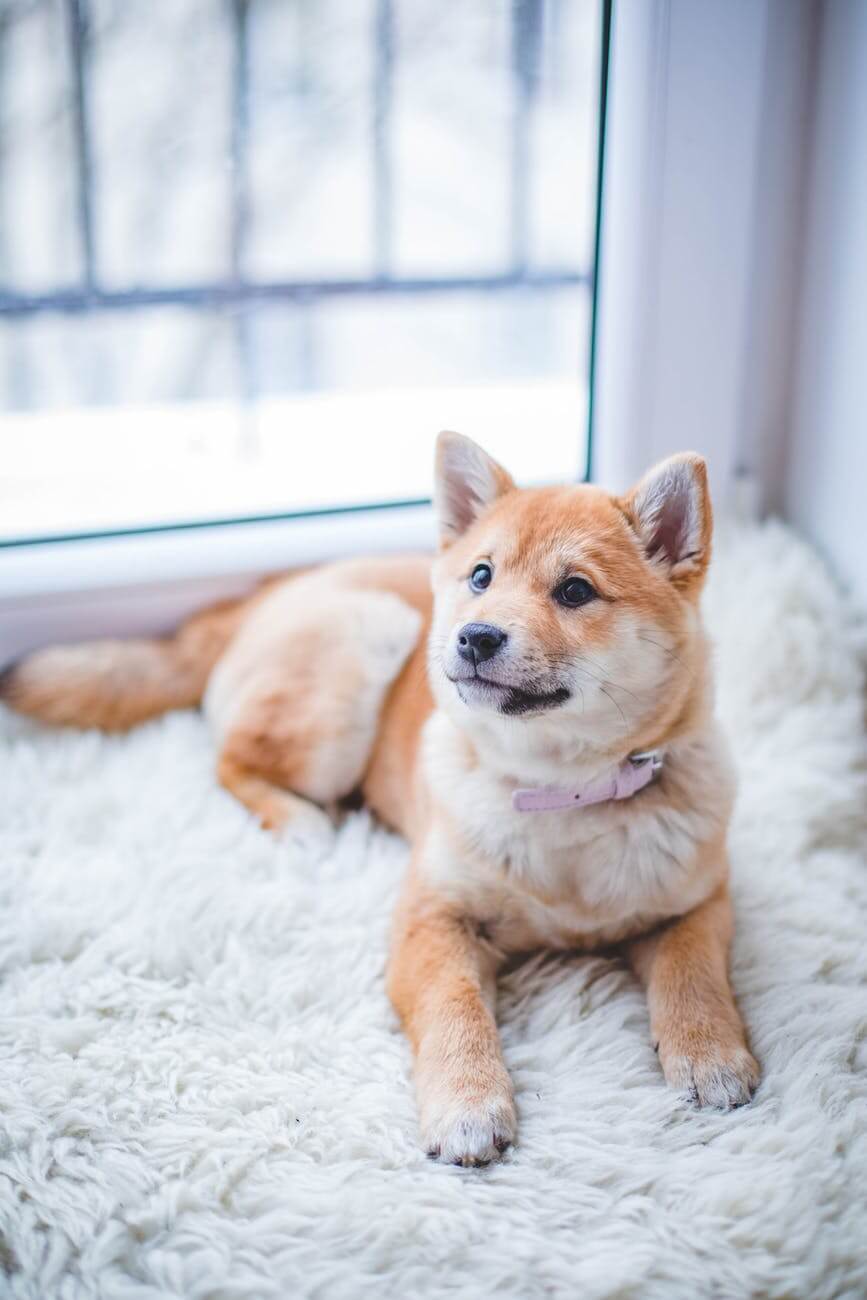
    No matter how mannered and disciplined your dog is, he’ll always love peeing on your carpet every now and then. That’s what they love to do, and once they see their stained territory, they’ll carry on urinating over it again and again.

    The carpet being most absorbent not let even traces of urine go away; it absorbs the liquids frequently. And when such an accident happens, you must stand and take any action immediately.

    It’s not difficult to clean the urine from the carpet; the real challenge starts right when your room becomes smelly.
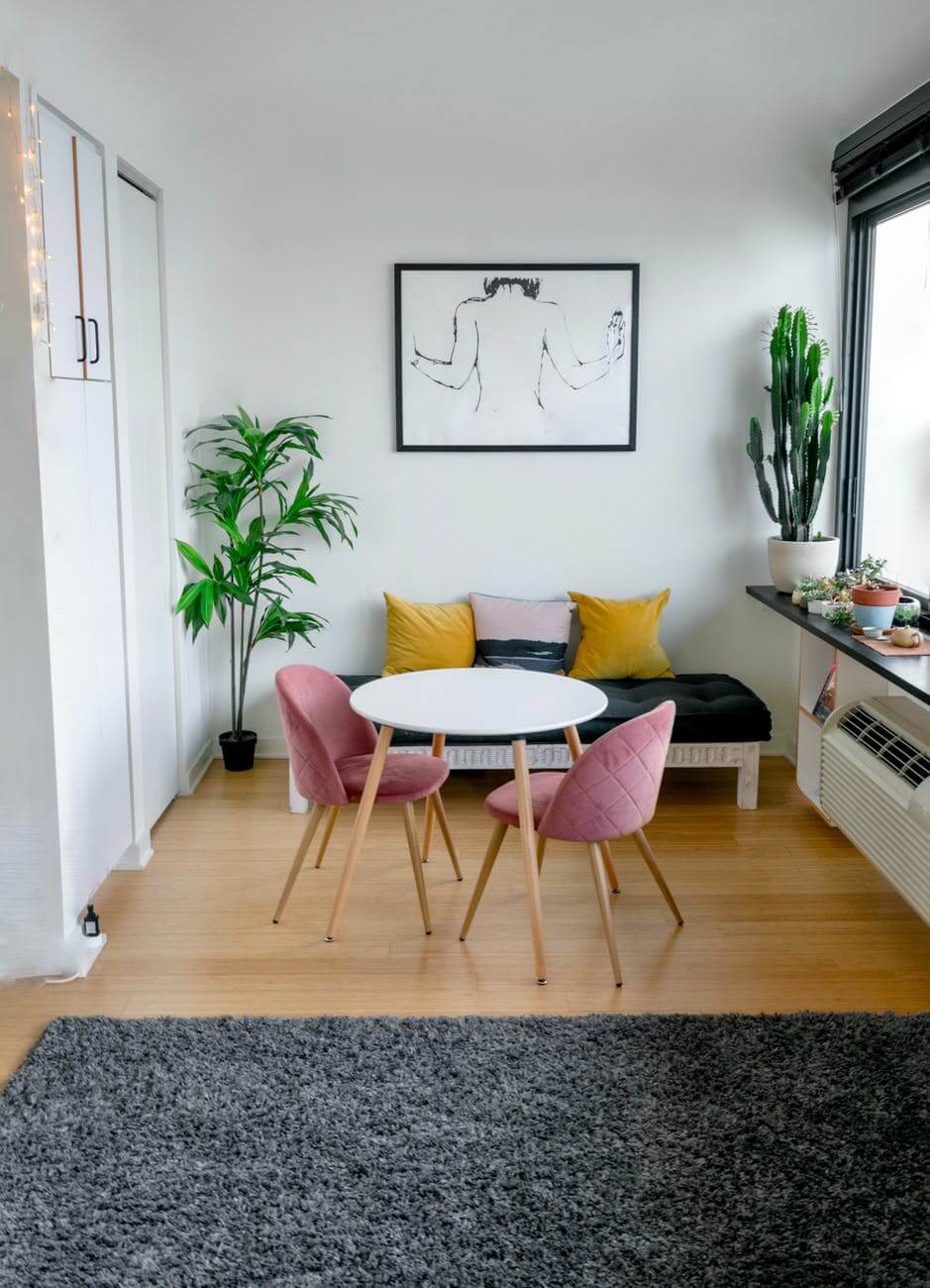
    contemporary room interior with furniture and carpet on floor
    Photo by Andrea Davis on Pexels.com

    Here, we have mentioned some best ways to remove urine odors most effectively. Plus, you can try some best Bissell Carpet Cleaners enlisted by authenticpick to get the job done.

    Tips for Removing Odor from a Fresh Urine Stain

    If you see your dog peeing on your carpet, don’t sit and wait for something. You immediately have to take action to prevent the smell from absorbing in the deeper layer of the carpet.

    1.    Locate the pee

    If you haven’t seen your dog peeing and don’t exactly know the smelly spot, you have to stand up and start scrutinizing the carpet.

    Trust me, the more you’ll delay, the more time pee gets to absorb into the carpet perfectly. Ultimately, things get unbearable –and smelly too.
    interior of modern living room of flat with mix design elements
    Photo by Ksenia Chernaya on Pexels.com

    2.    Soak it right away

    After locating the smelly spot, soak the urine by using wet rags or paper towels. Make sure you absorb the urine well, and it isn’t left behind on the surface.

    Use as much water to soak that particular part well. If you’ve got an extracting wet vacuum, you can for sure bring that into play to get the job done without making any further mess.

    3.    How about if you neutralize the odor right away?

    So here’s the most anticipated step that you’re probably looking for. You have to douse the smelly spot in any enzymatic cleaner or prepare the solution at home.

    Enzymatic cleaners are an ideal solution to get rid of pet urine stains and odors. It’s the most important thing pet owners must have in their gadgets if they don’t want any mess.
    gray couch with white accent beside white wall
    Photo by Ksenia Chernaya on Pexels.com

    It breaks the urine molecules into simpler substances to eliminate the odors. You’ll get several types in the market.

    But what if you want to prepare it at home? Don’t worry! It’s quite simple. Start from mixing the apple cider or white vinegar into the water, making sure to take a 1:1 ratio of both, and let it sit for five minutes before you apply –and that’s it!

    The acidic content of vinegar neutralizes the bacteria from the dog’s urine while offsetting its putrid smell. This DIY technique is quite eco-friendly, cheaper, effective, and safe for your doggy too.

    4.    Sprinkle some baking soda

    Once you have prepared and applied the vinegar mixture, next is the fun part of this journey. Sprinkling some doses of baking soda will further neutralize the odors from that smelly spot.

    It’s a kind of fun too because you’ll love the reaction of vinegar and baking soda. You’ll see the foamy material appearing from this reaction. Well, apply it evenly on the carpet and set it down for 24 hours.
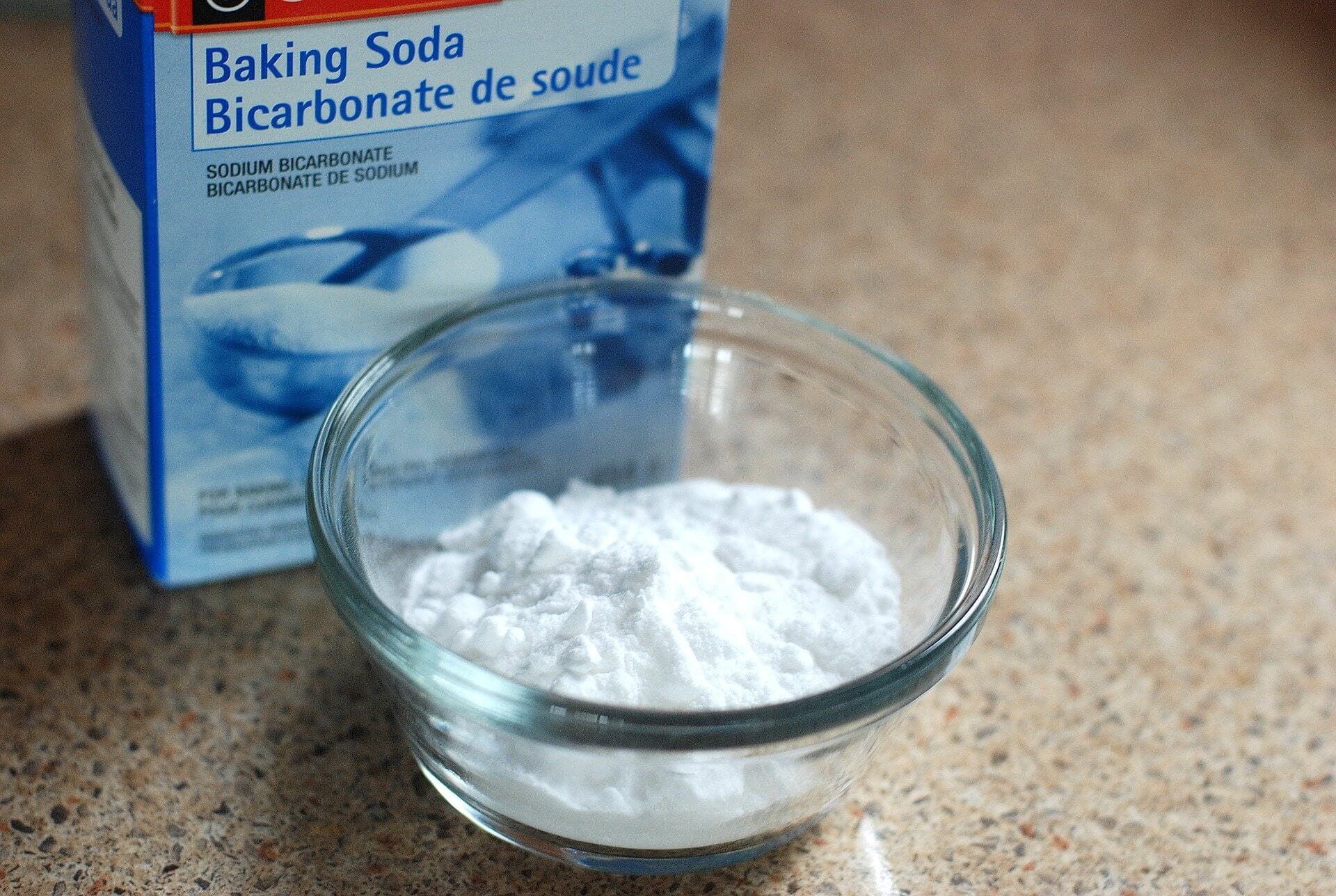
    Image by NatureFriend from Pixabay

    Make sure to cover this whole baking soda vinegar thing with a damp towel. Rinse it with fresh water and dry it away. You can also use a vacuum cleaner too.

    5.    Freshen up

    Here’s the final element to end up your battle with dog urine in your precious carpet.

    If you’re allergic to the foul urine smells or you want to make your indoors healthy and pristine, you can ensure it by using any fabric pet odor eliminator.

    Trust me; these odor eliminators remove even traces of smell left behind in the deeper carpet layers. Make sure you buy a good one. Apply it once the carpet is bone-dry, and that’s it!
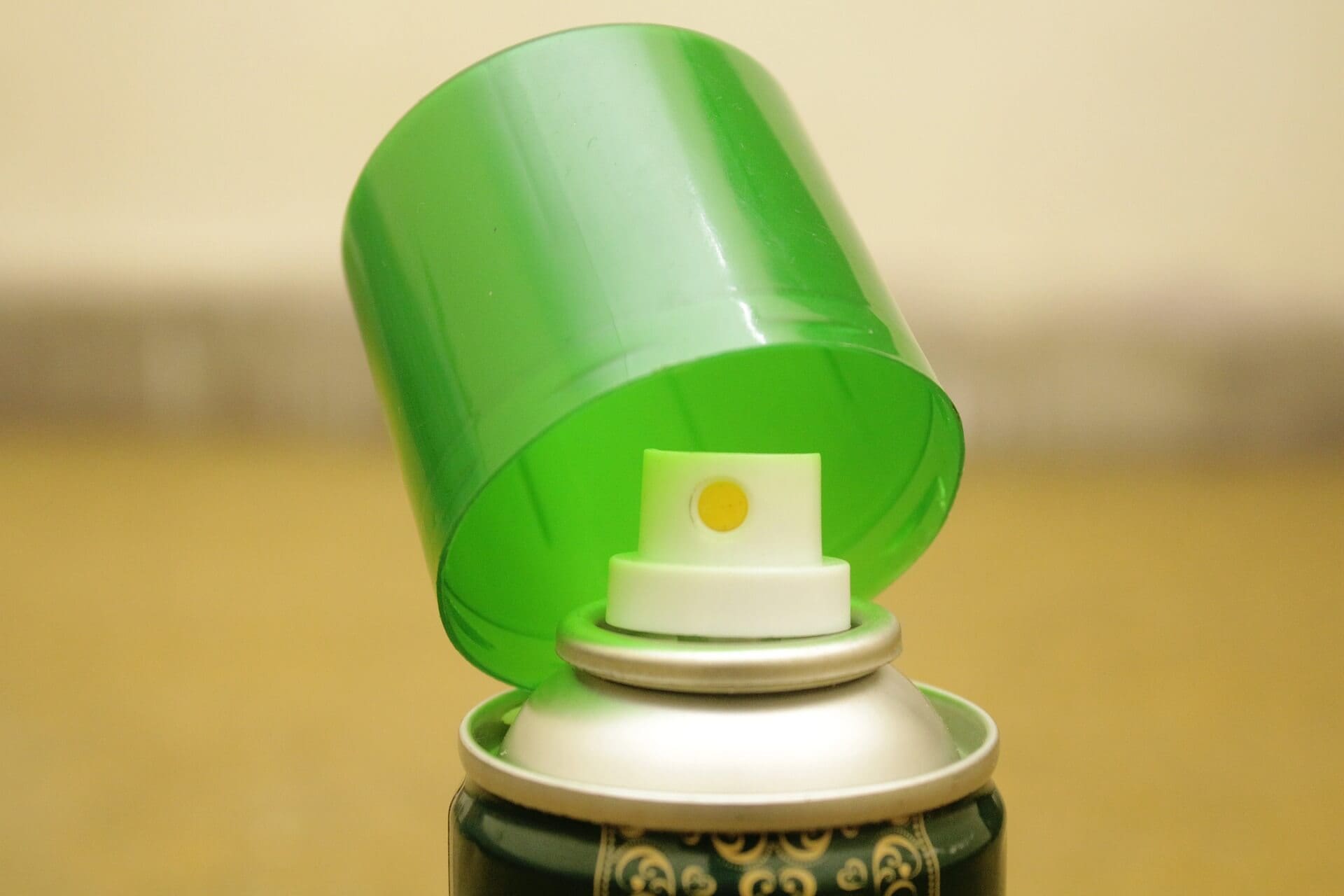
    Image by Tayyab Khan from Pixabay

    Tips for Eliminating Old Urine Odor

    We understand how challenging things get if you leave the urine for the whole good night. The smell becomes even more putrid and stale, demanding a lot more effort to deal with it.

    Here’s what you need to do!

    • The first thing you’ve to do is locate the exact place where the carpet is eradicating the smelly rays.
    • Using a sniffer might help you in this arduous operation –it will let you know when you’ve found it.

    The mild urine stain

    If a urine stain is mild, you have to take warm water with a little mild dish soap. Mix water and soap well until you see a foamy texture forming.

    Pour it onto the stained carpet. Blot it with a paper towel and rub it hard until you remove the stain.

    The resilient urine stain

    You have to follow the complete step-by-step guide to deal with a stubborn stain.

    Image by peta65 from Pixabay
    • Take white vinegar or apple cider vinegar and water in a 1:1 ratio. Mix it properly.
    • Soak a rag or clean cloth in this mixture and blot it over the carpet’s stained area.
    • If the stain is still not getting away, pour some solution directly onto the carpet and scrub it with a brush or cloth.
    • Let it sit down for some time to get dried.
    • Next, sprinkle some baking soda on the carpet to neutralize the smell of vinegar and pee.
    • Take a pinch of dish soap and mix it into a half cup of hydrogen peroxide.
    • Pour this solution onto the stain and scrub gently with a scrubbing brush or a harsh cloth.

    Most probably, this technique will get the pee smell out of the deep carpet layers. It will neutralize the scents so that your dog won’t find this spot to urinate again.

    You can also apply any pet odor neutralizer if you don’t have enough time to try this DIY technique.

    What If You Smell the Urine but Can’t Locate it?

    ethnic man and dog at home
    Photo by Zen Chung on Pexels.com

    If your snipper isn’t working fine to locate the smelly spot, it’s your luck, by the way. Don’t worry at all! Here’s a backup choice of using a blacklight to locate that smelly spot on the carpet.

    Fo that, you simply have to turn all the lights off and bring darkness into play. Now hold your blacklight by staying some feet away from the carpet.

    You’ll notice the stained spot, either yellow or dull green, in this blacklight. But how to confirm it’s dog’s pee or something else?

    Sorry to say, but you have to perform a smell test to make this thing confirmed. Once you’re successful in locating it, you’ve to follow all the above tips to say goodbye to the smells forever.

    The Bottom Line

    Being a pet owner, you often have to deal with urine and odor accidents. Trust me; these are some of the crazy moments you’ve ever had with your beloved dogs.

    adorable animal breed canine
    Photo by Burst on Pexels.com

    Besides dealing with such issues, you have to keep your home free from such odors and make it fresh and healthy for you and your pets.

    Wait, wait, wait! If you find this whole arduous task above your patience or you don’t have enough time, here’s an alternative for you.  

    You can go for professional carpet cleaning and let this job done by the experts.

  • What to do if you inherit a property

    What to do if you inherit a property

    Inheriting a property can be an emotional and stressful experience. It is often an unexpected responsibility left to you with little instruction on what to do next.

    Photo by Maria Orlova on Pexels.com

    A whopping 36% of people are expected to inherit property at some point or other. Here are some things to watch out for and a few options of what you can do with the house.

    modern stone residential villa decorated with overgrown flowers on floor
    Photo by Maria Orlova on Pexels.com

    Taxes and mortgages 

    Before you can decide what to do with the house, you need to determine if the mortgage has been fully paid. If not, you can use the life insurance of the deceased to pay the remaining balance. It’s also essential to make yourself aware of inheritance tax and how to approach it. You have six months to pay inheritance tax. 

     Dealing with probate 

    If the property is not fully paid off, the deceased will have allocated an executor to take care of the remaining payments, taxes and debts. Probate can take up to a year to complete, and you can’t do anything until it is done. Use this time to grieve your loved one and think about what you would like to do with the property. 

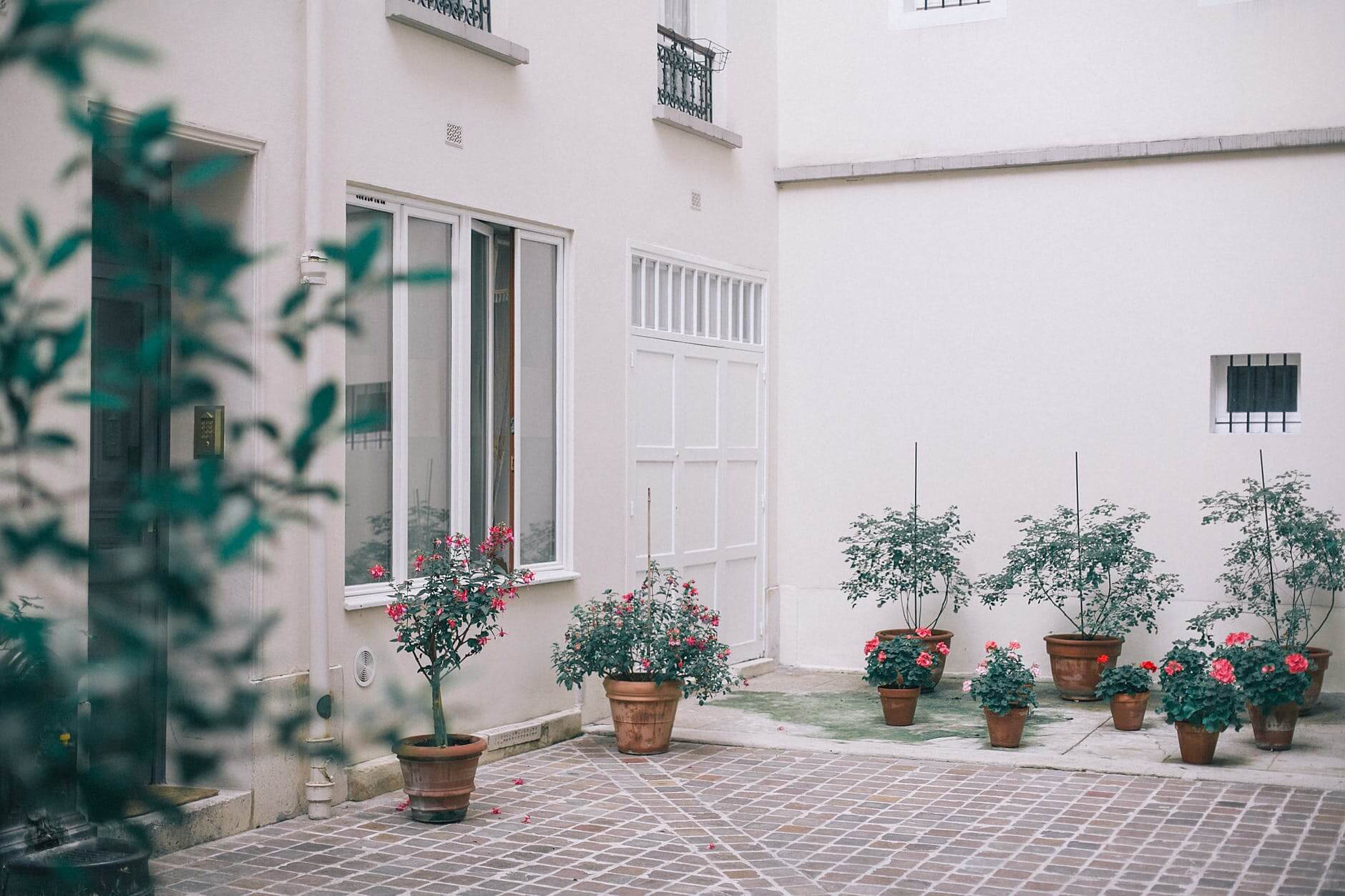
    backyard of modern villa decorated with potted flowers and plants
    Photo by Maria Orlova on Pexels.com

    If the deceased died without a will or spouse, you would need to apply for a ‘grant of representation’ to access the bank account. This is another form of probate. You can then access their funds to pay for the funeral and arrange assets to be sold or passed on. 

    Inheriting a house with a mortgage

    If you have decided to take on the property’s mortgage, you need to put it into your name. This can be tricky if you already have a mortgage on another property. Speak to a fee-free mortgage broker for some advice or sell the property to pay off the mortgage. 

    architecture clouds daylight driveway
    Photo by Pixabay on Pexels.com

    You may need to pass affordability and credit checks to pass the mortgage into your name. 

    You own the home – now what?

    Sell

    Sometimes inherited properties come with too much emotional baggage, and the best option is to sell them. However, selling can be difficult if you live far away from the inherited place or you’re not ready to clear out the property. Consider keeping a few personal items and then hiring a professional cleaning and clearing service to perform a full house clearance. 

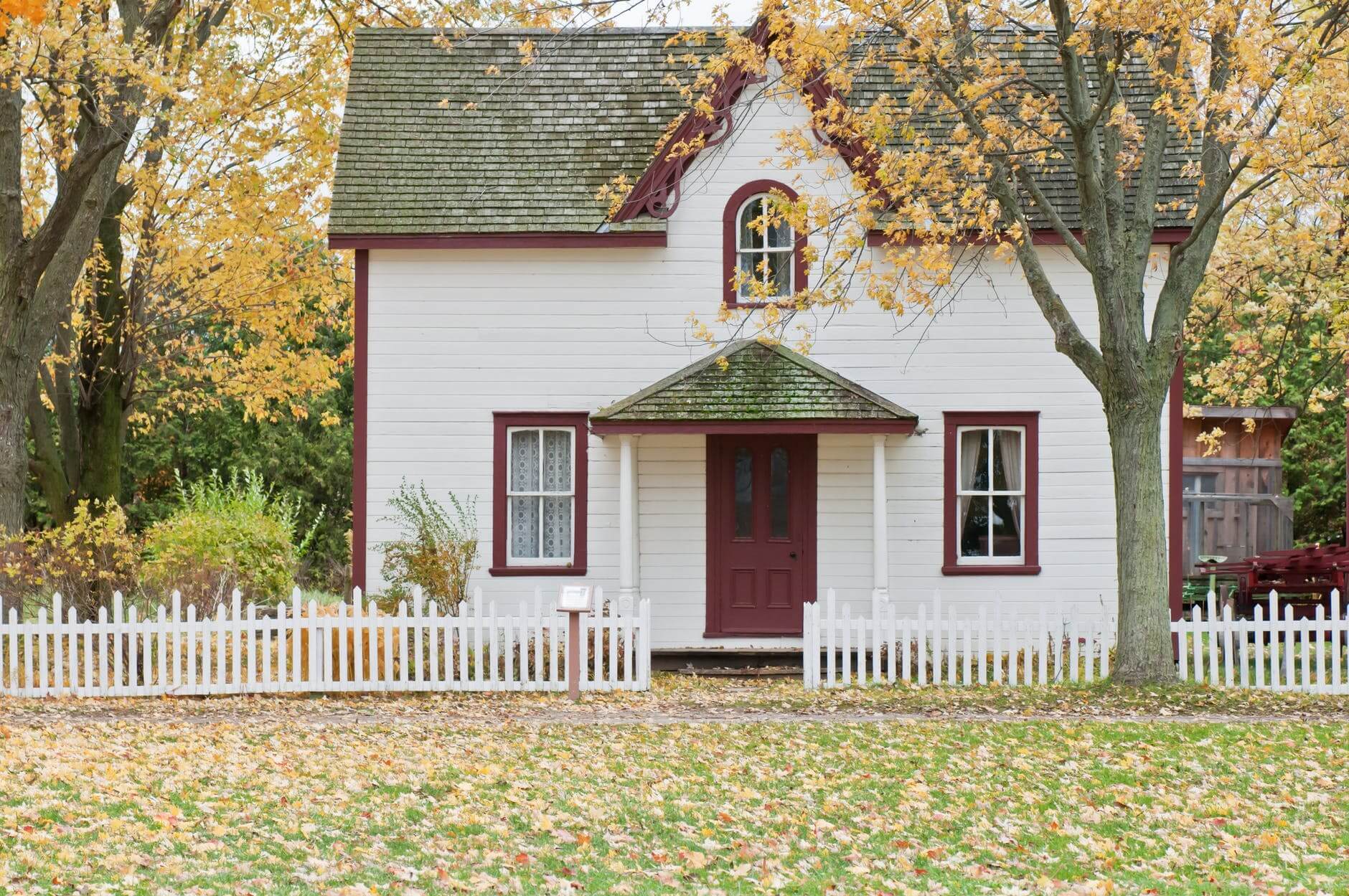
    white and red wooden house with fence
    Photo by Scott Webb on Pexels.com

    Alternatively, some sellers decide to renovate the house. Strip any dated wallpaper and ageing features to make it more appealing for potential buyers. Invite a few estate agents to the property before deciding on a final value.
    Rent

    Renting can be a good halfway point between keeping and selling your inherited house. You can own the property and make money from it if you’re not quite ready to let it go. If you are a first-time landlord, consider using a letting agent to take care of the letting process for you. You can gain another income stream without becoming an accidental landlord. 

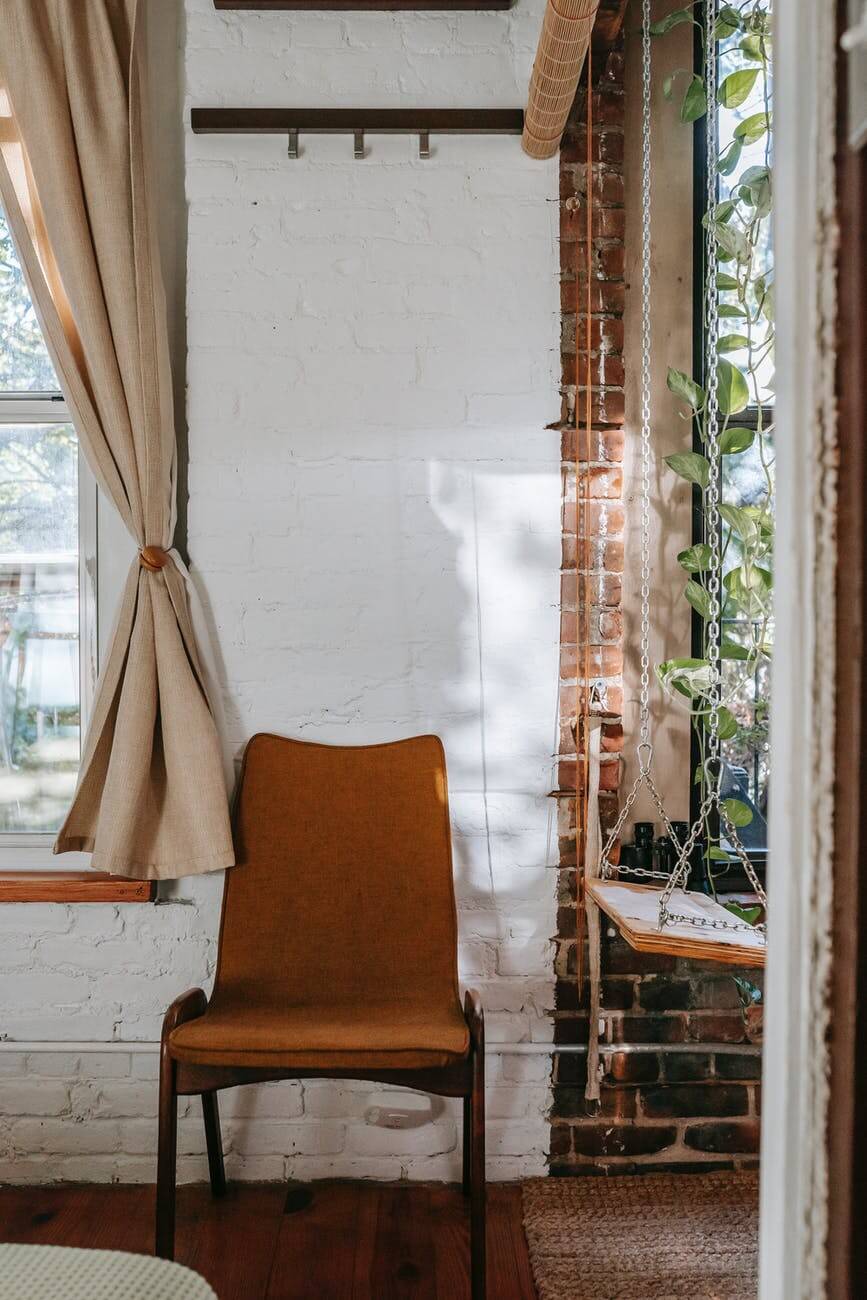
    light living room with rustic chair and indoor swings
    Photo by Charlotte May on Pexels.com

    Move-in

    Your inherited house might be the home for you. If the mortgage has been paid off and you own the property outright, you can move in as soon as you like!  

  • Benefits of Customizing Your Office Furniture

    Benefits of Customizing Your Office Furniture

    While the setup of an office is changing, so does the culture of the workspace.

    Photo by Skylar Kang on Pexels.com

    People need design and space to encourage thinking creatively, thus increasing productivity. These surroundings push boundaries, and priority is placed on personal appeal. Further, people spend time in offices leading to using money to make it attractive and comfortable through customizing to get inspired. Continue reading to find out some of the benefits of customizing your office

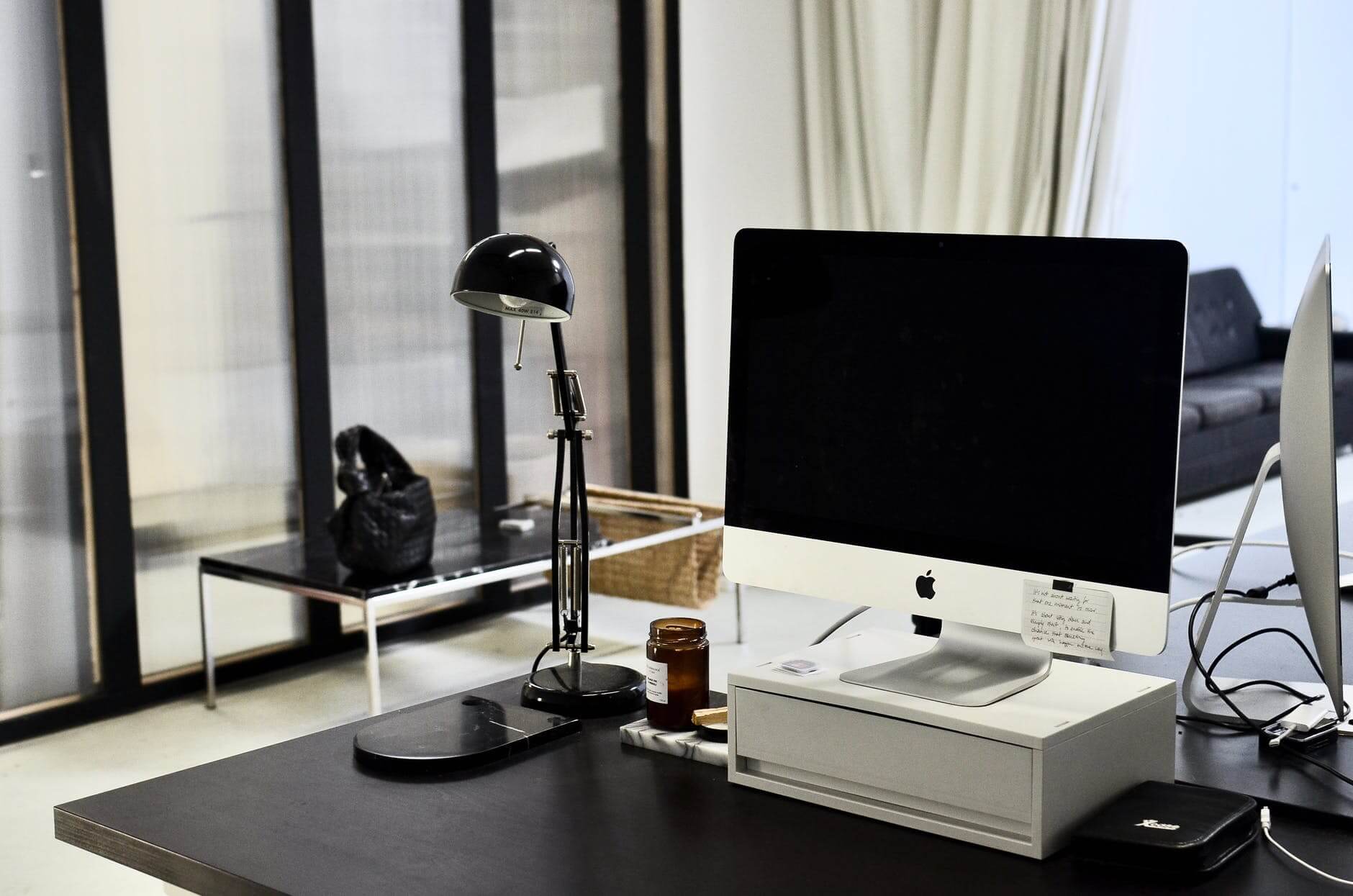
    monitor of convenient modern computer in office
    Photo by Skylar Kang on Pexels.com

    The Culture of a Workplace is established

    Furniture that is custom allows for an office design with the company’s brand and values in mind. This customized furniture offers a visual cue that lets the world know your values. Also, the choice you make in decorating your office’s space is essential, and it depicts the feelings of the employees.

    Storage and Size

    The majority of the premade furniture comes in a specific size, and in some cases, it is not what you prefer to go into an office space. When you customize the furniture, you will choose the size that is perfect for your preference. Further, you can choose the storage amount the furniture is built by. For instance, you can come across a desk that attracts you, but its size and shape is not what you have in mind. Going ahead and customizing the furniture will provide you with the flexibility to fit your preference. To get inspired, sites such as BFX Furniture have various pieces compared to the distinctive furniture you see in offices. 

    turned on gray laptop computer on table
    Photo by Flo Dahm on Pexels.com

    Thinking is encouraged beyond Expectations

    Furniture that is customized needs more thought and involvement by the person purchasing it. Doors to personalization and inspiration are opened. Besides, the beauty of selection digs into the way human wants experiences that are personalized to bring meaning and value to them. Furniture that is customized goes beyond just a chair or a table – expressions that are different can be discovered in this experience. Pieces that too many thoughts have been put into it trigger thinking that is innovative. Designing the office space using different textures, materials and colors drives people to have new perspectives on how they see issues and become creative in solving them.

    blur bottle bright building
    Photo by Pixabay on Pexels.com

    Different Compared to the Rest

    Indeed, the majority of offices have the same look. This includes chairs and desks, which are essential; this, in turn, makes the environment feel dull. When you customize your office furniture, you bring uniqueness to it all to your preference. Building a unique office will make you feel proud, and most importantly, you will be motivated to work every day.

    A sense of Belonging is created

    Bringing in furniture that adopts employees’ personalities and preference tells the workers they are accepted and valued. Also, pieces that custom brings empowerment to employees’ result in more meaningful outcomes.

    women s working space
    Photo by Kaboompics .com on Pexels.com

    An office space looking the same and having basic furniture can make the office environment dull. Custom-made furniture motivates the employees, which makes the office products and a place to want to be. Also, to get the inspiration necessary to spark your creativity to customize your furniture, sites such as BFX Furniture have several ideas to start you off.

  • Things You Need to Know about Different Types of Custom Flag Printing

    Things You Need to Know about Different Types of Custom Flag Printing

    There are different options out there to consider while doing custom fabric printing.

    Photo by Jennifer Griffin on Unsplash

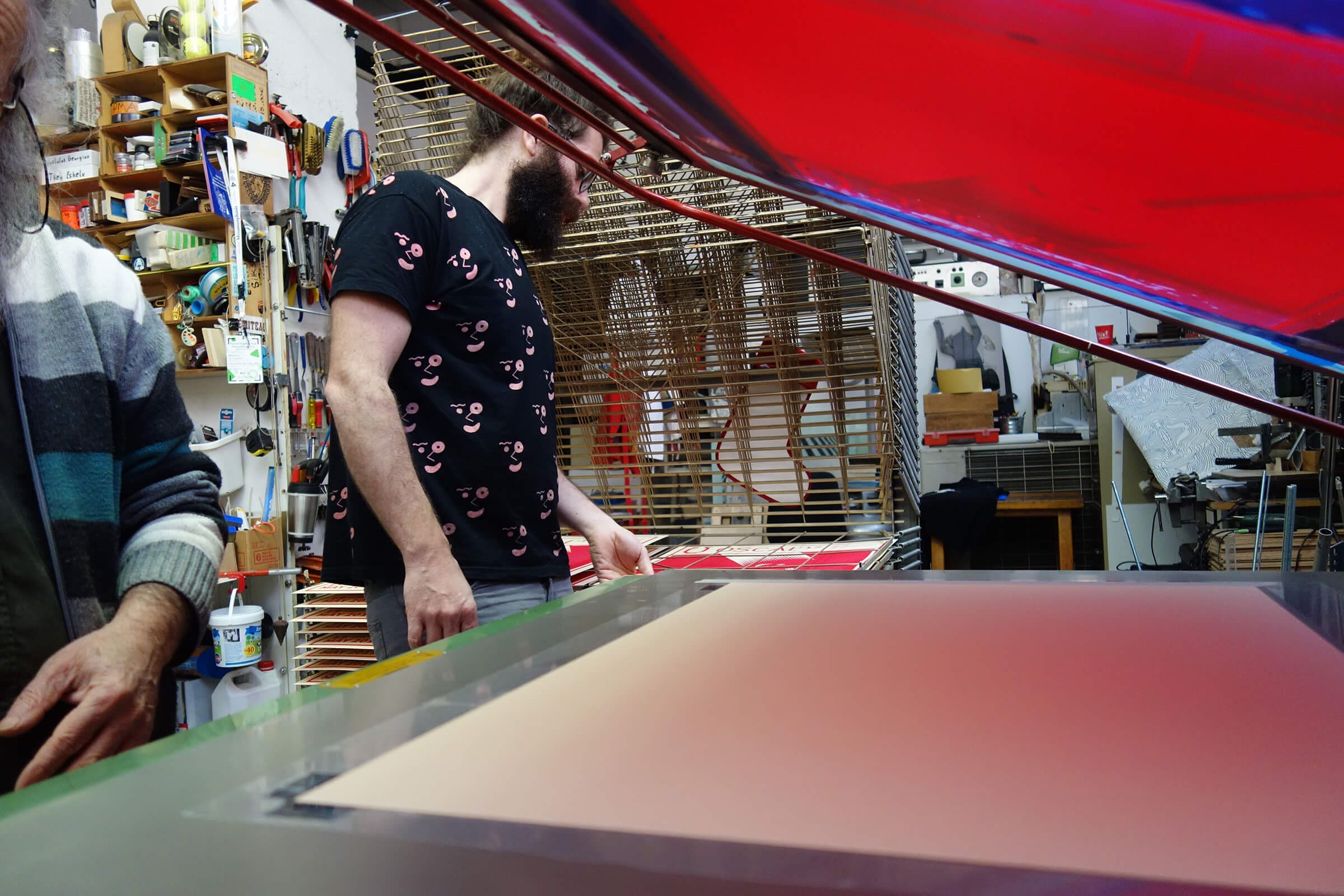
    To identify the best option for you, you may know about the popular printing methods like silk screening, digital painting, dye sublimated printing, etc. All these can work well on the flag cloth, and in this article, we will discuss these options for flag printing in detail.

    Manolis Angelakis, CC BY 4.0, via Wikimedia Commons

    Silkscreen printing

    In this method, the print is done using automated large-format printing machines. These machines let the manufacturers make each unit quickly and accurately. However, it may need a lengthy set up initially for printing, so there should be the requirement for a minimum of 10 or more flags to go for this approach. The silk-screening method is ideal for simple vector graphics based on various geometrical shapes and needs only a few colors.

    Photo by samantha woodford on Unsplash

    After printing, flags will be heat treated. This will make the image look better and make the flag sturdier against weather conditions and be more endurable. The ink of screen printing will permeate through the flag fabric and will ensure 100% coverage on the backside too. Finally, a strip will be applied to the unit’s top or side as needed, and then grommets will be inserted to finish the work.

    Digital printing of custom flags

    Image by Crea Park from Pixabay 

    This is an advanced approach to fabric printing for custom flags, where the custom artwork is designed digitally on a computer and transferred to an inkjet printer. The major advantage of a digitally printed flag is that there is no mandatory minimum requirement. Even if you want to make just one custom flag, you can instantly do it using digital print. Using digital printing, you can also print a photograph or any graphic work on to the fabric.

    Image by Chickenonline from Pixabay

    However, compared to silkscreen printing, digital printing will not offer ink penetration to the reverse side. This can be fixed by doing double-sided printing or by sewing together two digitally printed flags back-to-back. Once the printing is done, the flags are washed repeatedly in the cold and hot water and dried. Finally, the flags will be trimmed and hemmed, and reinforced with strips onto the clot’s top and sides as needed.

    Photo by Laurenz Heymann on Unsplash

    Dye Sublimation

    Dye-sublimation printing can offer you the best of both worlds as the richness in color like silkscreen and the photograph and image insertion like digital printing can be achieved this way. In dye sublimation, the artwork is first printed and transferred to paper with your graphic’s reverse image. This image is further transferred with a heat pressing method to the polyester fabric around a temperature of 375° F. Then, the fabric is heated under high pressure and temperature, with which the dye turns into gases and solidify onto the fabric’s fibers.

    Photo by Murad Mornel on Unsplash

    In dye sublimation, there is also no need for a minimum order of custom flags. Also, the printing penetrates through the fabric; the reverse side also can have the display, however, about 15% lighter than the front side. After processing, flags are trimmed, hemmed, and reinforced with strips to be ready for shipping.

    You may consider your design specifications, budget, and requirement for the number of custom flags to decide while the printing method may be most appropriate for your purpose.

  • How to make tea in a teapot

    How to make tea in a teapot

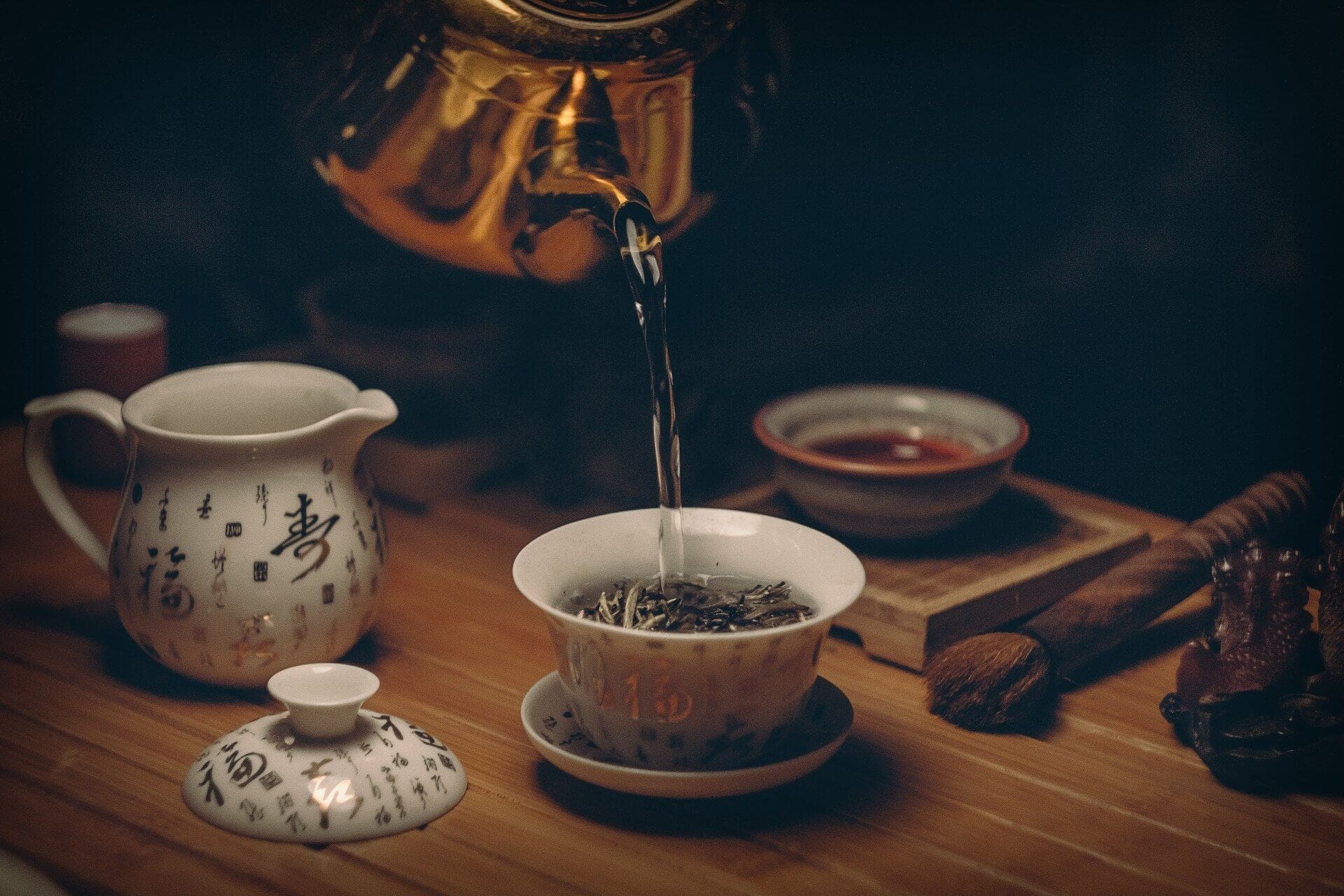
    Choosing the right teapot and knowing how to make the best teapot can be challenging.

    Image by Leon_Ting from Pixabay

    It’s like choosing the proper tea for a special occasion. But not everyone can do this. Our today’s post will help you.

    Image by Pexels from Pixabay

    What kind of teapot makes the best tea?

    Today’s teapots come in many shapes and colors and are made from many different materials. Therefore, finding a teapot according to your favorite style or style is not too difficult. But along with the type of tea, the ingredients that make the new teapot play a vital role and determine your tea taste. Each element has specific characteristics that are appropriate for different teas.

    Here are the types of teapots that help make the best tea that many people choose.

    Image by Rudy and Peter Skitterians from Pixabay

    Chinese clay vase

    Yixing clay pots are a famous kind of Chinese. It is made from clay from Yanting in Jiangsu province – eastern China. This is one of the traditional Chinese teapots because they are ideal for oolong tea and black tea for ​​the people here.

    Its popularity is due to the material’s superior properties, especially its properties. Moreover, they also can absorb a small amount into the tea during the brewing process to create a characteristic aroma. This helps the flavor and color of the tea stay on the kettle.

    Image by Pexels from Pixabay

    Ceramic

    Porcelain is one of the ingredients commonly used in the art of teapot. Because porcelain is not porous and it retains heat very well and is easy to clean. Hence, porcelain is recommended for white and green teas. It can also be used for any kind of tea.

    How many tea bags do you put in a teapot, and How much water you need

    Teapot (size)TeaWater
    2 cup teapot (16 oz)2 teaspoons Liquid leaf tea1 tea bag featured2 classic tea bags340 – 450ml
    4 cup (32 oz) teapot4 teaspoons Liquid leaf tea2 featured tea bags4 classic tea bags680 – 900ml

    Follow These Steps

    The brewing process is also the primary determinant of the flavor and quality of the brewed teapot. Please follow the steps below to create a perfect teapot.

    Image by congerdesign from Pixabay

    Step 1 – Heat the water

    In this first step, you should use low mineral water, low chemicals such as mineral water to avoid affecting the tea’s flavor.

    You need to boil water. Take care to avoid overheating or reheating the water. This quickly causes the tea to spoil by losing the balance of the elements in the water. Furthermore, the water temperature can also affect the quality of the tea because unfermented green tea will darken if you use the water too hot. Additionally, hot water extracts more tannic acid and causes a bitter taste.

    Step 2 – Add tea to the teapot

    Image by Pexels from Pixabay

    There are several ways you can add tea to a kettle:

    • Herbal teas should be pre-sieved and soaked in water for 5 minutes or longer. It will help prevent the tea grounds from falling in the cup as you pour it, and the tea will taste stronger. Also, green tea, black tea or oolong tea and white tea should also be sifted before adding to the kettle.
    • Some teapots have a separate tea leaf holder. This will limit the tea crumbs falling out. So, you just need to put the tea directly into this particular part.
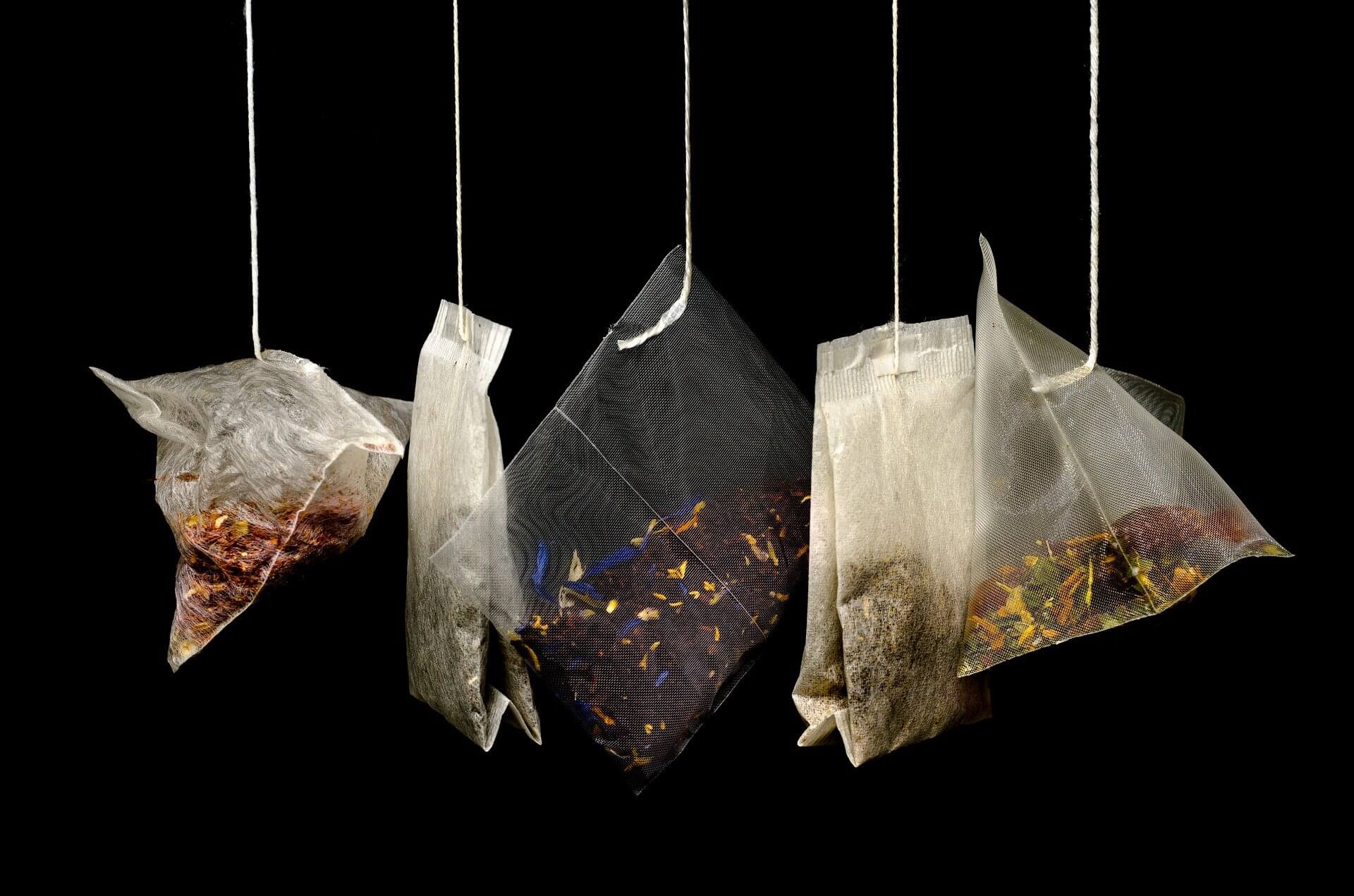
    • You can also make your small teabag to store in the kettle because it will help you take out the tea leaves easily after brewing.
    Image by Perfecto_Capucine from Pixabay

    Step 3 – Dilute accordingly

    Each different tea will have specific dilution instructions for its best flavor and taste.

    Step 4 – Remove the leaves from the teapot

    In many cases, it is recommended to remove the leaves from the teapot. It can guarantee the intact taste of the tea. For example, Camellia sinensis leaves just need to contact water and will continue to soak and extract more tannins. This is the substance that makes the tea taste bitter.

    Step 5 – Enjoy the moment

    At this point, you have yourself an excellent cup of tea, and you can enjoy it yourself.

    Image by Couleur from Pixabay

    You can also add some favorite flavors to the teapot, such as a drop of fragrant honey, a raspberry jam, or a little milk.

    Conclusion

    Tasting tea is an art, and you are the artist. You can create your own delicious, quality teapots with just straightforward steps. We hope that our sharing will be useful to you.

  • Which Woods SHOULD YOU Consider For Outdoor Furniture? Unveiling 10 Best Options

    Which Woods SHOULD YOU Consider For Outdoor Furniture? Unveiling 10 Best Options

    Just like indoor décor, outdoor decoration is also imperative.

    Image by pururav nagaraj from Pixabay

    We often give 100% to our interior design and overlook our outside place’s beauty, glam, and décor. Likewise, the wood we choose for interior furniture grabs almost all our attention, and again, we seldom pay heed to what kind of wood we should purchase for outdoor décor and furniture.

    In this article, we will simply discuss 10 primary wood types that you can choose from while building your furniture. 

    10 Best Types Of Woods For Outdoor Furniture

    Below, find some fantastic kinds of wood for outdoor furniture and amp up your entrance décor. 

    1. Acacia
    Stephen Ondich, CC BY-SA 4.0, via Wikimedia Commons

    Many people inquire about what Acacia wood is. Acacia wood (also known as wattle or locust) is a dense type of hardwood suitable for outdoor furniture construction due to its durability. However, the wood isn’t waterproof, but the sustainability it offers makes it popular for chairs, sofas, and benches construction. Interestingly, it is the cheap outdoor wood that is desirable for everyone.

    1. Redwood
    Image by Hans Braxmeier from Pixabay

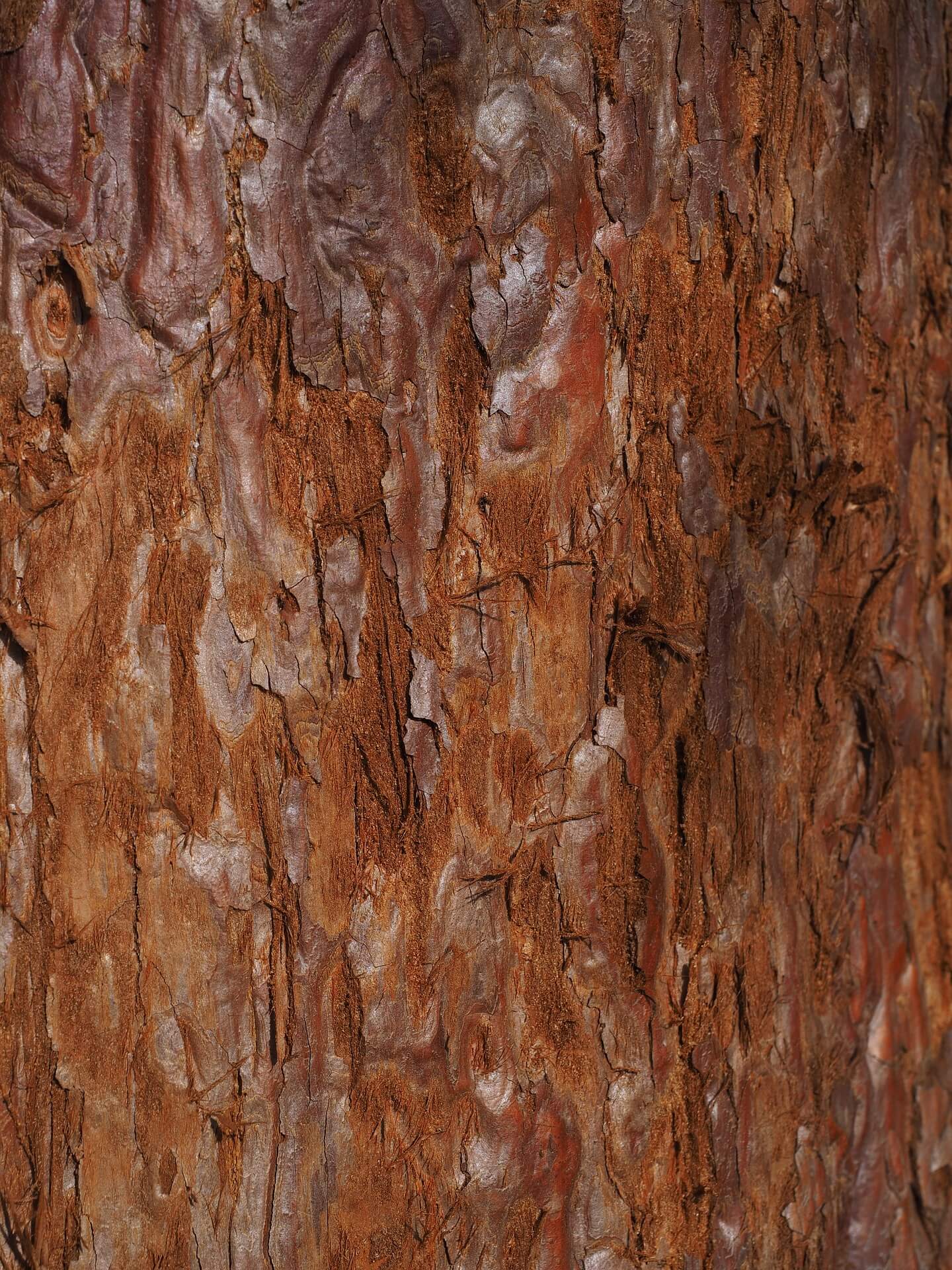
    The woodblocks are extracted from the gigantic redwood trees usually found in California, the west of the US, and are mostly used to make reddish-brown outdoor furniture. The Redwood chairs and sofas are durable yet weather-friendly. So, it becomes the best choice for many homemakers. Also, it contains a lot of tannins that aids in resisting rot and decay.

    1. Cedar

    Source: Pixabay

    Cedar is also one of the best materials for outdoor furniture used to build a sofa for the outside deck. Moreover, the unique design and finish of this wood steal the first glance. When left untreated after the cut, a raw piece of Cedar turns its color to a gray finish. Need not to say that it is lightweight, beetle resistant (because of their scent), and last for decades if taken care of properly.

    1. Cypress
    Imagine de Dimitris Vetsikas de la Pixabay

    Unlike Acacia wood, Cypress contains natural oil in an ample amount, making it waterproof and weather-resistant. The wood is commonly used in the southeastern United States. The presence of oils prevents fungi and bugs from attacking. Therefore, people use Cypress wood to make accent tables and relaxing poolside chairs. 

    1. Teak
    Image by RyanPro from Pixabay

    Teak wood is undoubtedly considered the best hardwood type for manufacturing outdoor furniture as it requires low maintenance. Additionally, it can withstand all weather conditions, so heavy rainfall won’t damage your sofa sets and tables. The oil in Teak wood works as a repellent against pests and decay. The only drawback of this wood is its growth is very slow, so you merely find it, and let’s suppose you see it anywhere, it will cost you a lot. 

    1. Mahogany
    Image by jessicuak from Pixabay

    The most expensive wood that gives your outdoor furniture a luxurious touch is Mahogany. Like Teak wood, Mahogany wood is also rarely found. This type of wood also has some sub-categories, so you need to choose wisely. Not only this but Mahogany is also decay-resistant, and the color of the wood doesn’t fade away over time. Indeed, it is the best wood for patio furniture.

    1. Ipe
    Philipp Zinger, CC BY-SA 4.0, via Wikimedia Commons

    This wood (also known as Brazilian walnut) comes from South America, and the word IPE is pronounced as “ee-pay.” The wood is undeniably the best wood for the outdoor bench and deck because it’s too heavy and almost unbreakable. The reason behind this is that it is the densest wood in the world. Alongside this, it can’t be moved easily.  Also, you can use it as an alternative to Teak wood. 

    1. Douglas Fir
    Source: Unsplash

    If you want to build weatherproof outdoor furniture, this wood is a fantastic choice indeed. Fir remains the same in all weather types and prevents deterioration under wet or dry climatic conditions. More to that, it is lightweight, and hence, lifting and moving the furniture comes in handy. Besides, Fir is durable, and you can use it for years with literal peace of mind. It has a natural resistance against rotting and insects. 

    1. White Oak
    Source: Pixabay

    Either you choose wood for a porch floor or outdoor furniture, White Oak is a perfect choice. It is versatile, straight-gained, and resilient wood that is less prone to decay. Not to forget, it is kept in shaded areas in summers as direct sunlight can fade away the color and beauty of the wood. In short, it requires regular maintenance. Like Cedar and Redwood, it splits apart effortlessly, so you might need to predrill the screw holes on the wood for fasteners. 

    1. Eucalyptus
    wood landscape summer countryside
    Photo by Rachel Claire on Pexels.com

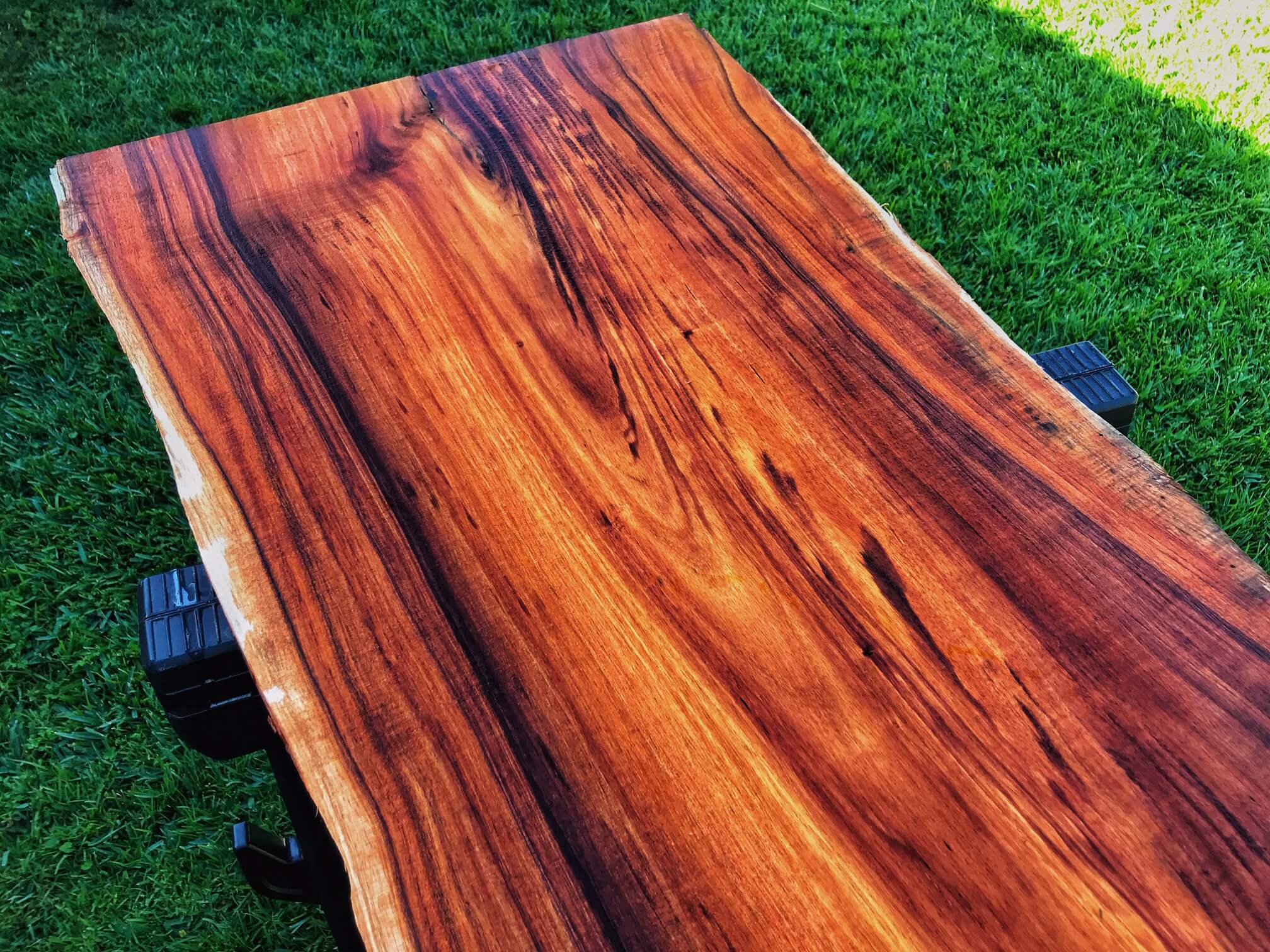
    Unlike Teak wood, Eucalyptus is widely available and hardly decomposes. The aromatic oil present in the timber helps it fight against moisture. To more, you don’t need to get yourself indulged in its hefty maintenance. Eucalyptus wood is dense enough to withstand decay and rot. Keep in mind that it comes in beautiful red color and is exceptionally sturdy. 

    Final Words

    Your home is your dreamland, each part of which you decorate by infusing your soul and heart. Make sure to create a mesmerizing ambiance at your place. For a calming atmosphere outdoor, we all need to focus on our outdoor furniture, and thereby, we need the best and long-lasting wood for them. The top 10 types of woods are mentioned above. We hope we have made your wood-purchase decision easier. 

    Author Bio: Sion Goff is an interior designer, a writer, and a proud father. He loves penning down tips, information, and guides about household décor, parenting, and other such emotional content. You can find his work on https://blog.inspireuplift.com/

  • How to Estimate Floor Replacement Cost for House

    How to Estimate Floor Replacement Cost for House

    When it comes to renovating a home, a floor replacement/installation project is considered significant as it impacts the overall look and feel of the home.

    Photo by Rachel Claire on Pexels.com

    This labor-intensive process requires expertise and skill. And while getting your hands dirty on this project, estimating the cost of floor replacement is a substantial challenge. 

    potted plants in room near window and armchair
    Photo by Rachel Claire on Pexels.com

    We understand that math is the last thing you want to do in this project. That’s why we will tell you five steps on how you can do the floor replacement cost estimation in an easier and less exhausting way. 

    Determine The Square Footage Required

    Knowing how much area you want to cover is the first step to estimate the costs. The flooring of all types is sold per square foot and for this, you have to measure the square footage of that specific area. This can be measured with the help of tape. However, if you have blueprints, it can save you time as you won’t have to move from one corner to another holding the measuring tape.

    cute purebred dog walking on parquet floor at home
    Photo by Zen Chung on Pexels.com

    Start measuring rooms one by one. Be vigilant while measuring the L-shaped rooms. Once careful measurements are done, add the square footage of all rooms, and you will know the total square footage required. You can also outsource takeoff services if you have the house plans ready and need the material estimate.

    Know The Price of Materials

    Explore the market, so you get the idea of the price of the materials, and what types of flooring materials are there. Makes notes on the price. The cost and range vary from type of floor, and the most common flooring materials include natural stone flooring, engineered stone flooring, laminate flooring, vinyl flooring, and carpeting.

    interior of room with table and chairs and with bed
    Photo by Rachel Claire on Pexels.com

    If you are looking for inexpensive options, the range typically is less than $2 per square foot for carpet, vinyl, or ceramic tile to $8 for stone or wooden flooring.

    Knowing The Installation Price

    You have decided the type of floor you want, you have measured the square footage, and explored the market to know the flooring costs. Now, you have got to get the estimates of flooring replacement per square foot. The estimates might vary from carpet and laminating floor being the cheapest to install to the concrete and ceramic tile being the costliest ones.

    Don’t get one or two estimates for the replacement. Get several estimates and find the lowest prices. But, if you use the estimate service, the bids are comparatively competitive.

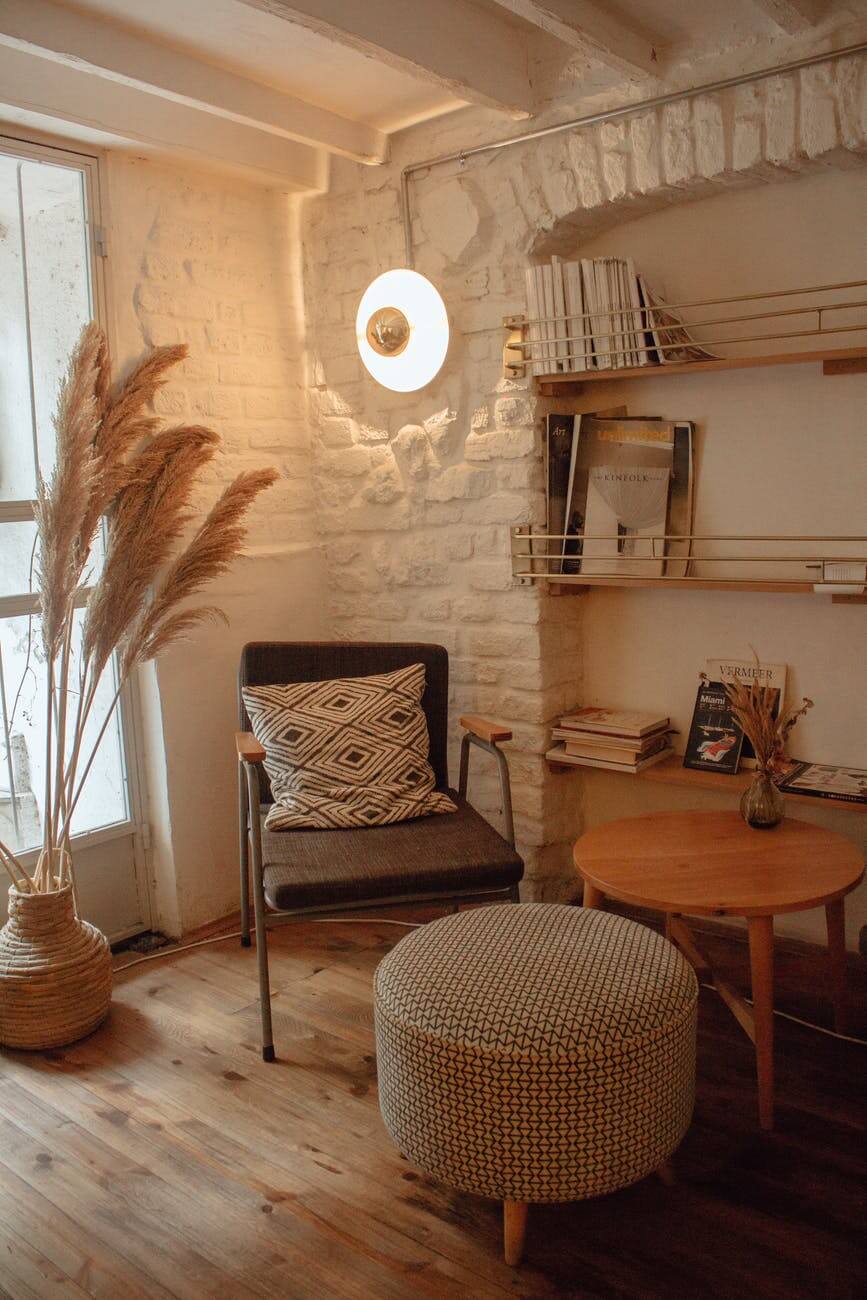
    armchair near table and ottoman
    Photo by Emre Can on Pexels.com

    Sum It All Together

    Multiply the cost of material and installation by the total square footage and add them. However, we advise you to take into account the overheads that can cost you extra. For example, removing old flooring and disposing of it can cause additional costs.

    To add this type of cost, you have to select the type of existing floor that you want to get removed. 

    Estimating the cost of floor replacement is a daunting task, but it can be an easy one too if you are aware of the process on how to do the estimates.

  • Garage flooring – The four best choices to opt for

    Garage flooring – The four best choices to opt for

    Are you planning to add some color and style to your garage? If yes, one of the ideal places to start with is your garage floor.

    Image by scorpdex from Pixabay

    The generic concrete slab garage floors are useful and sturdy. However, with some added effort, it can get comfortable and attractive.

    Image by Michael Schwarzenberger from Pixabay

    Today, you have several choices for adding more to your garage floor, and several people have issues in planning how to go about it. One of the best ways to prepare a new garage floor is to divide the coatings and coverings options. To know more about this, you can check out Garage Flooring NH.

    Some of the best options for garage flooring are:

    1. Floor Epoxy

    The epoxy floor coatings often get counted as paint, as both get applied with paintbrushes and paint rollers. However, the materials differ from the performance and chemical perspective.

    Image by StockSnap from Pixabay

    The paint gets hardened when the solvent evaporates, which is generally oil-based liquid or oil. On the other that, the high-end epoxy coatings get hardened through a chemical reaction between hardener and resin. The excellent quality garage floor epoxy results in an attractive, long-lasting and durable coating for your garage. It would be best if you didn’t confuse this with epoxy paint, a part latex paint with a little epoxy added to it to enhance the finishing hardness. Epoxy coating is better than epoxy paint in terms of performance.

    • Floor paint

    If the garage floor gets stained with grease, rust, and oil, you can give it a new look by opting in for concrete floor paint.

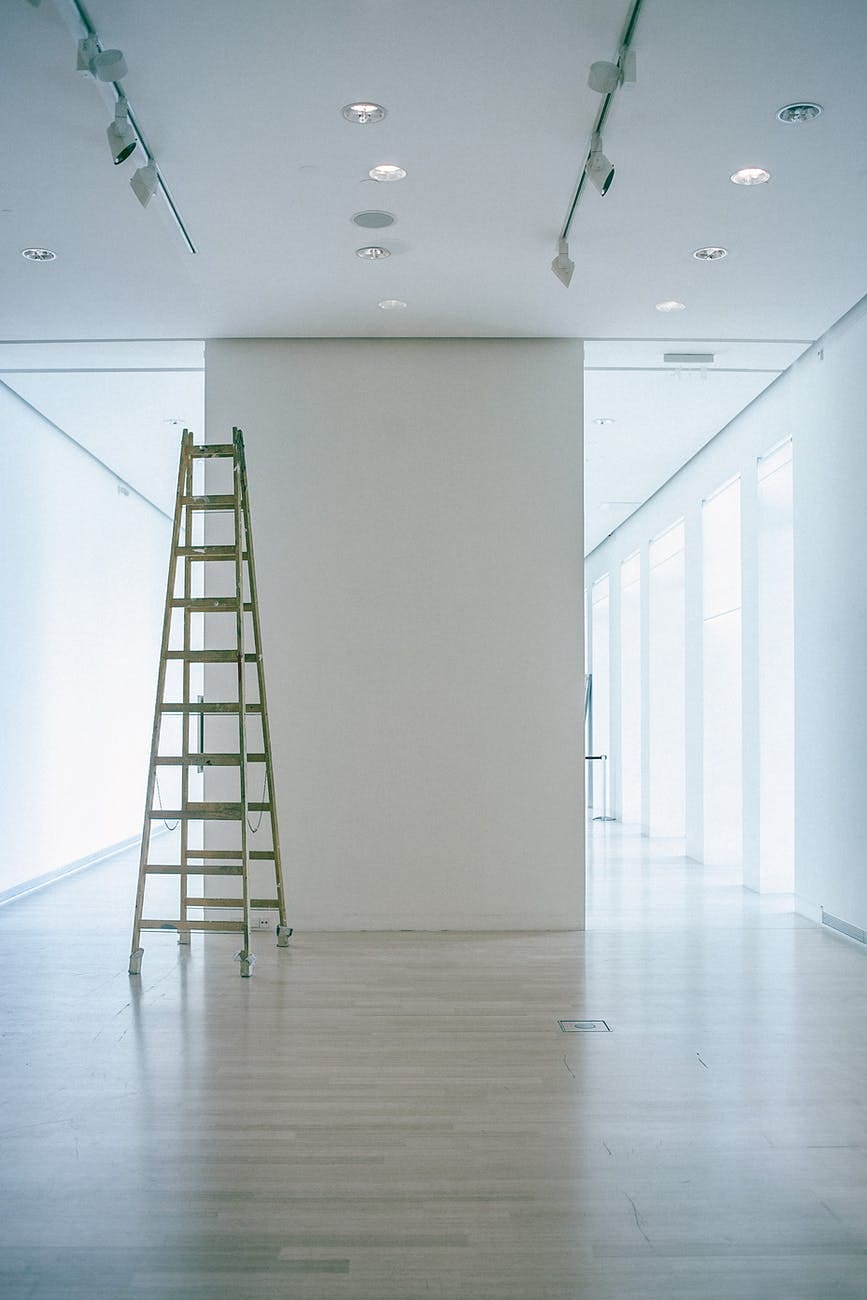
    empty corridor with ladder and lamps on ceiling
    Photo by Maria Orlova on Pexels.com

    The concrete floor paint can be of oil-based or latex products. Also, they have a non-slip finish, satin, and designed so that it is durable under tough traffic. It is resistant to damage from salts, solvents, and various other caustic materials.

    • Floor tiles

    You can cover the garage floor using hardy vinyl floor tiles as you use it in some living spaces.

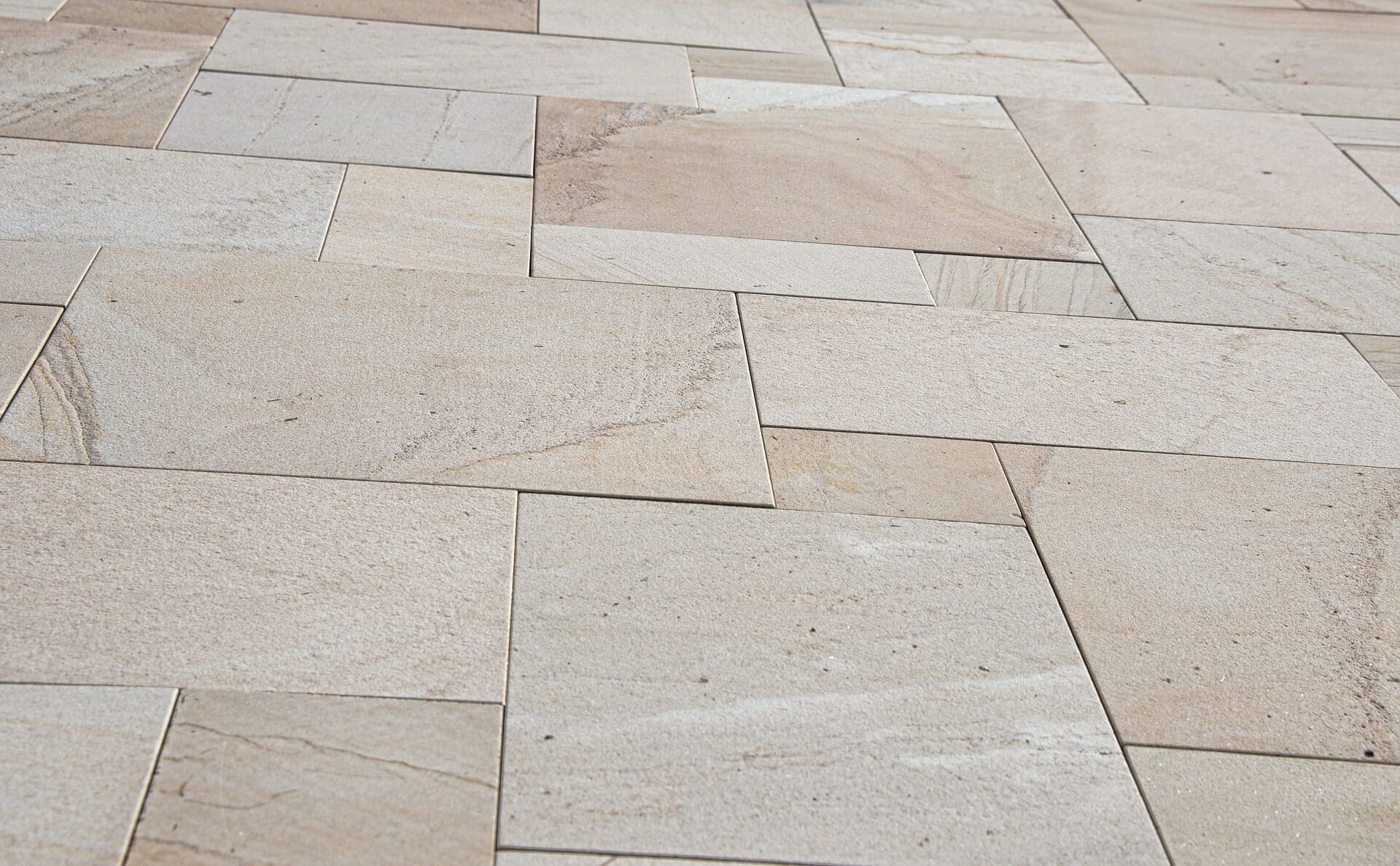
    gray concrete pavements
    Photo by Pixabay on Pexels.com

    However, the best forms include semi-rigid or rigid plastic, wood composite tiles, or rubber when it comes to a garage. All these products come with interlocking edges and create a minimally raised floor with ample strength to assist vehicles. The floor tiles are a great choice where the concrete slab gets badly cracked or stained, challenging to repair. The tiles will level out the unevenness of the slab. Some of the best options include plastic garage floor tiles, wood composite tiles, and rubber tiles.

    • Floor mats

    One of the most uncomplicated processes for covering a garage floor is to roll out mats made of polyvinyl plastic or rubber.

    brown wooden panel
    Photo by FWStudio on Pexels.com

    Like the garage floor tiles, the mats can get installed on the concrete floors that get slightly cracked or stained, with zero prep work. A few mats are textured, and others are like rugs.

    Image by Rupert Kittinger-Sereinig from Pixabay

    Others look similar to padded gym mats. These floor mats are easy to clean and come with ample thickness to stay sturdy underfoot, and are the ideal choice for a garage.

    These are some of the best garage flooring types that you can use for your garage floor and maintain it well.