Author: designer

  • High Comfort and Eco-friendly Design – Netframe by Cate & Nelson

    High Comfort and Eco-friendly Design – Netframe by Cate & Nelson

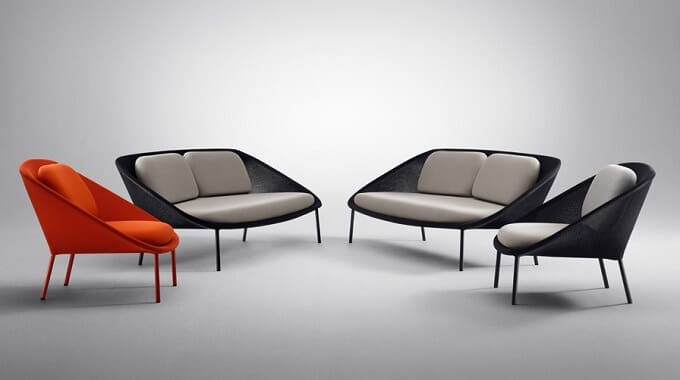
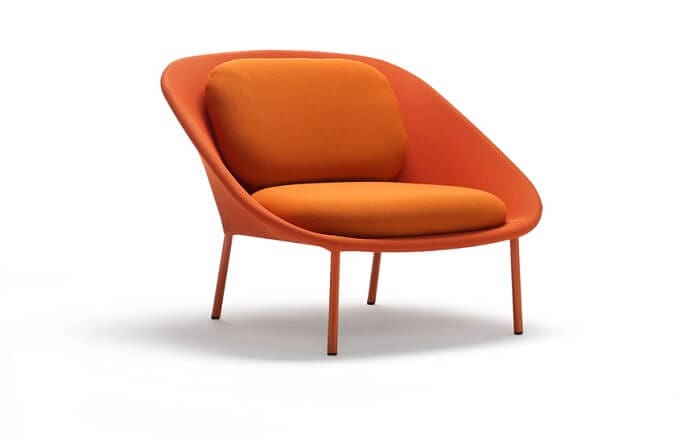
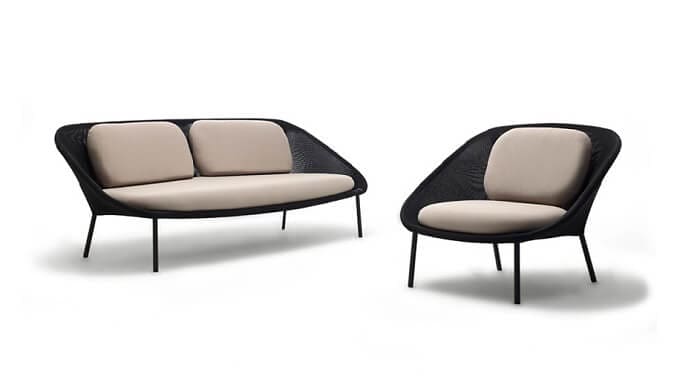
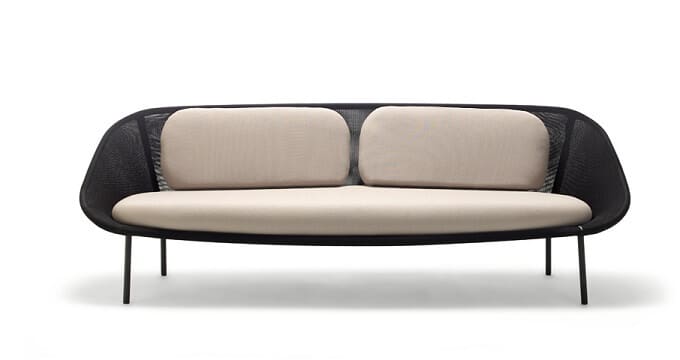
    Scandinavian design studio based in London, cate&nelson, and Offecct, a Sweden-based contemporary furniture manufacturer teamed up to develop their first collection, Netframe, which has been exhibited at Stockholm Furniture Fair 2013, on 5-9 February. With a simple yet very attractive, modern design inspired by a traditional hammock, it consists of a sofa and an easy chair suitable for both public and private environments.

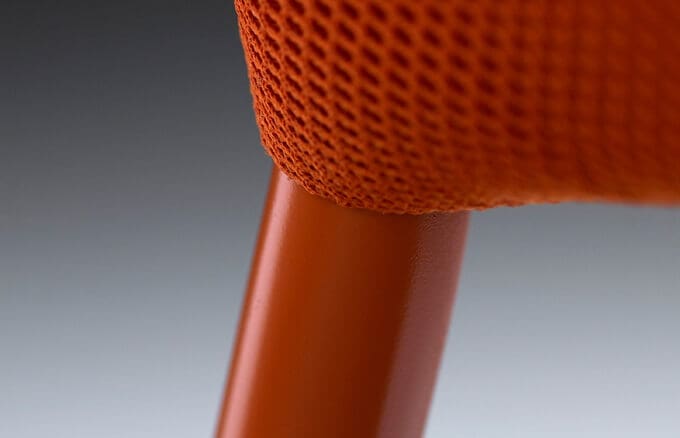
    When creating this seating system, the designer’s purpose was to make very comfortable furniture pieces with extremely low impact on the environment, while using and wasting as little material as possible. So, Neframe distinguishes not only by original and stylish design that showcases slim legs and a minimalist shell, but also by an intelligent use of few materials and by a sustainable approach reflected in both companies’ design philosophy. The details make it look particularly catchy and fun. The semi-transparent space fabric is wrapped around the structure and held in place by the cushions, which are very interestingly integrated in the structure’s oval shape. Take a look!

    Modern-furniture-pieces


    Easy-chair-design

    Chair-design-detail Easy-chair-and-sofa

    Modern-sofa-design

    Photos © Cate&Nelson


  • Difference Between Art Nouveau and Art Deco Designs

    Difference Between Art Nouveau and Art Deco Designs

    If the difference between art nouveau and art deco had to be encapsulated in a few words, it would be these – the former is flowing, whereas the latter is sharp. Where art nouveau is known for flowery shapes and themes, art deco is known for streamlined, sharp themes (think of the Chrysler Building in New York). Both art nouveau and art deco designs evolved as a response to the culture of the times. The former was influenced mostly by the industrial revolution and the latter by World War I.

    Art-deco-hand-painted-door

    Photo © Interior Styles, Inc.

    The use of shapes is perhaps the easiest way to tell art nouveau from art deco. Art nouveau incorporated sinewy curves and natural elements. The focus was undoubtedly naturalistic forms, but in a stylistic manner. The art nouveau movement brought in the use of natural forms like fairies, insects and weeds, which is typified by the Tiffany lamps of the time. It’s important to note that art deco designs are not antithetical to the art nouveau style, and evolved from the latter as a response to World War I. Art deco was also heavily influenced by geometric shapes, but in a more streamlined manner. The term ‘art deco’ arose from the International Exposition of Modern Industrial and Decorative Arts held in France in 1925.

    Art nouveau designs are much more detailed and intricate when compared to art deco designs. Where an art nouveau style brooch may feature an intricate leaf pattern with detailed inlay work (think of the brooches worn by the elves in Lord of the Rings!), an art deco style brooch will employ more geometric shapes to achieve the same intricate and detailed look. Though the design will not seem to be any less complex, art deco designs will invariably be a set of repeating geometric figures in most cases. Why did this change in design take place? Art enthusiasts are divided on the issue. Most consider that art nouveau designs were inspired by the artists’ rejection of the industrial revolution (and hence influenced by natural shapes), whereas art deco was influenced by the realities and hardships of the First World War, which resulted in highly geometric designs emphasizing efficiency and streamlining.

    Art-deco-lighting

    Photo © Tongue & Groove

    Both art nouveau and art deco were influenced by industrial elements, but art deco took it one step further. Art deco incorporated the use of stainless steel, glass, metal and plastics in design. It was typified by glossy surfaces, seamless design and the use of horizontal surfaces for a clean, sharp look. Linoleum, glass bricks, Bakelite and extensive use of chrome were the main features of this style. In essence, in the 1920’s and 1930’s these materials and designs were meant to signify all that was modern. Where art nouveau was the beginning of the use of modern elements in design, art deco was its peak.

    Art-nouveau-design-staircase

    Photo © Maynard Studios

    Many would-be interior designers are often flummoxed by the difference between the two styles, but they aren’t difficult to tell apart if you keep a few things in mind. Art deco designs are invariably more streamlined, use more horizontal lines and are linear in almost every way. As mentioned before, a good example of this style is the Chrysler Building; the Empire State Building is another famous one. The use of chrome, steel and wood is another sure giveaway. On the other hand, art nouveau features more natural forms, and will incorporate more natural shapes and designs. Though both incorporate geometric designs, a side by side comparison will make it clear to any layman that art deco designs have a distinct jagged and linear influence, as compared to the natural, curvy influence ingrained in the art nouveau style.

    Art-nouveau-style

    [ajax_load_more]


  • Tumble Weed by Carmela Bogman, Attractive Free-Floating Stool

    Tumble Weed by Carmela Bogman, Attractive Free-Floating Stool

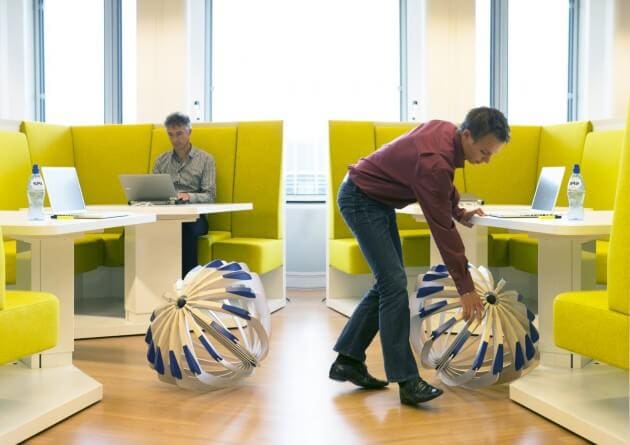
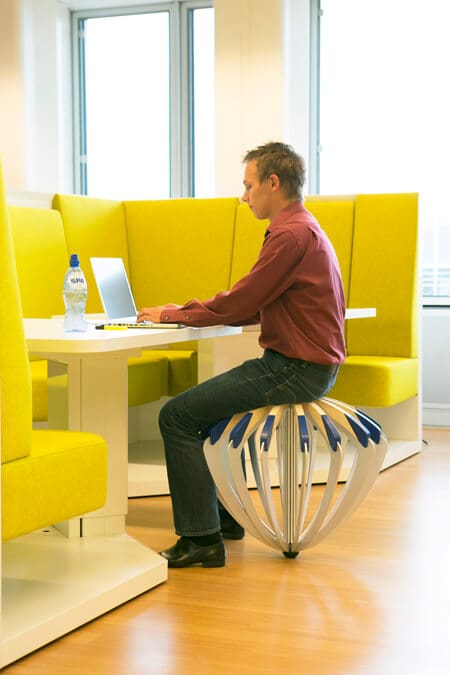
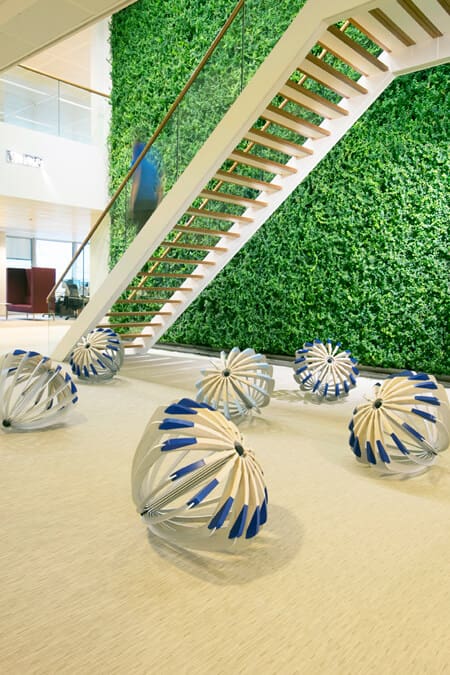
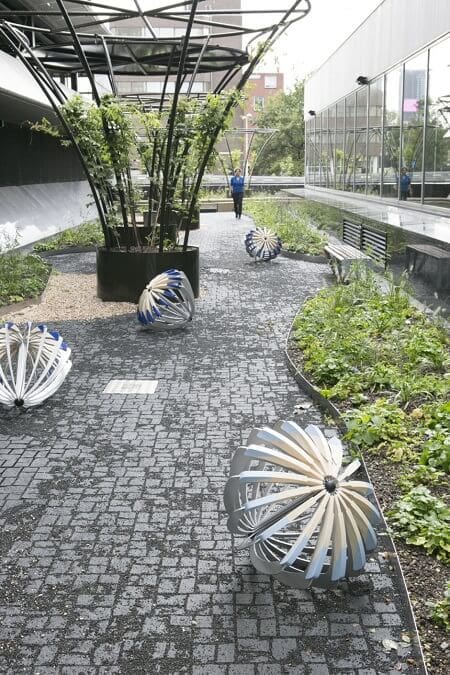
    Nominated for the Frame Moooi Award 2013, Tumble Seed is a stool with a creative design, which is constantly looking for balance as we strive to find the right balance in our everyday lives, thing that many times proves to be difficult. With a quite unusual yet original looking shape for a chair, this free-floating stool would definitely draw attention anywhere you would place it: at home or at the office.

    Eco-friendly-stools-design

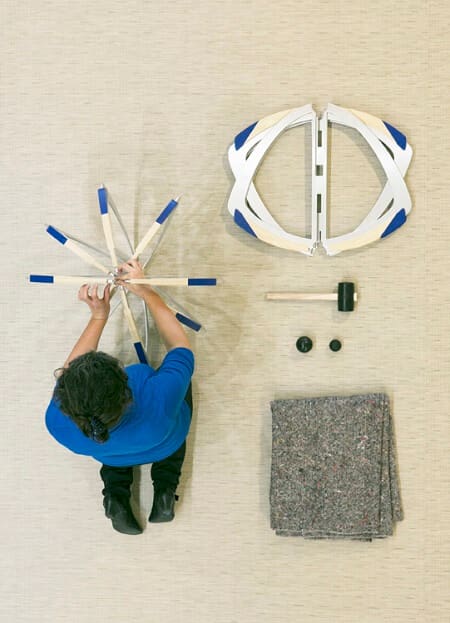
    Dutch designer Carmela Bogman thought to envision this stool to complement both your exterior or interior design, it’s flower seed shape being made of a combination of eight brushed aluminium strips and modified wood. Fixed together ingeniously, the Tumble Weed seems like moving in the wind and its subtle colouring  is a reference to the beautiful flower that can grow from it and is an inspiration for a new and bright future. It can easily be lifted and moved to another place because of it’s lightweight sustainable design. Tumble Seed is a design of Carmela Bogman, under the authority of MN/Art Partner.

    Stools-from-aluminum-and-wood

    Stools-assemblage

    Flower-seed-shaped-stools

    Exterior-decor-with-stools

    Photos © Anouk de Kleermaeker


  • Scandinavian Simplicity – Colorful Striped Vases by Kristine Five Melvær

    Scandinavian Simplicity – Colorful Striped Vases by Kristine Five Melvær

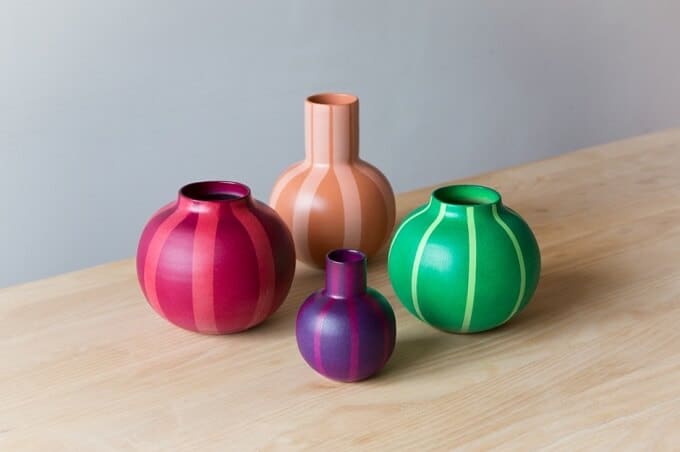
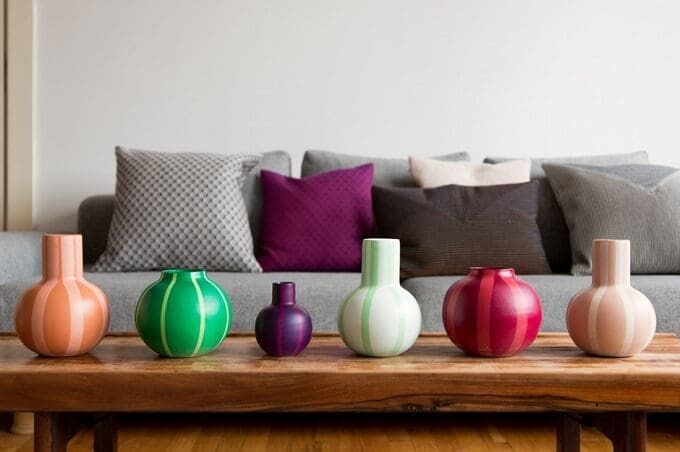
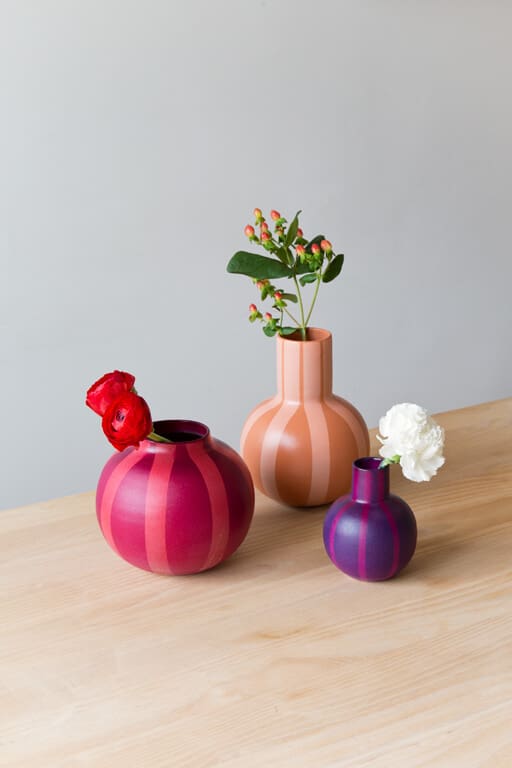
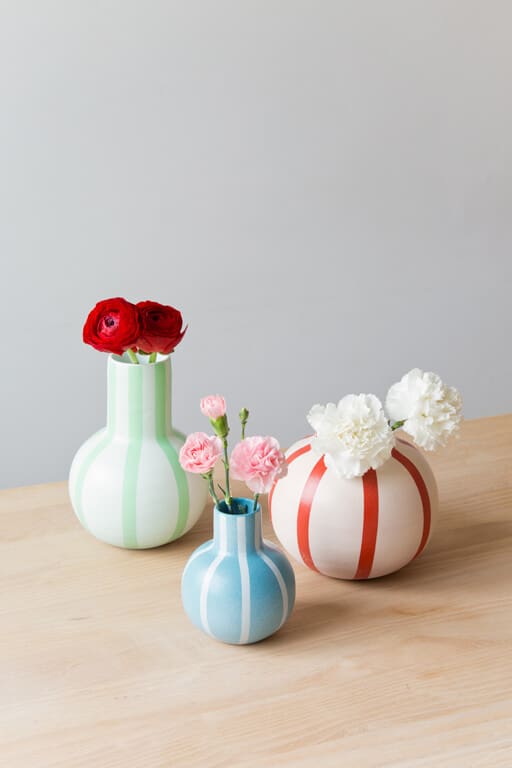
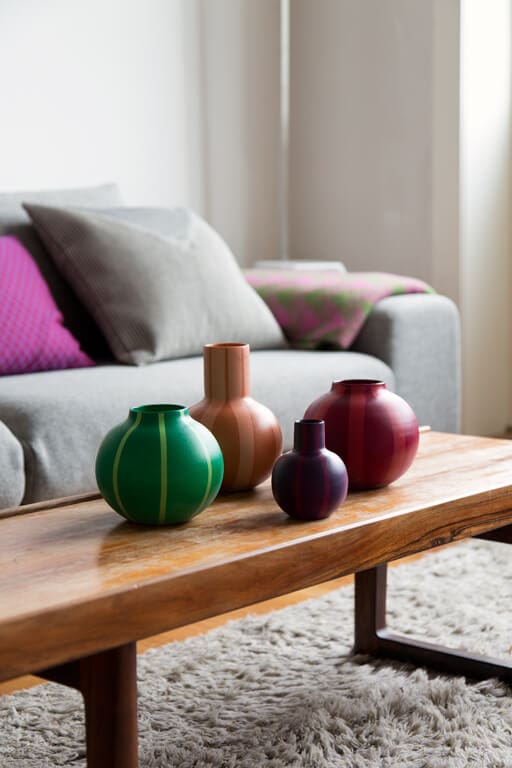
    Whether you are a fan of Scandinavian design or not, you will certainly find the Obelix vases original and appealing.  If you were looking for the perfect vase to match your favorite plant or to create a splash of color, these ones are maybe possible winners.Designed by Norwegian Kristine Five Melvær, the colorful vases were inspired by nature and hand-turned in the form of vegetables, plant bulbs or fruits.

    Juicy-colored-vases

    She uses the charming combination between juicy colors and brave stripes to make a bold visual statement, so Obelix vases are great to be displayed with or without flowers, separately or several together.

    With rough and smooth surfaces mimicking the skin pattern of various fruits and plants, the vases’ appearance seems to grow upwards,  telling the growth story of the flowers you put inside, thanks to the thickness and texture of the high quality lacquer that covers the hand-made stoneware. The Obelix vases are exhibited for the first time during the Salone Internazionale del Mobile 2013.

    Lovely-Obelix-vases-01
    Lovely-Obelix_vases
    Nature-inspired-vases

    Obelix-vase

    Photos © Erik Five Gunnerud

  • Cool Origami-Inspired Decor Ideas for a Chic Modern Home

    Cool Origami-Inspired Decor Ideas for a Chic Modern Home

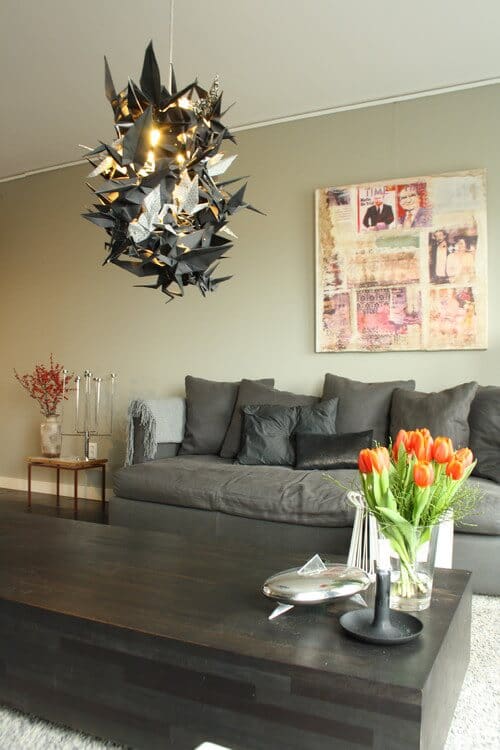
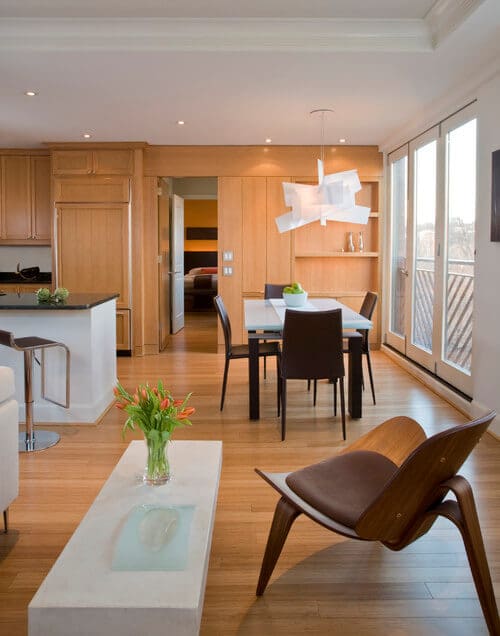
    Yesterday, we were talking about origami, the ancient Japanese art of folding paper and showed you some unique light fixtures designed using this technique. In this post, we want to offer you a larger perspective on how it’s used in interior decoration as an excellent way to create personalized and creative spaces where you work or even in your home. We find some cool ideas showcasing that sculptural and artful origami allure, but there are hundred of possibilities from the simplest decorations made from paper to lighting, wallpapers, accessories, pieces of furniture, anything in your imagination.

    Origami-sofa-design

    Photo © Spacify Inc.

    Characterized by an apparently chaotic form, with sharp creases and folds, the origami-inspired style would ideally complement any modern minimalist interior design. The clean and simple yet visually interesting shapes give to ordinary products an artistic appeal that made designers to think out of the box and create ingenuous and original objects with sleek, distinctive and light weight design. The materials bend and fold to form modern, elegant and surprisingly comfortable decor elements for interiors whose vibration resides in an extremely dynamic atmosphere. We hope you enjoy this display of design ideas inspired by this graceful art of paper folding and next time when you plan your remodelling project or look for an unconventional furniture item, try this Asian style.

    Origami-chairs

    Photo © Sarah Dorio

    Origami-white-chairs

    Photo © Sarah Dorio

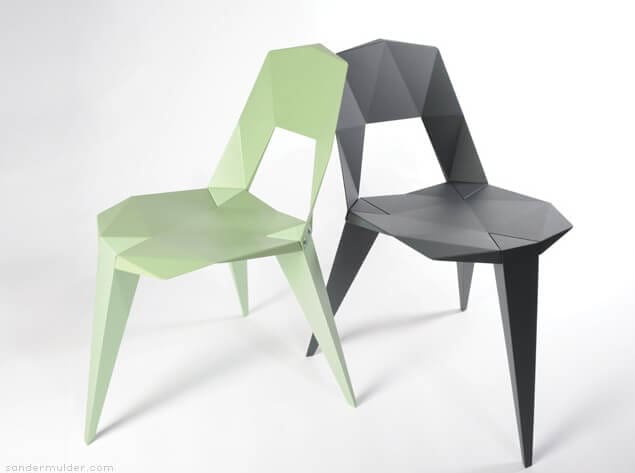
    Origami-colored-chairs

    Photo © Sander Mulder

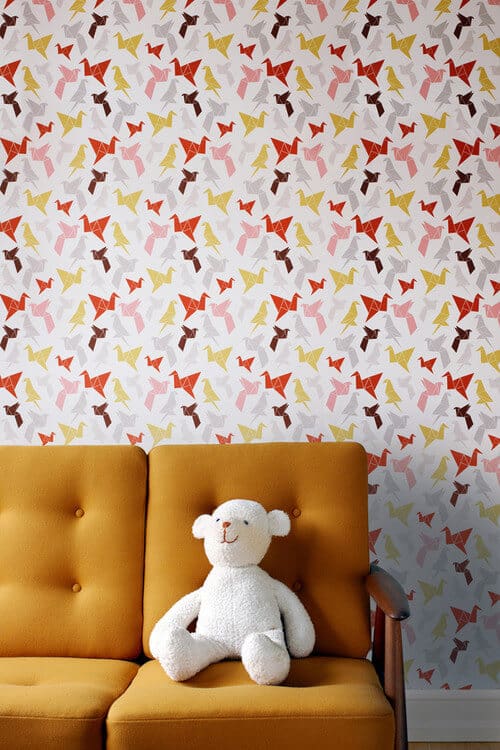
    Asian-wallcovering

    Photo © Dottir & Sonur

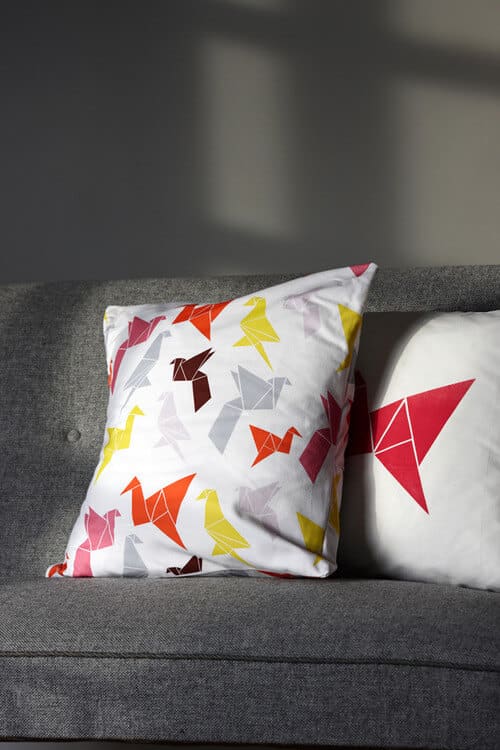
    Origami-patterned-pillows

    Photo © Dottir & Sonur

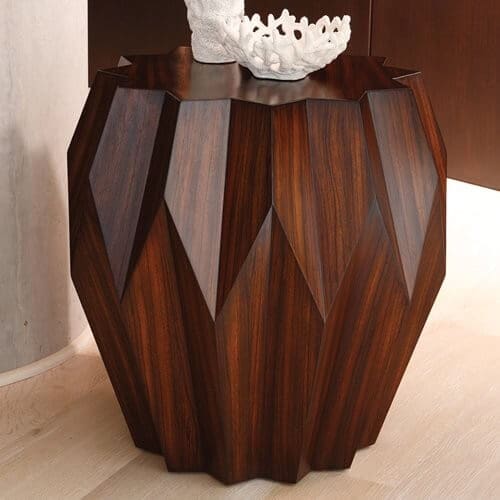
    Origami-side-table

    Photo © Arcadian Home & Lighting

    Origami-pendant-light

    Photo © Holly Marder

    Modern-origami-pendant-lamp

    Photo © FORMA Design

  • DIY Lighting with Original Origami Design by Jiangmei Wu

    DIY Lighting with Original Origami Design by Jiangmei Wu

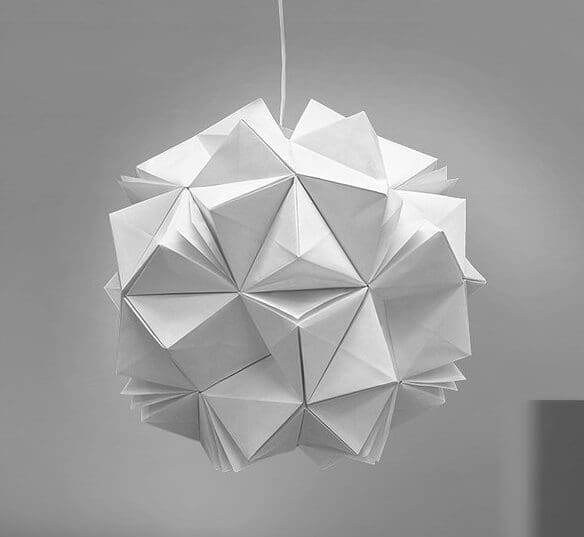
    Being attracted of DIY lighting projects, we found these amazing lights where origami meet design and science. As you maybe already know,  origami comes from the ancient art of Japan of folding paper and evolved over time into a modern art form, which has inspired artists in many fields, including interior design. Nowadays, the outstanding shapes and forms resulted when using this graceful art of paper folding has become a trend in contemporary design. Whether you want to create Asian-inspired interiors, add a modern edge to your decor through a touch of geometry or simply create unique striking designs , origami styling is an instant way to refresh your space.

    Coralina-table-light

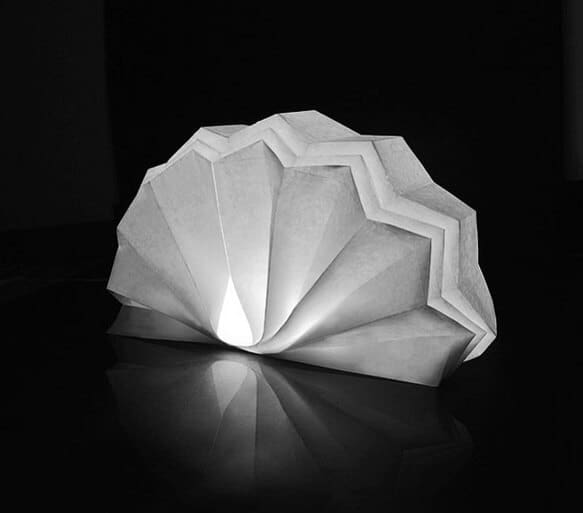
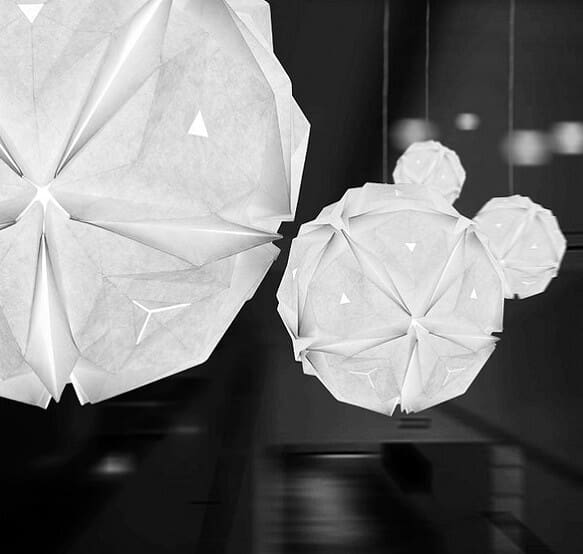
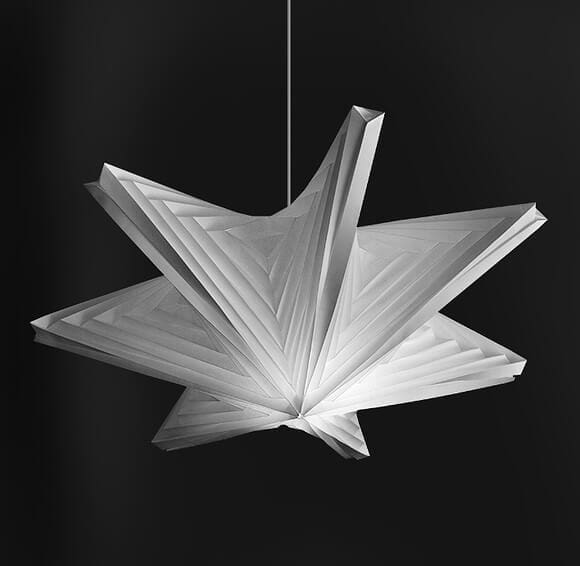
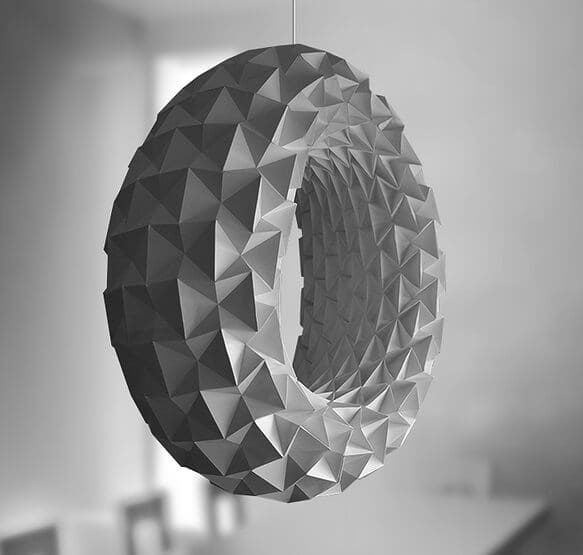
    The creative mind behind this  do-it-yourself folded art project we show you in this post is designer Jiangmei Wu, who managed to design a series of origami-inspired lighting fixtures, unique in their feeling, thought, and craftsmanship. Combining this interesting method of paper folding with a mathematically complex design, advance digital techniques and eco-friendly materials, she manage to create spectacular and sculptural lights with complex and original-looking shapes like some pieces of art. Each crease pattern of Folded Light Art series was developed originally by experimenting with ways of making paper behave in a structural-sound way.

    So, each one of the ten light is made of  a certain number of digitally-cut and hand-folded high quality paper pieces of various forms, which come to life in your own hands, showcasing  a elegant and timeless simplicity that embellish beautifully any modern room design. Their intrincate and artful patterns are highlighted by a custom LED light bulb, providing a soft, warm and inviting ambience. Take a look at these gorgeous results and check out the designers’ website for available DIY kits.

    Moonlight-Mandala
    Icicle-pendant-lamp
    Pineapple-lighting-design

    Seven-star-pendant-light

    Torus-pendant-fixture

    ​Photos © Jiangmei Wu

  • Modern Urban Islands for Public Spaces by Dan Yeffet and Lucie Koldova

    Modern Urban Islands for Public Spaces by Dan Yeffet and Lucie Koldova

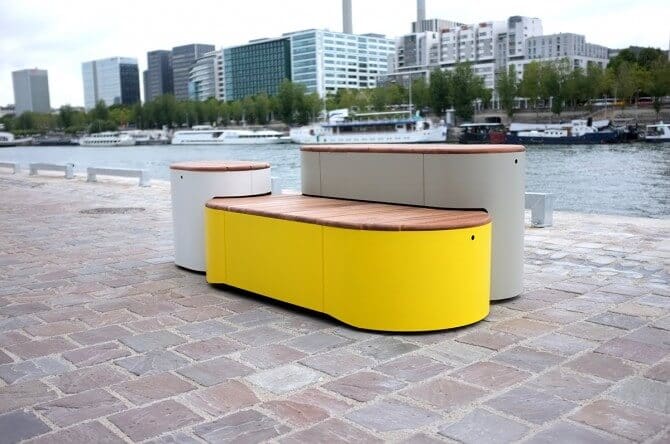
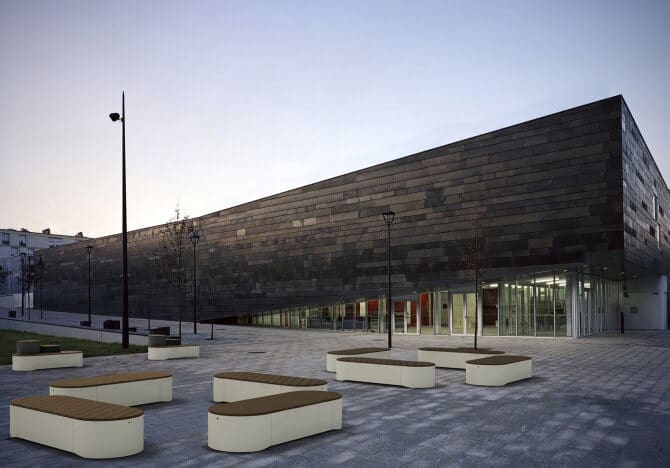
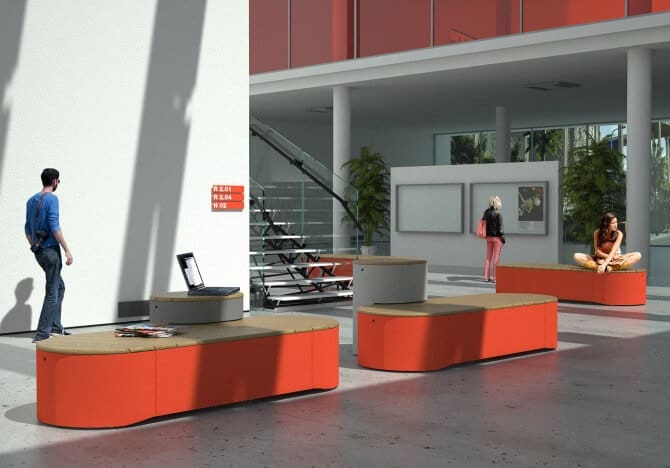
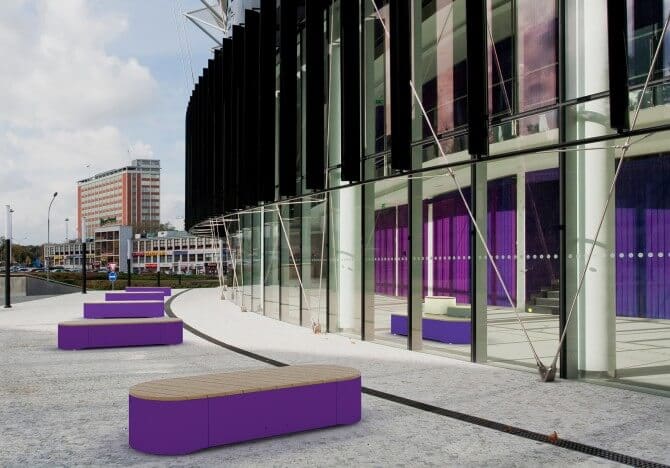
    Public spaces improvement projects envisioned by architects and designers manage to create a comfortable image and a strong sense of community, transforming them into great and vibrant places more connected to the activities going on in the these spaces. They need and deserve as much attention as we give to our interior designs, and we’re excited to see more innovative design solutions for the public sphere. Paris-based designers Dan Yeffet and Lucie Koldová designed this new Urban Islands product line for the leading producer of urban furniture, MMcite, showcased at Paris Design Week in 2012.

    Flexible, with unexpected colors and great forms, Urban Islands shows a unique seating system which looks original and introduce a fresh design in our urban landscape. Thanks to its innovative modular solution, the different seating elements allow for various surprising combinations suitable for public spaces from pedestrian zones, parks, squares to exterior and interiors of public buildings. Their wooden top or HPL smooth surfaces together with beautiful, bright colors ensures an updated, modern look for these places.

    Colorful-urban-furniture

    Furniture-with-wooden-top

    Furniture-with-wooden-top-01

    Colorful-furniture-for-mmcite
    New-urban-furniture

    Photos ©Lucian Bor and DYLK


  • Reinventing the Idea of a Bookcase – Original Multifunctional Furniture Piece

    Reinventing the Idea of a Bookcase – Original Multifunctional Furniture Piece

    Although nowadays we tend to read increasingly often our favourite novels on e-books, there are still many people that enjoy the pleasure of reading printed books as before and what better place to keep them than in a bookcase? When looking to buy a furniture piece to store our book collection and also to compliment our interior designs, most of us purchase invariably items where books are placed vertically. But how about a change regarding your next bookcase, something unexpected and unique in the same time? Raw Edges come up with an original idea of a bookcase that turns to be an amazing multifunctional object, which certainly you will find very interesting.

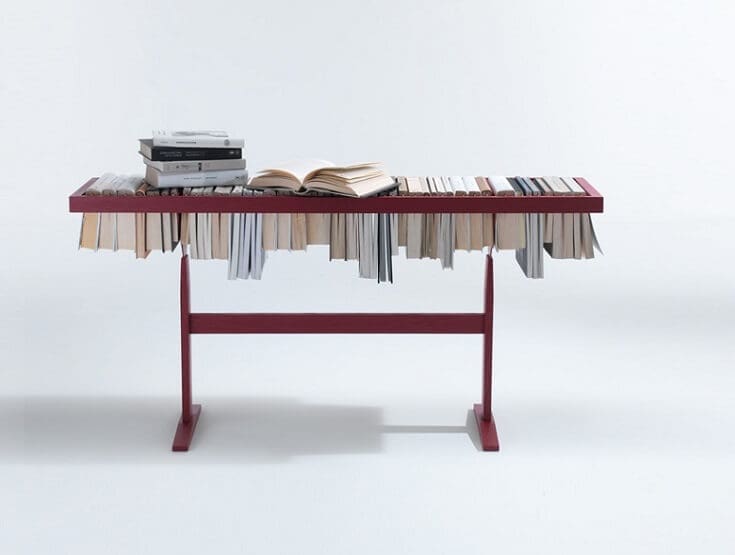
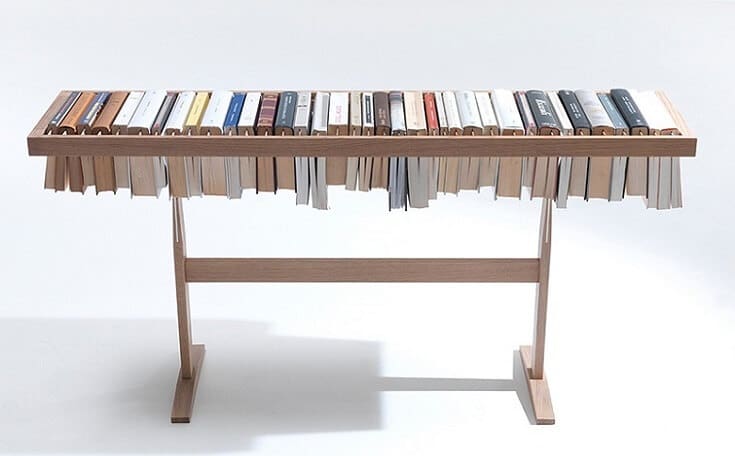
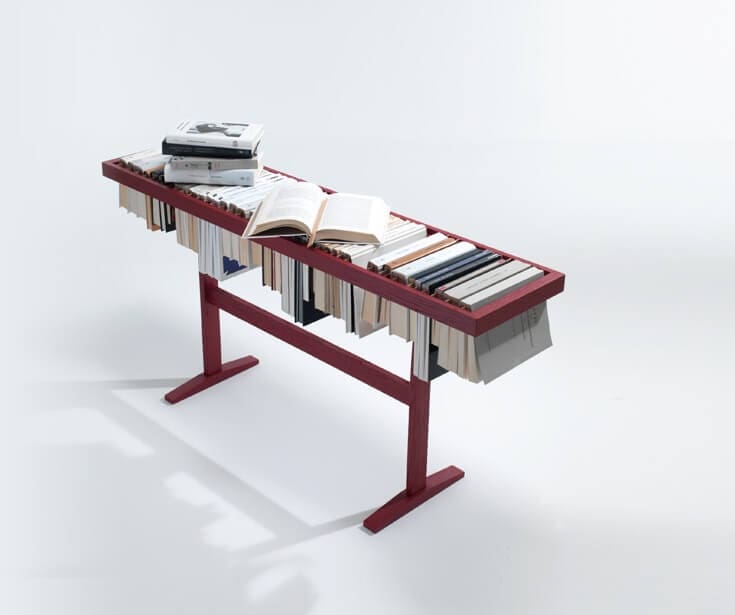
     Unique-horizontal-bookcase

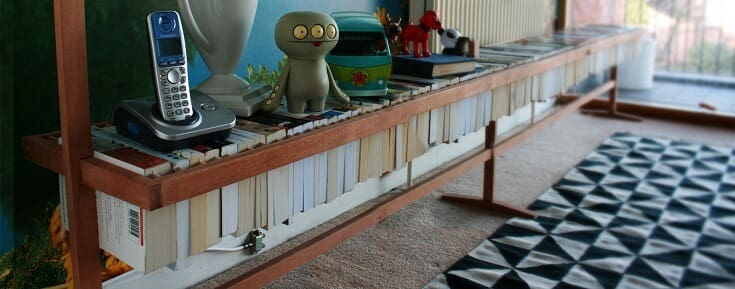
    Designed for Italian furniture brand Lema, Booken, as it’s called, is a light wooden structure that stores books in a totally different manner then we’re used to: vertically. It’s an attractive display for books with books, serving simultaneously as a bookcase, side table and shelf. Starting from the ideas that  people don’t usually read again the novels they have already on their shelves, Raw Edges give the books a new function in his project: to be a support surface for others books or for any other piece of décor you may want to put on. Therefore, each book you’ll hang becomes part of the structural form, but always having the possibility to take out any of them to read it. Very unusual bookcase concept, but smart, very practical and a great space-saving solution for small interiors. Spotted on shoeboxdwelling.com

    Horizontal-piece-with-book-storage

    Booken-bookcase-by-Raw-Edges

    Booken-by-Raw-Edges
    Photos © Raw Edges