Category: HOME

  • How To Build A Resume For A Plumbing Specialist?

    How To Build A Resume For A Plumbing Specialist?

    An Introduction

    Plumbers repair, build, and maintain fittings and systems for drainage, heating, ventilating, drinking, and sewage in both business and residential environments.

    Photo by Laurence Katz on Unsplash

    Working with building plans to examine plumbing systems and water supply layouts is essential to the job. “Wet-only plumbers” work on bathroom and radiator plumbing systems. “Gas-only plumbers” specialize in industrial jobs.
    Photo by Steven Ungermann on Unsplash

    While plumbers are responsible for a variety of activities, some fundamental skills apply to all vocations. Here are some tips for your plumbing resume, as well as some writing guidelines for creating a winning resume.

    How To Create A Great Plumber Resume?

    You handle everything: new work, water heaters, old work, copper, PEX, and toilets. You work quickly, and your consumers adore you. Employers will be super impressed if you use this tailored plumber resume guide. 

    Here’s how to create a job-winning plumber resume:

    1. Begin with the Most Effective Plumber Resume Format.

    Begin with the reverse chronological resume template. That resume arrangement is ideal for plumbers because it highlights current work at the top. In addition, a plumber’s resume must demonstrate installation and remediation skills, as well as a strong work ethic and problem-solving abilities.
    Photo by Backbone Visuals on Unsplash

    2. Make a Plumber Resume Objective or Summary

    Under your headline, summarize your plumber resume. Then, make a brief elevator presentation for a job highlighting your most appealing qualities. 

    This professional resume profile can be written in two ways. First, plumbers with at least two years of experience should develop a professional summary for their resume. This includes the title, top-level talents, accomplishments that demonstrate them, and years of experience.

    3. Add Your Resume to the Plumber Job Description

    Describe your relevant experience in a resume to be relevant to the position you are looking for.

    Here’s how to customize your resume for a specific job posting:

    • Your positions should have business titles, company names, and employment dates.
    • Add plumbing accomplishments such as “10-30 client calls per week” or “20% faster than the business norm.” (The numbers indicate the magnitude of the achievement.)
    • Use plumber resume action words such as completed, answered, or commended to tig-weld employers’ attention.
    Photo by Point3D Commercial Imaging Ltd. on Unsplash

    4. Make Your Plumber Resume Education Section Your Own

    No need to include magna cum laude on a plumber’s resume. Include the name of your program, degree, and dates, as well as your apprenticeship. However, include your successes. For example, mention your success in new deployment education.

    5. Include Additional Sections on Your Plumber Resume

    Obtain the interview. Make additional resume categories for your plumber resume.

    Choose from the following:

    • Activities
    • Associations for union membership (UA)
    • Employers’ commendations
    • Resume Languages 
    • Sports

    A Resume for plumbing jobs might also include a list of hobbies.

    6. With Your Plumber Resume, Include a Cover Letter

    Is it essential to add a cover letter with my plumber resume? You really should.

    Here’s how to draught an interview-worthy cover letter:

    • The three-paragraph method is the ideal cover letter format.
    • A hook is required for the first sentence of your cover letter. Use a company fact that you enjoy or your most significant accomplishment.
    • Put the word “passion” in the middle paragraph. This could mean demonstrating abilities relevant to the job.
    • Understand how to end a cover letter with an offer. “I’d be happy to explain how I maintained a 95 percent customer satisfaction score for three years,” for example.
    • A cover letter should be 12 pages in length.

    What Are Some Writing Tips For A Plumber Resume?

    How many plumbing jobs have you done? Your resume builder should reflect that you are knowledgeable about fundamental home plumbing concerns. So here are some pointers to help you out:
    Photo by Andrea Davis on Unsplash

    Display your skills.

    Include a skill that is listed as a “Preferred” or “Minimum” characteristic on a job advertisement on your resume (ideally at the starting, so that whoever examines your resume will immediately understand  that you are a good candidate for the job).

    In addition, consider adding a skills section to your resume so that your capabilities are apparent at a look.

    Make a list of all your training and certificates.

    Your education, apprenticeships, and certificates should be detailed in your resume’s “Education” section. This is also excellent for discussing labor union memberships or other professional ties.

    Photo by Laurence Katz on Unsplash

    Proofread.

    Read and then reread your resume and cover letter to check that there are no spelling, grammatical, or formatting issues. 

    The Bottom Line

    Plumbers are in high demand all the time. There will never be a day when not a single faucet or pipe fails. Furthermore, new construction keeps plumbers busy throughout the year. So, give it your all when writing a job-winning plumbing Resume!
  • Design ideas to transform your small bathroom into a spa

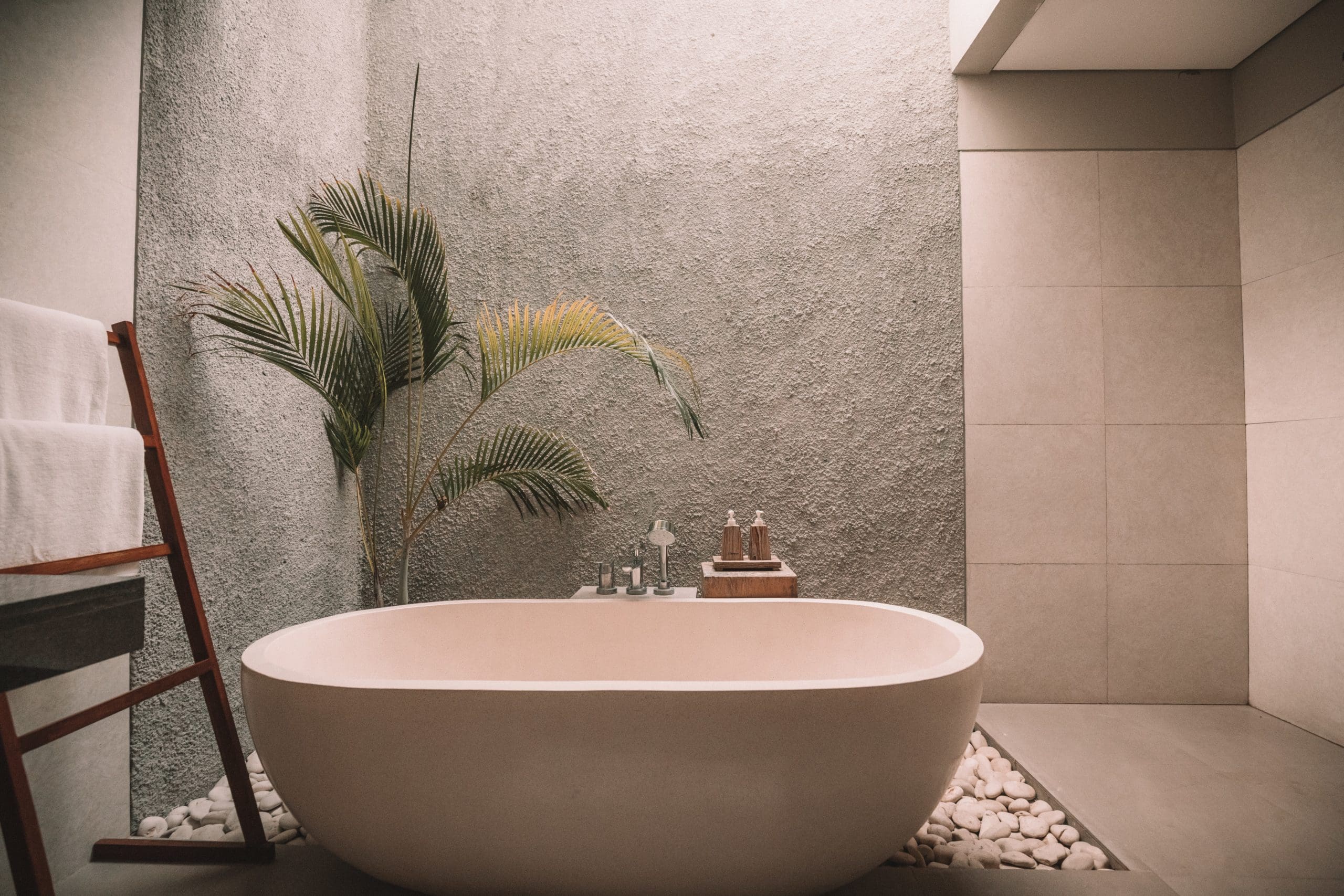
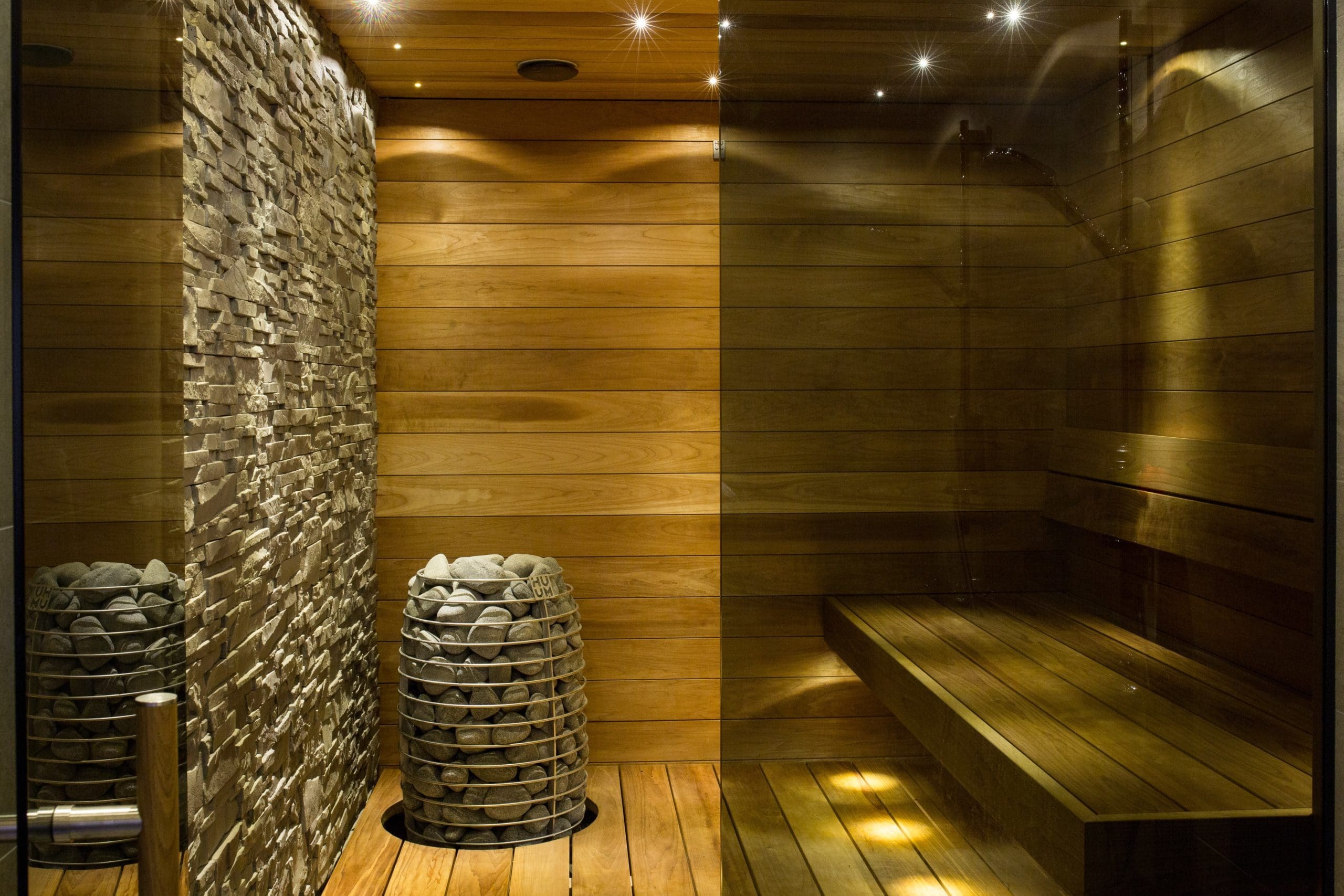
    Design ideas to transform your small bathroom into a spa

    Do you spend hours on Pinterest, scrolling and admiring beautiful bathroom interiors?

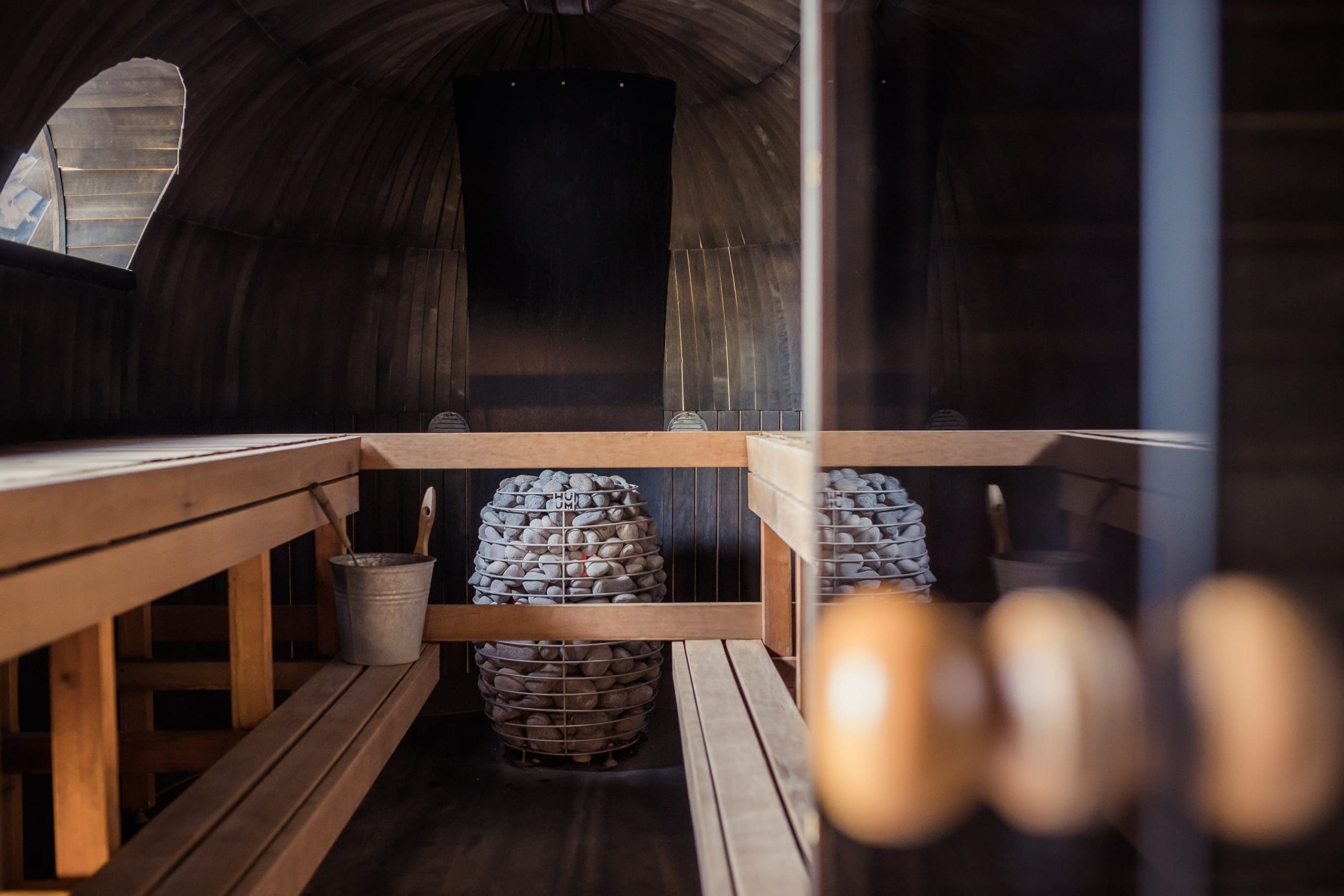
    Photo by HUUM on Unsplash

    Guess what? Your tiny bathroom can be just as beautiful and luxurious. Designing a small bathroom can take time and effort, but the result is always worth it. Read on for some small bathroom ideas to give your space a facelift. 

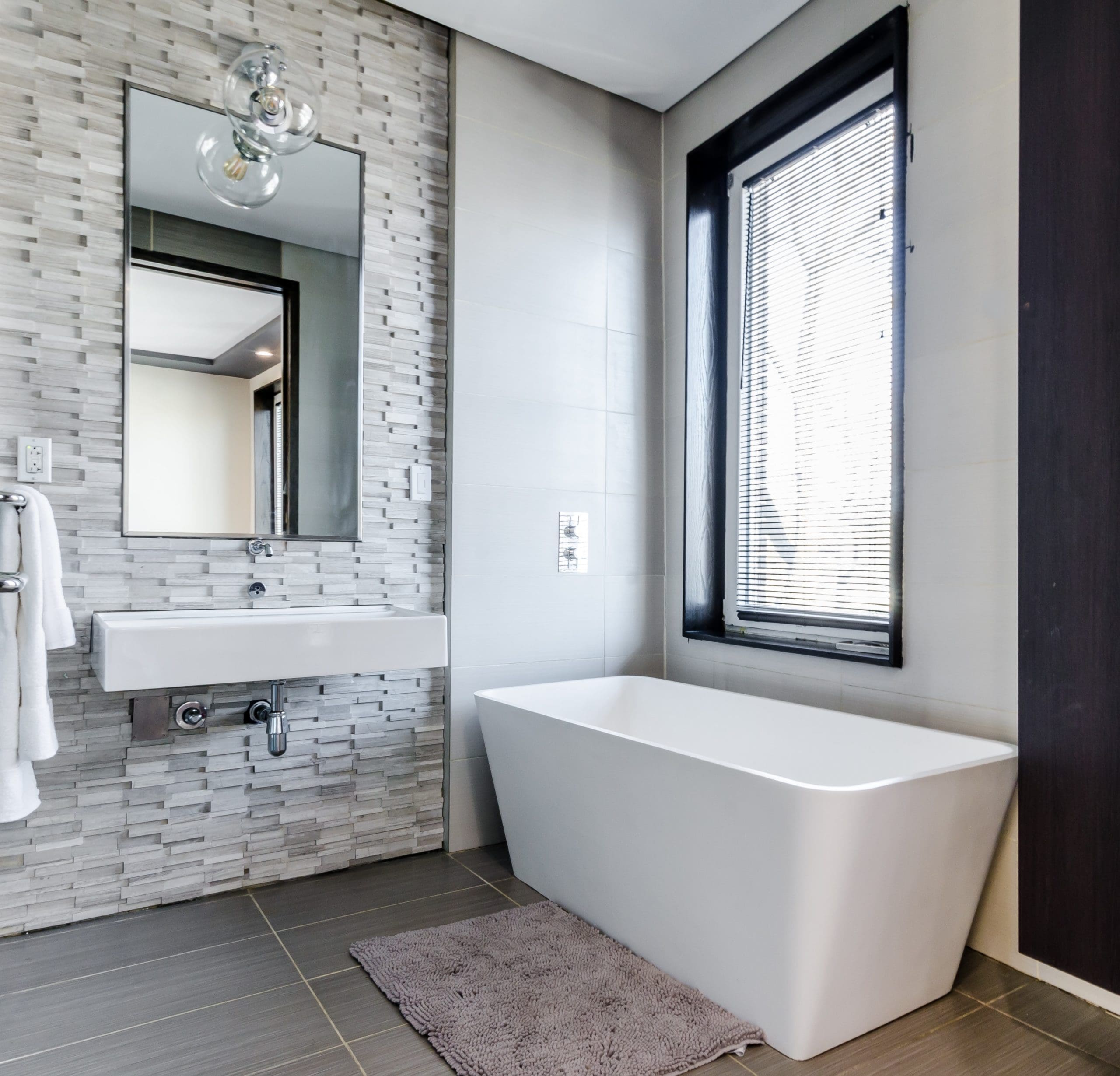
    Photo by Chastity Cortijo on Unsplash

    Big ideas for your small bathroom

    There are plenty of elements to consider to make any room look bigger. Let’s discuss small bathroom ideas to turn your space into a spa-inspired sanctuary. 

    Walls

    Walls have the most visual impact on the outcome of any room. To make your bathroom look bigger, choose light colors such as white, creme, or light gray to paint your walls. You can also use pastel colors to show your personality and add more character to the space. If you’re feeling adventurous, add a patterned wallpaper to trick the mind into believing the bathroom is more spacious than it is. 

    Photo by Jared Rice on Unsplash

    Tiles

    Installing small tiles to make a bathroom look bigger is one of the most common interior design mistakes. If you want your bathroom to look more spacious, choose large tiles. You can use the same tiles on the walls and floors to create an illusion of space. Make sure your tiles are plain, or you’ll end up with an overcrowded and cluttered final look.  

    Mirrors

    Using mirrors is one of the oldest tricks in the book to make any room look more spacious, bright, and airy – bathrooms are no exception. Use a big mirror in your bathroom to create the illusion of space. Invest in a good-quality vanity mirror. You’re going to need it anyway. 

    Photo by HUUM on Unsplash

    The toilet, the sink, the tub, and the vanity

    Take the size of your bathroom into account when shopping for the toilet, the sink, the tub, and the vanity – the biggest four components of your bathroom. Buying bulky options will take a lot of square footage and make your small bathroom look disastrous. Opt for compact or even floating options to enjoy the extra space. 

    Storage

    Installing a floating shelf is one of the easiest ways to maximize your small bathroom. Use it to display decor pieces, hair products, toothbrushes, towels, and other toiletries. Install shelves that match the aesthetics of your bathroom and storage needs. You can also use freestanding storage shelves or a storage trolley for your excess products. 

    Bathroom Accessories

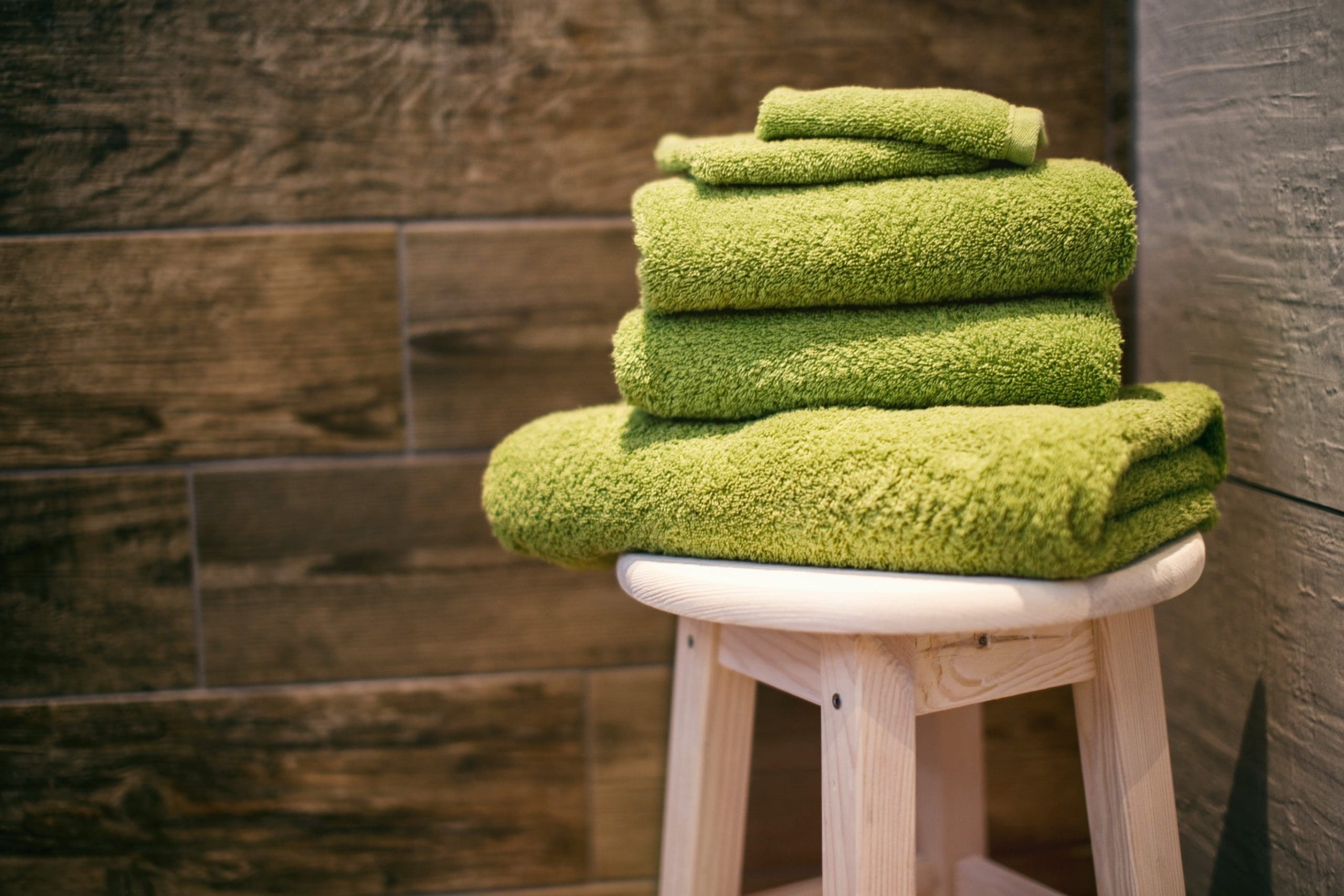
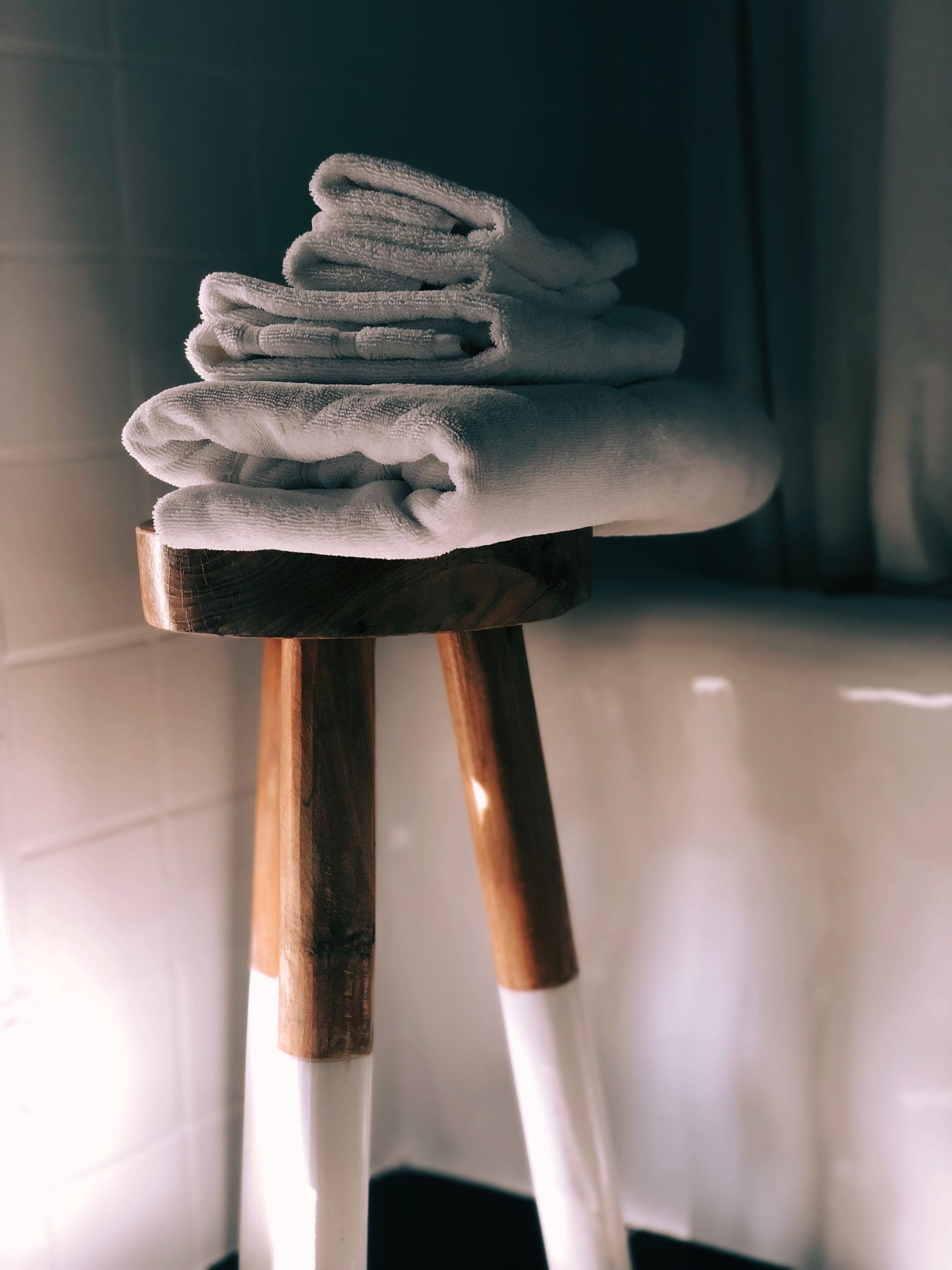
    Don’t overcrowed your small bathroom with knickknacks. A scented candle, a chic handwash dispenser, and a matching toothbrush holder are enough bathroom accessories to elevate the look of your bathroom. You can also install a bath caddy and display a nice bath towel to make your bathroom feel more like a spa. 

    It goes without saying that adding greenery to your small bathroom will liven it up and make it look more spacious. Opt for an indoor plant that can survive humidity like Pothos, Air Plant, or Berd’s Nest Fern. 

    Photo by Denny Müller on Unsplash

    Lighting

    Lighting can make or break any space. You’re one of the lucky ones if you have a good source of natural light in your bathroom. Maximize it. 

    A good light fixture can tie the whole room together. For your main source of artificial lighting, pick a statement piece that isn’t bulky. It’s also preferable to use more than one source of artificial light. 

    Photo by Jon Tyson on Unsplash

    Leave your worries at the bathroom door

    Leave your worries at the bathroom door, light a candle, and enjoy a warm bath. You don’t need a spacious bathroom for it to be chic and luxurious; All you need is some small bathroom ideas and hacks to create the perfect space. Designing a small bathroom is a fun process. Get started on yours today. 

  • Shade Sails: The Best Alternative to Umbrella

    Shade Sails: The Best Alternative to Umbrella

    If you’re planning to put up a shade around the office building or to build a shade structure in the outside of your home for your family to unwind and enjoy UV protection You have several options including installing awnings as well as shade sails.

    Photo by Seth Weisfeld on Unsplash

    Shade sails are the structure of a fabric with tension, primarily used to offer shade. They are named so due to their sail-like designs The fabric is easily bent and stretched to create a variety of shapes. In essence, translucent in nature they generally provide 80 percent shade, while blocking 90 % of the harmful ultraviolet beams. Although a tiny shade sail may provide a soft shade over a smaller space, a variety of larger sails that overlap cover the entire area of commercial locations. Shade Sails are now a permanent element of Australian landscape. They are a permanent feature of the Australian landscape. Sails can be the most cost-effective way of covering huge outdoor spaces securely and permanently. Shade Sails are affordable and more effective than gazebos pergolas, and patio covers.

    Photo by Humphrey Muleba on Unsplash

    Shade Sails protect you from harsh UV Rays. Shade Sails require very little maintenance, yet are extremely robust. The fabric we use in Shade Sails is commercial grade and come with a 10-year manufacturer’s warranty against the effects of sun’s UV Rays. The ongoing depletion of the Ozone layer has made having shade sails essential rather than an option to enjoy.

    If you are looking to beautify your outside patio of your office and while protecting yourself from the harmful UV radiation, you should set up shade sails. They provide the best protection against ultraviolet rays from the sun shade sails are an suitable option to replace an umbrellas.

    Available in variant colors, the shade sails are mostly made of great-density, Ultra-Violet-resistant polyethylene knit fabric. After installation the shade sails will be stiff and able to withstand all weather conditions such as extreme weather or heavy rain, or even extreme heat. Highly compatible with various designs The shade sails have been designed to allow you to take pleasure in the outdoors without putting your loved ones body at risk.

    Photo by Paul Szewczyk on Unsplash

    It is true that our body requires a certain amount of sunlight in order to stay healthy, but excessive amounts of it could cause you to become sick, leading to sunburn or sun poisoning ultimately which can lead to the development of skin cancer. Although sunscreens provide protection for a certain amount of time but it’s not a good idea to come in contact with sunlight directly, and that’s even during longer periods. In this scenario, you could contemplate installing a shade sail.

    Exploring the background of Shade Sails

    According to researchers massive fabrics similar to the shade sails of today are widely used by the inhabitants of the Egyptian time. In the past the Egyptian inhabitants used huge sheets of cloth as sunbeam shelters. Later, they were followed by the citizens from Rome as well as Greece. Rome’s Coliseums were built with large sails of canvas.

    Its sail cloth of early times was generally more robust and heavy, yet it was exceptionally effective in bringing to shade the scorching sunlight. However, in recent past shade sails have been created to play the same role as the sailcloth from the Egyptian times performed. However, this type of fabric is more flexible and provides the highest level of protection from the harmful ultraviolet rays of the sun.

    Photo by Claudio Piazzi on Unsplash

    While they were primarily used for protection of homes during the earlier years People began making shade sails available for commercial use in the late in the 1990s. Apart from being a suitable alternative to umbrellas, these shade sails are also a good alternative to parasols and pergolas.

    This substitute for umbrella is very used both in Australia and California

    Shade sails are very well-known throughout California as well as Australia. Europe is also working to make this gadget well-known among its citizens. France as well as Spain have also accepted the use for this gadget.

    Different Versions of Shade Sails

    Shade Sails are available in a variety of shapes and forms. However, the triangular ones are very sought-after and well-loved. You can also ask for custom-designed shade sails to cover your backyard or patio to protect your workplace. Sometimes, you find that one shade isn’t sufficient to protect your sun’s needs. In such a case it is possible to think about placing several sails in different angles, or even putting two triangular sails in opposite directions to give the most extensive area.

    Photo by Paul Szewczyk on Unsplash

    About us

    Malibu Shade is a trusted Sydney based Australian owned company with over 15 years experience in the field of Shade Structures and Tensile Membranes working with leading Australian Architects and Engineers. Our services include, shadow drawings, site specific engineering, conceptual images, public areas, Cafes & Restaurants, Retail, Schools, Local Government, Shopping Centres, Public Areas, Carparks and more.

  • Interior Design Strategies You’ll Love

    Interior Design Strategies You’ll Love

    You might move into a new house, and you’ll spend some time looking at all the empty rooms before setting up your furniture and other possessions.

    Photo by Hutomo Abrianto on Unsplash

    Now is your chance to try interior design. Maybe you’ll enjoy this, but perhaps you don’t know where to start.

    Interior design doesn’t have to fill you with dread. Even if you’ve never done it before, you can look at Pinterest and Instagram for inspiration. We’ll also talk about some interior design strategies in this article that novices can attempt.

    Photo by Sofy M. | halftoneco on Unsplash

    Put Mirrors in Most Rooms

    Improving your outdoor space is fun, but you should also find it rewarding when you finish the job. You want functionality outdoors, and you can remember that when setting up a patio or deck.

    Inside the home, you want functionality, but also aesthetic appeal. Achieving that balance isn’t easy, but putting a mirror in most rooms can start you in the right direction.

    Putting mirrors in rooms isn’t about just checking your makeup or making sure your hat is at the right jaunty angle before you go out on the town. It’s also about controlling natural light.

    If you have mirrors in rooms with windows, you can pull up the blinds on nice days. You can use these rooms to read or perhaps work on a laptop on a couch or loveseat if you work from home.

    The mirror will reflect the natural sunlight that enters the room. If you position it correctly, it will add brilliance to living areas, particularly if you have dark wallpaper or darker paint colors in that room.

    Photo by Kirill on Unsplash

    Give Your Space an Industrial Look

    The industrial look can give your living space a unique feel that you might enjoy. You can achieve it in different ways, but you don’t necessarily need to spend much money producing it.

    The term “industrial” is somewhat vague in interior design circles, but usually, it involves metal accents. You can include them by replacing bathroom or kitchen fixtures with copper or brass ones. You can find them at Home Depot or Lowes, but you can also get vintage or more exotic ones at reclaimed or refurbished furniture stores.

    You might feature one exposed brick wall if you’re going for an industrial look. Industrial often means high ceilings, which you can easily find if you move into a loft or certain early-twentieth-century apartments or condos.

    Wallpaper Creates Cheap Atmosphere

    You might want to style your living space to make it your own, but you don’t have very much money to do that. Wallpaper and paint colors are your best weapons in these instances. 

    Splashy, bright paint colors tell anyone you have an eclectic or kooky personality. Deep purple or orange aren’t usual interior paint colors, so you might go with either of those.

    You can also buy wallpaper relatively cheaply and even install it yourself if you watch a few helpful YouTube videos and get the proper supplies. You can find thousands of wallpaper options, and picking just the right one reveals the kind of living space you most want to have.

    You might get a jungle pattern or one with fleur-de-lis on it. You can get gold-accented wallpaper to create a regal look that proclaims you rule your domicile. You might get wallpaper that resembles a rock wall or that features random shapes or fantasy characters from a favorite book series.

    Photo by Francesca Tosolini on Unsplash

    Throw Pillows

    If you set up a room, and it seems like it needs some color, you can go big with wallpaper or paint, but maybe you want just a few touches instead. Throw pillows can give you a colorful effect without stifling the elements you already have in play.

    If you go to Bed, Bath, and Beyond, or even Target, you should find throw pillows in many different sizes, colors, and shapes. You can get some different-sized ones that complement the colors you already have in your bedroom, living room, or den.

    If you can’t find the right pillowcase covers, you can even make your own. Cutting cloth for pillowcases doesn’t require much more than some patience, scissors, and a sewing machine.

    Chandeliers

    Chandeliers provide light, and style as well. You can find hundreds of different ones at furniture stores, but you can also buy one online if you don’t like what you see at local boutiques.

    You can find expensive or cheaper ones, and larger or smaller ones too. Some have distinctly modern looks, while others take you back in time a hundred years or more.

    You can find recreations, but you might also shop at reclaimed furniture stores if you want the genuine article. Be wary, though. Old chandeliers sometimes get very pricey, and if you have a limited design budget, you might blow through it by buying this single vintage item.

    Interesting Objects

    You can also put interesting objects up on your shelves that tell your guests about you. What will you pick? For inspiration, you might look on Etsy or shop at Goodwill outlets and vintage stores near you.

    Antique stores often feature odd trinkets and objects that have kitsch value, but sometimes, you can find something that seems perfect for you. At best, the objects in your home should reveal your personality. If you want quirky items, that will describe you.

    Photo by Bryony Elena on Unsplash

    If you want exotic items, you might pick some up while traveling. If you have objects from foreign countries in your home, you can tell a story that goes along with each one. If you invite a new romantic interest back to your house for the first time, you’ll have plenty to talk about as they pick up objects from your shelves and examine them.

    Your home’s interior should reveal what you prioritize. Whether you have family pictures everywhere or beautiful artwork, each person who spends time there should leave knowing a little bit more about you. Neglecting home décor tells a guest about you well, but it’s probably not the message you’d like to send.

  • Elevating the Exterior of Your House

    Elevating the Exterior of Your House

     A home must be an extension of its owner’s personality to feel welcoming and calm to its residents.

    Photo by christian koch on Unsplash

    However, not everyone can afford pre-built lavish houses. Similarly, finding a house that caters to your preferences is not an easy feat. If you’ve found a decent place but are still unsatisfied with its looks, let us help you.

    Photo by rawkkim on Unsplash

    In this article, we’ll take you through some additions and modifications you can make to your home’s exterior to tailor it to your preferences. No matter whether you want major or minor installations, you’ll find something per your tastes below:

    What You Can Construct

    If you want to add to the exterior, you can consider a few small construction projects. They can add to the visual appeal of your place, let you customize your house per your lifestyle, add luxury, and increase its resale value. Here are a few additions to consider;

    1. A Cabana 

    Cabanas will likely invoke nostalgia in you if you’ve spent a lot of your time near water bodies like beaches and rivers. With modern architecture becoming more diverse and inclusive of everyone’s preferences, cabanas are no more reserved for branches and fancy resorts. You can get one made in your own home.

    Photo by Nicolas Gonzalez on Unsplash

    We’ll recommend this addition if you have a spacious outdoor area. Your cabana doesn’t have to stick to the conventional rules. Incorporate glass and wood and curtains to make a space perfect for playing the guitar in the evenings or resting in the sun on pleasantly warm winter afternoons. Many companies specialize in the area and can build a custom cabana per your exact needs. 

    2. Deck

    If you don’t have a green thumb and your garden keeps dying off, a deck will suit you. Decks make for wonderful gathering spaces and can let you host guests with ease. They’re also incredibly customizable and can suit any theme you have going on. For example, you can give your house a vintage, magical feel by going for a wooden exterior and decorating with dim, warm lights. Pair them with suitable, comfortable furniture and potted plants, and you may not want to go indoors at all.

    3. Arbors and Pergolas

    Arbors and pergolas can transform the look of your gardens and patios. Though these terms are often used interchangeably, they’re two different structures. Arbors are more akin to arches or short tunnels on two or four posts, focusing more on acting as a decoration rather than providing shelter. They can host a flat or an arched roof and are great for hosting vines. In contrast, pergolas stand on four or more poles, are wider, and can provide decent shelter. They are more expensive but are also multi-functional. 

    Both these additions can be customized in several ways and constructed from a wide variety of materials. For example, white pergolas with climbing vines can be excellent outdoor sitting areas in the middle of gardens, reminiscent of majestic old Greek architecture. Similarly, wooden arbors in your entrance with rose vines climbing onto them can add to the bohemian vintage feel of your space. 

    Photo by R ARCHITECTURE on Unsplash

    4. Swimming Pool

    If you’re bored of your house’s exterior or maybe want to increase its value for resale, a swimming pool is a tried-and-tested addition that can elevate your home’s look and feel. Swimming pools are also great if you have children and want to give them a place to enjoy themselves outdoors. No matter whether you wish to give your pool a nature-themed look or turn it into a contemporary addition, the options are limitless. 

    Construction-Free Alternatives to Elevate Your Exterior

    You don’t always need to commence a big construction project to improve your house. You may find that your house’s theme looks unpolished despite such an addition. This is because it’s the details that tie up all aspects of the exterior. And this goes beyond just painting or swapping out the tiles. Here are a few minor additions you can consider:

    1. Window Boxes

    Window boxes add a touch of homeliness to a place, making it appear welcoming and calming. Depending on your preferences, you can add perennial or annual flowers to make your exterior much more lively. Vines that creep on top of walls but hang instead, like periwinkles, can be fresh, manageable additions to your window boxes. There are a variety of materials, from wood to concrete, that you can use to modify the look of these boxes and take your home decor to the next level.

    Photo by Finn on Unsplash

    2. Fence and Gate

    Fences and gates are great additions, especially if you have pets in your home or urban wildlife around your property. They also let you define the boundaries of your place to protect your privacy. Additionally, they allow for versatile decor to suit a variety of styles. Whether you want a quaint garden with plants climbing on the fences or an imposing, bold style featuring metal barriers, you’ll find fences and gates customizable and easy to install. Add some solar lights, maybe a nameplate, and you’ll find yourself with a completely transformed exterior. 

    3. Arches

    If you have a garden, you need to consider arches. Simple garden arches are easier and less expensive to install as compared to larger arbors. Intertwined with rose vines, they’re charming additions and add dimension and color to an otherwise horizontal ground. You can even consider adding them to your entrance to make your home appear more welcoming.

    4. Vertical Gardening Elements

    Trellises, poles, old ladders, and arches can all enhance your exterior if you incorporate them well in your landscaping. Not everyone has trees on their property, and you can make up for the lack of dimension by adding such vertical gardening elements. Hang pots, make your ivy climb, and maybe integrate your vegetable or herb garden with such features, and you’ll notice how your outdoor place looks richer and less plain.

    Photo by Ricardo Gomez Angel on Unsplash

    Endnote

    A home can only bring you satisfaction when it caters to your tastes. However, exterior renovations and additions are more than mere indulgences; they can significantly increase the resale value of your property. As the global real estate market keeps growing, you’ll likely see significant competition as you attempt to sell your place. All the installations we mentioned above will help you stand with other competitors. Consider modifying your house’s exterior today for a better present and a safer future. 

  • Pet-Friendly Interior Design Ideas

    Pet-Friendly Interior Design Ideas

    Pets are pure creatures that shower human beings with unconditional love.

    Photo by Altaf Shah: https://www.pexels.com/photo/close-up-shot-of-a-white-tabby-cat-6054848/

    Several studies link keeping pets to health benefits like decreased cholesterol levels, managing blood pressure, and reducing anxiety and loneliness, among others. Pet owners also exercise more while playing with the fur family members. 

    Photo by Arina Krasnikova: https://www.pexels.com/photo/pet-cats-on-the-playground-7725966/

    According to a 2021-2022 report conducted by the APPA (American Pet Products Association), about 90.5 million families in the US own a pet. While many people love pets, most homes are not pet-friendly. 

    Homeowners strive to make their spaces conducive with beautiful interiors and smart appliances like an automated AC unit. If your AC is consistently breaking down or older than 10 years, look for companies near you that offer  HVAC installations to replace your old AC with a modern one. While these are great for human beings, you will need more effort to accommodate the four-legged family members. If you are planning to join the many fur families, consider the following pet-friendly design ideas for your home. 

    Play Space

    Photo by Daniel: https://www.pexels.com/photo/a-white-tabby-cat-sitting-near-the-window-8813058/

    Pets love to play, and while watching them do it is exciting, they can easily ruin your décor when playing indoors. Having a designated play area just for your furry friend to have fun will save both of you from distress and unnecessary breakages. 

    Find a place that does not have much furniture that your pet will know is its play space. Consider having a cute dog bed, beanbag, or woven basket to give your pet a sense of their area. Also, keep the toys well tucked out of view but easy to access. You can bring fun bits, but ensure that it enhances your décor.

    Spotless Kitchen

    A pet-friendly interior is about tidy and clean spaces. To achieve this, you will want to keep the pets away from the kitchen area. Having a pet is not an excuse to lower the cleanliness bar. If anything, you will need to put more effort. 

    Most fur parents leave food containers on the kitchen floor for the four-legged friends to eat or drink when they feel like it. Your kitchen should not have an unsightly kitty or doggy bowls smudging the stunning kitchen. 

    Set eating time where you bring out the food and keep a water dish around the corner for your pet family to quench their thirst. If it is not feeding time, slide the bowls under your kitchen cabinetry.

    Photo by Arina Krasnikova: https://www.pexels.com/photo/a-black-and-orange-tabby-cat-lying-together-on-gray-textile-7726100/

    Fur Free Upholstery 

    Pets like bunnies, cats, dogs, or hamsters are often shed. Cleaning the pet’s hair from couches, carpets, and other surfaces is tedious. When considering a pet-friendly interior, consider how likely the fabrics you choose for upholstering will gather fur. 

    Avoid fabrics like mohair, corduroy, chenille, velour, or velvet magnets for pet hair. Also, keep off delicate materials like silk that are easily damaged. Smooth tapestries, synthetic fibers, and leather are a great choice that can withstand the claws, will not harbor fur, and are super easy to clean. 

    Avoid Wooden Furniture as Much as Possible

    Puppies are inclined to chew things, whether toys, clothes, or edges of wooden furniture. When planning to bring in pets, change your wooden furniture to those with metal finishes. Since your pet cannot crunch on metal, they won’t chew it! Ensure there are no exposed rattan and wicker as they are easy to chew and even scratch.

    Window Treatment

    All pets love to gaze out of the windows, whether basking in the sun or watching their owners come home. Thick curtains will not only deprive you of generous sunshine but will rob your pets the joy. 

    Get lightweight sheer curtains to allow them to enjoy your view. Pull up blinds, so your fur children do not bring them down accidentally. 

    Photo by Arina Krasnikova: https://www.pexels.com/photo/cats-near-the-near-the-glass-doors-7726294/

    Go for Minimum Décor

    While minimalism is not for everyone, pet parents have no option but to keep their spaces with minimal décor. Think of how many accidents can happen around clumsy paws, bushy tails, and jumpy kittens. A table that sits too low with glasses, candles, and other breakables is not a pet-friendly environment. 

    Since pets aren’t always aware of their surroundings and do not mean to cause trouble, consider how you can avoid unnecessary accidents. 

    Photo by cottonbro: https://www.pexels.com/photo/black-and-white-cats-on-the-floor-6853521/

    Conclusion 

    Creating a cozy place that is also charming for your pet is a win. Work on keeping your floors squeaky clean, especially if you have a kitten or puppy still toilet training. Consider flooring that is easy to clean, like ceramic tiles, stone, and laminate flooring.  

  • Tips to create a modern house design- DIY Guide

    Tips to create a modern house design- DIY Guide

    What thoughts do you have in mind when you think of a modern home?

    Photo by Aaron Huber on Unsplash

    Building a home following modern design trends isn’t easy. But, with the right knowledge, you can easily create a home that reflects your personal style. To fully understand the idea of modern house design, read on.

    What is modern design?

    The goal of modern house designs is to create authentic and adaptive homes. You spend the majority of your time at home, and it is important that you feel comfortable. Modern house plans make a home feel cozier, and they last longer when modern materials are used.

    That means one of the wisest decisions you can make is to create a custom home from a current blueprint. To learn more about how to design a modern house, continue reading below!

    Photo by Hans Isaacson on Unsplash

    Get Your Home’s Foundation Right

    Create the ideal building site before beginning to construct your home. Your home can be vulnerable to future serious issues if it doesn’t have the proper foundation. If the foundation isn’t set properly, the home may develop cracks as it settles over time, and the structure may get stressed. Make sure you use the correct pest control firm to assist you if your home has pest issues. By doing this, you can stop pest infestations from causing further harm.

    Create a floor plan starting from the floor above.

    It’s time to start planning the remainder of your home once you’ve established the proper foundation! And you should begin your design right at the ground and bottom. Then, you can complete the rest of the home-building process with the help of a solid floor design.

    You can better envision what you want from your home with a floor plan. This is your opportunity to plan out the rooms you want and specify how they will be used. Now is the time to plan if you want a living room bigger than your basement or an office connected to your bedroom.

    Photo by Hans Isaacson on Unsplash

    Most modern house Designs Make Rooms Spacious.

    Open floor plans are appreciated in modern houses. Most rooms are spacious and can accommodate big furniture pieces or groups of people. 

    Less work and lower labor and material expenses are associated with fewer walls. Building larger homes is less expensive, and you’ll undoubtedly like all the extra room you’ll have for hobbies, gatherings, and whatever else you choose! 

    Keep it straightforward and strategic.

    The best modern houses feature a straightforward layout for each space. To access every countertop and maximize your workspace, you should be able to move around your kitchen without difficulty. Because of this, many residences have islands in the middle.

    Designing Modern Houses with Minimalism

    Minimalism is the underlying aesthetic principle of modern house design. Never take more than you need is emphasized in minimalist beliefs. Everything in your house should have a function, and it doesn’t only apply to the things you own.

    Additionally, you should only have the number of rooms necessary to live comfortably. This might entail constructing a kitchen, living area, and bedroom for some folks. Others, however, lead lives that necessitate numerous rooms and offices.

    In minimalist philosophy and modern house design, utility matters most, so everything should have some sort of utility. And modern house design goes beyond that. For more information on how minimalism influences modern house design, continue reading below!

    Photo by Douglas Sheppard on Unsplash

    Building a Modern house Is Simple and Wise.

    Though designing a modern house may seem difficult, it is really simple. Modern houses aren’t meant to be extravagant or the neighborhood’s talk of the town. Instead, modern houses put more of an emphasis on making sure your house works for you the way you desire.

    Modern houses Frequently Use Box Forms.

    Modern homes are typically identifiable by their distinctive architecture. Since so many neighborhoods use block-based designs, they frequently stand out in those areas. Many modern residences have flat tops rather than peaked roofs.

    Many also have expansive features, including big glass windows or sizable patio spaces. Most often, the outside of modern dwellings is made of just one material. Typically, the end product is a flat, boring box that people call their house.

    Photo by Douglas Sheppard on Unsplash

    Conclusion

    Your house builder might have some recommendations if you’re building a luxury home that can aid your decision-making.

    Find out from your builder what kinds of materials are now most in demand among homeowners and what they suggest for the home you’re building. Your builder might make suggestions based on the design of your home, your stated preferences, and other elements.Blenheim Homes can assist customers in selecting the right materials for their modern house. With their construction practices, your investment will last for decades to come.

  • Designer Furniture: A Brief Buyer’s Guide

    Designer Furniture: A Brief Buyer’s Guide

    Everyone is unique in their personal style, which typically extends to their clothing choices as well as their home décor.

    Photo by Spacejoy on Unsplash

    Designer furniture is often a staple in many homes. From furniture of eras gone by, to modern offerings, designer furniture stores in Melbourne have what you need to furnish your living space in style.

    Choosing the right furniture for your home can be overwhelming when you don’t know exactly what you want. Some pieces are often of the art style and do not blend well with an active family life. Still, other pieces of furniture are functional, yet not the right style for small children or pets. Functionality and style aren′t always married in many high-end designs.

    Photo by Michael Warf on Unsplash

    What To Consider When Purchasing Designer Furniture

    Look at trends, but don′t get caught up in making your home a replica of a showroom or a recent magazine feature.

    Choose pieces that complement your lifestyle. If you have a young active family, choose fabrics and frames that are sturdy and will last through multiple years of use.

    Take advantage of programs that allow you to place a piece in your living space via virtual viewing. Being able to see if a piece of furniture will fit as well as look good in the intended space will help your decision to purchase.

    Think about the long-term responsibility for the upkeep of a designer piece of furniture. How long will it last with minimum maintenance and normal wear and tear from an active family. You do not want to be replacing a large piece of furniture like a sofa or dining table every year or two.

    Photo by Toa Heftiba on Unsplash

    Thinking Outside the Box

    Be sure to look at what you are purchasing from all sides before taking a piece home. Sit on the furniture, open the doors, and slide the drawers back and forth a few times. Make sure you can live with how a piece works as well as it′s looks every day for many years.

    Look beyond colors. Choose something that could go with multiple color schemes over time. You will get bored with the same color year after year. Simple changes like throw pillows and accent pieces can change an entire room. If flowers or abstract designs are your things, one or more colors can ″pop″ and pull together a room.

    Cost Considerations

    Designer furniture is more expensive than the mass-produced pieces you can pick up in the big box stores. However, they are worth the price when they last many more years than the cheaply made, snap-together furniture. You will also have more control over designer furniture pieces with your choice of fabrics, woods, and colors.

    Photo by Toa Heftiba on Unsplash

    Check with the manufacturer of the piece you are considering. Make sure it is either custom created or a limited-run and not mass-produced. This will help ensure your investment is worth the price.

    In the end, go with what your gut tells you. Mix and match what you feel is going to create a comfortable living space for you and your family. You need to see yourself living in the space, not simply viewing it from a distance or only when entertaining company.