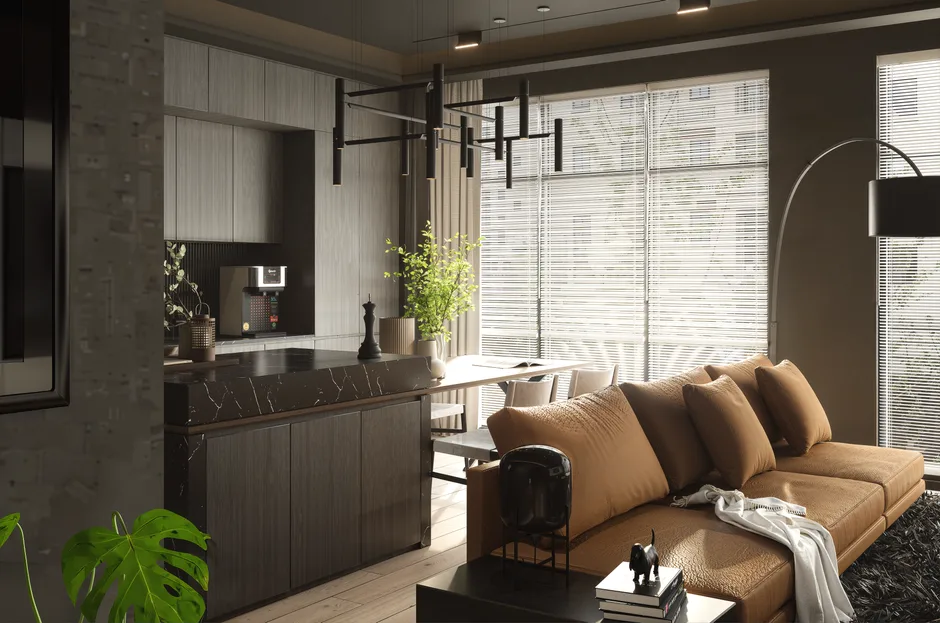
The average overnight guest forms a lasting impression of a room within 90 seconds of walking in — long before they have noticed the desk in the corner or the bed tucked against the wall — which means the real challenge of implementing guest room home office combo ideas is not finding the right furniture. It is creating an atmosphere that reads as genuinely intentional rather than a problem waiting to be solved. Most articles about guest room home office combo ideas jump straight to Murphy beds and daybeds as if furniture selection is the whole puzzle. It isn’t. The puzzle is atmospheric, spatial, and psychological — and it starts with a set of decisions that most guides never ask you to make.
Quick Answer
The average overnight guest forms a lasting impression of a room within 90 seconds of walking in — long before they have noticed the desk in the corner or the bed tucked against the wall — which means the real challenge of designing a room that works as both a home office and a guest bedroom is not finding the right furniture, it is creating an atmosphere that reads as genuinely intentional rather than a problem waiting to be solved.
Why Most Dual-Purpose Rooms Feel Like a Compromise (And How to Change That)
In This Article
- Why Most Dual-Purpose Rooms Feel Like a Compromise (And How to Change That)
- Choosing a Dominant Identity Before You Buy a Single Piece of Furniture
- The Furniture Sequencing Method: What to Place First, Second, and Last
- Zoning Without Walls: Visual Strategies That Actually Work in Small Rooms
- Managing the Transition: How to Switch the Room From Work Mode to Guest Mode in Under 30 Minutes
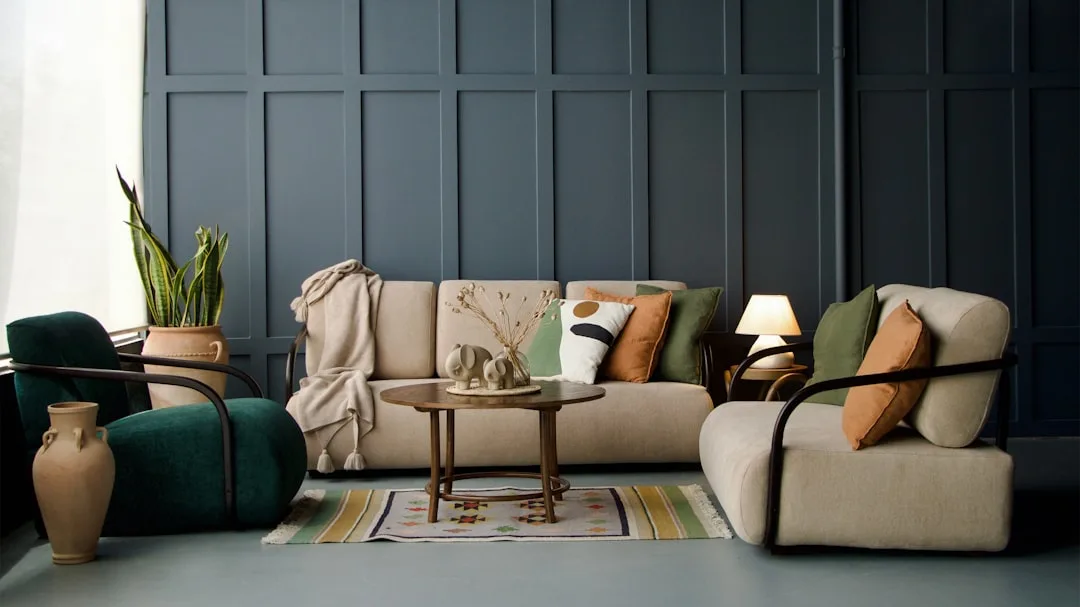
Here is the honest answer: most dual-purpose rooms feel like a compromise because they were designed like one. The sequence was wrong from the beginning. Someone needed a bed for occasional guests and a desk for daily work, they bought both, and then they arranged them in a room and called it done. The root problem is not square footage — it is that most people design for storage first and atmosphere second. Storage is a symptom. Atmosphere is the diagnosis.
A room that looks like an office with a bed crammed in will never feel welcoming to a guest. Full stop. And a room that looks like a bedroom with a laptop balanced on the nightstand will never feel productive — the sleep associations are too strong, the visual cues too insistent. The brain reads the environment before you consciously register it, which is exactly what that 90-second impression window is about.
The solution I kept returning to — across dozens of client projects in Chicago apartments where square footage was treated as a luxury — was what I started calling a clear visual hierarchy. You establish the room’s dominant identity first. Then you layer the secondary function in so cleanly that it either disappears when not in use or reads as a considered design choice rather than an afterthought.
This concept of “mode switching” is the actual design challenge. The room needs to feel and function differently depending on who is using it that week. When you sit down at the desk on a Tuesday morning, the room should feel like a workspace. When your sister-in-law arrives on Friday night, it should feel like a guest room. Not a storage unit. Not a puzzle she has to decode. A room that was prepared for her.
According to a 2023 American Institute of Architects survey, home offices were the second most requested room addition in residential projects, with dual-purpose rooms rising sharply among homeowners in homes under 2,000 square feet. That data tells us something important: this is not a niche problem. It is the dominant residential design challenge of this decade, and most of the advice available for it is inadequate.
Actionable takeaway: Before you move a single piece of furniture or open a single browser tab of shopping links, write down what this room currently feels like to a guest walking in and what it feels like to you at 9am on a workday. If either answer is “chaotic” or “like the other function is intruding,” you have correctly diagnosed the problem.
Choosing a Dominant Identity Before You Buy a Single Piece of Furniture
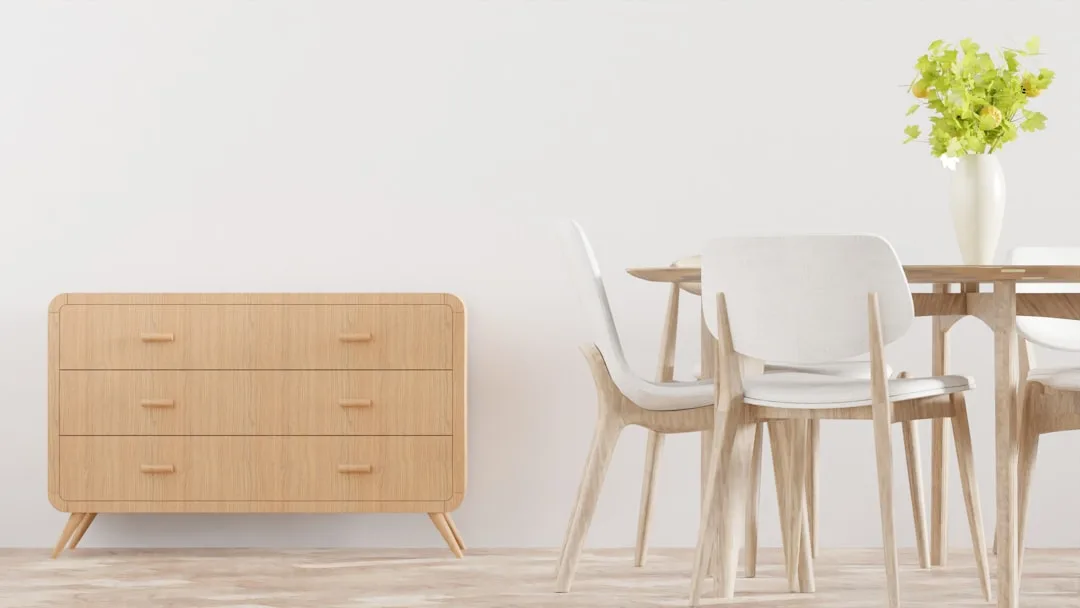
This is the step that most guides skip entirely, and it is the step that determines whether everything else works. Skipping it is exactly how you end up with a sectional that makes a room unlivable — I speak from expensive experience, on behalf of a client whose open-plan living space I managed to destroy with a single furniture purchase that was objectively beautiful and spatially catastrophic.
The framework is straightforward, but you have to be honest with yourself:
Ask: how many nights per year will this room host a sleeping guest versus how many hours per week will it function as a workspace?
Run the numbers literally. If guests stay an average of three nights per visit and you have visitors four times a year, that’s 12 nights of guest use. If you work in this room five days a week, that’s roughly 250 days of office use. The higher number wins the dominant identity — and it wins by a significant margin.
- If work wins: Design a polished home office where the sleeping setup disappears completely when not in use. The desk, the chair, the task lighting, the shelving — these are the room’s permanent personality. The bed is infrastructure, not decor.
- If guests win: Design a comfortable bedroom where the work setup tucks away or reads as decor. A beautiful writing desk in a well-dressed guest room does not look out of place. A standing desk with a monitor arm does.
- If it is genuinely 50/50: Design toward the bedroom identity. A productive workspace can technically be created anywhere — the kitchen table, the living room, a coffee shop. A guest who sleeps badly on an inadequate mattress in a room that feels like it resents their presence will remember it. Every time.
This decision dictates your furniture scale, your lighting layers, and your color palette before anything else. A work-dominant room can handle a cooler, more energizing palette with clean lines and harder materials. A guest-dominant room needs warmth, layering, and softness as its baseline — with the work zone carved out as a secondary consideration.
The pattern I kept seeing among clients who came to me after attempting this on their own was that they had made the dominant identity decision unconsciously, based purely on what furniture they happened to buy first. Don’t do that. The most successful guest room home office combo ideas all share this same foundational decision made deliberately and early — before a single purchase, before a single measurement, before a single Pinterest board gets out of hand.
Actionable takeaway: Calculate your actual usage ratio and write it on a sticky note. Put it where you can see it while you shop. It will prevent every wrong furniture purchase before you make it.
The Furniture Sequencing Method: What to Place First, Second, and Last
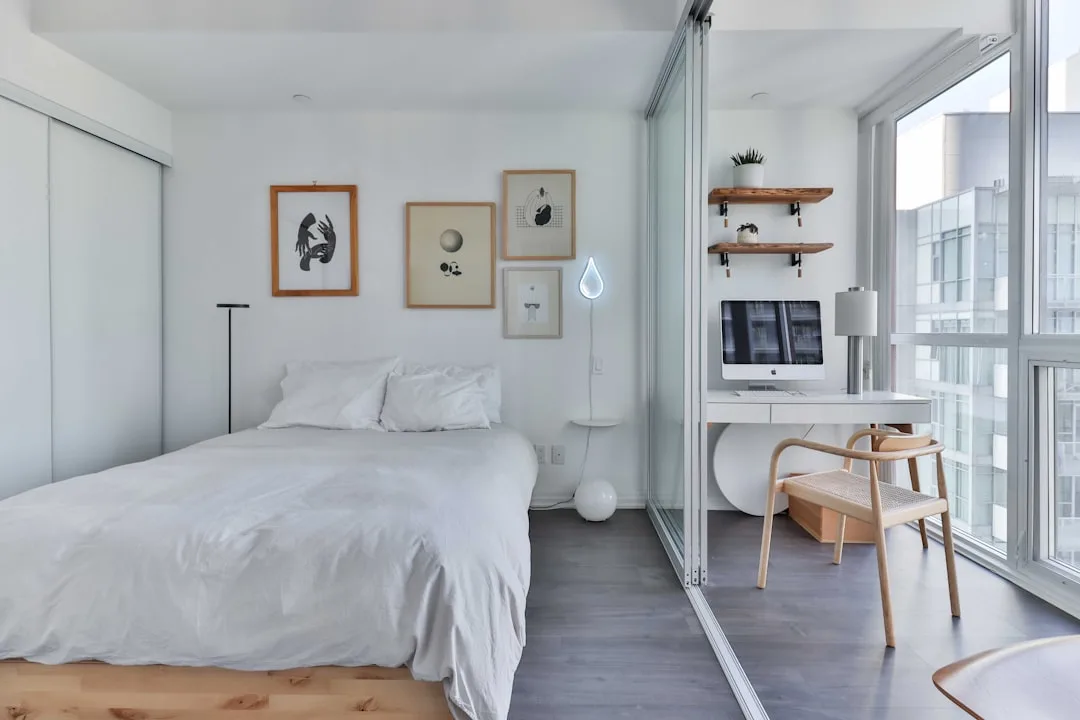
Most design guides present furniture ideas as a flat list. Here is a chair. Here is a desk. Here is a daybed. These items are “multifunctional.” That framing is useless without a logic for how pieces relate to each other and to the room’s architecture. Sequencing is everything — get the order wrong and the room never resolves.
Here is the order I use, and why each step creates the conditions for the next:
First: Anchor the sleeping solution to the wall with the least natural light interference. This is usually an interior wall or a wall adjacent to a doorway, not the wall with the primary window. Sleeping areas don’t benefit from direct natural light the way work zones do. Placing the bed on the best-lit wall wastes the room’s most valuable resource and leaves your workspace with inadequate light for focused tasks.
Second: Position the desk or work surface to claim the primary window. Natural light from the side — ideally coming in from the left if you are right-handed — reduces eye strain, supports circadian alertness during work hours, and signals to the brain that this zone is for active engagement. A desk placed to capture window light is not just ergonomically sound. It communicates purpose.
Third: Establish a visual break between the two zones before you add a single decorative layer. This does not require a wall. It can be:
- A rug that defines the sleeping area as a discrete zone
- A bookcase or open shelving unit positioned perpendicular to the wall, acting as a low room divider
- A curtain panel on a ceiling-mounted track that draws across to separate the work zone from the bed when guests arrive
- A change in ceiling treatment — even something as simple as a paint border — that signals to the eye where one zone ends and another begins
Fourth: Add lighting as a functional layer, not a decorative one. This is where most rooms go wrong in the final stage. A single overhead light cannot serve both functions adequately. The work zone needs directed task lighting at a color temperature around 4000K — neutral white, energizing without being harsh. The sleeping zone needs warmer, dimmable ambient light, ideally 2700K to 3000K. These two lighting systems should operate independently. A smart plug or a simple dual-switch installation accomplishes this without renovation.
Fifth: Add only the storage that belongs to each zone, not shared storage that blurs the boundary. The desk area gets desk storage — pencil cups, file drawers, cable management. The sleeping area gets guest storage — a luggage rack, a small dresser, a few empty hangers in the closet. When storage systems overlap and intermingle, both zones feel cluttered and neither feels complete.
The reason sequencing matters more than any individual furniture choice is that each decision in this list creates physical and visual constraints that shape every decision that follows. A desk placed first, on the wrong wall, forces the bed into an awkward position that no amount of styling will fully correct. Work the sequence and the room resolves. Fight the sequence and you spend money on solutions to problems that were architectural from the start.
Zoning Without Walls: Visual Strategies That Actually Work in Small Rooms
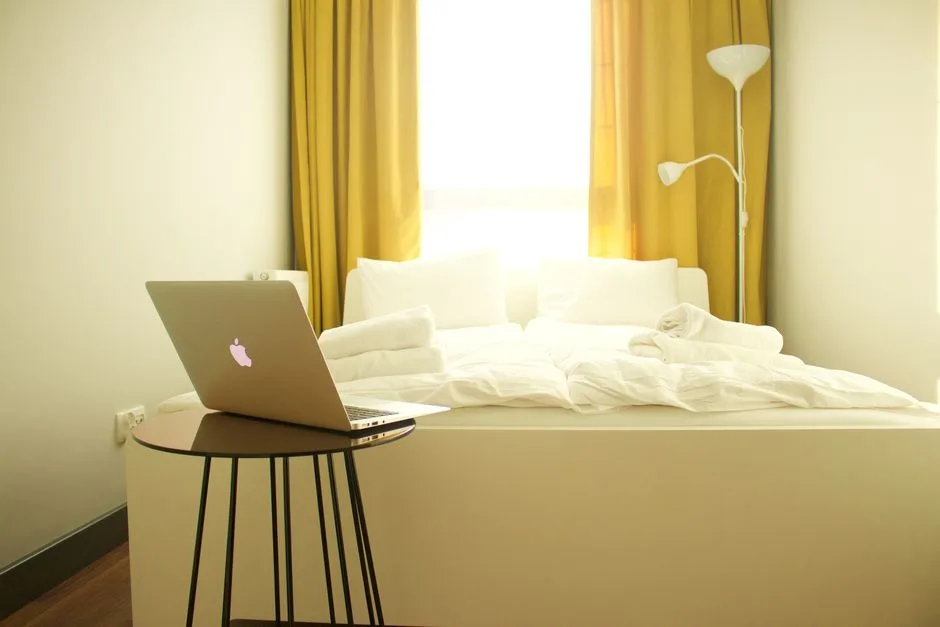
The most persistent misconception about guest room home office combo ideas is that zoning requires architecture — a partition, a half-wall, a built-in shelving system that costs as much as a bathroom renovation. In rooms under 200 square feet, which describes the majority of the spare bedrooms being converted into dual-purpose spaces right now, that thinking leads nowhere useful.
Effective zoning in small rooms is almost entirely about visual language. The brain reads difference and interprets it as boundary. You create difference through these tools, in roughly this order of effectiveness:
Rugs as zone anchors. A rug under the bed — even a small one that extends 24 inches on either side and 18 inches at the foot — creates a distinct visual territory for the sleeping zone. A separate, smaller rug under the desk chair does the same for the work zone. They do not need to match. In fact, a slight variation in texture or pattern between the two reinforces the zone differentiation. What they should share is a color relationship so the room reads as cohesive rather than divided.
Lighting as behavioral cue. This bears repeating because it is that important. When you turn on the desk lamp and leave the bedside lamp off, the room orients toward work. When you turn on the bedside lamp and switch the desk light off, the room orients toward rest. Guests intuitively understand this. You do not have to explain it, and you do not have to physically change the furniture arrangement. The lighting does the mode-switching for you.
Vertical height variation. Tall bookshelves, a statement floor lamp, or even a canopy frame above the bed draws the eye upward in the sleeping zone and creates a visual sense of enclosure that separates it from the lower, more horizontal workspace. This technique works particularly well in rooms with ceilings above nine feet, where the vertical space is available but often ignored.
Color zoning through textiles and paint. You do not need to paint an entire wall a different color to create zone distinction — though that works when executed carefully. A strong textile choice at the bed — a headboard in a rich fabric, a throw in a deep tone — anchors the sleeping zone visually without requiring permanent changes. The work zone can signal its identity through a gallery wall, a corkboard with intentional objects, or a task chair in a distinctive color that belongs only to that area.
What does not work, and what I have seen attempted too many times: trying to zone with furniture arrangement alone when both pieces of furniture are the same scale and finish. A matching bed frame and desk in the same wood tone with the same leg profile blur the boundary rather than establishing one. The two functions need to feel like they belong to the same room — they do not need to look identical.
Managing the Transition: How to Switch the Room From Work Mode to Guest Mode in Under 30 Minutes
This is the practical question that never appears in design guides but dominates the actual experience of living in a dual-purpose room: what do you do with the evidence of work when guests arrive, and how do you restore the workspace after they leave?
The answer has to be systematized, or it will not happen consistently. A room that takes two hours to convert between modes is a room that stops converting — and permanently settles into one unsatisfying version of itself.
Here is the transition protocol I recommend, built around furniture and storage decisions made in advance:
For converting to guest mode:
- All work surfaces should be clearable to a single tray or box that stores inside a drawer or cabinet. If your desk requires more than one container to clear, the desk does not have enough storage built in.
- Monitor arms that swing the screen fully to the side, or monitors that can be laid flat, remove the most visually office-like element of a work zone in under ten seconds.
- A bedside table that doubles as a side table during work mode — staging a lamp, a small plant, a book — means the sleeping zone is always 80% guest-ready. You are only adding fresh linens and clearing the floor.
- Keep a small hospitality kit in the closet: a single toiletry basket with travel-sized essentials, a spare phone charger, an extra blanket. This kit does not require restocking or assembly each time a guest arrives. It is permanent infrastructure that communicates preparedness.
For restoring to work mode after guests leave:
- Strip and launder the linens immediately, before you do anything else, so the task is already in progress while you reset the desk.
- Return the monitor or laptop to the work surface, switch the lighting back to work mode, and sit down at the desk briefly — even for five minutes — to re-establish the spatial association between that zone and focused work. This is a psychological reset as much as a physical one.
- Fold or store the luggage rack and return the floor plan to its working configuration.
The entire sequence, when the furniture and storage decisions have been made correctly in advance, takes between 20 and 30 minutes in either direction. That is the ceiling. If your current room takes longer, the issue is almost always that you have not committed to the sequencing method described above — something is not where it should be, and you are compensating with effort instead of design.
The goal is a room that transitions so smoothly that neither function feels temporary. That is the emotional experience the best guest room home office combo ideas deliver: not a compromise between two uses, but a space that fully commits to whichever use is currently active.
Frequently Asked Questions About Guest Room Home Office Combo Ideas
What is the best bed type for a guest room home office combo?
It depends entirely on your usage ratio. For work-dominant rooms where guests arrive fewer than 15 nights per year, a Murphy bed — particularly a wall bed with integrated desk that folds down as the bed folds up — is the most space-efficient solution. For rooms where guests arrive more frequently, a daybed with a quality mattress offers a permanent seating presence during work hours and a comfortable sleeping surface when needed. Avoid sofa beds as the primary sleeping solution unless the budget genuinely does not allow alternatives; the mattress quality is almost universally inadequate for guests staying more than one night, and the setup and breakdown process is disruptive enough that it discourages the room from functioning well in either mode. A twin XL or full-size bed on a low-profile frame is often the most underrated option — it reads smaller than a queen, sleeps one adult comfortably, and leaves enough floor space in a 10×12 room to place a functional desk without compromising circulation.
How do I stop the room from feeling like an office when guests are staying?
The most effective single change is removing or concealing the monitor. A laptop can be closed and placed in a drawer. A monitor cannot be made invisible without either a swing arm that tucks it behind the desk or a dedicated cabinet. Beyond the screen, focus on the lighting — switching the desk task light off and the warmer bedside lighting on shifts the room’s atmosphere more dramatically than any decorative change. Finally, clear the desk surface entirely and stage it lightly: a small plant, a decorative object, nothing that signals active work. The desk becomes furniture rather than a workstation.
Can a guest room home office combo work in a room smaller than 10×10 feet?
Yes, but it requires accepting that one function will be more compromised than the other. In a room under 100 square feet, the sleeping solution almost certainly needs to be a wall bed or a daybed — a freestanding bed of any standard size will consume too much of the floor plan to leave a functional workspace. The desk, in this context, should be shallow: a wall-mounted floating shelf at desk height, 16 to 20 inches deep, takes up no floor space and can support a laptop and a task light without competing with the bed for room. The chair should be stackable or foldable so it stores in the closet when not in use. Small rooms can absolutely support both functions — they simply require more deliberate editing at every stage.
How do I handle privacy for video calls when guests are staying?
This is one of the most practical and least-discussed challenges in dual-purpose room design. The simplest solution is a ceiling-mounted curtain track that can draw a panel across the work zone, creating a visual backdrop for video calls that does not reveal the bed or any personal items belonging to your guest. A large-format piece of art or a grid of framed prints positioned behind the desk chair accomplishes the same thing permanently. Avoid virtual backgrounds as a long-term strategy — the hardware requirements and image quality are inconsistent enough that a physical backdrop is always the more reliable solution.
Should the guest room home office combo have a closet dedicated to work storage or guest storage?
Both, and the division should be physically defined rather than conceptual. One rod or one shelf section belongs to work: file boxes, reference materials, extra technology accessories, spare cables. One rod belongs to guests: empty hangers, the hospitality kit, extra linens. A simple divider — even a piece of ribbon tied to the rod — marks the boundary so guests do not feel they are intruding into your storage and you do not have to reorganize the closet every time someone arrives. If the closet is too small to divide meaningfully, a small dresser with one drawer permanently designated for guest use accomplishes the same thing outside the closet.
What is the best bed type for a guest room home office combo?
It depends entirely on your usage ratio. For work-dominant rooms where guests arrive fewer than 15 nights per year, a Murphy bed — particularly a wall bed with integrated desk that folds down as the bed folds up — is the most space-efficient solution. For rooms where guests arrive more frequently, a daybed with a quality mattress offers a permanent seating presence during work hours and a comfortable sleeping surface when needed. Avoid sofa beds as the primary sleeping solution unless the budget genuinely does not allow alternatives; the mattress quality is almost universally inadequate for guests staying more than one night, and the setup and breakdown process is disruptive enough that it discourages the room from functioning well in either mode. A twin XL or full-size bed on a low-profile frame is often the most underrated option — it reads smaller than a queen, sleeps one adult comfortably, and leaves enough floor space in a 10×12 room to place a functional desk without compromising circulation.
How do I stop the room from feeling like an office when guests are staying?
The most effective single change is removing or concealing the monitor. A laptop can be closed and placed in a drawer. A monitor cannot be made invisible without either a swing arm that tucks it behind the desk or a dedicated cabinet. Beyond the screen, focus on the lighting — switching the desk task light off and the warmer bedside lighting on shifts the room’s atmosphere more dramatically than any decorative change. Finally, clear the desk surface entirely and stage it lightly: a small plant, a decorative object, nothing that signals active work. The desk becomes furniture rather than a workstation.
Can a guest room home office combo work in a room smaller than 10×10 feet?
Yes, but it requires accepting that one function will be more compromised than the other. In a room under 100 square feet, the sleeping solution almost certainly needs to be a wall bed or a daybed — a freestanding bed of any standard size will consume too much of the floor plan to leave a functional workspace. The desk, in this context, should be shallow: a wall-mounted floating shelf at desk height, 16 to 20 inches deep, takes up no floor space and can support a laptop and a task light without competing with the bed for room. The chair should be stackable or foldable so it stores in the closet when not in use. Small rooms can absolutely support both functions — they simply require more deliberate editing at every stage.
How do I handle privacy for video calls when guests are staying?
This is one of the most practical and least-discussed challenges in dual-purpose room design. The simplest solution is a ceiling-mounted curtain track that can draw a panel across the work zone, creating a visual backdrop for video calls that does not reveal the bed or any personal items belonging to your guest. A large-format piece of art or a grid of framed prints positioned behind the desk chair accomplishes the same thing permanently. Avoid virtual backgrounds as a long-term strategy — the hardware requirements and image quality are inconsistent enough that a physical backdrop is always the more reliable solution.
Should the guest room home office combo have a closet dedicated to work storage or guest storage?
Both, and the division should be physically defined rather than conceptual. One rod or one shelf section belongs to work: file boxes, reference materials, extra technology accessories, spare cables. One rod belongs to guests: empty hangers, the hospitality kit, extra linens. A simple divider — even a piece of ribbon tied to the rod — marks the boundary so guests do not feel they are intruding into your storage and you do not have to reorganize the closet every time someone arrives. If the closet is too small to divide meaningfully, a small dresser with one drawer permanently designated for guest use accomplishes the same thing outside the closet.