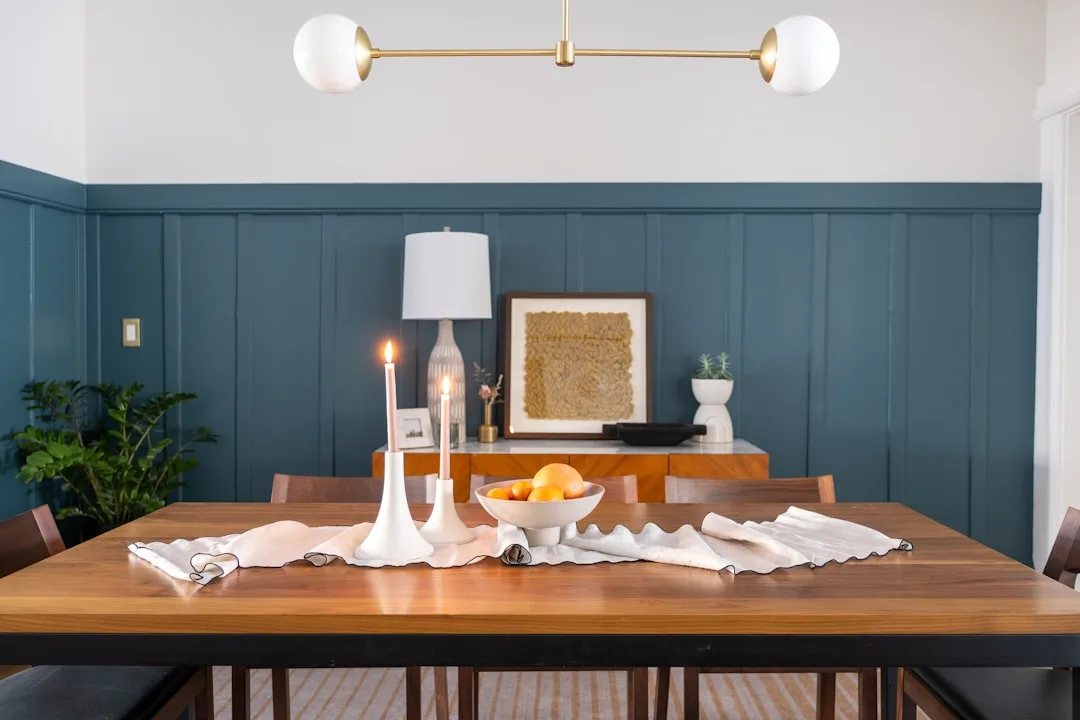
The average formal dining room is used fewer than five times a year — but it has a large flat surface, overhead lighting, and often a door, which makes it better equipped for work than most dedicated home offices. Setting up a home office in dining room space is one of the most practical moves available to anyone working with a house that wasn’t designed for remote work, and yet most people never act on it because the dining room carries a kind of inherited seriousness, a sense that changing how it functions means violating something. It doesn’t. What it means is finally getting value from a room that probably represents 150 to 200 square feet of completely squandered real estate.
Quick Answer
The average formal dining room is used fewer than five times a year — but it has a large flat surface, overhead lighting, and often a door, which makes it better equipped for work than most dedicated home offices.
Why the Dining Room Is the Smartest Dual-Purpose Room You’re Ignoring
In This Article
- Why the Dining Room Is the Smartest Dual-Purpose Room You’re Ignoring
- The Zoning Principle: How to Make One Room Feel Like Two
- Choosing the Right Work Surface (Without Buying a Dedicated Desk)
- Cable Management and Storage: The Details That Make or Break the Setup
- Lighting Adjustments That Make the Room Work Harder
- Making It Actually Look Good: Design Choices That Serve Both Functions
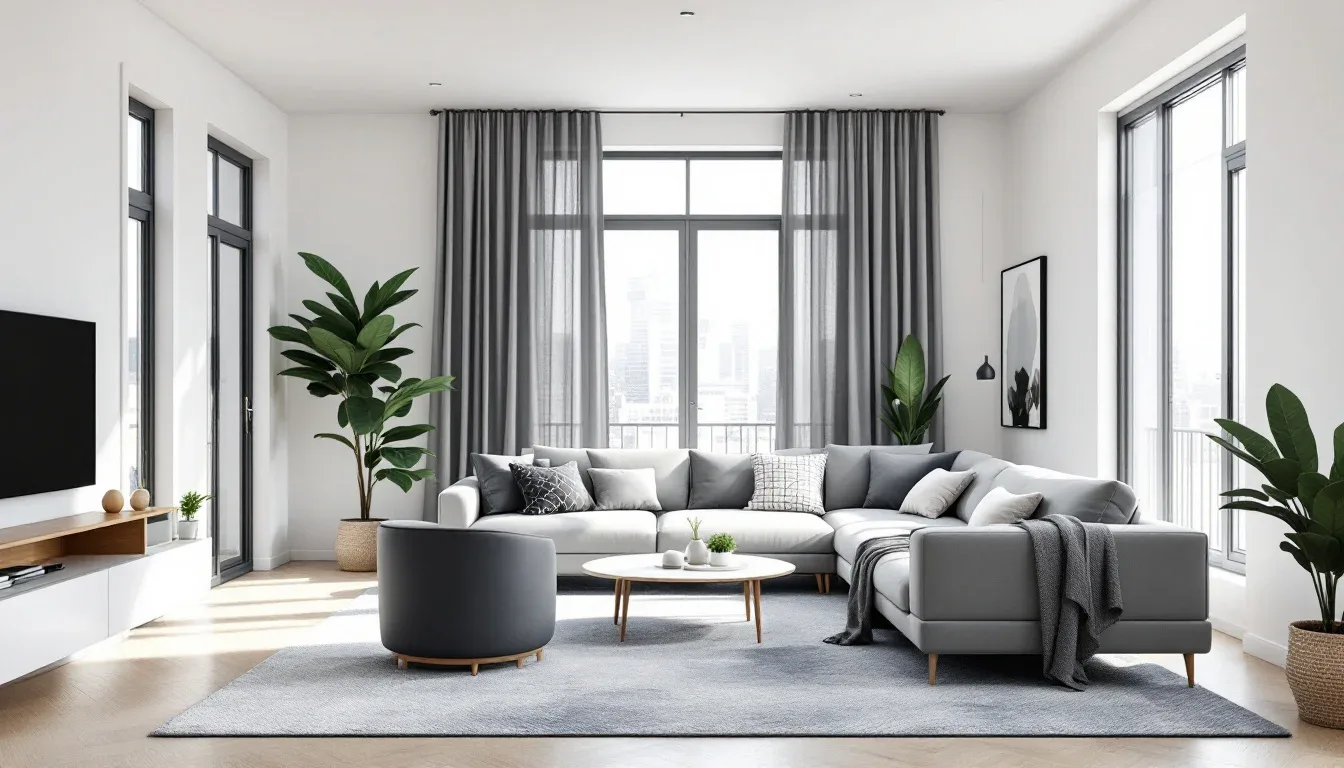
Formal dining rooms are the guest bedrooms of the downstairs — maintained, occasionally refreshed, rarely used. com/how-to-zone-home-office/” title=”Stop Designing a Home Office — Start Designing a Workflow”>home, with 30% of homeowners reporting they use the space fewer than five times per year. Five times. That’s a room that sits dark and purposeless for roughly 360 days out of 365.
What frustrates me about the conversation around this is how much psychological energy people waste defending a room’s original purpose. I worked with a client in Lincoln Park — a two-bedroom condo, serious square footage constraints — who had a formal dining room she used exactly twice a year: Thanksgiving and her mother’s birthday. The rest of the time she was working from her bedroom, which destroyed both her sleep and her focus. The dining room had a door, a large window, and a credenza that could have held a year’s worth of supplies. But it felt sacred. Off-limits. Redecorating it felt like admitting something.
Here’s what’s worth understanding before anything else: this article is not about converting a dining room into a home office. Conversion implies replacement. What I’m describing is a room that does both — simultaneously or in rotation — without either function feeling compromised. The dining table stays. The art stays. Dinner still happens there. Work also happens there.
The structural bones of a dining room are genuinely good for this. A closed or partially closed door means you can actually take a call without broadcasting it to the rest of the house. The overhead fixture is already wired. The surface area of a standard dining table — usually 72 to 96 inches long — dwarfs what most purpose-built home offices offer. The resistance most homeowners feel isn’t practical. It’s psychological.
Move past the psychology first, and the rest becomes logistics.
Takeaway: Write down how many days per month you actually use your dining room for dining. If the number is under four, the room is an asset you’re not using.
The Zoning Principle: How to Make One Room Feel Like Two
The single most common mistake I see in dual-purpose dining rooms isn’t the furniture. It’s the absence of any spatial logic. People plop a laptop on the dining table, run a cord to the nearest outlet, and call it a home office in dining room form. Then they wonder why they can’t concentrate, why dinner never feels like dinner, and why the room feels chaotic even when everything is technically tidied. Without zoning, one room and two functions will always feel like a mess that can’t decide what it is.
Interior designers refer to this technique as “activity-based zoning” — a principle borrowed from open-plan commercial office design that coworking spaces have been applying since the early 2010s. The idea is straightforward: instead of separating functions with walls, you separate them with signals. Visual cues that tell your brain where it is and what it’s supposed to be doing.
There are two kinds of zoning worth understanding here:
- Soft zoning uses furniture orientation, rugs, and lighting to imply separate areas. No structural changes required. Reversible in an afternoon.
- Hard zoning uses physical dividers — a bookcase, a curtain on a track, a folding screen — to create actual visual separation. More committed, but still removable.
For most dining rooms, soft zoning is sufficient and preferable. Here’s how to execute it:
Rugs are the primary tool. Anchor the dining table on its own rug — an 8×10 or 9×12 underneath the table and chairs. Then, in the work zone (typically one wall with a console table or secretary desk), place a second, smaller rug. Two rugs read as two areas. One room, two zones. This works even in rooms where the furniture is only eight feet apart.
Lighting confirms the separation. The pendant over the dining table signals eating. A floor lamp or articulating wall sconce positioned near the work surface signals work. They don’t need to be on simultaneously. The point is that each zone has its own light source, its own atmosphere.
Chair orientation is underrated. A desk chair — or any chair positioned at a perpendicular or opposite angle to the dining table — creates psychological distance even when the physical distance is small. Parallel furniture reads as one continuous space. Angled furniture reads as distinct areas.
Apply the sight line rule: when you’re seated at the dining table for a meal, your work zone should require effort to see. Even a minor physical barrier — a plant, a lamp, a tall narrow bookcase — is enough. Out of sight, functionally out of mind.
Color and texture can reinforce zones too. This is underused. If the dining zone has warm tones — a wood table, upholstered chairs in a rich fabric, warm-toned art — the work zone can read differently with a cooler, cleaner palette. A white or light-painted wall behind the work surface, a task lamp in matte black or brushed nickel, a simple woven rug rather than a patterned one. You don’t need to repaint the whole room. Just the visual identity of each zone should feel slightly distinct.
Takeaway: Before buying anything, tape out a rectangle on your floor where the work zone will live. Sit at the dining table and look at it. If you can see it clearly, add something — a plant, a lamp, a small shelf unit — to break the sight line.
Choosing the Right Work Surface (Without Buying a Dedicated Desk)
This is where most advice completely falls apart — because most of it assumes you either work at the dining table full-time (which destroys the dining function) or buy a separate office desk (which destroys the room aesthetically). Neither is necessary. There are at least three other options, and each has a specific use case.
Option 1: A console or sofa table against a wall or window. Look for something at least 48 inches wide and between 28 and 30 inches in height — that last measurement matters. Standard ergonomic desk height for seated work is 28–30 inches, which happens to align exactly with what most dining tables already sit at. A console table at this height, with a proper task chair, is fully ergonomic without advertising itself as office furniture. Narrow profiles — 12 to 15 inches deep — keep it from dominating the room.
Option 2: A floating shelf at desk height on a single wall. Minimal footprint, zero furniture mass, completely removable. The shelf itself should be at least 15 inches deep to accommodate a laptop comfortably. This works especially well in dining rooms with a wainscoted or paneled wall where the shelf can be mounted to align with the top edge of the paneling — it reads as architectural detail rather than afterthought. Add a small under-shelf power strip with a long cord tucked behind the baseboard and you have a fully functional, nearly invisible work station.
Option 3: A secretary desk or drop-front cabinet. This is the most elegant solution for rooms where concealment matters most. A secretary desk — the kind with a hinged front that folds down to create a work surface — closes completely when not in use. What’s left is a piece of furniture that reads entirely as storage or display. The closed front can hold art, a small plant, a row of books. Nothing about it says “office.” Open it and you have a 30-to-36-inch work surface, interior shelving, and sometimes a small drawer. For anyone who works fewer than four hours a day, this is the right call.
What about just using the dining table itself? It can work, but with conditions. You need a strict end-of-day reset ritual — everything off the table by a set time, every day, no exceptions. Cables should route to a power station that lives in a nearby drawer or cabinet, not trail across the surface. The table should have a proper chair at a consistent spot rather than rotating seats, so your ergonomics stay stable. And if you have children or partners who use the room, the table-as-desk approach almost always fails within a few weeks without serious commitment to the reset habit.
Takeaway: Measure your dining room wall space before shopping. A 48-inch console needs roughly 52 inches of wall clearance to avoid feeling squeezed. Most dining rooms have at least one wall that can accommodate this without disrupting traffic flow.
Cable Management and Storage: The Details That Make or Break the Setup
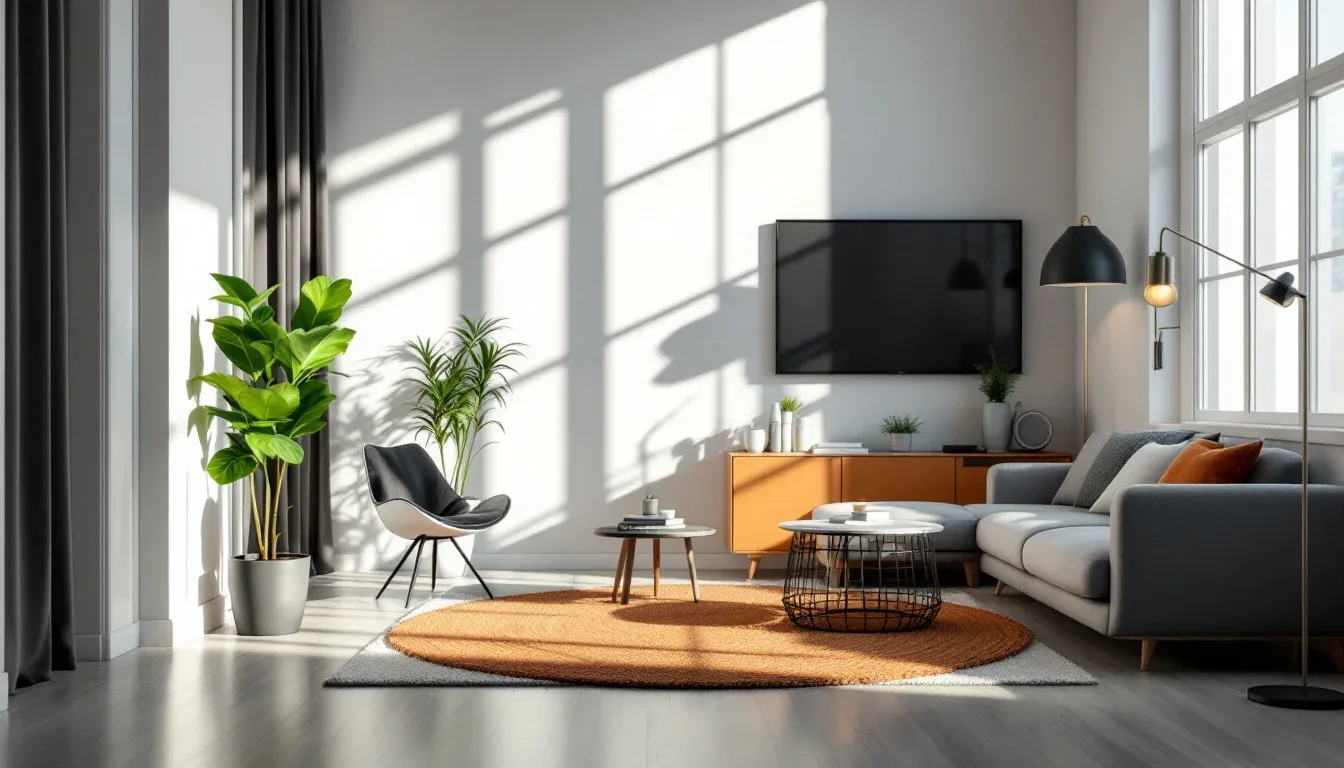
The difference between a home office in dining room space that works long-term and one that deteriorates into chaos within a month almost always comes down to two things: where the cables go and where the supplies live. Both are solvable with under-$100 decisions made before the first workday.
Cable management starts at the outlet. Dining rooms are rarely wired with outlets in useful places — they’re typically along baseboards near the door or underneath where the credenza sits. Before you commit to a work zone location, identify the nearest outlet and plan the cable route. Flat cable raceways in a color that matches your baseboard (usually white or off-white) are the cleanest solution. They adhere directly to the baseboard and wall, cost around $15 for an 8-foot run, and are completely reversible. The alternative — a long power strip cord running loosely across the floor — is a tripping hazard and a visual problem that will quietly erode the room’s coherence every single day.
Cable routing options worth knowing:
- Flat adhesive raceways along baseboards: best for longer runs, most invisible
- Velcro cable ties bundled behind furniture legs: best for short desktop runs
- A single desktop power station with a single long cord to the outlet: reduces the number of visible cables to one
- Wireless charging pads built into the work surface: eliminates phone cables entirely
Storage is more important than the surface. This is the insight most people miss. A clean work surface is a result of having somewhere to put things, not a result of willpower. For a dining room office, storage has to be dual-purpose too — it needs to hold office supplies without looking like it does.
The most effective solutions here are:
- Credenza or sideboard with interior shelving: Most dining rooms already have one. The interior shelves that typically hold tablecloths and serving platters can hold a ream of paper, a label maker, spare cables, and a filing system without visible change to the exterior. One drawer becomes the office drawer. The rest stays dining.
- A lidded basket or decorative box under or near the work surface: For daily-use items — pens, a notepad, a small stapler — a lidded container reads as décor, not clutter. The lid is the critical element. Open baskets accumulate visual noise. Lidded containers contain it.
- Vertical storage on the work wall: A small floating shelf above the work surface at eye level holds the things you reach for constantly. Keep it edited — no more than six items, and everything on it should earn its place. This shelf will read as part of the room’s design if it holds one small plant, a lamp, and two or three books. It will read as office overflow if it holds a stapler, a tape dispenser, three chargers, and a stack of papers.
Takeaway: Do the cable audit before anything else. Walk the room with your laptop plugged in and identify every cord that will need to run somewhere. Map the route. Order the raceways. This takes 20 minutes and prevents a problem that otherwise compounds daily.
Lighting Adjustments That Make the Room Work Harder
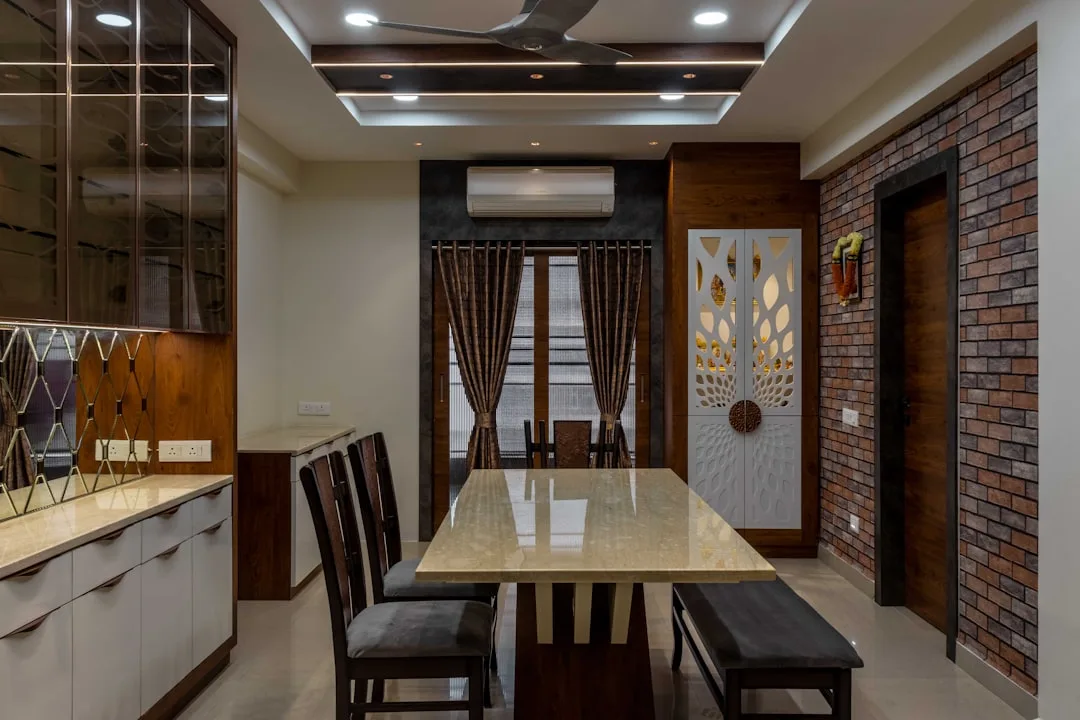
Most dining room lighting is designed for one job: flattering the table during meals. A single overhead pendant, likely on a dimmer, pointed straight down at the center of the table. That’s it. For eight-hour workdays — or even four-hour ones — it’s completely inadequate. Poor task lighting is one of the leading causes of afternoon fatigue and eye strain, and it’s one of the cheapest problems to fix.
The layered lighting principle applies here exactly as it does in purpose-built offices:
- Ambient light (the overhead pendant): already present, already functional for general room brightness
- Task light (a focused, adjustable source at the work surface): almost certainly missing, needs to be added
- Accent light (optional, but useful for zone definition and evening atmosphere): a table lamp on the credenza, a small picture light over art in the dining zone
For the work zone specifically, task lighting requirements are non-negotiable if you’re spending real hours there. The standard recommendation is 450 to 500 lumens at the work surface for general tasks, and 800 lumens or more for detailed work like drawing, reading, or fine writing. A good articulating LED desk lamp — something like a BenQ or Elgato ring lamp for video calls, or a simpler architect-style lamp for general use — costs between $40 and $120 and handles this completely.
Daylight positioning matters more than most people account for. If your dining room has a window, place the work surface perpendicular to it rather than facing it or putting it directly behind you. Facing a window causes glare on your screen. Window behind you causes glare on your screen from the reflection. Perpendicular means even, diffused natural light on the work surface with minimal reflection issues. This single positioning decision can reduce eye fatigue more than any lamp upgrade.
For video calls specifically, the combination of a window to your side and a warm-toned lamp positioned slightly in front of and above your face produces the best image quality without any additional equipment. The dining room’s existing overhead pendant — if it’s a warm-toned bulb and on a dimmer — can serve as that front light source if your work position is close enough to the center of the room.
Takeaway: Replace any cool-white bulbs in the dining room pendant with warm-white (2700K–3000K) LEDs. This single change makes the room feel less clinical during work hours and more appropriate for meals. It costs under $15 and takes five minutes.
Making It Actually Look Good: Design Choices That Serve Both Functions

The visual coherence of a dual-purpose dining room is what separates a setup that guests notice approvingly from one that makes everyone slightly uncomfortable without knowing why. Getting a home office in dining room space to look intentional rather than improvised comes down to a set of specific decisions — most of them made before anything is purchased.
Start with the work surface finish. Whatever surface you choose for the work zone, it should share at least one material or finish with existing furniture in the room. If the dining table is a warm walnut, the console table or floating shelf should be warm walnut or a complementary warm wood. If the dining room has painted millwork, a painted desk surface in the same white or off-white reads as part of the room rather than addition to it. The more the work surface looks like it was always there, the better the room holds together.
The task chair is the hardest problem. Office chairs are designed for one thing — ergonomics — and most of them are visually brutal in a dining room context. The options:
- Use a dining chair with a cushion: Works for shorter work sessions (under three hours). Not adequate for full workdays. Acceptable compromise if you value aesthetics over extended comfort.
- Choose a task chair in a material that matches the dining chairs: If the dining chairs are upholstered in a cream fabric, look for a task chair in a similar tone. If they’re wood with cane backs, a Scandinavian-style task chair in beech wood reads as part of the same family.
- Keep the task chair out of the room when not working: This is the nuclear option, but it works. Store the ergonomic chair in a closet or nearby room and bring it out for work hours. The work zone then disappears almost entirely between sessions.
Art and accessories should span both zones. One of the tell-tale signs of an unconvincing dual-purpose room is that the dining area has art and the work zone is a bare wall. Treat the work wall with the same decorative intention as the rest of the room. A small gallery wall above the work surface, a single large-scale print, a mirror that bounces light — any of these reads as deliberate design rather than functional afterthought.
What to avoid:
- Exposed cable runs anywhere near the dining zone
- Office supplies left visible on work surfaces between sessions
- A task chair that’s clearly a different design generation from every other piece of furniture in the room
- Overhead fluorescent lighting or very cool-toned bulbs that make the room feel like a break room
Takeaway: Take a photo of your dining room before you start. Take another after the first week of using it as a dual-purpose space. The photo makes visible what the eye adjusts to — if something looks wrong in the image, it probably looked wrong all along.
Frequently Asked Questions
Q: Can I really work productively at a dining table, or do I need a proper desk?
The dining table works for many people but has a specific failure mode: it’s too large. When your work surface is 72 to 96 inches long and you’re using 18 inches of it, the unused space becomes a staging area for everything — mail, bags, items that don’t have homes. Within days, the table fills. The solution is either a separate, appropriately-sized work surface in the room (see the console table and floating shelf options above), or a strict policy that nothing unrelated to current work sits on the table during work hours. If you have the discipline for the second option, the table itself is perfectly functional ergonomically. Most people are better served by the first.
Q: How do I handle video calls when the dining room is a shared space?
Two approaches work. The first is scheduling: if you live with others, establish a simple signal — door closed means call in progress, don’t enter. A dining room door makes this unusually easy compared to open-plan setups. The second is background management. Your video call background should look like a deliberate room, not an accidental one. Position your camera so it shows a clean wall, a piece of art, or a bookcase — not the dining table behind you with the remnants of breakfast still on it. A simple backdrop stand with a neutral panel costs under $40 and solves the problem entirely if the room’s visual depth doesn’t cooperate.
Q: What’s the best way to transition the room from work mode to dinner mode quickly?
The reset has to be designed, not improvised. Everything used for work should have a specific home — a lidded box, a drawer, a section of the credenza — so that end-of-day cleanup is a sequence of actions rather than a decision-making process. Most people can fully reset a well-organized dual-purpose dining room in under five minutes if the storage system is right. The table gets cleared, the task chair goes back to its designated spot or into storage, the task lamp goes off, and the dining pendant goes on. The psychological shift follows the physical one almost immediately.
Q: Will this setup hurt my home’s resale value or make it harder to sell?
No — and this concern is almost entirely unfounded. A dining room with a console table along one wall and a few extra shelves photographs as a dining room. Nothing about a thoughtfully executed home office in dining room space is permanent or structurally significant. Floating shelves patch with spackle and paint. Rugs roll up. The room reverts to a conventional dining room in a single afternoon. If anything, buyers who work from home — an increasingly large portion of the market — will see the dual-purpose setup as a feature, not a liability.
Q: How do I manage noise if I need to take frequent calls but my dining room isn’t fully separated from the kitchen or living area?
Start with what you can control: close the door if there is one, and position your microphone (whether built into a laptop or external) as close to your mouth as possible. Directional condenser microphones or USB mics with cardioid pickup patterns reject side and rear noise significantly — a $50–$80 USB microphone reduces audible background noise more than any furniture rearrangement. For serious noise issues, a heavy curtain on a ceiling-mounted track across the dining room opening adds meaningful sound absorption without permanent modification. Curtains in a fabric weight of 140 gsm or above (look for blackout or thermal curtain classifications) reduce noise transmission noticeably and double as a visual zone divider.
Q: Is a home office in dining room space suitable for full-time remote work, or just occasional use?
It’s suitable for full-time use, but the setup requirements are higher. For occasional use — a few hours a day, a few days a week — almost any arrangement with a decent surface and task light will do. For full-time work, you need ergonomic seating you can sit in for eight hours (which usually means a proper task chair), task lighting that prevents eye strain over long sessions, a reliable cable management system that doesn’t degrade the room aesthetically, and a storage solution that keeps the work zone clear enough to reset completely at end of day. All of these are achievable. They just require upfront decisions rather than improvisation.
Q: Can I really work productively at a dining table, or do I need a proper desk?
The dining table works for many people but has a specific failure mode: it’s too large. When your work surface is 72 to 96 inches long and you’re using 18 inches of it, the unused space becomes a staging area for everything — mail, bags, items that don’t have homes. Within days, the table fills. The solution is either a separate, appropriately-sized work surface in the room (see the console table and floating shelf options above), or a strict policy that nothing unrelated to current work sits on the table during work hours. If you have the discipline for the second option, the table itself is perfectly functional ergonomically. Most people are better served by the first.
Q: How do I handle video calls when the dining room is a shared space?
Two approaches work. The first is scheduling: if you live with others, establish a simple signal — door closed means call in progress, don’t enter. A dining room door makes this unusually easy compared to open-plan setups. The second is background management. Your video call background should look like a deliberate room, not an accidental one. Position your camera so it shows a clean wall, a piece of art, or a bookcase — not the dining table behind you with the remnants of breakfast still on it. A simple backdrop stand with a neutral panel costs under $40 and solves the problem entirely if the room’s visual depth doesn’t cooperate.
Q: What’s the best way to transition the room from work mode to dinner mode quickly?
The reset has to be designed, not improvised. Everything used for work should have a specific home — a lidded box, a drawer, a section of the credenza — so that end-of-day cleanup is a sequence of actions rather than a decision-making process. Most people can fully reset a well-organized dual-purpose dining room in under five minutes if the storage system is right. The table gets cleared, the task chair goes back to its designated spot or into storage, the task lamp goes off, and the dining pendant goes on. The psychological shift follows the physical one almost immediately.
Q: Will this setup hurt my home’s resale value or make it harder to sell?
No — and this concern is almost entirely unfounded. A dining room with a console table along one wall and a few extra shelves photographs as a dining room. Nothing about a thoughtfully executed home office in dining room space is permanent or structurally significant. Floating shelves patch with spackle and paint. Rugs roll up. The room reverts to a conventional dining room in a single afternoon. If anything, buyers who work from home — an increasingly large portion of the market — will see the dual-purpose setup as a feature, not a liability.
Q: How do I manage noise if I need to take frequent calls but my dining room isn’t fully separated from the kitchen or living area?
Start with what you can control: close the door if there is one, and position your microphone (whether built into a laptop or external) as close to your mouth as possible. Directional condenser microphones or USB mics with cardioid pickup patterns reject side and rear noise significantly — a $50–$80 USB microphone reduces audible background noise more than any furniture rearrangement. For serious noise issues, a heavy curtain on a ceiling-mounted track across the dining room opening adds meaningful sound absorption without permanent modification. Curtains in a fabric weight of 140 gsm or above (look for blackout or thermal curtain classifications) reduce noise transmission noticeably and double as a visual zone divider.