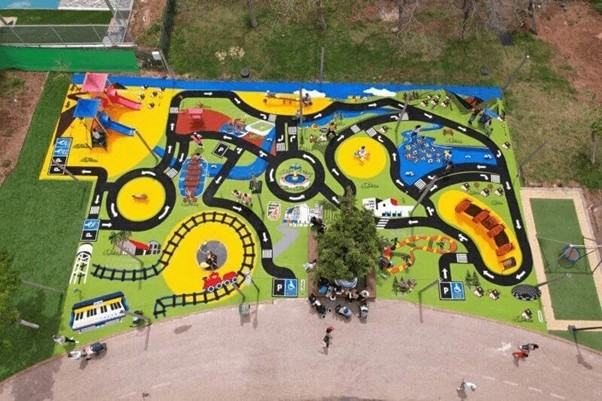
Modern playgrounds have evolved far beyond their humble beginnings. Gone are the days of rigid metal structures and uniform sand pits. Today’s spaces are thoughtfully designed environments where creativity, movement, and imagination intersect. These playgrounds aren’t just for fun—they’re powerful tools for supporting children’s cognitive, emotional, and social growth.
One of the most influential shifts in this evolution has been the introduction of Artificial grass playground surfaces. This modern surfacing option blends aesthetics with function, giving designers the flexibility to create spaces that stimulate children’s curiosity while ensuring safety and comfort.
Why Play Matters for the Developing Mind
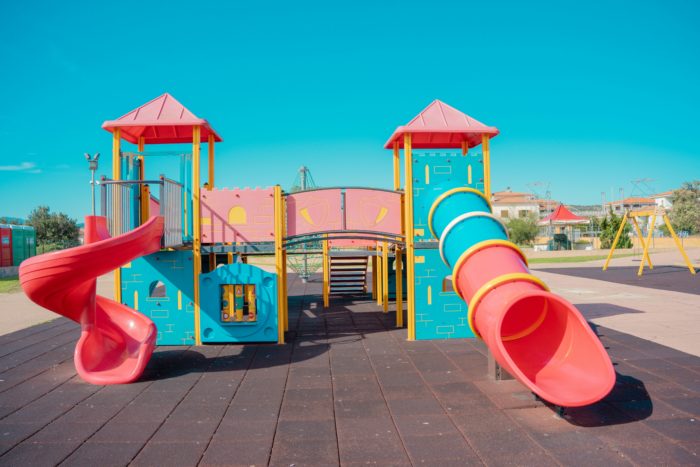
Play is a child’s first language. It’s how they interpret the world, experiment with ideas, and learn to problem-solve. Neuroscientists and educators agree that imaginative play activates critical areas of the brain responsible for creativity, reasoning, and emotional regulation.
When playgrounds are designed intentionally—with textures, colors, and interactive zones—children are encouraged to move freely and think independently. Every slope, shape, and surface becomes an opportunity for discovery.
The Role of Design in Encouraging Cognitive Growth
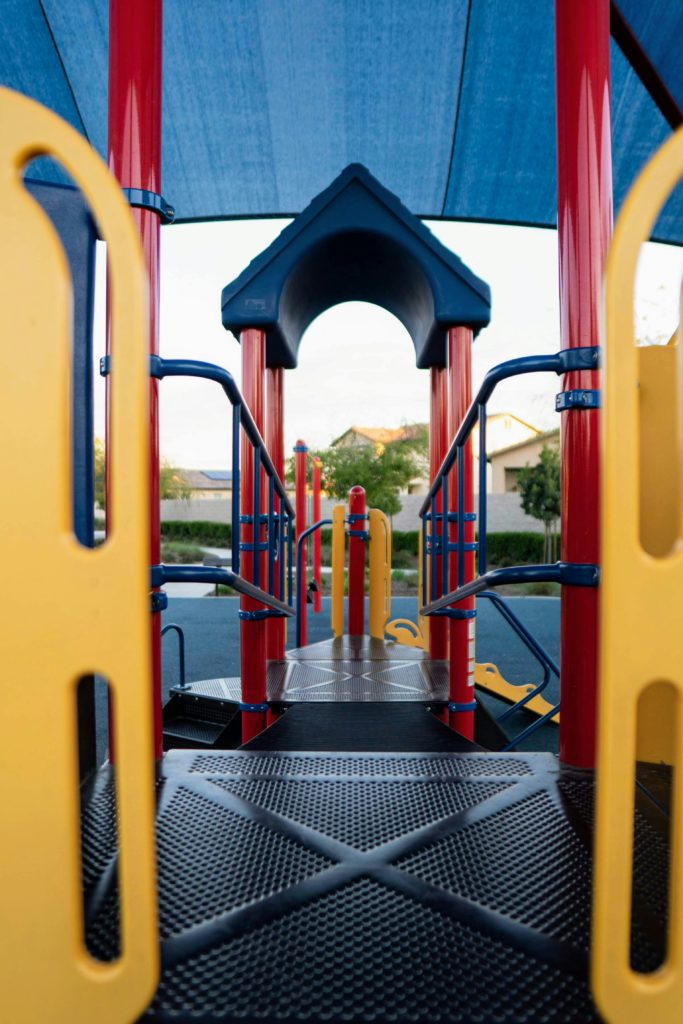
Design has a profound influence on how children engage with their surroundings. A well-designed playground offers open-ended spaces where kids can invent games, set their own challenges, and express creativity without limits.
This is where surface design plays a critical role. A playground’s surface isn’t just the ground—it’s the foundation for exploration. The use of artificial grass allows for dynamic color zones, varied textures, and even subtle visual cues that direct movement and storytelling. For instance, winding green paths can lead to different play zones, while patterned areas might encourage collaborative games or sensory exploration.
These features help children develop cognitive skills like spatial awareness, sequencing, and cause-and-effect reasoning. The tactile feedback of grasslike surfaces enhances sensory processing, which is vital for early learning and coordination.
Emotional and Social Benefits of Creative Design
Beyond the mental stimulation, creative playground design also supports emotional intelligence and social growth. Children learn empathy, cooperation, and self-expression through shared play experiences. Environments that feel safe yet inspiring make it easier for kids to take healthy risks—an essential part of building confidence.
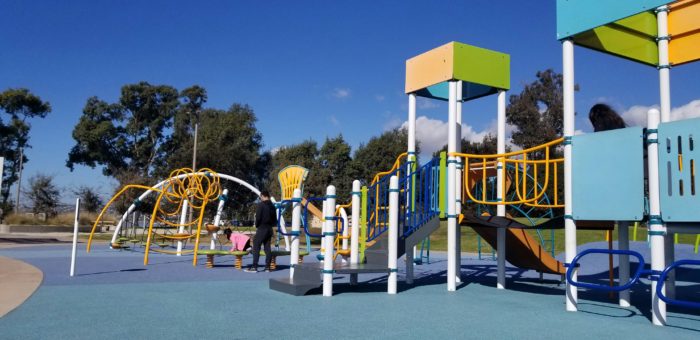
The natural look and soft texture of Artificial grass playground surfaces provide that perfect balance. Kids feel grounded and comfortable, while parents and educators appreciate the durability and low maintenance. The lush, natural aesthetic creates an inviting atmosphere that helps children unwind and connect more deeply with the outdoor environment.
Designing for Inclusivity and Connection
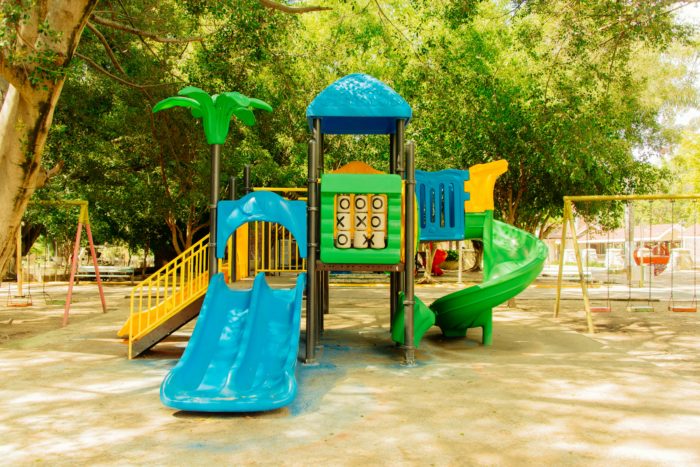
Modern playgrounds are becoming models of inclusivity. Designers are now prioritizing access and engagement for all children—regardless of ability, age, or sensory preference. Surfaces like artificial grass make this possible by offering consistent traction, cushioned support, and adaptable design flexibility.
Play zones can be created with color-coded sections that encourage collaboration or provide sensory calm areas for children who need quieter spaces. By thoughtfully blending design and function, these spaces help children learn not only through play but also through interaction and empathy.
The Artistic Side of Playground Design
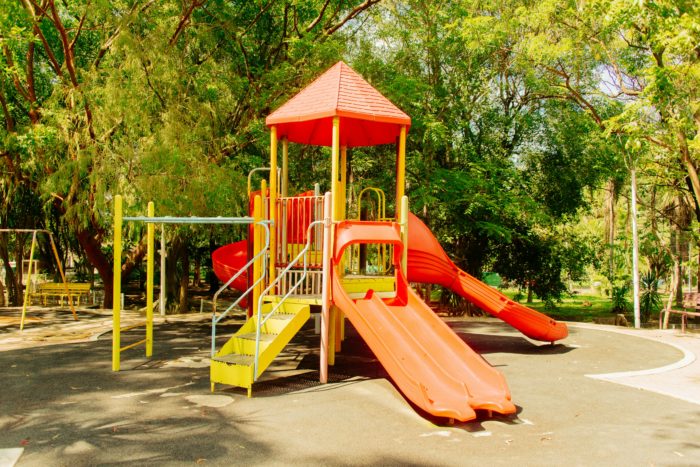
There’s also a growing trend toward treating playgrounds as art installations. Designers are incorporating patterns, gradients, and color stories that reflect local culture or themes from nature. These design choices give each space its own identity and narrative—something children can interpret and add to through their play.
This creative fusion of artistry and functionality transforms playgrounds into living stories. Every texture, hue, and curve contributes to the experience. It’s where design meets imagination, and children become co-authors of the world they play in.
Setting the Standard for the Future of Play
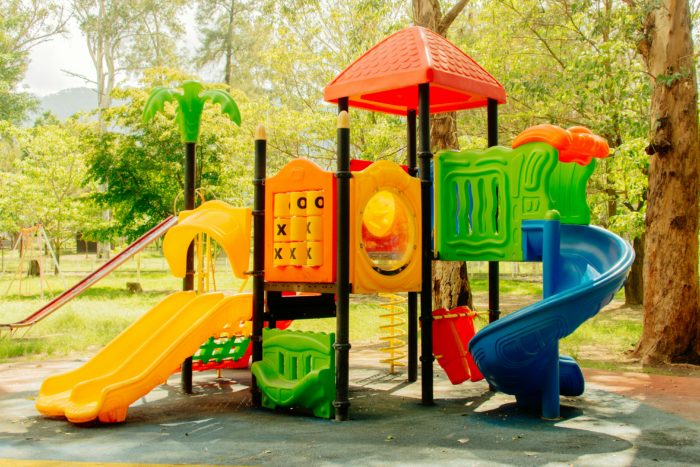
Innovative companies like ColorPlay are leading this shift by merging artistic design with engineering precision. Their focus on creativity-driven surfacing helps schools, parks, and communities design environments that are both visually stunning and developmentally beneficial.
From custom color schemes to thematic surface patterns, these playgrounds tell stories that evolve with each generation of children who explore them. The result is a new kind of play environment—one that nurtures imagination, fosters inclusivity, and enriches cognitive growth in every child who steps onto it.
Where Design Meets Imagination
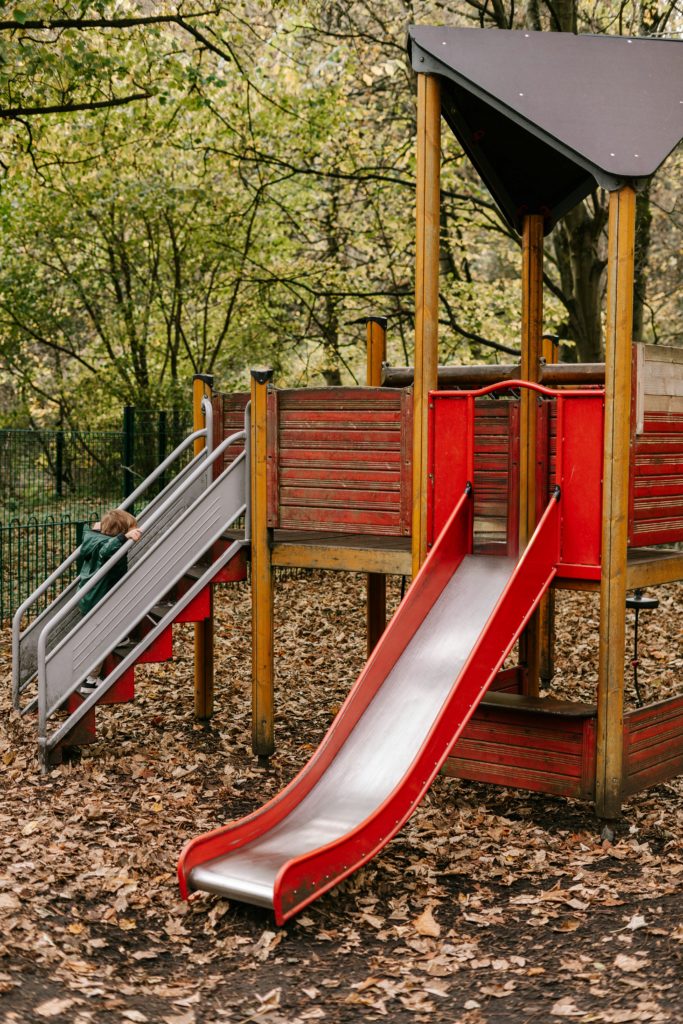
Playgrounds are more than outdoor spaces—they’re the first classrooms of life. When designed with intention, they become catalysts for intellectual curiosity, creativity, and emotional balance. Artificial grass and other innovative materials are helping redefine these spaces, turning simple play areas into immersive learning environments.
By combining science, design, and creativity, we’re shaping a future where every playground supports the whole child—mind, body, and imagination.