Blog

  • Roof Inspection Tips That You Should Must Consider

    Roof Inspection Tips That You Should Must Consider

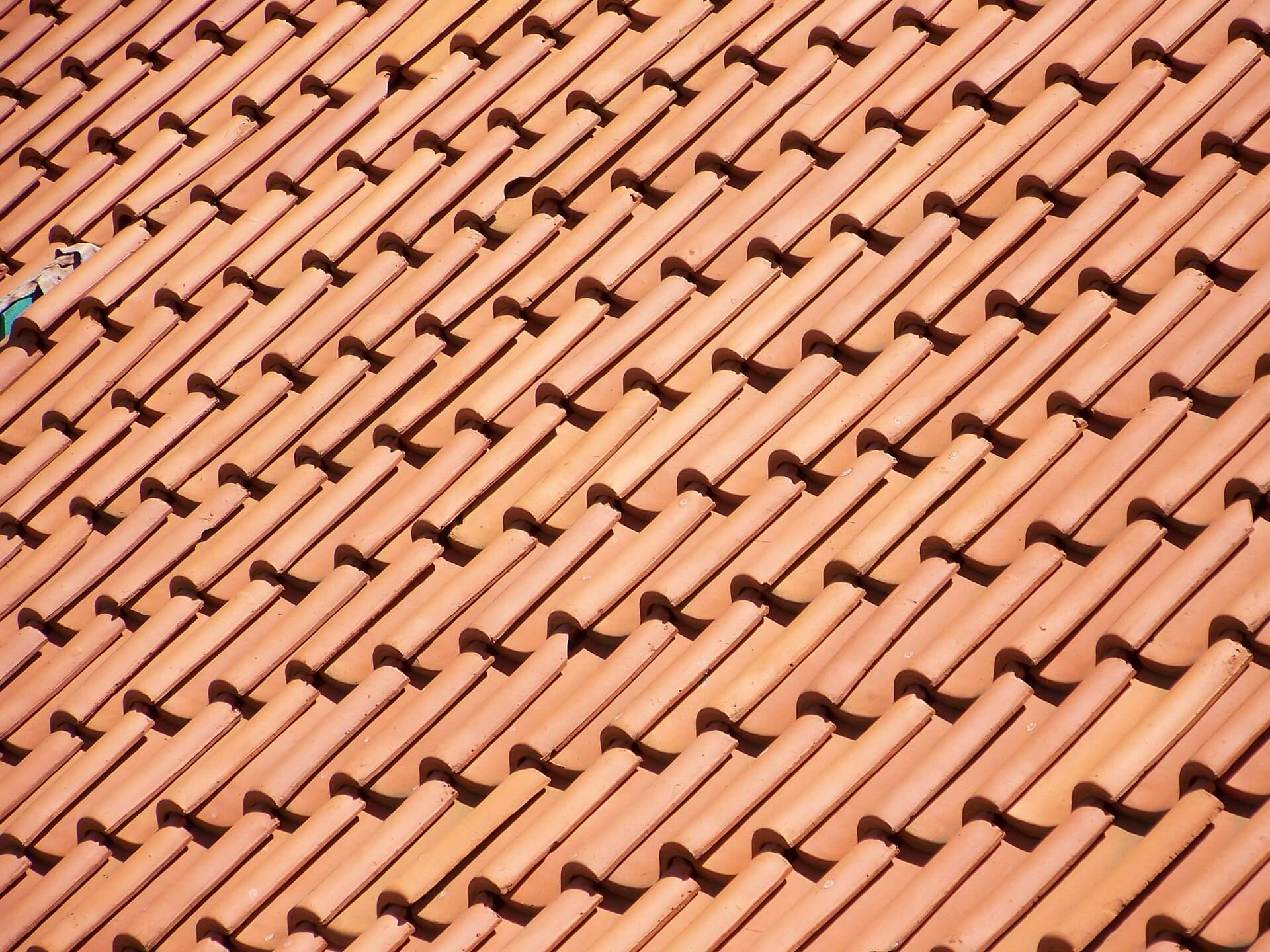
    1. Check for visible signs of water penetration, such as staining, blisters or missing shingles. Be sure to check the area around vents and skylights; they are often sources of leaks.

    Photo by form PxHere

    If there is any question about whether a leak exists at an attic vent, leave it opened during a rainfall to see if moisture collects inside the house (when it rains), or outside the house (when it doesn’t).

    2. Make sure that high points are inspected thoroughly. Inspectors should look up under metal flashings of chimneys and roof penetrations (such as pipes, skylights and vents), paying special attention to seams were flashing material changes direction.

    Photo by form PxHere

    3. If you see obvious signs of areas that have gotten wet, such as blisters, or missing shingles where moisture has entered the roof framing, you should make a visual inspection of the roof deck for decay and damage.

    4. If there are areas in your roof that appear to have been repaired previously with asphalt-based or modified bitumen [a rubberized asphalt] products (also called “tar paper,” “tar and gravel” or simply “asphalt”), it’s important to know the type of material used. This is because existing problems like delamination may be aggravated by exposure to high heat from an infrared camera inspection device. In addition, many types of modified bitumen materials do not adhere well over time and can peel off easily when dry under normal conditions, allowing wind-driven rain to penetrate the roof deck.

    5. If you suspect that an infestation of wood-destroying insects exists, it’s important to make sure there are no large areas of deteriorated or missing wood before treatment is initiated. This is because insect activity can make openings larger than they would be otherwise.

    6. Be on the lookout for signs of water penetration at flashing joints and more importantly where flashings transition from one type [metal] material to another [concrete]. These areas are often overlooked during a typical inspection and they are prone to chronic water leakage onto the drywall or insulation below. In addition, if your house was built before 1978, you should look carefully at all metal flashings for signs of lead-based paint.
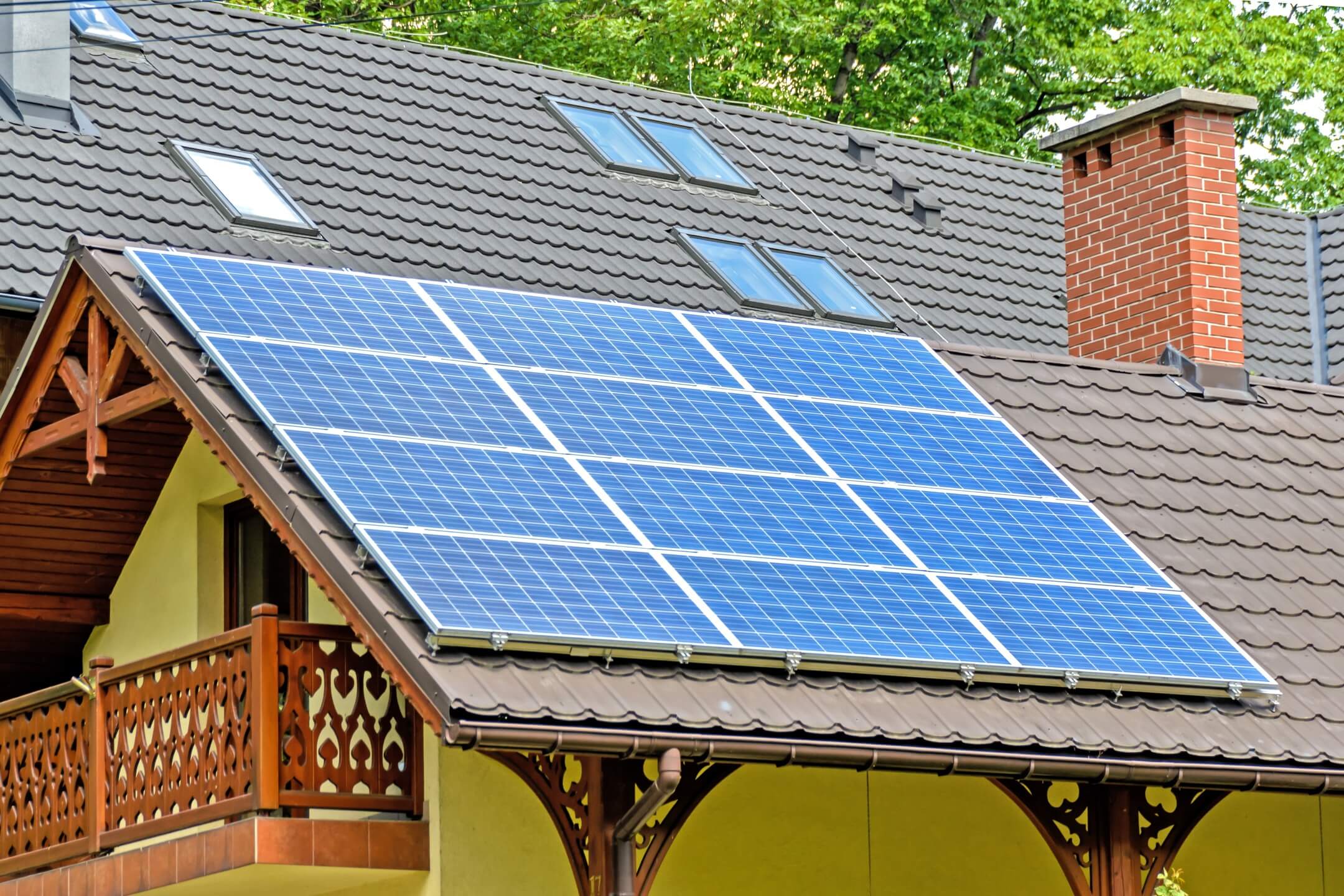
    Photo by form PxHere

    7. Inspect the area around attic penetrations to make sure they were properly flashed and sealed at installation. For example, you should look for missing or cracked sealant on chimney flashing where it passes from a shingle roof into your house; ideally, there should be no cracks at all in this joint. Also, look for sealant defects around pipe chases that penetrate the roof deck.

    8. If your house has a flat roof, inspect and test all flashings to make sure they are well-sealed and intact. Inspect skylights, in particular, because they are especially prone to damaging leaks after 10 or 15 years of exposure to sunlight.

    9. Inspect the edge of shingles that stick out over a roof valley to make sure flashing is in place and intact.

    10. Check for damage at all metal flashings, especially where they pass through wood framing members (such as rafters or headers).

    11. Remove any snow or ice from the exterior surface of your roof to make sure that it is free from ice dams.

    12. Check for missing or damaged shingles on a steep roof where heavy icicles are hanging over the edge, especially in areas with frequent thaw cycles and poor drainage away from the structure.

    13. If your house has vents (such as for an attic fan) located at the base of a television or satellite dish, inspect the area around them to make sure they were properly installed during construction and have not been damaged by lawn equipment [or fallen trees]. Electrical power should be turned off before you approach any electrical equipment near these vents. The same holds true if you have skylights — their flashing should be checked carefully around each one for signs of damage or deterioration.
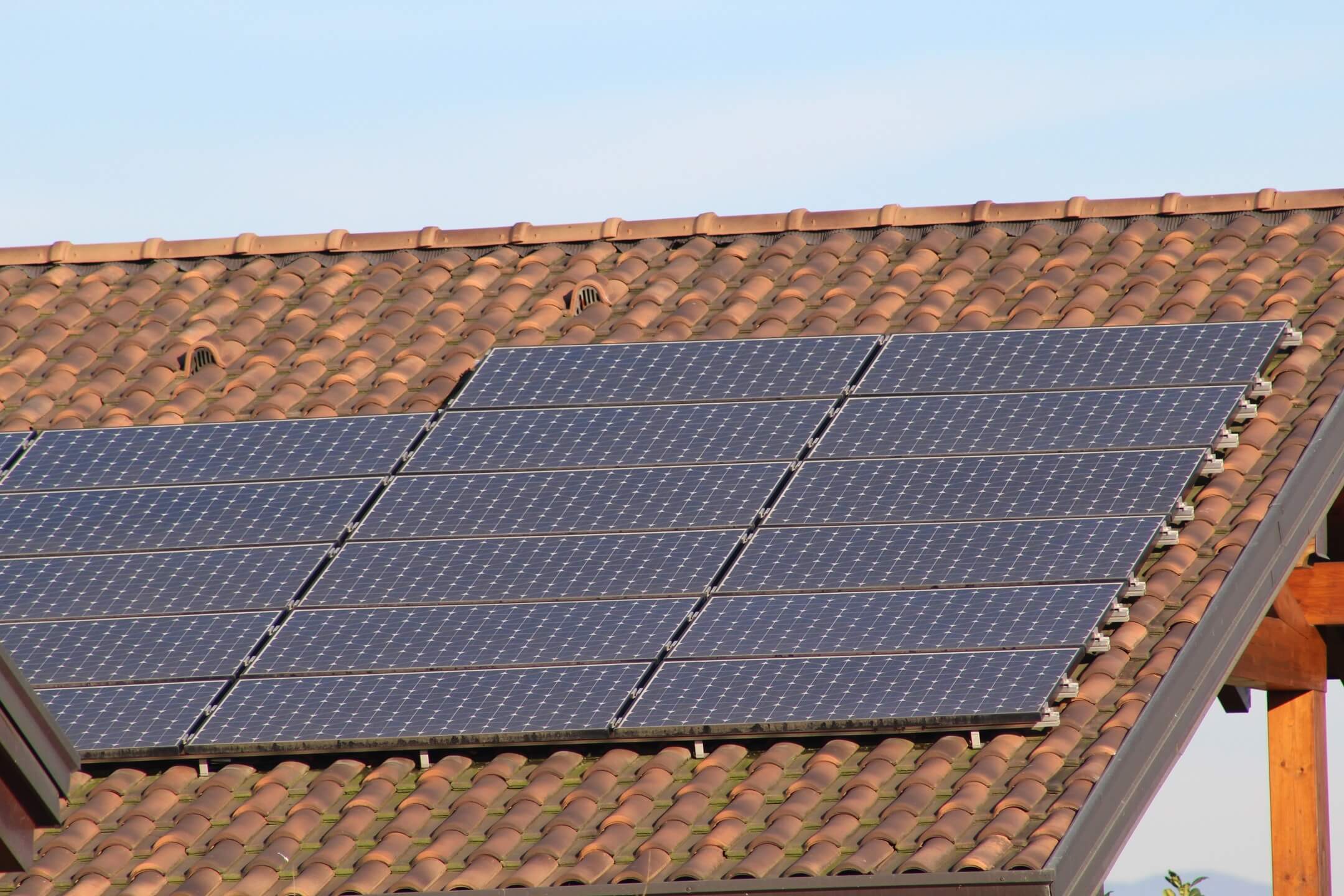
    Photo by form PxHere

    14. Look for signs of water penetration or missing sealant around chimneys, air conditioning vents, soffit vents and other roof penetrations. Make sure that each one is properly flashed and sealed at installation.

    15. Check vent pipe flashings to make sure they are completely bonded to the shingles above them — ideally, this joint should be a continuous line of sealant from bottom to top where the flashing transitions from metal to asphalt shingles or vice versa.

    16. Inspect ridge beams carefully for signs of damage from high winds; if your house has aluminum ridge caps [which usually have three protruding bolts], look for holes in the material where wind-driven rain can reach the plywood sheathing on the roof deck.

    17. If your house has an attic ventilation system, make sure that the inlet and outlet vents are not blocked by insulation or roofing debris. You should also check to be sure that the boot flashing is intact around each vent — it’s a telltale sign that water may be leaking into the space between the top of the foundation wall and the underside of rafters above.

    18. Check for any signs of roof penetrations from plumbing vents or chimneys; these areas often suffer water intrusion due to faulty flashings or sealant defects from improper installation during construction. Look for cracked caulk around pipes entering through roofs as well as worn-out boot flashings at chimney junctions with roofs or walls (and especially at a chimney/soffit or soffit vent junction).

    19. Look for missing or damaged shingles, especially in areas with frequent winds; for example, if your roof is under a tree where branches are blowing all the time, look along the edges of these trees to be sure that large branches aren’t striking and damaging your roof near its edge. If you find damage to the upper 4 inches of an asphalt shingle [where wind-driven rain typically enters], tear out and replace this section of shingle before it rusts further.

    20. Check for cracks in mortar joints if your house has block walls built on top of concrete footings — signs of water leakage from a cracked wall can also mean that water is leaking into the wall framing or adjacent roof framing, as well.

    Photo by form PxHere

    21. Inspect your roof deck carefully for signs of water leakage and rot; look at all joints along rafters and where a ledger board sits on top of the foundation wall to see if there are any cracks or gaps large enough for water to penetrate into the house [or attic]. Signs include discolored wood fibers, rotted wood, or signs of mold/fungus growth on the underside of shingles near leaky areas. Roof sheathing that is heavily compressed with standing water may have developed mold inside it — this type of damage will not be visible from looking at the outside surface of your roof unless you take down one or more sections of shingle covering the sheathing.

    22. Repair any signs of rusty nails or screws in roof framing before they turn into major leaks; once a shingle has been punctured by a rusty nail, the water can seep underneath this shingle and cause rot to develop faster than you may think. If you see rust on your nails/screws when you remove them, coat them with a little rust preventer spray paint to keep moisture from reaching the steel underneath. Alternatively, replace suspect nails/screws altogether if they are badly rusted — it’s better to have holes filled with new fasteners than try to repair damaged threads around those fasteners.


  • The Ultimate Guide to Selling Your Home

    The Ultimate Guide to Selling Your Home

    Starting over is rarely easy. Yet, many people are choosing to sell their homes and try something new this year.

    Photo by form PxHere

    If that sounds familiar to you, then you’ve come to the right place. Selling a home –– even in an active market –– can still be difficult. And it’s important to maximize the value of your property before you list it for sale. With all that in mind, today we’ll explain how you can sell your home with confidence. Consider this your ultimate guide to the process: 

    Find Your New Place

    Photo by form PxHere

    This might sound obvious, but you can’t sell your home without first finding a new place to live! Don’t start the process of selling your house until you can find suitable accommodations elsewhere. Note, there are many things to consider when you decide to move. Some are conspicuous, like the price and size of a home, but others are more subtle. For instance, if you suffer from foot pain, then it’s probably a good idea to look for a home near a podiatry clinic like Northwest Surgery Center. At the end of the day, only you know your priorities –– so make sure your new place is a good fit before you sell your current home. 

    Upgrade & Update

    It may seem counterintuitive to remodel or decorate a home that you plan on selling in the near future. Yet, the reality is that even small renovations can add significant value to your home. Improving your home office, purchasing new kitchen appliances, or simply adding a fresh coat of paint to the walls can all enhance the look and feel of your home. It’s also not a bad idea to speak with prospective buyers to see what they value most in a home. 

    Photo by form PxHere

    Set Goals & Priorities

    No two sellers have the same goals or priorities. Some need to close a sale quickly. Others may be adamant about getting the best deal possible. Before you begin negotiating, though, make sure you set your own priorities. Knowing how much you want for your home is a great place to start. You may also benefit from setting deadlines for yourself. That way, you can drop your price if you have trouble selling at first. 

    Photo by form PxHere

    Talk to a Professional

    Ultimately, speaking to a real estate agent can massively facilitate the selling process and save you a ton of time and stress. Plus, savvy real estate professionals can help you sell your home quickly while also ensuring you get a fair price for it. When in doubt, it never hurts to contact a professional who can provide you with guidance and support!

  • 4 Smart Purchases for New Homeowners

    4 Smart Purchases for New Homeowners

    Buying a new house is a massive undertaking.

    Image by Tumisu from Pixabay

    However, it’s nothing compared to actually making a house feel like home. Indeed, it can take new homeowners weeks, months, or even years to truly get settled in and establish a home environment that they love. The good news is that today we’ll highlight several key purchases that will make your life as a new homeowner much easier. Check out our top four picks here: 

    Photo by form PxHere

    New Furniture

    New furniture is essential to changing the look and feel of a home. While buying new furniture might seem obvious, it can be much more difficult to pick out pieces that will work for you and your family for years to come. Remember, you’re likely to spend a lot of time on the couch or in your bed while you’re home. So don’t purchase inferior furniture and upgrade as often as you need to. Buying quality furniture can even improve your posture, sleep habits, and overall wellness!

    Basic Tools

    Do you currently own a screwdriver, a hammer, a set of pliers, a drill, and other basic tools you may need to use on a day-to-day basis? If your answer to any of the above was “no,” then now is a good time to head to the hardware store to pick up some essentials. Note, you don’t have to be a handyman or an expert in DIY projects to make a few small, but meaningful, repairs around your home. At the end of the day, simply having some basic tools at your disposal can help you tackle small issues around the house, which, in turn, will save you lots of time and money over the long haul!

    Photo by form PxHere

    First-Aid Kit

    Hopefully, new homeowners will never have to use a first-aid kit in an emergency. Stll, it’s vital to have some common medical supplies at your home just in case. You should always have bandages, gauze, aspirin, and other medical supplies stored in an easy-to-access place in your house. Of course, a first-aid kit won’t help you address every problem. If you have bunion pain, you’ll still need to visit a clinic like Northwest Surgery Center for assistance. But having a first-aid kit at home can help you deal with minor issues like cuts or bruises. 

    Photo by form PxHere

    Insurance

    Your home is the most important investment you will ever make. That’s why it’s crucial to purchase quality homeowner’s insurance that will protect your most valuable asset for years to come. Natural disasters like floods, fires, and severe weather can seriously damage your home –– so make sure you have excellent insurance coverage to protect you and your family moving forward!

  • 8 Terrific Benefits of Solar Panels for Your House

    8 Terrific Benefits of Solar Panels for Your House

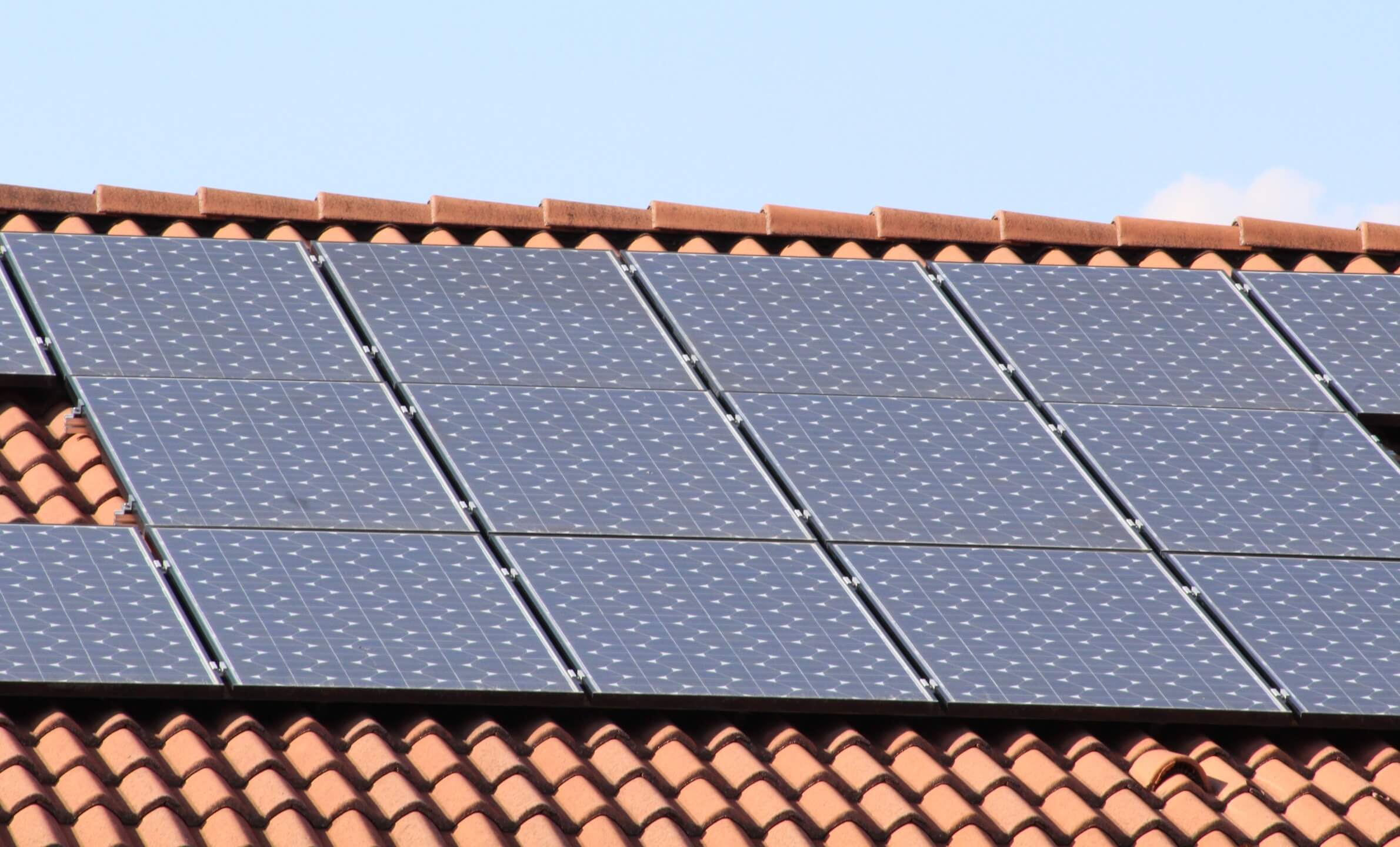
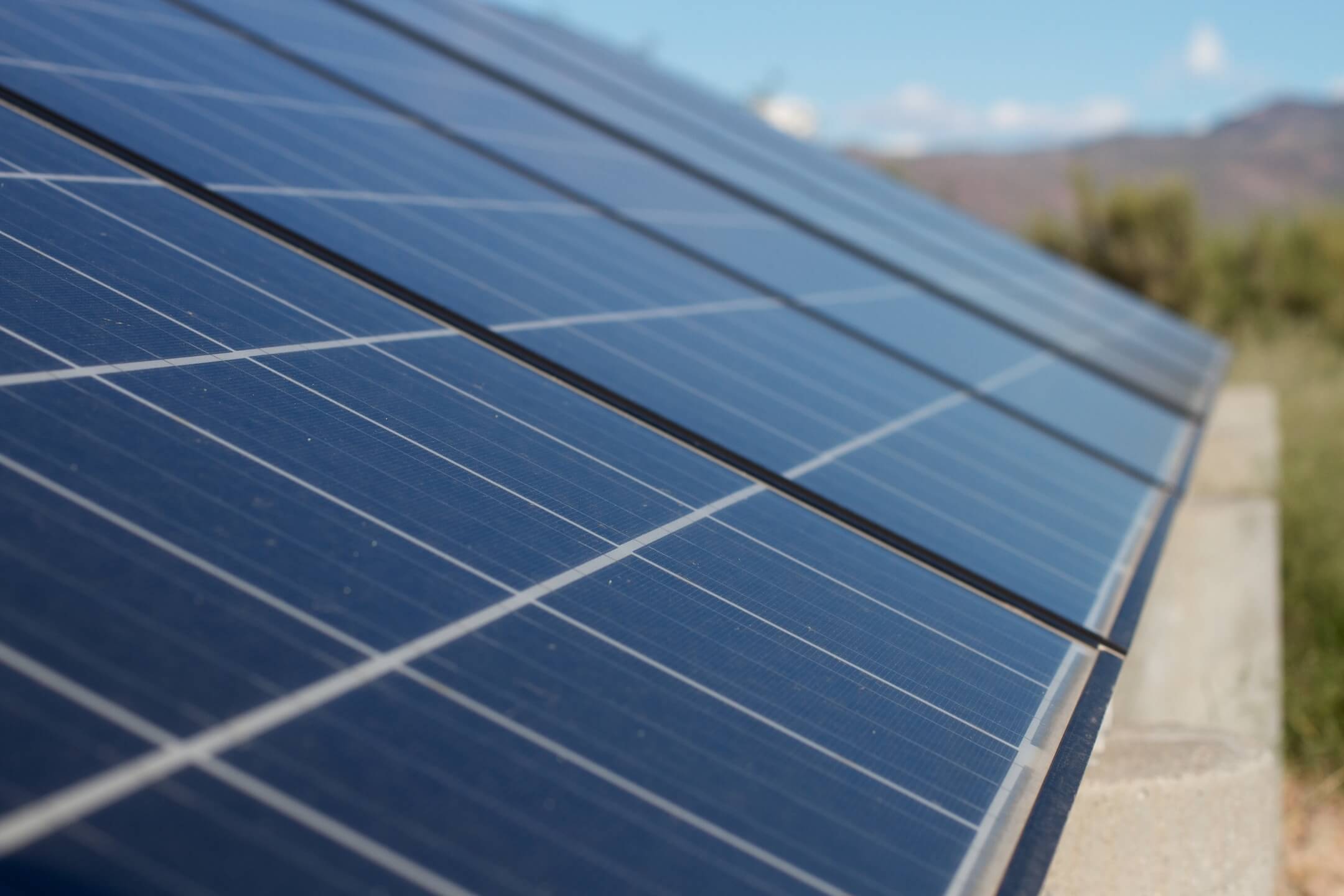
    Solar energy is the earth’s most abundant resource. As the demand for electricity rises, people are on the lookout for alternative energy sources like solar. 

    Photo by form PxHere

    Solar panel science has evolved over the years but how solar panels work is by converting sunlight into electricity. The best solar panels are designed to produce as much electricity as possible. 

    Installing solar panels is a great way to go green at home. Keep reading to learn the eight different benefits of solar panels.

    Photo by form PxHere

    1. Lower Utility Bills 

    Lower utility bills are an obvious plus when it comes to solar panel benefits. When the system is installed on your home in the proper location with the proper size solar cells, the amount of electricity produced is huge. It is quite easy to create enough energy to power your entire home. 

    2. Increase in Property Value 

    Investing in a home solar system will increase the value of your home. Many homebuyers are looking for energy-efficient homes, so upgrading yours will prepare your home for the market should you need or want to sell. 

    3. Tax Credits and Rebates

    What kinds of tax credits and rebates is your state offering? When you consult a solar professional, they’ll be able to tell you. In some areas of the country, the cost of installing a home solar system may be cut in half. 

    The federal government is pushing solar energy, so look into those financial incentives as well. 

    Photo by form PxHere

    4. Less Impact on the Environment

    Solar power is clean, pure energy from the sun. It guarantees a cleaner environment because it doesn’t produce air pollution, water pollution, or greenhouse gas effects.

    5. Reliable Source of Energy

    We’re never going to run out of sunshine. Solar is a very reliable source of energy for that reason but it does rely on the grid unless you get a battery backup system as well. 

    6. Low Cost Maintenance 

    Maintenance includes washing the dirt and dust off the panels a few times a year. The panels are very durable and won’t need maintenance for a number of years after initial installation. 

    7. Ready for the Future

    Solar may be our main source of energy for the future. You’ll be ahead of the curve if your home is already equipped with a solar panel system. 

    8. Easy Installation 

    Installation is easy and solar systems can be installed almost anywhere. 

    Looking for a solar installation company? Get information on home solar panels for a solar panel system customized for your home, budget, and lifestyle. 

    Photo by form PxHere

    Benefits of Solar Panels 

    Now that you know the benefits of solar panels, are you planning to get some quotes on installing them on your home? Remember to look for a reliable and trustworthy solar company to ensure you’ll get a high-quality home solar system installed right. Read reviews and get recommendations from people in the community. 

    Be sure to bookmark our site for easy access to the latest new trends in design and architecture. Learn how to beautify and personalize your environment and increase your quality of life. 

  • Opening the Door to Your Dream Kitchen: 7 Types of Fridges for Every Homeowner

    Opening the Door to Your Dream Kitchen: 7 Types of Fridges for Every Homeowner

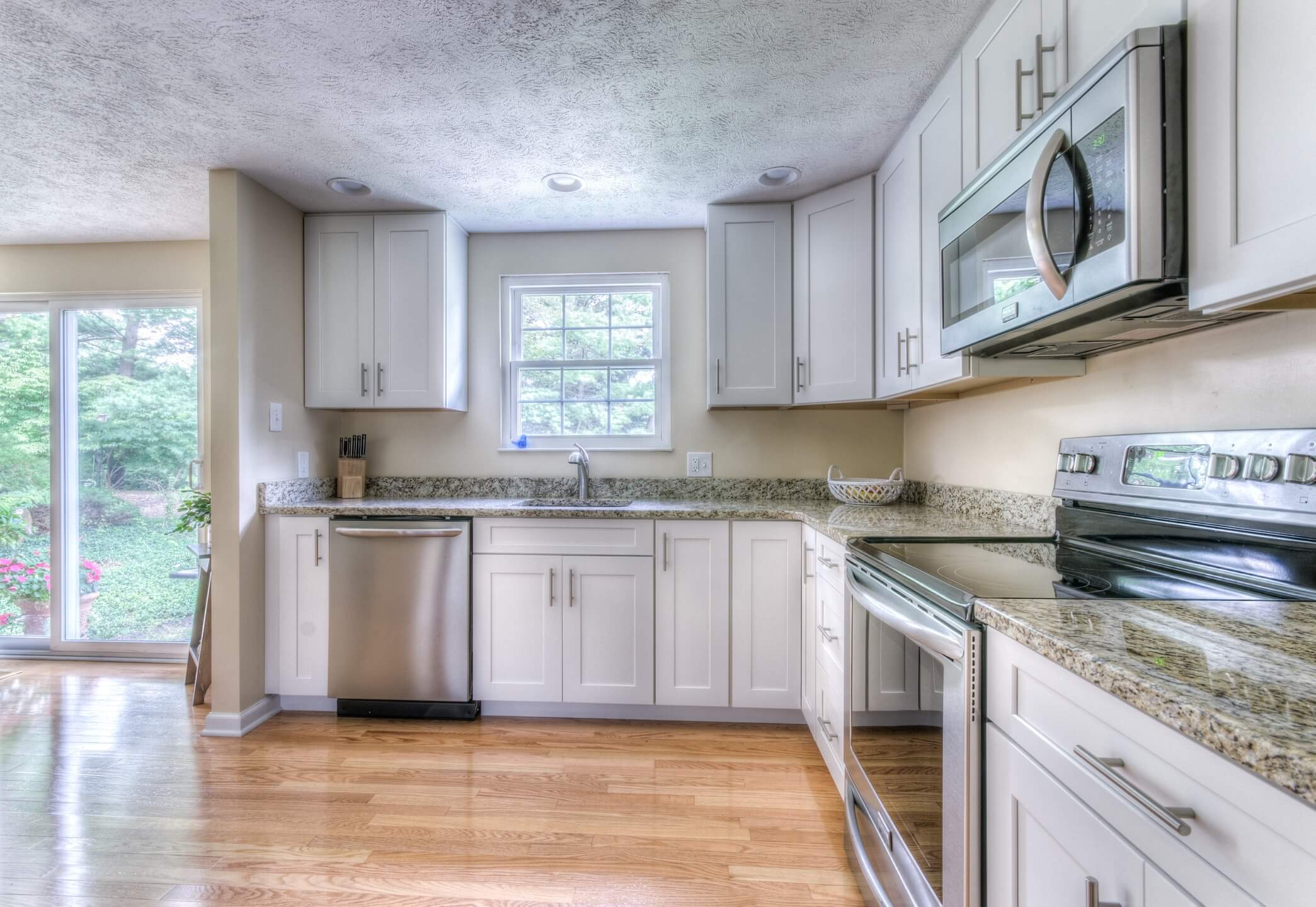
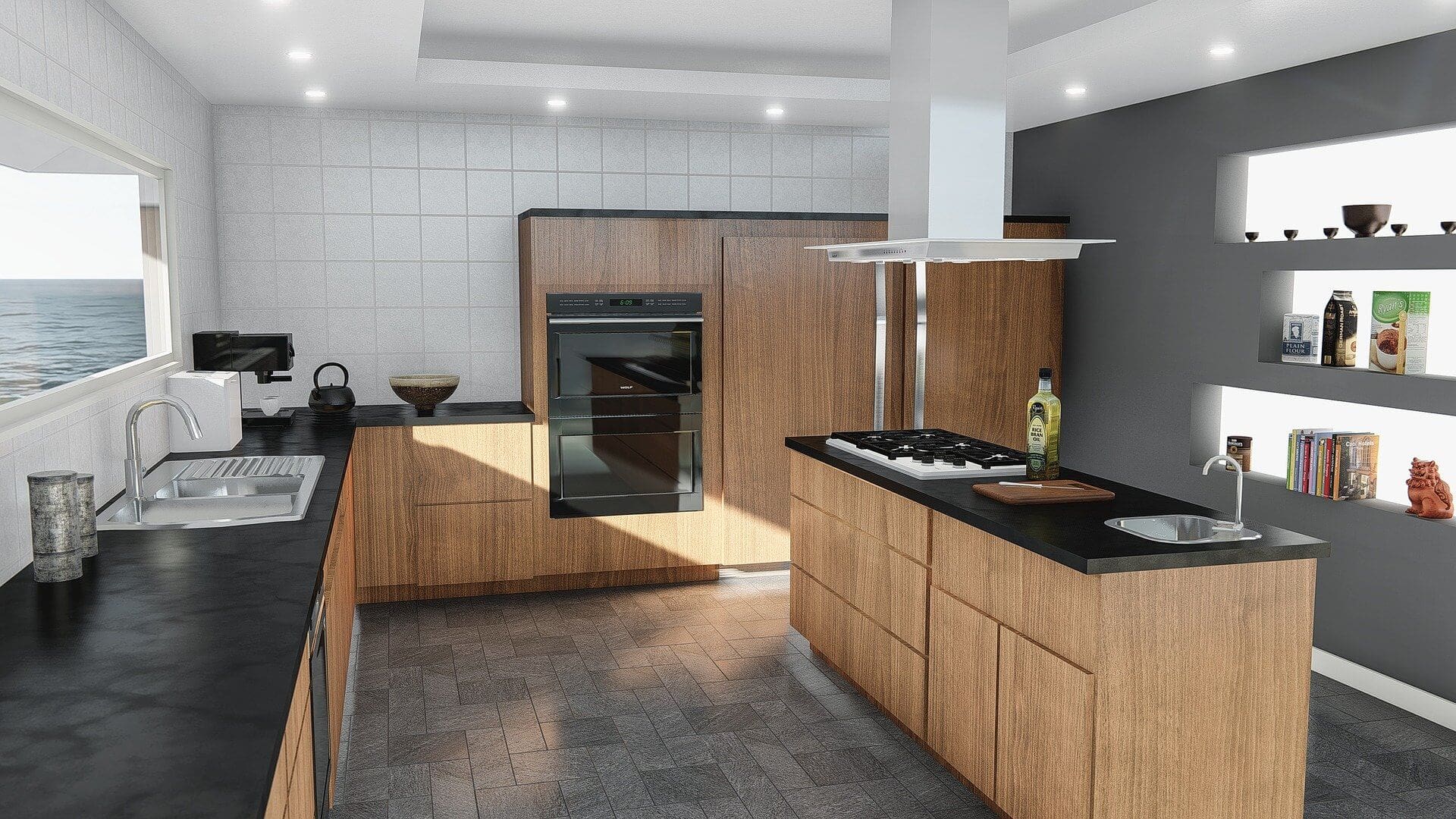
    As the long-standing heart of the home, your kitchen plays an integral role in morning routines and milestone celebrations alike. 

    Photo by form PxHere

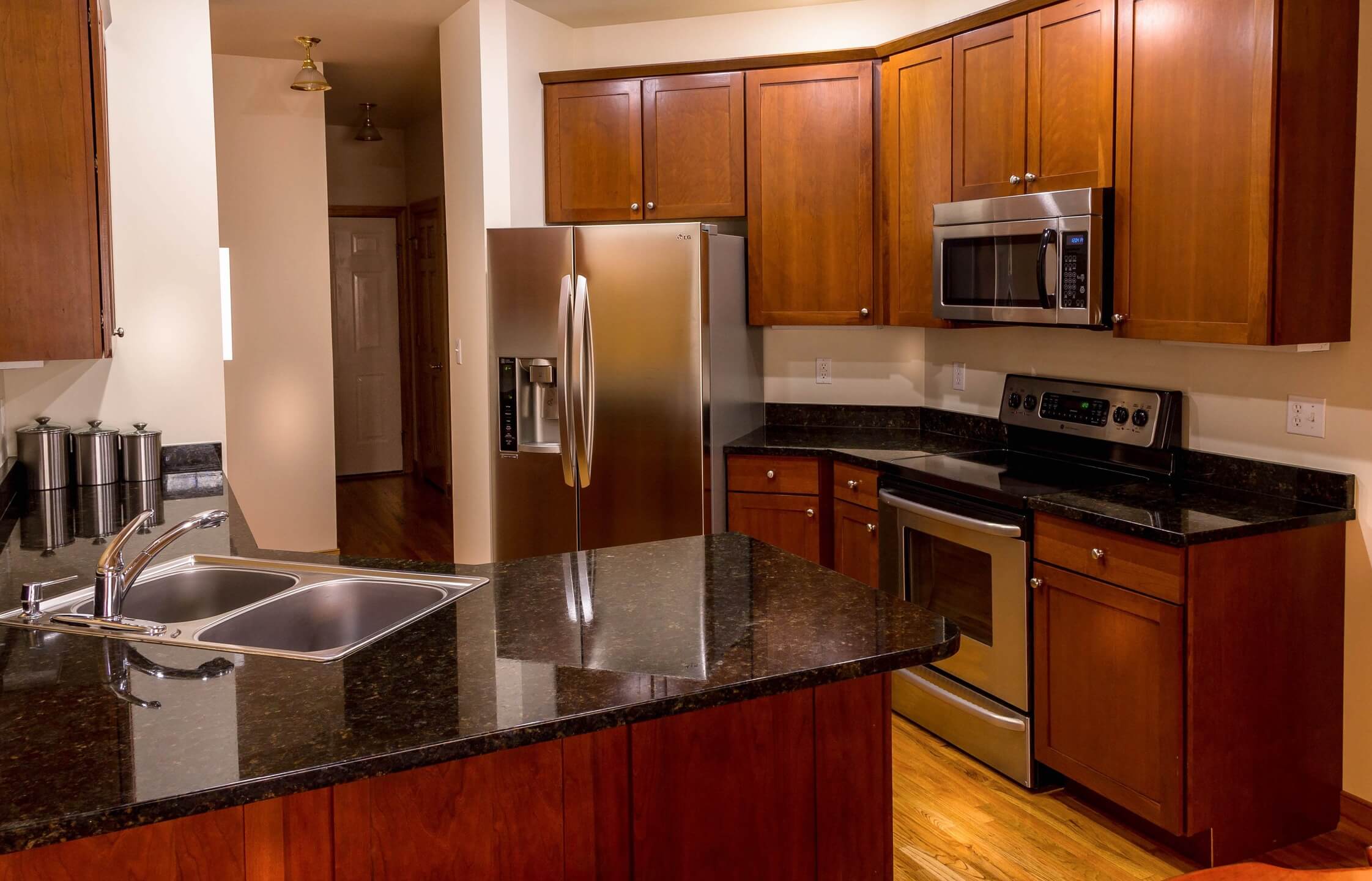
    It’s a space that brings the whole family together, whether for a quick breakfast before school or a late-night snack. As an essential room in the house, homeowners spend considerable time, energy, and money to make the kitchen both beautiful and functional.  From custom cabinetry to flashy countertops, kitchens can be designed to fit any taste. One of the most critical components of a functional cooking space is the fridge. Not only does the appliance store and organize food, but it also serves as a stylish piece that anchors the room. 

    Sifting through the wide range of fridges available on the market is daunting. Not to worry, here are seven models for every type of homeowner. 

    Image by Arek Socha from Pixabay

    Built-in refrigerators

    For those homeowners working with limited square footage, a built-in refrigerator saves valuable floor space. The stylish models are customizable to match existing cabinetry, so designing your dream kitchen is even more streamlined. Additionally, built-in refrigerators made after 2002 are environmentally friendly because they require less energy to function efficiently. 

    The side-by-side refrigerator

    A two-door model designates one side for fresh food storage and the other for frozen items. Large families benefit the most from the broadened storage opportunities, and the double doors make accessing various ingredients a breeze. Side-by-side models are also surprisingly sleek and are placed in narrow kitchen aisles without taking up too much space. 

    Image by Barry D from Pixabay

    French door refrigerator

    For large kitchens in need of an all-encompassing fridge, the french door model is ideal. With two upper-level doors, complete with multiple drawers and shelves, you can store any number of fresh produce and condiments. If space constraints are still an issue, unveil the large freezer drawer with the pull of a handle. Whether you choose to store fresh fruit or convenient TV dinners, french door fridges have more capacity to house your family’s go-to snacking options and are perfect for home chefs and large families alike. 

    Top freezer refrigerator

    Also known as a top-mount, top freezer fridges are standard in apartments and single-family homes. The freezer compartment opens at eye level, while the level below holds fresh produce.  The refrigerator storage tends to be larger than the freezer section, although both are easy to access. As the most common model, top freezer fridges are affordable for any homeowner, although advanced features are available for some models. 

    Under-counter refrigerators

    Smaller than most models, under-counter fridges are a type of built-in appliance ideal for a home bar or butler’s pantry. Most under-counter fridges don’t include a freezer section, but they offer several shelves for beverage storage. For fans of adult beverages, some models have specialized temperature zones to store wine and beer. 

    Bottom freezer fridges 

    Photo by form PxHere

    A bottom freezer model fits homeowners who tend to access the freezer more often than the fridge compartments. With a fridge section at eye level, you will also have easier access to fresh products without straining your back to bend over. Bottom freezers also come with customizable drawers that make organizing and cleaning a breeze. 

    Wine cooler 

    For those homeowners that are constantly hosting large dinner parties and late-night gatherings, a wine cooler is a perfect addition to your kitchen. A wine cooler preserves your favorite blends with humidity and temperature controls and slows down the aging process. The sleek appliance is also a stylish way to display your impressive wine collection. 

    Photo by form PxHere

    Final thoughts 

    Finding a fridge that meets your needs and design desires is essential for perfecting your kitchen. Whether you choose a compatible built-in model or a storage-packed french door appliance, you are bound to find your match made in culinary heaven. 

  • The Top Reasons to Choose the Correct Contractor for Your Home Project

    The Top Reasons to Choose the Correct Contractor for Your Home Project

    Choosing the right contractor for your home project is one of the most important decisions you can make. It’s hard to know where to start, what questions to ask, and how to compare contractors .

    Photo by icon0com form PxHere

    If you’re feeling overwhelmed or confused about which company will be best for you, this blog post is here to help! We’ll walk through the top reasons why it is very important to choose the correct contractor for home projects.

    1) Quality

    2) Time

    3) Money

    4) Peace of mind

    Quality:

    Photo by form PxHere

    Choosing a contractor with experience in your type of project means you should be able to get contact information of other people they’ve worked with in the past. Ask for three references to call – that way, it’s easier to find out more about how their work compares to other contractors in terms of quality. A contractor who takes pride in their work is a sign of a company that is reliable and trustworthy as they will ensure the job is done right to your specifications, and won’t cut corners or do sloppy work.

    Look for:

    • Their team members will be qualified tradespeople who provide quality work
    • They will be able to help with design, materials, colors, and textures
    • There is a lot of detail when it comes to the construction of one’s home, and you need someone who knows what they are doing. A qualified contractor will be able to offer design assistance so you can plan accordingly for your space. They will also have access to quality materials that they know how to work with and color options that are suitable for your space.
    Photo by form PxHere

    Time:

    You’ll get a job done in the timeline you desire

    • The timeline is an important factor when it comes to any home project. Whether it’s due to deadlines or budgets, everyone has a different idea of how much time they want the job to take and what they’re willing to spend. Choosing the right contractor for your home project means choosing one who you can trust will meet your timeline needs. They’ll be able to complete the task in the amount of time you need and won’t cost more than anticipated.
    • They’ll do top-quality work that will last longer
    • A contractor who knows what they are doing should be able to provide quality work that lasts for many years if not decades. Professionals understand the key factors like making sure surfaces are sealed properly and have enough

    Price:

    One of the main reasons to hire a professional contractor for your home project is to avoid DIY disasters. Hiring a professional company can help you avoid wasting money on something that doesn’t turn out right.

    • When negotiating price: A contractor who has experience estimating the cost of a project and staying within timelines is someone you want to hire. They know how to do the job right without costing more than anticipated or going over-time (which would cause additional hidden fees).
    • Fewer problems with warranties and guarantees
    • A guaranteed warranty will help protect your financial investment
    Photo by icon0com form PxHere

    Peace of mind

    You get peace of mind with warranties and guarantees

    • One of the best things about using a quality contractor is that they’ll have warranties and guarantees in place. This means that if something goes wrong, you’re confident your contractor will stand behind what they installed and fix it for free – or replace it even if it’s out of warranty – so you don’t have to worry about unexpected costs.
    • They are committed to meeting your timeline and stay within your budget
    • A professional company will also make sure everything is finished on time and in a safe manner.

    Now what?

    Choosing the correct contractor for your home project is an important step to take if you want quality work that will last. From design assistance, materials and color options, time frames, warranties and guarantees; it’s never a bad idea to hire someone who knows what they’re doing when it comes to building or renovating one’s property. If you need help finding the right company for your needs in any of these areas, be sure to reach out to our team today!

  • How to protect your patio furniture in the winter season:

    How to protect your patio furniture in the winter season:

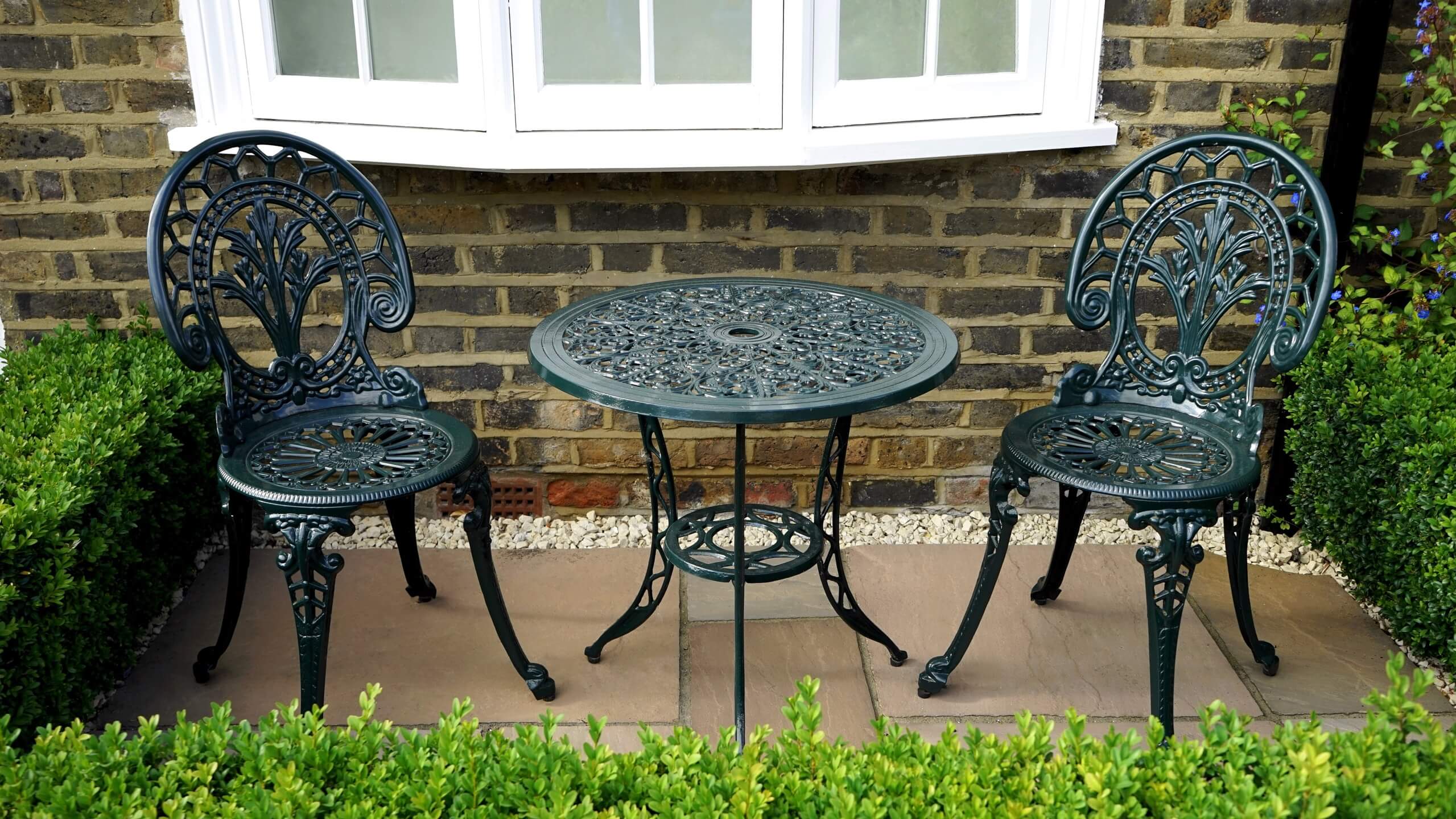
    One of the major concerns that every person with the furniture in his outdoors has to work through is how to protect it when it starts getting cold. It is because the cold weather has perilous effects on the open-air furniture. If you have patio furniture in your lounge, you need to do necessary preparations for it until the summer season is back. Below are some tips:

    Use sealant for protection:

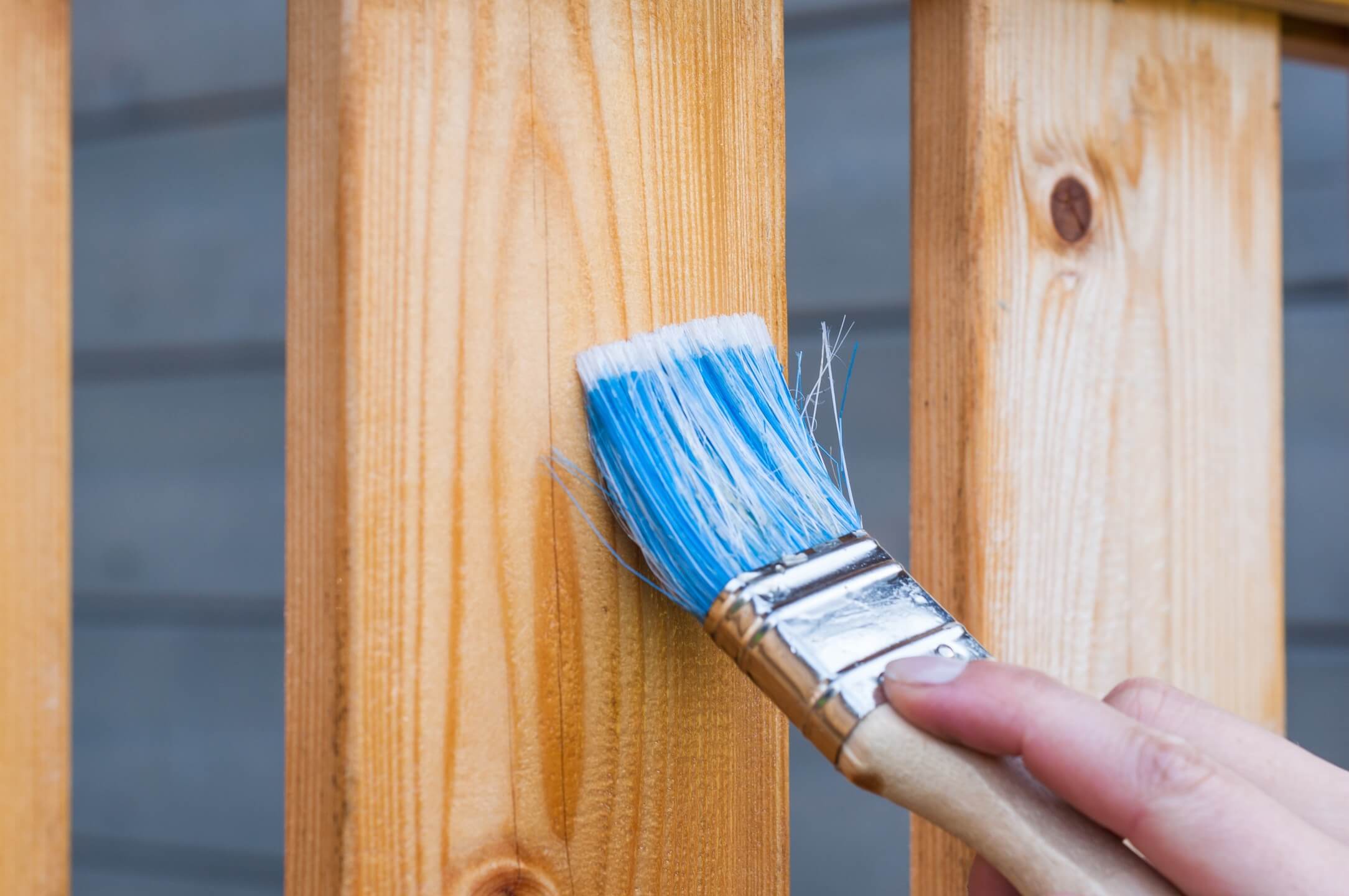
    Sealants are usually used to coat the furniture so that it remains protected from extreme weather conditions. Most of the time, the furniture you buy comes with a sealant coat on it. However, just like anything else, it also starts wearing off with time. There are different types of sealants in the market that are designed for different materials. Mostly, a wooden patio needs the application of a sealant. Check the type of wood your patio is made of and then decide which sealing material to buy 

    Photo by form PxHere

    Remove rust from the metallic patio:

    With the onset of the cold weather, you know that you must store your patio in a safe place. It is important to remember that you cannot put metallic furniture in storage without making sure that there is no rust on it. Look for orange or black patches on the furnishings. Then use bleach or any other product to remove the rust from the surface of the patio. There are also many ways to prevent rust from happening. To buy a rust-free outdoor furniture set .

    Cover the patio with a water-resistant cover:

    The water damages everything it comes in contact with for a prolonged period. In winters, the outdoor furniture is more vulnerable to damages caused by water due to snow and fog. To protect the furniture to keep it in its best shape for a long period of time, cover it with waterproof material.  This kind of cover generally does not let the water come in and contact with the furniture. If you don’t have the cover, you can make it at home with the use of waterproof fabric or any sheet made with polythene material. These covers also protect the open-air furnishings from the dust 

    Photo by form PxHere

    Clean outdoor fabrics:

    Almost every outdoor furnishing is adorned with cushions, pillows, and other types of fabrics. They are also made water-resistant so that the snow or fog in the air does not damage them. However, prolonged exposure can damage them. it is recommended to clean these items and then store them in the storage until the spring season is back. Use detergents or any other cleaning material to clean these fabrics  

    The bottom line:

    The outdoor furniture such as the patio is as must important as the indoor one. You must buy the furnishings of high-quality and then protect them by taking the necessary steps. For buying best quality outdoor tables . 

  • 5 Things to Consider Before Applying for a Home Renovation Loan

    5 Things to Consider Before Applying for a Home Renovation Loan

    There’s a reason why there are currently 21.1 million outstanding home renovation loans in the United States.

    Photo by form PxHere

    These types of loans play a vital role in allowing people with homes or mortgages to finance their needed or wanted home improvement projects.

    While a home renovation loan can be a great way to pay for these changes, the reality is that it isn’t always for everyone. Indeed, if you aren’t careful, then you can lose a lot of money with this type of loan.

    In some cases, it can even plunge you into serious debt. So, how do you avoid this problem? Simple: by reading this article! In it, we’ll walk you through five things you should always consider before taking out a home renovation loan. That way, you know for sure whether or not it’s right for you. Let’s get started!

    Photo by form PxHere

    1. Do You Need a Home Renovation?

    Before you commit to a home renovation loan it’s important to think about whether or not you need whatever it is you’re funding. Some renovations, like repairs on critical systems around your house, are essential for day-to-day living.

    As such, these types of projects should be prioritized. However, most of the most common reasons for these types of loans are home improvements that increase property value.

    But, improved real estate value isn’t always a great reason to take out a loan. As such, it’s important to ask yourself whether or not a project that’s going to cost thousands of dollars is worth it.

    You can do this by thinking about the period where you won’t see any value coming from the home renovations. Most of the time, these renovations will bring in a higher return on investment. But, this usually comes after months or even years of making consistent monthly payments. As such, it’s a decision that no one should take lightly.

    Photo by form PxHere

    2. What Type of Loan Should You Choose?

    Generally speaking, there are three types of loans you can choose when completing a home renovation. This includes personal loans, home equity loans, and home equity lines of credit.

    Personal loans are unsecured loans which means you don’t risk losing collateral like your house if you can’t make payments. However, because of this, they tend to come with higher interest rates.

    Home equity loans use any equity you have on your house to secure the loans. While they come with lower interest rates you also risk losing your home if you can’t make payments.

    Finally, home equity lines of credit work in a similar way to home equity loans. The main difference is that you can use the funds on an as-needed basis for whatever you want, be it a home renovation project or bills.

    3. How Much Can You Realistically Borrow For a Home Renovation Loan?

    Before you begin researching home loans you must get an estimate on how much the home revocation project will likely cost. It’s also important to anticipate unexpected expenses.

    So, you should always add around 30% to the estimates. From there you can decide how much you can realistically borrow. This depends on a variety of factors like your credit score, income, and the amount of value that the loan is bringing in.

    A home renovation loan lender will typically look at the percentage of the market value on your home before they decide how much to give you. It’s also important to remember that just because you have a high income doesn’t mean that you will get a larger loan. If more than 35% of your income goes towards debts, then you might find it difficult to secure a loan.

    Photo by form PxHere

    4. Pay Attention to Your Interest Rate and APR

    Interest is the way that loan companies make a profit off their loans. It refers to an additional amount of money you pay in the form of a percentage of the money you were loaned.

    Your loan rate is determined by a variety of factors like your credit score, market conditions, loan-to-value ratio, income, and credit score. When shopping for an interest rate it’s important to go with the lowest one you can find.

    However, you should also pay attention to whether it’s a fixed interest rate or an adjustable-rate. Fixed rates mean that you will pay the same interest throughout the life of the loan.

    Adjustable rates, on the other hand, can increase or decrease throughout the life of the loan. You should also look closely at your APR. This stands for the annual percentage rate. It includes your interest rate, but also hidden fees like your closing costs and origination fees.

    Photo by form PxHere

    5. Know Which Types of Projects Add the Most Value to Your Home

    If your goal is to add real estate value to your home, then it’s important to know what types of projects add the most value to your property. Turning your attic into a bedroom is always a good call because it adds an entire room to your property.

    Remodeling your kitchen or bathroom also brings a high return on investment. As such, it’s hard to go wrong with these types of home renovations. Door replacements are also a good investment. Since these are the first things people see from your home they can make a big difference in terms of curb appeal.

    Photo by form PxHere

    Want More Content? Keep Reading

    We hope this article helped you learn whether or not you should apply for a home renovation loan. At the end of the day, this type of loan is a helpful way to deal with repairs or renovations that you can’t afford to pay for in one lump sum.

    However, it’s still important to consider all of the things listed in this article. That way, you know that you’re getting favorable terms with your loan that you can afford to pay off over time.

    Did you enjoy this article? If the answer is yes, then you’re in the right place. Keep exploring to find more topics that you’re sure to love.