Blog

  • Top 5 Tips to Arrange Living Room Furniture

    Top 5 Tips to Arrange Living Room Furniture

    A living room is where we host parties, relax or entertain guests. Some homeowners have very formal spaces while others prefer a more casual feel. Follow these tips to arrange your living room furniture in practical and elegant ways.

    arange-furniture

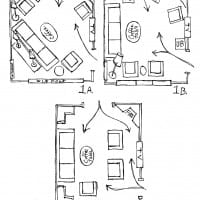
    1. Determine the central focus.Whether it’s the view outside or your fireplace, most homes have one focal point. However, this doesn’t imply that all the furniture has to face it. It is the part of the room that you want to stand out and where you want all eyes to land when first entering the room.Arange-furniture-1
    2. Light your space.Directing light sources from sconces, table lamps, the ceiling and floor lamps provides good lighting and allows you to change the feel of the room easily. Address specific lighting needs, such as a preferred reading place and make sure an adequate lamp is nearby. If you frequently entertain in this room, create flattering light by installing dimmer switches.
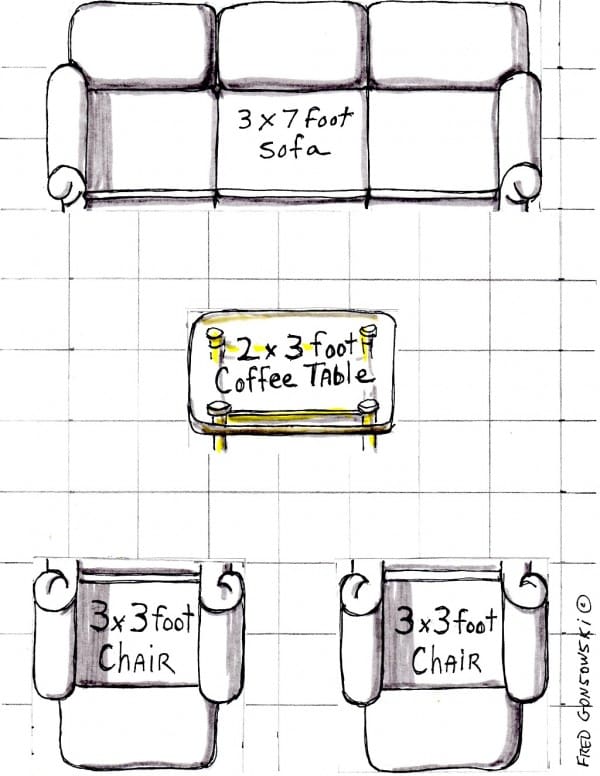
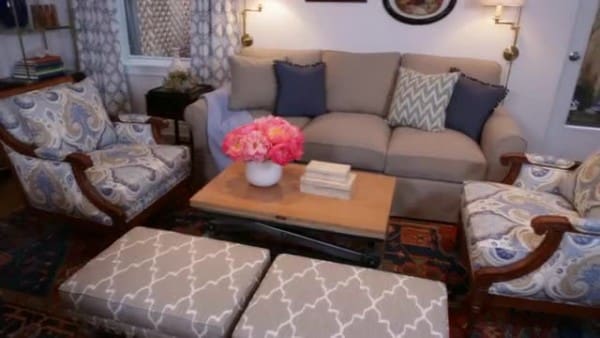
    3. Select the seating.Furniture preferences vary. Some people like sofas because they create the potential for lounging, stretching out and accommodating large groups. However, sofas can also create a more informal seating arrangement as it urges people to sit close to one another. It also provides flexible seating by squeezing more people into the room. Armchairs allow you to control where and what direction individuals will sit. The key is finding a balance between individual chairs and sofas.
    4. Add tables. When designing a comfortable living room space, don’t forget flat spaces. Regardless of whether you plan to use your living room for casual or formal living, you’ll want to have plenty of areas for people to place plates or drinks down easily. Sit iarange_furniture-2n each seat and try setting down a beverage or magazine. If you are short on space, look for nesting tables that can be moved around when you have more people in the room but hidden within one table when you aren’t entertaining.
    5. Get the right size.The most important rule to remember when designing your living room is balance. Large rooms can take large pieces, but not every piece should be big. Small rooms can handle a large sofa. However, it is important to remember that large sofas require large coffee tables, which will quickly fill the room.

    Whether you are redecorating or designing your first living space, arranging your furniture is an important consideration. Rather than choosing a living room layout visually and trying to work around it, think about what living means in your home and arrange furniture based on those activities. Style can fit any arrangement.


  • Wall Beds for Tiny Home Living

    Wall Beds for Tiny Home Living

      Tiny homes are growing in popularity among people who want to reduce their environmental impact. These homes can be as small as a couple hundred square feet, and they use far less energy, water and materials than the common house.Wall-Beds

    Tiny homes are also popular among those who want to minimize their financial obligations to have more freedom in their lifestyle choices. Tiny homes can cost as little as $20,000, which means that owners don’t have a mortgage payment. With the downsized utility system, most don’t have electric or water bills either. That opens up a lot of money so owners can quit their jobs or work only part time so they pursue other interests like creating art or traveling.

    While living in a tiny home has many benefits, some are turned off by the idea because of the very small space. After all, our modern society focuses on having more and making things bigger, not the opposite. Fortunately, you can use space-saving furniture such as wall beds to create more space without actually having to expand your tiny home.Wall-Beds-1

    How They Work

    Wall beds are like fold-up beds, except they fold into the wall instead of some dusty, flower-covered sofa. You don’t have to struggle with folding up the mattress and cramming it into a space that never seems big enough. You just raise the platform holding the mattress and push it flat against the wall.

    When a wall bed is up, it completely frees up that space. In a tiny home, the mattress could be the size of the entire room, so having this space freed up is significant.

    Different Styles

    When you put the wall bed away, what you see will depend on the style you choose. Some wall beds just look like a cabinet, with beautiful moldings and hardware to blend into the decor. Other wall beds raise up to reveal a sofa or a desk. Simply putting away the bed can transform the space into a living room or study area.

    The flexibility that a wall bed offers is crucial to maximizing the space in a tiny home, where each room has to serve double duty.Wall-Beds-1-1

    Eco-Friendly Choices

    Since many people choose tiny homes because of the environmental benefits they confer, most also want to make eco-friendly choices with the furniture they buy. Wall beds are available in a variety of woods and finishes. It is important to choose woods that are easily renewable — those that don’t take decades to re-grow.

    You can also purchase a DIY kit to put together your own bed. This gives you more options in choosing your materials, including dispensing with stains or paints that might have harmful chemicals you want to avoid.

    Living in a tiny home isn’t the only way to do your part for the environment. Often, the location of your home is more important than its size. By shortening your commute to work and other important places, you reduce your consumption of gas and other natural resources. Using space-saving furniture like wall beds can help you maximize your space whether you live in a tiny home or you just have a home or apartment that doesn’t offer as much space as you would like.

  • Top Trending Bathroom Tile Décor Options

    Top Trending Bathroom Tile Décor Options

    This is the Year of Tile when it comes to bathroom design. Designers are finding the perfect balance between the durability and timeless qualities of tile, while combining it with modern trends. From the floor to the walls, this year’s tile choices are sure to make the bathroom stand out.

    Underfoot

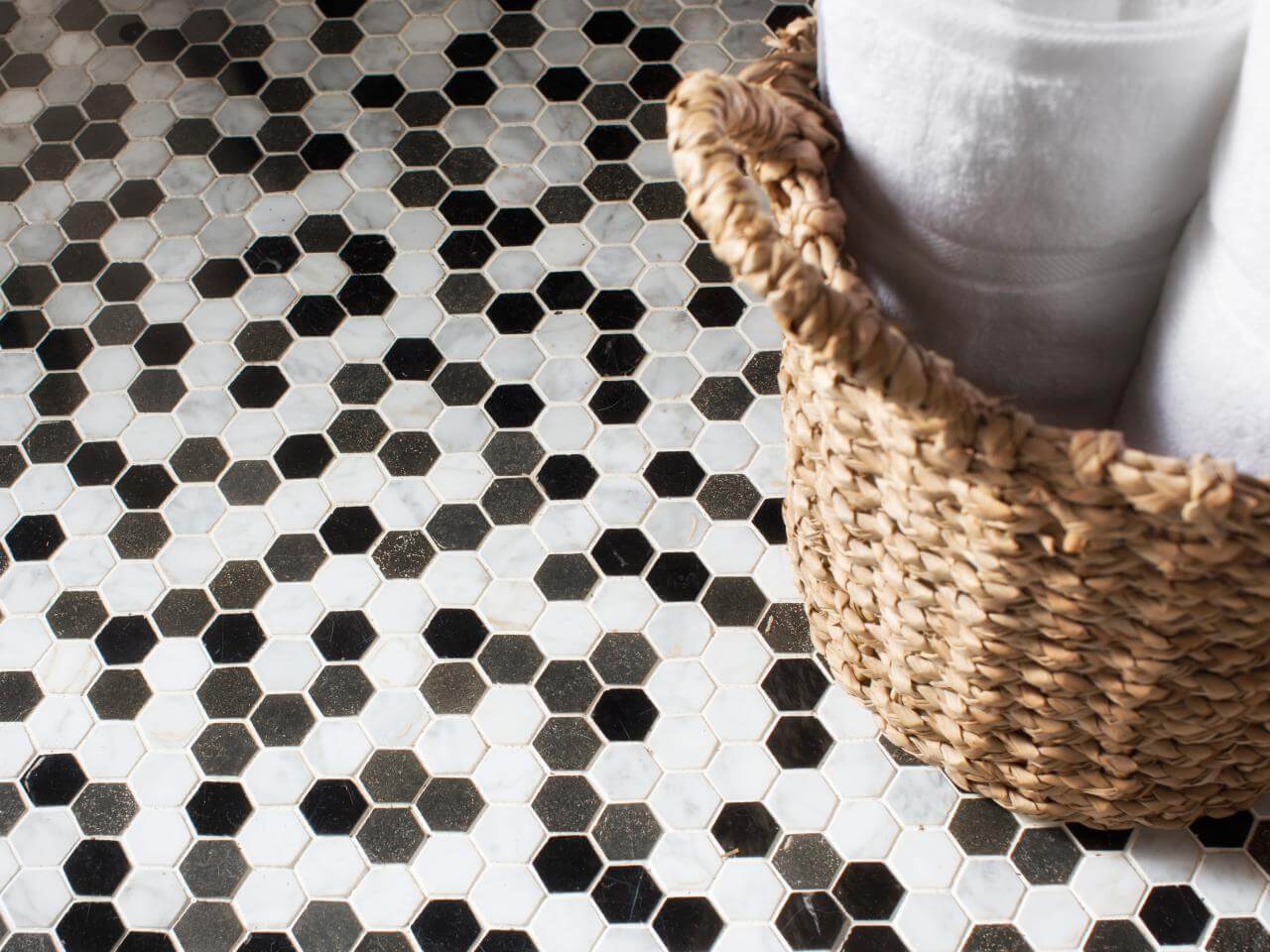
    This year is all about shape. Geometric tiles are making a comeback, but with a modern flair. Boring square tiles are out, while hexagon and round tiles are in. Subway tiles and thin rectangle tiles are also popular when laid in surprising designs, from herringbone patterns to a simple diagonal placement.

    hexagon-bathroom-tile

    The most popular materials underfoot are ceramic and glass. This is in part because of their durability and easy maintenance, but also because of the amount of light and beauty they bring to the space. Neutral tones, including pure white, gray, black and pale pastels, are teaming up with a few bold colors to create timeless beauty. For example, colorful glass accents in borders or interspersed in a neutral geometric design adds a pop of color.

    In the Shower

    The days of the all-in-one fiberglass shower surround are fortunately behind us. Tiles are the thing now, but not plain subway tiles or white ceramic. The same pale neutrals making a show on the floor are continuing up the walls. The beautiful textures and natural colors of stone are also making a stately appearance in the shower surround.

    Stone is popular not just for its beauty and durability, but also because of it’s water absorbent nature. If you aren’t sold on stone, ceramic and glass options are also in vogue. Consider small ceramic tiles in an interesting shape, such as hexagon. Go for a bold color, like black or dark gray, combined with white grout for geometric beauty. For a more classic look, neutral tiles with iridescent glass trim and accents provides timeless beauty.

     bathroom-shower-tiles

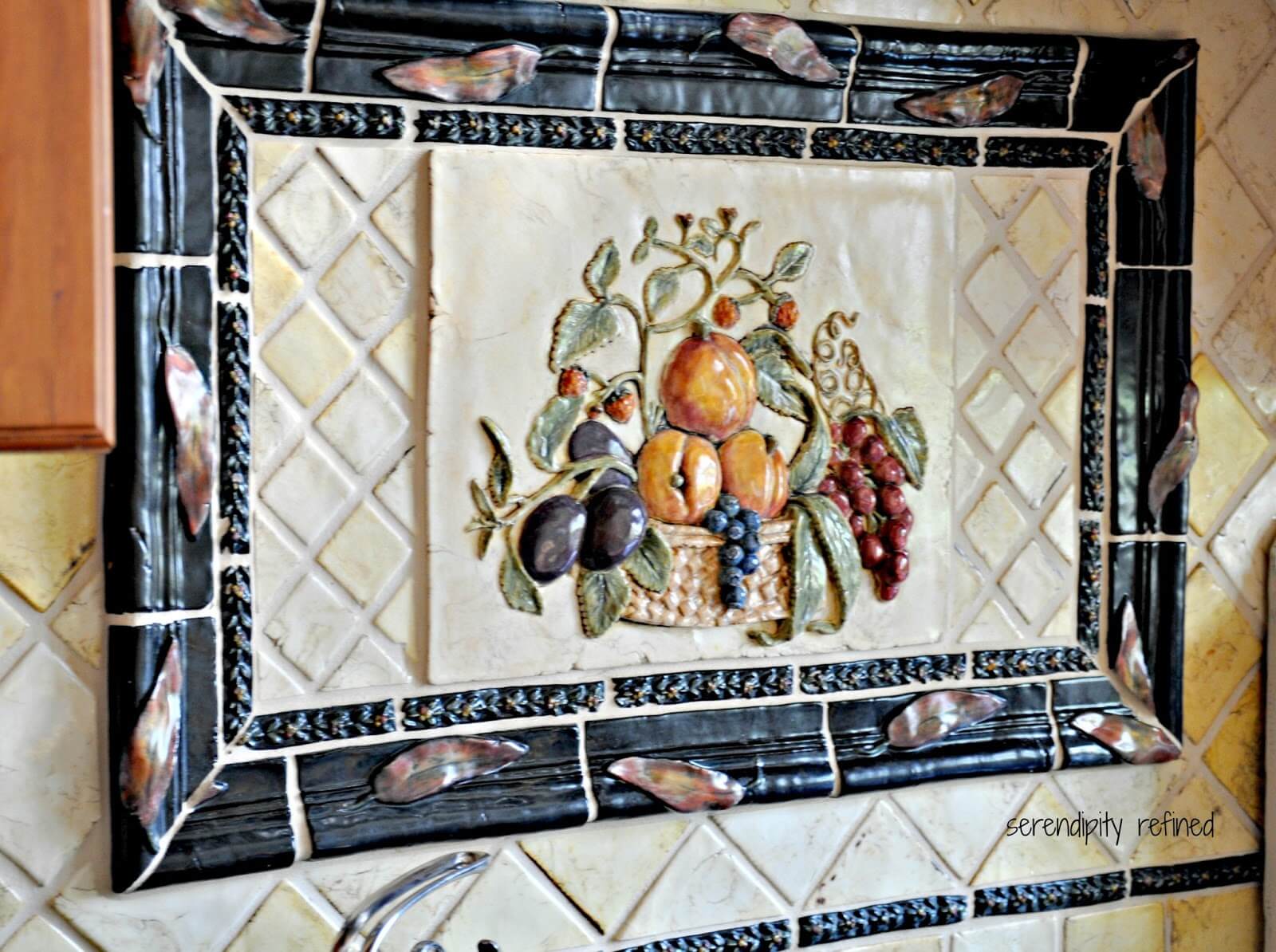
    Your backsplash behind the bathroom vanity is a chance to make a statement in your bathroom. Tile mosaics are making a comeback, whether it’s just a simple color pattern or an entire design made from glass.

    kitchen-backsplashes

    Mirrored tiles, alone or interspersed with other mosaic tiles, add light and a feeling of spaciousness to the room. For a clean look, textured translucent glass tiles in pale colors are another on-trend option.

    To tie in the look behind the sink to that in the shower, you can repeat your tile choices, or use the same shape or geometric installation pattern.

    Bio: Ben Lamm is a communication specialist and blogger, and is passionate about home remodeling and interior design. He enjoys playing the guitar, spending time with family and social networking.

  • 4 Tips on Stress Free Long Distance Moving

    4 Tips on Stress Free Long Distance Moving

    Shifting itself is a difficult job and when it comes to long distance shifting the whole thing indeed becomes messy. However, it can be better if you keep in mind some basic tips while shifting over a long distance. This article aims to give you some most valuable tips that can help you to have a much less hectic long distance moving. Here we go Free-Long-Distance-Moving

    1. You don’t need to carry everything with you

    You actually need not to carry all the stuff you have in your home while moving over long distance permanently. This is the time when you should start sorting. Donate your potted plants; you can easily have new ones at the new place. Do not plan for carrying that old furniture which is sure to lose its last thread on the transition. Free-Long-Distance-Moving-1

    So, leave them behind, and check out for the important things that you actually need to take to your new address. Reducing the number of things to be transferred will not only reduce the task, but will also save your new home from becoming over filled as soon as you reach their.

    1. Appoint a specialized professional service

    There are many packers and movers services out there, but when it comes to shifting over long distances, it is only the professional services specialized for long distance shifting who can give you proper assistance. So, look out for similar service that covers your current area as well as your destination location.

    Check for referrals in your area and also ensure that the company is registered for offering such service. There are a number of long distance moving companies Los Angeles and you can get their details from the Internet.

    1. Make a master list

    Before the movers are in action in your home, make a master list of all the things that you will like to carry to your new home. Once this master list is ready, you must double check it to be absolutely confident that you have not missed out anything important.

    Once the packers have completed loading ask for their master list and check if everything of your list have been included in it. You also need to verify the master list for every item after they have been delivered in your new location and before you say bye to the movers.

    1. Opt for insurance for your valuable belongings

    Insuring your valuable items, like that antique piano or the gold plated large vase, before you start transferring your belongings is vital. Insuring your items will surely add to extra expense, but it is indeed vital to ensure the best safety of the expensive things, which if damaged or lost, will cost you much more than the expenses of taking the insurance.

    Keep the above tips in mind to make your shifting less messy and comfortable.

  • Influence of the British Monarchy on British Architecture

    Influence of the British Monarchy on British Architecture

     England’s architecture has certainly undergone myriad changes throughout the ages, and styles have often been shaped by notable shifts in social thinking. The Renaissance era, for example, witnessed a variety of architectural tastes throughout Europe, though England was slow to keep up, being quite fond of  Gothic traditions. While tracing Great Britain’s architectural history through monarchical figures is achievable, one can only go so far back in time before he runs the risk of making historical mistakes–the land’s beginnings are shrouded in mystery, and there have been many kings. However, distinct designs in lasting structures that were directly influenced by kings began gracing the landscape in the Middle Ages.The King's College Chapel of Cambridge University

    Buildings of the Middle Ages

    In 1078, on the orders of William the Conqueror, the construction of the White Tower–a symbol of Norman dominance–was begun. Though its defining whitewash is all but gone, this building is today considered the “hall keep” of the Tower of London complex. The King’s College Chapel (Henry VI) was begun in 1446, witnessed the Wars of the Roses, and was finished in 1515 by Henry VIII. This classic example of late Gothic architecture also marks the beginning of a transitional period in building styles.Hampton Court Palace

    The 16th, 17th, and 18th Centuries

    Under the rule of the Tudor monarchy, England found peace and prosperity. Architecture saw the final stages of Medieval design, and the development of more refined architecture, such as the depressed arch and fan vaulting. The King’s College Chapel, of course, is famous for its Tudor Arch.  There are many examples of Tudor and Elizabethan architecture throughout Great Britain, including Hampton Court Palace and Hardwick Hall.

    In the 1600s, Palladianism, (based loosely on a philosophy centered around a 16th Century Italian architect named Andreas Palladio), inspired such English architects as Inigo Jones, who designed the Queen’s House in Greenwich for the wife of James I. Of the Classical styles, Palladian architecture is the most unremarkable, though it was easily ahead of its time.

    In the 18th Century, England witnessed a new era and new styles when King George I and the Whigs took the throne. An example of implemented change may be found in Chiswick House, which may be considered Lord Burlington’s attempt to challenge the popularity of Baroque styles.

    Buckingham Palace

    Originally purchased by her husband, King George III in 1761, Queen Charlotte may have considered Buckingham House a comfortable place to raise her 15 children. Remodeling of what was then called “the Queen’s House” began in 1762. The estate has undergone several changes since then: in the 1820s, George IV demolished and replaced the north and south wings, and added the Marble Arch; after her marriage to Prince Albert, Queen Victoria added nurseries in the 1840s; the famous forecourt where the “Changing of the Guard” commences, as well as many gates and railings, was added around 1911, and in 1913, the Palace received a facelift to remove damage caused by soot.

    Today, modern English architecture, like that demonstrated by such noted companies as HNW, is influenced a bit less by the tastes and whims of the British Monarchy. However, these organisations do a great deal to ensure  England’s history and varying architectural styles are not lost, but conserved, while being blended with the needs and preferences of an ever changing world. Ironically, it is in this way that the influence of the British monarchy can still be felt in British architecture.


  • Six Easy Tips to Installing a Deadlock

    Six Easy Tips to Installing a Deadlock

    Installing a deadlock is a task that many people feel ill equipped for. But it’s actually not as difficult as you’d think. It’s all about measuring, care and patience.

    We created the Six Easy Tips to Installing a Deadlock so that any home handy person can achieve this common household job.

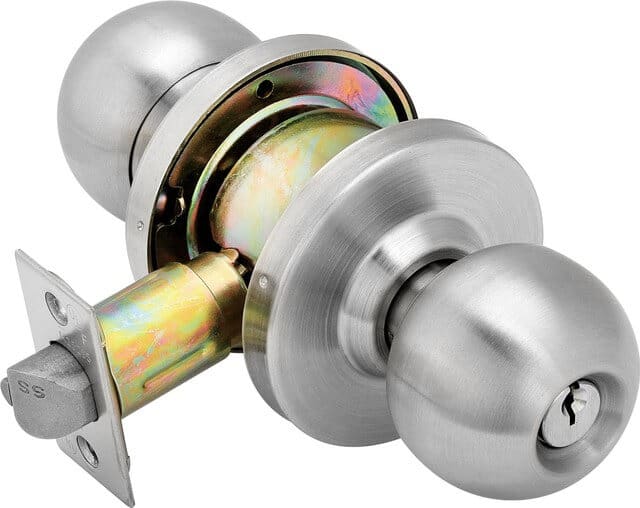
    lockset

    Tip 1: Buy a good quality lockset

     Sounds obvious doesn’t it! But you’d be surprised how many people make a decision based on price alone. It is worth paying a few extra dollars for a good quality lockset made by a reputable brand. You should find a diagram inside the packaging that will be important when marking up positioning and drill holes on your door.

    Tip 2: Sharpen your pencil

     Again – maybe not quite what you expected. But as we said, this job is all about measurement, care and patience.

    Take your pencil, and a ruler and measure a line 200 mm above the door handle where you are installing the deadlock. Then use the pencil and ruler to mark a horizontal line to the edge of the door, across the edge and around the other side.

    Now’s the time to get that diagram out! Put it up against the door, and make little fots with your pencil through the holes in the diagram for where you will drill your holes.

    Tip 3: Get a 54 mm hole saw and a drill with a 24 mm spade bit

     It’s important to drill from both sides. If you start on one side and try to drill a 54 mm hole all the way through, it is quite likely that your door will split. The drill and 24 mm spade bit is for the side edge of the door. Drill through to create the hole where the bolt will go.

    .Tip 4: Mark up the face plate, chisel the wood out and fit it flush

     Put the face plate up to the door and mark its position with your sharp pencil. Once you have that shape outlined you will use the chisel to dig out a recess where the face plate will sit. Start at the edge of the rectangle and work your way in. Pause now and then to test the face plate. You want it to sit perfectly flush in the door. Once you’ve got it right, then secure the face plate by drilling in the screws.

    Tip 5: Secure the lock body with the screws on the inside

     The lock body is now ready to be screwed into place. The side with all the screws should be on the inside of the door.

    Tip 6: You’re nearly done! Now for the face plate

     The face plate goes on the door jamb. Get the position right by measuring from the back of the door to the external face of the bolt. Line up the vertical position using the centre of the installed lock body to guide you. Then use your sharp pencil to mark this positioning on the door jamb, and use the strike plate itself to mark up its exact position – again using your pencil.

    Go through the same chiselling process as you did for the face plate, including making sure it sits perfectly flush in the door jamb. You use the drill and 25 mm spade bit to drill the hole for the bolt and, after marking up the inner rectangle of the strike plate, again, chisel this out and square it off. Secure the strike plate manually with a screwdriver so you do a little bit at a time (top then bottom then top then bottom etc) so it is secure and flush.

    The deadlock is now installed and all you have to do is test it to make sure everything fits and turns the way it should.

    There you have it! Six Easy Tips for Installing a Deadlock

     Author Bio:

    Sara works as a content strategist at Five Star Locksmiths (Melbourne). Five Star Locksmiths provides 24-hour locksmith services in Melbourne’s CBD and its suburbs.

  • Decoration with geometric shapes

    Decoration with geometric shapes

    Today another great detail that certainly will give your home a twist and above what we can do ourselves. This is decorating the walls with geometric shapes….. and see how we can get spectacular results. …

    Geometric shapes have always been a recurring element in the decoration, can achieve attractive spaces.

    The decorations with geometric shapes never go unnoticed and give your home a different effect and full of personality.

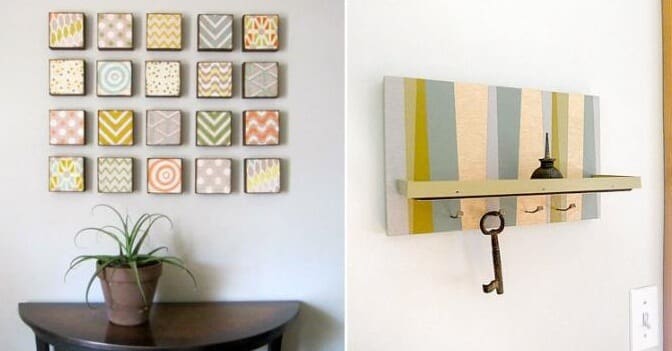
    geometri-shapes

    Perfect for Different Styles

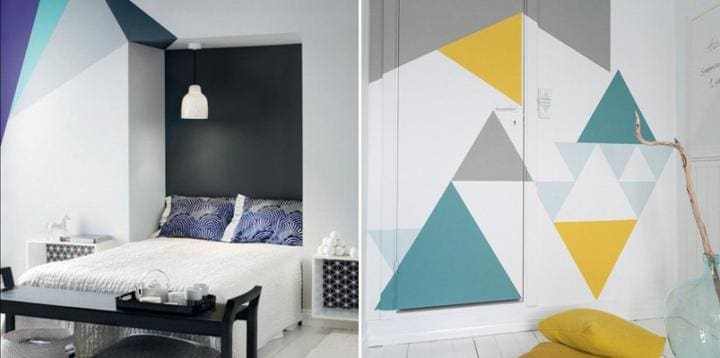
    Geometric shapes can be part of the decor in many ways, from the prints on textiles, wallpaper or to independent decorative elements. We must be careful when using them, because if we put too many figures in our home, all you get will be recharged stay.geometri-shapes-1

    Colors and Basic Elements

    The colors are also a key part of this decoration, because we use contrasts. However, if we do it contrasts too strong, we lose harmony and only get a disastrous composition.

    Ideally, the colors chosen are mostly neutral and one flashier to stand out from others.

    Ideas to Decorate a Wall

    • Use a painting or an isolated composition painted directly on a wall that has a neutral color plain paper.
    • The diamonds, squares or even combinations of straight lines, get a sober, elegant atmosphere.
    • The circles can get a retro effect, soft, sweet and can be perfect for decorating children’s rooms.
    • Combine contrasting forms: furniture of straight lines with other circular elements or spherical, or vice versa.

    As always, you just need a little imagination and good taste.

    There are many options to decorate our walls, but one that is slowly gaining more followers is geometric shapes. They are able to give a best dynamic home look to the walls, giving personality, character and modernity.

    If you like the idea and are looking for suggestions, than here is a large gallery with images of walls decorated with geometric shapes that can serve as a source of inspiration. Squares, circles, diamonds or straight lines will give a whole new air into your home.

    In addition to a fresh air, this kind of wall decoration usually gives the home a contemporary touch .The way to create this type of walls can be through painting or through wallpaper. I especially recommend you the second option, with which we will ensure perfect results.

    But if you run away from the conventions, you have skill and you do not mind that the result is 100% perfect, the choice of paint will give even more personal touch to the walls.

    You can also choose an option for more light than before, this introduce these shapes through accessories wall like paintings or posters. The effect is striking, although the impact is much smoother.

    In addition to the forms we choose, the Color of these mark the look of the room. You can give a refined touch but slightly cheeky if you decant by pastel colors or fully animated style with striking shapes and colors live.


  • 5 Design & Decor Trends to Look For In 2015

    5 Design & Decor Trends to Look For In 2015

    Looking to revamp your space this year? While you may have some ideas about the changes you’d like to make, don’t continue without knowing some of the major trends in design and home decor that are coming right around the corner. From the color of the year to must-have art, below are 5 fantastic interior design looks you need to know about ASAP.

    1. Marsala: 2015’s Delicious New Hue1-Decor-Trends   

    There are endless ways you can incorporate Pantone’s delicious color of the year into your existing home decor. If you’re looking to lift up your living room and want a major change, consider marsala as a paint option. Whether you make it your accent color or decide to coat all four walls in the shade, marsala will compliment everything from ultra-modern sleek to rustic shabby-chic. Want something a little more subtle? Add a few accent pillows in this pinky-red shade, or recover an armchair in a thick cotton or sumptuous velvet dyed in this must-have hue.

    1. High-Fiber5-Decor-Trends

    Modern fiber art runs the gamut from tame and traditional (think evenly-woven geometric designs) to wild and abstract (think asymmetrical fringes and bright, bold colors), but every option adds an incredible amount of warmth and texture to any room. Fiber art is certainly a focal piece, so make sure you allow your one-of-a-kind creation to stand out by toning down other accents and accessories.  And, while you can find fiber art in may trendy home design stores or on websites such as Etsy, there are also dozens of tutorials online for how you can DIY your own masterpiece.

    1. Let’s Get Digital5-Decor-Trends-1

    Not into tapestries? You can still go bold with the art in your home with super-trendy, large-scale digital prints, stencils, or decals. The name of the game here is big, bold, and clean. A great way to personalize your space using this trend is with an oversized black and white family photo, which you can easily create at any print shop. Hang in a simple, no-frills frame, and you’re all done. If you’re a DIY-er, stenciling your own mural can be a great weekend project. To keep in line with 2015 trends, create a symmetrical, geometric design on your accent wall, or take some inspiration from nature by stenciling a large tree or flower. An easier way to get this look is to use wall decals, which are increasingly popping up in craft and interior design stores. Want something a little more subtle? Look for accent pillows with digital prints, or throw blankets featuring bold, colorful stripes or intricate designs to get wow that doesn’t overwhelm.

    1. Brass Is BackDecor-Trends

    Brass is having a major moment in 2015. The subtle sheen and sophisticated patina of aged brass can help add gravity and elegance to a living room, while high-shine brass lamps and accessories can be a great alternative to polished chrome in more modern interiors. If you like treasure hunting, keep an eye out for interesting brass knick-knacks at yard sales and thrift shops. Or, try sourcing an oversized brass mirror or picture frame from interior design stores. A subtler look? Keep a brass vase full of fresh flowers on the coffee table, kitchen counter, or bedside table for that perfect little hint of shine every room needs.

    1. Back To Nature

    2015 is all about natural fibers. Although leather has always been a popular upholstery choice, this year other animal hides and textured calf hair are becoming more readily available. These options add an interesting textual accent to your room, and the materials tend to be quite durable and increase in beauty as they’re used over the years. Other natural fibers, such as bamboo and grasses, are also popular choices in 2015. From tall vases of fronds and ferns to woven mats and tapestries, there are lots of ways you can get back to nature in 2015!

    Although these are some of the biggest (and coolest) trends you’ll throughout the year, remember that it’s important to make each decor choice as personal as possible. Whether an oversized family photo or an heirloom tapestry is the new accent you add to your space, nothing quite makes a house a home like the beautiful little things you surround yourself with.

    Paul Kazlov is a “green” home remodeling enthusiast and an industry pioneer for innovation in home renovation. Paul writes for the Global Home Improvement blog and strives to educate people about “green” products such as metal roofing and solar. Follow him on Twitter @PaulKazlov