
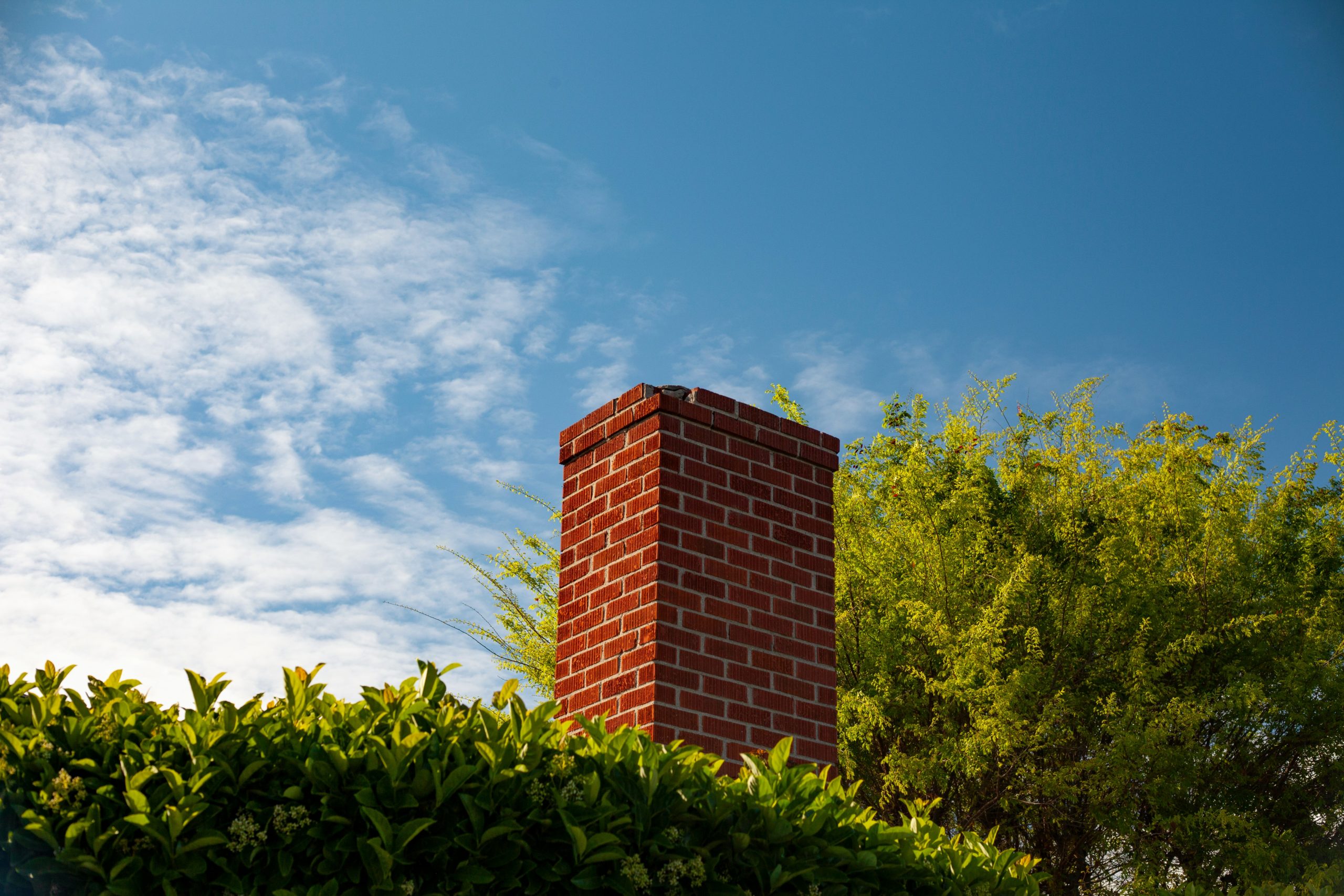
We live in the age of the “do-it-yourself” homeowner. With a quick search on YouTube, you can learn how to fix a running toilet, patch a hole in the drywall, or even replace a light fixture. There is a great sense of pride that comes from maintaining your own home. However, there is a line where a “can-do” attitude crosses over into dangerous territory. When it comes to your fireplace and chimney, that line is distinct.
While cleaning out the ash from the firebox is a great weekly chore for a homeowner, the deep cleaning and maintenance of the chimney flue are tasks that require professional training. Treating a chimney sweep like a simple cleaning job is a misunderstanding of how the system works. It is not just about hygiene; it is about fire safety, airflow physics, and structural engineering.
The Right Tools for the Job
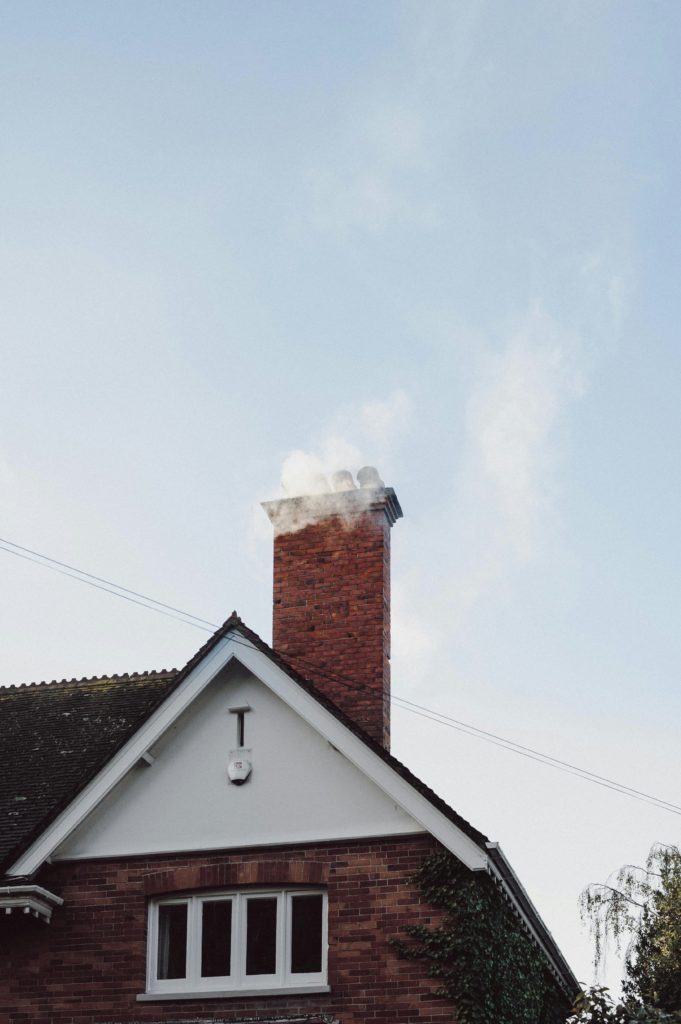
You can walk into any hardware store and buy a chimney brush. It seems simple enough: shove the brush up the pipe and knock the soot down. But professional chimney care involves much more than a plastic brush and some duct tape.
Professional technicians use industrial-grade equipment designed to contain hazardous materials. Soot and creosote are carcinogenic. Without a high-powered HEPA vacuum system, a DIY attempt often results in fine, toxic dust coating your furniture and filling your lungs. Furthermore, standard brushes cannot remove all types of buildup. “Glazed” creosote, which is hardened and tar-like, often requires chemical treatments or rotary chains to remove safely without damaging the flue tiles. A homeowner with a hand brush simply cannot achieve the same level of clean, leaving dangerous fuel behind.
Seeing What Cannot Be Seen
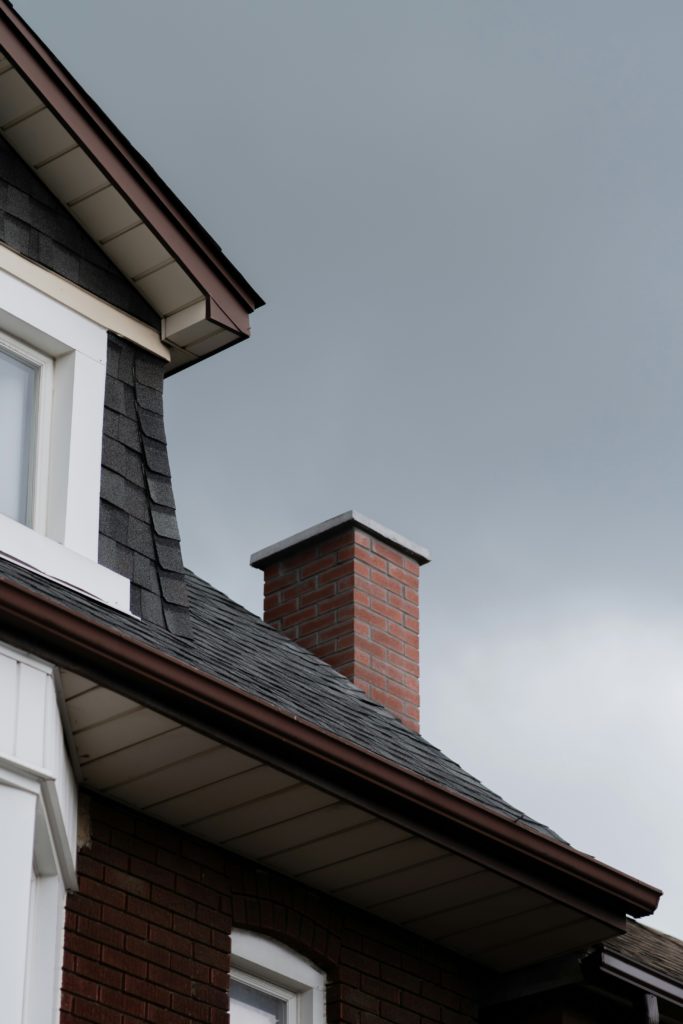
The biggest issue with DIY maintenance is the lack of visibility. You might be able to shine a flashlight up the damper and see that it looks black, but that does not tell you if the system is safe. You cannot see the mortar joints halfway up the stack, or the condition of the smoke shelf where debris often piles up.
This is where the value of a professional lies. They do not just clean; they inspect. A proper service includes a detailed look at the internal structure. They check for cracks in the clay liner that could let heat escape to the attic. They look for signs of water intrusion or animal nests. Investing in professional chimney inspection and repair ensures that these hidden hazards are identified and fixed before they turn into a house fire. It turns a blind guess into a verified safety check.
The Geometry of Airflow
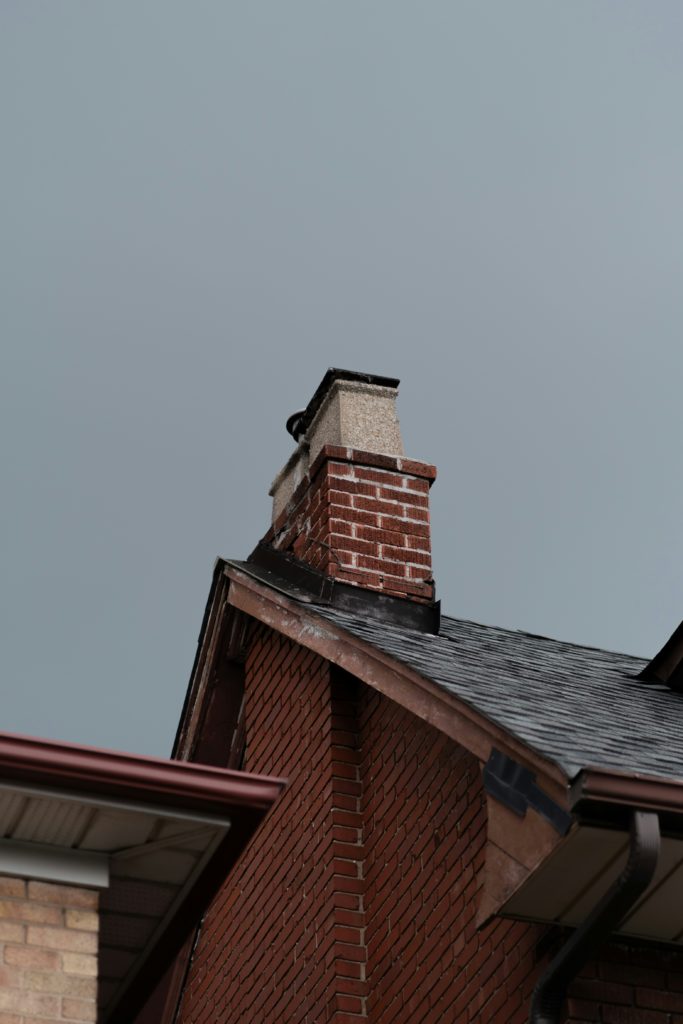
A chimney is an engine that runs on air. If the draft is not correct, the fire will burn poorly, or smoke will spill back into the room. Many homeowners who try to troubleshoot their own fireplace issues end up frustrated because they do not understand the physics involved.
Issues like “stack effect,” negative pressure, or an undersized flue are complex. A professional understands how your home’s envelope affects the fireplace. They can diagnose why a fire smokes on a windy day or why you smell odors when the dryer is running. They look at the chimney as part of the whole house system, ensuring that it vents correctly and efficiently.
Local Knowledge Matters
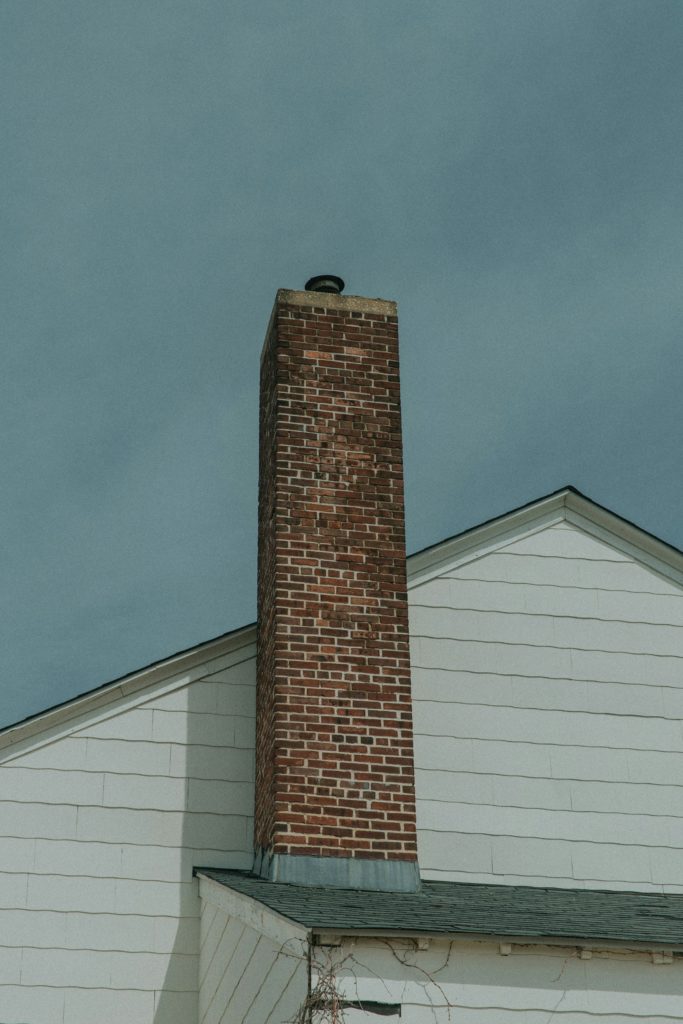
Every region has its own challenges. In Colorado, we deal with specific weather patterns, altitude issues, and local building codes that affect how chimneys perform. A generic tutorial from someone in Florida might not apply to a home in the Rockies.
When you hire local experts, you benefit from their experience with your specific environment. The best chimney sweeps colorado springs has to offer will know exactly what to look for regarding freeze-thaw damage or the specific types of firewood available in the area. They understand the local regulations required for insurance compliance and real estate transactions. This local expertise is something you simply cannot replicate on your own.
Safety is Not a Hobby
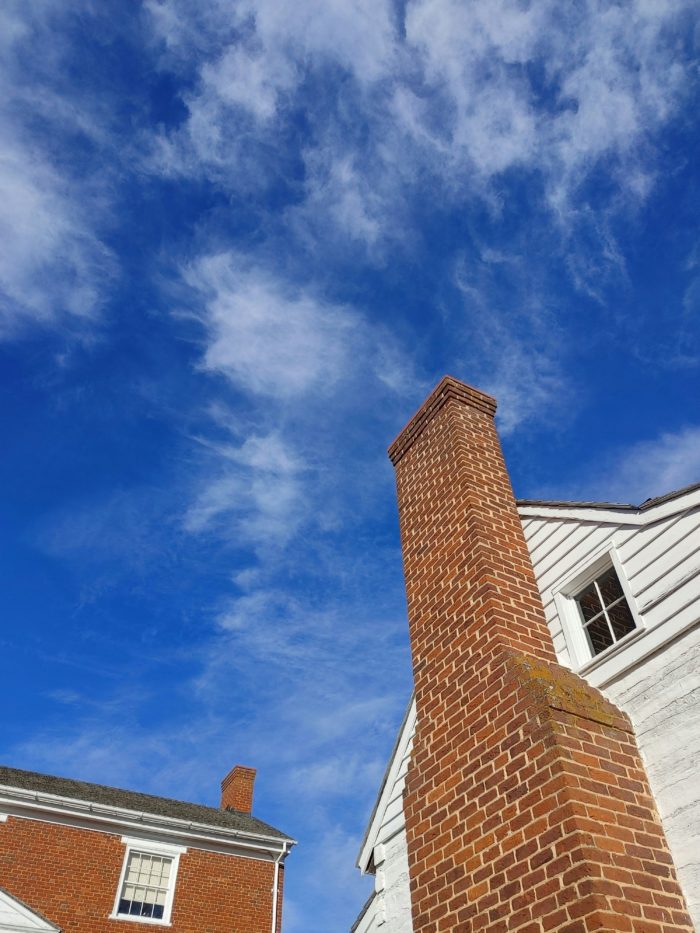
The stakes are simply too high to gamble on a DIY job. A plumbing leak might ruin your floor, but a chimney failure can threaten your life. Carbon monoxide poisoning and chimney fires are real risks that happen every year.
Hiring a certified technician is not just about outsourcing a dirty job. It is about transferring the liability and ensuring the safety of your family. It provides documentation that the system has been maintained to industry standards, which is crucial for insurance purposes.
Conclusion
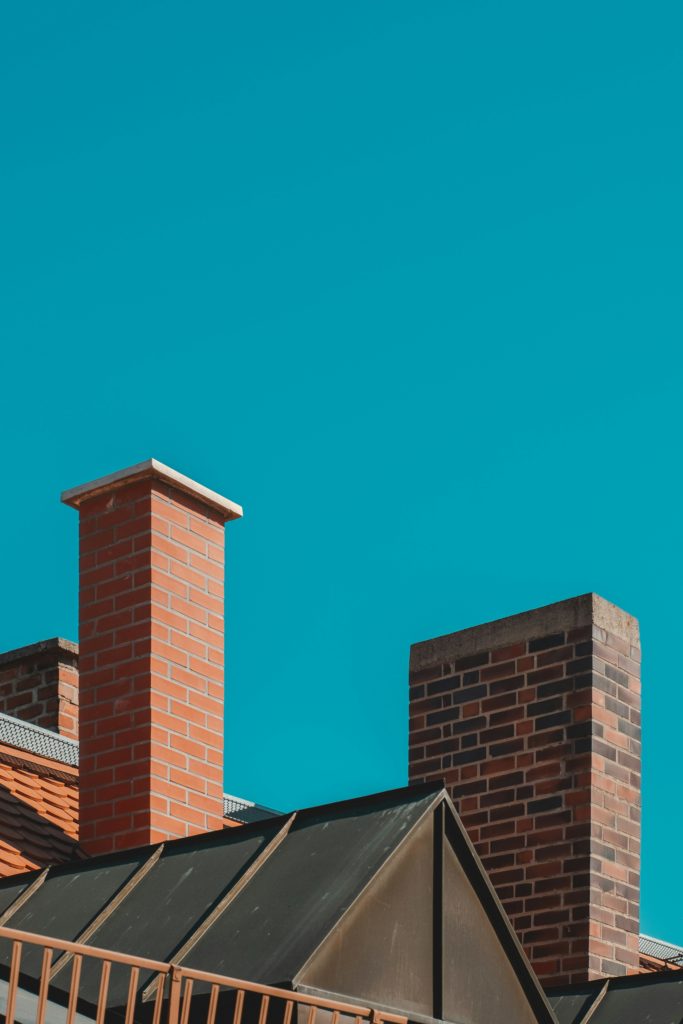
There are plenty of projects around the house that are perfect for a Saturday afternoon DIY session. Painting the fence or planting a garden are great ways to add value to your home. But when it comes to the complex, dangerous, and dirty work of maintaining a chimney, the smartest move is to call a pro. It saves you time, keeps your home clean, and, most importantly, keeps your family safe.