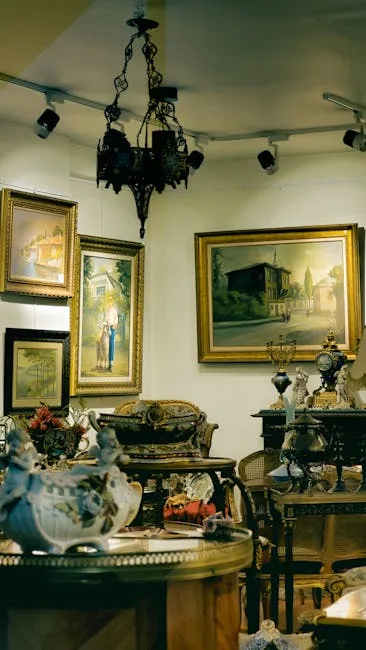
A single Georges Briard barware set that sold for $40 at an Ohio estate sale in 2021 just resold on Chairish for $340 — and the interior designer who flipped it used it as a styled centerpiece in three paid shoots before it ever left her shelf. That’s not a thrift store win. That’s intentional sourcing strategy, and it’s exactly how working designers are thinking about vintage brands worth buying for decor right now.
This isn’t a list of things to grab at Goodwill. It’s a sourcing framework — built from the way designers actually evaluate, buy, and deploy vintage brand pieces in real residential and editorial projects. The brands covered here are ones showing up in shelter magazine spreads, commanding serious secondary market prices, and doing actual design work in rooms that clients pay a lot of money to see finished.
Why Vintage Brands Worth Buying for Decor Are Having a Collector-Designer Crossover Moment
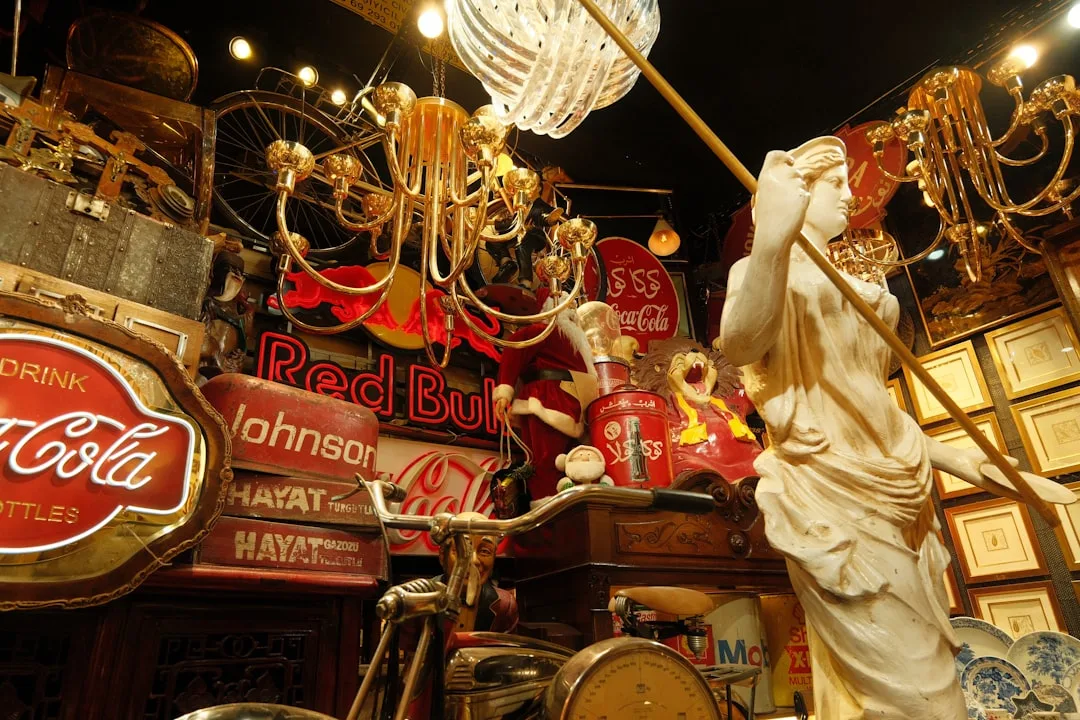
Something shifted around 2023 and it’s only accelerating into 2025. Vintage sourcing used to split cleanly into two lanes: collectors who cared about provenance and rarity, and decorators who cared about what something looked like on a shelf. Those lanes have merged.
The driver is maximalism and the grandmillennial interior trend, both of which entered mainstream shelter media around 2021-2022 and are now forecast to dominate 2025-2026 design cycles according to trend reports from major design publications including Architectural Digest and House Beautiful. Grandmillennial interiors specifically reward pieces with visual history — chintz, rattan, ceramics with glaze depth, barware with patina. That’s a design brief that vintage brands fulfill better than anything you’ll find at a big-box retailer.
Country Living’s coverage of Pyrex casserole dish valuations is a useful case study. What started as collector content — Pyrex cinderella bowls in Butterprint pattern selling for $80-$150 each — became design content almost overnight, as interior stylists started using those same pieces as kitchen and dining room anchors. Search interest for “vintage kitchenware decor” tracked upward alongside those articles. The collector market and the design market are now reading the same sources.
For interior designers, this creates a practical advantage. Pieces with established collector markets have:
- Documented resale trajectories that make sourcing decisions lower-risk
- Enough supply volume that you can actually find them
- Design credibility that clients recognize — because they’ve seen the same pieces in the magazines they follow
The shift from thrift-shopping as frugality to thrift-shopping as intentional curation means the conversation has changed entirely. Designers sourcing vintage pieces for high-end residential projects aren’t looking for “good enough.” They’re looking for pieces that carry aesthetic authority — and certain brands deliver that consistently.
Takeaway: Follow the brands appearing in both collector publications and shelter magazines simultaneously. That crossover is your sourcing signal.
How Designers Actually Evaluate Vintage Decor Brands Before Sourcing Them
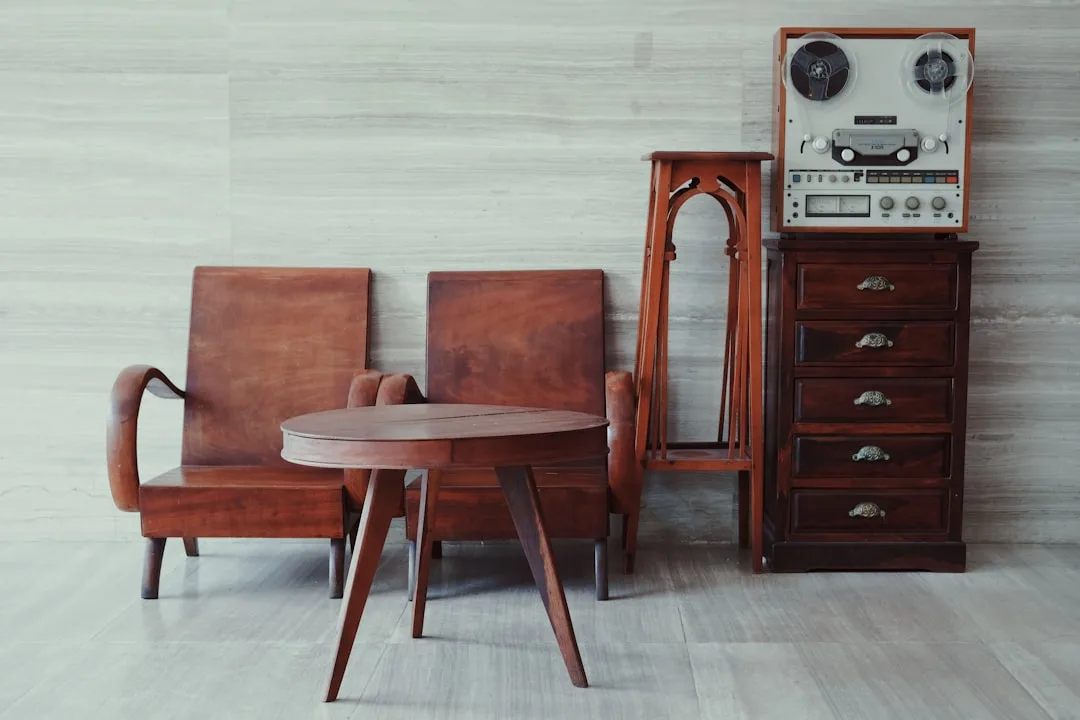
Before any designer pulls the trigger on a vintage find, they’re running a fast mental evaluation — and it’s more systematic than most people realize. There are three variables that matter, and they work together.
The three-part evaluation framework:
- Trend alignment — Does this brand’s aesthetic vocabulary map onto where residential interiors are heading in the next 18-24 months? Warm minimalism, earthy maximalism, biophilic dining, curated bar aesthetics — if a brand’s signature look serves one of these directions, it earns a sourcing conversation.
- Resale trajectory — Is the secondary market price trending up, flat, or declining? Sold listings on eBay and Chairish tell you this faster than any report. A brand showing 20-30% price growth over 24 months is worth pursuing. A brand with flat or declining prices is either at peak saturation or losing design relevance.
- Functional versatility in a styled space — Can this piece do more than one job? A Georges Briard ice bucket isn’t just barware. It’s a vase, a centerpiece object, a styling prop, a photography asset. The most valuable vintage finds serve multiple functions in a room.
The difference between a brand that’s collectible and one that’s designable matters enormously here. Collectible means someone will pay a premium based on rarity or nostalgia. Designable means a piece earns its place in a finished room regardless of who made it or when. The sweet spot — and where the smartest sourcing happens — is brands that are both.
A reliable leading indicator: when a vintage brand starts appearing in three or more shelter magazine spreads within a single season, sourcing demand from designers and stylists will spike within 6-12 months. Prices follow that demand. Interior designers sourcing for editorial shoots and high-end residential projects report that vintage pieces can add perceived value of 15-30% to a styled room’s overall aesthetic without proportionate cost increases — meaning a $200 vintage ceramic can visually perform like a $600 contemporary piece in a finished room.
Understanding which vintage brands worth buying for decor actually pass all three tests — trend, trade, and flex — is the difference between building a sourcing strategy that compounds over time and just accumulating interesting old things. The brands in this guide answer yes to all three questions consistently.
- Watch shelter magazine spreads for repeat brand appearances
- Track sold listings, not asking prices, on resale platforms
- Prioritize pieces that can be styled three different ways
Takeaway: Before you buy, ask: does this piece trend, trade, and flex? If it answers yes to all three, it belongs in your sourcing cart.
Vintage Furniture Brands Designers Are Actively Pulling from Right Now
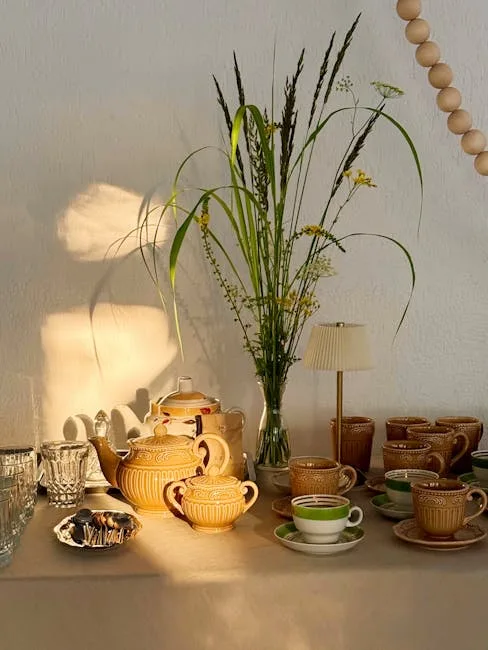
Furniture is where the sourcing stakes get highest — and where the biggest ROI gaps exist. Unlike ceramics or glassware, a single vintage furniture piece can anchor an entire room’s design direction. Getting it right matters.
Baker Furniture is the name that keeps appearing on designer sourcing lists, and the numbers back the enthusiasm. Baker pieces in good condition are currently selling 40-60% above their 2020 valuations at regional auction houses, per 2024 auction reporting — a trajectory that’s pushed some designers to prioritize Baker finds early in a project’s sourcing phase before prices climb further. The silhouettes worth prioritizing right now are the brand’s mid-century transitional pieces: clean-lined case goods, upholstered seating with walnut frames, and dining tables with architectural bases. These map directly onto the 2025-2026 warm minimalism movement — rooms that feel refined but not sterile.
Drexel Heritage is the most undervalued brand in this category. Comparable craftsmanship to Baker, particularly in its 1960s-1970s Heritage line, but without the name recognition premium. A Drexel Heritage credenza that would cost $800-$1,200 at auction will often surface at a regional antique mall for $200-$400. For decorators sourcing vintage brands worth buying for decor on a project budget that still needs to photograph beautifully, Drexel Heritage is consistently one of the highest-performing arbitrage opportunities in the current market. The joinery quality, drawer hardware, and veneer work on Heritage line pieces from this era holds up against furniture selling at three to four times the price in contemporary retail — which is exactly why designers who know the line keep it close to the chest.
The key markers to look for on Drexel Heritage pieces: dovetail drawer construction, the Heritage Collection label (distinct from standard Drexel), and original brass hardware. Pieces with all three intact command the strongest resale and the most design credibility in finished rooms.
Vintage Ceramic and Glassware Brands That Are Doing Real Design Work
Ceramics and glassware are where the vintage sourcing conversation gets most accessible — price points are lower, supply is higher, and the design impact per dollar spent is arguably the strongest of any category. These are also the pieces most likely to appear in editorial shoots, which drives secondary market demand.
Russel Wright American Modern ceramics remain one of the most reliable finds in this space. The organic forms, the muted earth tones — seafoam, granite grey, cedar green — sit perfectly inside the 2025 biophilic dining aesthetic without any visual translation required. Dinner sets in complete configurations are increasingly rare, but individual serving pieces and open stock items surface regularly at estate sales and on Etsy. Current pricing for individual pieces runs $15-$60 depending on color and condition; complete service sets for eight are appearing at $300-$600 on the secondary market and moving quickly.
Georges Briard glassware and barware deserves its own section, but in brief: the gold-overlay patterns on clear glass read as maximalist luxury in the current design climate without tipping into kitsch. A full ice bucket, tongs, and six highball glasses styled on an open bar cart has appeared in multiple Architectural Digest feature credits over the past 18 months. The secondary market for Briard has responded accordingly — complete sets that were $50-$80 in 2020 are now $200-$400 on Chairish and 1stDibs.
Bauer Pottery is worth calling out specifically for the California-cool design direction that continues to drive residential projects in coastal markets. Ring pattern bowls and pitchers in jade green, cobalt, and Chinese yellow are appearing on kitchen open shelving in virtually every West Coast shelter magazine spread. Bauer pieces in good condition — no chips, no crazing that compromises the glaze — are among the vintage brands worth buying for decor if your projects skew toward relaxed California or coastal Mediterranean aesthetics. Pricing has climbed: expect $40-$120 for individual ring pattern pieces in desirable colorways, with complete mixing bowl sets running $300-$500 when you can find them intact.
Vintage Lighting Brands That Change a Room’s Entire Atmosphere
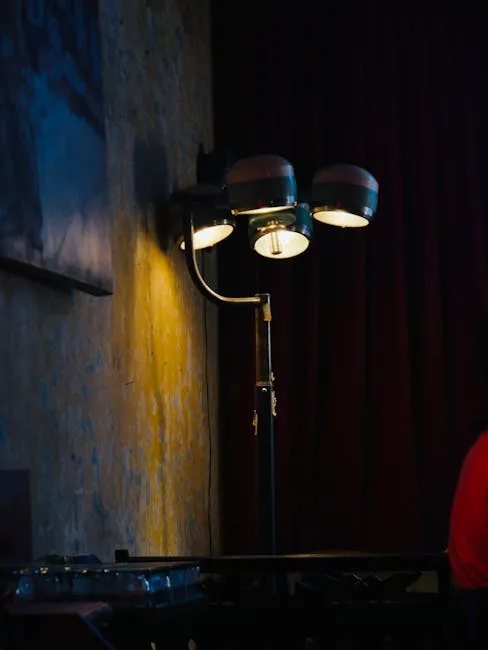
Lighting is where vintage sourcing has the most dramatic ROI in a finished space — and also where the most sourcing mistakes happen, because condition issues are harder to assess and rewiring costs can erode value quickly. The brands worth prioritizing are ones where the fixture design is distinctive enough to justify the restoration investment.
Lightolier is the name most frequently cited by designers sourcing mid-century lighting. The brand’s adjustable wall sconces, track lighting systems, and pendant fixtures from the 1950s-1970s are finding their way into warm minimalist and earthy maximalist interiors as alternatives to the generic mid-century reproduction lighting that’s flooded the market. Original Lightolier fixtures have a material quality — cast metal, quality porcelain sockets, precise engineering — that reads clearly in person and in photography. Current secondary market pricing: $80-$250 per sconce for common models, $300-$800 for rarer pendant and chandelier configurations.
Hansen Lighting is the higher-end counterpart. Robert Sonneman’s designs for Hansen — particularly the chrome and brass adjustable fixtures from the late 1960s and early 1970s — are appearing in the same shelter publications that cover Baker furniture. These are pieces with genuine design pedigree, and the secondary market is treating them accordingly. A single Hansen floor lamp in good original condition can run $600-$1,500. The sourcing opportunity is at regional auction houses and estate sales in markets that had strong mid-century residential construction — think suburban Chicago, suburban Detroit, and parts of Southern California — where these pieces turn up with some regularity outside the major coastal vintage dealer networks.
The Vintage Brands That Are Peaking vs. the Ones Still Climbing
This is the most practically useful section for active sourcers — because the worst time to enter a vintage brand market is after the shelter magazine cycle has fully absorbed it and retail arbitrage has compressed the price gaps.
Brands likely at or near peak saturation:
- Le Creuset vintage (pre-1980s French production): prices are high, supply is thinning, and the design market has fully absorbed the brand. Still beautiful, still designable, but the sourcing arbitrage is gone.
- Eames for Herman Miller (authentic vintage): auction pricing has converged with high-end contemporary reproduction pricing in many cases. The design credibility is unimpeachable, but the sourcing math is harder than it was five years ago.
Brands still in the climbing phase:
- Drexel Heritage (as covered above): name recognition gap still exists outside designer circles
- Bauer Pottery: strong design relevance, pricing still below where comparable ceramics from the same era trade
- Sascha Brastoff ceramics: the hand-painted modernist work is showing up in more editorial shoots but hasn’t hit mainstream collector demand yet — a narrow window that sourcing-aware designers are moving through now
Brands to watch for early signals:
- Frankoma Pottery: earthy, southwestern-influenced forms that map onto the 2025-2026 organic maximalism direction. Pricing is still very accessible ($10-$40 per piece at most estate sales), and the aesthetic vocabulary is exactly where several major shelter magazines are pointing their editorial direction.
- Metlox Potteries: California-made dinnerware with graphic pattern work that’s starting to appear in the same Instagram feeds and Pinterest boards that predicted Bauer Pottery’s rise two years before prices moved.
The pattern across all of these: vintage brands worth buying for decor consistently appear in editorial content before price compression hits the secondary market. Watching what stylists are pulling for shoots — not what’s already expensive on 1stDibs — is where the sourcing advantage lives.
Have questions about sourcing strategy or specific brands? The FAQ below covers the most common questions from designers and collectors working through this framework.
Frequently Asked Questions
Where is the best place to actually find these vintage brands in 2025?
The sourcing hierarchy most working designers follow: estate sales first (lowest prices, highest condition variability), regional auction houses second (better condition curation, higher floor prices), antique malls third (prices are often negotiable, inventory is stable), and platforms like Chairish and 1stDibs last (highest prices, best photography, useful for confirming what a piece is worth before you buy it elsewhere). For furniture brands like Baker and Drexel Heritage specifically, regional auction houses in the Midwest and mid-Atlantic states tend to yield the best price-to-quality ratio because these pieces are close to where they were originally sold and haven’t been through the coastal dealer markup cycle.
How do you know if a vintage piece is authentic vs. a reproduction?
Brand-specific markers matter more than general rules. For Baker Furniture, look for the branded metal tag on the underside of case goods and the distinctive dovetail construction. For Russel Wright American Modern ceramics, pieces should have the molded “Russel Wright” signature on the base along with the “American Modern” mark. For Georges Briard, the gold overlay should show some variation consistent with hand application — perfectly uniform gold work is a reproduction flag. When in doubt, cross-reference the piece against sold listings on LiveAuctioneers and Invaluable, which have extensive photographic records of authenticated pieces at auction.
Is it worth buying vintage pieces that need restoration?
Depends entirely on the category and the specific piece. Furniture with structural integrity but cosmetic issues — worn finish, minor veneer lifting, dated upholstery — is almost always worth restoring if the bones are right. Baker and Drexel Heritage pieces with good structure but bad upholstery are a common example: reupholstery on a single chair runs $400-$800, but a restored Baker lounge chair that cost $150 at auction plus $600 in reupholstery can place in a finished room that a $2,500 contemporary piece would occupy. Ceramics and glassware with chips or cracks are generally not worth restoring — the market heavily discounts damaged pieces and the repair visibility is usually too high for editorial use. Lighting always needs an electrical assessment before use; budget $75-$150 per fixture for professional rewiring when sourcing vintage lighting.
How do you explain vintage sourcing decisions to clients who expect everything new?
The most effective framing is specificity, not aesthetics. Rather than talking about patina or history in the abstract, lead with the piece’s design credentials — where it’s appeared editorially, what the secondary market trajectory looks like, and how the quality of construction compares to what’s available at the same price point in contemporary retail. Clients who understand that a $400 Drexel Heritage credenza is built to a standard that $1,800 of contemporary furniture often isn’t will make the decision themselves. The conversation shifts from “old vs. new” to “value and quality vs. commodity,” which is a much easier sell.
How far in advance should you be sourcing vintage pieces for a project?
Most designers working with vintage sourcing as a primary strategy build a 90-120 day runway before a project’s installation date. Furniture sourcing should start first — the longest lead time for finding specific pieces, and the highest-consequence decisions if a piece falls through. Ceramics, glassware, and lighting can move faster, but having a 60-day buffer still allows for condition assessment, any necessary restoration, and alternatives if a key piece doesn’t perform in the actual space. The designers getting the most from vintage sourcing are the ones treating it as an ongoing practice rather than a project-specific scramble — building relationships with estate sale companies, regional auction houses, and antique dealers who will flag relevant pieces before they hit the general market.