Author: ION

  • 7 Tips To Choosing The Right Saw For the Job

    7 Tips To Choosing The Right Saw For the Job

    Before you decide which saw would be the right pick for you, you must first know the kind of job you would like the saw to perform. Different saws serve different purposes; some are used to cut curves, others are used to cut shapes, and some are used to cut through metal. There are no such things as one size fits all when it comes to picking the right saw that will do the job perfectly.

    Another factor that weighs heavily on the kind of saw you pick is the type of material you would be cutting. The type of saw you would use to cut through plywood won’t probably do as good a job if you used it to cut through metal. Head over to this page to find out more tips on how to choose the right saw for the job, every time. But first, below are seven tips to get you started:

    1. The Price

    The size of your budget will play a crucial role in determining the kind of saw you decide to pick. It is generally true that better quality saws will cost a few more dollars compared to poor or second-hand saws. In case you’re looking for a saw that will do an excellent job for the work you have planned, it is wise to dish out a few more dollars and get a new high quality saw that is guaranteed to get the job done flawlessly and last longer. It is also wise to spend some time researching the current market prices to avoid being ripped off.

    2. The Job It Will Do

    The type of work you would be performing weighs heavily on the type of saw you would use. For example, if you’re planning to perform straight cuts say at 45 degrees angles, you would purchase a different type of saw compared to if you wanted to cut out curves or irregular shapes. Similarly, if you’re working on a project with tight spaces, you will need a different type of saw compared to if you’re working in an open space.

    3. The Type of Wood to Be Cut

    There are different types of wood out there. Different saws are ideal for the different types of wood. If you’re looking to cut through softwood, you would best use a saw that has bigger teeth. On the contrary, if you’re planning on cutting through hardwood, it is best to pick a saw that has small, narrow teeth.

    4. The Material of the Saw

    Not all saws are made from the same material. For example, there are brass, steel and diamond saws. Saws made of brass are intended for light duty work because brass is easy to bend and can fracture easily. Steel saws can perform cuts that require more force, whereas diamond saws are ideal for heavy-duty work.

    5. The Design of the Saw

    There are various kinds of designs of saws. Some are powered by electric motors whereas others are hand held. The best type of saw design to select ultimately depends on the type of job you will be performing. Power saws come in handy while doing heavy duty tasks that require more precision and shorter time compared to hand saws.

    6. The Smoothness of the Surface to be Cut

    How smooth you want your surface to be, will determine the type of saw you select. A saw with narrow blades will help to achieve a fine, smooth cut with each stroke leading to a smooth surface. On the other hand, if you’re looking to give a rough edge to your surface, using a saw with big blades will do the job.

    7. The Saw Blade Quality

    It is not always consistent that the quality of the blade will go hand in hand with its price. This is why it’s essential to pay close attention to the quality of the saw blade when purchasing one or when picking which saw to use for a project. It goes without saying that a high quality saw blade would do a better job than a poor quality one. It is also easy to tell the difference between the two; a high-quality saw blade is rust resistant, able to withstand the force and stays sharp longer.

    Selecting the right saw for the job requires that beforehand, you know the kind of job you would like to be done. You should also know the price, material, and design of the saw. Once you have all these factors in mind, you can then make an informed decision and pick the right tool for the job.
  • Are Wood Doors Better Than Fiberglass Doors?

    Are Wood Doors Better Than Fiberglass Doors?

    If you are stuck between choosing a wooden door or a fiberglass door to install in your home office, you are not alone. At first glance, they seem so similar that you may be mistaken in believing that they are equivalent, but they have some distinct differences which you need to be aware of before you make your decision. There are pros and cons to both, and both short-term and long-term financial aspects to consider.

    The Pros of Wooden vs Fiberglass Doors

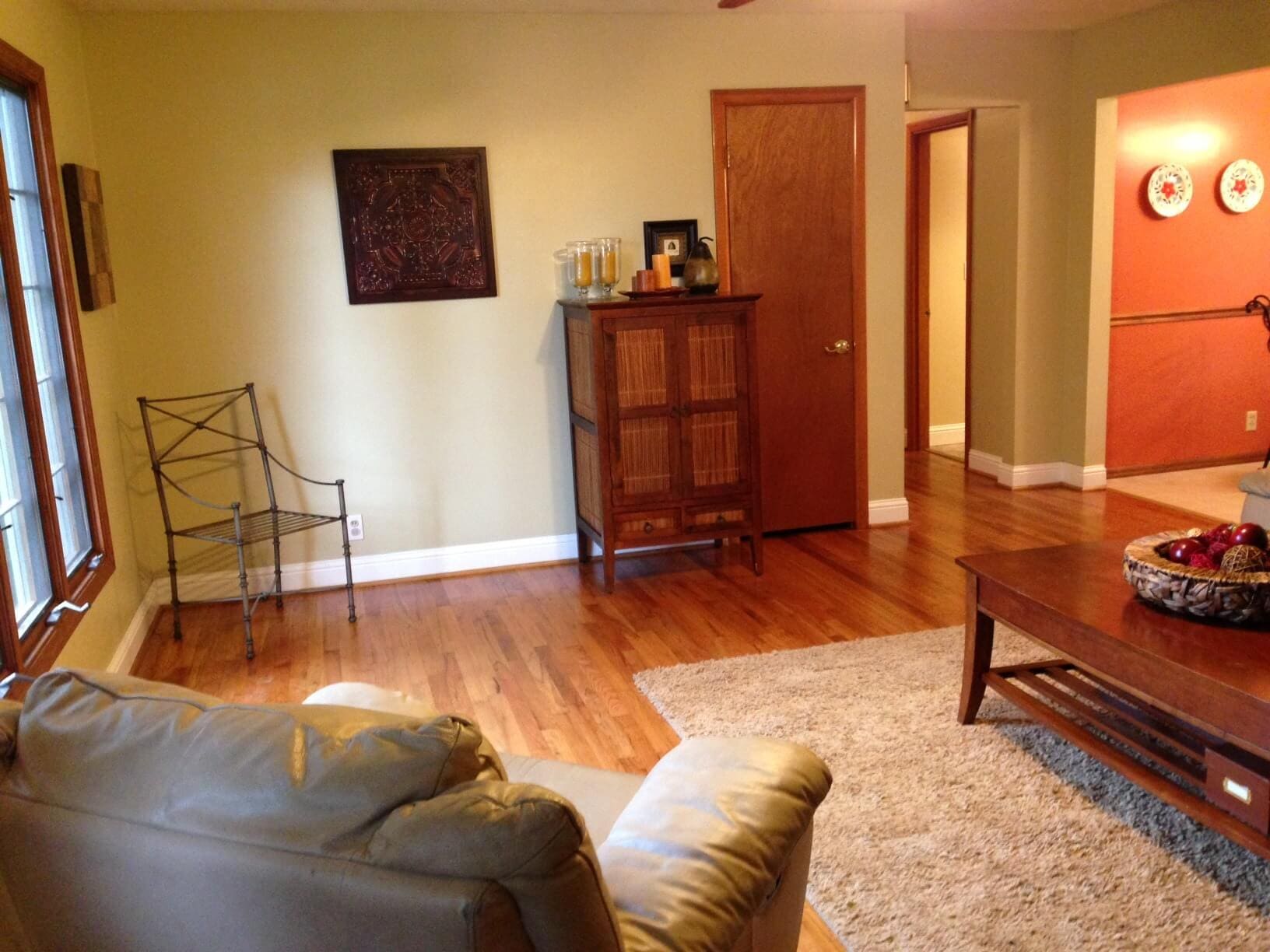
    Wooden doors are associated with high end decor, and are the first choice in terms of quality and aesthetic design. They add a timeless style to your property which fiberglass doors cannot match. They can also be intricately carved and designed with an artistic finish, and can be repaired fairly easily if scratched or tarnished. They are also quite straightforward and practical in their installation, and can be fitted and maintained by almost anyone with the correct tools and materials. Like fiberglass doors, you can sand, varnish or paint wooden doors to the exact texture and finish you desire.

    Fiberglass doors also have their own advantages, the main ones being superior durability and weather-resistance. Fiberglass doors have been known to outlast wooden doors, going for many years without becoming rotten, misshapen, or dilapidated, and require minimal maintenance, compared to wooden doors.

    Fiberglass is very stain- and scratch-resistant, and can provide as much as 5 times more energy-efficiency than wood. Additionally, you can stain and finish fiberglass doors to give them a wooden grain appearance to simulate a wooden architectural style.

    The Cons of Fiberglass vs Wooden Doors

    On appearance alone, you may not immediately be able to discern a visible difference, but on closer inspection you can see that wooden doors will deteriorate in ways that fiberglass doors do not. Unlike fiberglass wooden doors become faded over time and may even begin to peel. Wooden doors are less energy-efficient, and require regular maintenance in order to remain durable and effective. Exterior wooden doors also have a tendency to experience damage from moisture, as they are more exposed to the elements, which causes them to swell and warp. Furthermore, wooden doors carry risk of insect infestation, which fiberglass doors do not.

    Fiberglass doors also have their disadvantages, the main one being their overall aesthetic; there’s just no substitute for an authentic vintage style wooden piece, no matter how well the fiberglass variant has been designed. Furthermore, installation and repair or fiberglass is specialized and costly, requiring special tools and professional skills.

    The Bottom Line

    When it comes to cost factors, there are a few things to consider. High quality fiberglass doors are more modern and tend to be pricier, however they will cost less over the years in terms of maintenance and energy-efficiency. Wooden doors may be a smaller up-front investment, but it is vital that you budget for regular maintenance in order to keep them at their optimal level of visual appeal and functionality. On wooden doors, basic maintenance and repairs can be carried out at home with minimal training or experience.

    About the contributor

    Apex Window Werks is the company that provide wooden window glass replacement and repair services in Chicagoland area. Get in touch with them today for a free estimation for your project. They offer best price and quality services.

  • How to Decorate your Apartment for Comfort

    How to Decorate your Apartment for Comfort

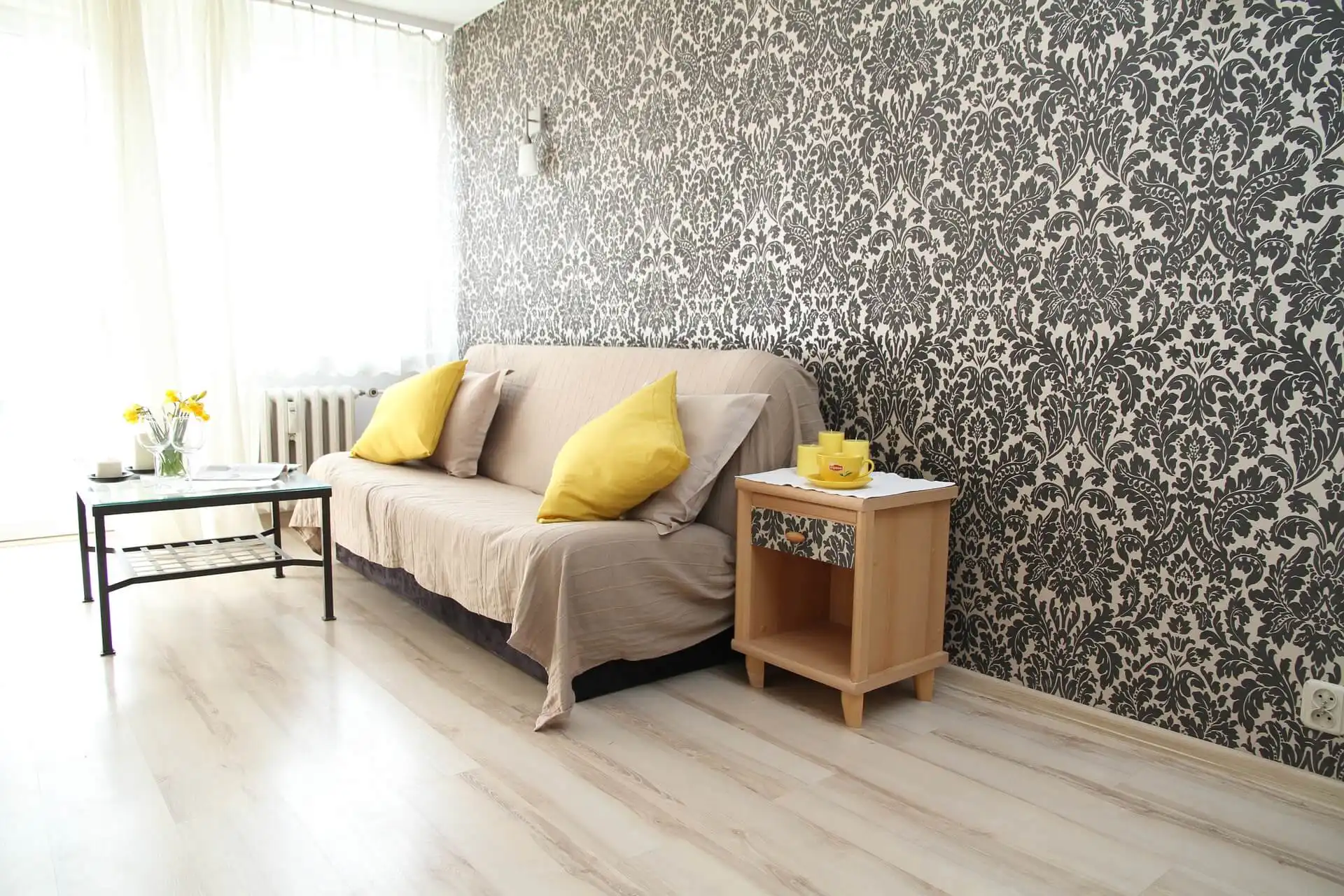
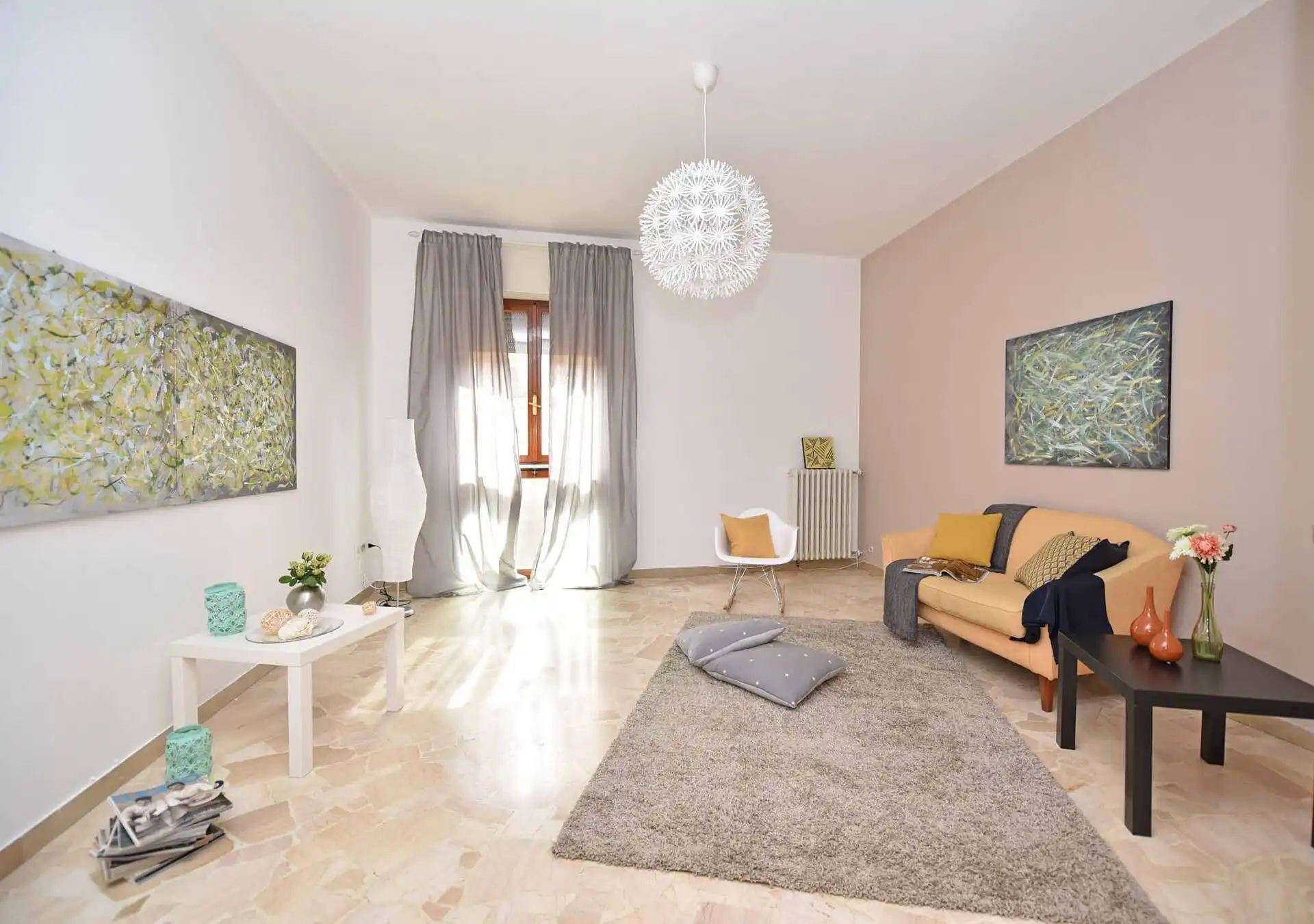
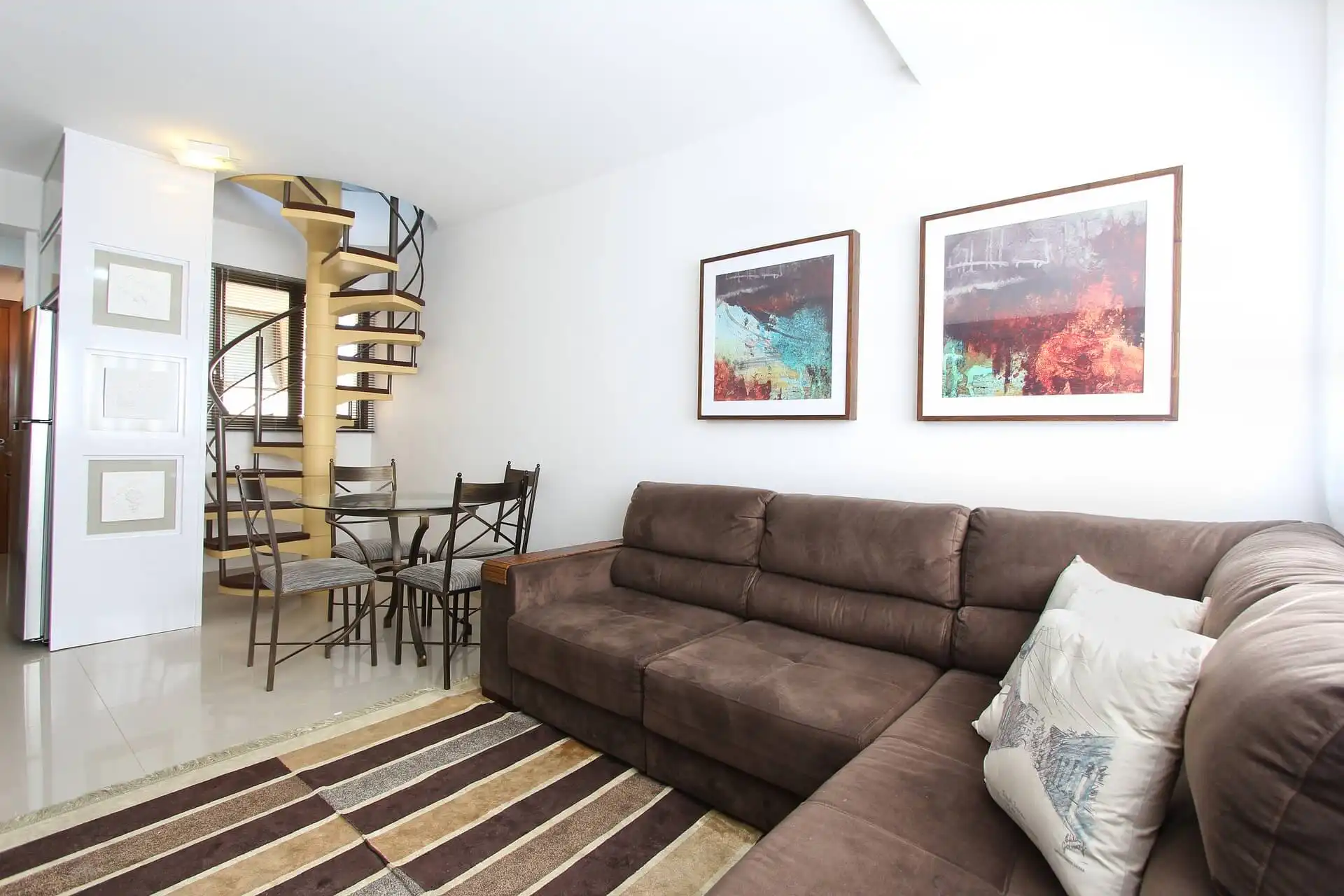
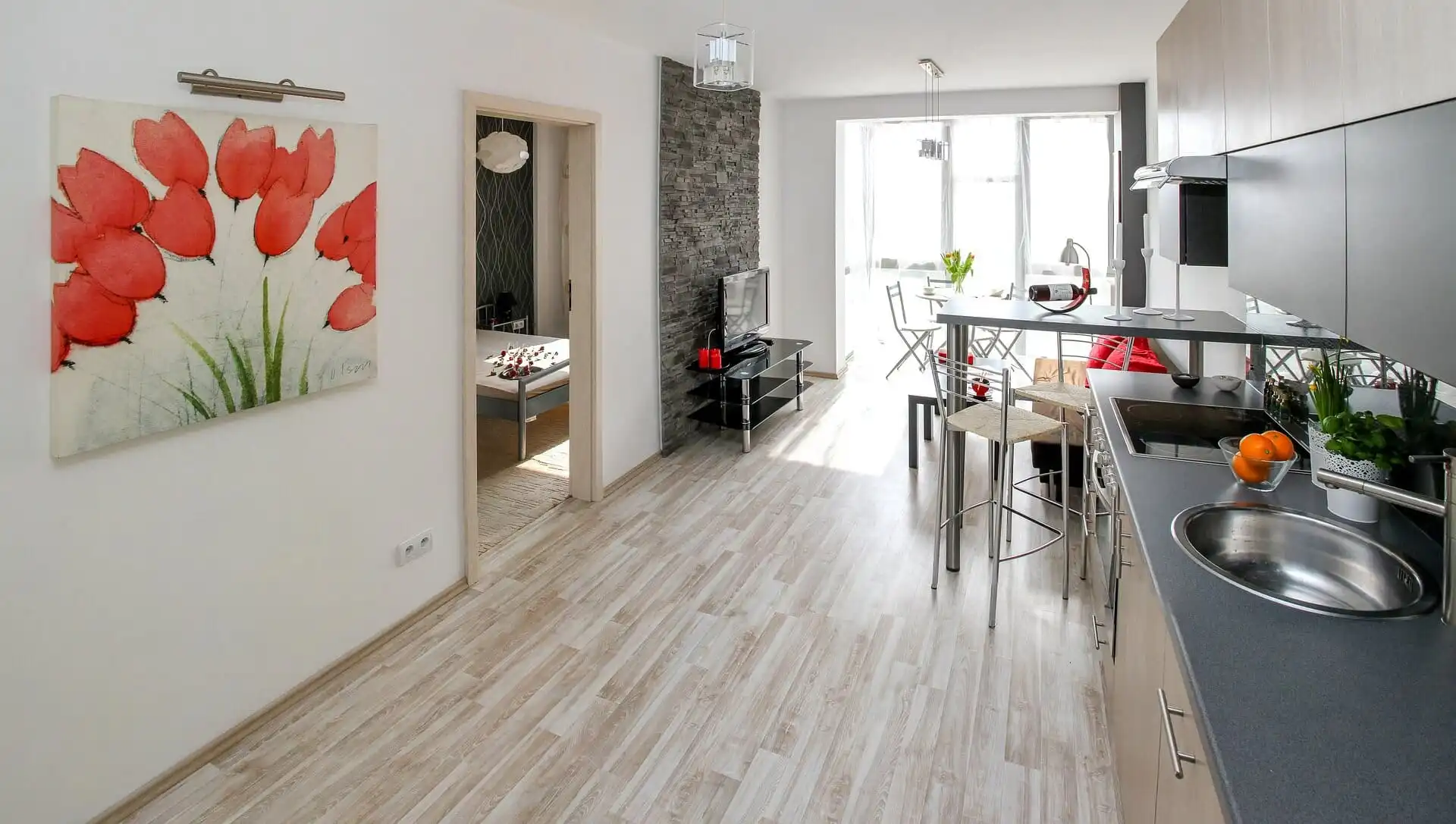
    When you walk in the door of your apartment home, you want to instantly plop onto the sofa, snuggle into your bed, or dip into a warm bath, but comfort is much more than just a physical feeling. When we are truly comfortable, all of our senses are at ease, and your apartment’s décor  is incredibly important in creating that atmosphere.

    Decide what Comfort Is to You

    Before you decorate, you have to think about how you relax. For some, comfort may be a room with soft couches, open space, and bright light, while others may prefer a library full of dark greens and blacks, stained wood, and plenty of comfortable chairs for reading.

    Calming Colors

    Regardless of your preferences, neutral elements will help you relax when you step in the door of your luxury apartment home. Surround yourself with calming natural décor like wood accents. Add a bonsai tree and a wooden coffee table for serenity, and surround that with a white couch and end tables to keep the neutral appeal.

    Think About All of your Senses

    If you have a room full of warm yellows, browns, and corals, but the windows are drafty, you’ll see warmth, but you certainly won’t feel it. Make sure to complement your warm colors with a matching blanket. Also, keep sound in mind when possible; your study shouldn’t be right next to the hallway or kid’s room, for instance.

    Update Textures

    Many luxury apartments have stylish hardwood floors, so why not contrast the natural look with bold colored black linins and layered throw-rugs. Add a rustic coffee table to the mix to bring the style together.

    Give it a Personal Touch

    While you want guests to feel at home, you’ll be the one spending most of your days at your new apartment. Create a photo wall art with pictures of pets or family, or add family heirlooms onto floating shelves to give your modern apartment a vintage vibe.

    Keep it Natural

    Nothing compliments a upscale apartment like a beautiful branch and flower arrangement in a glass vase or a statement-making rubber plant next to an ocean-blue vase or glass sculpture. Plants help give life and structure to otherwise cluttered areas.


  • 8 Kitchen Cabinetry Designs for Small Kitchens

    8 Kitchen Cabinetry Designs for Small Kitchens

    Custom kitchen cabinets are among the most significant elements of a kitchen. A right kitchen cabinet for your home must utilize space to its full potential, with much needed storage and great design. Therefore if you have a small kitchen, it goes without saying that small kitchen cabinets will as well be needed.

    In general, a standard wall cabinet is 12 inches deep and 24 inches high, while base kitchen cabinets are 24 inches deep and 36 inches high. These can still vary depending on what will sit on top of the base cabinet such as a sink, countertop or stove.

    When your kitchen cannot accommodate cabinets in standard sizes, your best option is to have custom small cabinets built in your kitchen to provide you with enough storage for your small space. If you have a small space and wanting to explore your options on kitchen cabinetry designs, read on.

    1. Color Matching Cabinets

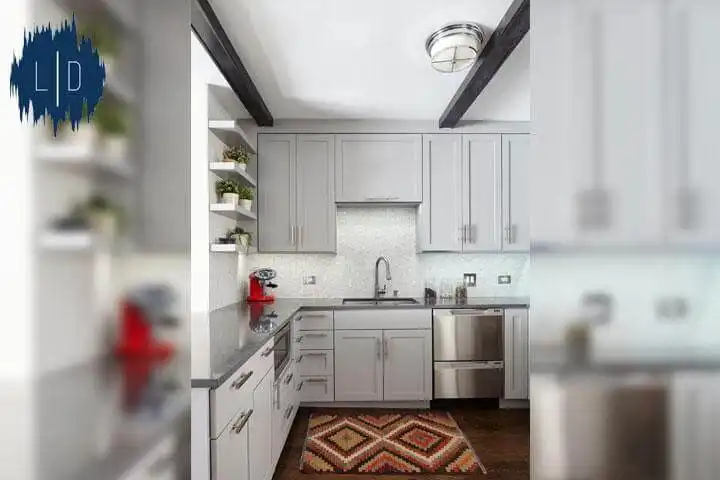
    In this kitchen, the cabinets take the same color of the wall, creating a seamless space without edges or boundaries. In addition, its white paint reflects light which enhances the sense of space, making the kitchen feel bigger and the walls appear to recede.

    TIP: While using pale colors is a safe approach to make a room appear bigger, deep tones like black, navy blue and charcoal also create the impression that the walls are farther back than they really are.

    2. Glass Front Cabinets

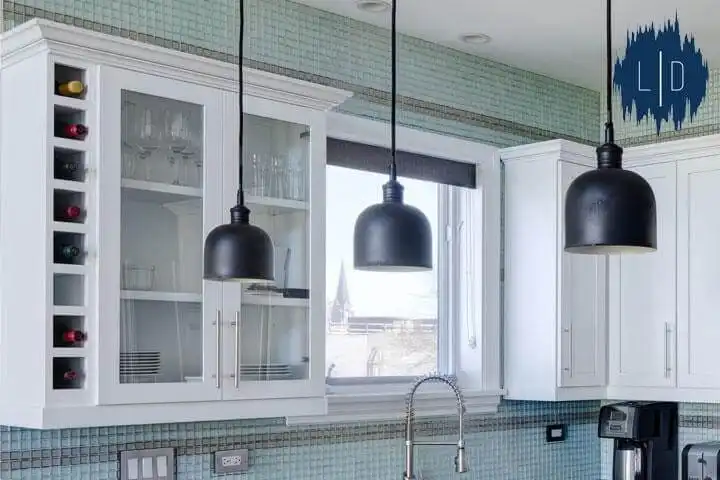
    Another way to make a small kitchen appear larger is by placing cabinets with glass front doors. This kitchen utilizes wall cabinets with glass fronts allowing you to look past the cabinet frames, into its depths, so the walls look farther away.

    Note: This hack is only effective when you keep the contents of the cabinets orderly and coordinated. Clutter will only defeat the purpose and in the end make a room feel crowded.

    3. Lazy Susan Cabinets

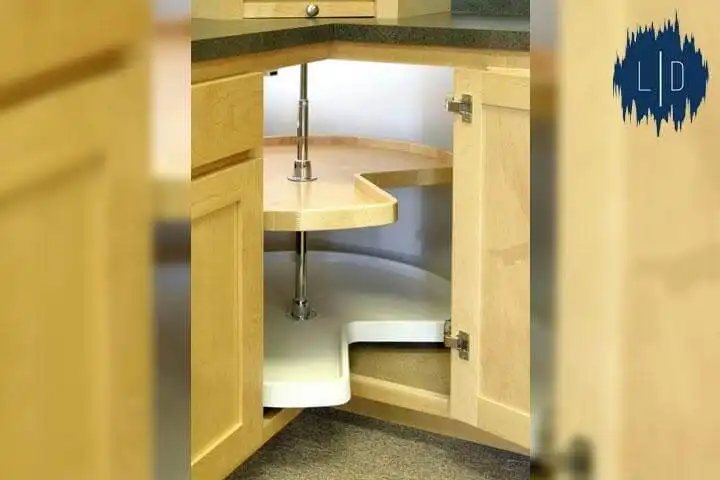
    A lazy Susan in the kitchen not only provides more storage, but also helps you easily access and organize kitchen supplies. Some options even include shelves that swing out with drawers for easy pull-out and a tiered organizer that uses more vertical space to rotate items.

    TIP: There are various types of lazy Susans that can be customized for your small kitchen, including a fixed pole or freestanding full-circle or semicircle trays. It is best to choose what will complement with your kitchen to maximize its use.

    4. Island Cabinets

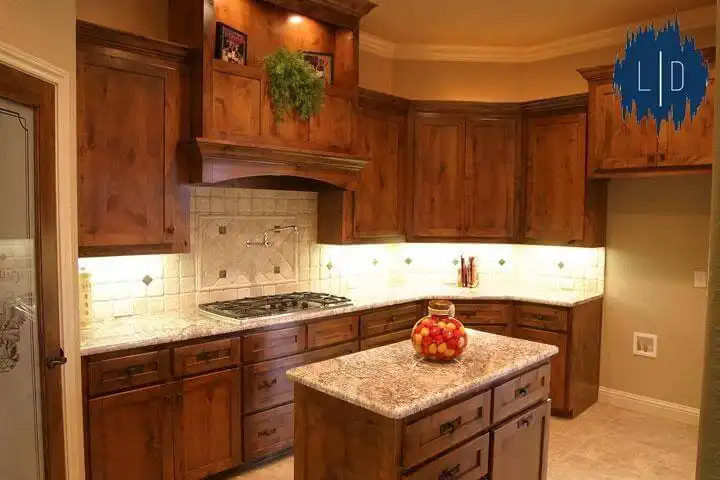
    A kitchen island is in style these days for a good reason. Not only does it add functionality and class, but also provides additional storage for your small kitchen. Even a petite island similar to the one in this kitchen can reduce clutter in your working area since it can store larger pots, pans and other supplies that don’t fit elsewhere.

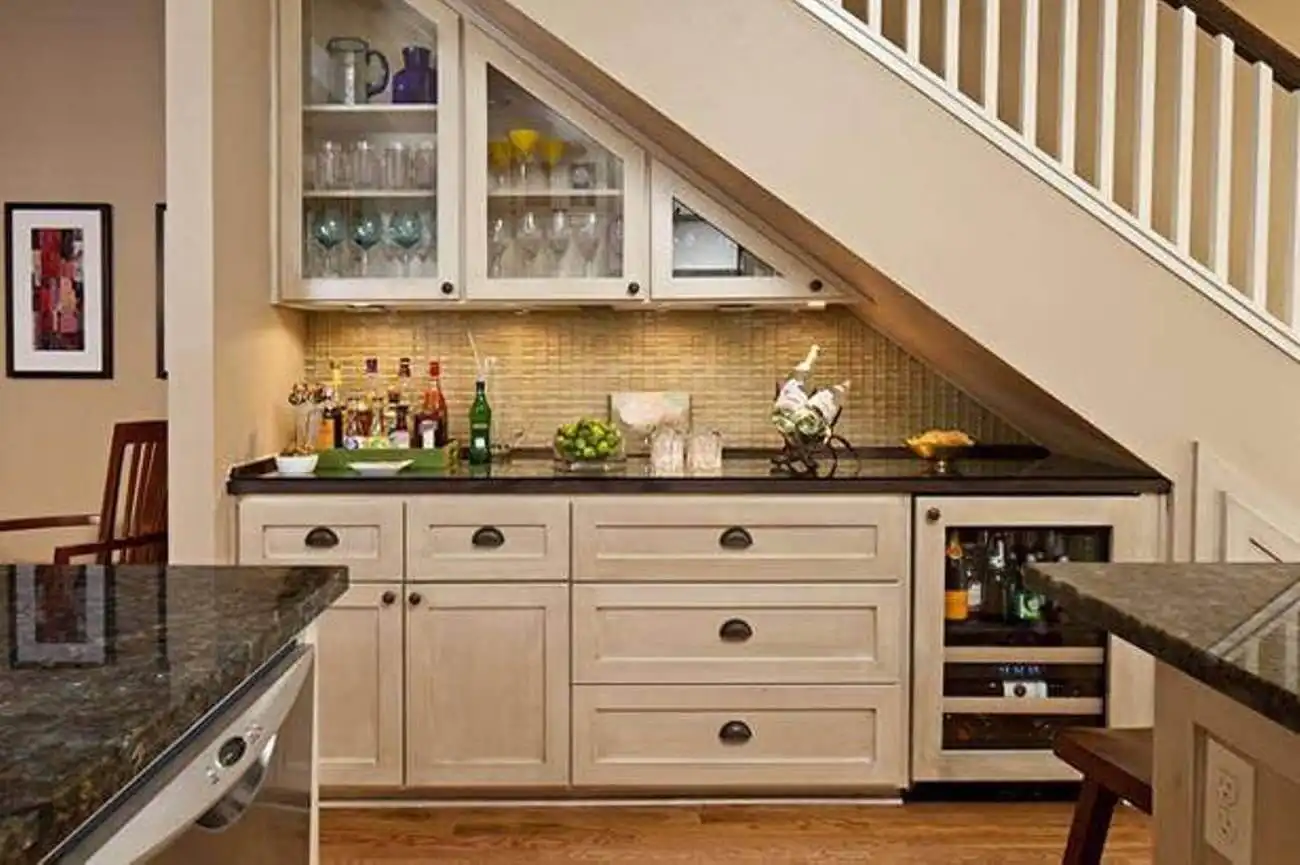
    5. Under the Stairs Cabinets

    Image Source: Pinterest

    Placing cabinets under the staircase is one of the best tricks to use the area underneath the stairs. Similar to this picture, the kitchen itself is tucked in one corner, giving out more floor space to use. It is a perfect way to hide any clutter from view and make items easily accessible whether you’re on your way in or out of the kitchen.

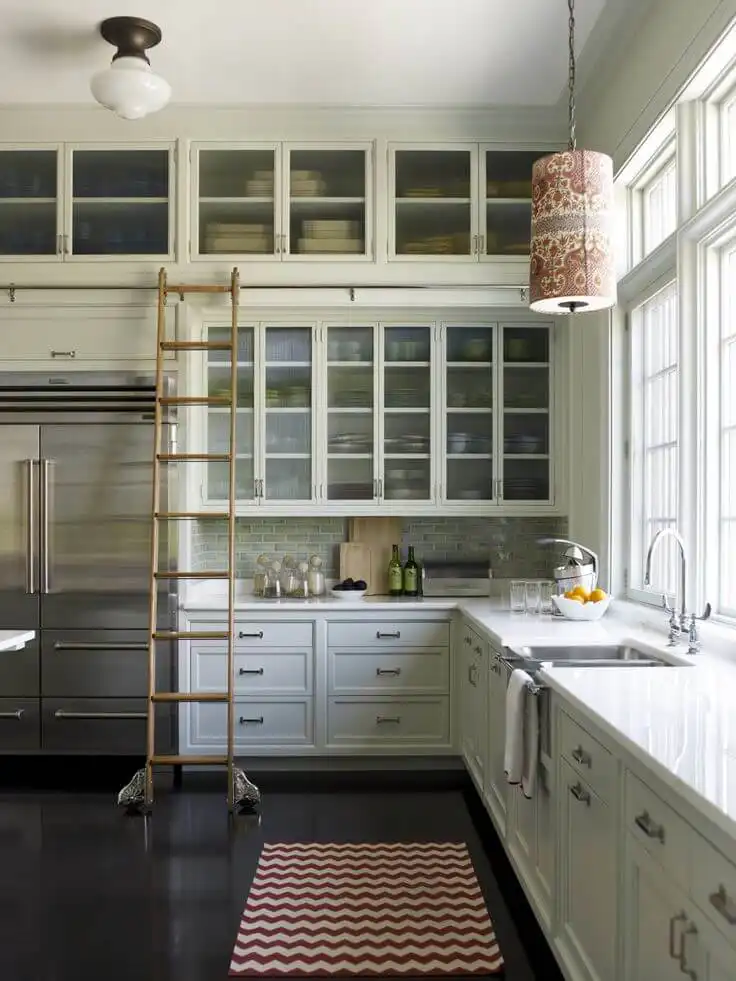
    6. Stacked Cabinets

    Image Source: Pinterest

    Since space is tight in small kitchens, stacking cabinets until they touch the ceiling can be an ideal way to create extra storage spaces. This additional space offers organizational solutions to allow for more working space on the counter.

    TIP: Adding a ladder, like in this kitchen, not only makes the upper storages easily accessible but also creates interest in your space.

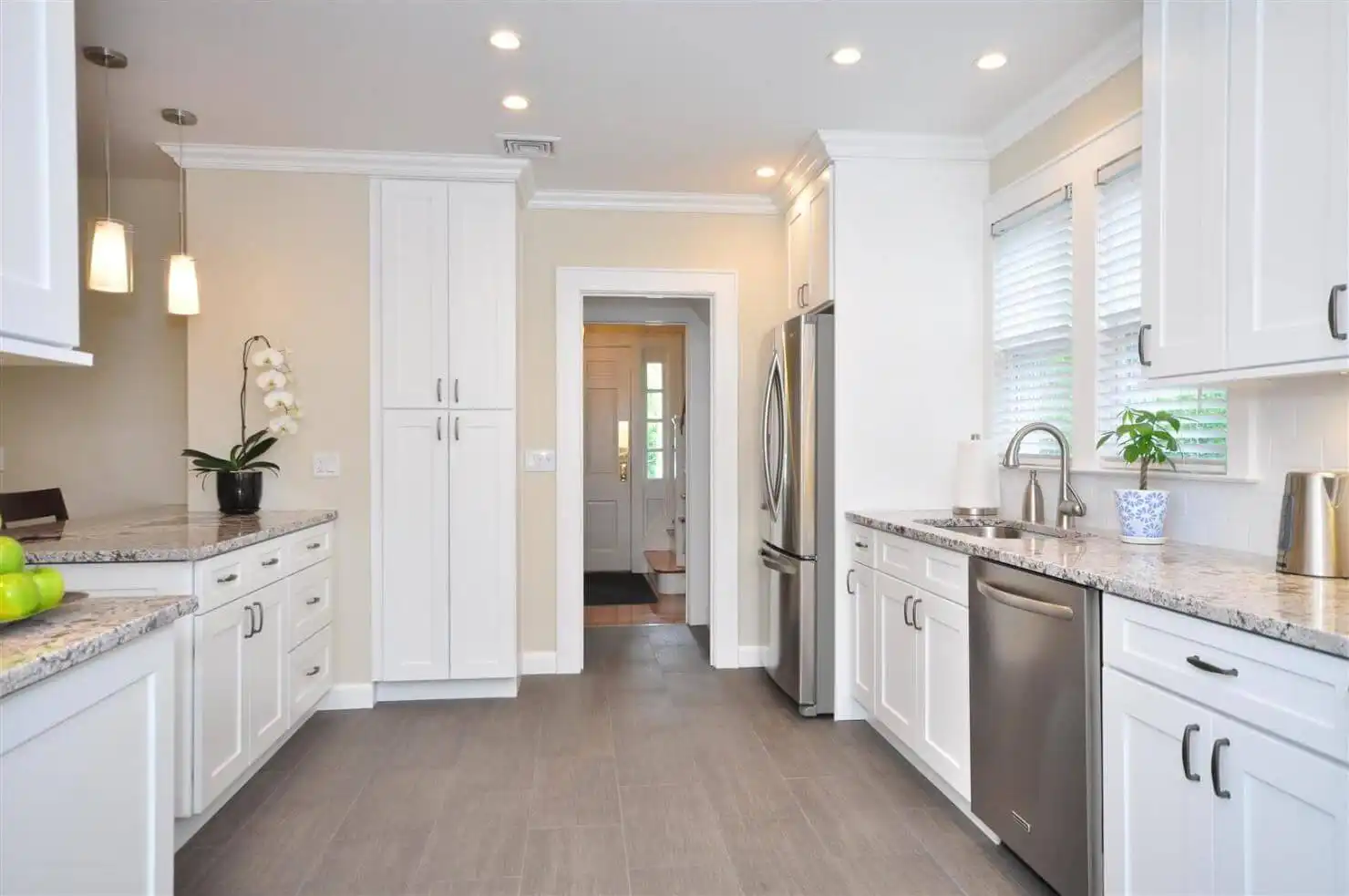
    7. Recessed Cabinets

    Image Source: Pinterest

    A recessed cabinet or carved-out cabinet used in this kitchen creates additional storage to a small kitchen, without obstructing. It is typically more aesthetically pleasing, as it blends in with the surrounding space instead of projecting out. It is often shallow, making it a good storage for items that should be easily accessible like spices and condiments.

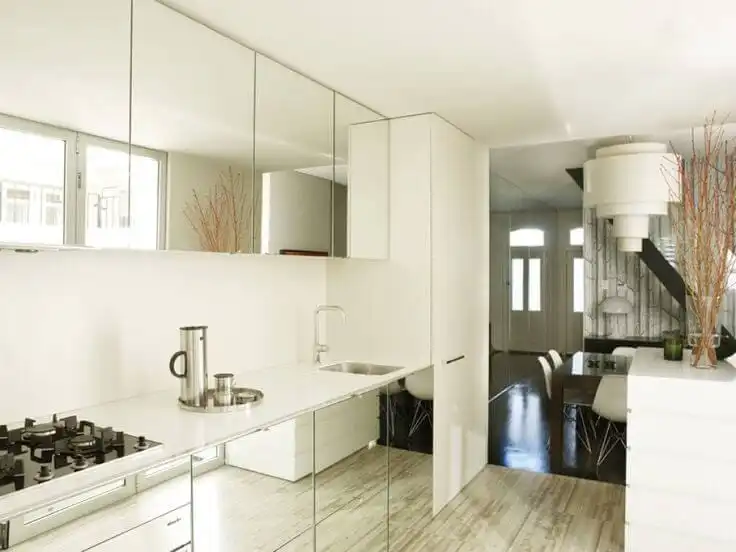
    8. Mirrored Cabinets

    Image Source: Pinterest

    Aside from adding more storage, a mirrored cabinet can visually expand a space, making it ideal for small kitchens. Additionally, a mirrored surface can fit in with any style of interior your space has. It can also illuminate your space without being too bright by reflecting the daylight that seeps into your kitchen.

    Author Bio:

    Micah de Jesus is a Digital Marketing Professional. She works as the Managing Director of GrowthScout SEO Services, an SEO & digital marketing firm in Quezon City and a Digital Media Manager for Lugbill Designs, a Chicago interior design firm.

    Company Bio:

    Lugbill Designs is a leading Chicago interior design firm lead by founder and creative director Erica Lugbill. Established in 2010, the company is recognized for its bespoke design services specializing in both decor and full renovations.

  • Functional Bathroom Designs to your Future Home

    Functional Bathroom Designs to your Future Home

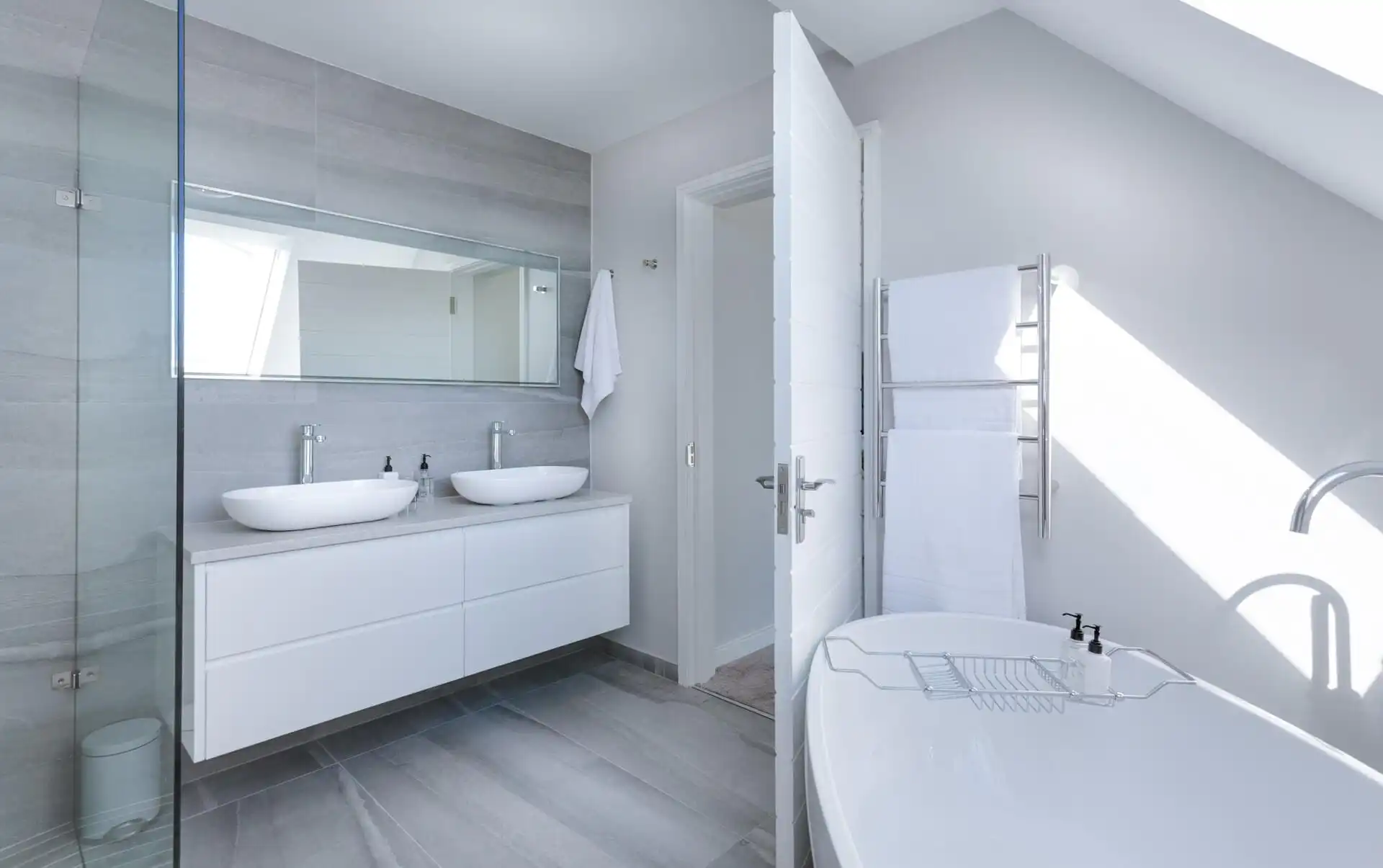
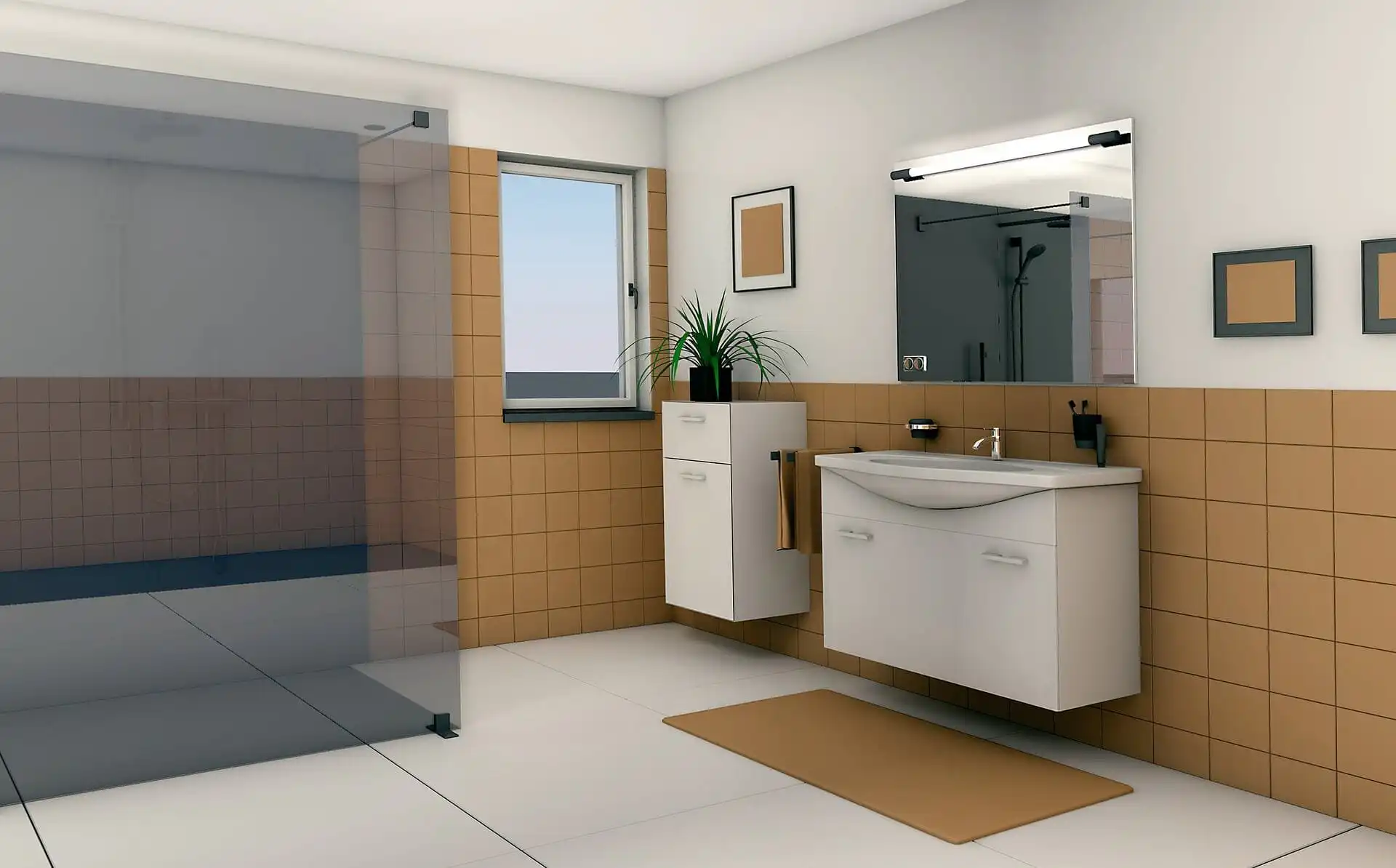
    As you are considering layouts and design for a future home, function plays a major role! Bathroom design is no different. They come in all sizes and shapes. At times bathroom space is at a premium, and at other times a bathroom can be spacious and lush.

    No matter what your future home has for a bathroom space, consider these functional bathroom designs to love your new bathroom.

    Functional Accessories

    The best way to get a luxurious feeling bathroom is to pay attention to the details. Rain shower heads will look and feel amazing in your new bathroom. Bluetooth shower speakers will set the mood from a loud, high energy night to a slow, peaceful and calm retreat. These items are both functional and stylish and will add a great dimension to your home. showersly.com has many options available to design your bathroom with.

    Dividing The Space

    Separating out functions of the bathroom into their own individual spaces will add to your bathroom layout. Allowing more than one person to utilize the bathroom at a time is key to adding functionality to your bathroom. Think about half walls, divider cabinets and pocket doors to separate and designate areas for different uses. With these ideas, someone can be applying makeup while the other is brushing their teeth. Hectic mornings of banging on the door are gone with this technique.

    Hide It

    Storage space is an absolute necessity in an efficient and tidy bathroom. Even if your space is at a premium, think creatively to add out of sight storage for your items when working in a smaller bathroom. Vanities with under counter storage are great. Tall armoires and cubby shelving work well by using the vertical space instead of relying on floor area. If additional storage is needed, look to the hallway or an adjacent closet. Many times a feasible solution is within arms reach.

    Be About The Surface

    The right surfaces will make your bathroom space amazing. In your bathroom design, choose good surfaces that are sleek and stylish. Neutral colors usually work the best. Think about lasting style and value versus trendy designs that you may dislike next year.

    Take into consideration how easy it is to maintain the cleanliness of the surfaces. A surface that is hard to clean or to keep clean will end up being a regret.

    Add Your Own Charm

    When designing your future bathroom layout, keep it simple and open. Don’t overthink the details. A lot can be accomplished later in the design stage with accessories that are non-permanent. Chandeliers, pictures, and a votive all add dimension to your space without the cost or permanency of built-in bathroom hardware and accessories. 

    It’s exciting to plan a future home. Having a functional and stylish bathroom is a dream to go along with those plans. The right accessories and hardware will create an amazing and stylish space for you in your new home. The style and layout of your future bathroom can be defined with the right colors, floor plan, storage, and accessories creating a space you love!

  • 7 Tips To Help You Look For Pro Plumber In Your Area

    7 Tips To Help You Look For Pro Plumber In Your Area

    In most cases, plumbing problems occur suddenly and without warning. Likewise, these issues may more likely cause major damage all throughout your home. But for some people who have a little know-how, doing the plumbing repairs by themselves is the best option. Unfortunately, there are problems that require the assistance of a skilled plumber to get the work done properly. So if you find yourself in need of some plumbing services at one time or another, here are the tips to consider when looking for a pro plumber in your area.

    1. Years of Experience

    If you don’t know how to find a good plumber, begin by checking the length of time they have in the business.

    • Although a new plumber can do a satisfying job, it’s still best to get someone who has valuable years of experience in the plumbing industry. This is to make sure that you’re hiring an experienced one who has knowledge in almost all types of plumbing needs.
    • When your prospective plumber has been in the service for quite some time now, it means they have a proven track record in what they’re doing.
    • Moreover, if you want your plumbing repairs to be addressed properly, then a professional plumber with plenty of experience is something that you should always look for.
    1. Licenses

    For most states, licensing is one of the important requirements plumbers need to comply beforehand. This is to ensure that those who want to offer some plumbing services have met the minimum qualifications necessary for doing the job right.

    • So before getting your plumbing works serviced, make sure to check whether your state requires all plumbers to be licensed. If the answer to the question is yes, then never hesitate to look for the license or better check with your local licensing office if your potential plumber is licensed or not.
    • Remember, having a qualified plumbing specialist is essential especially if your job is a larger one.
    1. Insurance

    Many times, plumbing works are complicated and time-consuming. That’s why it’s important to hire a pro plumber who carries insurance. Besides, the insurance you’re looking for will protect both you and the plumber from any unexpected peril.

    • Also, in the event an accident or injury happens, you want to ensure all the expenses are covered by the insurance policy. That way, you’re not going to spend additional money for these circumstances.
    • On one hand, be sure to check the effectivity of the insurance policy to avoid problems later on.
    1. Warranty

    Unfortunately, there are times when plumbing works aren’t done perfectly. And to avoid spending additional money for a follow-up work, it’s better to employ a licensed plumber who offers a warranty for their parts and labor.

    • Take note, a trustworthy plumber will be happy to stand behind their work since they’re not the ones who leave their project behind. However, if your prospective plumber doesn’t offer a warranty, take the deal off and look for other choices.
    • Remember, the warranty is important as it will provide you with security and peace of mind about your plumbing needs. It will also give you a good idea that you’re getting a reputable plumber for the job.
    1. Good Estimates

    A professional plumber is going to provide you with accurate appraisals of the services to be done and the estimated costs. First, they’ll come over to your place and assess what needs to be done before they’ll come up with their estimates.

    • Even if there will be some unforeseen issues, a good plumber will be more likely transparent with their initial assessment.
    • To protect your own interests, try to get at least three appraisals to choose from especially if you’re dealing with larger jobs. More importantly, don’t forget to check the corresponding prices if they’re reasonable or way too low.
    1. Professionalism

    When we talk about professionalism, it’s something attributable to the skills of a plumber. For instance, hire someone with good interpersonal skills.

    • Although the plumber has a license or has valuable years of experience, they will still not be a good choice if you can’t get along with them well.
    • Since it can be a long-term business arrangement, make sure to get someone whom you’re comfortable working with. This will surely make you feel better about any plumbing repairs that you need to be done correctly.
    1. References and Recommendations

    When selecting a pro plumber appropriate for your repairs, it’s important to consider some references before making a choice.

    • While references may not be necessary for small jobs, checking your prospect plumber’s references will be of paramount importance. However, if your plumber will not provide you with any references, then it’s time to consider another one.
    • If you want to verify such references or recommendations, you can speak to the past customers or visit the plumbing company’s website to know their work performance.

    The Bottom Line

    Always keep in mind, your home plumbing systems are essential, that’s why they need to be in good working condition at all times. Unfortunately, plumbing issues will sometimes come your way unexpectedly. During these times of need, seeking the assistance of reliable plumbing companies is a very good idea. Using the tips presented above, you should get started at looking for a Pro Plumber who can assure you that any plumbing issue will be well taken care of.

  • Saving Money on Home Beautification

    Saving Money on Home Beautification

    The question of home décor is likely something that every homeowner grapples with, sometimes at different stages of homeownership. Maybe you were able to get a home at a lower price, but the tradeoff was a design you didn’t like and will have to work on later. Perhaps you’ve grown to love a home you’ve had for years, but are ready for a visual change. Perhaps you’re planning on raising a family, and want a home that’s appearance reflects that. Whatever reasoning you have, don’t feel that you need to break the bank. Here are some ways to save on the beautification of your house.

    Starting Small

    When it comes to beautifying your house, a major way to save is to not try and do everything at once. It’s one thing if you start a project and pay a little more for an unexpected reason. It’s a lot more if you have to do the same thing for several projects at the same time. So, where should you start? An ideal starting point is going to be the entryway to your home. This is because it’s going to be the first thing that guests see, so you want to make a good impression. Some things that can help improve your entryway are absolutely free, like cutting down on clutter. Other things are relatively inexpensive, like using a chest or decorative basket to house mail or keys. Picking pieces that are functional and aesthetic will help you get the most bang for your buck.

    In general, there are a few other pieces that you can throw into just about any room without costing you a lot of money, but will have a pronounced effect. One example is area rugs. Some people pay a lot of money for these, but considering how much abuse they take, that doesn’t really make a lot of sense. There are many cheaper rugs that still have striking designs—the perfect combination. If you are looking for other small accent pieces to add, try throw pillows. They combine colors, patterns, and textures to change the feel of the room, and if you don’t like them, you can always switch them around.

    The Next Level

    Now, one thing that may also be on your mind when it comes to home beautification is what to do with your bathroom. After all, along with your kitchen, it’s considered to be one of the most important rooms when it comes to raising the value of your home. Another thing to consider is the fact that unlike a living room or a sunroom, chances are that you’re going to use the bathroom at least once a day. What you need to make sure you do, though, is decide how much you are willing to invest, as if you want a certain tier of changes, you’re going to need to budget for a plumber.

    Why is this so important? According to Fix It Right Plumbing in Australia, “it is almost impossible to give a price over the phone or otherwise without actually seeing the job. Any plumber that tries to do this is doing you a disservice for several reasons:
    • No plumbing job is ever the same so the price is inaccurate which can lead to two things happening:
    • First, the plumber will charge you more than they quoted you which will leave a bad taste in your mouth.
    • Second, The plumber won’t charge you more and will try to do half a job to get out of it by taking as little loss on the job as possible (inevitably leading to faulty workmanship and an angry customer).

    Do your research into which method of charging you are most comfortable with and research each plumbing company to see how reputable and experienced they are.” A lot of these same techniques apply the moment your beautification plan requires professional help. For example, do you want to redo the lighting? Bring on an electrician. Are you planning on landscaping outside of a basic cut lawn? Again, professional help is needed. A lot of the time, this is what drives up the price of beautifying your home, so pick and choose what you really want.

    No matter how much or how little you choose to spend on home beautification, know that you don’t have to stick to the conventional options in order to have the desired result. Just keep your mind open and stick to your budget, and anyone can create a more beautiful space to live in.


  • Simple Upgrades That Can Make Your House More Energy Efficient

    Simple Upgrades That Can Make Your House More Energy Efficient

    For most North Americans, homeownership is a personal dream as well as a smart investment — but that doesn’t mean it doesn’t come with challenges. Maintaining a home and running a household is a huge responsibility, and between property taxes, routine repairs, landscaping, and regular power bills, it is also a financial balancing act. Fortunately, as a homeowner you have the power to make smart changes that can save money, and one of the most important ways you can do so is by improving the energy efficiency of your home.

    While many homeowners view energy efficiency as a long-term goal that involves major projects like replacing insulation, it is possible to get started with smaller changes. Here are just a few affordable ways you can make your house more energy efficient without undertaking a major renovation:

    Install A Programmable Thermostat

    Being energy efficient does not have to mean doing without amenities or being uncomfortable in your home; the first thing you should do when trying to cut down on your energy consumption is target areas where energy is being wasted outright. Older thermostats are designed to deliver a steady amount of heat or air conditioning, but if you spend most of your day out of the house, it doesn’t make sense to heat a house with no one in it.

    Programmable thermostats allow you to customize how your home is heated. You can program the temperature to drop during the day and come on the late afternoon so you return to a nice warm home, and you can also program it to reduce the heat at night when it isn’t needed as much.

    Replace Old Windows And Doors

    As they age, fluctuations in temperature cause windows and doors to slowly shift and warp in their frames, creating gaps where cold air can get in and energy can escape into the outdoors. One of the biggest single ways you can upgrade your home is by installing new, energy efficient windows and doors that are designed to keep your home cool in the summer and warm in the winter.

    As more North Americans have become conscious of how much money can be saved by creating a more efficient home, new businesses have sprung up to respond to this market niche by focussing on installing efficient fixtures. Companies like EcoTech Windows & Doors specialize in high quality vinyl windows and energy saving entrance and patio doors, and provide expert installation to ensure they operate as efficiently as possible.

    Install Low-Flow Showerheads

    A lot of energy goes into heating up water, which means that every minute you spend in that nice warm shower is costing you money. Installing low-flow showerheads is a great solution if you want to save energy but you don’t want to have to ration your hot water. Low-flow shower heads can cut water consumption by almost half, which means you can shower for longer without worrying about how it will impact your energy bill. 

    For all of the headaches that sometimes come with it, homeownership can be deeply rewarding. Being able to improve and change your property as you see fit gives you the freedom to make important upgrades that can make your home more efficient and environmentally friendly, and the payoff isn’t just lower energy bills — it is also a more comfortable, stylish, and modern home. Installing a programmable thermostat and low-flow showerheads and replacing poorly insulated windows and doors are great ways to cut down on your energy use without having to reduce your standard of living, and they are also guaranteed to increase the value of your home in the long run.