We’ll discuss the dangers and costs of doing it yourself, as well as some helpful tips to keep you safe from harm. Instead, hire a professional HVAC repair service to ensure that everything is done right. There are many benefits to hiring a professional and lessons to learn from the process you, so here are a few:
Lessons learned from the internet
There are lessons to be learned from Google and other search engines when it comes to fixing stuff yourself. While most professionals boast certifications in the HVAC industry which focus on the most common systems, others only specialize in specific styles of systems making it difficult to find the exact right person for the job. You can’t depend on most professionals to have extensive knowledge of the different types and styles of HVAC systems,
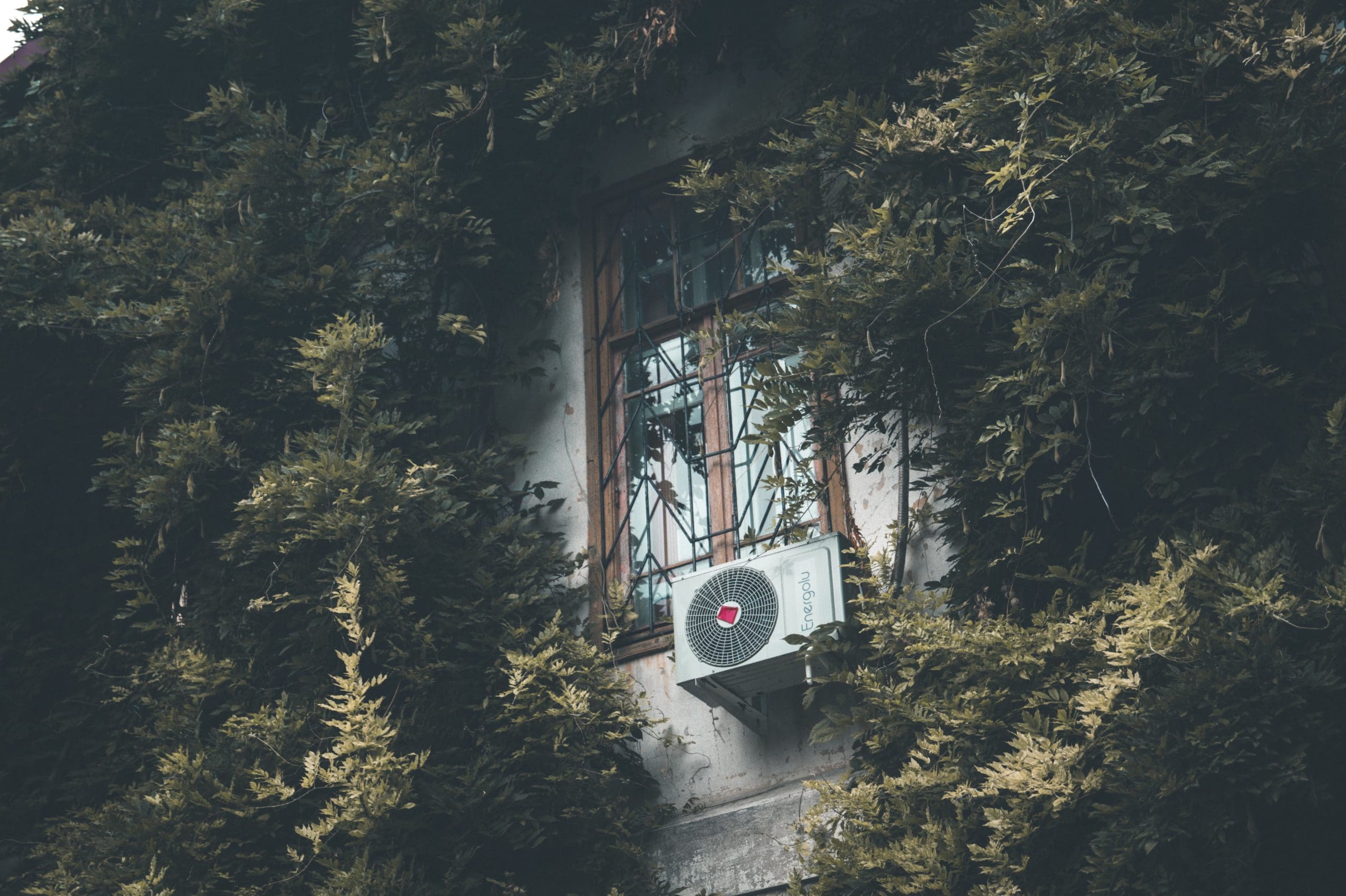
Photo by Leman on Unsplash
Costs of DIY air conditioning repairs
If you’ve ever had to fix your air conditioning, you’re probably aware of the high costs involved. From $200 to over $2,500, fixing a noisy AC system can be a huge hassle. Noises can be caused by a number of things, from a broken relay to a faulty compressor.
To determine the source of the problem, the professional must diagnose the problem and replace the necessary components. He will also likely replace the thermostat and any faulty fans. The costs of air conditioning repairs vary greatly, depending on the type and brand of your AC system.
If you’re going to try to fix your own AC system, you should always purchase a higher-quality AC system rather than a cheap model. Even if you can do the fix yourself, you’ll likely void the warranty and have to pay out of pocket. Remember that you can’t handle Freon by yourself (www.epa.gov/refrigerant-sales-restriction); you must contact a professional, especially if you’re unfamiliar with working with it.
The cost of replacing an AC contactor can range from $175 to $400. When it’s malfunctioning, the contactor produces a distinctive humming sound, which continues even when the unit is turned off. Sometimes, there’s a chattering sound that precedes contactor failure. The main cause of contactor failure is an electrical short. If you don’t have an electrician handy, you may be better off calling a technician to do the job.
Photo by Gritt Zheng on Unsplash
Dangers of DIY air conditioning repairs
If you have ever tried to perform repairs on your own, you probably know how dangerous they can be. If you do not have the proper tools to handle electrical issues, you could end up electrocuting yourself.
The danger doesn’t end there, though: improper disposal of the coolant can also pose a risk of death or serious illness. In addition, improper handling of refrigerant can cause a leak, which can affect the quality of the air you breathe. Do-it-yourself projects can endanger you and your family. The AC system has many components and is intricately connected.
You could end up causing more damage than you originally thought. Ultimately, hiring a professional like Surfside to fix your AC system is the safest and most efficient way to ensure your comfort. If you don’t, not only could you end up with a faulty unit, but you may also cause more damage than you anticipated.
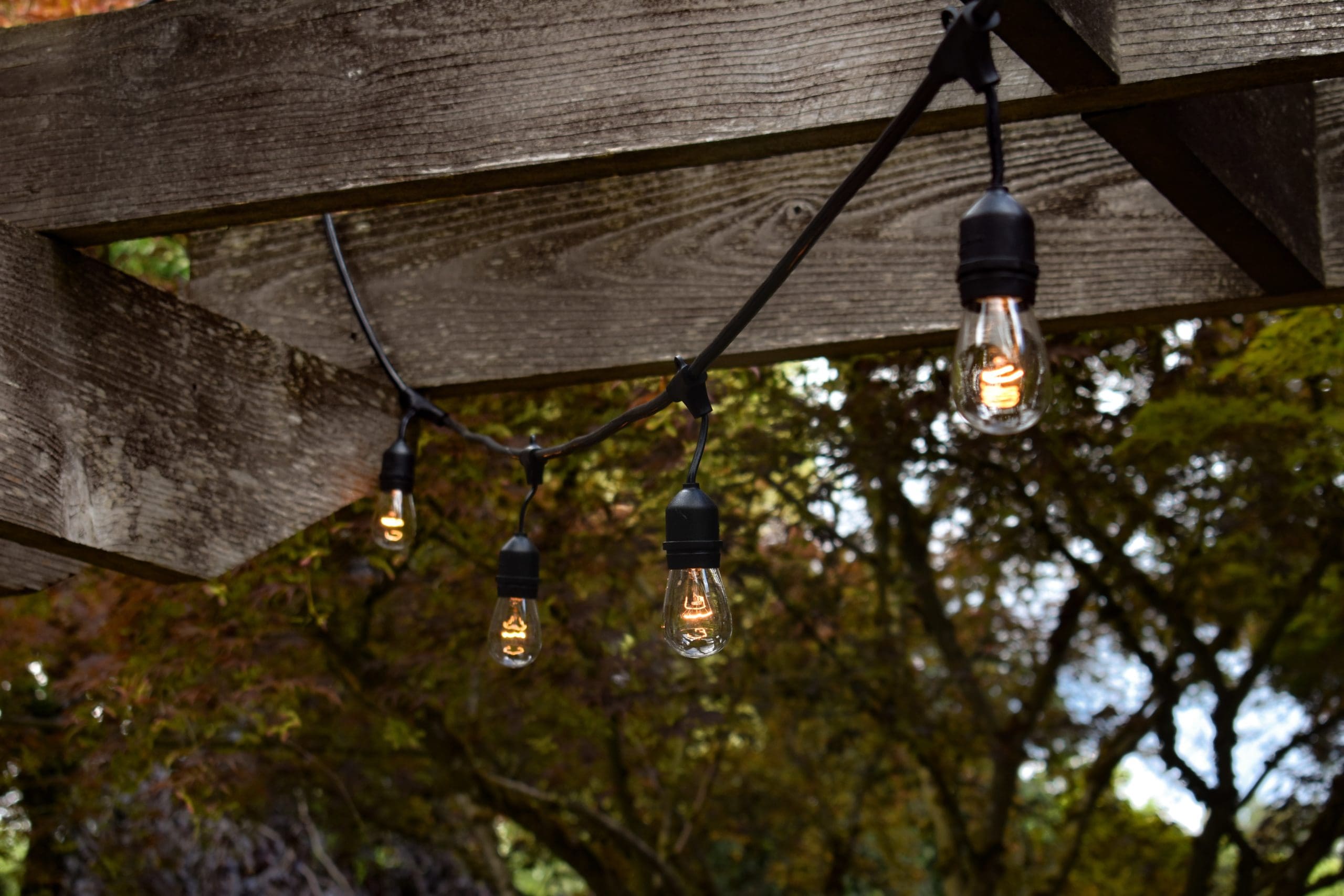
Photo by Álvaro Bernal on Unsplash
Tips for avoiding DIY air conditioning repairs
Before beginning a DIY project, be sure to check your unit’s electrical system. If you’re not sure how to check your circuit breaker, call a qualified electrician. An untrained individual can cause a fire or electric shock. Furthermore, DIY projects may be illegal, since AC refrigerant is flammable and should be handled only by certified technicians.
If you suspect that you’re handling the refrigerant, call an electrician to help you safely remove the refrigerant. Another common cause of higher energy bills is a dirty unit. Dust and other materials can clog air vents, causing your unit to work harder and more expensive.
If you notice that something is blocking air vents, remove it to prevent future problems. Cleaning the air vents regularly can also prevent costly AC repairs. Ultimately, it’s best to leave it to the professionals, but follow these tips to maintain your AC unit and avoid costly DIY projects.
It is probably time to bring your landscape and deck to life by sprucing them up with deck lights.
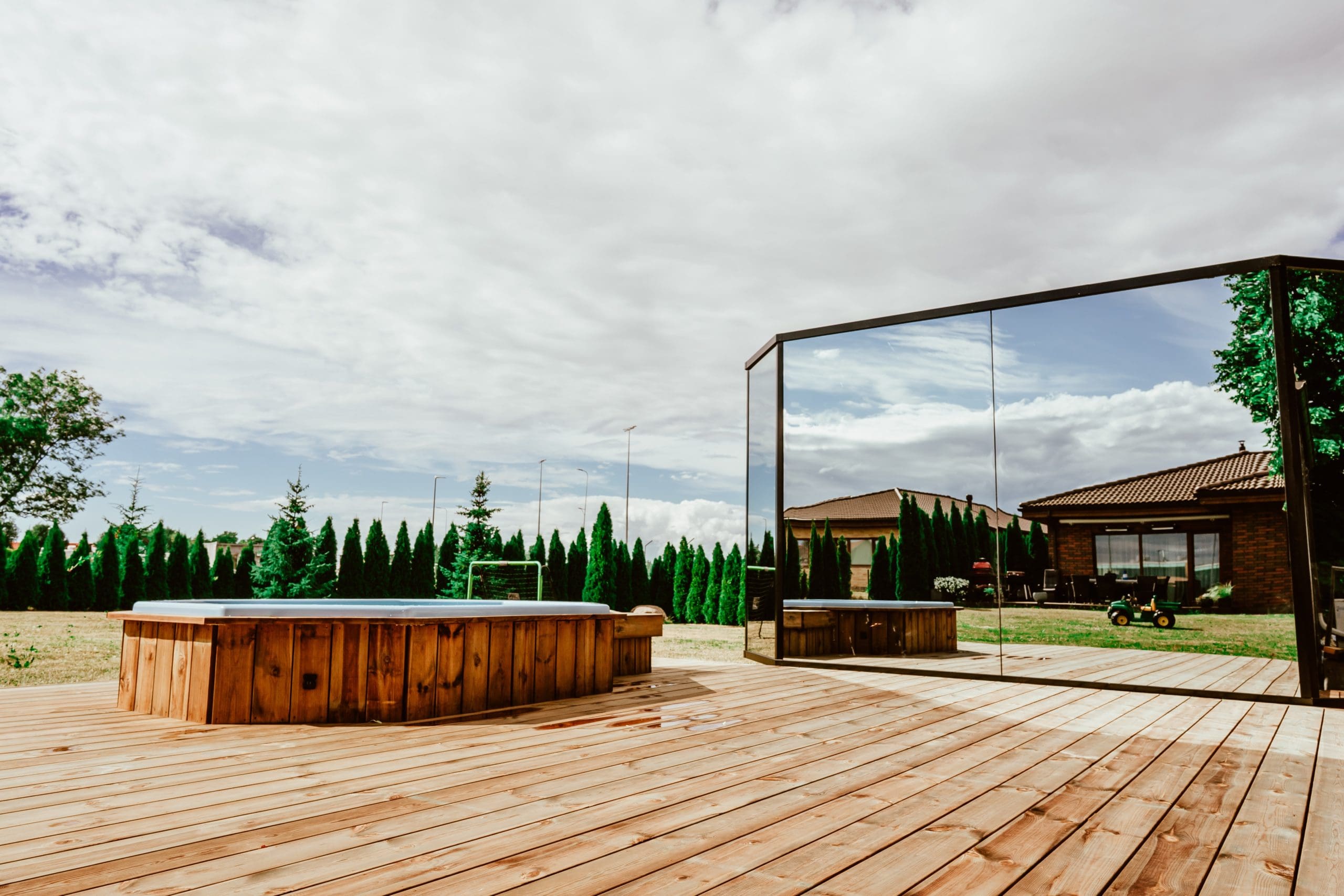
Photo by Shayla Kirby on Unsplash
These outdoor lighting systems also highlight the home’s architecture while adding a layer of safety and comfort. With the vast collection of designs, styles, and functions available, a little guidance will go a long way in helping you settle for the best option. Here are a few tips to help you choose the best deck lighting for your outdoor space.
Decide On the Area of Use
Knowing where you plan to install the lights will determine the deck lighting types to buy. A few focus areas may include general garden lighting, whereby you illuminate everything, including flower beds, shrubs and trees, and ornamental installations.
Photo by HUUM on Unsplash
You may also decide to illuminate your patios, decking, and steps with energy-efficient lighting options, like the low voltage LED deck lights. The good thing with such a lighting style is that it takes less to no space in the seating area and offers much-needed practical lighting and ambience.
The lighting options for pathways, driveways, and other access areas are also plenty. Such places require bright and efficient enough lighting to offer navigational assistance and added safety while enhancing the aesthetics. You may opt for bulkhead lights, Bollard lights, or on-ground spots.
Consider the Power Source
It is crucial to determine how you plan to power your deck lighting. Know if you need permanently-installed lighting options or plan to move the lights around. You may consider the Mains-powered outdoor lighting if you plan to install the lighting close to the house. On the other hand, solar-powered lighting would be a perfect choice if you need the most energy-efficient and cheapest option. A solar power source is best for low-maintenance garden lighting.
Battery-powered deck lighting might be the perfect fit if you need a highly portable power source to move the lights around. They come in different sizes, shapes, and designs to enable you to benefit from ambient lighting with a single flick of a switch. It is ideal for short-term use, like occasional decorative use.
Photo by David Pennington on Unsplash
Look for Your Preferred Deck Lighting Style and Design
Know the kind of look and feel you are interested in and narrow it down to a deck lighting style that matches that. If you are seeking to generate a sleek and contemporary outdoor aesthetic, go for a lighting style and design with a modern touch.
A blend of polished metals with quirky designs, bold lines, and sharp shapes will go a long way in adding a futuristic lighting design and a minimal look that contracts and spruces up your outdoor spaces. Alternatively, if you seek to generate a more classic style of outdoor décor, the traditional-style deck lighting might be what you need. Some of the deck lighting styles and designs to consider include:
Stair and Step Lights – You can mount the lights in the stair’s risers directly into the deck boards or along the deck perimeter to accent other outdoor features.
Landscape Lights – The landscape deck lights can give your yard a dynamic impression and arrangement. You can position these lights around the gardens, walkaways, and deck base.
Side Mount Lights – Add these lights to a railing with continuous top rail or as a perfect way to include subtle lighting. You may opt for a distinctive solar post or low voltage mount lights.
Post Cap Lights – You can use these cap lights to seal the top of your posts, add detail, and protect them from damaging debris.
Under Rail Lights – These lights help illuminate specific deck sections, such as outdoor cooking areas, cramped spaces, and the centers of long railing spans. Under rail lights are low profile in nature and highlight the deck at night without shifting the focus.
Under-tread Lights – The lighting systems are mounted beneath the deck steps. They consist of LED lights, and most of them have motion sensor options for added safety and convenience.
Photo by Peter Van Beeck on Unsplash
Keep in Mind the Lighting Function
An idea of what you expect your lights to do may guide you in selecting the ideal deck lighting for your outdoor space. Most common functional outdoor and backyard lighting options include security lighting, mainly controlled with PIR sensors and detecting movement to protect your property.
Floodlights are also for security purposes but cover larger areas. Most homeowners use wall-mounted floodlights for large yards, parking areas, and back gardens. On the other hand, Low-level deck lights are best suited for paths and driveways. They are often installed at regular intervals to offer practical and well-distributed lighting in most-needed areas.
You can also use lamp posts to illuminate your paths and driveways. They are not only functional but also highly versatile and decorative. When it comes to lighting your porches and patios, you may opt for year-round options, such as wall lights and sconces. The good thing is that you can power them with batteries, solar, and electricity.
Photo by 13on on Unsplash
Account for Decorative lighting
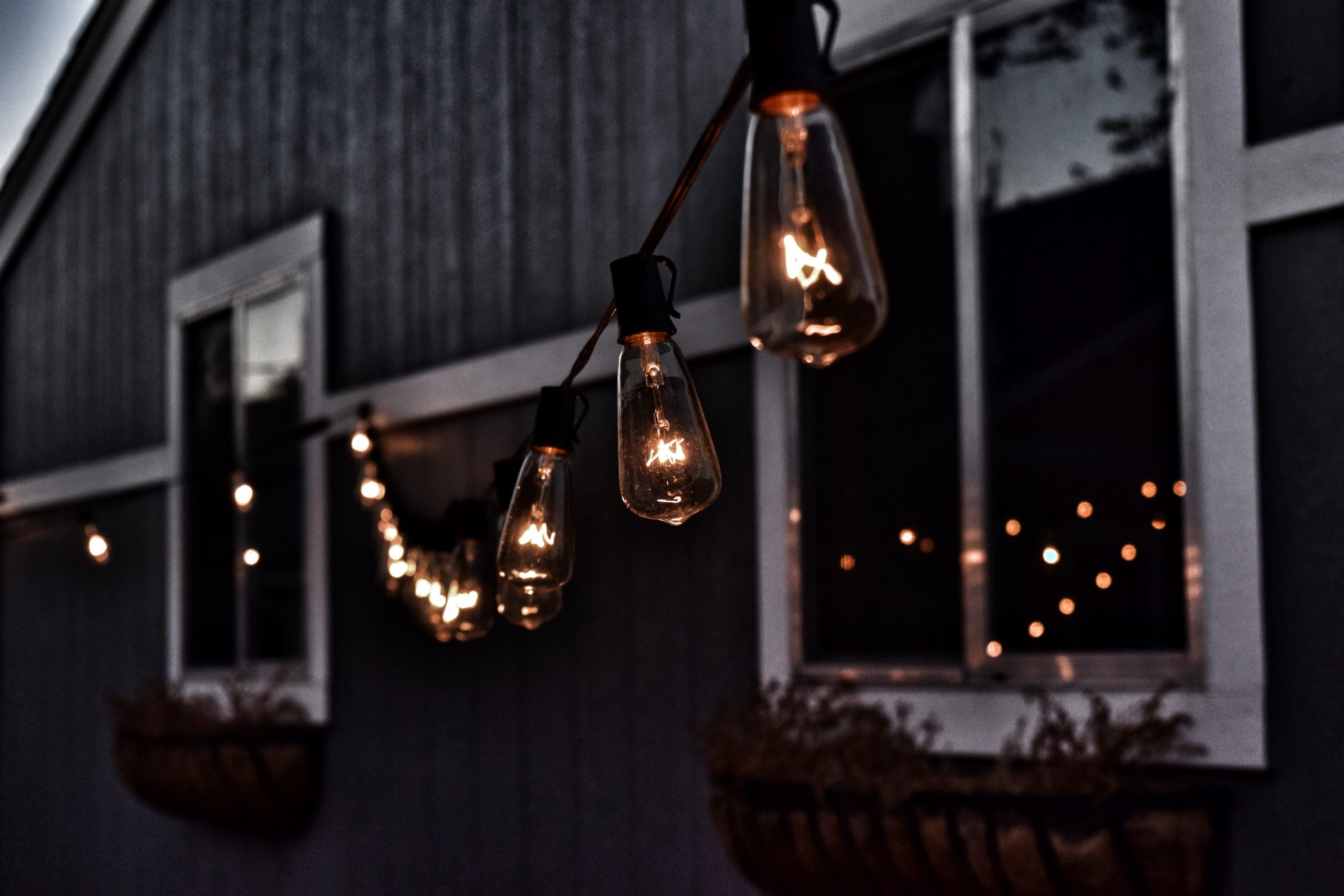
If you aim to enhance the aesthetics of your outdoor space and make it more appealing, it would be best to consider checking decorative lighting options. Among them are the party lights that incorporate festoon bulb lights and fairy lights to bring out a magical party-ready vibe.
You can also check the color-changing lights. They are decorative landscape lighting with changing LED splashes and lights which match your outside space. They come in various styles, including spotlights, uplighting, seating, and overhead lights to generate outstanding ambient lighting.
Another decorative lighting option to keep in mind is the tree and shrub lights illuminating trees and shrubs together with garden borders. You may find them in-ground or spike, and you can mount them beneath the ground to face upwards to light the foliage.
Assess the Light’s Energy Efficiency
As you strive to fix proper lighting around the exterior of your property, it would help if you go for the energy-efficient lighting options. Installing energy-efficient deck lighting in your outdoor space will help reduce energy use.
For instance, using energy-efficient LED deck lights lowers up to 75% of energy consumption, saving you some money on energy bills. Most of such light fixtures have motion sensors, dimmers, timers, and other controls that automatically turn your lights on, dim, and off to control energy usage. The reduced energy usage lowers the carbon emissions that can cause harm to the environment.
Photo by Arturo Rey on Unsplash
As you work to spruce up your outdoor space and boost its functionality and performance, it would be best to work with the best deck lighting systems. The suitable deck lighting options will not only accent your front yard and backyard features but also enhance safety for you and your family. Before making any purchase, consider all the information above and ensure the lighting fixture of choice meets your needs.
Unlike other rooms in your house, decorating the bedroom can prove challenging, especially since you should balance functionality with style.
Photo by Chastity Cortijo on Unsplash
The whole focus of bedroom decoration is on creating a beautiful space free of clutter to promote relaxation. This task becomes additionally challenging if you are working with a small bedroom space or a limited budget.
Photo by 刘 强 on Unsplash
Regardless of your preferred style and design, your bedroom makeover should result in a dream-worthy spot featuring comfortable linens and furniture. The guide below can help you transform your dull bedroom magically.
1.Pick Your Preferred Design Style
Bedrooms are personal spaces that should accurately reflect your personality. It should bring out a calming ambiance that influences relaxation. Consider the following as you choose your preferred bedroom design style:
If you prefer a minimalistic interior, choosing simple and compact bedroom items, such as these pink footstools (https://www.plushy.co.uk/footstools/pink/) and minimal décor, is a good place to begin.
If you like bohemian décor, you can update your bedroom with natural textures and matching bedding. You can also choose mixed colors and patterns.
If you enjoy piled-on colors, bold furniture, animal prints, and maximalist style might be your perfect taste.
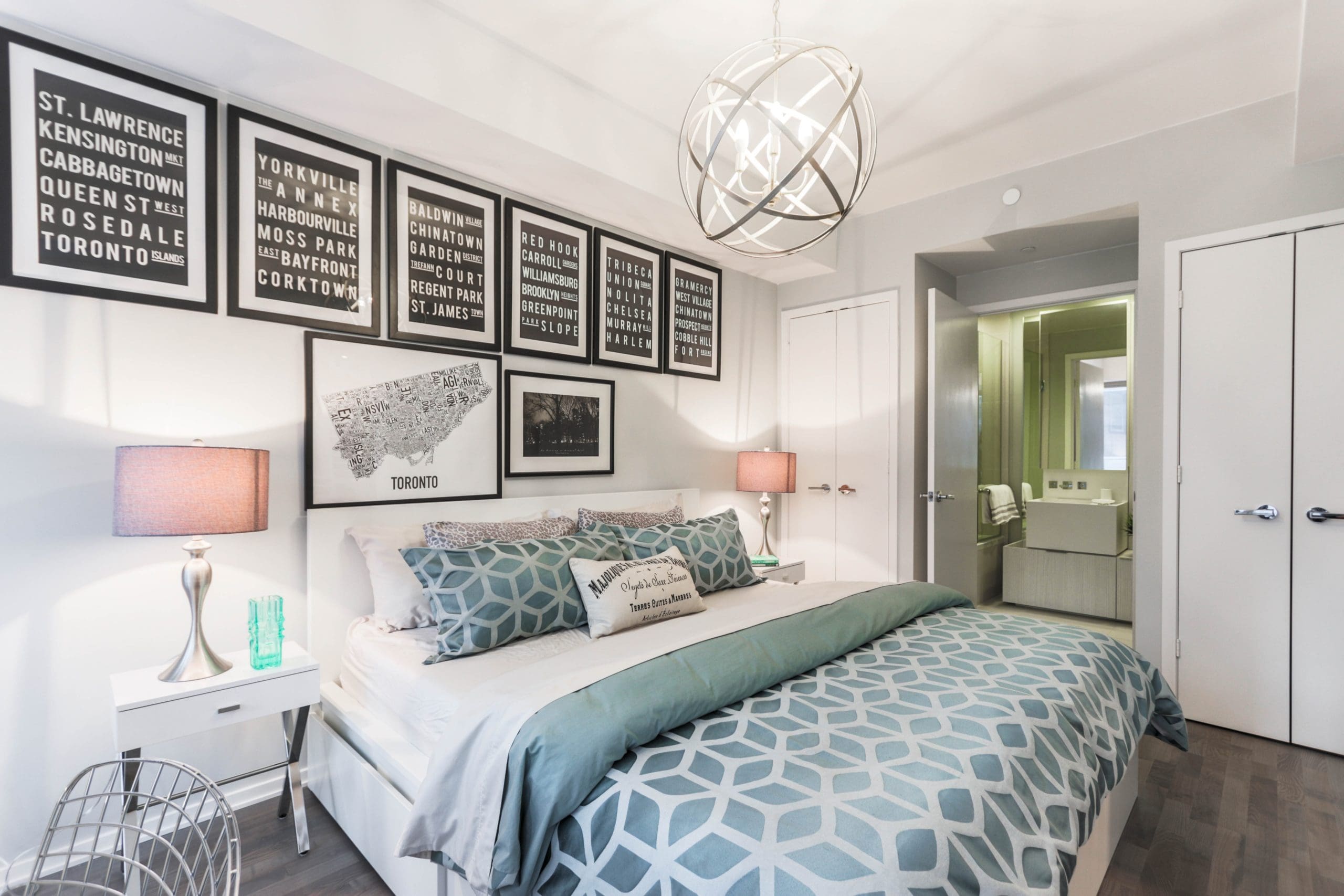
Go for the grand millennial style if vintage furniture, whitewashed walls and floors, glamorous chandeliers, and pale color palettes appeal to you.
If you love the beach and want a coast-like appearance in your bedroom, white and beige neutrals that mimic the coastal sand, pops of blue to resemble water, and light sheer curtain fabrics can excellently bring out the coastal vibe.
If you prefer something minimalist yet modern, the warm and inviting wood, wool, and stone textures of the modern organic style should be your preferred design.
Interestingly, most homeowners aren’t sure what they’d prefer for their bedroom style. If you are in this fold, research extensively and consult interior design experts.
Photo by Roberto Nickson on Unsplash
2.Carefully Choose Your Colors
You should also choose good colors to improve the appearance of your bedroom. Unknown to most people, the color choice significantly impacts the ambiance and overall appearance. Neutral colors, such as cream whites, beige, ice blues, and soft grays, have a calming and relaxing effect. These colors also offer endless versatility, making them a good choice for bedrooms.
Choosing bedroom colors allows you to create a color palette featuring various complementing colors. Most interior designers recommend a minimalist approach. With this, you can create a comforting environment, which is perfect for falling asleep quicker.
You can also add color to your bedroom in many ways. For instance, you can add fabric, bedding, and furniture featuring your favorite color options. To inject some style into the bedroom, consider layering items, mixing various fabrics, and switching the color schemes seasonally.
You should adhere to the 60:30:10 interior design rule when choosing colors for your bedroom makeover. 60% of the space (probably walls) should be covered by dominant color, a secondary color should take 30%, and 10% by accents.
Photo by Sidekix Media on Unsplash
The primary color should preferably be neutral as you can build upon it easily. Observing this rule creates a perfect balance in your interior décor, ensuring that your bedroom isn’t overstimulated or understimulated.
3.Think About the Layout and Size of Your Bedroom
The layout and size of your bedroom are a big determinant of the space available for the makeover. It also affects space utilization, especially in terms of furniture arrangement. For instance, you will need a bigger room to include a home office in your makeover. Below are the common bedroom layouts:
Small and narrow bedrooms – These spaces are enough for a sizable bed. If your bedroom is small, you should maximize the available options without cluttering the room. Additions like multi-functional furniture and beds with hidden storage are good options.
Full-size master bedrooms – These bedrooms have enough space for the king or queen-sized beds. These layouts also allow for additional bedside lamps, tables, dressers, and chairs. You can also include a footbed bench.
Extra-long master suites – Master suites have sufficient space. You can modify it with walk-in closets and opt for comfortable furniture instead of the dresser. You can also comfortably include a desk, bench, large plant, and a reading corner to occupy awkward corners.
Photo by Sidekix Media on Unsplash
4.Decorative Molding
Decorative molding is probably the most affordable way of making your bedroom appear expensive. With some time to spare and little DIY knowledge, you can install decorative molding on your bedroom walls. If you have doubts about proper installation, consider hiring a professional for a quality installation. For a sophisticated appearance, use the same color on your walls on the molding.
5.Include Curvy Items
Curvy shapes can make your simple bedroom appear expensive. Bedrooms with straight and clean lines fall flat. To add some depth and interest, use various shapes in your bedroom. If the focus is to make the room look expensive, curvy items, such as mirrors, furniture feet, lamps, and other accessories, are an excellent choice.
6.Add Metallic Items
You can bring luxe to your bedroom and any other room by adding some metallic surfaces. However, you should be cautious to avoid overdoing it. A simple gold leaf mirror, a few vintage pieces of silver, and a brass table are enough to make your bedroom look expensive.
7.Dimmer Switches
Customizing your bedroom lighting is also a straightforward way of improving the appearance of your bedroom. While there are other various lighting options, you should prioritize dim lighting. Though it sounds simple and silly, everything and everyone looks way better in dim lights. For all light fixtures in your bedroom, living room, and other parts of your home, be sure to set up a dimmer switch.
Photo by Febrian Zakaria on Unsplash
8.Custom Window Treatments
Custom window treatment also adds richness to your bedroom interior. While minimalist curtains and neutral draperies add sophisticated texture, bold curtains provide the much-needed color pop into your bedroom. This becomes even better if you already have bold-colored bedroom bedding, wall art, and furniture.
Endnote
You shouldn’t necessarily spend a lot to make your bedroom look luxurious. Integrating these simple bedroom makeover ideas can magically transform your private space. Working with experts not only improves the appearance of your bedroom but also makes it a perfect calming and relaxation space.
Overpricing your home can make it sit on the market for months before attracting any offer or showings. This can make you miss the opportunity to sell your home fast. Similarly, underpricing your home can be dangerous since many buyers might feel something is wrong with your property. It also means leaving money on the table.
It’s crucial to ensure you strike a balance in your pricing by researching the most realistic and up-to-date estimate of your home’s value. One of the first questions to ask before selling a house to a cash buyer is how much they’re willing to buy your house for. This way, you can determine if you’re getting a fair offer based on your home’s value. Here are three ways that you can determine the current value of your home:
Photo by Zac Gudakov on Unsplash
Use Online Home Valuation Tools
One of the simplest and most convenient ways to determine the value of your home is by using online valuation tools. These days, there are many online home estimators that you can use to know what your home might be worth just by providing your home’s address. Different home estimators use different metrics to assess a home’s value. Some will give estimates based on recent home sales in your area, while others will check your home’s location, square footage, number of bedrooms, and the current market activity.
The main advantage of using home estimators to determine the value of your home is that most are easy to use and free. They also give you a quick estimate without requiring you to provide a lot of information. They also update regularly, allowing you to adjust your home’s pricing accordingly. Ensure you use a trustworthy website and check what factors the tool uses to determine a home’s value to ensure you get the most precise estimate.
Hire a Professional Appraiser
Besides online home valuation tools, you can also determine your home’s value using the services of a professional appraiser. Lenders usually use home appraisers before approving home buyers for mortgages. You can also hire an appraiser if you want to know your home’s value before listing it on the market.
Photo by Gustavo Zambelli on Unsplash
Your appraiser will give you the most accurate estimate of your home’s value. They achieve that by thoroughly researching and reviewing comparably priced homes on sale or recently sold in your area. They also consider factors like your neighborhood, your home’s current condition, and the existing market conditions to assess your home’s value. Before hiring an appraiser, make sure they’re certified by the Appraisal Qualifications Board (AQB )and have experience in the business. It’s also advisable to compare quotes from multiple appraisers.
Check Several Comps from Your Neighborhood
Another reliable way to determine your home’s value is by checking the prices of comparable homes in your area. Check the asking prices of homes in your area currently on sale. You can also check online for information on recently sold homes in your neighborhood. This way, you will know the asking prices of different homes in your location and check how they compare to yours. The good thing about this method is that it’s easy and free and can help you price your home for a quick sale. It can also help you know the most sought-after home features in your area.
Photo by Bernard Hermant on Unsplash
Endnote
Selling your home fast can be easy when you have a carefully researched estimate of your home’s value. That’s because you’ll price your home accurately before listing it on the market. This can help attract many potential buyers, letting you sell your home fast and for the best price possible. If you’re looking for the easiest and fastest way to determine the value of your home, consider checking the prices of comparable homes in your neighborhood or using home valuation tools. Hiring a professional appraiser might be the best choice if you want the most accurate estimate.
If you plan to get a new roof for your property, be ready to select from a wide range of materials available. While some roofing options like wood shakes and slate have remained unchanged for many years, numerous other types of roofing have emerged with an eye towards sustainability, durability, lower cost, and more. Below, we share tips to help you sift through the numerous options and select the ideal roofing material for your home.
Photo by Jan Antonin Kolar on Unsplash
Consider the Roof Longevity and Durability
Always prioritize durability when selecting a roofing material for your property. You will want your roof to serve you for the longest time. Go for those roofing materials with the highest lifespans and the ability to withstand natural elements, such as snow, rain, ice, heat, and hail.
Photo by John Kinnander on Unsplash
Solid metals, such as aluminum and steel, guarantee the most long-lasting roofing solutions. That’s because they are resistant to numerous forms of rust and wear, and you can even coat them with protective layers to enhance durability.
Slate and clay roofing materials are also incredibly durable. Natural rocks, like slate, offer solid barriers against intense storms and damage and last for a century. There are still other durable roofing materials worth trying. A Landmark Roofing expert can help you select the ideal one.
Photo by Henry & Co. on Unsplash
Take the Roof’s Appearance into Account
Your roofing material appearance changes the overall look of your home. You might want to ensure that you choose a material type, color, and texture that matches your home’s exterior style and finish. A ceramic tiled roof will bring out an elegant appearance than aluminum shingles. On the other hand, asphalt shingles are compatible with most homes because of their neutral colors.
No matter what appearance you choose, stay true to the property’s architectural style. For instance, don’t install wood shingles onto a Spanish-style house or Spanish tiles onto a colonial-style home.
Assess the Budget and Cost
It is vital to set a clear budget of how much you want to spend on a roof. The cost of a new roof will vary depending on the functionality and quality of the roofing material. Even though quality doesn’t have to be extremely expensive, don’t go for very cheap roofing solutions. Most are not durable and may require frequent repairs or early replacement.
The pricing of roofing materials is per square foot. For instance, the asphalt shingles are the least expensive and go for about $125 per square foot. Steel roofs, on the other hand, are a bit pricey and can cost around $500 per square foot. Ensure you determine the total square footage of your roof to calculate all the costs you will incur.
Consider the Installation Process
One of the main things to consider about roof installation is the weight of the roofing materials. The roof’s structural framing enables it to hold only a certain amount of weight. When the roofing material is too heavy, it may affect the structural integrity of your entire home.
Generally, slate, tile, and metal roofs are the heaviest and most challenging to install. Be sure to confirm your roof’s structure specifications if you plan to consider these options. On the other hand, lightweight materials, such as composites and asphalt shingles, are easy to handle and install onto a roof. You can even load them over existing roofing directly without causing harm.
Photo by Robin Kutesa on Unsplash
Think About the Roof Slope
A roof surface slope may eliminate the chances of using some roofing solutions. Typically, most roofs with a steeper slope, like 4-in-12, require tiles, shingles, or slate-like roofing materials. Most American homes feature steep-pitched roofing making asphalt shingles the most popular choice.
Flat-pitched or low roofs should be topped with seamless materials, such as sprayed polyurethane foam or built-up tar-and-gravel. It helps prevent them from leaking when there is pooling water on the surface.
Consider the Fire Ratings of the Roofing Material
The fire-resistance rating of roofing materials and their underneath sheathing is performed by the Underwriter’s Laboratory (UL). The ratings range from class A to class C, and a few materials like untreated wood shingles are not eligible for any rating.
Roofing materials that fall under class A rating are most effective and can withstand severe exposure to fire. The class B roofing materials can stand against moderate fire exposure, while class C can only cope with minor fire exposures. You should not use unrated materials if the fire is an environmental hazard in your area.
Some roofing materials that offer fire protection include slates, metals, concrete, and ceramic tiles, to mention but a few.
The Style of the Building or Home
The architectural style of your home also plays a crucial role in your choice of roofing material. A building with complex configurations and many transitions might limit you from using certain materials like roofing sheets. That’s because most materials might go to waste, which is not cost-effective.
Again, if your home features a traditional style, you might want to choose a roofing material that blends with that. The best options would be masonry tiles, wood shakes, and slates. You can look at the exterior designs and roofs of the neighboring homes to see if they adhere to particular rules. Seek advice from a qualified roofing contractor to ensure you get a more unique and stylish roof.
Look for Energy Efficiency
Most homeowners now prefer energy-efficient roofing systems because of their cost-effectiveness. While you might spend a bit more on energy-efficient shingles than traditional roofing materials, you get to save a lot of money on energy bills in the long run.
These roofing materials also pose many environmental benefits, which reduce the usage of hazardous toxins and promote recycling. Be sure to assess the thermal properties of each roofing material option and select the one that stands out in energy efficiency.
Photo by Julián Gentilezza on Unsplash
Determine the Purpose of the Building
It is crucial to know the functionality of your building before choosing a roofing material. If it is a residential building, summer cottage, or cottage, focus more on safety and durability. If you plan to sell the house in the future, you may consider a roofing material to maintain its aesthetics for the longest time and boost its resale value.
As you work to identify the best roofing material for your home, prioritize durability and quality. Consider your financial boundaries and go for the materials within your budget. Consult widely with your roofing contractor to ensure you settle for the best.
The start of a new decade brings with it new resolutions to improve one’s life, including adopting a healthier lifestyle. Here are 20 useful health tips to get you started on a healthier lifestyle in 2020.
Photo by Emma Simpson on Unsplash
Maintain a nutritious diet. Consume a wide range of foods, such as fruits, vegetables, legumes, nuts, and whole grains. Adults should eat at least five portions of fruits and vegetables per day (400g). Include fruits and vegetables in all of your meals, snack on fresh fruit and vegetables, eat a variety of fruits and vegetables and eat them in season to increase your intake. Eating healthy can reduce your risk of malnutrition and noncommunicable diseases (NCDs) such as diabetes, heart disease, stroke, and cancer.
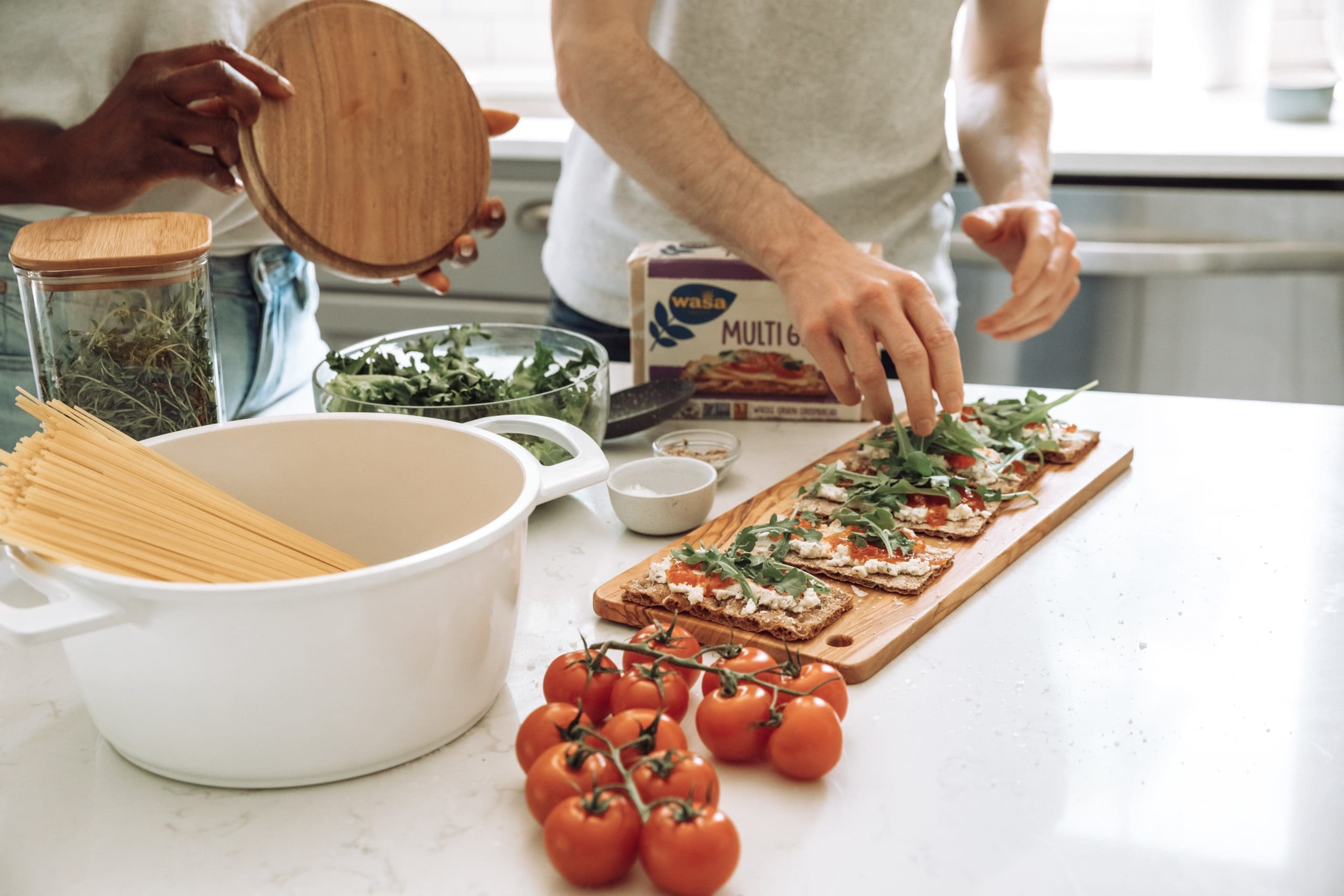
Photo by Wasa Crispbread on Unsplash
Changing the diet should also be an option in order to improve health. Eating more healthy food, such as Korean bbq chicken will improve your health and your life in general.
Reduce your consumption of salt and sugar. Filipinos consume twice the recommended sodium intake, increasing their risk of hypertension and, as a result, heart disease and stroke. Salt is the most common source of sodium for most people. Limit your daily salt consumption to 5g, or about one teaspoon. In contrast, excessive sugar consumption raises the risk of tooth decay and unhealthy weight gain. In both adults and children, free sugar intake should be kept to less than 10% of total energy intake. For an adult, this is approximately 50g or 12 teaspoons. The WHO recommends consuming less than 5% of total energy intake for additional health benefits. Reduce your sugar intake by limiting your consumption of sugary snacks, candies, and sugar-sweetened beverages.
Photo by Edgar Castrejon on Unsplash
Reduce your consumption of unhealthy fats. This will help to prevent unhealthy weight gain and NCDs. Fats come in a variety of forms, but unsaturated fats are preferred over saturated and trans fats. The World Health Organization recommends limiting saturated fat intake to less than 10% of total energy intake, trans fat intake to less than 1% of total energy intake, and replacing saturated and trans fats with unsaturated fats.
Saturated fats are found in fatty meat, butter, palm and coconut oil, cream, cheese, ghee, and lard; and trans fats are found in baked and fried foods, as well as pre-packaged snacks and foods such as frozen pizza, cookies, and biscuits.
Avoid drinking too much alcohol. Alcohol consumption can lead to mental and behavioral disorders, as well as major NCDs like liver cirrhosis, some cancers, and heart disease, as well as injuries from violence and road rage.
Smoking should be avoided. Tobacco use contributes to noncommunicable diseases (NCDs) such as lung disease, heart disease, and stroke. Tobacco kills both direct smokers and nonsmokers through second-hand smoke. Approximately 15.9 million Filipino adults currently smoke tobacco, but 7 out of 10 smokers are interested in or intend to quit.
It is not too late to quit smoking if you are a smoker. You will notice both immediate and long-term health benefits as a result. If you don’t smoke, that’s fantastic! Do not begin smoking in order to fight for the right to smoke-free air.
Photo by Dose Juice on Unsplash
Take part in activities Physical activity is defined as any bodily movement that necessitates the expenditure of energy by skeletal muscles. This includes physical activity and activities performed while working, playing, doing housework, traveling, and participating in recreational activities. Physical activity requirements vary by age group, but adults aged 18 to 64 should engage in at least 150 minutes of moderate-intensity physical activity per week. Increase moderate-intensity physical activity to 300 minutes per week to reap additional health benefits. This is very important for your health. A lot of people have fibromyalgia symptoms, which appears mainly because of inactivity.
Maintain a regular blood pressure check. Hypertension, also known as high blood pressure, has earned the moniker “silent killer.” This is due to the fact that many people with hypertension are unaware of their condition because it has no symptoms. Regularly have your blood pressure checked by a health professional so you know what your numbers are. If your blood pressure is too high, consult a doctor. This is critical for the prevention and management of hypertension.
Photo by Dan Gold on Unsplash
Get a vaccination Vaccination is one of the most effective disease prevention methods. Vaccines protect you from diseases such as cervical cancer, cholera, diphtheria, hepatitis B, influenza, measles, mumps, pneumonia, polio, rabies, rubella, tetanus, typhoid, and yellow fever by working in tandem with your body’s natural defenses.
In the Philippines, free vaccines are distributed to children aged one and under as part of the Department of Health’s routine immunization program. You can ask your doctor to check your immunization status or have yourself vaccinated if you are an adolescent or an adult.
Cover your mouth when coughing or sneezing. Diseases such as influenza, pneumonia, and tuberculosis are spread through the air. When an infected person coughs or sneezes, infectious agents can be spread to others via airborne droplets. When you start coughing or sneezing, cover your mouth with a face mask or tissue and dispose of it properly. When you cough or sneeze and don’t have a tissue nearby, use the crook (or inside) of your elbow to cover your mouth as much as possible.
Photo by Kimzy Nanney on Unsplash
Avoid being bitten by mosquitos. Mosquitoes spread diseases like dengue fever, chikungunya, malaria, and lymphatic filariasis, all of which continue to affect Filipinos. To protect yourself and your loved ones from mosquito-borne diseases, simple precautions can be taken. If you are going to a place where mosquito-borne diseases are common, consult a doctor about getting a vaccine to prevent diseases like Japanese encephalitis and yellow fever, or if antimalarial medications are needed. Wear insect repellent and long-sleeved light-colored shirts and pants. Use window and door screens, bed nets, and clean your surroundings on a weekly basis to eliminate mosquito breeding sites at home.
Follow all traffic laws. Every year, over one million people are killed in car accidents, and millions more are injured. A variety of government-enforced measures, such as stricter legislation and enforcement, safer infrastructure and vehicle standards, and improved post-crash care, can help to reduce road traffic injuries. You can also avoid road accidents by following traffic laws such as wearing a seatbelt for adults and a child restraint for your children, riding a motorcycle or bicycle with a helmet, not drinking and driving, and not using your cellphone while driving.
Photo by Tim Foster on Unsplash
Drink only safe water. Water-borne diseases such as cholera, diarrhea, hepatitis A, typhoid, and polio can be contracted by drinking contaminated water. At least 2 billion people around the world consume contaminated feces-contaminated water. To ensure the safety of the water you’re drinking, check with your water concessionaire and water refilling station. If you are unsure of your water source, boil it for at least one minute. This kills any potentially dangerous organisms in the water. Allow it to cool naturally before drinking.
Breastfeed your baby from birth to two years old and beyond. Breastfeeding is the most effective way to provide newborns and infants with optimal nutrition. According to WHO, breastfeeding should begin within one hour of birth. Breastfeeding is essential for the baby’s health during the first six months. Breastfeeding should be continued for at least two years and possibly for a longer period of time. Breastfeeding benefits both the mother and the baby by lowering the risk of breast and ovarian cancer, type II diabetes, and postpartum depression.
Talk to people you trust in case you’re feeling down. Depression is a common disease that affects more than 260 million people worldwide. Depression can manifest in a variety of ways, including feelings of hopelessness or worthlessness, as well as frequent negative and disturbing thoughts or an overwhelming sense of pain. Talk to someone you trust about your feelings, such as a family member, friend, colleague, or mental health professional.
Antibiotics should only be used as directed. Antibiotic resistance is one of the most serious public health threats of our time. Bacterial infections become more difficult to treat when antibiotics lose their effectiveness, resulting in higher medical costs, longer hospital stays, and higher mortality. Because of human and animal misuse and overuse, antibiotics are losing their effectiveness. Antibiotics should only be taken if prescribed by a qualified health professional. And, once prescribed, strictly adhere to the treatment schedule. Antibiotics should never be given to others.
Clean your hands thoroughly. Hand hygiene is important for everyone, not just health professionals. Keeping your hands clean can help keep infectious diseases at bay. Handwash with soap and water or rub your hands with an alcohol-based product if your hands are visibly soiled.
Photo by Brooke Lark on Unsplash
Prepare your food properly. These diseases include everything from diarrhea to cancer. When purchasing food at the market or store, check the labels or the actual product to ensure it is safe to eat. When preparing food, remember the Five Keys to Safer Food: (1) maintain cleanliness; (2) separate raw and cooked foods; (3) thoroughly cook; (4) keep food at safe temperatures; and (5) use safe water and raw materials.
Plan regular check-ups. Regular check-ups can aid in the detection of health problems before they become serious. Health professionals can help detect and diagnose health issues early on, when treatment and cure are more likely. Visit your neighborhood health center to learn about the health services, screenings, and treatments that are available to you.
Summer is nearly over and the season of food preservation, pumpkin spice warm beverages is just around the corner.
Photo by Im3rd Media on Unsplash
This means that it’s the perfect time to think about redecorating your kitchen to match the fall spirit.
For most people, the kitchen is the place where the day kicks off. But that’s not all there is, the morning stars with a quick wrap or a smoothie and later in the afternoon, a meal with the family to strengthen the bonds and talk about your day. With that in mind, it’s safe to say that the kitchen and the dining table are the heart of every home.
Photo by Jason Briscoe on Unsplash
However, redecorating or decorating a place so special can be very difficult. For starters, you will have to take the whole household’s taste in decor into account and create something that will work for everyone. And most importantly, you can deplete the budget really fast if you don’t know what you are doing.
To make this special process easier, we compiled a list of tips and ideas that will help you turn your kitchen into a modern masterpiece ready for the fall season.
Photo by Christian Mackie on Unsplash
Get everyone’s input and help
The kitchen is the favorite place of every household member and for that reason, it’s important to gather everyone and settle on decorations that will fit the taste of all of the members of the household. Grab a piece of paper and start creating the plan – who’s going to do the material shopping, who will be tasked with the DIY, and who will sit back and relax?
Start with the walls
Plain walls are boring and out of style. To add a breath of fresh air to your walls you can either get the buckets of paint or go with something more modern and stylish. You can easily turn your walls into an artistic masterpiece with the help of wall hangings.
Chose between various types of wallhangings that match your style, but know that you can never go wrong with macrame pieces. A simple but beautiful macrame wall hanging will provide some much-needed warmth and style to your dining room walls. If you want to get the absolute fall look in your kitchen or dining room, go for a macrame pouch hanging that you could use to stash seasonal produce.
Photo by Sidekix Media on Unsplash
DIY your decor pieces
Every guest or visitor will get captivated by something you’ve created yourself. With fall approaching, you can expect temperatures to drop and the best way to warm up on a chilly or rainy day is a glass of red wine.
If you enjoy red wine and you want to create a whole experience around it, roll your sleeves up, get the tools and the material, and start working on making a wine rack. With a wine rack, you have easy access to your favorite drink and your kitchen has a cool piece your guests would rave about.
Upgrade the dining table
Regardless of the seasons, dining tables are the focal point of every kitchen. If you want a drastic change in your kitchen, think about replacing your dining table. If you are hosting parties or grand meals, consider getting a rectangular or oval-shaped dining table. Or if you want something more compact for a quick bite before work with your family, round tables are the perfect option.
The material for the table will largely depend on your preference and budget. Dried herbs and decorative pumpkins are perfect for decorating your dining table during the fall season. If you want to go capture the real fall look, you can also add fake leaves as a decoration to your table.
Photo by Sidekix Media on Unsplash
Add some light
With fall approaching, you can’t rely on the sun to keep your kitchen well-lit throughout the whole day. It’s well known that light can also influence your mood and for that reason, it’s best to opt for warm lighting.
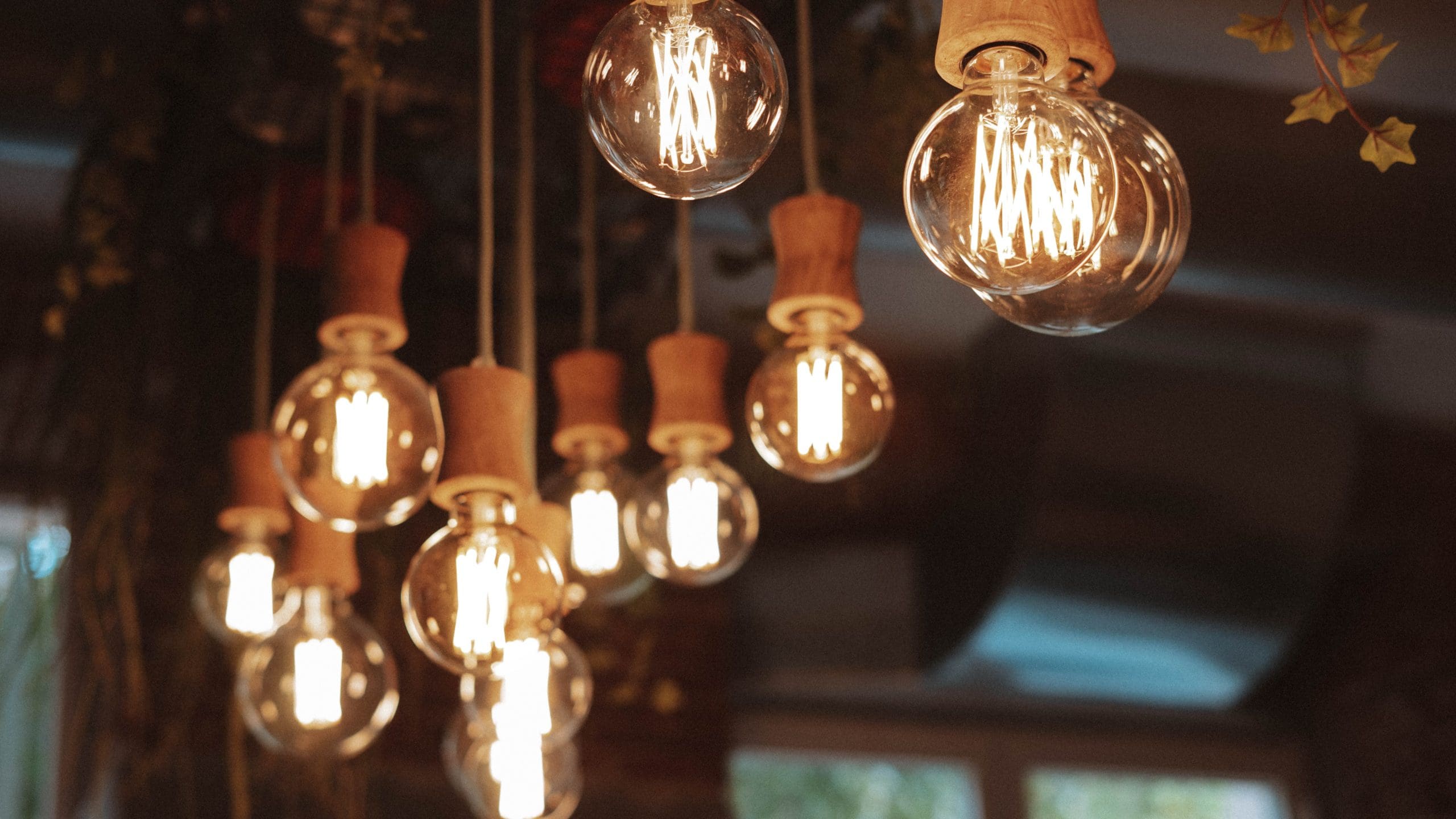
Among the most popular fixtures is the light pendant. Hanging a wall pendant above your kitchen island will make the place look bright and stylish. The right color and the right light fixture will elevate your kitchen decor, so don’t be afraid to experiment with different lighting ideas. Or if you want to add a spooky feel to your kitchen for Halloween, consider switching your normal lighting fixtures with pumpkin lamps.
Photo by Im3rd Media on Unsplash
Final Thoughts
Kitchens are the heart of every home but since we spend a lot of time there, we can get tired of the kitchen’s design and decor. Redecorating your kitchen each season is a good way to keep things fresh and new. If you are planning a massive change in your kitchen, inspire yourself with our ideas and create something unique and captivating.
After you put up with water damage from any flood or storm, you are likely to have forty hours at maximum to prevent any growth of mold.
Photo by Becca Lavin on Unsplash
Mold can be pretty dangerous concerning the health of you and your family. And this is why you need to know about avoiding mold formation after water damage.
It is always better to get help from professionals for mold removal, but sometimes with very little help, you can do it all by yourself. But, the catch is you need to treat mold after damage with effective immediacy. Let us see the ways that you can imply to get rid of mold from your household:
Photo by Olena Shmahalo on Unsplash
Process 1: Extraction of all the moisture soon enough post damage
mold are likely to grow in damp areas. And that is why it is important to get rid of the moisture to prevent the further growth of mold. The more the breeze, the better it is. It would be best if you let the air keep flowing. Either make use of running fans or large open windows. For greater damage control, make use of a dehumidifier to dry up the moisture on a larger scale.
Make sure you don’t forget to check the holding tank. This is because the tank might get filled with water, and there might be a need to empty it. There is a probability that this water in the tank might also contain mold spores. Make sure not to leave the water sitting for too long. And soon enough, when you gain control of the moisture situation, you can start the next step, which is mold cleaning.
Process 2: The significant areas need to be cleaned
After you are done with the extraction of moisture, all you need to do is clean the surface. The floors and the walls should go up first for cleaning. If you have carpet on the floor, pull it up and let it soak under the bright sun. This is because the sun’s rays are effective in killing any occurrence of mold.
Photo by Annie Spratt on Unsplash
It is better to leave the carpet in the sun unless and until you finish cleaning the house’s big surface areas. You can mix a cup filled with chlorine beach along with warm water. For protection, you can put on your gloves and ventilation mask. Now, start wiping the rags and walls and keep them undisturbed for a while to dry up.
Now, with the remaining solution of chlorine beach and warm water, start mopping the floor. When the walls and floors have dried, go easy on them for the next time with liquid disinfectant and warm water. The liquid disinfectant helps kill mold if there are any.
mold take a little time before it becomes visible, so you might need to repeat the process for three days until they disappear again. Then, you have to work on the wooden surface.
Process 3: Clean the wooden pieces of furniture
Wooden surfaces are likely to get affected by mold growth too. So, to keep it healthy, it becomes a necessary task to remove the spores from areas such as bookcases, tables, and desks. You can use a rag to do it or denatured alcohol.
All you need to do is pour a minimal amount of denatured alcohol and rub it along the wooden surface. If you are worried about using denatured alcohol, then we are here to tell you that it is nothing to be concerned about. The use of denatured alcohol will not cause any harm to your household finish. But, for extra safety, check it in an inconspicuous area before you start wiping in your house.
Now, when you have cross-checked the safety of the alcohol, you can use it. Now, allow the alcohol to dry up completely, and spray disinfectant on the surface. When you have cleaned all the surfaces in the same manner, you can now go ahead with the next step and clean the porous surfaces.
Photo by Siarhei Plashchynski on Unsplash
Process 4: Start cleaning the porous surfaces
Mold spores are likely to get collected on porous surfaces, such as fabric or upholstered items. In case of any fabric item, you can wash it to get rid of mold. Take them anywhere with a warm atmosphere. Now, wash them at the hottest temperature possible that will be allowed by the fabric.
Now, turn to the upholstered items. Don’t worry. Take them outside. Remember when you are working with the fabric items, the mold spores will likely go up in the air. So, you must brush them and leave them under the sun to dry up. This will help to kill the mold.
In this process, disinfectants play a huge role. After brushing them off, you need to spray disinfectant and take them inside your house. Now, bring your vacuum. With the help of a vacuum, extract the dead mold spores from the upholstery.
Thus, with this help, you will be able to eliminate the mold that would have been so troublesome. But, in any case, if the mold spores are visible and not gone, you have to repeat the process.
Photo by Josep Martins on Unsplash
Process 5: Make use of paint
When we advise you to use paint, we mean the use of color along with mildewcide in any damp area. This is because mildewcide is an effective paint that helps control mold-filled surfaces.
This paint can be used especially in damp and shady areas such as bathrooms. Many paints already come with mildewcide. So, while you decide to buy, do have a conversation with the seller regarding it.
Conclusion
It is always better to get rid of mold with the help of professionals. And if you have been suffering from this mold situation and are searching for a professional, you might go for Bedrock Restoration. They are not only an authentic company but also one of the best when it comes to mold removal. Go ahead now!