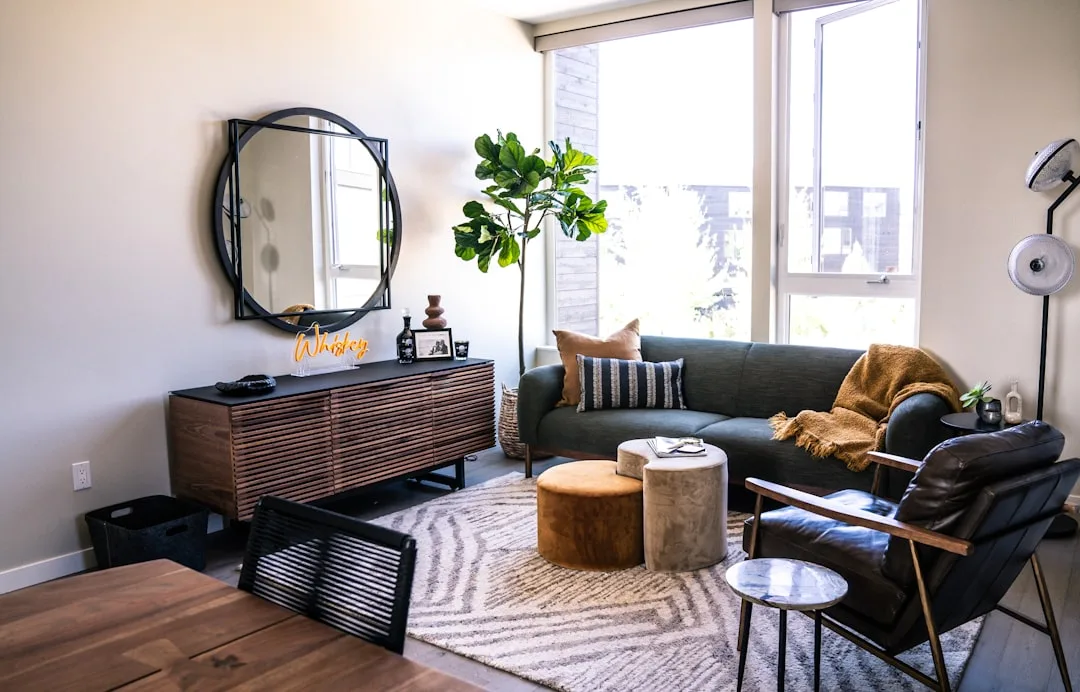
Creating a cozy living room on a budget isn’t about buying more — it’s about understanding why your space feels cold in the first place, and fixing that before you spend a single dollar.
Quick Answer
The average person buys throw pillows before they solve the one problem that’s actually making their living room feel cold — and it has nothing to do with textiles.
The average person buys throw pillows before they solve the one problem that’s actually making their living room feel cold — and it has nothing to do with textiles.
I spent eleven years watching this happen. Clients would call me because their apartment felt sparse and uncomfortable, and when I’d arrive, I’d find beautiful throws draped over sofas pushed against walls, pretty candles on surfaces too far apart to read as a grouping, and rugs so small they might as well have been bath mats. The accessories were fine. The room was broken. And no amount of soft goods was going to fix a space that hadn’t been set up right in the first place.
This is what most budget coziness content gets completely wrong — it jumps to the shopping list before solving the spatial logic. You don’t need more stuff. You need a framework. And most of these moves cost nothing at all.
Why Most Budget Coziness Advice Fails (And What to Do Instead)
In This Article
- Why Most Budget Coziness Advice Fails (And What to Do Instead)
- 1. The 2/3 Rule for Living Rooms: Why Your Furniture Placement Is the Real Problem
- 2. The 3-5-7 Rule in Interior Design: A Free Framework for Styling Every Surface
- 3. Lighting Layers: The Single Fastest Way to Make Any Room Feel Warmer
- 4. The Rug Rule: Why Yours Is Almost Certainly the Wrong Size
- 5. Textile Layering: How to Add Warmth Without Buying New Furniture
- 6. Wall Arrangement and Visual Weight: Why Blank Walls Feel Cold
- 7. Plants, Natural Materials, and the Organic Element That Most Rooms Are Missing
- 8. Color Temperature and the “Warm Neutral” Framework
- 9. The Edit: Why Removing Things Is the Last Step, Not the First
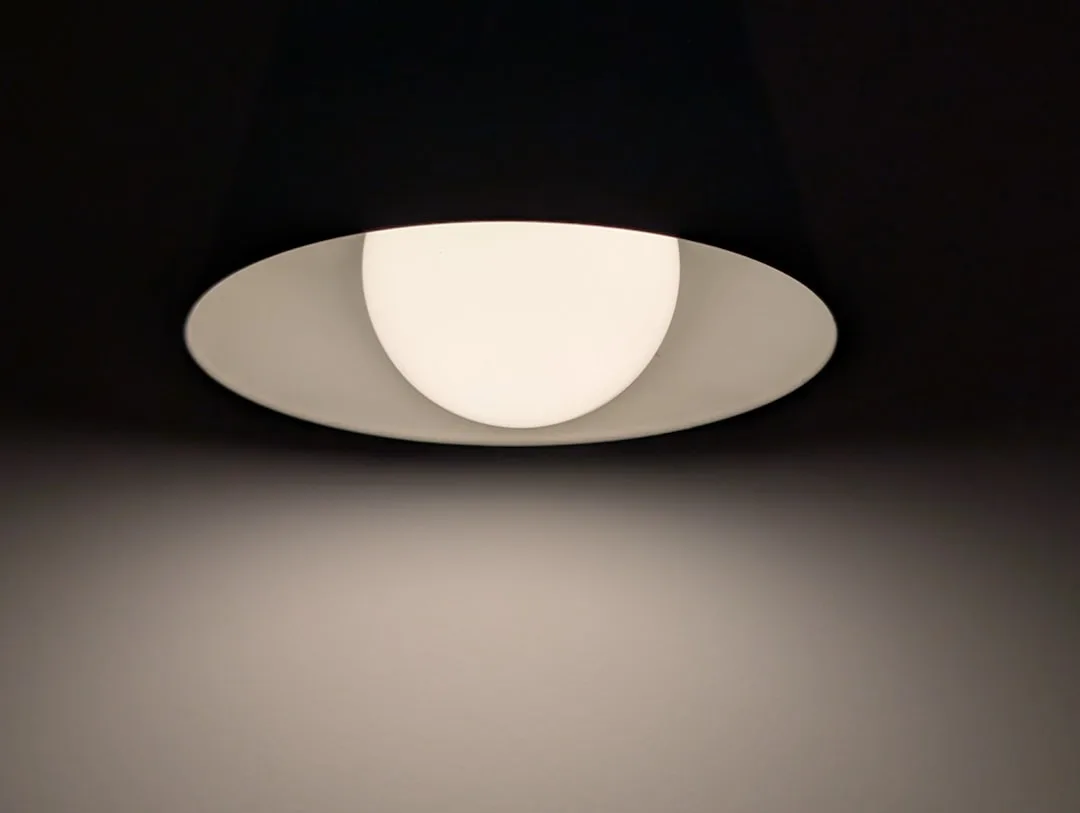
Somewhere around 2016, I realized that roughly eighty percent of the “cozy on a budget” content online was written by people who had never stood inside a real client’s apartment and tried to make it work. The advice was always the same: add throw pillows, drape a blanket over the arm of your couch, get a candle. And it’s not wrong, exactly — it’s just catastrophically incomplete.
Coziness is not an object. It’s a perception. It’s created by contrast, density, and warmth — and it requires spatial logic before any single purchase makes a difference. A $200 throw pillow in a room with furniture scaled wrong and lighting from a single overhead bulb is still going to feel cold. The pillow didn’t fail. The room’s bones failed.
Here’s what the recycled advice misses: spending money before planning layout wastes budget on things that don’t compound. Every dollar you put into an accessory before your furniture placement and lighting are solved is a dollar that does partial work at best. I’ve watched clients spend $600 on an IKEA haul that made their living room marginally warmer — then watched someone else spend $0, just rearrange their furniture, and transform the space in an afternoon.
The spatial arrangement drives emotional response before a single accessory is added. This isn’t theory — the National Association of Realtors has found that 77% of buyers say it is easier to visualize a property as their future home when it is staged. That’s not about throw pillows. That’s about spatial arrangement creating emotional resonance before anything decorative enters the equation.
The approach that actually works treats coziness as layered: fix the bones first (layout, scale, lighting), then add texture and warmth, then fill in accessories. In that order. Not the reverse.
Takeaway: Before you buy anything, spend one hour rearranging what you already own. Most rooms can be dramatically improved without a single purchase.
1. The 2/3 Rule for Living Rooms: Why Your Furniture Placement Is the Real Problem
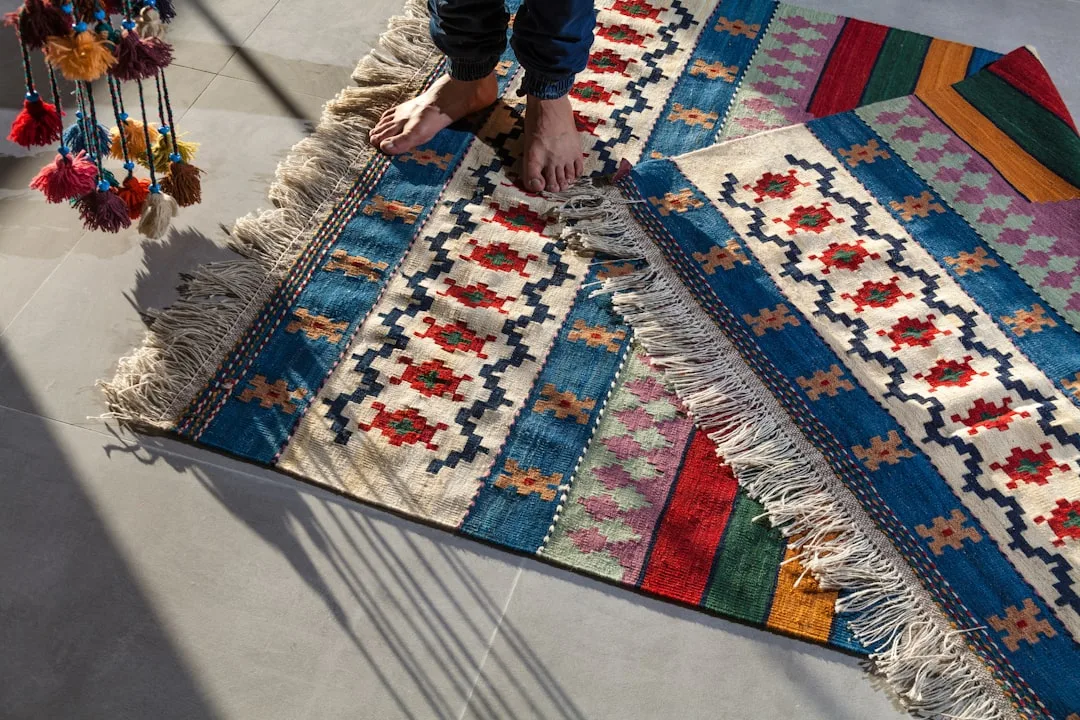
Here is the mistake I made exactly once — and watched clients make dozens of times after: buying a sofa that was technically “the right size” for a room but placing it against a wall, isolated, with nothing anchoring it visually. The room felt like a waiting room. Not because of the sofa. Because of where it was.
The 2/3 rule is this: your sofa should occupy roughly two-thirds of the wall it faces, or two-thirds of the visual width of your seating zone. A sofa that’s too short for the wall behind it leaves dead, awkward space on either side — and that dead space reads as emptiness, not openness. Interior designers consistently identify furniture scale mismatches as the single most common mistake in residential living rooms. A sofa pushed against a wall with nothing anchoring it visually reads as sparse, regardless of how many accessories surround it.
The second half of the rule is floating. Pull your sofa — and all major seating — away from the walls, even two to three inches at minimum, ideally six to twelve inches. This sounds counterintuitive in a small room. It isn’t. Here’s what floating does:
- Creates a defined conversation zone, which signals that the room has purpose
- Makes the back of the sofa visible, which turns it into a room divider rather than wall furniture
- Generates the visual intimacy of enclosure — you’re inside the seating zone, not beside it
- Allows light and air to circulate behind furniture, which reduces the flat, institutional feeling of wall-hugging layouts
- Gives you space to add a console table behind the sofa — one of the highest-impact, lowest-cost moves in a living room
Undersized furniture shoved against walls makes a space feel institutional, not spacious. The spaciousness that feels comfortable comes from a properly scaled seating arrangement with breathing room between it and the walls — not from furniture hugging every edge of a room.
In small rooms, the 2/3 rule still applies — you just apply it to the seating zone rather than the room’s full width. A loveseat flanked by two side chairs creates a zone that follows the proportion even in a 10×12 space.
How to apply this today — no purchases required:
- Measure your sofa’s length and the wall it currently faces
- Calculate what 67% of that wall width equals
- If your sofa falls short by more than 20%, pull it forward and add a side chair or accent chair to fill the visual width
- Pull the entire arrangement at least three inches off the wall — six is better
- Place your coffee table so it sits 14 to 18 inches from the sofa’s front edge — close enough to reach from seated, far enough to walk through
Takeaway: Measure your sofa and the wall it’s on. If your sofa is less than 60% of that wall’s width, you need either a larger sofa or additional seating to anchor the zone — and either way, pull it at least three inches off the wall today.
2. The 3-5-7 Rule in Interior Design: A Free Framework for Styling Every Surface
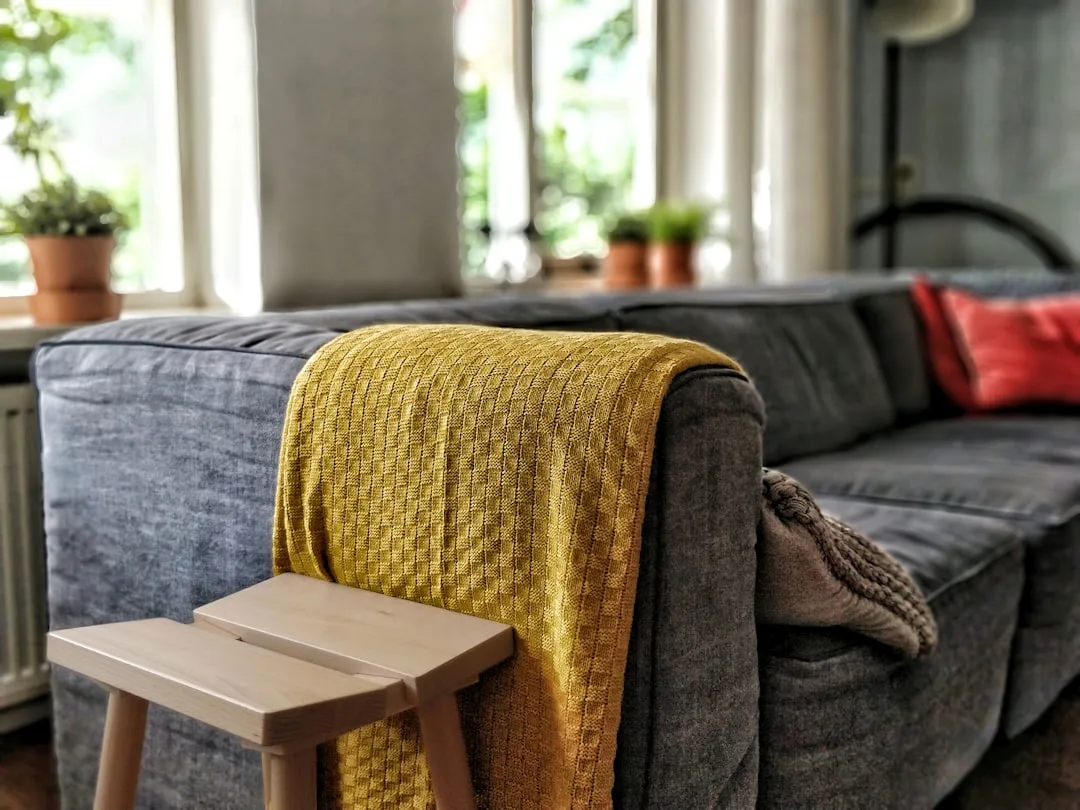
Nobody told me about this until my third year working with a senior designer in Wicker Park, and once I understood it, I couldn’t unsee the mess it was correcting everywhere I looked. The 3-5-7 rule is simple: group decor objects in odd numbers, varying height, texture, and mass within each grouping. Three items on a coffee table. Five across a bookshelf vignette. Seven along a mantel.
The psychology behind this is real. The odd-number principle is rooted in Gestalt psychology — the brain finds symmetrical even groupings predictable and stops registering them quickly, while odd groupings hold visual attention longer, making a space feel more curated and actively lived-in. Two identical candles flanking a vase reads as formal and finished, not cozy. Three objects of different heights with different materials reads as gathered, personal, warm.
Here’s how to apply it without buying anything:
- Walk around your apartment and collect every object you own that currently lives in a drawer, on a windowsill, or in a box
- Sort them roughly by height: tall, medium, low
- Sort them by texture: rough/matte, smooth/reflective, organic/natural
- Build groupings of three on your coffee table: one tall, one medium, one low — each from a different texture category
- Apply the same logic to bookshelves (five items, two books laid flat for height variation) and your mantel or console (seven objects, anchored by one large item)
- Leave deliberate negative space between groupings — the gap between vignettes is as important as the vignettes themselves
The most common failure I see with surface styling is two-item symmetry: one candle on each side, one vase on each end. It looks considered but feels sterile. Break up every even pairing you currently have and rebuild in odd numbers. The room will immediately read warmer without a single new purchase.
The three variables that make a grouping work:
- Height variation — your tallest piece should be roughly twice the height of your shortest piece within the grouping
- Texture contrast — mix at least two different surface qualities: something matte next to something reflective, something rough next to something smooth
- Mass balance — one visually heavy anchor piece (a large vase, a stack of books, a wooden bowl) grounds the grouping so the lighter pieces don’t float
Takeaway: Pick one surface in your living room today — the coffee table is easiest — clear it completely, then rebuild with exactly three objects following the height-texture-mass framework above. That single exercise will train your eye for every other surface in the space.
3. Lighting Layers: The Single Fastest Way to Make Any Room Feel Warmer
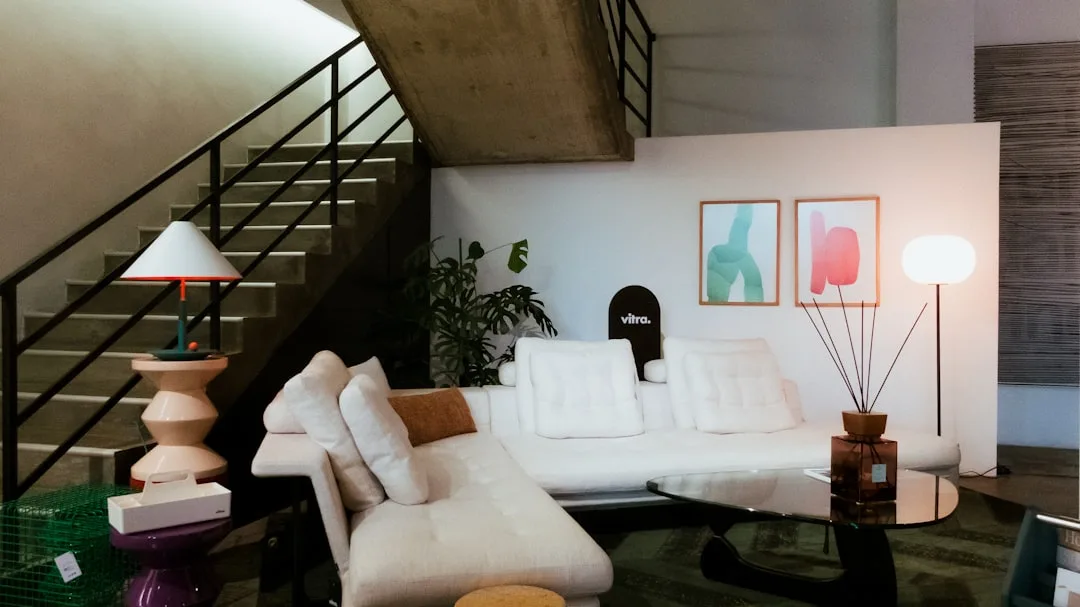
If there is one move on this list that produces the most dramatic result for the least money, it’s this: turn off your overhead light and never turn it on again.
This sounds extreme. It isn’t. Overhead lighting — especially the flush-mount ceiling fixtures that come standard in most apartments — casts light downward and outward from a single source, creating hard shadows, flattening surfaces, and washing out the color warmth of everything in the room. It is the single largest contributor to that “cold apartment” feeling, and it costs nothing to solve.
The three-layer lighting framework for a cozy living room on a budget:
- Ambient layer — warm-toned floor lamps (2700K–3000K bulbs only) positioned in the corners of the room, not the center. Corner placement bounces light off two walls simultaneously, warming the entire room instead of spotlighting a single zone. Two floor lamps cost less than $60 total at most discount retailers, and the difference they make is not subtle.
- Task layer — a table lamp on a side table or console that creates a pool of focused light at seated eye level. This is the layer that makes a room feel inhabited and specific, like someone actually lives there. Height matters: the bottom of a lamp shade should sit roughly at seated eye level, around 38 to 42 inches from the floor.
- Accent layer — candles, string lights, or small battery-operated puck lights tucked behind furniture or plants. This layer adds depth by creating light sources the eye can’t fully locate, which generates the perception of richness and warmth. String lights run $8 to $15 and last for years.
The bulb temperature is non-negotiable. Anything above 3000K reads as cool and clinical. Pull out every bulb in your living room right now and check the Kelvin rating on the base. Replace anything above 3000K with a 2700K equivalent — it’s typically under $4 per bulb and it will change the entire emotional register of the room.
What this costs:
- Replacing existing bulbs with 2700K versions: $8–$16 total
- One floor lamp from a discount retailer: $25–$40
- String lights for accent depth: $8–$15
- Total potential investment: under $70 for a complete lighting transformation
4. The Rug Rule: Why Yours Is Almost Certainly the Wrong Size
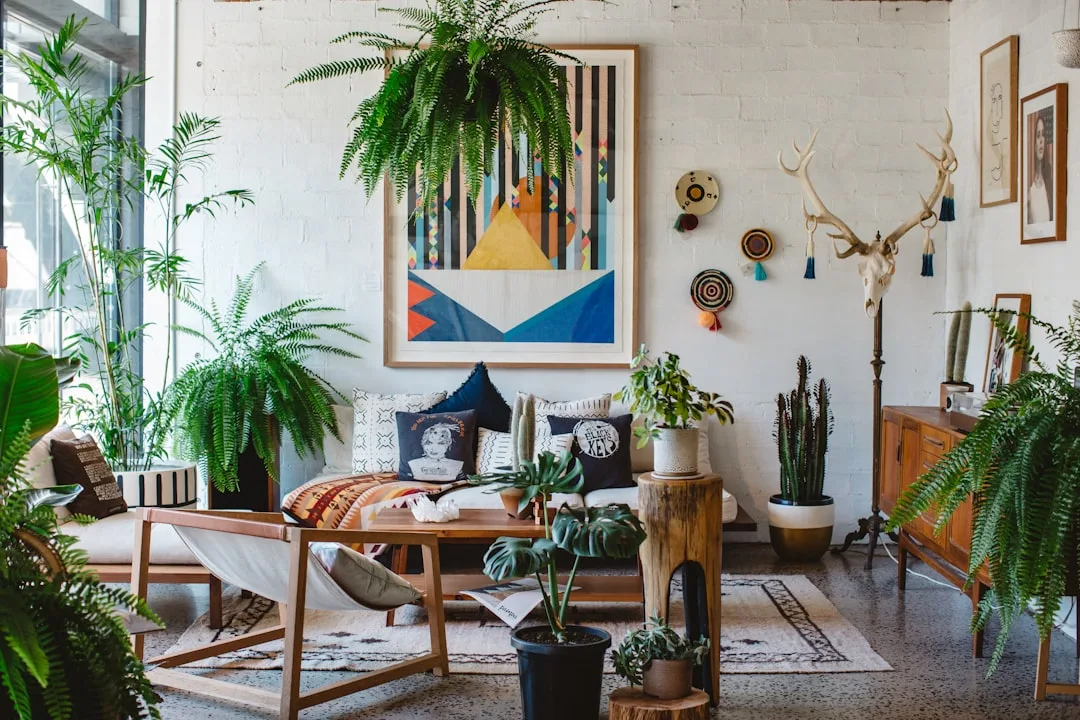
I have walked into hundreds of living rooms. In my honest estimate, roughly two-thirds of them had a rug that was too small. Not slightly too small — dramatically too small. A 5×7 rug in a living room with a full sofa and two chairs isn’t a rug. It’s a place mat.
The rug rule is this: in a living room, all front legs of all seating pieces must sit on the rug. Not the full sofa, just the front legs. A rug that achieves this in a standard living room is typically an 8×10 at minimum — and in rooms with larger furniture arrangements, a 9×12 is more appropriate.
Here’s why rug size matters so much for a cozy living room on a budget: the rug is the visual floor of your seating zone. When it’s too small, the furniture floats above it, disconnected. The zone has no container, no boundary — and without a boundary, the seating arrangement reads as furniture that happens to be nearby rather than a deliberate, intimate space.
How to find the right rug size without buying one first:
- Use painter’s tape to mark a rectangle on your floor at the dimensions you’re considering
- Place your furniture in its final arrangement
- Check: do all front legs land on the tape boundary?
- If not, expand the tape until they do — that’s the minimum size you need
Where to find large rugs at low cost:
- Facebook Marketplace and Craigslist — 9×12 rugs sell regularly for $40–$80 from people who are moving
- IKEA’s flatwoven rugs in 8×10 and 9×12 sizes run $79–$149 and hold up surprisingly well under heavy traffic
- Wayfair’s Safavieh line regularly discounts 8×10 rugs to under $100 during sale events
- Overstock.com’s clearance section consistently carries large rugs at 40–60% below retail
A too-small rug that you already own can be layered over a large, inexpensive flatwoven base rug to effectively extend its visual footprint — this is a legitimate designer trick, not a workaround.
5. Textile Layering: How to Add Warmth Without Buying New Furniture
This is the step most budget decorating content starts with. It belongs here — fifth, after the bones are set — because textiles on top of a spatially broken room accomplish nothing. Textiles on top of a room with correct layout, lighting, and rug scale? They compound everything.
The framework for textile layering in a cozy living room on a budget is simple: you need a minimum of three textile types, three texture qualities, and two weight classes.
The three textile types:
- Throws — draped, not folded neatly. A throw folded in thirds and placed on a sofa arm reads as unused. A throw loosely gathered at one end of the sofa reads as lived-in and warm. The difference costs nothing.
- Cushions — minimum three, ideally five. Different sizes, different textures. A velvet cushion next to a woven one next to a linen one creates tactile variety that reads as richness. Match colors loosely — same family, different tones — rather than buying a coordinated set.
- Curtains — floor-length, hung as close to the ceiling as possible, extending six to twelve inches beyond the window frame on each side. This is the single most space-transforming textile decision you can make. Curtains hung at the window frame make ceilings feel low. Curtains hung near the ceiling make walls feel tall and rooms feel larger, warmer, and more deliberate.
The two weight classes:
- Heavy textiles (wool throws, velvet cushions, thick curtain panels) anchor the room and signal warmth
- Light textiles (linen cushions, cotton throws, sheer curtain layers) add contrast and prevent the heavy pieces from reading as oppressive
You do not need to buy all of this at once. Start with what you have, layer one piece at a time, and evaluate after each addition. A $12 throw from a discount home store, draped correctly over a sofa that’s properly placed with a rug that actually fits the room, does more work than a $90 throw in a spatially broken space.
6. Wall Arrangement and Visual Weight: Why Blank Walls Feel Cold
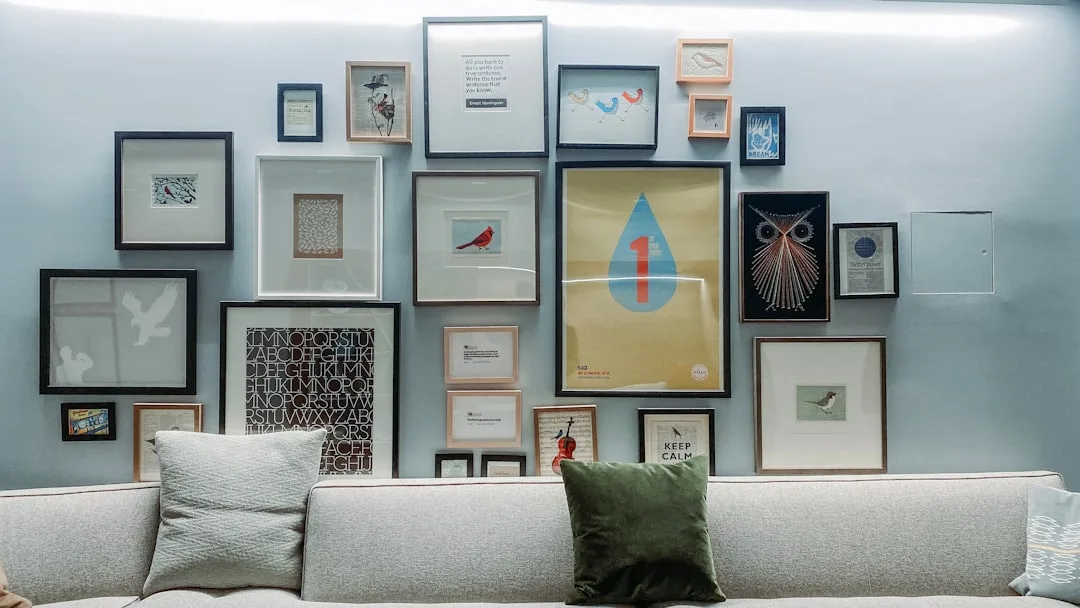
A living room with bare walls above eye level reads as unfinished, regardless of how well the floor-level furniture is arranged. The eye naturally scans upward, and when it finds nothing — flat paint, empty space — the brain registers absence. That absence contributes directly to the sparse, cold feeling that budget decorating is trying to solve.
The fix doesn’t require new art. It requires understanding visual weight distribution.
The gallery wall approach for zero or low budget:
- Collect every piece of art, framed photo, mirror, or printable you own
- Lay everything on the floor in front of the wall you’re working with
- Arrange on the floor first, finding a composition that has a clear visual center and extends at least 24 inches in each direction from that center
- The center of the entire arrangement should sit at 57 inches from the floor — gallery standard, the average human eye level
- Mix frame sizes and orientations (portrait and landscape together) for a collected, warm look rather than a matched-set look
Free wall art options that look intentional:
- Printed pages from public domain art sites (The Metropolitan Museum’s open-access collection, Rawpixel’s public domain library) printed at home or at a copy shop for under $2 per print
- Framed fabric swatches or wallpaper samples
- Mirrors sourced from thrift stores — a large mirror reflects light and creates depth simultaneously
- Botanical prints from old calendars, cut and matted in frames you already own
The rule for wall coverage in a living room: the art or arrangement above your sofa should be approximately two-thirds the width of the sofa — the same 2/3 principle that governs furniture scale applies vertically too.
7. Plants, Natural Materials, and the Organic Element That Most Rooms Are Missing
There is a quality that professionally designed rooms have and amateur rooms often lack that’s difficult to name until you understand what’s creating it. Interior designers call it the “organic anchor” — at least one element in a room that references the natural world: texture, irregularity, growth, imperfection.
Without it, a room can be technically correct — right furniture scale, right rug, right lighting — and still feel slightly off. Too clean. Too controlled. Not quite inhabited.
The lowest-cost organic elements:
- A single large plant — a pothos, snake plant, or fiddle-leaf fig — in a corner adds height, softness, and movement that no manufactured object replicates. A pothos costs $6 at most hardware stores and is nearly impossible to kill.
- A wooden bowl or tray on the coffee table adds grain, warmth, and natural irregularity to a hard surface
- A jute or seagrass basket used as a throw storage vessel, plant pot cover, or magazine holder
- Dried botanicals — pampas grass, dried eucalyptus, branches — in a tall vase add height and organic texture for under $15
- A linen or cotton table runner on a console adds softness and natural fiber texture without requiring a full textile overhaul
Why this matters for a cozy living room on a budget: organic materials are almost always less expensive than their manufactured equivalents and they do more emotional work. A $6 pothos does more for room warmth than a $30 plastic plant. A $12 wooden bowl does more for surface richness than a $45 decorative sphere from a home goods store.
The placement rule for plants: tall plants (snake plants, fiddle-leaf figs, floor-level monstera) go in corners to fill dead vertical space. Medium plants (pothos, philodendrons) go on shelves or side tables to add organic texture at mid-height. Small plants (succulents, air plants) go in groupings of three on coffee tables or windowsills as part of a 3-5-7 surface vignette.
8. Color Temperature and the “Warm Neutral” Framework
Most living rooms that feel cold are cold because of their color choices — specifically because they default to cool whites, gray-leaning neutrals, and stark contrast without any warm undertone to anchor the palette.
This doesn’t require repainting (though a gallon of paint is one of the highest-ROI investments in a cozy living room on a budget — roughly $35 for a transformation that affects every square foot of vertical surface). It requires understanding warm versus cool undertones in the objects you already own and making deliberate choices about what to edit out.
The warm neutral framework:
- Warm whites have yellow, cream, or pink undertones (Benjamin Moore White Dove, Sherwin-Williams Alabaster)
- Cool whites have blue or gray undertones (most builder-grade whites, bright whites)
- Warm grays pull toward taupe or greige (Benjamin Moore Revere Pewter, Sherwin-Williams Agreeable Gray)
- Cool grays pull toward blue or purple (many “greige” paints that read more blue in natural light)
The practical application: walk through your living room and identify every cool-toned object — the blue-white throw, the gray-cool picture frame, the bright white lampshade. These are your first candidates for replacement or removal. Swapping a cool-white lampshade for a linen or cream equivalent costs $8 to $15 and shifts the entire room’s color temperature toward warmth.
Objects that add warm undertone at low cost:
- Amber glass vases or candle holders (thrift stores consistently stock these for $1–$3)
- Beeswax or warm-toned candles instead of stark white
- Warm wood tones in frames, trays, or furniture legs
- Textiles in terracotta, rust, mustard, or camel tones — all dramatically warmer than the gray-blue palette that dominated the last decade
9. The Edit: Why Removing Things Is the Last Step, Not the First
Everything above is about addition and arrangement. This step is about subtraction — and it’s where most rooms finally lock in.
A cozy living room on a budget is not a full room. It’s a room with exactly enough. The difference between a room that feels curated and warm and one that feels cluttered and anxious is almost always density control — too many things fighting for attention, too many competing textures, too many different wood tones, too many accent colors.
The edit process:
- Once you’ve implemented the layout, lighting, rug, textile, wall, plant, and color changes above, stand in the doorway of your room and look at it for 60 seconds without touching anything
- Identify the three things your eye keeps returning to that feel wrong — not necessarily ugly, just loud or off
- Remove those three things to a box and live without them for one week
- After a week, if you don’t miss them, they don’t belong in the room
- Repeat with the next three things that bother you
Common culprits that should almost always be edited out:
- Small accent rugs layered on top of the main rug when they’re not large enough to be intentional
- More than two throw blankets visible at once — one draped, one folded in a basket maximum
- Mismatched wood tones that span more than two to three distinct finishes
- Art hung too high (above 60 inches to center) that disconnects from the furniture below
- Objects on surfaces that have no relationship to any other object in the grouping — the lone souvenir, the random trophy, the single coaster without a home
The goal is a room where everything visible is pulling in the same emotional direction. That coherence is what people mean when they call a room “pulled together” — and it costs nothing to achieve.
Frequently Asked Questions
Q: What’s the single most impactful change I can make to create a cozy living room on a budget if I only do one thing?
Replace your overhead lighting with two floor lamps using 2700K bulbs and place them in the corners of the room. Nothing else on this list produces as immediate or dramatic a result for as little money. The entire emotional register of a room changes when the light source shifts from a single overhead fixture to warm, low, corner-placed ambient lighting. Total cost: $50–$80 for two floor lamps and new bulbs.
Q: My living room is very small. Do these rules still apply?
Yes — with one modification. In rooms under 120 square feet, scale everything down proportionally but don’t eliminate any of the layers. The 2/3 rule still applies to your seating zone, not the full room width. An 6×9 rug may be appropriate instead of an 8×10. Two small floor lamps instead of large ones. The principles don’t change; only the measurements scale down. Small rooms are frequently cold-feeling precisely because people remove layers in an attempt to create visual openness — which has the opposite effect.
Q: How do I make a cozy living room on a budget when I’m renting and can’t paint or hang things?
More is achievable than most renters assume. Command strips rated for 5+ pounds hold most lightweight gallery wall arrangements without damaging walls. Removable wallpaper (sold in peel-and-stick format) can warm a single accent wall for $30–$60. Floor-to-ceiling curtains on tension rods that don’t require drilling can transform the height perception of a room. Lighting, textiles, rugs, plants, and surface styling require zero wall alterations and collectively account for the majority of the warmth transformation described above.
Q: I’ve added throw pillows and blankets but my room still feels cold. What am I missing?
Almost certainly the bones: furniture placement, rug size, and lighting. This is the exact situation described at the opening — textiles on top of a spatially broken room. Check these in order: (1) Is your sofa floating at least three inches off the wall? (2) Does your rug have all front furniture legs sitting on it? (3) Is your only light source an overhead fixture? Solve all three before adding a single additional textile. The throws will do dramatically more work once the spatial logic is correct.
Q: What’s the most common mistake people make when trying to decorate a cozy living room on a budget?
Buying things before solving spatial problems. The sequence matters enormously: layout and scale first, lighting second, rug third, textiles fourth, accessories fifth, art sixth, edit seventh. Most people invert this entirely — they buy accessories and art before touching their furniture arrangement or lighting — and then wonder why the room still feels cold despite the investment. The framework in this article is specifically sequenced to prevent that waste. Fix the bones for free, then spend money only on the layers that will compound on top of a spatially functional room.
Q: What’s the single most impactful change I can make to create a cozy living room on a budget if I only do one thing?
Replace your overhead lighting with two floor lamps using 2700K bulbs and place them in the corners of the room. Nothing else on this list produces as immediate or dramatic a result for as little money. The entire emotional register of a room changes when the light source shifts from a single overhead fixture to warm, low, corner-placed ambient lighting. Total cost: $50–$80 for two floor lamps and new bulbs.
Q: My living room is very small. Do these rules still apply?
Yes — with one modification. In rooms under 120 square feet, scale everything down proportionally but don’t eliminate any of the layers. The 2/3 rule still applies to your seating zone, not the full room width. An 6×9 rug may be appropriate instead of an 8×10. Two small floor lamps instead of large ones. The principles don’t change; only the measurements scale down. Small rooms are frequently cold-feeling precisely because people remove layers in an attempt to create visual openness — which has the opposite effect.
Q: How do I make a cozy living room on a budget when I’m renting and can’t paint or hang things?
More is achievable than most renters assume. Command strips rated for 5+ pounds hold most lightweight gallery wall arrangements without damaging walls. Removable wallpaper (sold in peel-and-stick format) can warm a single accent wall for $30–$60. Floor-to-ceiling curtains on tension rods that don’t require drilling can transform the height perception of a room. Lighting, textiles, rugs, plants, and surface styling require zero wall alterations and collectively account for the majority of the warmth transformation described above.
Q: I’ve added throw pillows and blankets but my room still feels cold. What am I missing?
Almost certainly the bones: furniture placement, rug size, and lighting. This is the exact situation described at the opening — textiles on top of a spatially broken room. Check these in order: (1) Is your sofa floating at least three inches off the wall? (2) Does your rug have all front furniture legs sitting on it? (3) Is your only light source an overhead fixture? Solve all three before adding a single additional textile. The throws will do dramatically more work once the spatial logic is correct.
Q: What’s the most common mistake people make when trying to decorate a cozy living room on a budget?
Buying things before solving spatial problems. The sequence matters enormously: layout and scale first, lighting second, rug third, textiles fourth, accessories fifth, art sixth, edit seventh. Most people invert this entirely — they buy accessories and art before touching their furniture arrangement or lighting — and then wonder why the room still feels cold despite the investment. The framework in this article is specifically sequenced to prevent that waste. Fix the bones for free, then spend money only on the layers that will compound on top of a spatially functional room.