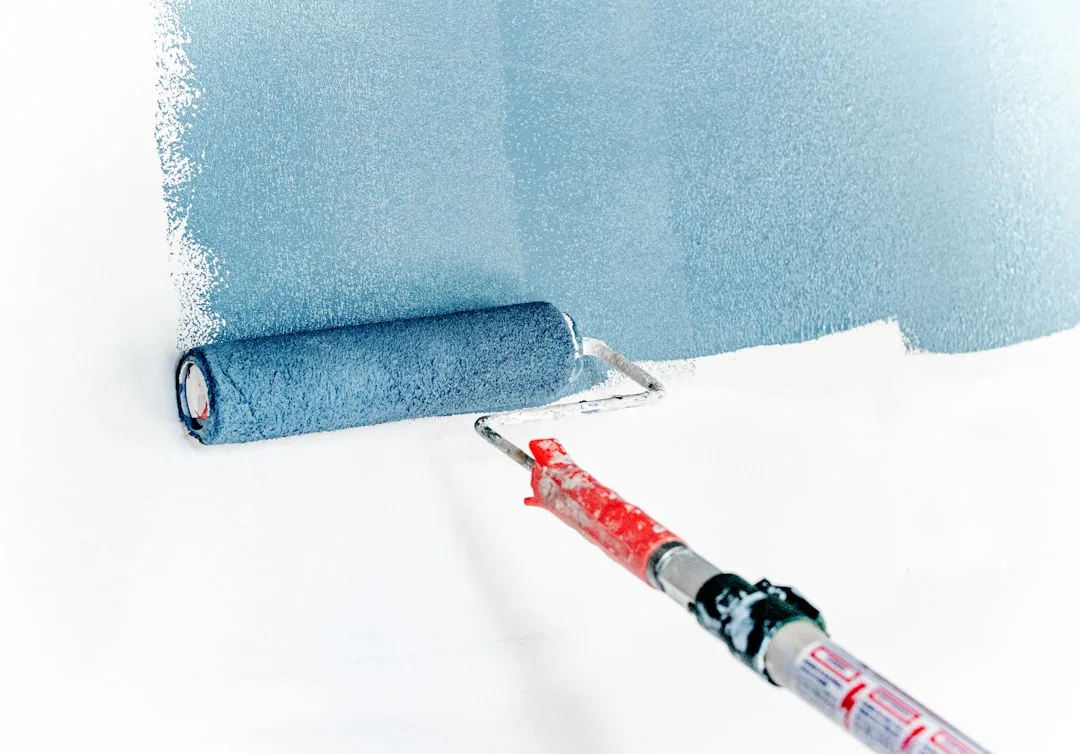
The walls in your home aren’t nearly as damaged as the wrong paint color makes them look — and most people repaint using the exact shades most likely to highlight every flaw they were trying to hide. If you’ve been searching for paint colors that hide imperfections on walls, the answer isn’t what most guides suggest, and I watched the wrong approach play out repeatedly during eleven years of client work: someone would call me in frustration because their freshly painted living room looked worse than before, and nine times out of ten the problem wasn’t the wall. It was a bright white in flat finish on south-facing drywall, or a steel-blue gray in eggshell that turned every nail pop into a small drama. The wall itself was fine. The color made it confessional.
Quick Answer
The walls in your home aren’t nearly as damaged as the wrong paint color makes them look — and most people repaint using the exact shades most likely to highlight every flaw they were trying to hide.
This isn’t about finding the single “best” shade and repainting everything. It’s about understanding the actual mechanics of why certain colors conceal and others reveal — so you can make one smart decision instead of two expensive ones.
What Color Paint Hides Wall Imperfections the Best?
In This Article
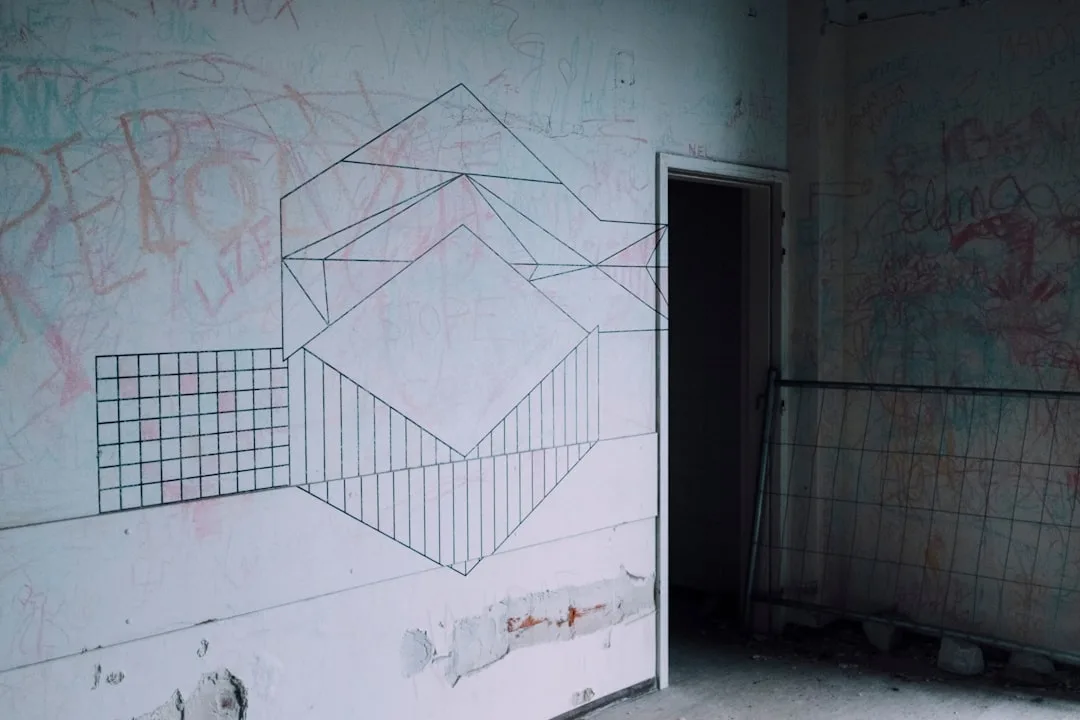
Most people hear “hide imperfections” and immediately think: go dark. Absorb the light, absorb the flaws. It sounds logical, and it’s almost completely wrong.
The real mechanism is light diffusion, not light absorption — and the colors that diffuse light most effectively aren’t dark ones. They’re mid-tone, multi-undertone neutrals sitting roughly in the warm greige, soft clay, and muted terracotta range. These colors work because they don’t create high-contrast shadow lines around surface irregularities. A dent or crack becomes visible when the shadow it casts is dramatically darker than the surrounding surface. Cool, single-pigment colors — including most pure whites and pure blacks — reflect or absorb light so uniformly that any interruption in the surface reads as a sharp-edged flaw. Mid-tone complex colors scatter light unpredictably. The shadow from a small ding blends into the wall’s general visual texture rather than announcing itself.
Paint manufacturers formulate mid-tone neutrals with up to 5–7 pigment layers, which is precisely why they scatter light rather than bouncing it cleanly back at you. Single-pigment whites and blacks have no such complexity — the reflection is clean and ruthless, and every imperfection gets the same forensic treatment.
Three specific paint colors that hide imperfections on walls worth knowing:
- Benjamin Moore Pale Oak (OC-20): A warm beige with pink and yellow undertones that shift in different lights — this color’s visual complexity is what makes it forgiving. It never reads as a flat surface, so neither do your walls.
- Sherwin-Williams Accessible Beige (SW 7036): One of the most consistently recommended colors by professional painters for older homes, and not because it’s trendy. Its warm gray-brown mix sits at an LRV of about 58 — high enough to keep a room bright, low enough to avoid the merciless reflectivity of a true white.
- Farrow & Ball Elephant’s Breath: Don’t let the name or the price point distract you. This warm gray with a distinctly pink-brown base undertone lands in a light range that reads differently in morning versus afternoon light — that constant visual shift is what prevents your eye from ever settling on the wall long enough to catalog its flaws.
Pure white is the worst possible choice for imperfect walls, despite being the most common recommendation for “brightening a space.” I’ve seen this mistake made by clients who spent significant money preparing walls, only to watch the white paint work like a spotlight on every seam and settlement crack. Pure black is equally problematic from the opposite direction — shadow lines around surface irregularities become so pronounced they look structural.
Additional Colors Worth Testing
Beyond those three, several other paint colors that hide imperfections on walls have earned consistent results in professional applications:
- Benjamin Moore Muslin (OC-12): Slightly warmer and more yellow-forward than Pale Oak, Muslin performs exceptionally well in rooms with north-facing light where cooler neutrals tend to go flat and uninteresting. Its warm base keeps the room readable while the LRV of around 69 stays just below the threshold where reflectivity becomes a problem. On walls with minor skim-coat repairs or texture variation, Muslin reads as intentionally warm rather than accidentally patchy.
- Sherwin-Williams Antique White (SW 6119): Despite “white” in the name, this color reads as a deep cream with yellow-amber undertones that push it well into mid-tone territory in most light conditions. It’s particularly effective in older homes with plaster walls where the surface irregularity is both more pronounced and harder to remediate without complete replastering.
- Benjamin Moore Revere Pewter (HC-172): Controversial among decorators because it became overused during the mid-2010s, but the performance reason it became popular hasn’t changed. The warm gray-green base at an LRV of roughly 55 puts it squarely in the concealment sweet spot, and the slight green undertone means it reads differently against warm versus cool trim — keeping the eye moving rather than settling on wall texture.
- Sherwin-Williams Worldly Gray (SW 7043): For rooms where a greige reads too beige or too brown depending on the time of day, Worldly Gray provides a more reliably neutral base while retaining the multi-pigment complexity that makes mid-tones forgiving. It performs particularly well in open-plan spaces where the same wall color needs to work under multiple light sources simultaneously.
The pattern across all of these: none of them are statement colors in the traditional sense, and none of them have a single, clean undertone. Their effectiveness at concealing wall flaws is directly connected to their visual complexity. When light hits them at different angles, the color itself changes character. That perceptual movement is what prevents your eye from mapping every dimple and crack.
Takeaway: Choose a warm, mid-tone neutral with multiple undertones — not because it’s safe, but because its pigment complexity does active work to scatter light away from your problem areas.
What Is the Best Paint to Hide Uneven Walls? (Finish Matters More Than You Think)
Here is what nobody tells you clearly: you can choose the perfect color and completely destroy it with the wrong finish. I learned this on a job in Chicago’s Lincoln Square neighborhood — a beautiful clay-toned color, walls that weren’t in terrible shape, and the client had requested eggshell because she’d heard it was easier to clean. The result looked like the walls had been applied with a spatula. The slight sheen caught every rake of afternoon light through the west-facing window and amplified the texture variation into something that looked almost sculptural. Not in a good way.
Flat and matte finishes micro-scatter light at the surface level — not because they’re dull, but because their micro-texture prevents light from bouncing uniformly. What this means practically is that any variation in the wall surface reads as intentional depth rather than damage. The eye interprets it as texture, not error.
The underrated choice among professional decorators for walls with significant texture variation is the velvet or dead-flat finish — a category sitting below standard matte on the sheen spectrum. These finishes are not the same as standard flat paint sold at hardware stores. They sit at near-zero sheen and are specifically formulated for interior walls where light behavior is the primary concern.
Why eggshell specifically causes problems on poorly prepped walls:
- Eggshell’s slight sheen creates a semi-reflective surface that responds dramatically to raking light
- Any variation in skim-coat depth, any seam, any previous repair shows as a tonal shift
- The cleaner and brighter your room’s light source, the more pronounced this effect becomes
- Eggshell on an unprepped wall is categorically worse than flat on an unprepped wall — the finish upgrade works against you
The LRV-finish interaction is worth understanding before you purchase. A color with an LRV between 40 and 60 combined with a flat or dead-flat finish produces the most forgiving result on textured or damaged drywall, according to professional painting contractor guidance. Colors above LRV 65 in any finish start behaving like whites — too much light reflected, too much contrast around problem areas.
If you’re worried about durability — and on rental properties or high-traffic hallways, you should be — the solution is not to upgrade from flat to satin. A flat-finish paint with a separate matte topcoat sealant gives you the surface protection without surrendering the light-scattering properties that are doing the actual concealment work.
The Room Orientation Factor
One dimension that rarely gets discussed alongside finish selection: the direction your room faces changes how aggressively a given finish exposes wall flaws. This is especially relevant when choosing paint colors that hide imperfections on walls in older homes where room orientation varies significantly.
South-facing rooms receive long, raking afternoon light at a low angle, particularly in winter months. That angled light is the most unforgiving possible condition for any finish above flat — it travels parallel to the wall surface rather than hitting it head-on, which maximizes shadow depth around any surface irregularity. In south-facing rooms, flat or dead-flat is non-negotiable if your walls have any meaningful texture variation.
North-facing rooms receive diffused, indirect light throughout the day, which is actually the most forgiving condition. In a north-facing room with relatively intact walls, you can occasionally get away with a low-sheen matte or even a very low-sheen eggshell without the finish becoming a liability. This doesn’t mean eggshell is a good choice — it means the margin for error is slightly wider.
East and west-facing rooms are the most complicated. They receive direct raking light during either the morning or evening hours and diffuse or no direct light at other times. The wall that looks fine at noon in a west-facing room can look genuinely bad at 6pm when low sun hits it at a 20-degree angle. For these rooms, treat them as if they’re south-facing when it comes to finish selection — err toward flat.
Takeaway: Before you even look at color chips, decide on a flat or dead-flat finish. Every other decision works better with that already resolved.
The Hidden Variable Nobody Talks About: Undertones and Wall Flaws
Nobody in this space talks about undertones in relation to imperfection hiding — and it’s a significant omission, because undertone behavior is where a lot of otherwise sound color choices fail in practice.
The core issue is undertone contrast. When a wall color has a single, clean undertone — a pure cool gray, a straightforward blue, a clean sage green — that undertone reads consistently across the entire surface of the wall. Which sounds fine until you consider what happens at a skim-coat repair, a seam, or a surface with slight porosity variation. Those areas absorb paint slightly differently than the surrounding wall, which means the undertone reads slightly differently at those spots. On a clean, single-undertone color, that slight variation is immediately readable as a flaw. On a complex, multi-undertone color, the same variation reads as the color’s natural behavior. Your eye has already been trained to accept that this color shifts — so the shift at the repair site doesn’t register as damage.
This is why warm greiges specifically outperform both warm beiges and cool grays for concealing wall flaws, even though all three color families occupy similar LRV ranges. A warm greige sits at the intersection of two undertone families simultaneously. Light hits a repair site and reads slightly more gray than the surrounding wall? That reads as the gray component of the greige becoming more dominant in that spot, which is consistent with how multi-undertone colors behave. It doesn’t flag as an anomaly.
How to Evaluate Undertones Before You Commit
Testing a paint color properly for undertone behavior takes longer than most people budget for, but the process is simple. Paint a 12×12 inch sample on the actual wall — not a swatch board you move around the room. Leave it on the wall for a minimum of four days and observe it at three specific times: early morning when the light is coming in at a low angle, midday when the room is at peak brightness, and late afternoon when direct light is either raking across the wall or absent entirely.
What you’re watching for isn’t whether you like the color at different times of day — that’s relevant but secondary. You’re watching for whether any existing repairs, seams, or texture variations become more or less visible depending on the light condition. If they become dramatically more visible in raking afternoon light, the undertone is too clean and single-directional for your wall’s condition. If they’re essentially invisible across all three observation windows, the undertone complexity is working in your favor.
One specific undertone trap: colors with a strong purple or violet base undertone — certain blue-grays, some muted lavenders, even a few of the more complex greens — tend to be the most unforgiving on imperfect walls regardless of their LRV. Purple undertones reflect light in a way that creates very high local contrast at surface irregularities. If you’re drawn to colors in this family, test them particularly rigorously before committing.
Putting It Together: A Room-by-Room Decision Framework
Choosing paint colors that hide imperfections on walls isn’t a one-decision process — it’s three decisions made in a specific order, and reversing that order is where most people go wrong.
Decision one: Assess your light. Before considering a single color, determine which direction each room faces and identify the worst-case light condition for that room. South and west-facing rooms are highest risk. Note whether your room has large windows, skylights, or bare floors that bounce and amplify light — each of these increases the severity requirement for color and finish selection.
Decision two: Choose your finish first. If your walls have any meaningful texture variation, existing repairs, or settlement cracks, flat or dead-flat is the only acceptable finish category. Make this decision before you open a color fan deck. If your walls are in genuinely good condition and the room is north-facing, you have slightly more flexibility — but still lean toward flat.
Decision three: Select a color within the correct LRV range. Target LRV 40–62 for walls with significant imperfections. Within that range, prioritize colors with multiple visible undertones over clean, single-pigment shades. Test your shortlist in the actual room, on the actual wall, for at least four days before purchasing full quantities.
The combination of a mid-tone, multi-undertone color at the right LRV in a flat or dead-flat finish isn’t a stylistic compromise. In rooms with imperfect walls, it’s technically the most sophisticated choice available — and it consistently outperforms both extensive wall prep and expensive paint products when the underlying color and finish logic is wrong.
Frequently Asked Questions
Do paint colors that hide imperfections on walls work the same way on plaster as on drywall?
The color and undertone logic is identical, but plaster presents some additional considerations. Historic plaster walls often have more significant surface variation than drywall — deeper texture, more pronounced undulation — which means the finish selection becomes even more critical. Dead-flat finishes perform particularly well on plaster because the existing surface texture is already providing visual complexity; the paint finish just needs to avoid fighting it. One difference worth noting: plaster is more porous than drywall and absorbs paint unevenly on first application, which can make undertone evaluation difficult from a single coat. Always evaluate your color sample with two full coats before making a final decision.
Can I use a paint primer to help hide wall imperfections before painting?
Primer helps, but it doesn’t change the color and finish math. A high-build primer can reduce the visual impact of minor texture variations by filling small surface irregularities before the topcoat goes on — this is genuinely useful and worth doing. But a high-build primer under a bright white eggshell topcoat will still produce a worse result than a mid-tone flat applied over standard primer on the same wall. Use primer correctly as preparation, not as a substitute for appropriate color and finish selection.
Why do designers often recommend greige specifically, and is it just a trend?
The recommendation has a functional basis that’s independent of trends. Greige sits at the intersection of warm beige and cool gray, which means it has competing undertone families pulling in different directions simultaneously. That competition is exactly what creates visual complexity at the surface level — the color reads slightly differently depending on the angle of light, the time of day, and what it’s adjacent to. For walls with imperfections, that constant perceptual movement is what prevents the eye from settling on and cataloging surface flaws. The trend came from the performance, not the other way around.
My hallway has no natural light. Do the same rules apply?
In artificial-light-only spaces, the rules shift slightly. You’re no longer managing raking sunlight, which removes the most severe condition for revealing wall flaws. However, artificial light sources — particularly recessed downlights positioned close to walls — create their own version of raking light that can expose surface irregularities. The finish recommendation remains flat or dead-flat. For color, you have slightly more freedom to go darker in windowless hallways since the low-reflectivity concern matters less, but mid-tone complex neutrals still outperform very dark colors because deep shades can make tight hallways feel smaller and can emphasize scuff marks and contact points near doors and light switches.
Is it ever worth doing proper wall repair instead of relying on color and finish to hide flaws?
For major structural damage — significant cracks, water damage, areas where the drywall or plaster has failed — yes, repair is necessary before painting regardless of color selection. No amount of smart color and finish work will hide a crack that’s actively moving or a section of wall that’s bowing. But for the ordinary accumulation of minor repairs, nail pops, slight texture variation, and previous paint edges that most lived-in walls accumulate over time, proper color and finish selection is genuinely more effective than attempting to skim-coat your way to perfection. Skim-coating done imperfectly — which is most DIY skim-coating — often creates new texture variation that’s actually harder to hide than the original minor flaws.
Do paint colors that hide imperfections on walls work the same way on plaster as on drywall?
The color and undertone logic is identical, but plaster presents some additional considerations. Historic plaster walls often have more significant surface variation than drywall — deeper texture, more pronounced undulation — which means the finish selection becomes even more critical. Dead-flat finishes perform particularly well on plaster because the existing surface texture is already providing visual complexity; the paint finish just needs to avoid fighting it. One difference worth noting: plaster is more porous than drywall and absorbs paint unevenly on first application, which can make undertone evaluation difficult from a single coat. Always evaluate your color sample with two full coats before making a final decision.
Can I use a paint primer to help hide wall imperfections before painting?
Primer helps, but it doesn’t change the color and finish math. A high-build primer can reduce the visual impact of minor texture variations by filling small surface irregularities before the topcoat goes on — this is genuinely useful and worth doing. But a high-build primer under a bright white eggshell topcoat will still produce a worse result than a mid-tone flat applied over standard primer on the same wall. Use primer correctly as preparation, not as a substitute for appropriate color and finish selection.
Why do designers often recommend greige specifically, and is it just a trend?
The recommendation has a functional basis that’s independent of trends. Greige sits at the intersection of warm beige and cool gray, which means it has competing undertone families pulling in different directions simultaneously. That competition is exactly what creates visual complexity at the surface level — the color reads slightly differently depending on the angle of light, the time of day, and what it’s adjacent to. For walls with imperfections, that constant perceptual movement is what prevents the eye from settling on and cataloging surface flaws. The trend came from the performance, not the other way around.
My hallway has no natural light. Do the same rules apply?
In artificial-light-only spaces, the rules shift slightly. You’re no longer managing raking sunlight, which removes the most severe condition for revealing wall flaws. However, artificial light sources — particularly recessed downlights positioned close to walls — create their own version of raking light that can expose surface irregularities. The finish recommendation remains flat or dead-flat. For color, you have slightly more freedom to go darker in windowless hallways since the low-reflectivity concern matters less, but mid-tone complex neutrals still outperform very dark colors because deep shades can make tight hallways feel smaller and can emphasize scuff marks and contact points near doors and light switches.
Is it ever worth doing proper wall repair instead of relying on color and finish to hide flaws?
For major structural damage — significant cracks, water damage, areas where the drywall or plaster has failed — yes, repair is necessary before painting regardless of color selection. No amount of smart color and finish work will hide a crack that’s actively moving or a section of wall that’s bowing. But for the ordinary accumulation of minor repairs, nail pops, slight texture variation, and previous paint edges that most lived-in walls accumulate over time, proper color and finish selection is genuinely more effective than attempting to skim-coat your way to perfection. Skim-coating done imperfectly — which is most DIY skim-coating — often creates new texture variation that’s actually harder to hide than the original minor flaws.