
If you’ve spent any time searching cheap home decor ideas Pinterest has saved by the millions, you already know the gap between what the images promise and what the product links actually cost. The average Pinterest home pin links to a product that costs three times more than what the image actually required to create — and most readers never find out. The styled shelf, the layered bed, the moody reading corner with the rattan chair and the trailing pothos: none of it required a design budget. It required knowing where to look. That’s the part Pinterest doesn’t show you.
Quick Answer
The average Pinterest home pin links to a product that costs three times more than what the image actually required to create — and most readers never find out.
This isn’t a list of vague tips. It’s a breakdown of exactly how those looks get made — what they actually cost, where the pieces actually come from, and which shortcuts experienced decorators use every time.
Why Pinterest Home Inspo Looks Expensive (And Why It Doesn’t Have To Be)
In This Article
- Why Pinterest Home Inspo Looks Expensive (And Why It Doesn’t Have To Be)
- Thrift Store Hunting: The Pinterest Aesthetic No One Talks About Sourcing
- Swap the Frame, Keep the Wall: High-Impact Changes Under $20
- Room-by-Room Breakdown: What Those Pinterest Looks Actually Cost
- Small Changes, Big Returns: The Details That Actually Move the Needle
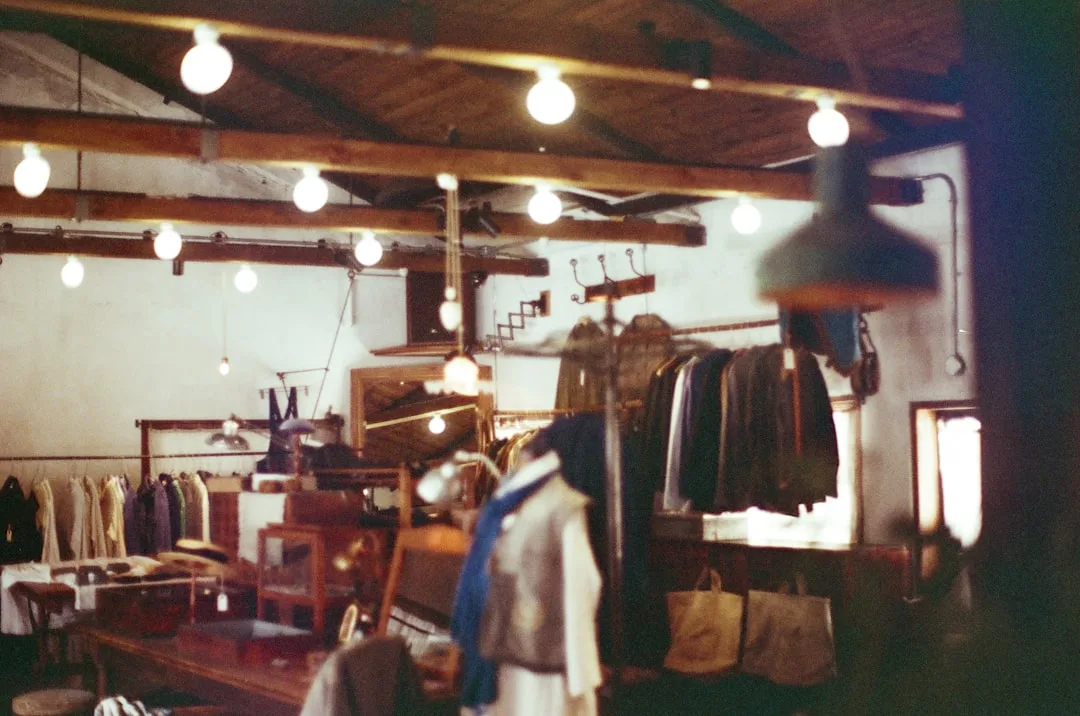
Pinterest has over 500 million monthly active users, and “home decor” consistently ranks in the platform’s top five search categories. That’s an enormous number of people looking at the same images, many of them assuming the polished, layered rooms they’re pinning require a serious budget to replicate.
They don’t. Here’s why they look expensive: composition and layering do more visual work than individual price tags ever could.
A ceramic vase from TJ Maxx sitting alone on a bare shelf looks like what it is. That same vase grouped with a worn wooden cutting board, a small stack of linen-covered books, and a single stem in a bud glass looks like something a design editor curated. The vase didn’t change. The context did.
Most viral home pins link to items under $30 — the platform is quietly one of the best bargain-hunting tools available if you know how to use it. The problem is that Pinterest’s own shopping integrations and affiliate links tend to route toward premium-priced options. The $180 version of a look gets clicked. The $22 version that achieves 90% of the same result goes undiscovered.
What separates people who successfully replicate Pinterest aesthetics from those who don’t isn’t budget. It’s sourcing strategy. Understanding that the “collected” quality of a styled room comes from mixing textures, varying heights, and introducing organic materials — none of which require spending much — is the foundational shift. A $4 linen napkin can function as a wall hanging. A $6 thrifted pitcher becomes a vase. A stack of hardcover books from the dollar bin creates the same visual layering as a $90 decorative object.
Treat Pinterest like a composition lesson, not a shopping cart. The image tells you what the arrangement should feel like. Your job is to source the individual elements wherever they’re actually affordable.
When you approach cheap home decor ideas Pinterest saves this way — as a reference tool rather than a direct shopping guide — the platform stops being frustrating and starts being genuinely useful. You’re extracting the arrangement logic, not copying the product list.
Takeaway: Before clicking any product link on a pin, screenshot the image and ask: what’s creating the look — the objects themselves, or how they’re arranged?
Thrift Store Hunting: The Pinterest Aesthetic No One Talks About Sourcing
ThredUp’s 2023 Resale Report found that 1 in 3 Americans shopped secondhand in the past year, with home goods growing faster than apparel as a resale category. The supply at thrift stores still dramatically outpaces what most shoppers recognize or pick up — which means the opportunity is real, consistent, and largely untapped.
The skill isn’t finding cheap things. It’s identifying which cheap things photograph and style like expensive ones.
Shape, material, and scale are the three filters that matter — brand is irrelevant. A wide, low ceramic bowl in a matte earth tone from a Goodwill shelf does the same visual work as a piece from a boutique ceramics studio. A chunky wooden candlestick, a hand-thrown pot with slight irregularities, a linen runner with fraying edges — these items read as “considered” and “collected” because of their physical qualities, not their origin.
The highest-yield categories at most thrift stores, in order of reliable visual impact:
- Ceramics and pottery — especially matte, neutral, or earth-toned pieces; avoid glossy white or heavily decorative patterns
- Picture frames — solid wood or metal frames in standard sizes (5×7, 8×10, 11×14) that can be repainted or used as-is
- Textiles — linen, cotton, and wool throws, napkins, and table runners; check for texture and weight, not just color
- Wooden objects — cutting boards, bowls, small stools, and crates that add warmth and organic texture to any vignette
- Glass vessels — apothecary jars, bud vases, carafes, and bottles that serve as low-cost greenery vessels
- Woven baskets — even slightly imperfect ones work; they add the organic texture that shows up in nearly every viral boho or Scandi-influenced pin
- Small mirrors — a $4 thrifted mirror in a painted frame does more for a dark corner than almost any lighting fixture at the same price point
When building a thrifted vignette, use the one neutral, one texture, one color rule: anchor the arrangement with something neutral (a white ceramic, a raw wood piece), add a texture element (woven, hammered, rough-hewn), and introduce one deliberate color through a small object or a single stem. It prevents the “random assortment” look that makes thrifted decor feel unintentional.
A few habits that make thrift runs more productive:
- Go on weekday mornings, not weekend afternoons — stock is freshest and picked-over least
- Check the “as-is” or damaged sections deliberately; a chip on a base that faces the wall is completely irrelevant to how something looks on a shelf
- Bring your phone with saved pins so you can reference arrangements in real time rather than trying to remember what you’re trying to recreate
- Buy things that are slightly too large before things that are slightly too small — undersized objects disappear in arrangements; oversized ones anchor them
Takeaway: Next thrift run, skip the furniture section entirely and spend 20 minutes in ceramics and frames — that’s where the Pinterest-grade finds consistently live.
Swap the Frame, Keep the Wall: High-Impact Changes Under $20
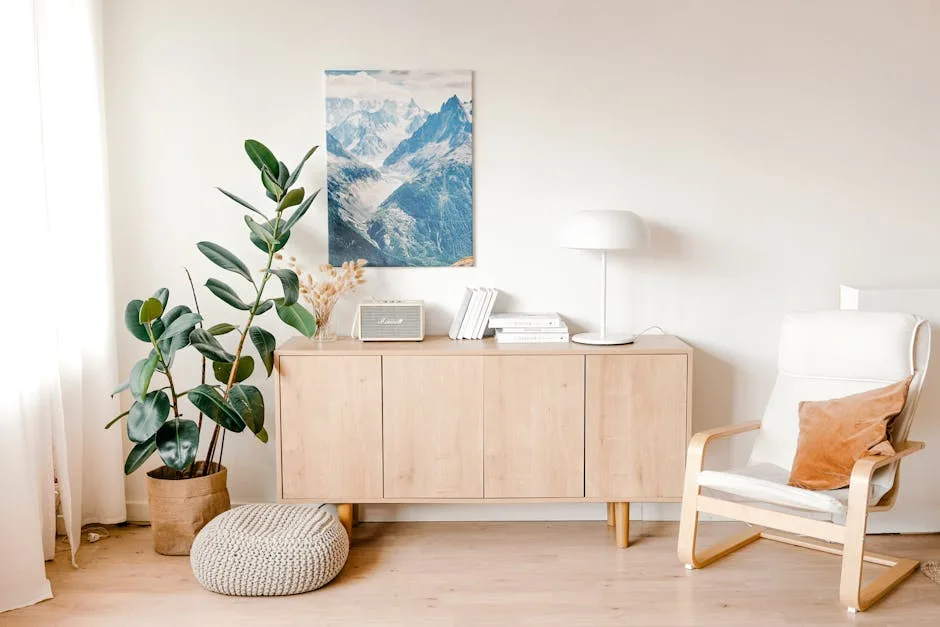
A standard 8×10 print at a local print shop or office supply store like Staples or FedEx Office costs between $1 and $4. The exact same image sold inside a retailer’s frame — think CB2, West Elm, or even Target’s Gallery Solutions line — sells for $40 to $80. The markup is 95% on the presentation, not the content. What you’re paying for is the frame, the matting, and the convenience of not knowing you could do it yourself.
The workaround is almost embarrassingly simple. Sites like the Metropolitan Museum of Art, Rijksmuseum, and Unsplash offer thousands of public domain artworks and high-resolution images available for free download. Print a Hiroshige woodblock print at FedEx for $3, drop it into a thrifted frame you’ve spray-painted matte black, and you have a wall piece that genuinely looks considered.
Beyond single prints, Pinterest’s most-saved wall treatments are often the cheapest to execute:
- Ledge shelves (IKEA’s MOSSLANDA shelf runs $15–$20) let you lean art rather than hang it, which means rotating pieces is as easy as swapping a print — no new holes, no damage to walls
- Clipboard gallery walls — a row of matching black clipboards at $3–$5 each creates an intentional, editorial display that updates instantly
- Washi tape grid frames — precise tape lines on a wall create the illusion of framing without any actual frames; removes cleanly, ideal for renters
- Fabric panels — a yard of linen or cotton fabric from a remnants bin ($3–$8) stretched over a thrifted frame or stapled to a wooden dowel becomes a textile wall hanging that photographs nearly identically to pieces sold for $120 at boutique home stores
- Dried botanicals — a bundle of pampas grass, dried eucalyptus, or lunaria seed pods from a craft store ($6–$12) leaned in a corner or placed in a tall vase adds the organic, airy quality that defines some of Pinterest’s most-saved “cozy room” aesthetics
The psychological impact of vertical arrangements is something experienced designers rely on constantly. Groupings that draw the eye upward — a tall narrow print beside a shorter wider one, or a shelf arrangement that rises toward one side — make ceilings feel higher and rooms feel less compressed. This matters even more in small apartments and rental spaces where architectural limitations are fixed. Two prints stacked vertically in a narrow hallway do more for the perceived size of that space than any furniture rearrangement. A tall floor lamp beside a low armchair creates the same upward pull at a fraction of the cost of structural changes.
Room-by-Room Breakdown: What Those Pinterest Looks Actually Cost
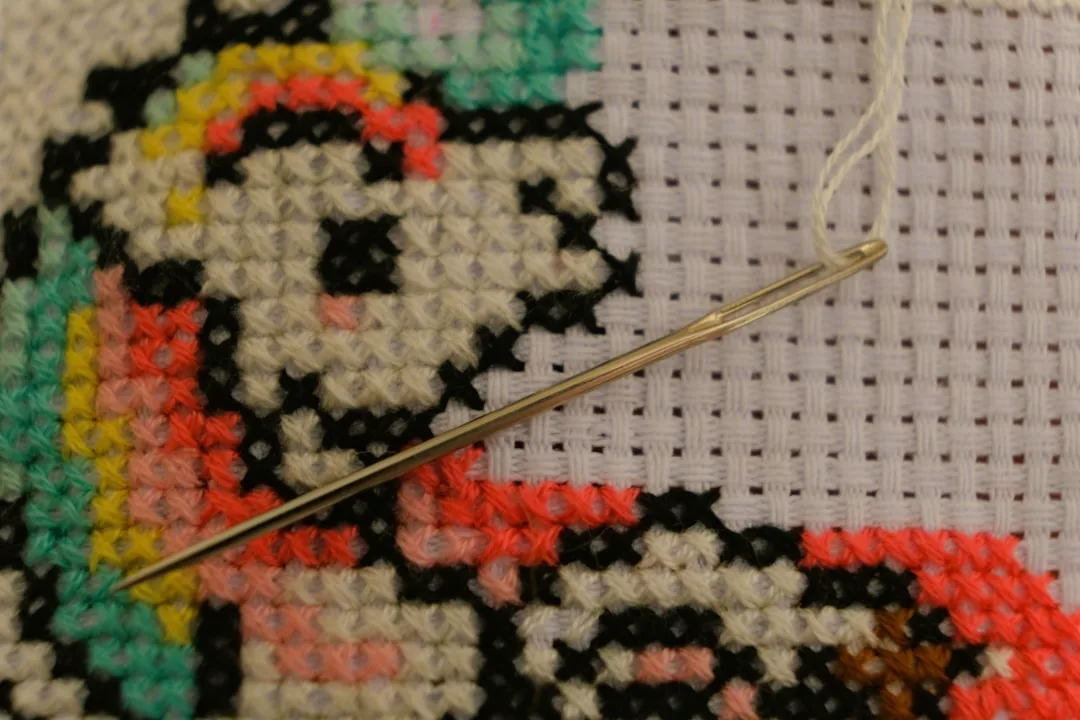
This is where most “budget decor” content goes vague. Here’s a specific breakdown of three of the most-pinned room aesthetics, what they actually require, and what a realistic budget looks like when you source intentionally.
The Layered Bedroom (Linen, Neutral, Organic Texture)
This is arguably Pinterest’s most-pinned bedroom aesthetic — layered linen in oatmeal and white tones, a rattan headboard or none at all, trailing plants, a ceramic lamp, and a bedside stack of books.
What it actually requires:
- Linen-look duvet cover: Amazon or IKEA ($25–$45) versus the Cultiver version that pins usually link to ($180–$220)
- Throw blanket with texture (waffle knit or chunky cotton): TJ Maxx or HomeGoods ($14–$22)
- Euro shams or plain white pillowcases used as shams: $8–$12 for a set
- Ceramic or rattan lamp: thrifted or Target Threshold ($18–$35)
- A plant in a simple pot: grocery store pothos or snake plant ($6–$12)
- Books as decoration: library discards, dollar bins, or your own shelves (free–$5)
Realistic total: $71–$126 for a look that pins consistently at the $500–$700 price point when product links are followed.
The Styled Shelf (Bookshelf as Decor Object)
Styled shelving is one of the most-searched cheap home decor ideas Pinterest surfaces for apartment dwellers, and it’s also one of the most achievable at low cost because it requires volume of small objects rather than expensive ones.
What it actually requires:
- 3–5 ceramic or pottery pieces in varying heights: thrifted ($1–$4 each)
- Books turned spine-in (free if you own them) or stacked horizontally
- One or two small plants or dried stems
- A small mirror or framed print
- One woven or textile element — a mini basket, a folded napkin, a small macramé piece
Rules that make it look curated rather than crowded:
- Leave at least 30% of the shelf empty — negative space is what separates “styled” from “cluttered”
- Group items in odd numbers (3 or 5 objects per section, not 4 or 6)
- Vary height deliberately — the arrangement should have a clear high point and a clear low point within each grouping
- Anchor each section with one larger piece before adding smaller ones around it
Realistic total: $15–$40 using thrifted objects and things you already own.
The Moody Living Room Corner (Dark, Layered, Warm-Lit)
This look — a chair or floor cushion in a corner, a tall plant, a floor lamp with warm-toned bulb, layered rugs, and a throw — drives enormous engagement on Pinterest and looks like it requires significant investment.
What it actually requires:
- A second small rug layered over a larger one (the layering trick): look for small rugs at TJ Maxx or thrift stores ($12–$30 for the accent piece)
- A warm-toned Edison or filament bulb for an existing lamp ($4–$8)
- A large leafy plant — a pothos in a hanging planter, a monstera, or even a large snake plant in a terra cotta pot ($10–$20)
- A throw draped over the chair rather than folded: HomeGoods or Amazon ($12–$18)
- A tray on the floor with candles, a book, and a small plant: tray from thrift ($3–$6), candles from dollar store ($2–$4)
Realistic total: $43–$86 for a corner setup that looks intentional and warm.
Small Changes, Big Returns: The Details That Actually Move the Needle
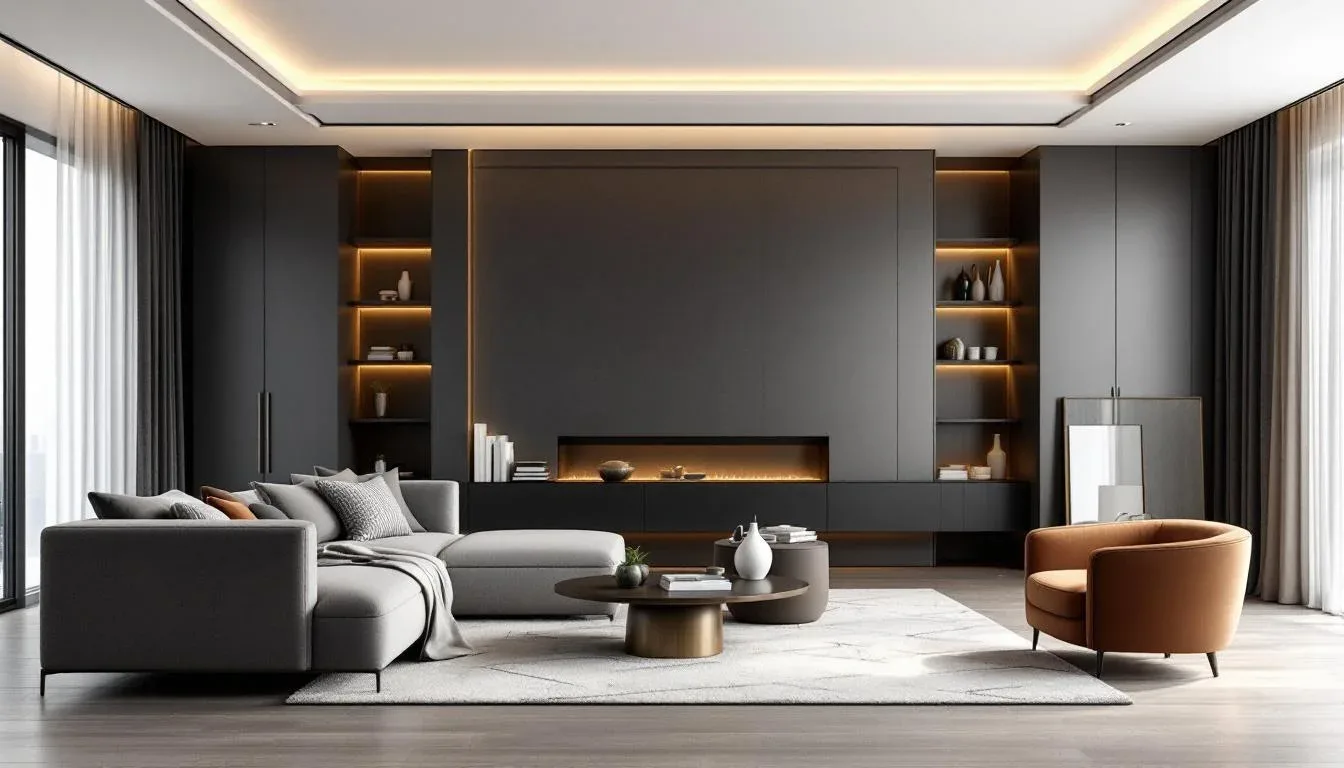
There’s a category of home updates that gets consistently overlooked because they’re either too obvious or too simple to feel like “real” decorating. These are the changes that photographers and stylists make before a shoot, and most of them cost almost nothing.
Lighting adjustments (cost: $4–$12):
- Swap overhead bulbs to warm-toned (2700K) equivalents — cool or daylight bulbs make every room feel clinical regardless of how well it’s decorated
- Add a single plug-in wall sconce with a warm bulb to create the layered lighting that makes rooms look photographed rather than lit
- Use a lamp on the floor pointed upward into a corner for indirect light that adds depth without any electrical work
Textile swaps that change the feel of a room:
- Replace a synthetic throw with a cotton or linen-weight one — texture reads differently in person and in photos
- Fold and drape rather than spread flat — a throw draped over the arm of a sofa with one end touching the floor takes 10 seconds and photographs completely differently
- Add a lumbar pillow to a sofa — the proportion shift it creates is disproportionate to its size or cost ($8–$15 at TJ Maxx)
Greenery on a budget:
- Grocery store cut flowers in a simple vessel last 7–10 days and cost $6–$12; one bunch divided into three small vessels creates more visual interest than one large arrangement
- Pothos propagations root in water in a bud vase in 2–3 weeks and cost nothing if you know someone who has one
- Dried botanicals (pampas, lunaria, eucalyptus) are a one-time purchase that lasts months and requires no maintenance
Decluttering as a design move:
- Remove 30% of what’s currently on any surface before adding anything new — most spaces don’t need more objects, they need fewer, better-placed ones
- Hide cords, chargers, and remote controls before evaluating what else a space needs; these are the single largest visual disruptors in otherwise well-styled rooms
- Decant everyday items into simple containers — dish soap into a glass bottle, cotton rounds into a small jar — the containers are the decor
FAQ
Q: Are the cheap home decor ideas on Pinterest actually achievable, or are they always filtered versions of expensive rooms?
A: Most are genuinely achievable, with one important caveat: the product links almost never represent how the room was actually sourced. The arrangement and composition in a viral pin are usually replicable at low cost. The specific objects linked below the pin are often the premium version of what was actually used. Focus on replicating the arrangement logic — the heights, the textures, the color balance — and source the individual pieces from thrift stores, TJ Maxx, IKEA, and Amazon’s budget home section.
Q: How do I find cheap home decor ideas on Pinterest without getting routed to expensive product links?
A: Use the search term plus specific modifiers: try “thrift flip,” “budget dupe,” “IKEA hack,” or the specific store name alongside your aesthetic keyword. Boards titled things like “renter-friendly decor” or “small space budget” are more likely to contain genuinely affordable sourcing. Also look at the pinner’s profile — individual pinners who style their own homes tend to include real sourcing in their descriptions; brand accounts almost never do.
Q: What’s the single highest-impact change someone can make to a room for under $30?
A: Lighting. Specifically, replacing cool-toned overhead bulbs with warm 2700K equivalents and adding one additional light source at a lower level — a floor lamp, a table lamp, or a plug-in sconce. The difference between a room lit entirely from above with cool light and the same room with layered warm light is more significant than almost any decorative change you can make. It’s also the first thing photographers adjust before any styled shoot.
Q: Do you need to own a home (or have a landlord’s permission) to try most of these changes?
A: No. The majority of the changes covered here — vignette styling, textile layering, lighting swaps, wall ledge shelves, washi tape treatments, and plant additions — are fully renter-friendly and leave no permanent trace. The only techniques that touch walls directly (small nail holes for hanging, adhesive strips) are widely permitted under standard lease terms, and many alternatives like leaning art on ledges or MOSSLANDA shelves avoid even that.
Q: How do I stop a thrifted or budget room from looking “cheap” rather than “curated”?
A: The difference between a room that reads as intentionally collected and one that reads as random has almost nothing to do with where items were purchased and everything to do with three things: cohesion (a limited, consistent color palette across the space), negative space (leaving surfaces and areas deliberately empty), and the quality of textiles. Cheap ceramics can look considered. Cheap synthetic textiles almost never do. Prioritize natural-fiber textiles — linen, cotton, wool, jute — even if it means spending slightly more on one throw than on three synthetic ones. That single shift changes how the entire room reads.
How do I find the cheap version of something I saw on Pinterest?
Q: Are the cheap home decor ideas on Pinterest actually achievable, or are they always filtered versions of expensive rooms?
What home decor items are worth spending money on versus buying cheap?
A: Most are genuinely achievable, with one important caveat: the product links almost never represent how the room was actually sourced. The arrangement and composition in a viral pin are usually replicable at low cost. The specific objects linked below the pin are often the premium version of what was actually used. Focus on replicating the arrangement logic — the heights, the textures, the color balance — and source the individual pieces from thrift stores, TJ Maxx, IKEA, and Amazon’s budget home section.
Can a rental apartment actually look like a Pinterest home on a small budget?
Q: How do I find cheap home decor ideas on Pinterest without getting routed to expensive product links?
How do I make my home look expensive without buying expensive things?
A: Use the search term plus specific modifiers: try “thrift flip,” “budget dupe,” “IKEA hack,” or the specific store name alongside your aesthetic keyword. Boards titled things like “renter-friendly decor” or “small space budget” are more likely to contain genuinely affordable sourcing. Also look at the pinner’s profile — individual pinners who style their own homes tend to include real sourcing in their descriptions; brand accounts almost never do.