Category: Building Design

Building Design

  • Colors and Light Infusion for a Bank Design by Emmanuelle Moureaux

    Colors and Light Infusion for a Bank Design by Emmanuelle Moureaux

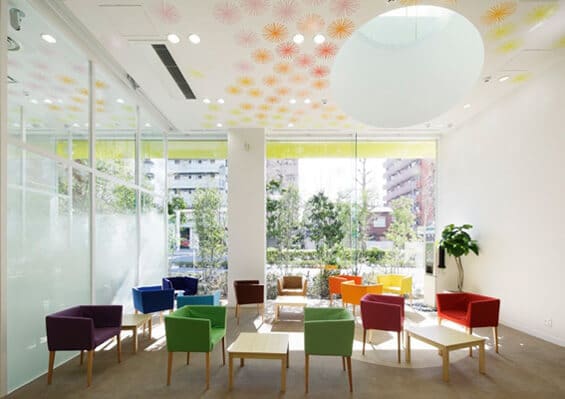
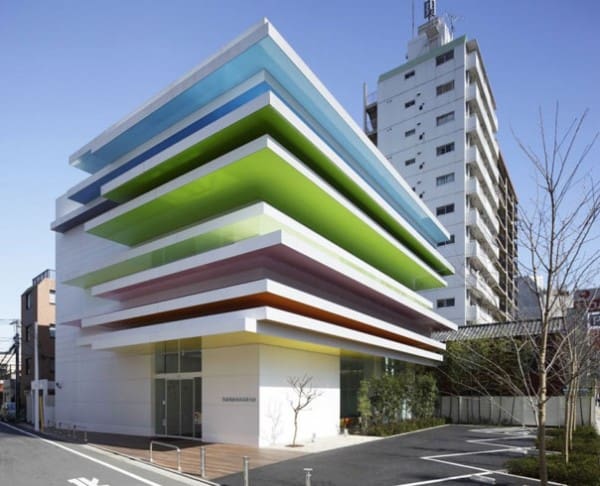
    French architect and designer residing in Tokyo, Emmanuelle Moureaux, replaces the traditional bank design with a new concept inspired by Japanese traditional sliding screens using colors as three-dimensional elements in order to create spaces. Judging by the joyful exterior appearance of this wonderful piece of architecture one would never think that this building will host a bank. But yes, surprisingly the building in Tokyo host a credit union -Sugamo Shinkin Bank- whose motto is: “we take pleasure in serving happy customers”
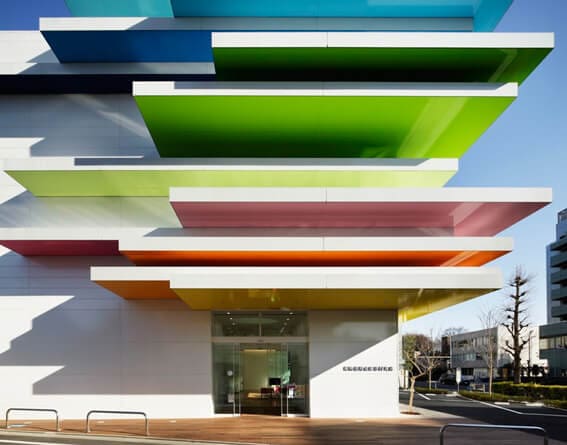
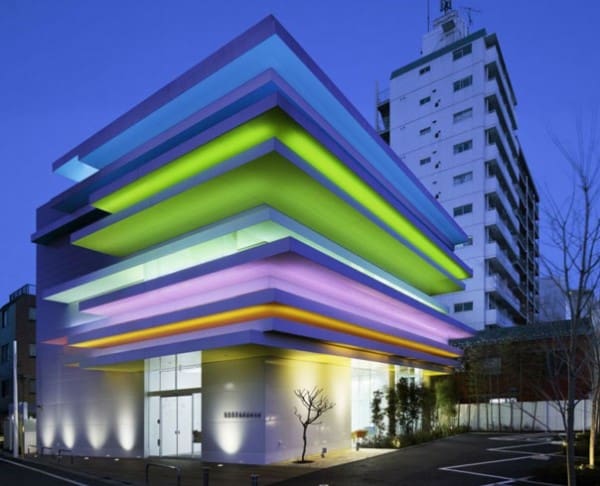
    Bright colors, light infusion, modern design are the main elements Emmanuelle Moureaux‘s project relies on. Visitors are welcomed with a fresh and clean exterior and interior design which reflects the architect unique technique of colour scheming and handling colors as space makers. She uses colors to create spaces, not as a finishing touch applied on surfaces. The eye-catching exterior facade displays a rainbow of twelve saturated colors which reflected onto the white surface give a gentle, refreshing feeling. During the night, the beautiful colors stand out even more because they are illuminated.
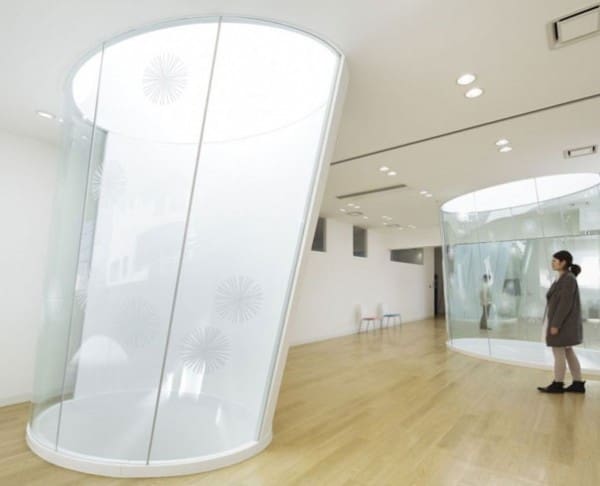
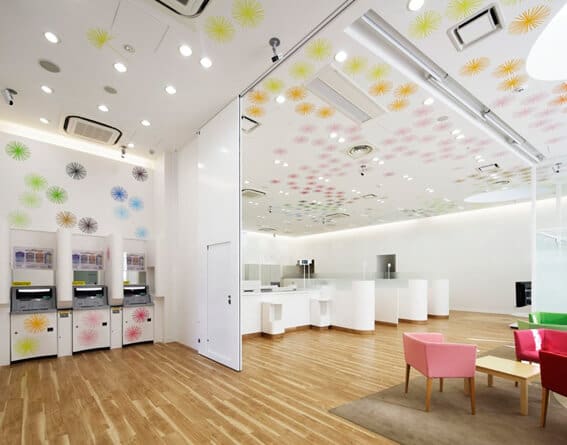
    The bank interior spaces offers other pleasant surprises visually speaking, where the main attraction is the game of light and color. The arrangement of the bank design features decorative elements that connect all areas of the bank in a single continuous space maximizing natural light throughout the day. The dandelion puff motifs that float on the ceiling and the 14 different colors of chairscreates a playful atmosphere inside Sugamo Shinkin Bank. The second floor hosts storey houses offices, meeting rooms and a cafeteria, while the third floor is reserved for the staff changing rooms. Here you have some photos to enjoy!
    Photos: Nacasa & Partners.


  • Centre for Virtual Engineering for the Fraunhofer Institute in Stuttgart

    Centre for Virtual Engineering for the Fraunhofer Institute in Stuttgart

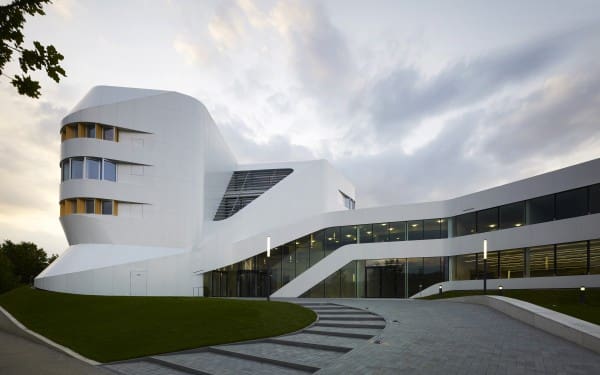
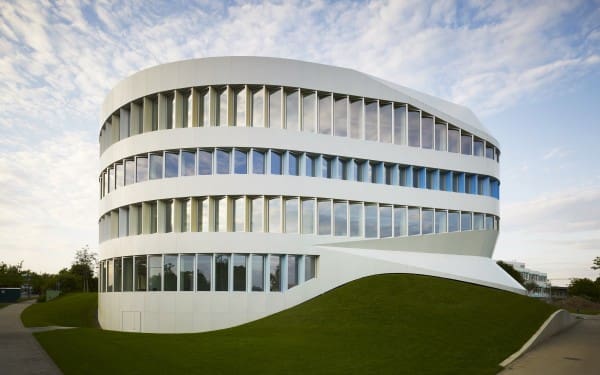
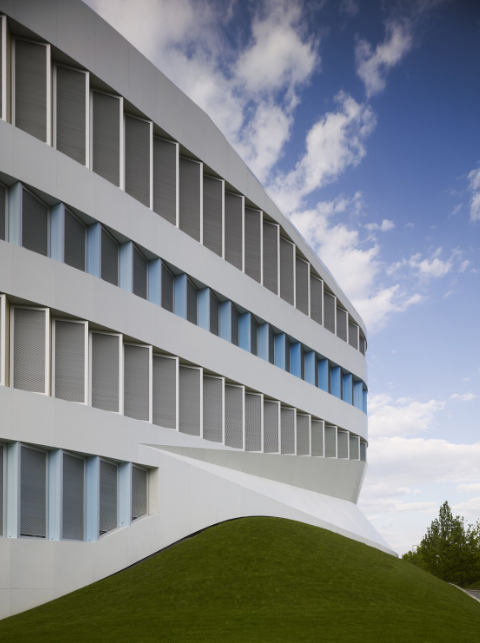
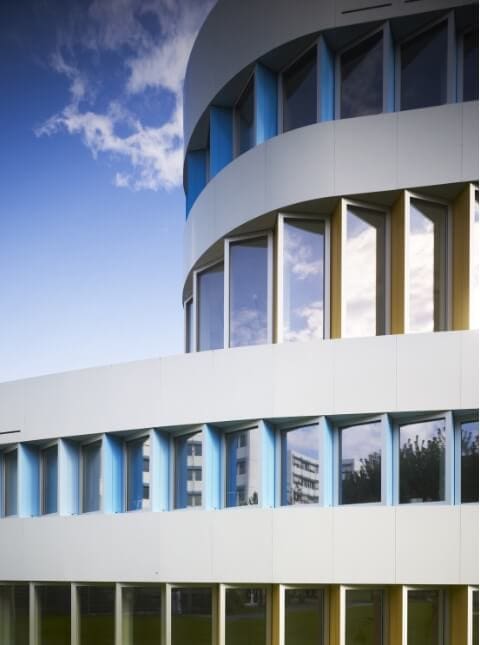
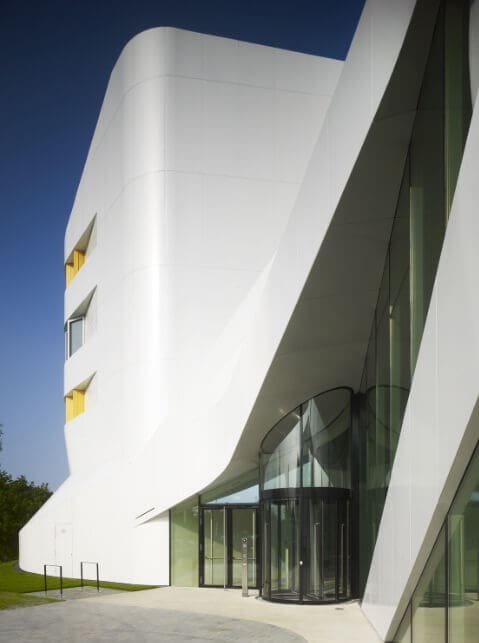
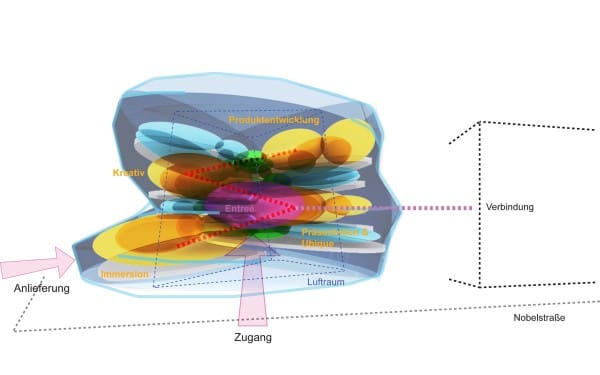
    Starting with 2012, Fraunhofer Institute from Stuttgart has a new Centre for Virtual Engineering envisioned by Dutch architectural design studio UNStudio (United Network Studio) founded in 1988 by Ben van Berkel and Caroline Bos and specialized in architecture, urban development and infrastructural project. The Centre is located on the research campus of the Fraunhofer Institute and its specialisation is to investigate different multidisciplinary work flows.

    UNStudio worked with Asplan from Kaiserslautern on the architectural services for the Centre, the development of the construction documents and the site supervision being Asplan’s responsabilities for this project. The Centre for Virtual Engineering is showcasing a new type of building which incorporates a contemporary architectural vision that understands better the new working environments and stimulates new ways of working in the future.

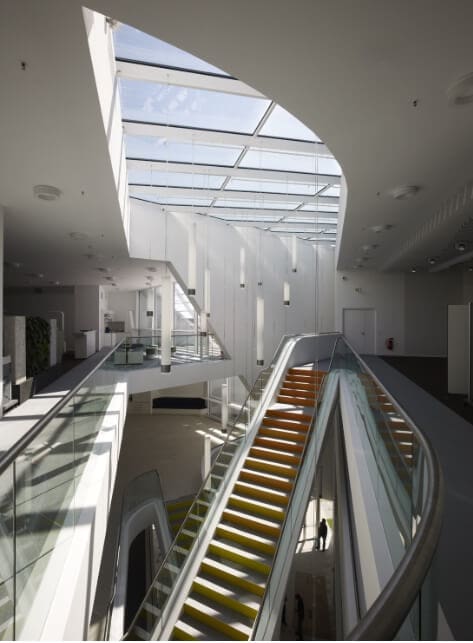
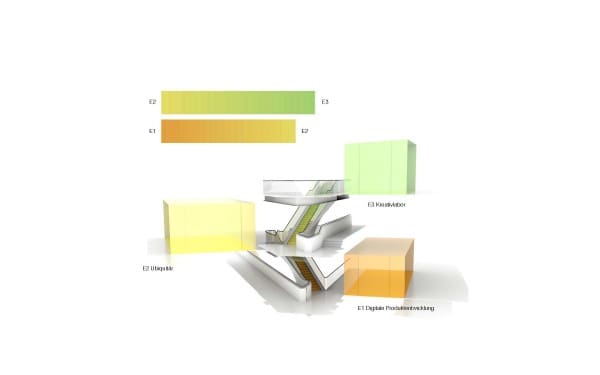
    Thus, the primary focus of this extremely functional and aesthetically attractive design concept is on communication which leads to new creative ways of working at all levels by changing the traditional separation of departments into open and flexible work spaces with extensive visual connections and shared work stations based only on the needs of the employees.

    Reflecting the highly innovative nature of the operations it conducts, the architectural features of the building emphasize simplicity, creativity and sustainability above all. It is ingeniously created so that the public exhibition and scenographic routing of the visitors are combined with the laboratory and research functions.

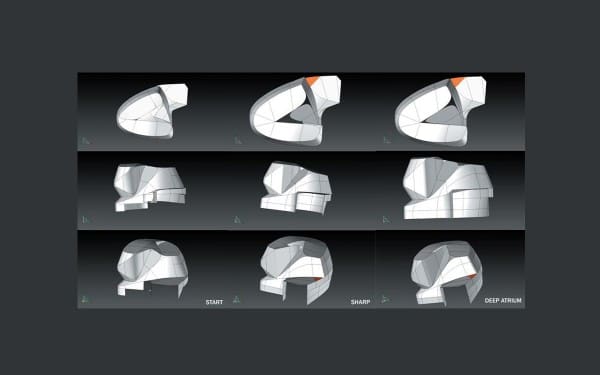
    The geometry of the floor plan and geometry of the facade maintain the impression of a permanently transforming surface. The building ensures an extraordinary sustainability level through energy saving installations, recyclable materials and overall low-maintenance requirements, for which it was awarded a Gold certification by the German Sustainable Building Council (DGNB).

    Photos: © UNStudio.


    Project details:

    Client: Fraunhofer-Gesellschaft zur Förderung der angewandten Forschung e.V.
    Location: Fraunhofer Campus, Nobelstrasse 12, 70569 Stuttgart
    Building surface: GFA 5.782 m2
    Building volume: 27.221 m3
    Programme: Offices and laboratories
    Status: Realised


  • Andalucia Villa-Impressive Views to the Mediterranean

    Andalucia Villa-Impressive Views to the Mediterranean

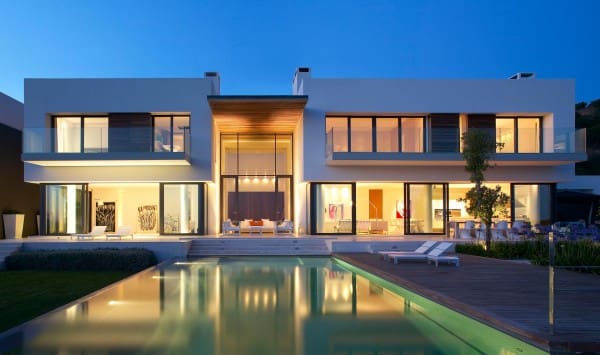
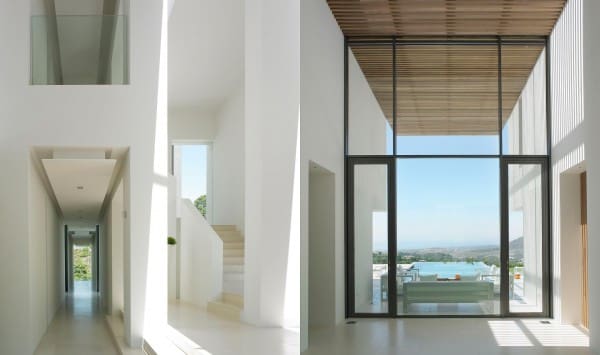
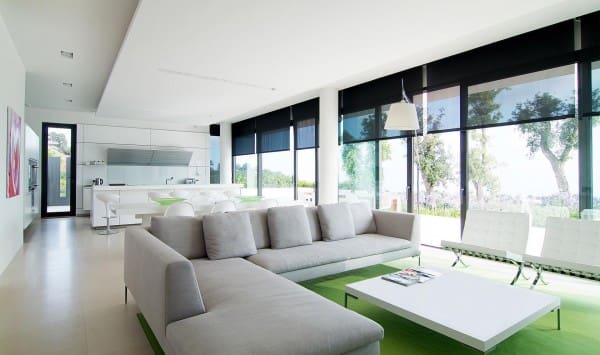
    Designed by McLean Quinlan Architects with a design strategy for the construction of new villa was to create a building that could exploit the spectacular landscape, while creating a building for the 21st century copy.
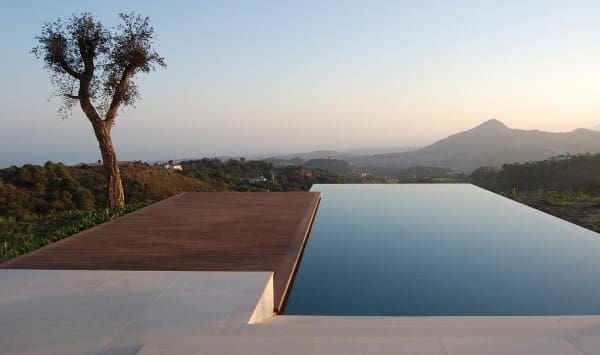
    The site occupies a panoramic sweep southwest of earthworks, with breathtaking views of the Mediterranean, the Rock of Gibraltar and Ronda Serranos.

    Andalucia, Architectural Project architecture project
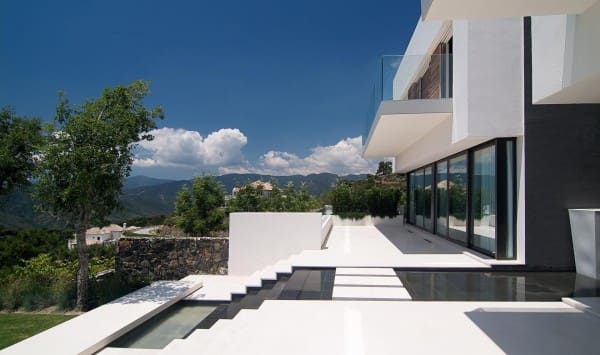
    The building has seven bedrooms and apartments for families and their guests in three separate pavilions linked by water pools, gardens and stone terraces.
    The concept caught a spatial altitude with a distinct taste, with a beautiful combination of visual influences, solar, this area has created a natural orientation for the building-as a series of surfaces parallel to the axis of NE / SW.These spaces enjoying the shade but also the  Andalusian sunshine, Offering a soothing atmosphere for its inhabitants.The shadow in the water in an Islamic garden was very practical and metaphorical use when they built this building, help regulate the micro-climate immediately pointing to the historical context.


    Andalucia, Architectural Project architecture project


    Andalucia, Architectural Project architecture project


    Andalucia, Architectural Project architecture project


    Andalucia, Architectural Project architecture project


  • The Loftcube: The Ultimate Mobile Living Home by Werner Aisslinger

    The Loftcube: The Ultimate Mobile Living Home by Werner Aisslinger

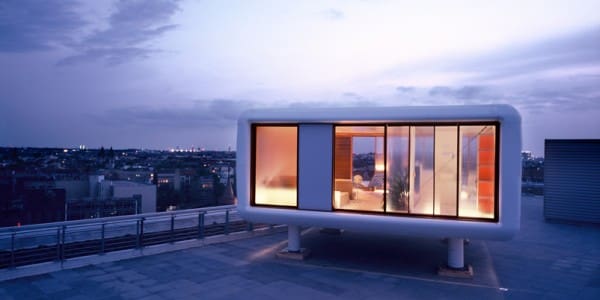
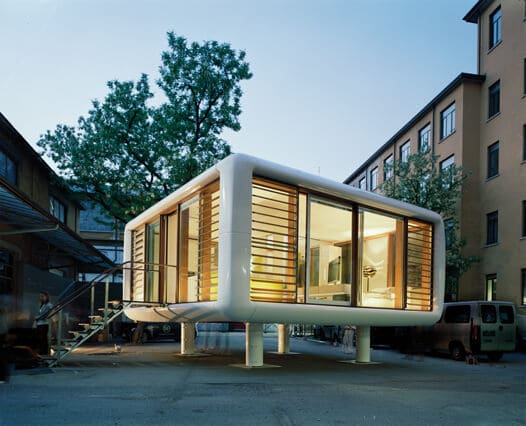
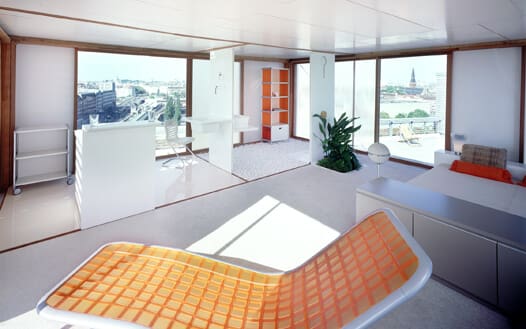
    The Loftcube is a vision of how we’ll live in the future. The cube is designed to flat surfaces including the roofs of skyscrapers, a high-techness for modern nomads that looks more like a UFO than a home. Werner Aisslinger designed it in 2003 and the loftcube’ design isn’t accidental, he wanted to look as if it has just landed. It’s got four legs which raises from the surface it rests on, having something transitory about it: it might take off again or be taken somewhere else by helicopter.

    the-loftcube-on-the-rooftop

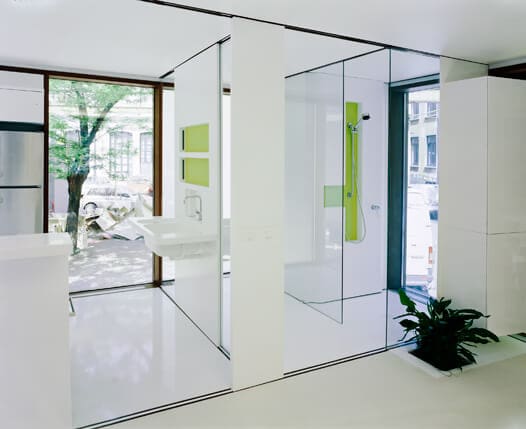
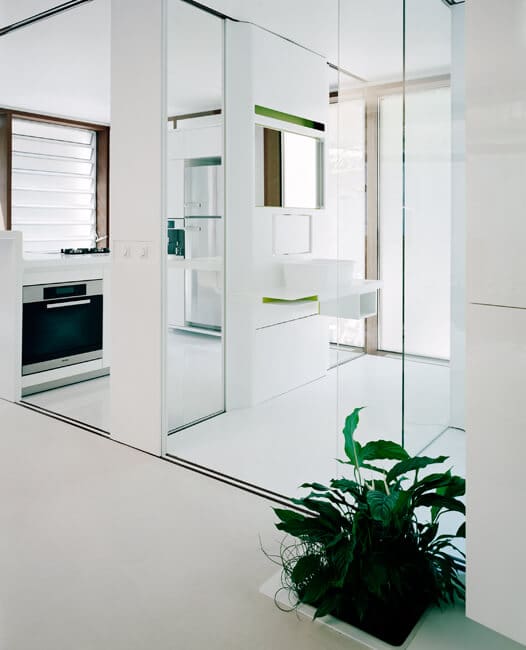
    Basically, it’s a temporary visitor. The Loftcube project is a minimal architecture, it’s a transportable house for nomadic people with many functional units for daily life like: living room area, bedroom, kitchen and bathroom, which can move with its owner from city to city, water and electicity connections run through its feet. The outside wall is made of a kind of fiberglass reinforced plastic used for yachts. The organic quality, the organic shape is intentional designed so.


    loftcube-by-werner-aisslinger

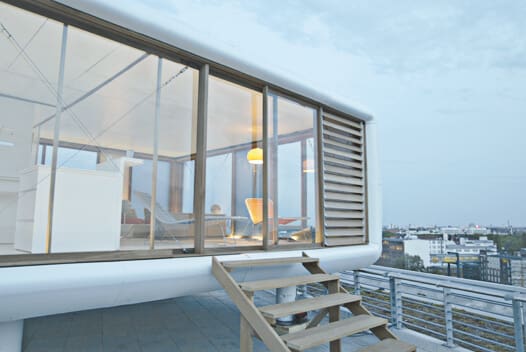
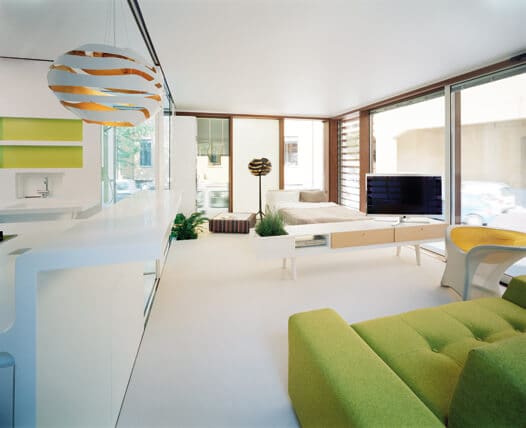
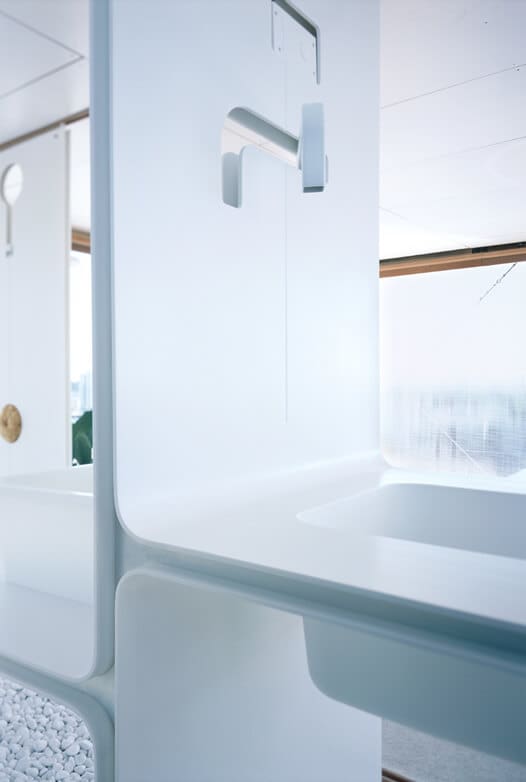
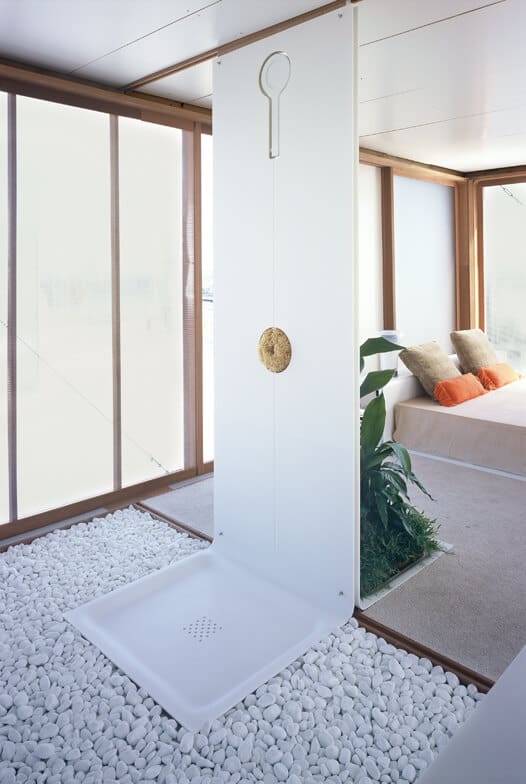
    The interior is quite cozy, featuring a very light, transparent, airy space with lots of glass all around windows so the owner can look out at the surrounding landscape. The entire living space takes ups just 39 square meters, but the many translucent and transparent surfaces made of white corian make it seem bigger. Aisslinger designed every details himself. It’s meant to be a home young professional on the move can take with them just as a snail carries its shell. This non-permanent architecture is incredible impressive, something you’ve never experienced before, at least from what we see in the pictures. Used for working, living, and relaxing, the Loftcube embodies the Werner Aisslinger’s quintessence: “Feel at home – even when you are a long way from home”.

    ultimate-mobile-living-home-the-loftcube

    living-area-on-the-loftcube

    bathroom-corian-in-the-loftcube-by-werner-aisslinger

    loftcube-content

    white-and-green-corian-loftcube

    loftcube-content-by-Werner-Aisslinger

    the-loftcube-AISSLINGER

    Photos: © Steffen Jaenicke.

  • Campus 2: Apple’s New Spaceship Headquarters in Cupertino

    Campus 2: Apple’s New Spaceship Headquarters in Cupertino

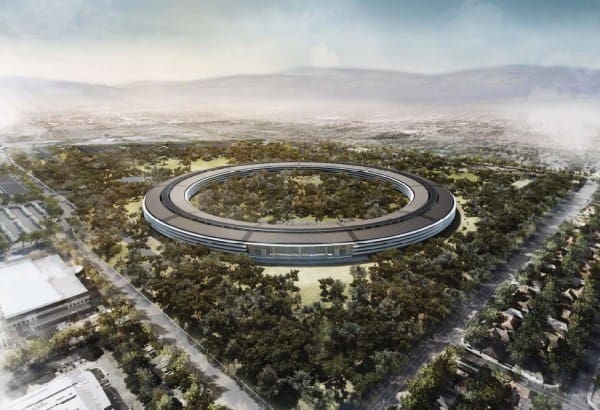
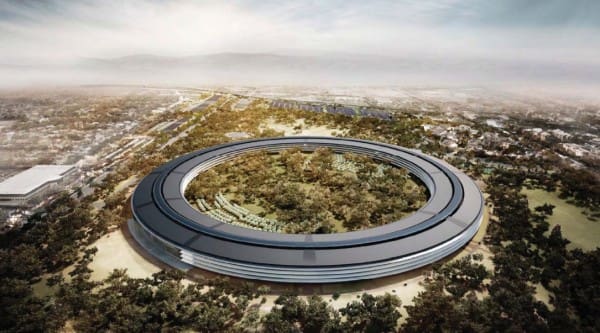
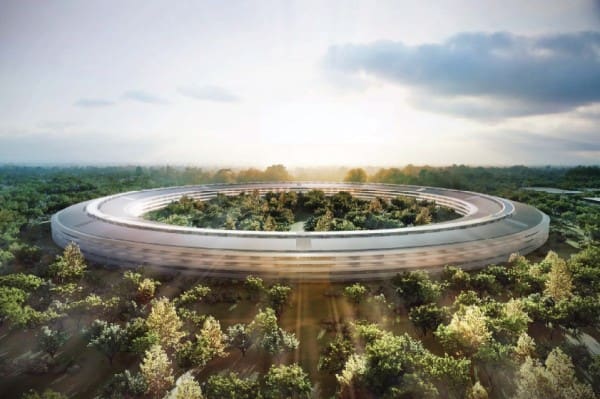
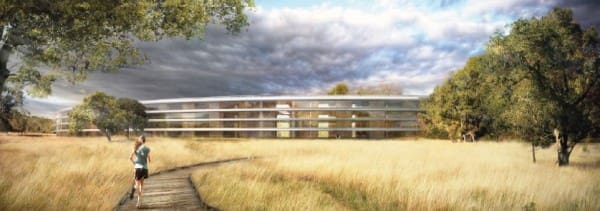
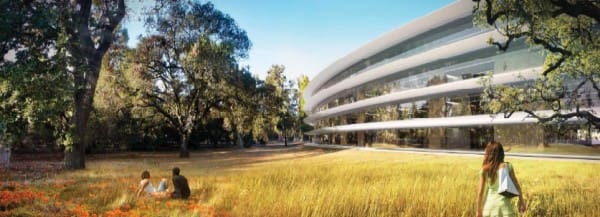
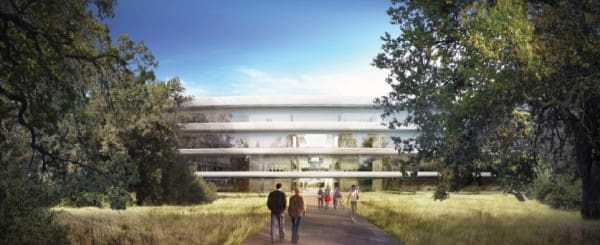
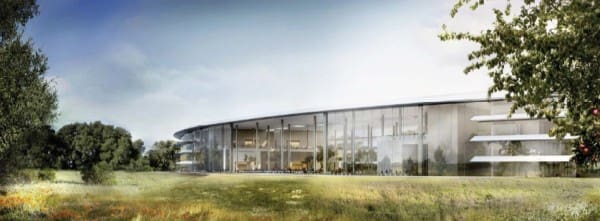
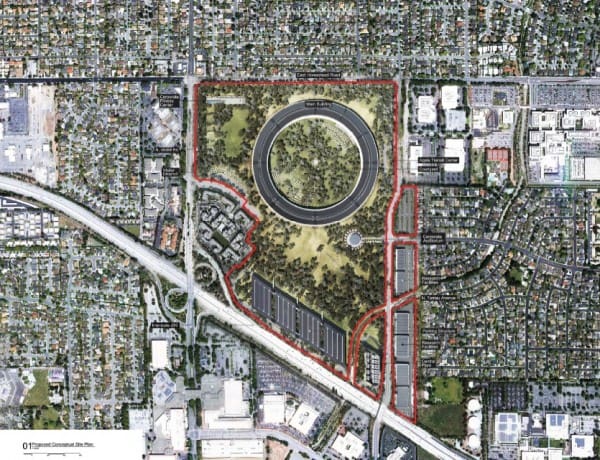
    It’s not a UFO, it’s the Apple’s gigantic new headquarters. “Campus 2”, as it is known, will be the Apple’s new home in the near future-2015. The company has recently published new details and spectacular images with their amazing project to be built in Cupertino, California. The impressive building which resembling a UFO planted in a serene forest, can be described as the coolest office building ever seen in the City of Cupertino. Apple Campus 2′ plans which has fascinated everyone, was unveiled by Steve Jobs in his last public appearance.

    Campus-2-Apple's-New-Spaceship-Headquarters-in-Cupertino

    To create the new spaceship-like headquarters for Apple, the development proposal will replace the existing office and research buildings and will ocupy a campus formerly owned by Hewlett-Packard. According to the plans, the structure itself will have a circumference roughly the size of the U.S. Pentagon, the world’s largest office building. Although the company that produces the best-designed consumer products of our time hasn’t officialy released the design, it seems that the architect of this outstanding structure is the London-based firm Foster +Partners, known for its super-sleek, elegant, exquisitely detailed buildings.

    new-renderings-from-Apples-new-headquarters

    Sleek and impeccably detailed, the absolutely huge glass-and-metal ring will be four stories high, with a hole in the middle a third of a mile wide. In fact, it’s so huge that we are able to perceive its shape only from the air. It will be built on a 175 acre area near the 280 highway. It’s useless to say that the Apple 2 will be an eco-friendly and energy-efficient campus, encouraging a culture of innovation and productivity for Apple’s employee. Rendered images show solar panels covering the roof of the building. Apple says that it will provide most of its own power and will require very little from the grid. Take a closer look at Apple’s new home from these amazing new renderings below.

    “Apple Campus 2” will have space for:

    • An office, research and development building comprising approximately 2.8 million square feet
    • Approximately 13,000 employee
    • A 1,000 seat corporate auditorium (perfect for all Apple’s biggest events)
    • A two-story corporate fitness center
    • A 58,000 square foot dining area
    • A central plant
    • Research facilities comprising approximately 300,000 square feet located on the east side of Tantau Avenue; and
    • Associated Parking.

    Apple-Campus-2-Cupertino-CA

    new-spaceship-headquarters-for-Apple-Inc

    Apple-Campus-2-Cupertino-CA-renderings

    eco-friendly-Apple-Campus-2-Cupertino-CA-renderings

    development-proposal-of-Apple-Campus-2

    Apple-Campus-2-Cupertino-CA-detailed-plans

    Photos source: The City of Cupertino.


    Project details:

    Owner: APPLE, INC.
    Architect: FOSTER+PARTNERS
    Engineer: ARUP
    Landscape architect: THE OLIN STUDIO
    Planning consultant: KIER & WRIGH

  • Tokyo Sky Tree, The World’s Second Tallest Building

    Tokyo Sky Tree, The World’s Second Tallest Building

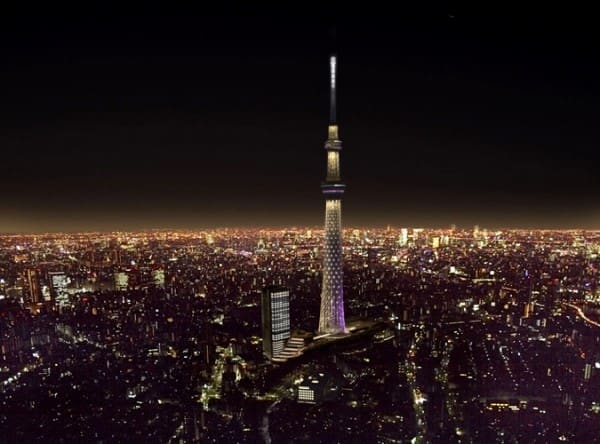
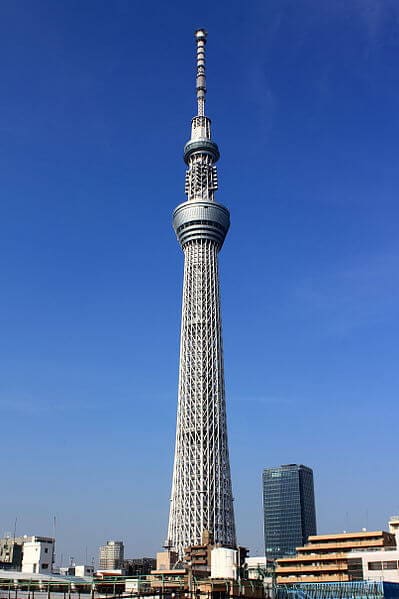
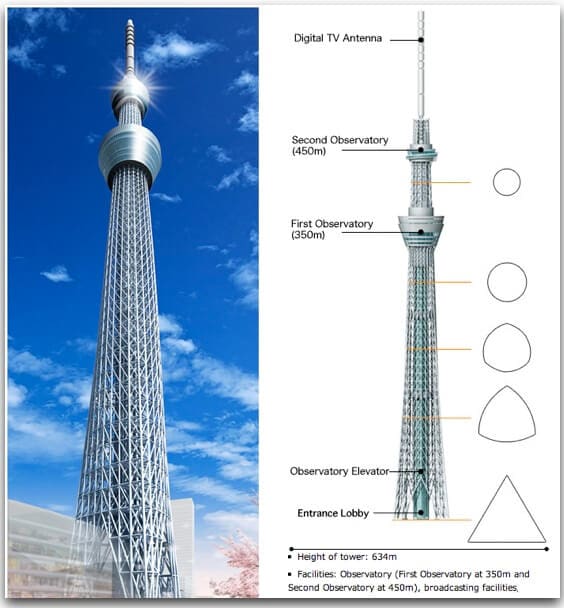
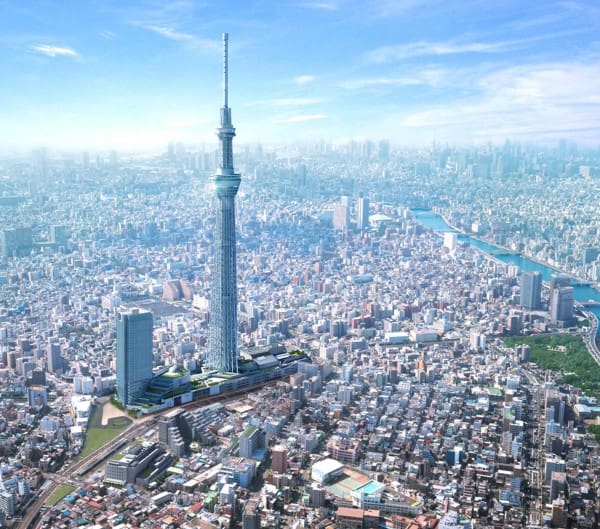
    After four years of construction, the Sky Tree opened officially to the general public this month, on 22 May. Reaching its full height of 634 metres, Sky Tree became the tallest telecommunications tower and the tallest structure in Japan, not to mention that is currently the world’s second tallest bulding after Burj Khalifa from Dubai, which exceeds 820 meters. Expected to have 5 million visitors in the first year, the Sky Tree will surely play a major role in stimulating the surrounding Sumida area in terms of new business.
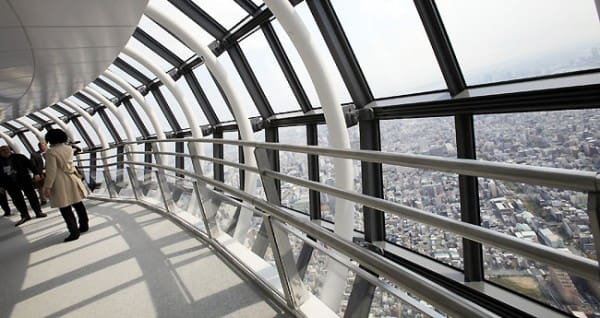
    Skytree-Tokyio-during-day

    Tobu Railway in partnership with Japanese TV companies was those who developed the project with the aim to provide improved communications facilities. Inspired by traditional Japanese architecture, the amazing bulding is now the new biggest city’s landmark which makes urban residents feel happy and proud of this achievement. As the world’s tallest broadcasting tower, Sky Tree is now replacing the 333m tall (1,092.5ft) Tokyo tower, a symbol of Japan’s capital since 1958, as the broadcast hub.
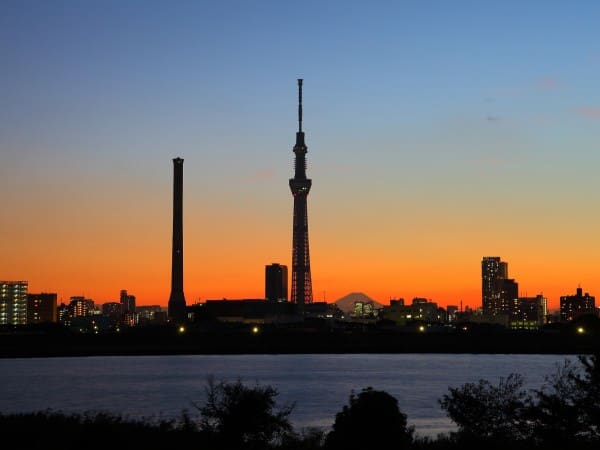
     Japan-Tallest-Tower-Sky-Tree

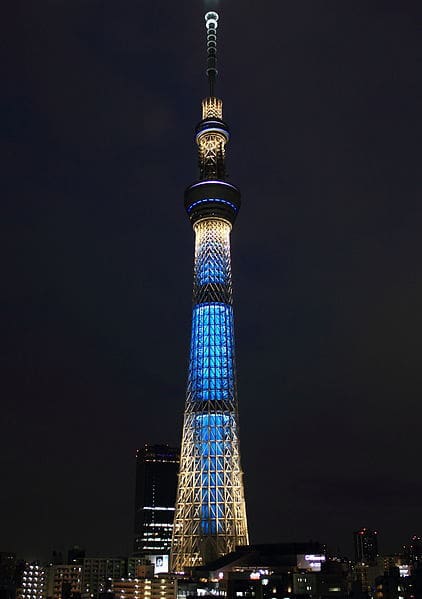
    Its original design concept highlights neo-futuristic design combined with traditional Japanese beauty: unique combination of colors (white and a hint of the lightest shade of Japanese traditional indigo blue) which represents harmony with the surrounding nature, steel structure illuminated by environmentally-friendly lighting system with two lighting styles ( “Iki” and “Miyabi”) with outstanding effects that suggest the passage of time, connecting past and future. Really impressive!

    Sky-Tree-world's-second-tallest-building

    Skytree-lighting-during-night-Japan

    Japan-tallest-structure-Sky-Tree-at-night

    Amazing-structure-in-Japan-Sky-Tree

    Tallest-tellecommunications-tower-Tokyo

    For more information, visit the Tokyo Sky Tree official website.

  • Matteo Cainer Architects’s Proposal for Museum of Contemporary Art Santiago Ydáñez

    Matteo Cainer Architects’s Proposal for Museum of Contemporary Art Santiago Ydáñez

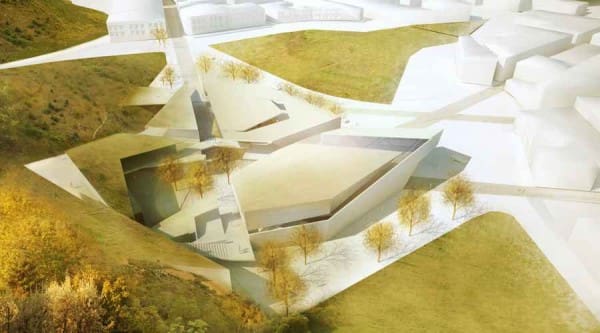
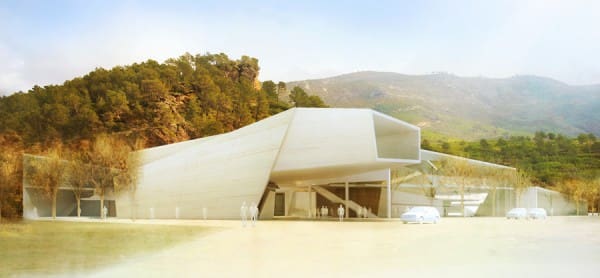
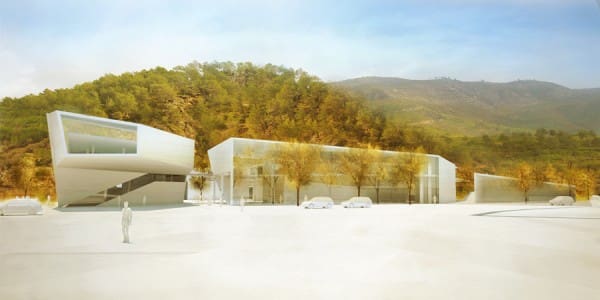
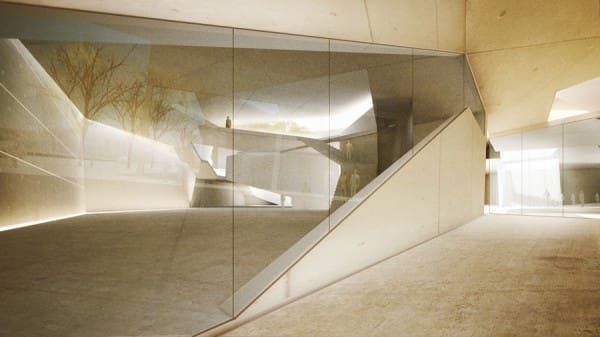
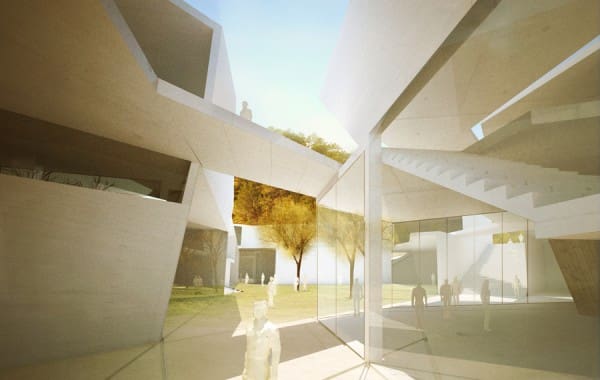
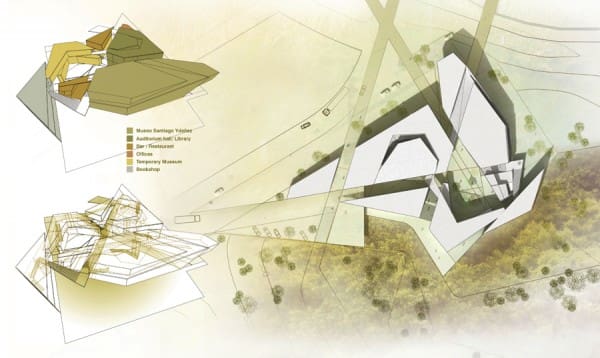
    In Matteo Cainer Architects‘ vision, the new Museum of Contemporary Art Santiago Ydáñez in the town of Puente de Génave, Spain, should have an engaging, sculptural and apparently fragmented architectural design. Their concept proposal for this museum is a building whose architecture is closely related to the site and the works of artists, being a reactive and interactive part of the landscaped setting through a series of fluid architectural connections where spaces can be continually reinvented and reconstructed.

    Matteo Cainer Architects want the new architectural identity of the Museum of Contemporary Art Santiago Ydáñez to be no longer static and a silent repository, but to be a concentrated and unexpected ensemble of 4,600m2, with interconnected spaces where unpredicted relationships, platforms for improvisation and workshops to become centers for knowledge and its dissipation.


    Photos: © Matteo Cainer Architects.


    Project details:

    Architect: Matteo Cainer Architects Ltd
    Area: Puente de Génave, Spain
    Use: Museum of Contemporary Art Santiago Ydáñez
    Customer: Ayuntamiento de Puente De Génave
    Full flooring region: 4,600m2

  • About Architecture at its Best: 10 Futuristic Design Concepts

    About Architecture at its Best: 10 Futuristic Design Concepts

    Einstein once said that imagination is the starting point of everything we do in life, being the preview of life’s coming attractions. He was so right! For example, if we speak about architecture, things have evolved in such a manner that the exuberant imagination of architects has no limits when put into practice. The 21st century buildings are an undisputed evidence of that: innovative concepts, stunning iconic designs, incredible facilities, latest construction technologies.  They all are designed with an increased emphasis on minimizing the negative environmental impact of buildings by enhancing efficiency and moderation in the use of materials, energy, and development space. Thus, it’s no surprise that they differ greatly from the ones designed in 20 century. It can be said a lot about architecture these days, but we let you enjoy these 10 futuristic design concepts, examples which bring to us images of a new level in architecture field.

    (more…)