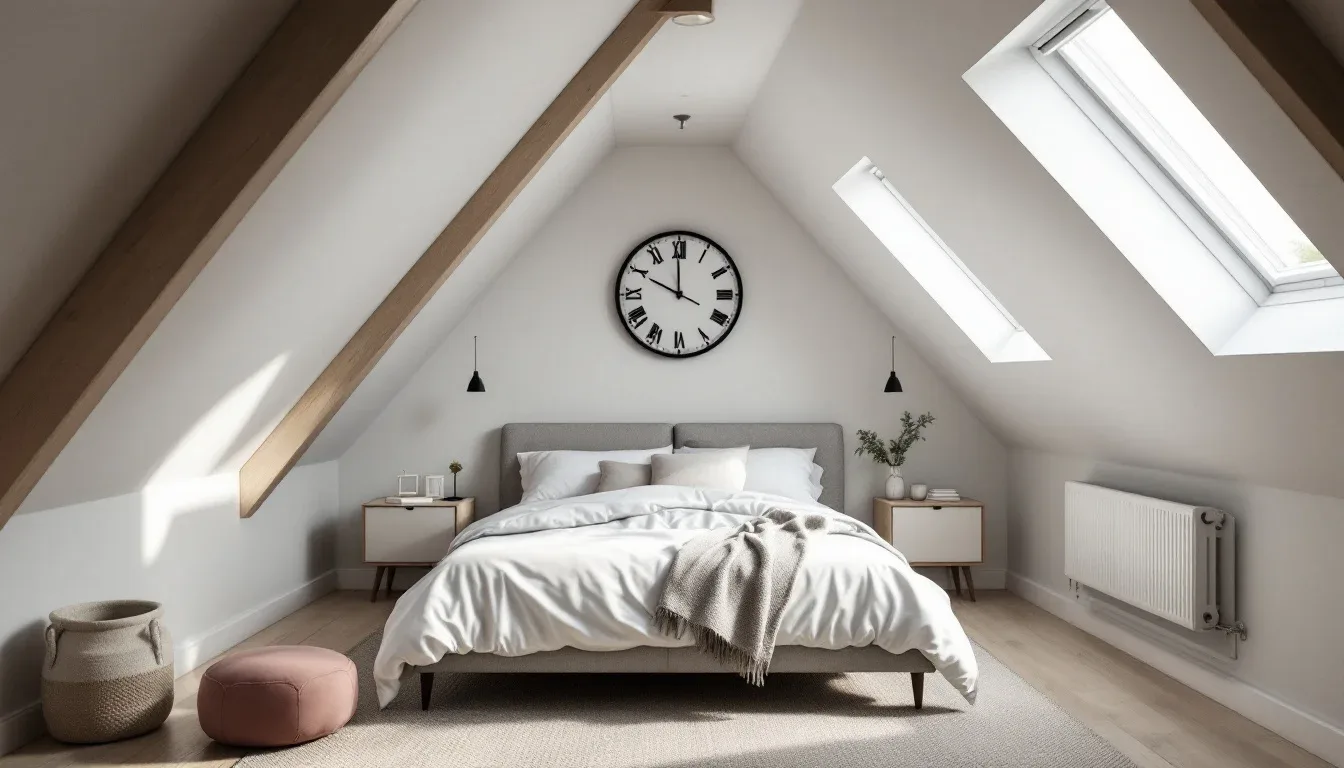
Most homeowners who start researching the cost to convert an attic to a bedroom get one number from a contractor — then discover three more they never planned for, usually in this order: the staircase, the HVAC extension, and the structural joist reinforcement. By the time those three surprises land, the project that felt like a $35,000 renovation is sitting at $58,000 and still doesn’t have flooring.
Quick Answer
Most homeowners who price an attic conversion get one number from a contractor — then discover three more they never planned for, usually in this order: the staircase, the HVAC extension, and the structural joist reinforcement.
I spent eleven years helping people make real rooms out of difficult spaces, and attic conversions were the projects that separated the contractors who actually knew what they were doing from the ones who were good at giving optimistic estimates. The difference usually showed up within two weeks of demo. What follows is the honest version of this cost conversation — not a table of ranges you could have Googled, but an explanation of why each number moves, which surprises are actually avoidable, and when the whole project stops making financial sense.
Why the Cost to Convert an Attic to a Bedroom Varies So Dramatically
In This Article
- Why the Cost to Convert an Attic to a Bedroom Varies So Dramatically
- What Is the 7 and 7 Rule for Attics — And Why It Controls Your Budget
- Is It Legal to Turn an Attic Into a Bedroom? What the Codes Actually Require
- The Line Items Most Contractors Don’t Volunteer
- When the Project Makes Financial Sense — And When It Doesn’t
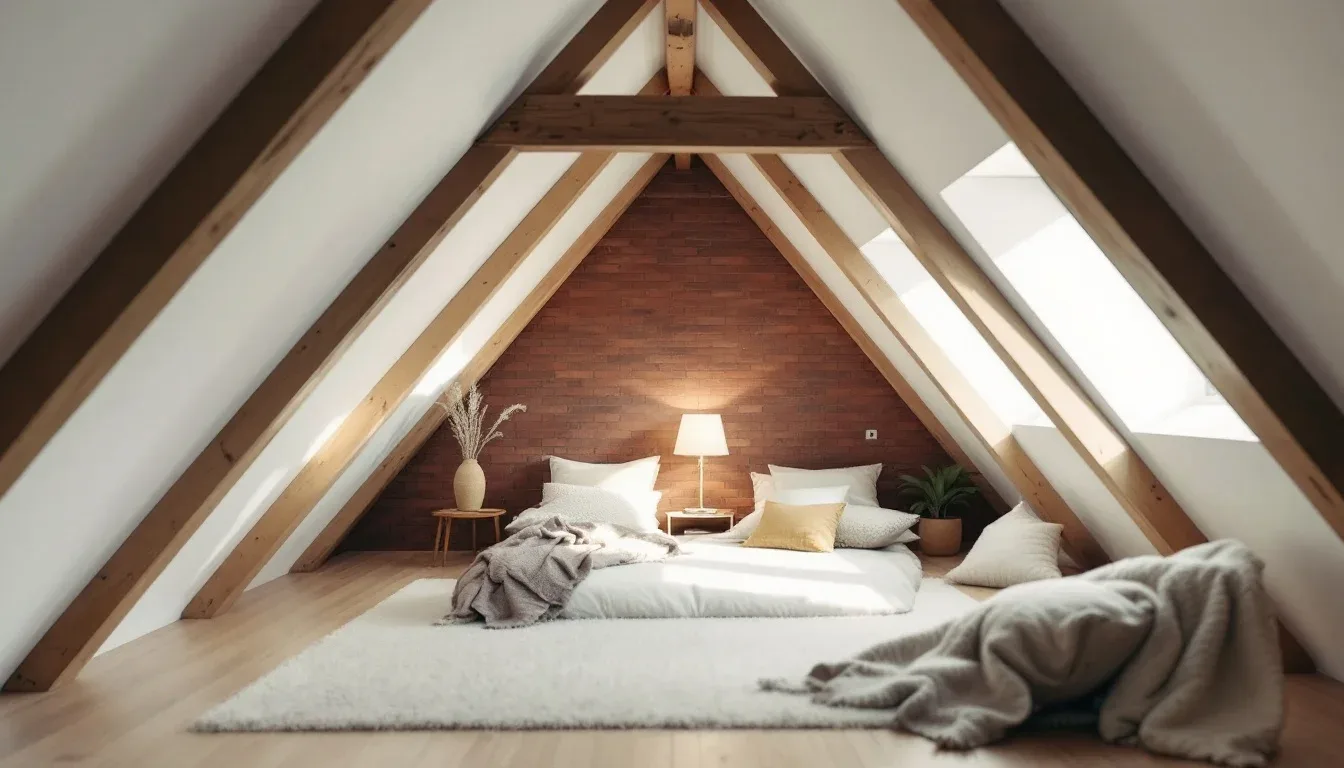
Square footage and ceiling height are the two biggest cost drivers before a single nail is hammered — and they interact in ways that aren’t obvious until you’re standing in the space with a tape measure. A 600-square-foot attic with a 9-foot peak sounds generous until you realize that usable floor area is calculated only where ceiling height meets code, which in most jurisdictions means anything under 5 feet doesn’t count toward the legal square footage of the room. You could have 600 square feet of floor and qualify for 280.
The structural condition of the existing joists is where projects most often jump price tiers. Attic floor joists in most American homes built before 1990 were engineered to hold stored boxes — typically a dead load of 10 to 20 pounds per square foot. A bedroom requires a live load capacity of 40 pounds per square foot. That gap isn’t patched with a conversation; it requires sistering new joists alongside old ones, sometimes the full span of the floor. I’ve seen this single line item take a $30,000 project to $70,000. Not because anyone was dishonest — because nobody opened the hatch before signing the contract.
Geographic labor markets move total project cost by 40% or more, independent of material costs. The same framing and drywall work that runs $18,000 in Indianapolis runs $29,000 in Denver and closer to $40,000 in Brooklyn. Nationally, the cost to convert an attic to a bedroom ranges from $40,000 to $92,000, but in San Francisco, Seattle, or Manhattan, an identical scope of work frequently exceeds $150,000. That’s not markup — it’s the cost of licensed labor in a competitive skilled-trades market.
Then there’s access. A pull-down ladder doesn’t meet bedroom code anywhere in the country, which means if your attic currently has no staircase, you’re adding one. That’s $3,000 on the very low end — a straight-run stair with no framing complications — and $10,000 or more if it requires stealing square footage from the floor below, which it almost always does. Most people budgeting an attic conversion forget this entirely until the contractor walks the space and asks where the stairs are going.
Warning signs that push the cost to convert an attic to a bedroom into a higher budget tier:
- Ceiling height below 7 feet across the majority of the floor plan signals structural modification costs
- Joists that are 2×6 instead of 2×8 or 2×10 almost always require reinforcement
- Older wiring in the attic (knob-and-tube, aluminum) adds electrical costs before you even start the conversion
- Distance from the main HVAC system determines how expensive the duct extension will be
- No existing staircase access means budgeting a full stair build into the project from day one
- Homes with hip roofs lose usable square footage faster than gable-roof homes as you move away from the ridge
- Spray foam insulation already applied to the roof deck can complicate ventilation planning and add removal costs
Typical cost ranges by project scope:
- Basic conversion (good bones, existing stair, simple HVAC extension): $40,000–$55,000
- Mid-range conversion (joist sistering, new stair, mini-split installation): $55,000–$80,000
- Complex conversion (dormer addition, full structural work, high-end finishes): $80,000–$150,000+
- High cost-of-living metro areas (same mid-range scope): $100,000–$180,000
Actionable takeaway: Before calling a contractor, measure your attic’s peak height and the width of the floor space where that height exists. If you can’t get 7 feet across at least 7 feet of width, get a structural engineer’s opinion before you get anyone else’s bid.
What Is the 7 and 7 Rule for Attics — And Why It Controls Your Budget
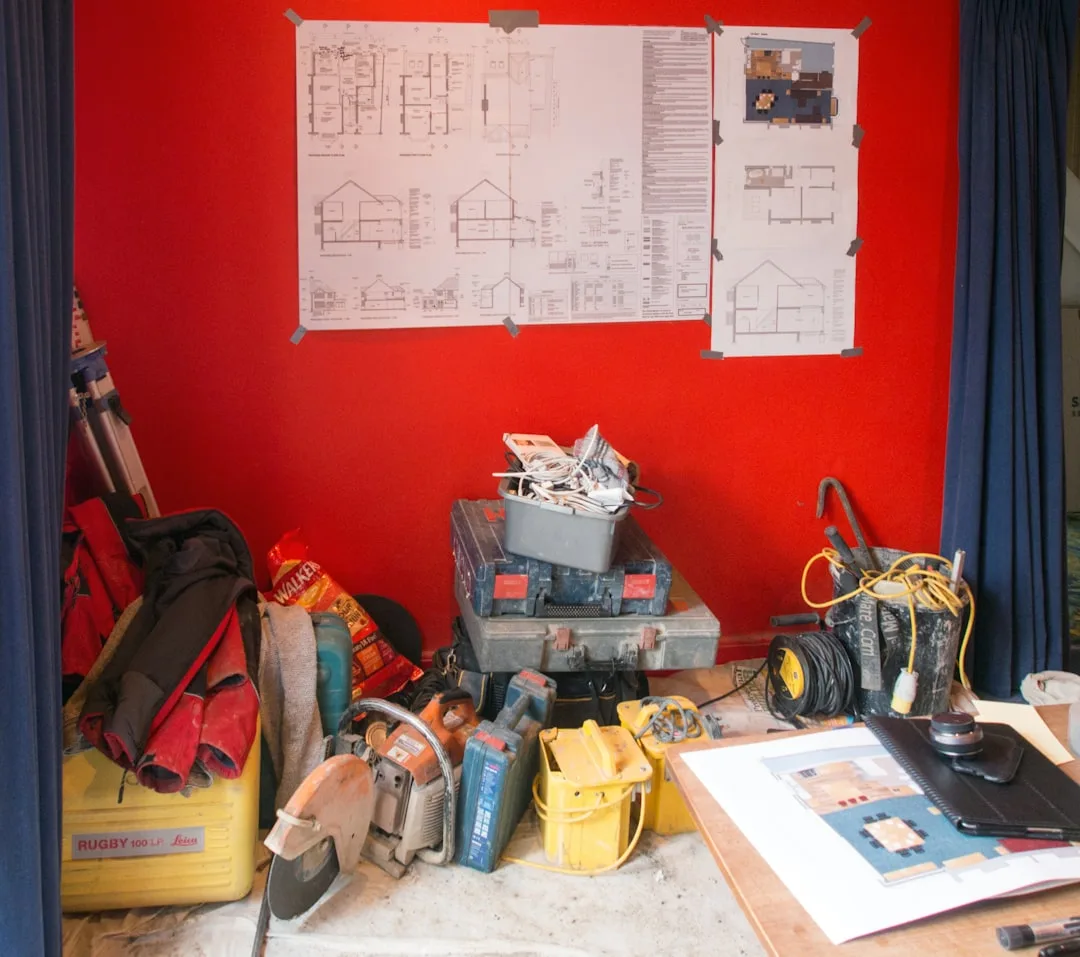
Here’s the rule nobody explains with any precision: IRC Section R305.1 requires a minimum ceiling height of 7 feet over at least 50% of a room’s floor area to qualify that space as habitable under the International Residential Code. The “7 and 7 rule” — 7 feet of ceiling height across 7 feet of floor width — is the practical shorthand that most builders and inspectors use to apply this requirement in the field.
What this means financially is brutal and specific. If your attic passes the test, your project stays in its original budget category. If it fails — and a meaningful percentage of American attic spaces do fail, particularly in cape cods and older colonials with steeper pitches — you have two choices. You can raise the roofline, which typically costs $15,000 to $40,000 on top of the conversion itself, depending on how much of the roof needs to be altered. Or you can lower the floor by dropping the ceiling of the room below, which is cheaper structurally but trades one room’s livability for another’s. Neither option is small.
The cruelest version of this situation — and I watched it happen to a client in Evanston — is a partial failure. The attic meets the 7 and 7 standard in the center of the space but tapers below code on both ends due to roof pitch. Only the compliant portion counts toward the legal bedroom square footage. What looked like a 400-square-foot bonus room on paper qualifies as 210 square feet under code. The room can still exist; it just can’t be listed as a bedroom on the appraisal or MLS, which eliminates most of the financial justification for doing it.
Many homeowners discover this only after hiring a contractor. The sequence goes: contractor visits, gives an estimate assuming the space qualifies, homeowner signs, demo begins, permit inspector flags the ceiling height issue. Then everybody’s having a different conversation than the one they thought they were having.
Roof styles and how they affect 7 and 7 compliance:
- Attics with a roof pitch of 4:12 or lower are at higher risk of failing the 7 and 7 test
- Hip roofs fail more often than gable roofs because the ridge is shorter
- Cape Cod–style homes almost always require some form of dormer addition to meet the rule
- Even in spaces that technically pass, knee walls under 5 feet don’t count toward the habitable area calculation
- Shed dormers — which extend across most of the roof width — solve the height problem most cost-effectively when full roof modification is on the table
- A single eyebrow dormer adds light but rarely adds enough headroom to move the compliance numbers meaningfully
What dormer additions typically cost by type:
- Shed dormer (full-width): $20,000–$45,000
- Gable dormer (single window pop-out): $10,000–$25,000
- Hip dormer: $15,000–$35,000
- Eyebrow dormer: $8,000–$18,000 (primarily aesthetic, minimal headroom gain)
Actionable takeaway: Measure your attic’s ceiling height at the center peak AND at 3.5 feet from each knee wall. If the compliant zone is less than 7 feet wide in any direction, budget for a dormer or roofline alteration before you budget for anything else.
Is It Legal to Turn an Attic Into a Bedroom? What the Codes Actually Require
Yes — legal. But the word “bedroom” carries specific obligations that most homeowners underestimate until they’re deep in the permit process. The list isn’t long, but every item on it costs money, and skipping the permit process doesn’t eliminate the requirements — it just defers them to the moment you try to sell the house.
Egress is the first and most non-negotiable requirement. A room cannot be legally classified as a bedroom unless it has a means of emergency escape that doesn’t require passing through another room. For attic conversions, this almost always means a window that meets egress specifications: minimum 5.7 square feet of openable area, at least 24 inches tall, at least 20 inches wide, and with the sill no higher than 44 inches from the floor. Standard attic windows frequently fail on multiple counts. Replacing or enlarging them to meet egress spec runs $800 to $3,000 per window depending on the framing modification required.
The full code checklist for a legal attic bedroom conversion:
- Egress window: Minimum 5.7 sq ft openable area, sill height no greater than 44 inches from floor
- Staircase access: Minimum 36-inch width, code-compliant rise and run, handrails on both sides if width exceeds 44 inches
- Ceiling height: 7 feet over at least 50% of floor area (IRC R305.1)
- Smoke detector: Hard-wired with battery backup, installed within 10 feet of the sleeping area
- Carbon monoxide detector: Required in most jurisdictions if any fuel-burning appliance is in the home
- Electrical: Minimum one lighting circuit, AFCI-protected outlets, switch-controlled lighting at the room entrance
- Heating: The room must be capable of maintaining 68°F at 3 feet above the floor — a dedicated heat source, not just “the rest of the house is warm”
- Insulation: Meets local energy code minimums for the climate zone (R-38 to R-60 for most U.S. regions)
- Closet: Not required by IRC for a room to be called a bedroom, but some local codes and virtually all real estate appraisers require one for bedroom classification
A permit isn’t optional if you want the room to count. Unpermitted attic conversions surface during home sales — inspectors look for them specifically, and a buyer’s lender may require the space be brought to code before closing, at the seller’s expense. The permit itself typically costs $500 to $2,000 depending on municipality and project scope.
Actionable takeaway: Pull the permit. The fee is negligible relative to the total cost to convert an attic to a bedroom, and an unpermitted conversion can reduce your home’s appraised value or kill a sale entirely.
The Line Items Most Contractors Don’t Volunteer
The estimate you get before demo rarely matches the invoice you get after. That’s not necessarily dishonesty — some costs genuinely can’t be known until walls are open. But some costs are predictable, and experienced contractors in high-volume markets know them. Here’s what tends to go unmentioned until you’re already committed.
Structural engineering fees. Before a single joist can be sistered, someone licensed needs to specify what’s required. Structural engineering fees for an attic conversion typically run $800 to $2,500. They’re not optional — the permit office will ask for the engineer’s stamp. Most contractors don’t include this in the initial quote.
HVAC design and extension. Extending ductwork to an attic isn’t always feasible, and when it is, the static pressure calculation for the existing system may show it can’t handle the added load. A mini-split system avoids the ductwork problem but adds $3,000 to $8,000 depending on single-zone versus multi-zone installation and whether electrical panel capacity exists.
Insulation removal and replacement. If the attic has blown-in or batt insulation on the floor, it needs to come out before framing begins, and new insulation needs to go on the roof deck or between rafters. Depending on existing material type and depth, removal alone can run $1,500 to $4,000.
Hidden costs that commonly surface mid-project:
- Joist sistering: $5,000–$20,000 depending on span length and full versus partial reinforcement
- Panel upgrade: If the electrical panel is at capacity, adding circuits for the attic may require a service upgrade — $2,500 to $5,000
- Plumbing rough-in: If a bathroom is ever intended for the attic level, rough-in during the conversion costs far less than opening finished walls later — $3,000 to $8,000
- Fire blocking: Code requires fire blocking at specific intervals in new framing; often missed in initial estimates — $500 to $1,500
- Spray foam at rafters: Changing from vented to unvented attic assembly requires spray foam on the roof deck, not just batts — adds $4,000 to $12,000 depending on attic size
- Knee wall framing and finishing: Often treated as simple but requires insulation, vapor barrier, and access panels — $2,000 to $6,000
When the Project Makes Financial Sense — And When It Doesn’t
The cost to convert an attic to a bedroom only pencils out financially under specific conditions, and those conditions are worth examining before the first contractor call.
In markets where finished square footage trades at $300 or more per square foot, a 300-square-foot attic bedroom that costs $65,000 to build adds more value than it costs — if it qualifies as a true bedroom with egress, stair access, and a closet. In markets where finished square footage trades at $150 per square foot, that same project is likely a wash or a loss, and the financial case for doing it shifts from investment to lifestyle improvement.
Factors that make attic conversion a good investment:
- Your home is already priced near the top of its neighborhood range (adding a bedroom helps more than adding square footage in an undervalued home)
- The space qualifies as a legal bedroom without major structural modification
- You’re in a market with persistent demand for 4-bedroom homes versus 3-bedroom homes
- The conversion adds a bedroom that takes you from 3 to 4, which is a more significant pricing threshold than 4 to 5
- You plan to stay in the home long enough to use the space before selling
Factors that make it a harder financial argument:
- Significant structural work is required before any finish work begins
- The space will qualify only as a bonus room, not a bedroom
- You’re in a flat or declining real estate market
- The project requires a dormer addition to achieve compliant ceiling height
- You’re doing it primarily for resale value rather than personal use
Actionable takeaway: Get a real estate agent’s opinion on the before-and-after value of your specific home in your specific market before committing to a budget. The cost to convert an attic to a bedroom is fixed; the value it adds is entirely local.
Frequently Asked Questions
How long does an attic to bedroom conversion take?
A straightforward conversion — no dormer, existing stair access, simple HVAC extension — typically takes 6 to 12 weeks from permit approval to final inspection. Add 4 to 8 weeks if a dormer is required. Permitting itself can add 2 to 6 weeks depending on municipality backlog. Budget for 4 to 6 months total from first contractor meeting to move-in, and you won’t be caught off guard.
Does converting an attic to a bedroom add value to your home?
In most markets, yes — but not dollar-for-dollar. A legal bedroom conversion in a high-demand metro typically returns 70% to 85% of project cost at resale, according to Remodeling Magazine’s Cost vs. Value data. The key word is “legal”: a bedroom that passes permit inspection and is documented as such on the appraisal adds meaningful value. An unpermitted conversion frequently does not, and can complicate financing for the buyer.
Can I convert my attic to a bedroom without adding a dormer?
Yes, if your attic already meets the 7 and 7 height standard across sufficient floor area. Many full two-story homes with steeper roof pitches — 8:12 or greater — have enough natural headroom to qualify without roofline modification. The only way to know for certain is to measure the space and check it against your local code, then confirm with the permit office before proceeding.
What is the cheapest way to convert an attic to a bedroom?
The most cost-effective conversions share three characteristics: existing staircase access, joists already rated for bedroom live load, and ceiling height that meets code without modification. If all three are true, you’re largely doing insulation, drywall, electrical, and HVAC work — the least expensive category of attic conversion. In lower cost-of-living markets, this version of the project can come in under $40,000. The cheapest approach is not to cut corners on code requirements — it’s to choose a space that doesn’t require structural modification to meet them.
Do I need a structural engineer for an attic bedroom conversion?
In most jurisdictions, yes — at minimum the permit office will require engineered drawings or a stamped letter confirming the floor system can carry bedroom live loads. Even where it isn’t explicitly required by the permit process, hiring a structural engineer before the project begins is one of the best ways to avoid the mid-project surprises that cause budgets to double. Engineering fees of $800 to $2,500 are inexpensive insurance relative to a $65,000 project.